
Review · DIJON
Small-Group Full-Day Tour of Côte de Nuits, Côte de Beaune Vineyards and Beaune Historical District
Burgundy rewards a closer look. This Dijon day trip links the Côte de Nuits, Côte de Beaune, and Beaune’s old center, giving you a useful introduction to the region without the work of arranging drivers, wineries, and village stops yourself. I especially like the eight-person limit and the chance to taste both red and white Burgundy, including Premier Cru wines.
I also like the contrast between the winery visits. One may be a small family cellar with a personal welcome, while another can be a polished tasting room with a wider selection. The main consideration is that the quality of the hosting can vary, and one tasting may feel brisk or sales-focused.
- Two Burgundy tastings: Expect about five to seven wines at each stop, with Premier Cru bottles included.
- Côte de Nuits and Côte de Beaune: You see two major Burgundy wine areas and learn why village, Premier Cru, and Grand Cru names matter.
- Free time in Beaune: About two hours are set aside for lunch and a walk through the historic center. Lunch costs extra.
- Small minivan group: A maximum of eight people makes conversation with the guide easier than on a large coach.
- Experienced local guides: Guides such as Paul, Anne, Max, Stefan, David, Alex, and Léonie have been praised for their wine and regional knowledge.
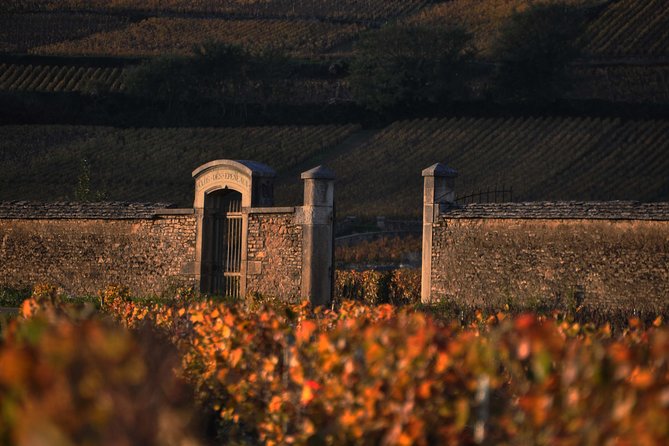
- Scenic route from Dijon: The drive through famous vineyard villages and plots, including areas associated with Romanée-Conti and Clos de Vougeot, adds real context to the tastings.
Why this Dijon wine tour works
At $161.32 per person, this is not a cheap outing, but it is a fair price for a full day with transportation, a bilingual French and English guide, two tastings, bottled water, and fuel and service charges included. Burgundy is not an easy region to explore by car if you plan to taste wine. The villages are spread out, winery appointments are limited, and someone has to stay sober enough to drive.
I see the tour as a practical introduction rather than a specialist wine seminar. You get a broad look at Burgundy in about seven and a half hours, with enough time to compare estates, villages, grape styles, and levels of quality. If you already know Burgundy well, the day may feel general. If names such as Meursault, Gevrey-Chambertin, and Savigny-lès-Beaune are still a blur, it offers a useful framework.
The 97 percent recommendation rate and 4.8 rating from 364 reviews point to a strong overall experience. Still, the day depends heavily on the guide and the individual winery hosts. That is common in small-group wine tours, and it is worth understanding before you book.
Meeting in Dijon at 9:45 a.m.
The tour starts at 16 Place Darcy in Dijon at 9:45 a.m. It ends at the same meeting point, so you do not need to arrange a return transfer from Beaune or one of the wineries.
Hotel pickup and drop-off are not included. Plan to reach Place Darcy on your own and allow a little extra time to find the exact meeting spot. The location is near public transportation, which makes the start fairly manageable if you are staying elsewhere in central Dijon.
Transport is by air-conditioned minivan. With no more than eight people, the vehicle should feel more personal than a standard coach, though seating matters. One person found it difficult to hear from the back because of road noise and rattling, so I would try to arrive early and claim a front or middle seat if hearing every explanation matters to you.
The drive itself is part of the experience. You pass through vineyard country rather than simply jumping from tasting room to tasting room. A good guide points out the villages, slopes, and vineyard names along the way, helping you understand why a bottle from one small plot can cost far more than one from the next.
More Small-Group History Tours in France:
- Small Group Guided Tour of the Secret History of Rouen
★ 5.0 · 24 reviews - London Small Group Tour of Historical Pubs
★ 5.0 · 10,422 reviews - Boston: Freedom Trail History Small Group Walking Tour
★ 5.0 · 6,450 reviews
Reading Burgundy through the Côte de Nuits
The Côte de Nuits is best known for red wines made from Pinot Noir, and this northern part of the route gives you a first look at Burgundy’s famous village names and vineyard classifications. Gevrey-Chambertin is one of the key places associated with the area.
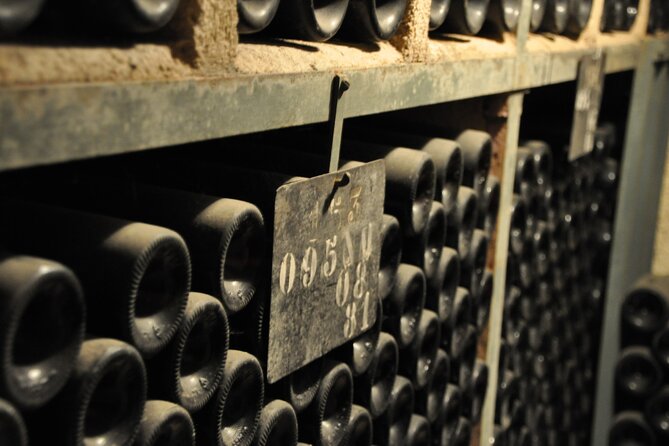
Past departures have included a stop at Domaine Philippe Leclerc in Gevrey-Chambertin. Its cellar was described as atmospheric and unusual, with old objects, antiques, and taxidermy. That sort of setting can feel far removed from a sleek commercial tasting room, which is part of the charm.
Another morning visit has been to Domaine Darby, where the winemaker personally led the tasting. That kind of direct contact can make a major difference. Instead of simply hearing a list of bottle names, you may get a clearer sense of the family operation, the cellar, and the choices behind the wine.
The exact winery schedule can vary, so do not book expecting one specific estate unless the operator confirms it. The value is in seeing different styles of Burgundy production, not in checking off a single famous name.
What the first tasting teaches you
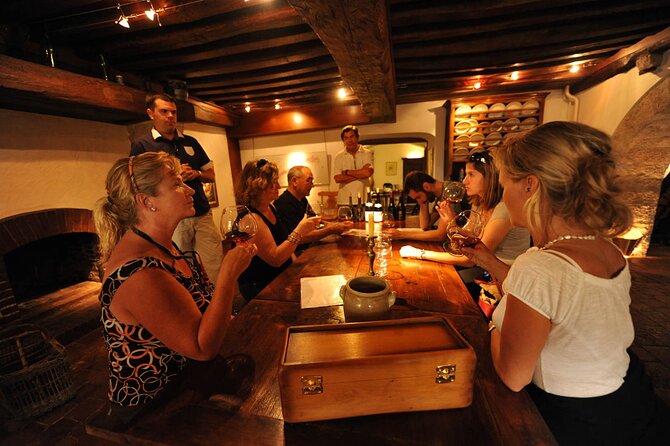
Each tasting includes roughly five to seven wines, and Premier Cru bottles are included. Across the day, you may taste around ten to twelve wines, depending on the selection and the pours.
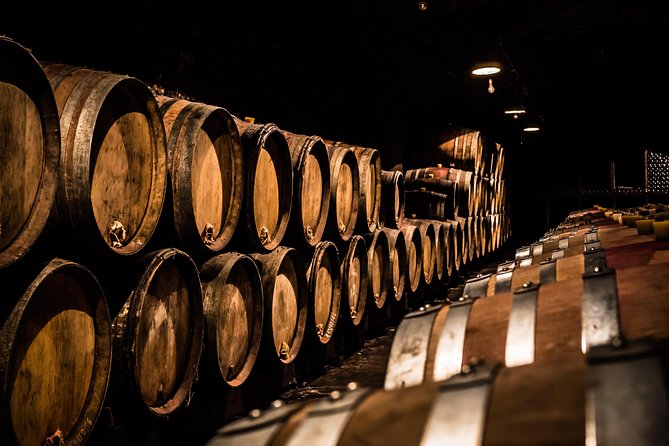
The first stop often provides the more personal setting. You might taste in a small cellar, hear about local methods, and compare wines from nearby villages. One particularly strong experience included wine sampled from the press and barrel, but that type of access should be treated as a fortunate possibility rather than a guaranteed part of every departure.
Your guide helps put the wine into plain language. Burgundy can be confusing because the label often emphasizes the place more than the grape. The same basic grape variety can produce very different wine depending on the village, soil, slope, and classification.
The best guides explain that clearly. Stefan, a former sommelier, was praised for discussing several appellations and helping the group compare reds and whites. Max was also praised for explaining how soil and position on the slope affect character. Those details are more useful than simply hearing that one wine is good and another is better.
A small warning: the first tasting may be informal. That can feel authentic, but it can also mean less structure. If you want a formal cellar tour with a long explanation before every pour, expectations should be modest.
Beaune: two hours for lunch and a walk
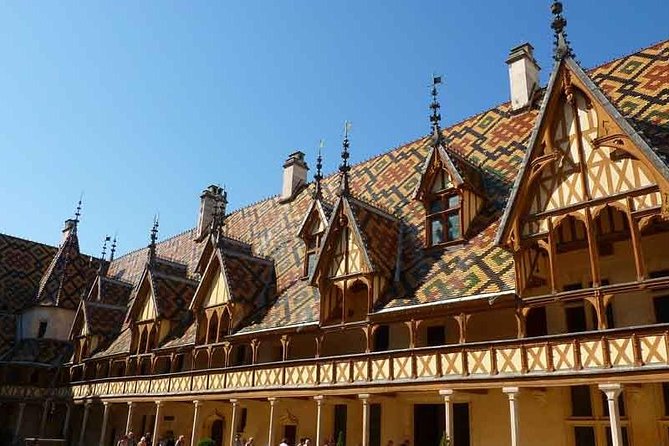
Around the middle of the day, you get free time in Beaune. The official timing is about two hours, though some descriptions of the day allow closer to two and a half. Use that time for lunch, a walk through the old center, and perhaps a visit to a sight such as the Hôtel-Dieu, also known as the Hospices de Beaune.
Lunch is not included, which is a drawback for anyone hoping for an all-inclusive day. It is also a benefit if you prefer choosing your own pace and restaurant. Guides have recommended places such as Le Maufoux, Le Parisien, and other local options, but your guide can offer the most current advice on the day.
Beaune is not just a meal stop. Its compact historic center gives you a break from the minivan and a chance to see Burgundy beyond vineyards and bottles. You can wander, browse shops, admire the old streets, or sit down for a regional dish.
Keep an eye on the meeting time. Beaune is pleasant enough to make you lose track of the clock, and the afternoon tasting will not wait indefinitely. If you want to visit the Hospices, ask your guide how much time you realistically have before buying an admission ticket.
More Full-Day Tours in France:
- From Avigno: Full-Day Roman Sites and Historical Places Tour
★ 4.7 · 28 reviews - Ninh Binh Heritage Full Day Tour with Buffet Lunch and Limousine
★ 5.0 · 2,692 reviews - Bali: Tanah Lot UNESCO World Heritage Sites Full-Day Tour
★ 4.7 · 1,947 reviews - UNESCO’s Ayutthaya Historical Park: Full-Day Tour from Bangkok
★ 4.5 · 1,559 reviews
The Côte de Beaune and the second tasting
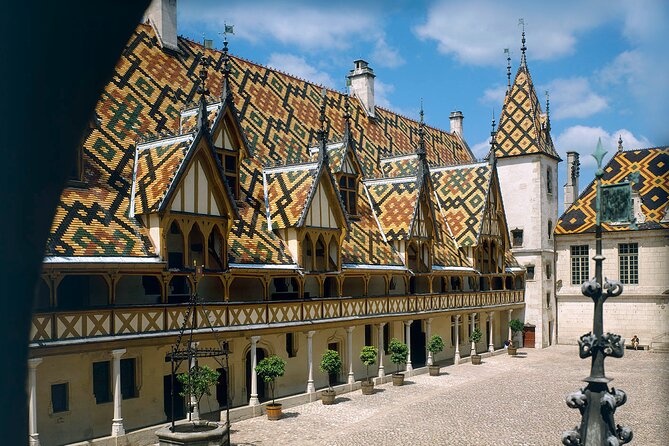
The afternoon route turns toward the Côte de Beaune, known for important white wine villages as well as excellent reds. Meursault is one of the best-known names in this area, and previous routes have included Caveau Moillard there.
This second stop can provide a useful contrast with the morning. Instead of a small family cellar, you may find a more modern and polished operation with a larger range of bottles. One reported visit included a Savigny-lès-Beaune Premier Cru, along with other red and white wines.
That contrast is one of the tour’s strengths. Burgundy is not one single style of winery. Some estates are intimate and traditional. Others present the region in a more commercial, organized way. Seeing both helps you understand how different the wine-buying experience can be.
The weak point is consistency. One account described the second tasting as rushed, with little explanation and an overly direct focus on buying bottles. Another found the afternoon selection excellent and appreciated the way wines were chosen around personal preferences. Your experience will depend on the host, the group, and the guide’s involvement.
If the tasting feels too quick, ask questions. A good guide can often add context about the appellations, producers, and differences between the bottles. The guide’s role is especially important at this stop.
The guides make or break the day
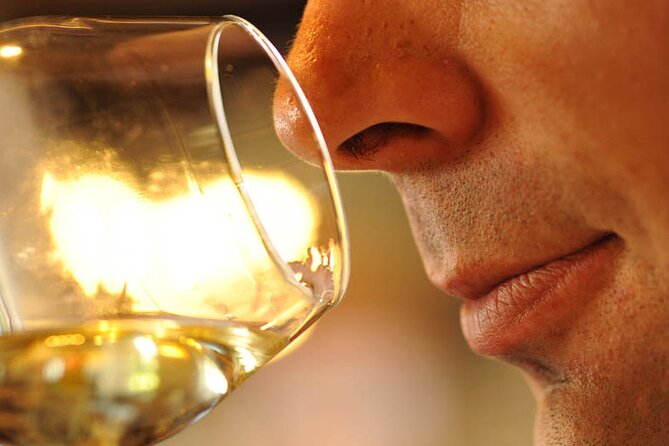
The strongest praise goes to the guides. Paul was described as friendly and well informed about the region. Anne offered detailed explanations and helped with lunch choices. Max was praised for being relaxed, funny, and generous with suggestions for places to visit afterward.
Stefan received especially warm praise for combining driving, wine knowledge, and personal connections in the region. David was described as a sommelier with years of experience, while Alex helped make a full eight-person van comfortable with water, breaks, and practical advice.
Léonie was praised for her enthusiasm and local perspective. Pierre, Thomas, Marie, and Borg were also singled out for making the day friendly and informative.
This variety tells you something important. The tour format gives the guide room to shape the day. A passionate guide can turn a drive between vineyards into a lesson in geography, pricing, and winemaking. A less effective guide may leave you with pleasant scenery but only a thin explanation of what you tasted.
The tour may be operated by a multilingual guide, and English is offered. If the group is full, eight people can still create some noise inside the van. Sit near the front if you want the clearest conversation.
Is $161.32 good value?
I think the price is reasonable for someone based in Dijon who wants a guided introduction to Burgundy. You are paying for a full day of transport, a driver-guide, two sets of tastings, bottled water, and the convenience of not arranging appointments or driving after drinking.
The value is strongest when you make full use of the guide. Ask about village classifications, why Premier Cru costs more than village wine, how red and white wines differ, and which local dishes pair well with what you taste. Passive tasting makes the tour less worthwhile.
The price does not cover lunch, hotel transfers, or wine purchases. Bring extra money if you hope to buy bottles, and remember that shipping wine home can add significant cost. One couple purchased six bottles after a particularly good winery visit, so the tasting can easily lead to an unplanned addition to your budget.
You also need at least four people for the tour to operate. If the minimum is not reached, the operator may cancel after confirmation and offer another date, another experience, or a full refund.
Who should book this experience?
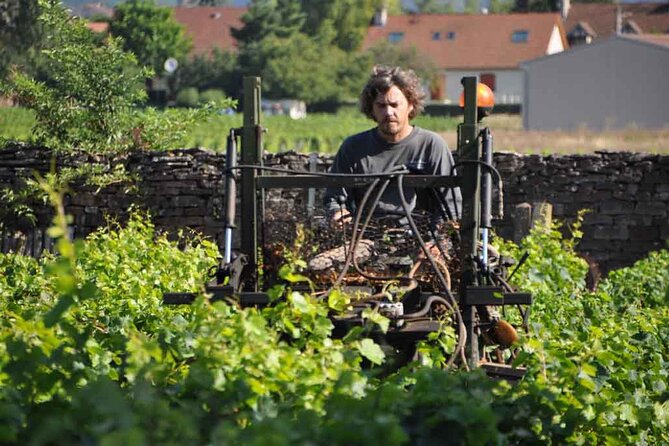
I would choose this tour if you are staying in Dijon, want to see both major Burgundy wine areas, and prefer a guide to handle the driving. It suits curious wine drinkers, first-time Burgundy visitors, couples, and small groups who want a social day without a large bus.
It is also a good match if you want more than tasting-room visits. The route includes villages, vineyard views, Beaune, and explanations of Burgundy’s classification system. You get a sense of the region as a place, not just a collection of expensive bottles.
I would hesitate if your priority is a long technical cellar tour at one specific estate. The two tastings can be brief, and the winery choice may change. You may also prefer wine bars in Dijon if you want to taste at your own pace without spending a full day on the road.
Wear casual clothes and comfortable shoes. The dress code is casual, and the day combines driving, standing, walking in Beaune, and time in cellars or tasting rooms. The experience is open to most people, but anyone with mobility concerns should confirm the details before booking because the exact winery settings are not specified.
Should you book this Burgundy day trip?
Book it if you want a well-rounded first look at Burgundy without renting a car or planning several winery appointments. The best parts are the small group, the scenery between Dijon and Beaune, the chance to taste Premier Cru wines, and the guides who explain why Burgundy is so place-focused.
Go in with realistic expectations. This is an overview, not a private master class. One tasting may be warm and personal, another may be polished or hurried. If you accept that variation, the day gives you a lot: two wine regions, two tasting styles, time in Beaune, and a sober ride home to Dijon.
FAQ
Where does the tour start?
The tour starts at 16 Place Darcy, 21000 Dijon, France, at 9:45 a.m.
Where does the tour end?
The tour ends back at the starting meeting point in Dijon.
How long does the tour last?
The tour lasts approximately seven and a half hours.
How many people can join the tour?
The maximum group size is eight people per booking and no more than eight travelers on the activity.
What wines are included?
The two tastings include about five to seven wines each. Premier Cru wines are included, and the selections can include both red and white Burgundy.
Is lunch included?
No. You have about two hours of free time in Beaune for lunch, but the meal is not included in the tour price.
Is hotel pickup provided?
No. Hotel pickup and drop-off are not included. You need to reach the meeting point in Dijon on your own.
Is the tour offered in English?
Yes. The tour is offered in English and may be operated by a multilingual French and English guide.
What happens if the tour does not reach its minimum group size?
The tour requires at least four people to operate. If it is canceled because the minimum is not reached, you will be offered an alternative date or experience, or a full refund.
Just added around France
- Segway Tour by ComhiC – The Highlights – 1h30★ 5.0 · 27 reviews
- Lyon’s History and Must-Sees with a Local! (English Walking Tour)★ 5.0 · 86 reviews
- Unique Tour of Great Women in Lyon history★ 5.0 · 23 reviews
- Bordeaux Historic and Gourmet Food Walking Tour★ 4.5 · 82 reviews
- Private Bordeaux History Tour with a glass of Bordeaux wine.★ 5.0 · 28 reviews
- 2-Hour Walking Tour of the City’s Iconic Sights and History★ 4.0 · 207 reviews
- Bordeaux’ Best Boulangeries & History Tour★ 5.0 · 126 reviews
- Historical Center, Bordeaux Food Tour★ 5.0 · 33 reviews
Small-Group History Tours, compared.
Freedom Trail History Small Group Walking Tour
Read our review →
Madrid Tapas & Taverns Small Group Food & History Tour
Read our review →
Hidden Alleyways and Historic Sites Small-Group Walking Tour
Read our review →
New Orleans Small-Group Haunted History Carriage Tour
Read our review →
Half Day Dominican Republic Cultural Tour : Small Group
Read our review →
Ultimate Seville Tapas, Wine & History Small Group Tour
Read our review →
Vienna Historic Center Small Group Walking Tour
Read our review →Browse the lists this tour appears in