

Review · BORDEAUX
Bordeaux’ Best Boulangeries & History Tour
Come hungry, leave oriented. This small-group walk mixes French bread and pastries with Bordeaux landmarks, making it a useful first look at the city rather than a simple bakery crawl. I especially like the variety of tastings, from sweet pastries to savory bites and bread, and the way the route reaches lesser-seen corners of Bordeaux. The main drawback is that it requires a fair amount of walking, and the Flèche Saint-Michel is closed for construction, so you will see it only from outside.
The tour costs $72.56 per person and lasts about three hours, though one account describes a four-hour morning. I like that the group is capped at 10 people, which should make questions and conversation easier. If you want a quiet, highly focused pastry lesson or a tour with interior access to every monument, this is not the right fit.
Key points at a glance
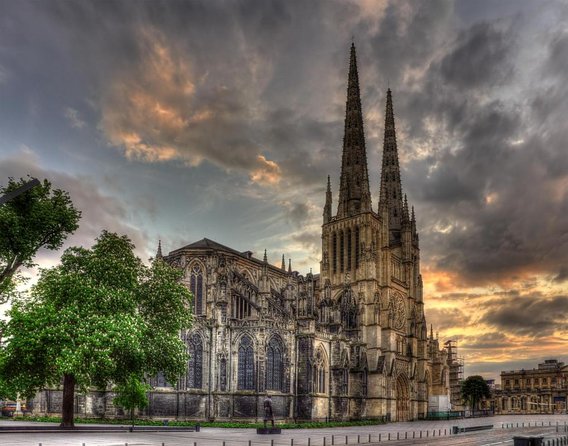
- Pastries are part of the route, not an afterthought: You taste sweets, savory baked goods, and bread while learning about French baking.
- Eight Bordeaux sights are included: The route covers Saint-Michel, the Grosse Cloche, Old Bordeaux, Chartrons, Saint-Seurin, and more.
- Small groups make a difference: The maximum group size is 10, useful for asking questions and keeping the stroll friendly.
- The tour reaches less familiar places: The route includes historic corners that many people would miss on a standard city walk.
- The route begins at Saint-Michel: Meet at Basilique Saint-Michel, 16 Pl. Meynard, and finish on Rue Notre Dame.
- Bring water and wear comfortable shoes: The pace is described as leisurely, but the walk covers a broad part of central Bordeaux.
Why bread makes a good introduction to Bordeaux
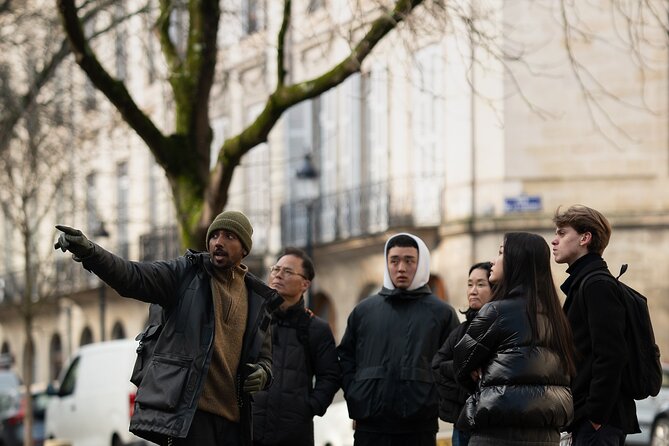
Bordeaux is an easy city to admire from its grand squares and elegant façades. But a bakery walk gives you a more everyday view. You see how food fits into French life while moving between churches, gates, towers, and old neighborhoods.
This experience is especially useful early in a visit. One person used it as a first activity after arriving in Bordeaux and found that pastries and coffee helped with jet lag. I can see why. The food gives you regular breaks, while the history gives the walk a clear purpose.
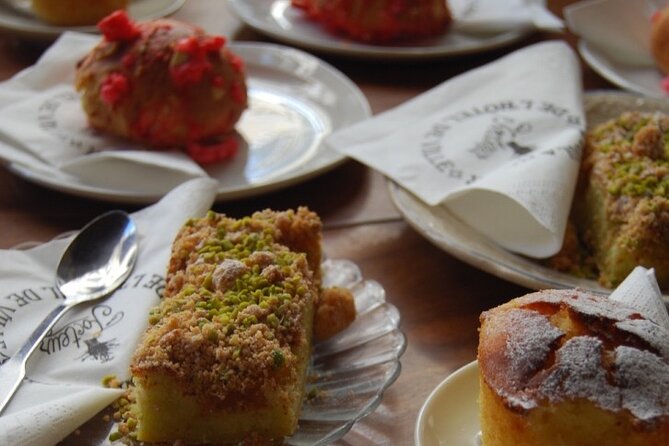
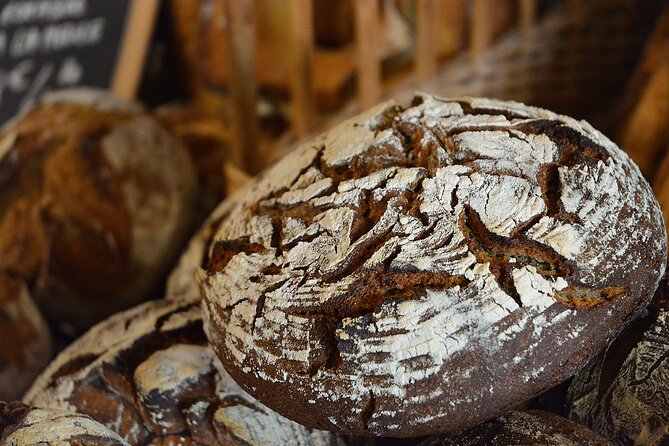
You are not simply stopping at one bakery and then heading to another. The guide connects the food with the city around it. You may hear about French baking customs, the difference between pastry styles, and how bread and sweets are made. The exact tasting list can change, but the food has included pastries, bread, savory items, and cakes.
The strongest praise goes to the guides. Joshua, Nikesh, Daisy, and Veronica are named in the feedback, with Joshua and Nikesh appearing often. The descriptions point to guides who explain both Bordeaux and baked goods well, answer questions, and keep the mood relaxed. That matters here because the experience depends on the guide joining two subjects that could otherwise feel separate.
A few more history tours around France worth a look
- Paris: Louvre Museum Entry with History of Mona Lisa
★ 3.9 · 2,823 reviews - Paris: Dark History and Ghostly Guided Walking Tour
★ 4.7 · 1,000 reviews - Vieux Lyon Cultural & Historical Walking Guided Tour (English)
★ 5.0 · 942 reviews
Starting at Saint-Michel and the Flèche
The meeting point is outside Basilique Saint-Michel at 16 Pl. Meynard. This is a practical place to begin because the first stop is the nearby Flèche Saint-Michel, the tall detached bell tower associated with the basilica.
You will learn about its past and have a tasting at a boulangerie. The important limitation is that you will not enter the Flèche. It is under construction, so this part is an exterior history stop rather than a tower visit.
That could disappoint anyone expecting a climb or interior tour. Still, the stop sets the pattern for the morning: a short explanation, something to eat, then movement through the city. The admission cost for the listed stops is free, but your tour price covers the guiding and tastings rather than monument entry.
The starting area is also useful if you arrive by public transport. The activity is near public transportation, and confirmation is sent when you book. You should still allow enough time to find the square, especially if you are arriving with luggage or getting used to Bordeaux’s streets.
The Grosse Cloche and the old city
The Grosse Cloche is a quick five-minute stop, but it gives you another strong piece of Bordeaux’s civic past. The guide explains its history before the group continues.
Short stops like this work well on a food walk. You get the key point without spending half an hour standing in one place while your pastry gets cold. If you want a full architectural lecture at every monument, the pace may feel brisk. If you want a broad introduction, it keeps the morning moving.
At Eglise St Pierre, the tour shifts into the older part of Bordeaux. The guide leads you through the Old Bordeaux area and points out details that can be easy to pass without context. This is one of the more useful parts of the experience because the value is not just seeing a church. It is learning how the surrounding quarter fits together.
The stop lasts about 20 minutes. That gives you time to look around and ask questions, but it is not a formal church visit with extended interior exploration. The focus is the area, its past, and the small details many people overlook.
Tour Pey-Berland and three major monuments
The Tour Pey-Berland section lasts about 35 minutes and includes history about three important Bordeaux monuments, along with another boulangerie tasting.
This is one of the better-balanced sections of the tour. You get a longer history explanation, then a food break. The guide can give you a sense of how the monuments relate to the city instead of treating each one as an isolated photo stop.
The food also helps break up the information. Several people particularly liked the way the tour combined historical context with French baking facts. That combination is a good match for families and groups with mixed interests. Children or teenagers may be more willing to listen to church and city history when a pastry stop is nearby.
The tour does not promise entry into every monument. You should think of these stops as guided exterior visits unless the details specifically say otherwise. The appeal is coverage and context, not a series of long interior tours.
Same place, a different slice of the past:
- Bordeaux: Historic Center & Chartrons District Bike Tour
★ 4.8 · 709 reviews - From Strasbourg: Best Of Alsace Historical Day Trip
★ 4.7 · 633 reviews - Toulouse Food & History Tour with a Chef (in English)
★ 5.0 · 503 reviews - Notre Dame Cathedral: Exterior Guided Tour & Unscheduled Access
★ 4.5 · 409 reviews
Porte Cailhau and Bordeaux’s old gateways
Porte Cailhau receives a short five-minute explanation. Like the Grosse Cloche, it is a compact stop that adds another piece to the city’s story without slowing the whole route.
These quick stops may be easy to underestimate. A gate can look like a decorative old building when you do not know its role. A guide can give you enough background to make it meaningful, then get you moving toward the next neighborhood and tasting.
This is also where the walk begins to feel broader than a central sightseeing loop. The route does not stay fixed around one square. It links major monuments with districts and bakery stops, so you get a sense of Bordeaux as a connected city.
Saint-Seurin and the monument many people miss
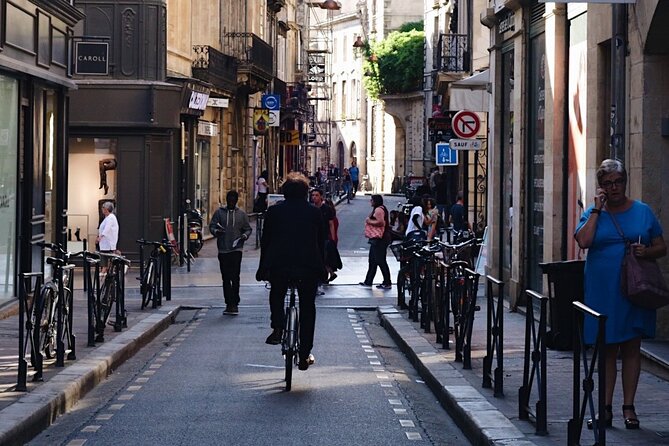
The Basilique Saint-Seurin stop lasts about 35 minutes. You learn about Saint Seurin, taste something at a boulangerie, and then continue toward what the tour describes as Bordeaux’s most historic monument, a place that many people miss.
The exact monument is not identified in the supplied details, so you should not book this expecting a named surprise. The useful point is that the tour deliberately includes a less obvious historical site rather than sticking only to the best-known landmarks.
One pastry stop mentioned in the feedback was Maison Lamour, where a participant especially enjoyed an éclair with choux pastry and pastry cream. That does not guarantee Maison Lamour will be included on every departure, but it shows the kind of detail that can make the food side worthwhile. You are not simply being handed generic croissants. The stops may introduce you to specialist bakeries and different types of French baking.
This section also adds variety. You may have already seen grand civic buildings and city gates. Saint-Seurin brings a different mood and shows why a local guide can add value beyond a standard map route.
Chartrons and Fondaudège by foot
The longest listed section is the 45-minute walk around Eglise St Louis des Chartrons, Fondaudège, and Chartrons. It combines neighborhood history with another bakery tasting.
For me, this is the part that gives the tour its strongest sense of place. You are not only ticking off monuments. You are seeing districts with their own character and hearing how they fit into Bordeaux’s development.
The route is described as a leisurely stroll, but do not confuse leisurely with short. The tour covers a wide area, and several people praised it as a good amount of walking. Another useful tip is to bring a bottle of water. Wear shoes you can use comfortably for three hours, and be ready for the possibility that the morning runs longer than the advertised approximate duration.
Chartrons is also a good setting for the bakery theme because the tour can move from historic streets to local food without making the shift feel forced. The group has time to taste, listen, and continue rather than rushing from one purchase to the next.
Ending at Saint-André Cathedral
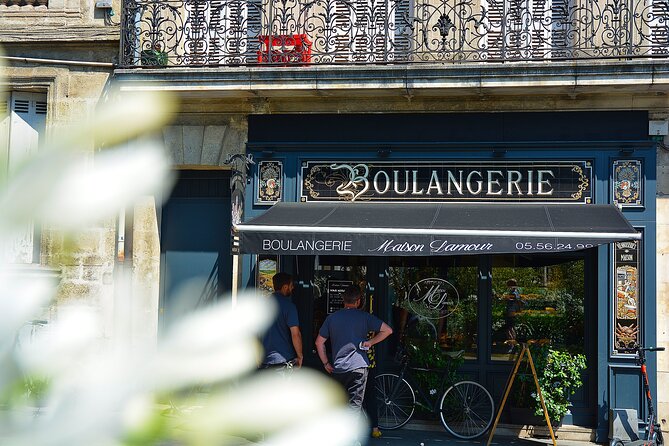
The final listed sight is Cathédrale Saint-André Bordeaux, with about 12 minutes devoted to its history. This is a sensible closing point for a morning that has already covered many parts of the city.
By now, you will have seen enough landmarks to place the cathedral within the larger story of Bordeaux. The visit is short, so do not expect a detailed cathedral tour or extended time inside. The stop is best understood as a guided introduction.
The tour ends on Rue Notre Dame. That is not the same location as the starting point, so plan your next activity with the finish in mind. You may want to check the route before booking a timed lunch, museum entry, or train connection.
What you eat, and how much
The food is one of the tour’s biggest strengths. The tastings have included sweets, savory items, breads, pastries, and cakes, giving you more range than a morning based only on croissants.
The quantity also appears generous. Several descriptions make clear that you should not expect to finish hungry. That makes the $72.56 price easier to assess, especially if multiple tastings replace breakfast and perhaps part of lunch.
Still, the experience is not a formal cooking class. You will learn about baking and taste finished products, but the supplied details do not promise hands-on preparation, recipes, or a lesson in making dough. If you want to bake, choose a cooking workshop instead.
The exact bakeries and items may vary. That is normal for a food walk, and it means you should treat specific mentions such as Maison Lamour as useful clues, not fixed guarantees.
Is $72.56 good value?
At $72.56, this is not the cheapest way to walk around Bordeaux. You could visit the landmarks on your own for little or no admission cost. The value comes from the combination of four things: a guide, a structured route, repeated tastings, and access to less obvious parts of the city.
The maximum group size of 10 also helps. A small group usually makes it easier to hear explanations, ask about a pastry, or get help if you lose your bearings. One participant arrived late after getting lost and was helped to join the group, though you should not rely on that happening. Arrive on time.
The price makes the most sense if you like both food and history. If you care only about Bordeaux’s monuments, use a regular walking tour or self-guided route. If you care only about buying pastries, spend the money at bakeries directly. This experience earns its price by joining both interests in one morning.
Who should book this walk?
I would recommend it to first-time visitors who want a broad orientation. It also suits families, since the food breaks can keep younger members interested, and the pace is described as relaxed.
It is a good choice for anyone who wants more than the postcard version of Bordeaux. The route reaches Old Bordeaux, Fondaudège, Chartrons, Saint-Seurin, and other areas that you might not include in a first self-guided walk.
You should think twice if you have limited mobility or dislike extended walking. The activity asks for a moderate level of physical fitness. The route also does not offer a tower climb or guaranteed interior access to every church and monument.
Free cancellation is available if you cancel at least 24 hours before the start time. Changes made inside that window are not accepted, and a full refund is offered if the minimum group size is not met and the experience is canceled.
FAQ
How long is Bordeaux’s Best Boulangeries & History Tour?
The tour lasts approximately three hours. One description of the experience refers to a four-hour morning, so avoid scheduling something immediately afterward.
What is the price?
The listed price is $72.56 per person.
Where does the tour start?
It starts at Basilique Saint-Michel, 16 Pl. Meynard, 33000 Bordeaux, France.
Where does the tour end?
The tour ends on Rue Notre Dame in Bordeaux.
Is the Flèche Saint-Michel open during the tour?
No. The Flèche Saint-Michel is under construction, so the tour does not enter it.
How many people can join the tour?
The maximum group size is 10 people.
What language is offered?
The tour is offered in English.
Are monument admission tickets included?
The listed stops show free admission, and the tour details do not promise paid interior entry. The experience focuses on guided history stops and bakery tastings.
What level of fitness is required?
A moderate level of physical fitness is recommended. The tour is a walking experience covering several parts of Bordeaux.
Can I cancel for a full refund?
Yes, if you cancel at least 24 hours before the experience start time. Cancellations made less than 24 hours before the start are not refunded.
Should you book it?
Book this tour if you want a tasty first orientation to Bordeaux and like the idea of learning while you walk. The mix of pastries, bread, city history, and less familiar neighborhoods is its real strength.
Skip it if you want a dedicated pastry class, a short sightseeing loop, or guaranteed access inside every monument. For most first visits, though, the small group, generous tastings, and broad route make this a strong way to get your bearings fast, especially if Joshua, Nikesh, Daisy, or Veronica is leading your group. Bring water, wear good shoes, and leave room for a long breakfast.
Just added around France
- Private Bordeaux History Tour with a glass of Bordeaux wine.★ 5.0 · 28 reviews
- Bordeaux Historic and Gourmet Food Walking Tour★ 4.5 · 82 reviews
- 2-Hour Walking Tour of the City’s Iconic Sights and History★ 4.0 · 207 reviews
- Historical Center, Bordeaux Food Tour★ 5.0 · 33 reviews
- Historic Bayeux Daily Group City Tour In English 2 hrs (Apr-Sept)★ 5.0 · 220 reviews
- Private Walking Guided Tour of Historic Bayeux English or French★ 5.0 · 36 reviews
- Roman Sites and Historical Places Day Trip from Avignon★ 4.0 · 101 reviews
- Enchanting Historical Walking Tour in Avignon★ 5.0 · 53 reviews
France History Tours, compared.
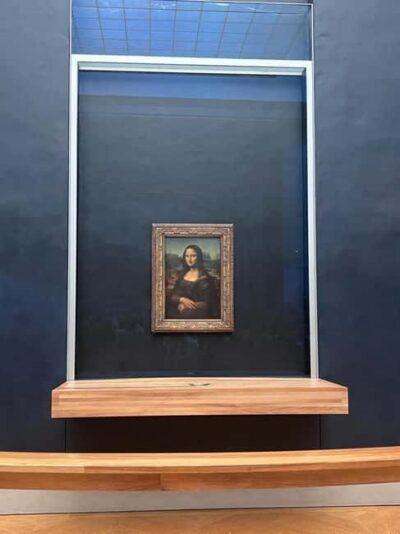
Louvre Museum Entry with History of Mona Lisa
Read our review →
Vieux Lyon Cultural & Historical Walking Guided Tour (English)
Read our review →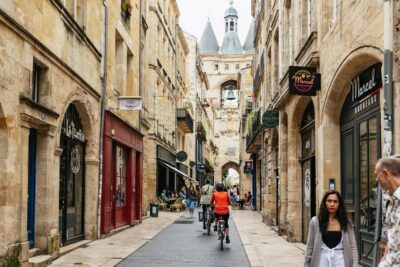
Bordeaux: Historic Center & Chartrons District Bike Tour
Read our review →
From Strasbourg: Best Of Alsace Historical Day Trip
Read our review →
Toulouse Food & History Tour with a Chef (in English)
Read our review →
Notre Dame Cathedral: Exterior Guided Tour & Unscheduled Access
Read our review →
Browse the lists this tour appears in