
Review · BELGRADE
History and Culture in my Belgrade
Belgrade tells its story on every corner. This three-hour walking tour links Serbian religion, Ottoman rule, Yugoslav history, wartime scars, local food, and daily life in one brisk route through the city. I especially like the small-group format, advertised for up to six people, and the way guide Marija connects difficult history with modern Belgrade. The tasting of rakija, wine, honey, jam, and other Serbian foods adds a personal touch that a standard sightseeing walk often misses.
I also like the useful spread of stops. You see major buildings such as St. Mark Orthodox Church and the National Assembly, then move into Dorcol, Čumićevo sokače, and Kosančićev Venac. The main drawback is the pace: twelve listed stops, several walking sections, and a food tasting fit into about three hours, so you should expect a steady walk rather than a slow look at every site.
Key points to know before booking
- Marija gives the tour a personal voice: Her warm, clear style is a major part of the experience, especially when explaining Serbia’s complicated past.
- You move from medieval Serbia to the 1990s: Churches, Ottoman traces, Yugoslav politics, NATO bombing damage, and present-day life all appear on the route.
- The food stop is more than a snack: You try rakija, wine, natural juices, jam, slatko, honey, and other Serbian products while learning about hospitality and local customs.
- The route ends with a fine city view: Kosančićev Venac gives you a look toward New Belgrade, the Sava River, and the traditional splavs.
- The walking plan is efficient but full: It is a good first orientation to central Belgrade, but not a deep visit inside each attraction.
- The price reflects the guide time and variety: At $90.11 per person, the tour is not a budget stroll, but the small group, local explanation, and tasting make the value stronger for first-time visitors.
Why this three-hour route works
Belgrade can feel hard to read at first. Its story is spread across Orthodox churches, Ottoman remains, socialist-era buildings, newer shops, damaged structures, parks, and busy squares. This tour gives you a useful framework before you explore on your own.
The route is not built around one grand monument. Instead, it shows how several periods overlap. You begin with Serbian religious identity, see reminders of the 1999 bombing, pass through the political center, sample local food, and finish in one of the oldest parts of town. I like that approach because Belgrade makes more sense when you see its contrasts side by side.
The tour is offered in English, with three possible start times. That makes it easier to fit around a morning arrival, an afternoon plan, or an evening meal. The meeting point is in front of St. Mark Orthodox Church at Bulevar kralja Aleksandra 17. The route finishes at Kosančićev Venac 22, so you should plan your next activity from the end point rather than assume you will return to the church.
The walking distance is not stated, but the itinerary includes central neighborhoods, squares, parks, and a viewpoint. Wear comfortable shoes and expect city walking at a steady pace. Public transportation is nearby, and most people can take part.
More Local Culture and Traditions Tours in the world:
- Amsterdam Food and Cultural Tour with Tastings
★ 5.0 · 4,315 reviews - Sevilla Food Tour: Tapas, Wine, History & Traditions
★ 5.0 · 3,468 reviews - Tromsø: Reindeer Camp and Sami Cultural Tour with Lunch
★ 4.7 · 3,326 reviews
St. Mark Church begins the Serbian story
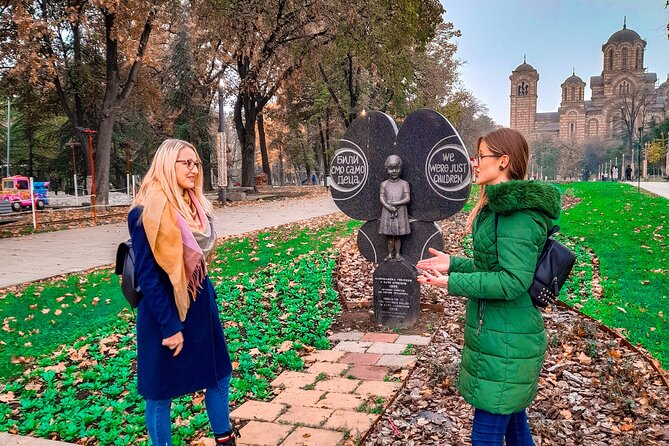
St. Mark Orthodox Church is a fitting starting point. It is described as the second-largest church in Belgrade, and its size gives the opening stop some weight without requiring a long visit. You spend about twenty minutes here, including time inside the church.
Marija explains major events in Serbian history and points out customs connected with Serbian culture and Orthodox religion. This is useful early in the tour because later churches, mosques, and traditional restaurants make more sense once you understand the role of faith in local life.
You also see the remains of one of Serbia’s major medieval rulers. The stop is not just a quick photo opportunity. It gives you a first look at how Serbia connects its present identity to its medieval past.
The church visit is free, but the short time means you should not expect a detailed study of every feature. Think of it as a clear introduction before the route moves into more recent and more difficult chapters.
From RTS to Tasmajdan Park: history with sharp edges
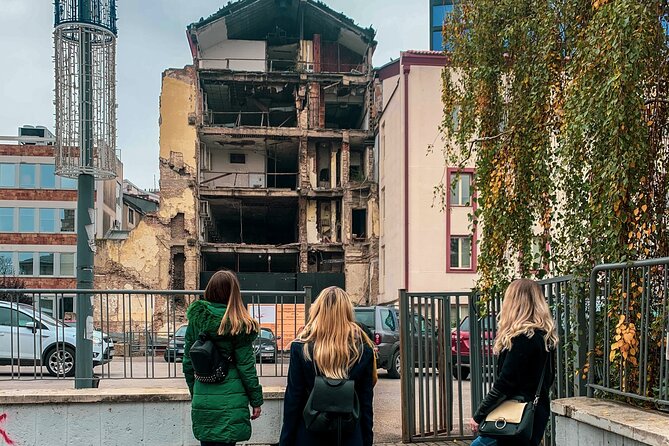
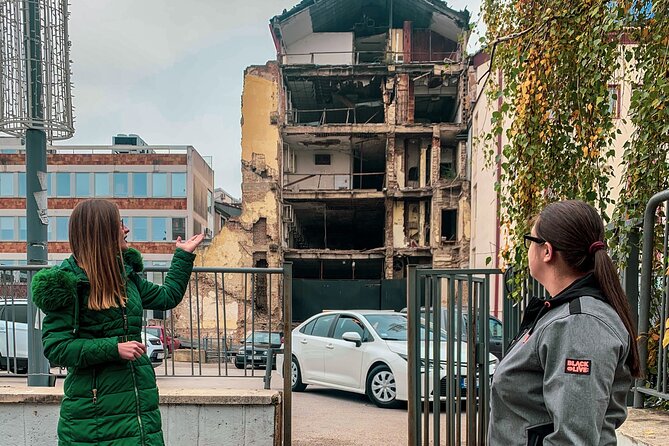
The stop at RTS, Serbia’s Radio Television building, changes the mood. Here you see structures destroyed during the 1999 bombing and hear about the tragic events of the 1990s. Marija also discusses Yugoslavia, the Serbian economy, and contemporary life.
This is one of the most valuable parts of the walk because it avoids presenting Belgrade as only an old European capital. The damaged buildings make recent history visible. You are not simply hearing dates. You are looking at physical reminders of conflict and political change.
The subject matter may feel heavy, especially so early in the tour, but that is part of the point. Serbia’s recent past still shapes how people understand the country. The guide’s role matters here, and Marija is praised for making difficult topics understandable without losing their seriousness.
After about twenty minutes at RTS, you reach Tasmajdan Park. The park offers a welcome pause, with a calmer setting and a different kind of local story. It is known for mysteries and underground passages, which gives Marija room to move from formal history toward the city’s more curious side.
You spend about fifteen minutes here. It is enough to enjoy the atmosphere and hear the main stories, but not enough for a long park visit.
Serbia’s political center in three compact stops
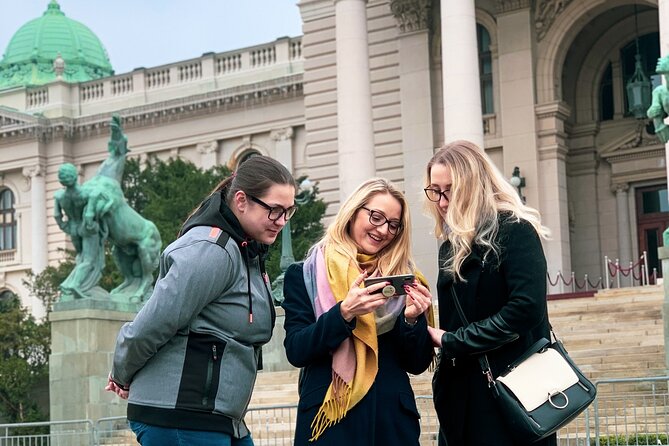
The House of the National Assembly of the Republic of Serbia brings the tour back to state power. This monumental building has been tied to political drama, including the major protests held here. You also hear why it became associated with the phrase game of thrones, a playful reference to power struggles around the building.
The visit lasts about ten minutes, so the focus is explanation and exterior viewing. It is a good example of the tour’s method: a landmark becomes a doorway into modern Serbian politics.
Next comes Nikola Pasic Square, described as the youngest square in the city. Its fountain is linked to unusual contemporary customs among young people in Belgrade. This detail helps keep the tour from becoming a parade of official buildings. You get a glimpse of how locals use public places today.
You also see the only Serbian hotel included on the worldwide list of Historic Hotels. The exact stop length is not given, so treat it as a passing highlight rather than a full hotel visit. Still, it adds another layer to the route: Serbia’s capital is not only about monuments and conflict, but also about old civic life and grand urban buildings.
A few more history tours around the world worth a look
- History and Hauntings of Salem Guided Walking Tour
★ 5.0 · 14,564 reviews - Colosseum: Underground and Ancient Rome Tour
★ 4.7 · 12,691 reviews - Lisbon: History, Stories and Lifestyle Walking Tour
★ 4.8 · 10,902 reviews - London Small Group Tour of Historical Pubs
★ 5.0 · 10,422 reviews
Čumićevo sokače is the tour’s most personal stop
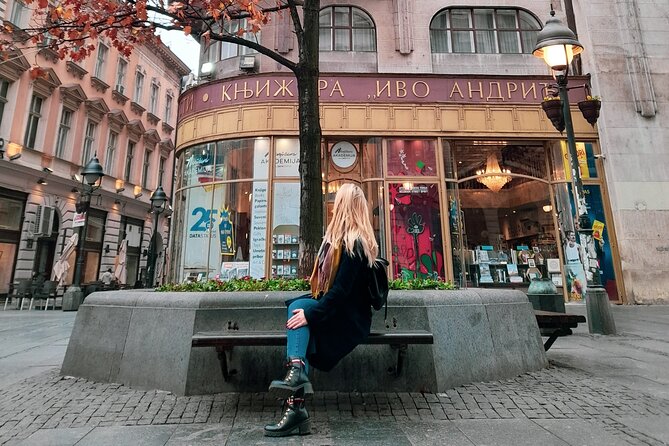
The half-hour tasting at Čumićevo sokače is likely the part that gives the tour its strongest local flavor. This small area is part of Belgrade’s design district, and the tasting takes place in a local shop selling traditional Serbian products.
You try domestic rakija, wine, natural juices, jam, slatko, and honey. Slatko, a sweet fruit preserve, is tied to Serbian hospitality, and the tasting gives you a chance to hear about customs rather than simply sample food without context. You also learn how Serbs say cheers.
This is a useful stop for anyone who wants practical help choosing Serbian food and drink later in the trip. You can compare sweet, fruit-based, and alcoholic flavors in one place, while hearing how these products fit into ordinary social life.
The tasting is included in the tour price, and that improves the value of the $90.11 cost. It is not a full meal, so do not book this as a substitute for lunch. Instead, consider it an introduction to local flavors that can help you order with more confidence afterward.
Republic Square and the pedestrian center
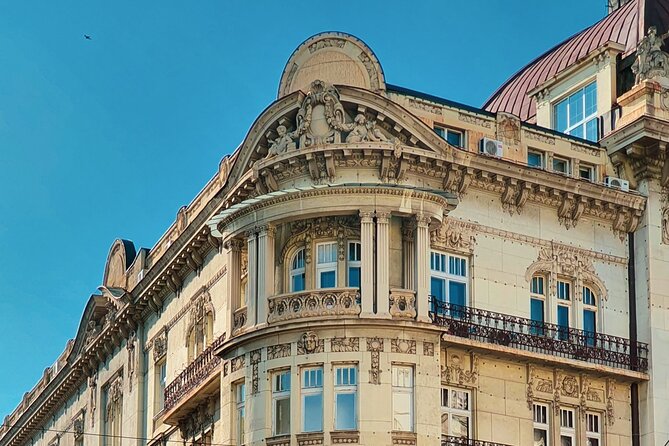
Republic Square gives you the city’s busy public center. It is one of Belgrade’s best-known gathering places, and the route pauses here for about ten minutes. You then cross the main pedestrian zone, known for street musicians, cafes, and an active street scene.
This section shows the everyday side of the capital. After the church, war memorials, and government buildings, you see where people meet, walk, eat, and listen to music. The changing scenery also helps you understand Belgrade’s scale. The city is not presented as a museum. It is a working capital with a lively center.
The time is short, but the route is well placed. If you like the pedestrian zone, you can return later for a slower walk or a cafe stop.
Students’ Square and Dorcol reveal a younger Belgrade
At the University of Belgrade, the tour focuses on Students’ Square, its park, and education in Serbia. The ten-minute stop gives you a quick look at the academic side of the city and how public spaces connect with student life.
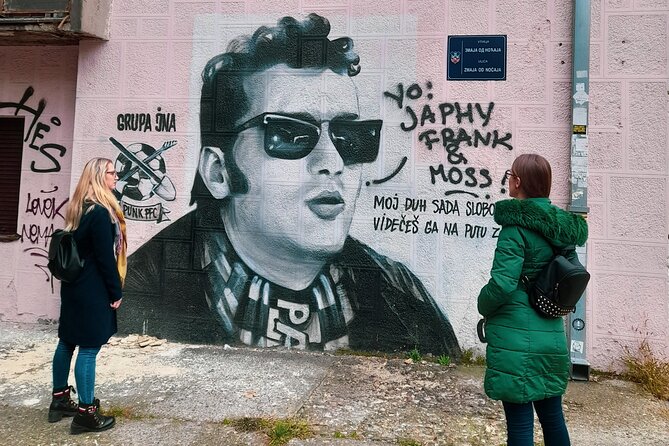
The route then enters Dorcol, one of the most distinctive neighborhoods on the walk. You see unusual graffiti and hear stories from the area’s past. Dorcol is a good place to notice how old streets and current artistic expression can exist together.
This part is less formal than the political center, and that variety is one of the tour’s strengths. You are not asked to absorb one long block of dates. Instead, the guide keeps changing the setting and the type of story.
Bajrakli Mosque and the Ottoman chapter
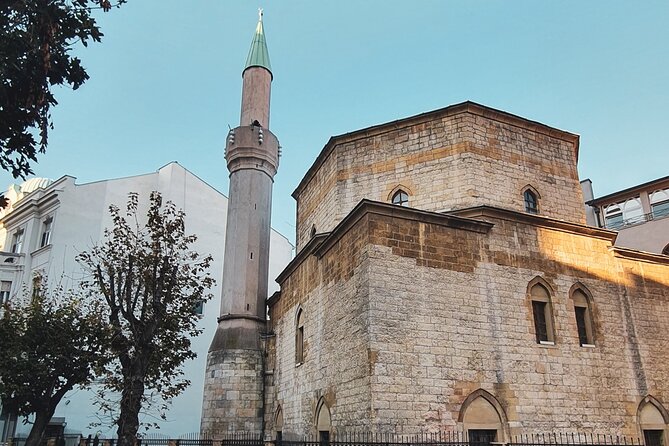
Bajrakli Mosque is the only preserved mosque in Belgrade from the 273 that once existed in the city. The fifteen-minute stop introduces almost five centuries of Ottoman influence in Serbia.
That history is essential for understanding Belgrade’s cultural mix. The mosque gives you a physical reminder that the city’s past is not only Serbian Orthodox, Austro-European, or Yugoslav. Ottoman rule shaped architecture, food, customs, and the development of the city.
The stop is brief, so you should expect an exterior-focused introduction and a concise explanation rather than a long religious visit. Still, its place in the route is important. It prevents a one-sided reading of Serbian history and shows how several cultural influences meet in central Belgrade.
Kafana tradition and the cobbles of Kosančićev Venac
Znak Pitanja, or Question Mark, is known for its old kafana architecture. A kafana is a traditional Serbian restaurant and social meeting place. The ten-minute stop helps explain a form of public life that is central to eating, drinking, conversation, and local hospitality.
The final neighborhood is Kosančićev Venac, one of the oldest areas in Belgrade. You walk along a cobblestoned street, see cultural landmarks and an Orthodox church, and approach the final viewpoint.
The view takes in New Belgrade, the Sava River, and traditional Serbian splavs, the floating river venues associated with the city. It is a strong ending because you can look across the river while discussing past and present Belgrade, outside cultural influences, and the contrasts that define the capital.
The tour ends at Kosančićev Venac 22. Since the route finishes at a viewpoint and not back at the starting church, you can continue exploring from there, but you should keep the end point in mind when planning transport.
How Marija shapes the experience
The guide is a major reason to consider this tour. Marija is described as professional, friendly, passionate about Belgrade, and especially good at explaining difficult subjects in simple terms. That combination matters here because the tour covers religion, war, politics, economic change, and local customs in a short period.
I also like that the information is not limited to old history. You hear about current cultural habits, young people’s customs, Serbian hospitality, education, and the way locals use public spaces. That balance gives you more than a list of dates.
The small-group plan, advertised for a maximum of six people, should make it easier to ask questions and keep the walk conversational. The general booking information also gives a maximum of fifteen participants, so confirm the expected group size if that detail matters to you.
Is $90.11 a fair price?
At $90.11 per person, this is a fairly expensive walking tour for three hours. You are paying for more than movement between sights, though. The price includes an English-speaking guide, a wide range of historical interpretation, a local product tasting, and a route that crosses several central areas.
The value is strongest if this is your first time in Belgrade and you want a quick orientation. You receive enough background to make later visits more meaningful, plus practical suggestions for Serbian food and drink. The value is weaker if you prefer long museum visits, private touring, or a slow photographic walk.
Group discounts may reduce the cost for some bookings. Free cancellation is available until 24 hours before the start time, which gives you useful flexibility. After that point, the payment is not refunded, and changes made within 24 hours are not accepted.
Who should book this Belgrade walk?
I would choose this tour if you want a broad first look at Belgrade and enjoy connecting landmarks to local stories. It suits people who want Serbian history explained in plain language, especially the difficult modern period that many short city walks skip.
It is also a good fit if food and hospitality matter to you. The Čumićevo sokače tasting gives the walk a social center, while the kafana and mosque stops add cultural context.
You may want another option if you dislike a quick pace or need a fully accessible route. The tour includes cobblestones, parks, central streets, and several walking sections, while the supplied information only says that most people can participate. Families and older visitors should consider their comfort with three hours of steady city walking.
Should you book History and Culture in My Belgrade?
Book it if you want history, local food, and city orientation in one compact walk. Marija’s clear explanations and personal enthusiasm are the biggest strengths, and the route does a good job linking Serbia’s medieval past with the Ottoman era, Yugoslavia, the 1990s, and life today.
Skip it if you want a slow tour with lengthy interior visits. For most first-time visitors, though, the mix of St. Mark Church, RTS, Dorcol, Bajrakli Mosque, the tasting stop, and the Kosančićev Venac view makes the $90.11 price easier to justify.
FAQ
How long does the History and Culture in My Belgrade tour last?
The tour lasts approximately three hours.
What language is the tour offered in?
The tour is offered in English.
Where does the tour begin?
It begins in front of St. Mark Orthodox Church at Bulevar kralja Aleksandra 17 in Belgrade.
Where does the tour end?
The tour ends at Kosančićev Venac 22, Belgrade 11000.
What is the advertised group size?
The highlights describe a small group of no more than six people. The general booking information also lists a maximum of fifteen participants, so you may wish to confirm the group size when booking.
What food and drinks are included in the tasting?
The tasting includes domestic rakija, wine, natural juices, jam, slatko, honey, and other traditional Serbian products.
Are the attraction admission tickets included?
All listed stops show free admission tickets.
Are there different start times?
Yes. You can choose from three start times.
Can I cancel for a full refund?
Yes, if you cancel at least 24 hours before the experience begins. Cancellations made less than 24 hours in advance are not refunded.
Just added around the world
- Tuk Tuk tour in Bergamo, Città Alta and the ancient Venetian walls★ 5.0 · 32 reviews
- Bergen in Your Pocket: Landmarks and Lore Audio Tour★ 4.5 · 22 reviews
- Belfast Walking Tour: City Centre History, Troubles & Stories★ 5.0 · 39 reviews
- Belfast Political/history/troubles private taxi/cab tour★ 5.0 · 69 reviews
- BusDa-Ancient Great Wall &Badaling Great Wall Full-day Bus Tour★ 5.0 · 56 reviews
- 2-Hour Beijing Private Forbidden City Tour: History & Highlights★ 5.0 · 28 reviews
- PRIVATE Beirut Historical Walking Half Day Tour★ 5.0 · 27 reviews
- Private Political History & Murals Tour Belfast★ 5.0 · 182 reviews
Local Culture & Traditions Tours, compared.

Amsterdam Food and Cultural Tour with Tastings
Read our review →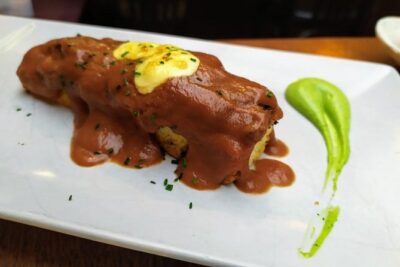
Sevilla Food Tour: Tapas, Wine, History & Traditions
Read our review →
Tromsø: Reindeer Camp and Sami Cultural Tour with Lunch
Read our review →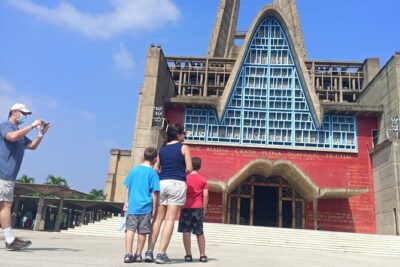
Half Day Dominican Republic Cultural Tour : Small Group
Read our review →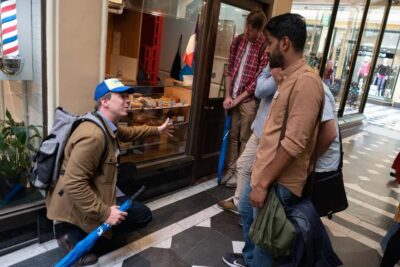
Ultimate Melbourne Walking Tour: History, Laneways & Culture
Read our review →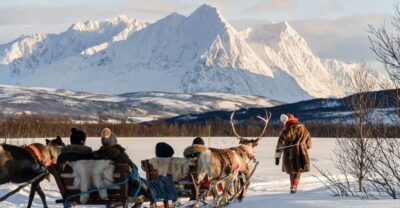
Tromsø: Sámi Reindeer Sledding and Sami Cultural Tour
Read our review →
Kyoto Gion: 2-Hour Geisha Culture & History Walking Tour
Read our review →
Marrakech Historical and Cultural Tour – Half Day City Tour
Read our review →Browse the lists this tour appears in