Review · ALABAMA
F.D. Reese Historical Tour
Selma’s story feels different when family tells it. The F.D. Reese Historical Tour traces the life of a teacher, pastor, and Civil Rights leader through the places where he worked and organized. I especially like the family connection and the chance to enter Reese’s former home, where original photographs and memorabilia help put the story in human terms.
I also like the tour’s focused route, which links Clark Elementary School, the Dallas County Courthouse, Brown Chapel AME Church, Edmund Pettus Bridge, and Ebenezer Baptist Church. The main consideration is the $104.99 price for roughly one to two hours, so you should book this for personal guidance and family insight, not simply transportation between landmarks.
Key points to know before you book
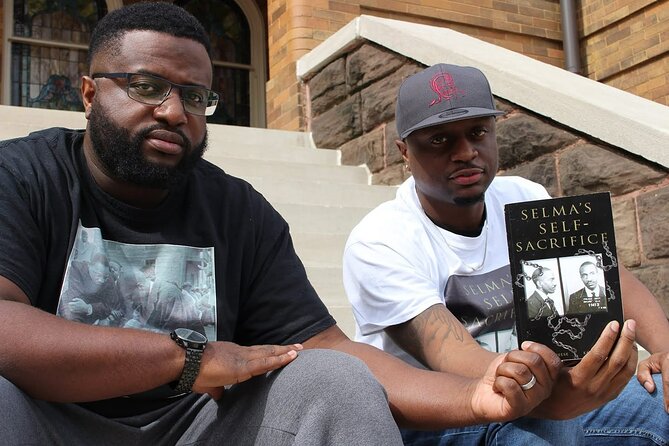
- The guides are Reese descendants: Alan and Marvin Reese share the story of their grandfather, Rev. F.D. Reese, with a direct family connection.
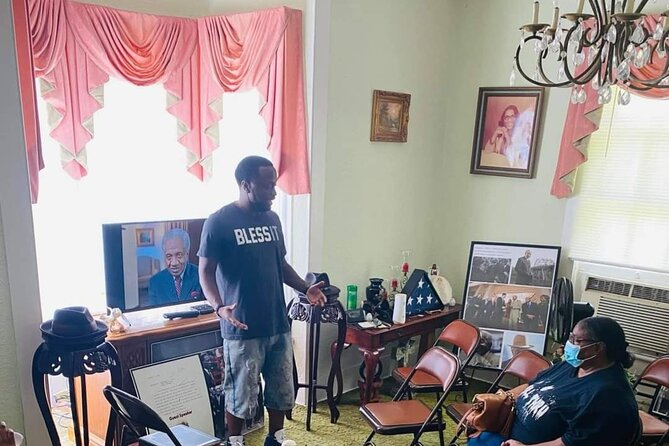
- The tour begins at Reese’s former home: You see original artifacts, photographs, and memorabilia before visiting key Selma sites.
- The Teachers March is central: Clark Elementary School and the Dallas County Courthouse explain how Reese helped organize the first Teachers March.
- Brown Chapel adds the organizing story: The tour covers Reese’s work to make the church a meeting place and his efforts to bring Dr. King to Selma.
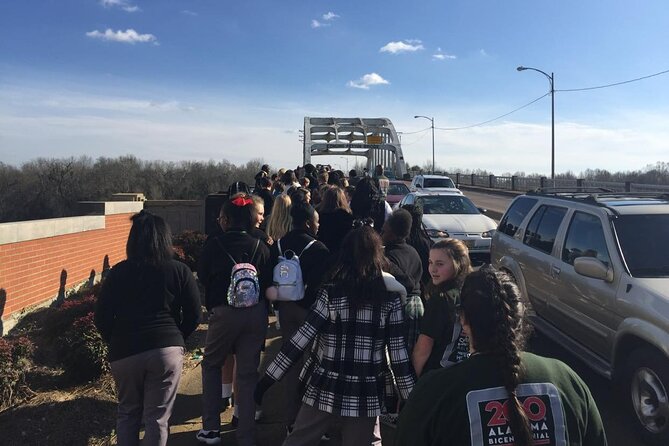
- You walk across Edmund Pettus Bridge: The guide discusses Bloody Sunday while accompanying you over the bridge.
- The experience is intimate in spirit: Although the maximum group size is 100, the personal family storytelling is the main reason to choose this tour.
Why F.D. Reese’s story matters in Selma
Many people arrive in Selma knowing the name Edmund Pettus Bridge and the phrase Bloody Sunday. The F.D. Reese Historical Tour helps you see the people and local work that made the larger movement possible.
F.D. Reese was not only a Civil Rights leader. He was a teacher and pastor who worked within Selma’s schools, churches, and community networks. His role in organizing the first Teachers March gives the tour a useful focus. You are not only hearing about a famous event. You are following how teachers and local leaders used their positions to challenge injustice.
That local angle is important. Reese’s work connects education, religion, and protest. The tour shows how Clark Elementary School, the Dallas County Courthouse, and Brown Chapel AME Church fit into one story rather than treating them as separate photo stops.
I appreciate that the experience is led by Reese’s grandsons, Alan and Marvin Reese. A descendant can explain not only what F.D. Reese did, but also how his work has been remembered within the family. The tone is personal and purposeful, with a clear wish to educate people about Reese and the others who worked beside him.
A few more history tours around the USA worth a look
- History and Hauntings of Salem Guided Walking Tour
★ 5.0 · 14,564 reviews - Charleston’s Old South Carriage Historic Horse & Carriage Tour
★ 5.0 · 10,023 reviews - Beneath The Streets Underground History Tour
★ 4.5 · 8,006 reviews
Starting at the Reese family home
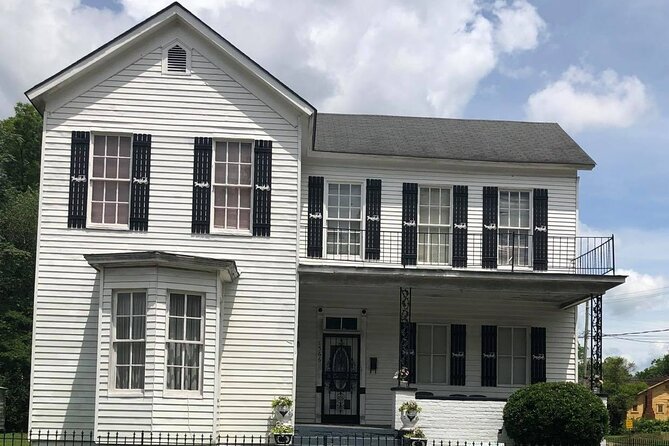
The meeting point is 1566 Marie Foster Street in Selma. The experience begins with the former home of F.D. Reese, which gives you a more personal starting point than beginning at a large public monument.
Inside, you can see original artifacts, pictures, and memorabilia connected to Reese. Alan Reese has been praised for taking time to explain the family material, even when the group was very small. That detail matters because the home visit may feel more like a family history conversation than a standard guided attraction.
I would give this first stop your full attention. The objects help you connect the later locations to one person’s daily life. Instead of meeting Reese only as a name in Civil Rights history, you first encounter the home and belongings tied to his work as a teacher, pastor, and organizer.
The home is also where the tour’s strongest value begins. At $104.99 per person, you are paying for access to a story that is not simply available from a sidewalk plaque. You are paying for the family’s time, interpretation, and willingness to share material connected to their grandfather.
Clark Elementary School and the first Teachers March
At Clark Elementary School, the guide explains the beginning of what the tour describes as the first ever World’s Teachers March. This stop lasts about 15 minutes and includes admission.
The school is not just a backdrop. It helps explain why teachers were central to Reese’s work. The story begins with educators taking action, making the school a useful place to discuss how protest grew from local professional and community life.
You should expect a focused talk rather than a long visit inside a major museum. The short timing keeps the route moving, but it also means you may want to listen closely and save your questions for the guide. Alan or Marvin can provide the context that a building alone cannot.
For me, this is one of the most distinctive parts of the tour. Selma’s better-known story often centers on marches across the bridge. The Teachers March gives you another way to understand the movement, showing that organized resistance involved teachers and community leaders as well as the people seen in the most famous photographs.
The Dallas County Courthouse and the public fight
The next stop is the Dallas County Courthouse, where the guide continues the story of the Teachers March. The visit lasts about 15 minutes and includes admission.
Courthouses carry a special weight in Civil Rights history because they represent public authority and access to civic rights. Here, the guide connects Reese’s organizing work to the courthouse setting, helping you understand the pressure and obstacles faced by people demanding fair treatment.
This is a good place to ask questions. The supplied tour details do not promise a long interior visit or a separate museum display, so think of the courthouse stop as a guided historical explanation rather than a full building tour.
The sequence from the school to the courthouse works well. You first hear about the teachers who organized, then you see the public institution connected to their protest. That order makes the Teachers March easier to follow and gives the experience a clear beginning, middle, and next step.
Same place, a different slice of the past:
- Boston: Freedom Trail History Small Group Walking Tour
★ 5.0 · 6,450 reviews - Historic Charleston Guided Sightseeing Walking Tour
★ 5.0 · 6,216 reviews - Charleston Horse-Drawn Carriage Tour: Explore Historic Charleston
★ 5.0 · 3,561 reviews - Savannah History and Haunts Candlelit Ghost Walking Tour
★ 5.0 · 3,235 reviews
Brown Chapel AME Church and the work behind the meetings
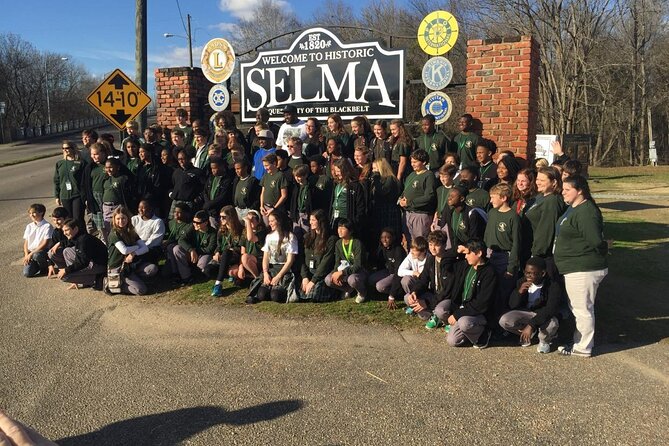
Brown Chapel AME Church is one of the tour’s most important stops. The visit lasts about 15 minutes, with the guide explaining how F.D. Reese helped organize the church as a location for mass meetings.
The story also covers the obstacles Reese faced while working to bring Dr. King to Selma. That detail gives the church stop more depth. You hear about planning and persistence, not just the better-known names associated with the movement.
Brown Chapel is a place where public protest and religious life came together. The guide’s family connection helps keep the focus on the local work required to turn a church into a center for organizing. I like this part because it shows that major movement moments depend on practical decisions, trusted relationships, and people willing to keep working when plans are difficult.
You may find this stop especially useful if you already know something about Selma. Familiar names such as Dr. King and Brown Chapel can sometimes flatten the story into a few headline events. Reese’s role adds a less familiar but important layer.
Walking across Edmund Pettus Bridge
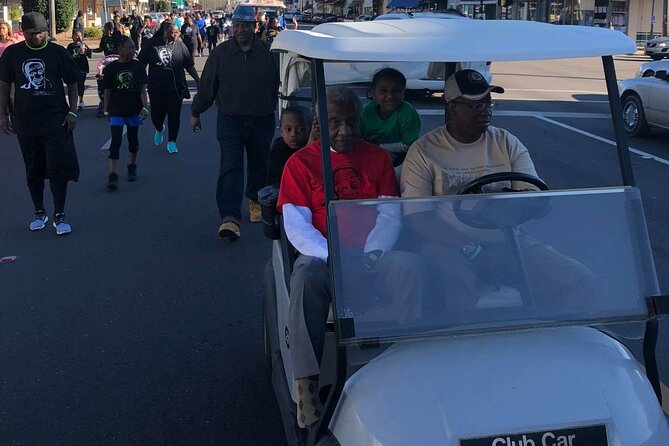
The tour then moves to Edmund Pettus Bridge, where you walk across with the guide for about 20 minutes. This is the longest scheduled site stop and includes admission.
The guide discusses Bloody Sunday and other events tied to the bridge. Walking across the span gives the story a physical setting. You are not only looking at a landmark from a distance. You are moving through the place connected to one of the most recognized moments in the Selma movement.
Still, the walk is not the whole point. The guide’s explanation is what turns the bridge from a photo opportunity into a historical stop. Listen for how the bridge connects with the earlier sites, especially the courthouse, Brown Chapel, and the organizing work described at the Reese home.
The tour does not promise a long private presentation or exclusive bridge access. You should expect a shared public site with guided interpretation. Its value comes from the route and the family’s storytelling, not from avoiding other people or receiving special access.
Ebenezer Baptist Church and fifty years of ministry
The final listed stop is Ebenezer Baptist Church, where F.D. Reese pastored for 50 years. The visit lasts about 10 minutes, and admission is free.
This stop rounds out the picture of Reese as a pastor. Earlier locations show his work as an organizer and teacher. Ebenezer helps you consider the long span of his ministry and the role of faith communities in Selma’s Civil Rights story.
Because this is a shorter stop, it may not provide the same amount of material as the family home or the bridge. Its value is in completing the portrait. Reese was not only connected to one protest or one famous day. He served his church for decades.
The tour ends back at the original meeting point. That makes the experience easy to fit into a day of exploring Selma, though you should allow extra time if your group has many questions or if the pace changes at the sites.
What the $104.99 price includes
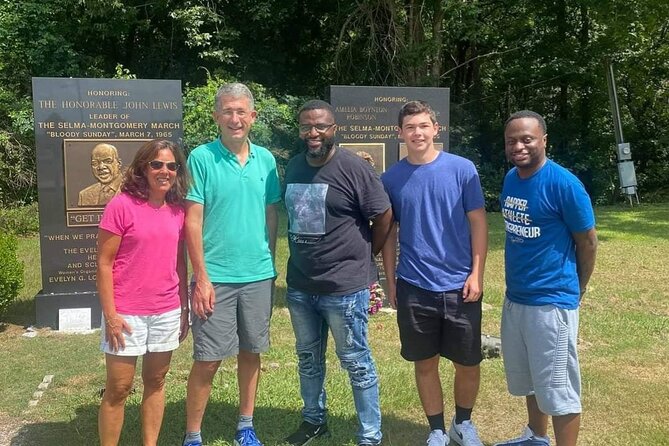
At $104.99 per person, this is not a bargain sightseeing loop. The tour lasts about one to two hours, which makes the cost higher than a simple self-guided walk through Selma’s public sites.
The price makes more sense if you value the elements that cannot be recreated easily:
- A guided visit to Reese’s former home
- Original artifacts, photographs, and memorabilia
- Personal interpretation from Reese’s grandsons
- A connected route through important Selma locations
- Guided discussion of the Teachers March, Brown Chapel, and Bloody Sunday
You can visit several public places in Selma without booking a tour. What you cannot easily duplicate is the family perspective and the home visit. If those are your main reasons for coming, the price may feel fair.
I would choose this experience for a focused history visit rather than a general city tour. You are paying for a specific story, told by people who care deeply about preserving it. The high 4.8 rating from 21 submitted ratings and the 95 percent recommendation figure suggest that this personal approach has worked well for many people, but the small number of ratings means you should still judge the tour by its clear focus.
The personal style of Alan and Marvin Reese
The most praised part of the experience is the guides’ passion and care for their grandfather’s legacy. Alan Reese is singled out for his honest, informed presentation, while Alan and Marvin are both credited with explaining the family story and the wider movement.
That praise points to the tour’s real character. This is not a neutral audio guide or a quick bus narration. The Reeses are presenting a family member whose work they believe deserves wider recognition. That can make the experience moving and memorable.
It also means the tour may suit you best if you welcome a personal point of view. The family connection is a strength, but you should not expect a detached academic lecture. You will hear a story shaped by pride, responsibility, and a desire to honor F.D. Reese and others who worked with him.
The personal nature can be especially meaningful for families, educators, church groups, and anyone studying American Civil Rights history. One person described the experience as an educational way to see what helped spark a movement. That is a good description of the tour’s purpose.
Timing, group size, and practical planning
The advertised duration is approximately one to two hours. The scheduled stops add up to about 75 minutes, not counting the family home, driving or walking between locations, questions, and changes in pace. Plan for the longer end of the estimate rather than trying to squeeze another fixed appointment immediately afterward.
The maximum group size is 100 people. That is a surprisingly large possible capacity for a tour built around personal family storytelling. The actual feel may vary depending on the number booked, so if intimate conversation is important to you, contact the provider before booking to ask about the expected group size.
The experience uses a mobile ticket, and confirmation is provided at booking. Service animals are allowed, and the activity states that most people can participate.
Good weather is required. If poor weather cancels the tour, you are offered another date or a full refund. The tour also requires a minimum number of participants, so a cancellation for that reason brings the same choice of another date or experience, or a full refund.
You can cancel for a full refund up to 24 hours before the start time. Changes or cancellations made less than 24 hours ahead are not accepted for a refund. The cut-off follows local Selma time.
Who should book this Selma tour?
I would recommend the F.D. Reese Historical Tour to you if you want a personal account of Selma’s Civil Rights movement and are willing to pay for family-guided interpretation.
It is a particularly good fit for:
- People interested in the lesser-known organizers behind major events
- Teachers, students, and school groups
- Visitors who want to understand the Teachers March
- Families interested in oral history and community memory
- Anyone who wants to see Brown Chapel and Edmund Pettus Bridge with context
- People who value original artifacts and a home visit
You may want to skip it if you only have a few minutes in Selma, want a broad tour of every local attraction, or prefer to explore at your own pace. The route is concentrated, and the tour stays closely tied to F.D. Reese’s life and work.
Should you book the F.D. Reese Historical Tour?
Yes, if you want Selma history told through one family’s experience. The strongest reasons to book are the former home, the original material, the Teachers March story, and the chance to hear directly from Alan and Marvin Reese.
The price is high for the length, but the experience offers something a self-guided walk cannot: family access and personal interpretation. Book it when you have time to listen, ask questions, and consider how teachers, pastors, churches, and local organizers helped shape the movement.
If your interest is only the bridge, you can see that on your own. If you want to understand the people and organizing work behind Selma’s famous sites, this is the more meaningful choice.
FAQ
Where does the F.D. Reese Historical Tour begin?
The tour begins at 1566 Marie Foster Street, Selma, Alabama 36703.
Where does the tour end?
The activity ends back at the original meeting point.
How long does the tour last?
The approximate duration is one to two hours.
How much does the tour cost?
The listed price is $104.99 per person.
Who leads the tour?
The experience is provided by Alan and Marvin Reese, descendants of F.D. Reese. Tour information also identifies one of the guides as Reese’s grandson.
What places does the tour visit?
Stops include Clark Elementary School, the Dallas County Courthouse, Brown Chapel AME Church, Edmund Pettus Bridge, Ebenezer Baptist Church, and Reese’s former home.
Is the visit to Reese’s former home included?
Yes. The experience includes access to the former home and original artifacts connected with F.D. Reese.
Are service animals allowed?
Yes, service animals are allowed.
Can I cancel for a refund?
Yes. You can cancel at least 24 hours before the experience start time for a full refund. Cancellations or changes made less than 24 hours before the start time are not accepted for a refund.
Just added around the USA
- Williamsburg: The Patriots Historical Walking Tour★ 4.8 · 41 reviews
- Austin: Downtown History Walking Tour★ 4.9 · 123 reviews
- The History and Architecture of Downtown Los Angeles★ 5.0 · 66 reviews
- St.Augustine History Tour on Premium Golf Cart with PiCk Up★ 4.9 · 18 reviews
- Saint Augustine: Bourbon History and Tasting Experience★ 4.9 · 45 reviews
- St. Augustine: Guided History Walking Tour★ 4.9 · 70 reviews
- St. Augustine: Dolphin and Wildlife Historical Boat Tour★ 4.9 · 37 reviews
- Soul of Harlem: Strivers Row, Apollo Theatre, Gospel History★ 4.6 · 87 reviews
USA History Tours, compared.
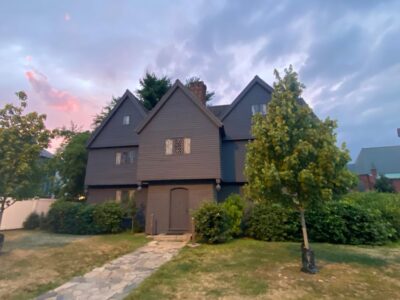
History and Hauntings of Salem Guided Walking Tour
Read our review →
Charleston’s Old South Carriage Historic Horse & Carriage Tour
Read our review →
Freedom Trail History Small Group Walking Tour
Read our review →
Historic Charleston Guided Sightseeing Walking Tour
Read our review →
Charleston Horse-Drawn Carriage Tour: Explore Historic Charleston
Read our review →
Savannah History and Haunts Candlelit Ghost Walking Tour
Read our review →