
Review · UNGUJA SOUTH REGION
Stone Town’s Hidden History: Private Guided Walking Tour
Stone Town rewards slow walking. This private tour makes sense of its narrow lanes, limestone buildings, carved doors, markets, and layered past, with a guide who can adjust the route to your interests. I especially like the personal format, since you can ask questions and spend more time on history, food, architecture, or shopping. I also like the practical touches: hotel pickup can be arranged, and two 500-milliliter bottles of water are included.
The main consideration is the heat. Stone Town’s streets can feel tiring in the middle of the day, and the tour takes place rain or shine. Morning departures are the safer choice for comfort, while the 4:30 pm start gives you a chance to see sunset and the night market.
Key points at a glance
- A flexible private walk: Guides can shape the route around architecture, culture, shopping, food, or history.
- A compact historic center: More than 2,000 limestone buildings fill an area roughly the size of 14 football fields.
- Major sights in one outing: The route can include the former slave market, Old Fort, House of Wonders, Darajani Bazaar, Hamamni Baths, and more.
- Strong guide feedback: Abdalla, Cosmo, Amina, Issa, Hashir, and other guides are praised for clear explanations, patience, and friendly service.
- Good value at $30 per person: Pickup, drop-off, water, a city map, and a private local guide are included.
- Choose your time carefully: Start early for cooler walking, or book 4:30 pm for sunset views and the evening market.
Why Stone Town works best on foot
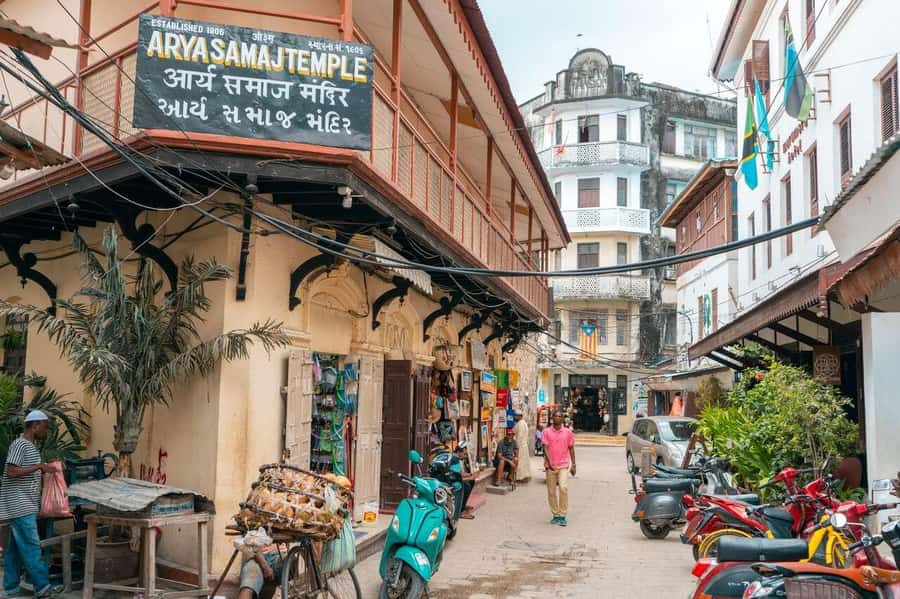
Stone Town is not a city you understand from a vehicle window. Its character sits in the details: a carved doorway, a shaded passage, a coffee stall, a market turn, or a building where African, Arab, Indian, Persian, and European influences meet.
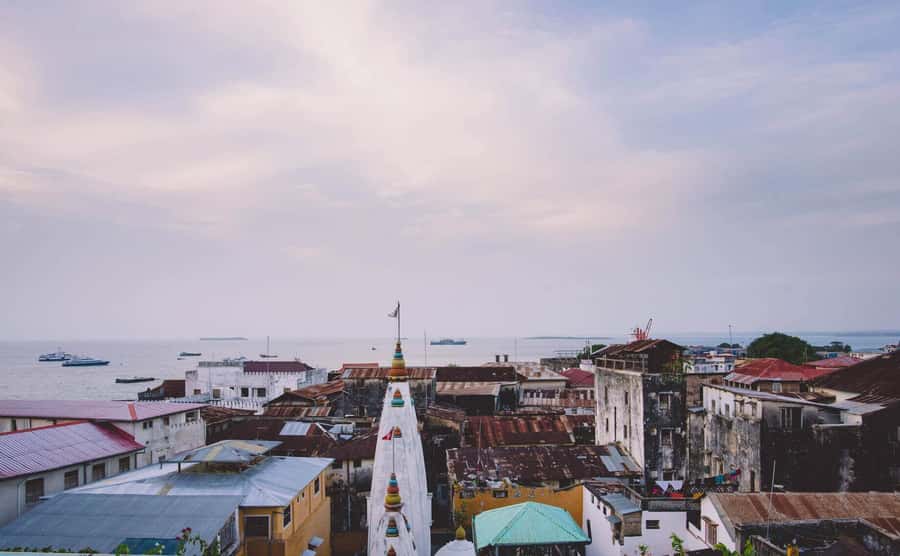
The historic center contains more than 2,000 limestone buildings, packed into an area described as about 14 football fields. Around 18,000 people live in these neighborhoods, so this is not a preserved stage set. You are walking through a working part of Zanzibar, where daily errands continue around old walls and major landmarks.
That mixture is the chief reason to hire a guide. Without help, you may admire the doors and buildings but miss how the town developed. A good guide can explain the geography of the streets, the role of trade, the influence of different cultures, and the painful parts of Zanzibar’s past.
The town became a UNESCO World Heritage Site in 2000. That label matters, but the experience is more direct than a plaque or museum display. You see history in the street plan, the buildings, the markets, and the way old and modern life share the same narrow lanes.
More History Walking Tours in the world:
- History and Hauntings of Salem Guided Walking Tour
★ 5.0 · 14,564 reviews - Lisbon: History, Stories and Lifestyle Walking Tour
★ 4.8 · 10,902 reviews - Boston: Freedom Trail History Small Group Walking Tour
★ 5.0 · 6,450 reviews
Meeting at Old Fort and Forodhani Gardens
The standard meeting point is in front of the Old Fort, near Forodhani Gardens. This is a useful place to begin because it is central and easy to connect with several major sights.
If you arrange pickup, you may be collected from your hotel and brought to the starting point. Look for a guide or driver wearing a Happy Bikes shirt, hat, or cap. Pickup and drop-off are included, but you should wait in your hotel lobby about 10 minutes before the scheduled time.
The tour can last from two to four hours, with the main walking portion listed at about two and a half hours. That range matters. A shorter version can cover the essentials if you have a flight, cruise schedule, or another activity. A longer version gives you more time for questions, market browsing, and optional entries.
The meeting point is also close to the waterfront, so the setting changes quickly. You begin near open space and sea air, then move into tight streets where the city feels older, denser, and more intimate.
Old Fort, House of Wonders, and the waterfront
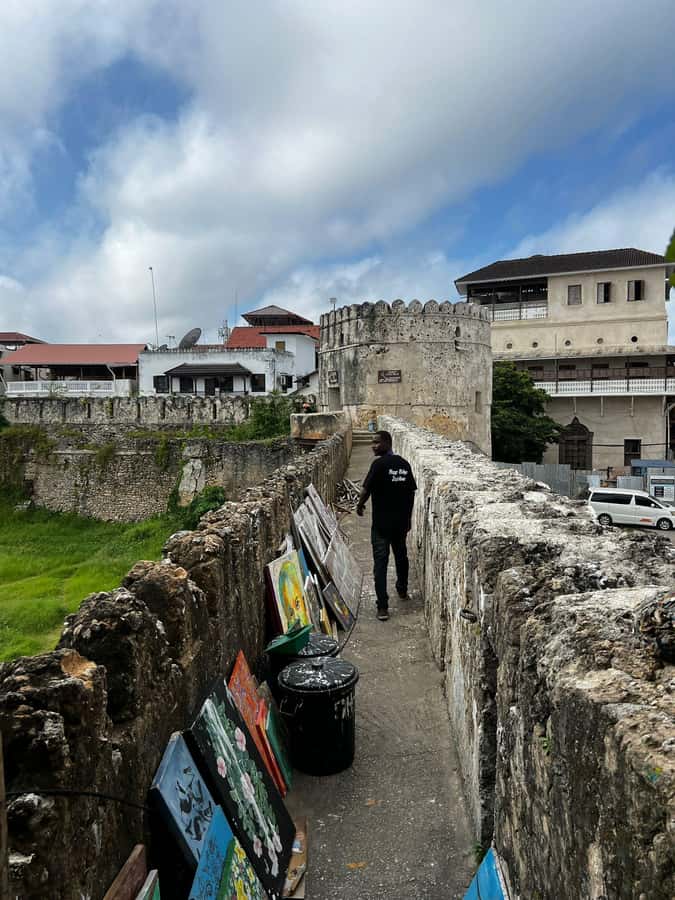
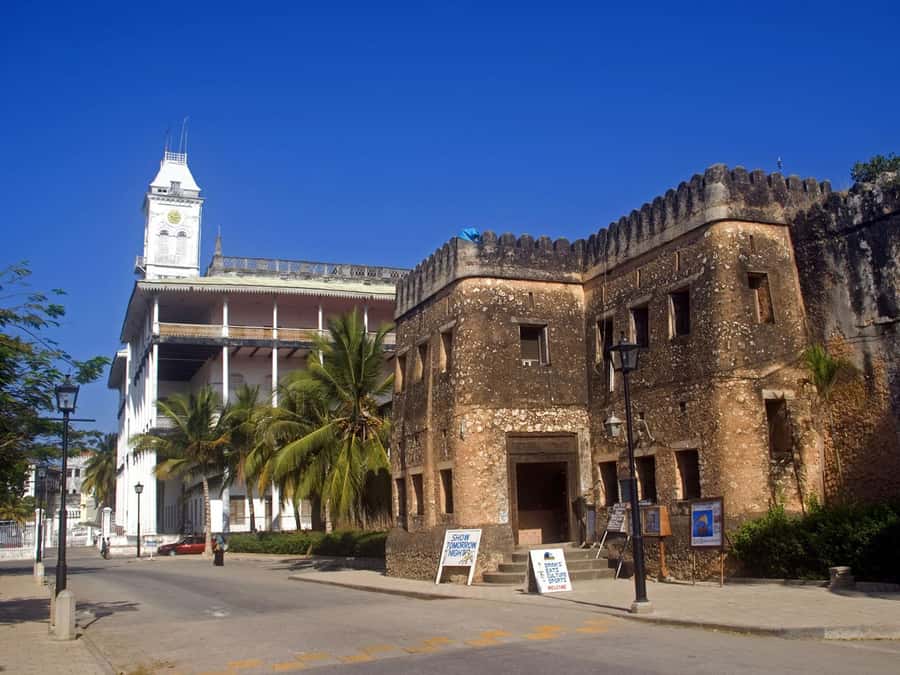
The Old Fort is one of the most recognizable buildings in Stone Town and a natural orientation point. Starting here helps you place the town’s historic center before moving into the lanes.
From the fort area, the route may continue toward the House of Wonders. This building is currently under renovation, so you should think of it mainly as an exterior landmark rather than a guaranteed museum visit. Its scale and location make it an important stop for understanding Stone Town’s public architecture.
The waterfront also connects naturally with Forodhani Gardens. Later in the day, the area becomes a good place to watch the town change pace. If you choose the 4:30 pm start, the tour is timed for evening light, sunset views, and the night market.
The sunset option is not just a photo stop. It changes the feel of the walk. Temperatures are easier, the waterfront becomes more social, and the market offers a different view of everyday life than the daytime bazaar.
The former slave market and Anglican Cathedral
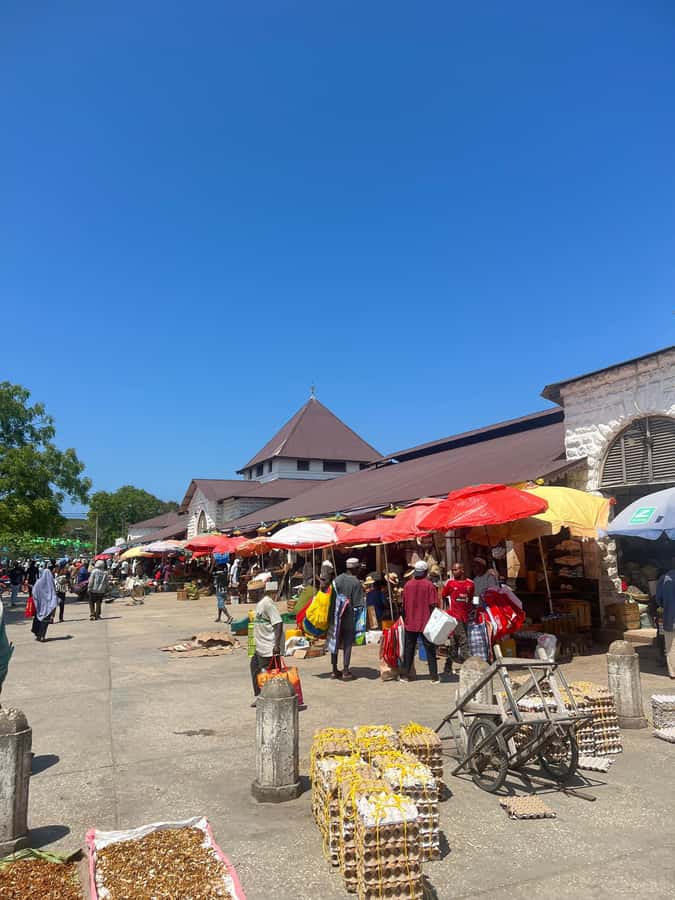
The former slave market site is one of the most important parts of the walk. The Anglican Cathedral now occupies the location, linking religious architecture with a difficult chapter in Zanzibar’s past.
Entry fees for the Anglican Church are listed as optional, although one tour participant specifically received entry to the former slave market as part of the experience. Because admission arrangements can vary, ask your guide what is covered on your chosen date.
This stop deserves time and attention. It is not simply another old building to photograph. The guide’s explanation can help you understand the human cost behind Zanzibar’s commercial growth and the reasons this site remains central to Stone Town’s story.
The subject matter is serious, so this part may not suit anyone seeking only a light sightseeing walk. For most visitors, though, it gives the rest of the tour more meaning. Stone Town’s beauty and its painful past exist side by side, and a worthwhile guide does not skip either one.
More Private History Tours in the world:
- Private Historical Walking Tour of York
★ 5.0 · 1,324 reviews - Private Guided Historic Electric Cart Tour of St. Augustine
★ 5.0 · 1,194 reviews - Istanbul: Acemoglu Historical Turkish Bath w/Private Options
★ 4.6 · 1,190 reviews - From Cairo: Private Full-Day Tour of Historical Alexandria
★ 4.1 · 1,155 reviews
Darajani Bazaar and the everyday city
Darajani Bazaar brings you into the practical side of Stone Town. This is where local people shop for everyday needs, and the route may include food stalls, market lanes, arts and crafts, and the surrounding bazaar shops.
You should expect a busy setting with plenty to look at, but do not treat it like a tidy market designed only for sightseeing. Keep your belongings close, watch your footing, and be considerate when taking photographs. Cash is useful for personal purchases, food, and soft drinks, which are not included.
The market is also a good place to ask questions. Your guide can explain what you are seeing and point out details you might otherwise pass without noticing. Several visitors have valued the combination of food, culture, and history here, rather than seeing the market as a separate shopping stop.
Do not expect the tour price to cover every snack or purchase. The $30 rate includes water, but food, soft drinks, museum admissions, and personal shopping are extra.
Doors, coffee, and the lanes between landmarks

Some of Stone Town’s best details are not formal attractions. The town is known for beautiful doors, and a guide can help you notice their patterns, materials, and place within the wider architecture.
The streets also reveal the town’s social life. You may pass coffee-filled gathering spots, small shops, and residents moving through narrow lanes. These moments help balance the major sights. A tour made only of famous buildings can feel like a checklist; the local streets show how Stone Town functions today.
The route includes a colorful market street and a bazaar shopping zone used by local residents. That makes the walk useful for first-time visitors who want more than postcard views. You can ask to spend extra time on architecture, food, or shopping, depending on your priorities.
The lanes are narrow, and the walking surface may not always feel easy. Comfortable shoes are essential. Large bags and luggage are not allowed, so leave suitcases at your accommodation.
Hamamni Baths and the cathedral quarter

Hamamni Baths are another notable stop, connected with Stone Town’s public life and architecture. Entry is optional, and the admission fee is not included.
The route may also include the Catholic Cathedral. Together, the cathedral and baths show how different institutions shaped the town. Your guide can give these sites more context than a quick photograph from the street.
If you have limited time, tell your guide which interiors matter most to you. A two-hour outing may require choices, while a longer tour gives you more room for optional entries and questions.
The tour is available with guides speaking English, French, German, Italian, Spanish, or Swahili. The quality of a walking tour depends heavily on communication, and the named guides have received especially strong praise for clear English, patience, and their ability to explain local culture.
Freddie Mercury’s house and the Secret Garden
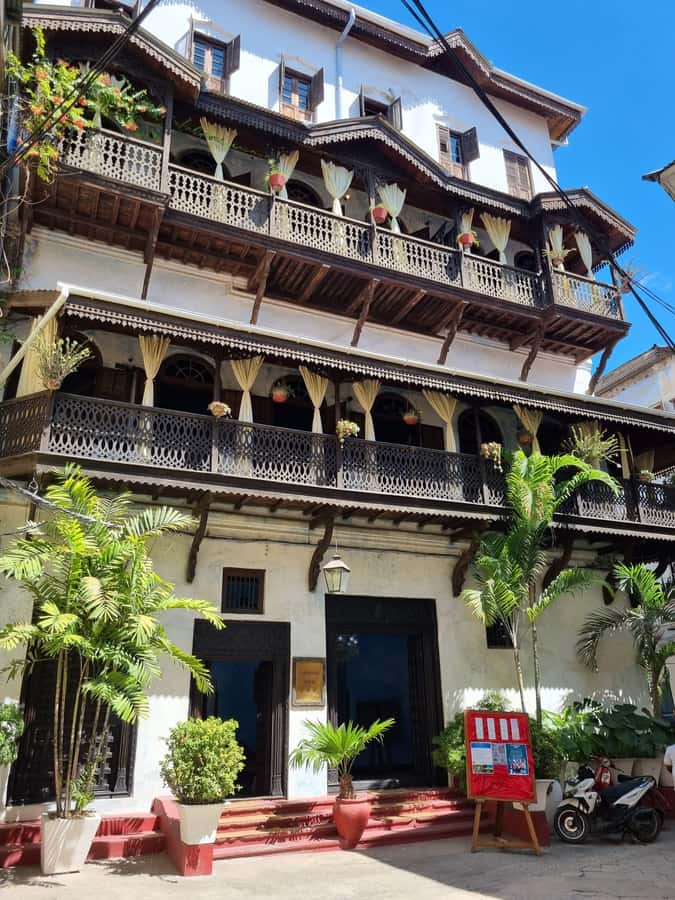
The route can include Freddie Mercury’s house and the Freddie Mercury Museum. The museum entry fee is optional, so budget separately if you want to go inside.
The house is a useful stop for visitors interested in modern cultural figures as well as older history. It also adds variety to a route that otherwise focuses heavily on markets, religious buildings, forts, and colonial-era architecture.
The Secret Garden is another possible stop, offering a change from the tight streets and formal landmarks. Since this is a private or small-group tour, you can ask whether it fits your interests and available time.
The itinerary is not rigid, which is one of the experience’s strongest features. A history-focused visitor can give more attention to the former slave market and historic buildings. Someone more interested in local life can favor markets, coffee spots, doors, and shopping streets.
What the guides do especially well

The strongest pattern in the feedback is the guides’ personal approach. Abdalla is repeatedly praised for his historical explanations, friendly manner, and willingness to adapt the route. One visitor said he also arranged a sunset dhow outing, showing that he may be helpful beyond the walking tour itself, though that activity is separate.
Cosmo is described as personable and familiar with local culture. He also adjusted one tour from three hours to two while still covering the main sights. That flexibility is useful if you have a tight schedule.
Amina is praised for asking about personal interests and shaping the walk around them. Issa has been described as both a strong guide and a helpful person for arranging hotel collection and explaining food, culture, and history.
Other guides, including Hashir and Muhammad, have been praised for extra time, practical help, and attentive service. One visitor particularly appreciated that the guide checked on the group’s comfort in the heat and looked for shade during explanations.
Guide assignment can vary, so you should not book only because of one particular name. Still, the repeated pattern is encouraging: friendly service, good communication, questions welcomed, and a willingness to adjust the content.
Is $30 per person good value?
At $30 per person, this is a fair price for a private or small-group introduction to Stone Town. You receive a local guide, pickup and drop-off, two bottles of water, a city map, and taxes or surcharges.
The value improves if you are new to Stone Town and want a useful orientation at the start of your stay. You can use the map and the guide’s suggestions to return later to places that interest you.
It is less of a bargain if you only want independent wandering and do not plan to enter any sites. Optional admissions, meals, drinks, and shopping increase the final cost. The tour also does not replace a full museum visit or a dedicated food tour.
For a first look at Stone Town, however, the combination of major landmarks, local streets, market time, and adjustable pacing gives you a lot for the money.
Timing, clothing, and comfort
Book a morning departure if you want the easiest walking conditions. One visitor specifically advised going early because Stone Town becomes hot, and another guide made a point of finding shade during stops.
Choose 4:30 pm if sunset and the night market matter more to you than cooler morning temperatures. This option gives you a different mood and may suit photographers or anyone who wants to finish near the evening food scene.
Wear comfortable shoes, bring sunglasses, and carry cash. A camera is useful, but ask before photographing people or sensitive places. Dress appropriately for Zanzibar’s culture and traditions. An umbrella is sensible during rainy weather because the tour operates rain or shine.
Pregnant women are advised not to take this tour. The walking, heat, and uneven urban conditions may make it unsuitable.
Who should book this Stone Town walk?
I would choose this tour for a first visit, especially if you have only a half day in the historic center. It is also a good fit for solo visitors who want help finding the meeting point, couples who prefer a flexible pace, and families or friends who want to focus on particular interests.
History fans should request extra time at the former slave market, Old Fort, House of Wonders, and Hamamni Baths. Architecture lovers should ask about the doors and limestone buildings. Shoppers and food-focused visitors should give more time to Darajani Bazaar and the local market streets.
I would be more cautious if you dislike heat, narrow streets, walking, or serious historical subjects. The tour is not a passive sightseeing ride. You will be on your feet, moving through working neighborhoods, and dealing with weather.
Should you book it?
Book it if you want a friendly local guide, a flexible route, and a well-priced introduction to Stone Town’s buildings, markets, culture, and difficult past. Ask for a morning start if heat is your main concern, or choose 4:30 pm for sunset and the night market.
The tour is especially useful at the beginning of a Zanzibar stay. You get your bearings, learn which sights deserve a return visit, and see more than you would likely find by following a map alone. Just confirm optional entry fees, dress respectfully, bring cash and water-friendly walking gear, and be clear about your interests before setting off.
FAQ
How long does the Stone Town walking tour last?
The activity lasts between two and four hours. The main guided walk is listed at about two and a half hours, depending on the selected option and the route.
Where does the tour meet?
The standard meeting point is in front of the Old Fort, near Forodhani Gardens.
Is hotel pickup available?
Yes. Pickup and drop-off are included when that option is selected. Wait in your hotel lobby about 10 minutes before the scheduled pickup time and look for the guide or driver wearing a Happy Bikes shirt, hat, or cap.
What languages are available?
Guides may lead the tour in English, French, German, Italian, Spanish, or Swahili.
Are museum and attraction entry fees included?
Entry fees for Freddie Mercury’s Museum, the Anglican Church, and Hamamni Baths are listed as optional and are not included. Confirm the exact arrangements with your guide, since entry to the former slave market was included for one participant.
What is included in the $30 price?
The price includes a private local guide, pickup and drop-off, two 500-milliliter bottles of water, a city map, taxes, and surcharges.
What should I bring?
Bring comfortable shoes, sunglasses, a camera, and cash. An umbrella can help during rainy weather.
Can I cancel the booking?
You can cancel up to 24 hours in advance for a full refund. Reserve now and pay later is also available.
Just added around the world
- The Queenstown Story @ Cobh Heritage Centre , Great Stories of Emigration.★ 4.5 · 181 reviews
- Visit 16 Sites Key Historical Sites And Experience Cobh Rebel Tours★ 5.0 · 167 reviews
- Historical Bicycle Tour of Dunedin★ 5.0 · 44 reviews
- Cincy Brunch History and Streetcar Tour with Riverside Food Tours★ 5.0 · 108 reviews
- 2.5 Hour Kayaking with Manatee and History Tour in Tarpon Springs★ 5.0 · 24 reviews
- Private Tour in Chichen Itza Official History Guide★ 5.0 · 36 reviews
- Dazu Ancient Rock Carvings Private Tour Extension★ 5.0 · 24 reviews
- Chicago River Architecture Tour Aboard a Historic Yacht★ 5.0 · 45 reviews
History Walking Tours, compared.

History and Hauntings of Salem Guided Walking Tour
Read our review →
Freedom Trail History Small Group Walking Tour
Read our review →
Historic Charleston Guided Sightseeing Walking Tour
Read our review →
Tapas Walking Tour with Food, Wine, and History
Read our review →
Savannah History and Haunts Candlelit Ghost Walking Tour
Read our review →
A History of Terror – Belfast City Centre Walking Tour
Read our review →Browse the lists this tour appears in