
Review · BUCHAREST-ILFOV
Roma Culture, Realities and Slavery History, Walking tour
History changes when you walk through it. This three-hour Bucharest tour connects Roma history with slavery, communism, the Holocaust, and daily life in modern Romania. I like its clear focus on correcting myths, and I like the way it uses real city landmarks rather than keeping the discussion inside a museum. The $30 price is fair for a guided walk with an English-speaking guide, especially if you want more than the standard Bucharest highlights.
The tour also includes a short café break and ends at Mesteshukar ButiQ, where you can add a hands-on jewelry workshop with a Roma craftsman. The main consideration is that the experience is mostly led by non-Roma guides, so direct interaction with Roma people is limited. That is a fair point to consider if personal community contact is your top priority.
The key points at a glance
- A difficult story made visible: Visit the site of a former slave market and discuss the long impact of Roma enslavement in Romania.
- More than a history lecture: The route links Roma experiences with the Romanian Athenaeum, Cismigiu Gardens, the Holocaust Memorial, communism, and Revolution Square.
- Guides set the tone: Andreea, Daniela, Mihail, and other guides are praised for clarity, patience, humor, and a respectful approach to sensitive subjects.
- A useful myth-busting tour: You hear about Roma traditions, language, identity, prejudice, and the difference between common assumptions and historical fact.
- Optional creative finish: Add a jewelry workshop at Mesteshukar ButiQ and make a piece with an authentic Roma craftsman.
- Good value for curious visitors: At $30 for three hours, this is aimed at people who want social history, not a quick city-center checklist.
Why this Bucharest walk is different
Bucharest has plenty of tours about grand buildings, royal influence, communism, and the old town. This one takes a narrower and more serious path. It asks how Roma people have been treated within Romanian society, how old prejudices formed, and why those ideas still matter today.
That focus gives the walk a clear purpose. You are not simply passing monuments while hearing dates. The Romanian Athenaeum becomes a place to discuss culture and public ideas. Cismigiu Gardens becomes a calm setting for sorting fact from folklore. The Holocaust Memorial brings the subject into painful twentieth-century history, while Revolution Square and the surrounding streets help explain Romania’s communist past.
I especially like this structure because it gives you context before asking you to think about present-day discrimination. You see how slavery, persecution, political systems, and public attitudes connect over time. The guide also uses photographs, public art, and links to music to make the subject easier to understand. Daniela, in particular, has been praised for following up with links to folkloric and manele music after the walk.
This is not a general introduction to every part of Bucharest. If you want the Parliament Palace, the old town, or a long list of famous churches, choose another tour. If you want a more focused look at one important part of Romanian society, this walk fills a real gap.
More Local Culture and Traditions Tours in Romania:
- Private Bucharest: History & Food with Traditional Meal
★ 5.0 · 34 reviews - Amsterdam Food and Cultural Tour with Tastings
★ 5.0 · 4,315 reviews - Sevilla Food Tour: Tapas, Wine, History & Traditions
★ 5.0 · 3,468 reviews
Meeting at Romana Square and beginning with slavery
The meeting point is the small square in front of Teatrul Ion Creangă, Sala Mare. It is about a three-minute walk from Piața Romana metro station, which makes the start simple to reach from other parts of Bucharest.
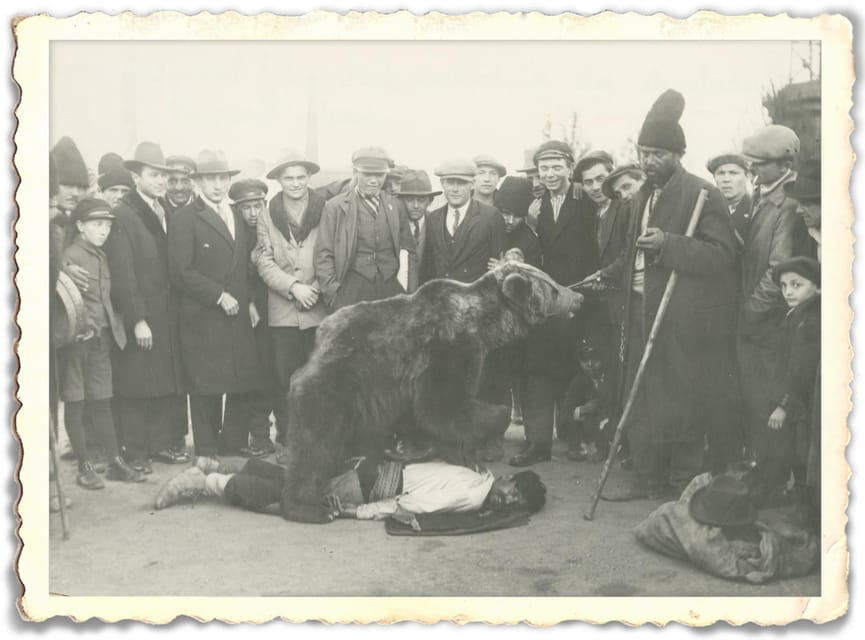
The first stop is described as a secret stop, but the important detail is its subject: the site of a former slave market. This is the emotional starting point of the walk. Your guide explains how Roma people were enslaved in the Romanian principalities and how the trade in human lives shaped families, social status, and public prejudice.
That history is often missing from a first visit to Romania. The tour places it near the beginning so you can understand later conversations about poverty, discrimination, property, and identity. One guide also explained that Roma emancipation took place around the same period as the emancipation of enslaved people in the United States, a comparison that helps place Romanian history in a wider context.
Expect this part to be serious. The goal is not shock for its own sake. It is to show that many modern stereotypes did not appear from nowhere. They grew from centuries of unequal treatment, forced labor, and social exclusion.
Because the exact stop is not publicly named, you should not expect a major museum display or a preserved market building. The value lies in the guide’s explanation and in knowing what happened on the ground beneath the modern city.
The Romanian Athenaeum and the role of public culture
The route then passes the Romanian Athenaeum, one of Bucharest’s best-known buildings. You have about fifteen minutes here for sightseeing and discussion.
The Athenaeum is a striking symbol of Romanian national culture, but on this tour it also opens a broader question: who gets represented in a country’s arts and cultural story? Your guide connects the building and its cultural role with the ways Roma musicians, craftspeople, and performers have been viewed over time.
This is one of the tour’s useful habits. It does not treat Roma culture as something separate from Romanian culture. Instead, it explores the influence Roma people have had on the arts while also asking why their contribution has not always received equal respect.
The stop is mostly a pass-by rather than an interior visit, so do not book this tour expecting a concert hall tour. Still, the Athenaeum offers a memorable visual pause between the heavier history of slavery and the next parts of the route.
Cismigiu Gardens: myths, traditions, and a needed pause
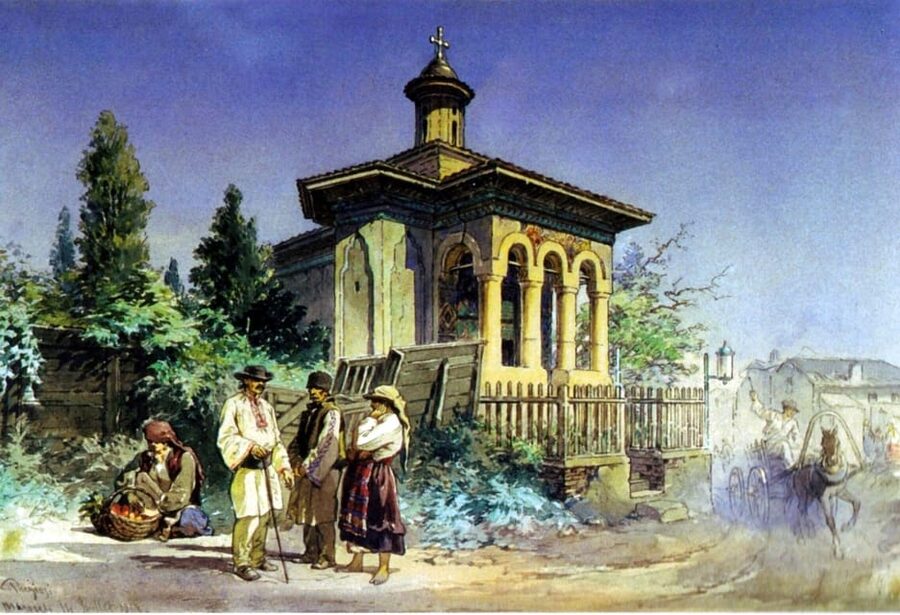
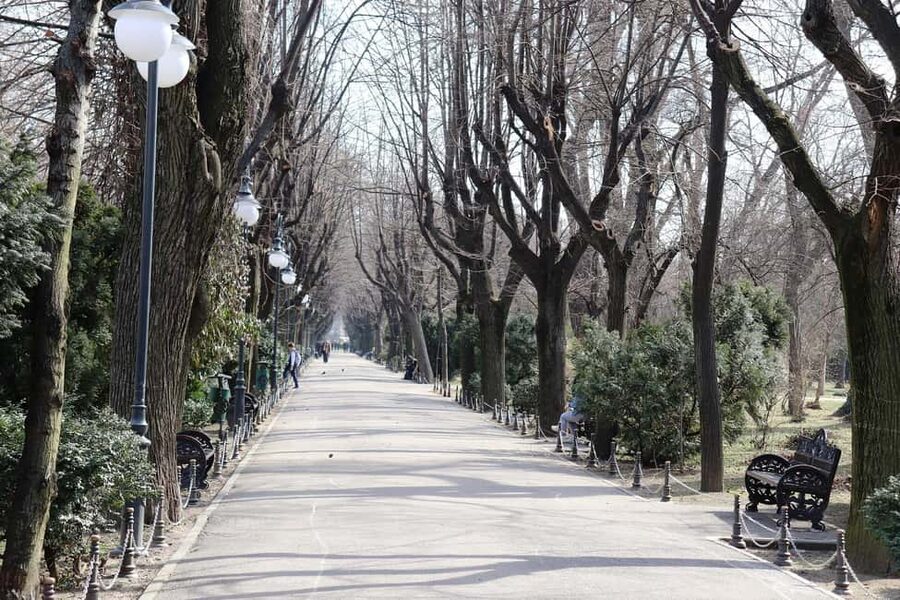
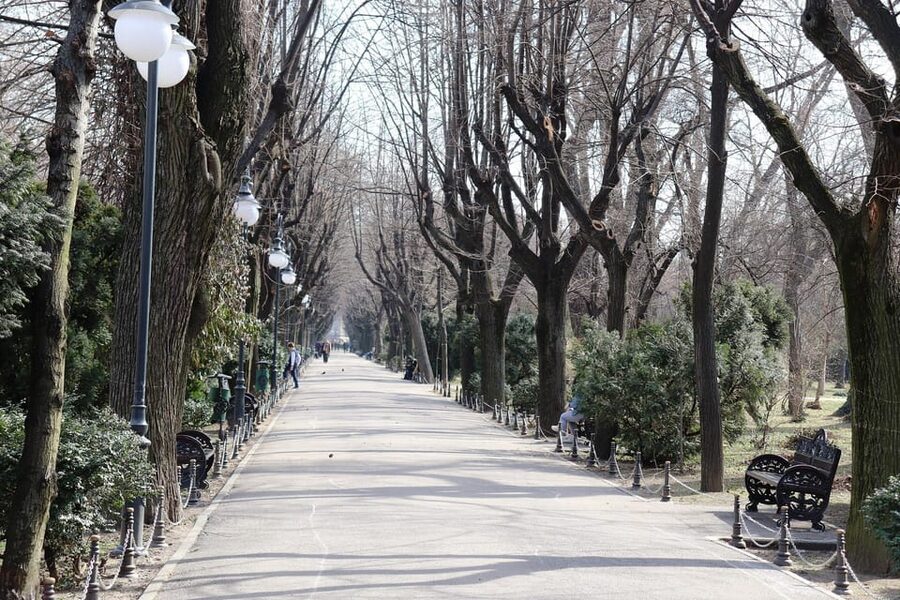
Cismigiu Gardens is the oldest and largest garden in Bucharest, and the walk spends about thirty minutes here. This is a welcome change of pace after the city streets and difficult opening discussion.
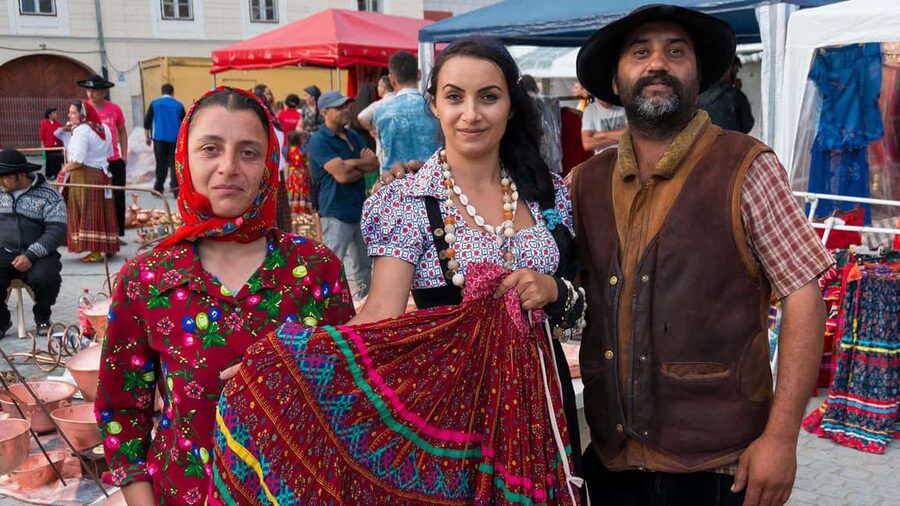
The park gives the guide room to explain Roma traditions and address common myths. That balance matters. Roma identity is not one single lifestyle, and the guide’s job is to explain differences among communities rather than replace one stereotype with another.
The discussion may cover the Roma flag, the Romani language, music, family traditions, and the way popular stories have shaped public opinion. The useful point is that cultural customs should not be treated as proof of fixed character. The guide keeps returning to history, social conditions, and individual experience.
Cismigiu is also the practical rest point of the tour. The walking pace includes opportunities to sit, and guides have adjusted the route for heat by finding shade and stopping for water. A short café break of about fifteen minutes is included later in the schedule, but food and drinks are not part of the price.
You should wear comfortable shoes and bring water, particularly in summer. This is a three-hour walking tour with several stops, not a bus ride with occasional photos.
More History Walking Tours in Romania:
- Bucharest: Communism and History Guided City Walking Tour
★ 4.9 · 918 reviews - Guided Walking Tour of Historical Bucharest
★ 5.0 · 84 reviews - Half-Day Jewish Heritage Walking Tour in Bucharest
★ 5.0 · 20 reviews - Bucharest: Sweet Delights History and Desserts Walking Tour
★ 5.0 · 18 reviews
The Holocaust Memorial and Romania’s Roma victims
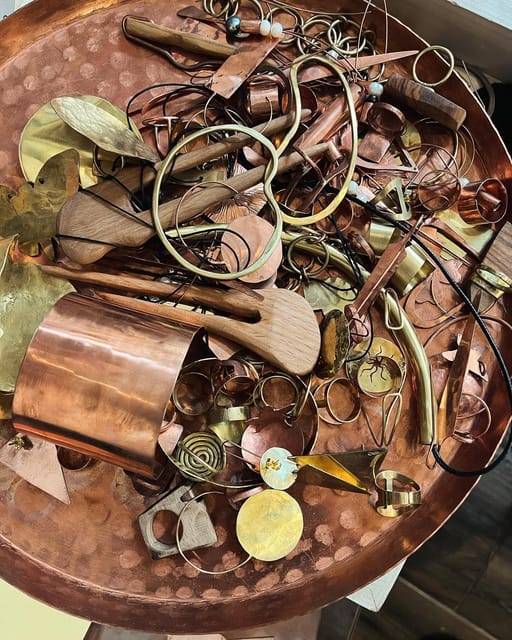
The Holocaust Memorial is one of the most important stops. You have about fifteen minutes for a photo stop, guided discussion, and sightseeing.
The memorial commemorates victims of the Holocaust in Romania, including the thousands of Roma who were killed through persecution and genocide. The guide places this event within the wider history of Romanian treatment of Roma people, showing how older prejudice could become state violence.
The stop is short on paper, but its subject deserves attention. Allow yourself time to look closely and listen rather than treating it as a quick photograph. The memorial gives the tour a physical place for remembrance, which is more powerful than hearing the numbers in an abstract lecture.
Several guides have been praised for handling this section with empathy and directness. That matters because the topic can easily become either vague or overly academic. The strongest approach gives you facts while remembering the human cost behind them.
Communist Bucharest and Revolution Square
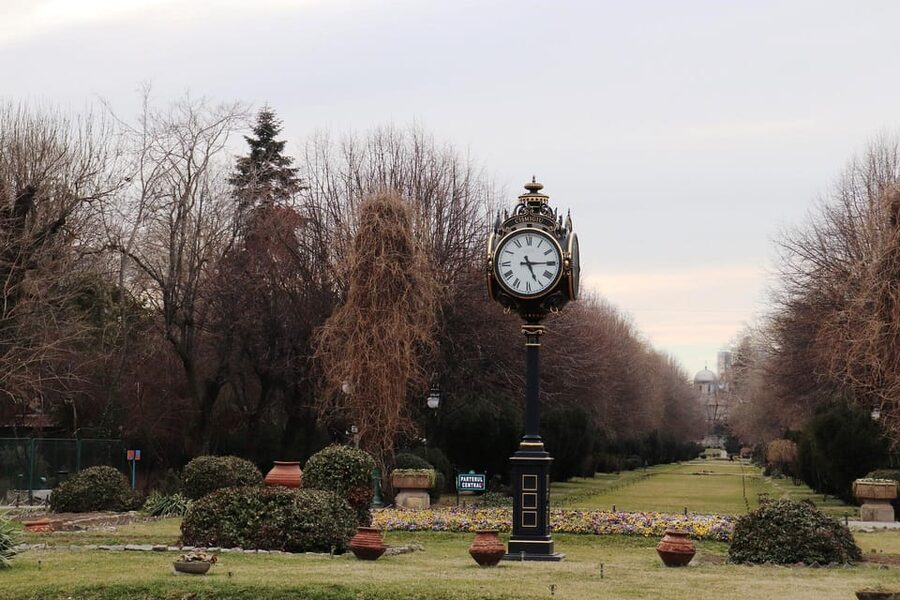
After the memorial, the route moves through Piața Kogălniceanu and toward Revolution Square. The communist period becomes another lens for understanding the Roma experience.
The tour offers a general view of communism in Romania, including the way the regime affected Roma communities and the physical marks it left on Bucharest. You pass streets and buildings that help connect political history with ordinary urban life.
The stop at Revolution Square is mainly a pass-by of around fifteen minutes. You should not expect a full lecture on the 1989 revolution, but the area helps place Romania’s recent past in sequence with the earlier subjects of slavery and genocide.
One valuable theme here is that the end of communism did not erase older prejudice or automatically create equal opportunity. The discussion moves toward the continuing barriers faced by Roma people, including discrimination and disputes connected with property and housing. That makes the tour feel current rather than locked in the past.
Mesteshukar ButiQ and the optional jewelry workshop
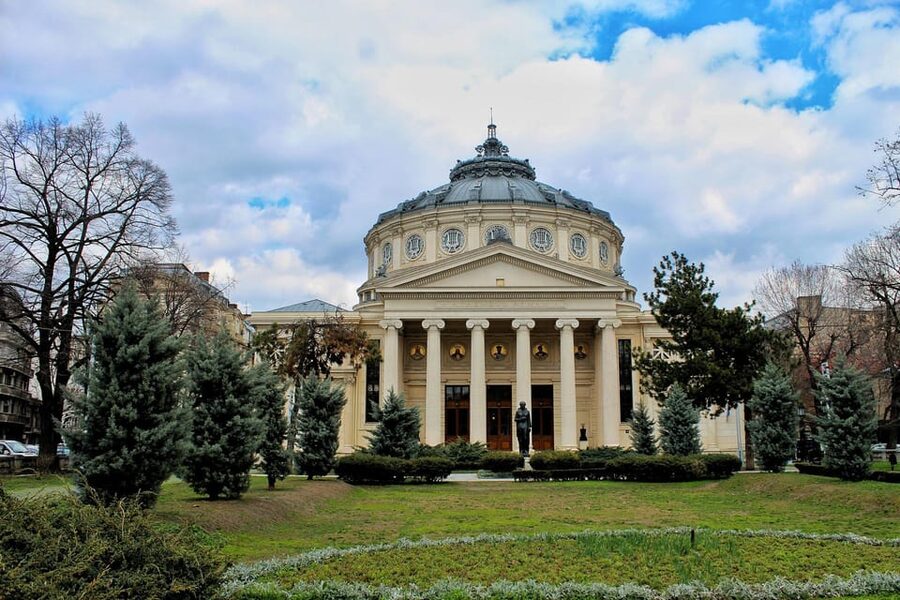
The walk finishes at Mesteshukar ButiQ, known as MBQ. You can end the tour here or choose the optional jewelry workshop, which includes transportation and the workshop itself.
The activity lets you make your own piece of jewelry with an authentic Roma craftsman in a traditional workshop. It gives the tour a practical ending and shifts the focus from what has been done to Roma people toward what Roma craftspeople create and pass on.
This option is especially appealing if you enjoy making things rather than collecting another souvenir from a shop shelf. One visitor who did not have time for the workshop still saw it and thought it looked fun, while another found making a piece to be a highlight.
Check the booking details carefully if you want the workshop, since it is an add-on rather than part of the basic $30 walking tour. The listed inclusion of transportation applies when this option is selected.
The guides and the tone of the experience
The guides are the strongest part of this experience. Andreea is praised for making complex history easy to absorb, using images and references to public sculptures and places along the route. Daniela is described as candid, empathetic, humorous, and especially strong at explaining both history and current prejudice.
Mihail has been praised for answering questions, keeping the walk on schedule, and finding places where people could sit. Other guides have also been described as patient, considerate, and respectful.
That consistency matters because the subject can quickly become uncomfortable. A good guide must explain slavery and genocide without turning Roma people into objects of pity. The strongest feedback suggests that the tour usually manages that balance.
You should still bring an open mind. The conversation may include racism, stereotypes, poverty, property disputes, forced assimilation, and the use of offensive language in historical context. This is not a light sightseeing stroll, though humor and everyday stories keep it from becoming grim for three straight hours.
One fair limitation remains: the experience does not promise regular interaction with Roma community members. If you want first-person testimony, ask about the workshop option and how it is structured, but do not assume that the walking portion is led by a Roma guide.
What the $30 price really buys you
At $30 per person, the value depends on what you want from Bucharest. For a standard list of monuments, you can probably find a cheaper free walk or explore independently. For three hours of focused historical interpretation, the price is reasonable.
You are paying for an English-speaking guide, a planned route, context at significant sites, and a conversation that would be hard to build from a guidebook alone. The guide also helps you connect separate events that can otherwise feel unrelated.
Food and drinks are not included, so allow a little extra for the café pause. The optional jewelry workshop costs extra, but it may be worthwhile if you want a creative activity and a stronger connection with contemporary Roma craft.
The tour has a 4.9 rating from 52 reviews, and the repeated praise centers on the same points: clear explanations, respectful treatment of a sensitive subject, strong pacing, and guides who answer questions rather than reciting a script. That gives me confidence in the basic format, while still leaving room for differences between guides and group sizes.
Who should book this tour?
I would recommend it to history-minded visitors, students, socially curious visitors, and anyone who wants to understand Romania beyond its grand architecture and communist-era headlines. It is also a good choice if you have already seen central Bucharest and want a more specific subject.
The tour suits people who appreciate honest discussion. You do not need prior knowledge, but you should be willing to listen carefully and ask respectful questions.
I would not make it your only Bucharest tour if you have never seen the city’s main sights. It is focused on Roma history and society, not a broad introduction to the capital. You may also prefer another activity if you want direct community contact throughout the experience.
Cancellation is available up to 24 hours before the tour for a full refund, and you can reserve now and pay later. The tour is offered in English, lasts three hours, and begins near Piața Romana metro station.
Should you book it?
Book this tour if you want a serious, well-paced look at Roma life in Romania and you value history that connects directly with present-day prejudice. The former slave market site, Holocaust Memorial, Cismigiu discussions, and communist-era stops create a thoughtful route through Bucharest.
Choose the jewelry workshop too if you want hands-on time with Roma craft. Skip the tour only if you are seeking a broad city overview or guaranteed first-person contact with Roma people. For most curious visitors, $30 is a fair price for a careful, useful, and often moving three hours.
FAQ
Where does the walking tour start?
It starts in the small square in front of Teatrul Ion Creangă, Sala Mare. The meeting point is about a three-minute walk from Piața Romana metro station.
How long does the tour last?
The walking tour lasts three hours.
What language is the tour offered in?
The tour is conducted in English with a live guide.
Does the tour visit a former Roma slave market?
Yes. The route includes a stop at the site of a former slave market, where the guide explains the history of Roma enslavement and its lasting effects.
Is the jewelry workshop included?
The jewelry workshop is optional. The workshop and transportation are included only when that option is selected.
Are food and drinks included?
No. Food and drinks are not included, although the schedule includes a short café break.
Can I cancel for a full refund?
Yes. You can cancel up to 24 hours in advance for a full refund. You can also reserve and pay later to keep your plans flexible.
Just added around Romania
- Half-Day Jewish Heritage Walking Tour in Bucharest★ 5.0 · 20 reviews
- Bucharest Historical Food Tour in Old Center★ 5.0 · 21 reviews
- Bucharest Jewish Heritage | Holocaust Memorial | Private Car Tour★ 5.0 · 38 reviews
- Bucharest Heritage City Tour – The Last Days of Communism★ 5.0 · 20 reviews
- Experience the History of Bran Castle and Saxon Fortifications in Burzenland★ 5.0 · 19 reviews
- Private Bucharest: History & Food with Traditional Meal★ 5.0 · 34 reviews
- Discover Romania’s Wine Heritage in Brasov’s Historic Center★ 4.6 · 19 reviews
- Bucharest: Sweet Delights History and Desserts Walking Tour★ 5.0 · 18 reviews
Local Culture & Traditions Tours, compared.

Amsterdam Food and Cultural Tour with Tastings
Read our review →
Sevilla Food Tour: Tapas, Wine, History & Traditions
Read our review →
Tromsø: Reindeer Camp and Sami Cultural Tour with Lunch
Read our review →
Half Day Dominican Republic Cultural Tour : Small Group
Read our review →
Ultimate Melbourne Walking Tour: History, Laneways & Culture
Read our review →
Tromsø: Sámi Reindeer Sledding and Sami Cultural Tour
Read our review →
Kyoto Gion: 2-Hour Geisha Culture & History Walking Tour
Read our review →
Marrakech Historical and Cultural Tour – Half Day City Tour
Read our review →Browse the lists this tour appears in