
Review · QUINTANA ROO
Riviera Maya: Sian Ka’an Reserve Ancient Maya Canals Tour
A quiet canal makes the whole day special. This eight-hour trip from Tulum takes you through the Sian Ka’an Biosphere Reserve by boat, then lets you float through a 950-meter Maya waterway surrounded by mangroves, orchids, and bromeliads. I especially like the small boats capped at six people and the chance to eat traditional Maya food prepared by the local cooperative.
The best parts are the peaceful canal float and the skilled guides, including Manuel, Jenny, Gilberto, Javi, and Benjamin, who explain the plants, wildlife, and Maya trade route. The main drawback is the price: $173 per person, plus the required $12 reserve fee, is a serious outlay for a day in nature. Still, the mix of transport, two meals, a trained guide, and a full reserve visit gives the cost real weight.
Key points to know before booking
- Float through a 950-meter ancient canal: The 30-to-45-minute river float is the calm heart of the day, with a life jacket and a gentle current carrying you through mangroves.
- Wildlife comes with no guarantee: Manatees, freshwater and saltwater crocodiles, pelicans, herons, ospreys, frigate birds, and other birds have all been spotted, but animals follow their own schedule.
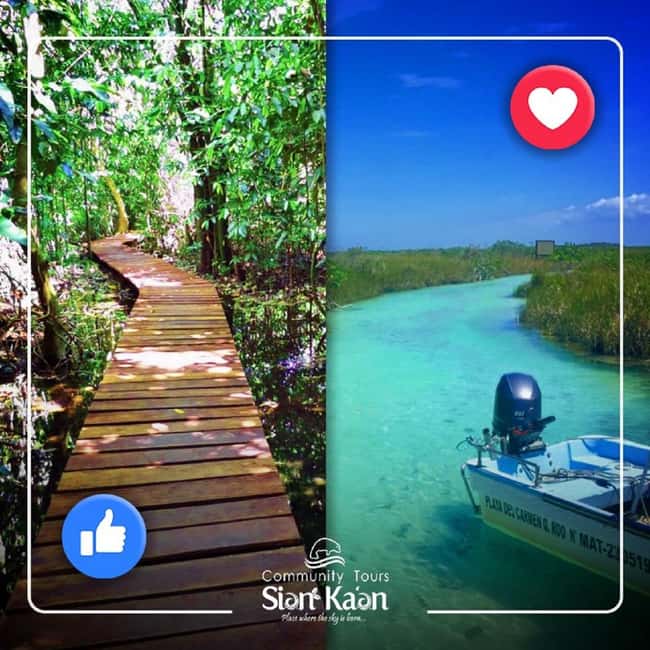
- Four connected lagoons shape the route: You travel through Muyil, Chunyaxché, Capelchén, and Boca Paila, where fresh, brackish, and salty water meet.
- The Maya cooperative adds meaning: Breakfast and lunch are made with local ingredients, while the tour supports community income, cultural education, and conservation.
- Morning and midday departures feel different: Early trips offer cooler temperatures and active birds. Midday departures may be warmer and sometimes quieter.
- Bring more sun protection than you think: The boats are open, and the sun gets strong after you leave the shaded canals.
Why Sian Ka’an feels different from a standard Riviera Maya outing
Sian Ka’an is a UNESCO World Heritage Site and one of the Riviera Maya’s best places to see nature with fewer built-up distractions. The reserve includes lagoons, mangrove channels, wetlands, forest, and the Caribbean coast. This is not a quick boat ride beside a resort. It is a full day moving through a protected water system that once served as an important Maya trade route.
The route follows an ancient aquatic passage used by Maya canoe operators roughly 1,000 years ago. It linked the inland settlement at Muyil with the sea, allowing goods and people to move through a chain of lagoons and canals. At Xlapak, you see the remains of a Maya temple and former customs base, where guides explain how this water route fit into regional trade.
I like that the experience is run through a Maya cooperative rather than treating the reserve as a simple backdrop. The restaurant, guides, drivers, boat captains, and community staff all form part of the visit. Your money helps support local work and environmental education, while the tour asks you to respect the reserve’s rules.
That practical connection matters. You are not just looking at wildlife from a boat. You are learning why the channels matter, how local communities protect them, and why visitors must avoid feeding animals, using plastic bottles, or applying regular sunscreen before entering the water.
More Ancient History Tours in Mexico
- Tour to Teotihuacan with visit to ancient caves and CDMX transportation
★ 5.0 · 130 reviews - Chichen Itza Guided Historical Tour with Lunch Included
★ 4.5 · 112 reviews - Ancient Chacchoben Mayan Ruins & Mayan Experience from Costa Maya
★ 5.0 · 96 reviews
Getting there from Tulum, Playa del Carmen, or Akumal
Pickup is offered from Tulum, Playa del Carmen, Puerto Aventuras, Akumal, and nearby points along the Riviera Maya corridor. The ride to the cooperative takes about 75 minutes, followed by another 15-minute transfer toward Muyil. Exact timing depends on your departure option and hotel location, with the reservations team sending the meeting details through WhatsApp the day before.
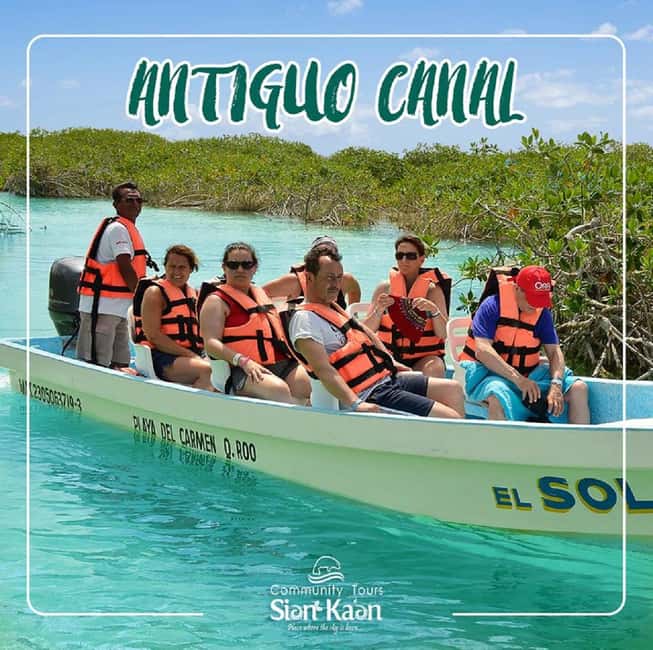
The group limit is 12 people, and boats hold no more than six. The larger group is usually divided between two boats, with two captains and a nature guide working between them. That arrangement keeps the boat ride more personal than a large sightseeing vessel, although the guide may not remain beside every boat for every minute.
Pickup has earned especially strong marks for being organized and on time. You should still be ready 10 minutes early, since the van collects people from several locations. The drive is not a problem if you want a full reserve day, but it is part of the eight-hour commitment.
Starting with Maya food at the community palapa
The cooperative’s palapa is the base for the day. It is where you pay the mandatory Sian Ka’an entry fee, refill your water bottle, eat, and meet the local team. The reserve fee is about $12 per person, paid separately by cash or card. It goes to Mexico’s National Commission for Natural Protected Areas, not the tour operator.
On the early morning version, breakfast comes before the boat trip. It includes traditional Maya dishes and fresh local ingredients. Specific meals can include fruit, bread, scrambled eggs, zucchini, and sikil pak, a pumpkin-seed dip with spices. The food is more than a quick pastry and coffee, so it gives you a proper base for the day.
The midday version has a different rhythm. Meal timing can vary, and lunch may come before or after the boat portion depending on the day’s schedule. The main meal is Maya cooking prepared at the community restaurant, with choices such as grilled chicken, grilled fish, tacos, and other regional dishes. Dietary needs can be accommodated, but tell the operator in advance.
I see the food as part of the tour’s value. You are eating food connected to the people who run the experience, not receiving a generic boxed lunch. It also makes the long time outdoors easier, especially if you choose the early departure and return in the afternoon.
Four lagoons and a boat ride through changing water
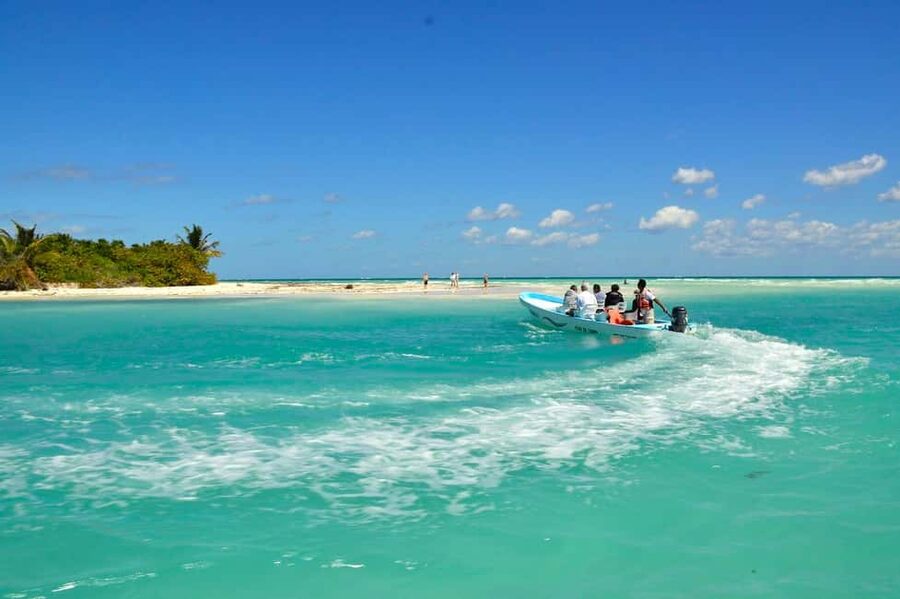
The boat route begins at Muyil Lagoon, then continues toward Chunyaxché Lagoon. From there, the waterway connects to Capelchén Lagoon and Boca Paila, where the lagoon system meets the Caribbean Sea. The changing water is one of the most interesting parts of the route: some sections are fresh, some brackish, and some affected by saltwater from the coast.
At first, the boat ride may feel like a wildlife search. Your guide and captain watch the water, trees, and banks for movement. You might see cichlids, dragonflies, herons, pelicans, ospreys, vultures, frigate birds, and other water birds. The captain may slow down or stop when something appears, giving you time to watch without rushing.
Manatees are a major draw. They surface briefly to breathe, so a sighting can be a quick nose or back above the water. Some groups have seen several together, while others have seen only birds. Crocodiles can also appear, including freshwater and saltwater species. You stay in the boat and view them from a respectful distance.
The wildlife is the one part of the day you cannot control. The reserve is not a zoo, and no guide can promise a manatee or crocodile. If animals are your only reason for booking, keep expectations sensible. If you value the waterways, plants, birds, and quiet, the trip remains worthwhile even on a less active day.
Same place, a different slice of the past:
- Historic Downtown Walking Tour
★ 5.0 · 1,289 reviews - Historic Center Food Tour in Mexico City
★ 5.0 · 1,263 reviews - Mexico City: Historic Downtown Walking Tour
★ 4.8 · 1,039 reviews - Walking Tour of the Historic Center of Mexico City
★ 5.0 · 870 reviews
Xlapak temple and the famous canal float
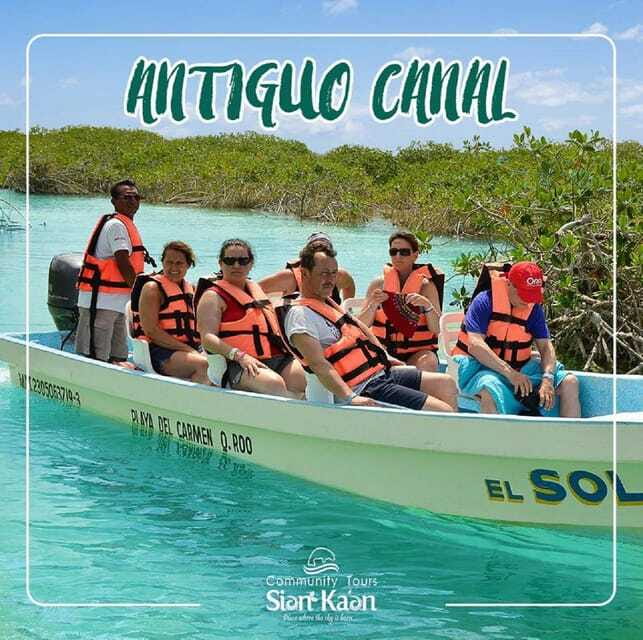
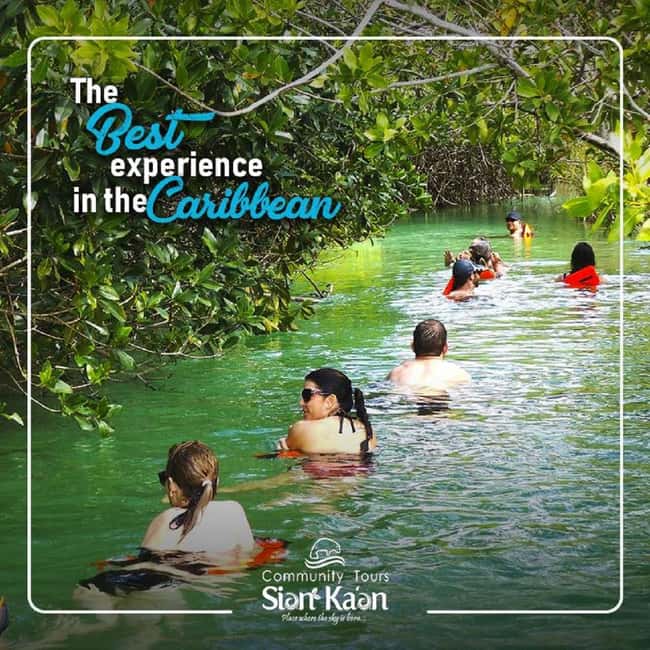
The most memorable section comes at Xlapak. After hearing about the old Maya customs station, you step into the clear canal near the dock. You wear a life jacket and let the slow current carry you for roughly 30 to 45 minutes along a 950-meter stretch.
This is not a rushed swim. You are not racing, paddling, or trying to reach a finish line. You simply float beneath mangroves, with orchids, bromeliads, and other plant life close to the water. The quiet can be striking, particularly on an early trip when there are fewer boats around.
The water temperature depends on the day and season. Several visitors found it pleasant, while others found the float chilly, especially early in the morning. Bring a change of clothes and a towel. A long-sleeved shirt can help with sun protection once you get back on the boat.
The canal float suits people who enjoy gentle outdoor activities. You do not need to be a strong swimmer, since life jackets are used, but you should be comfortable getting into and out of the water. Wet decking and hot steps make water shoes useful, although they are not listed as required equipment.
Capelchén, Boca Paila, and the open-water ride
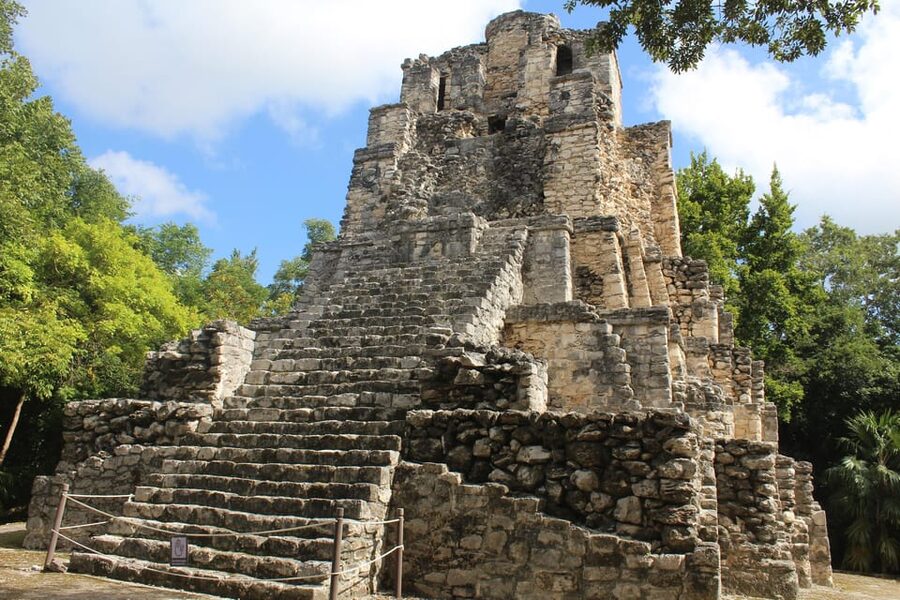
After the canal, you return to the boat and continue toward Capelchén Lagoon. This is a good area for looking for manatees and crocodiles. The captain’s ability matters here, since finding wildlife requires patience and a sharp eye rather than simply driving from one point to another.
The route then reaches Boca Paila, where lagoon water meets the Caribbean Sea. The stop offers time for photos, a short swim, and views toward the coast. The nearby Pez Maya beach stop adds a pleasant change of pace, with free time beside a quiet, undeveloped stretch of sand.
The open-water sections are scenic but exposed. The boat can move quickly across larger stretches, and wind can make the ride feel brisk. Bring a light cover-up, hat, sunglasses, and extra biodegradable sunscreen for after the canal float. Regular sunscreen is not allowed in the reserve, so use biodegradable products and follow the guide’s instructions.
This part also explains why the itinerary can shift. Weather, tides, seaweed, ocean swell, traffic, and reserve conditions may alter the order or length of stops. That is normal for a protected water environment, but you should not book this expecting a clockwork schedule.
Guides make the difference
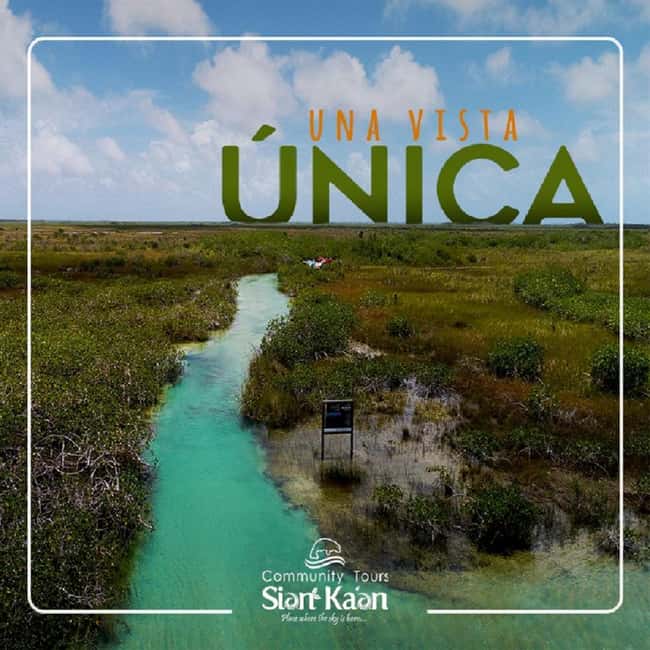
The guide is central to the experience. Names such as Manuel, Jenny, Gilberto, Javi, Benjamin, Alberto, Lubia, and Miguel appear repeatedly in the operation’s recent feedback, and the praise is consistent: they explain the reserve with real interest rather than reciting a short script.
The best guides connect small details to the wider picture. A bird becomes a clue about the wetland. A bubbling cenote beneath a lagoon shows how underground water feeds the system. A crocodile sighting becomes a lesson in keeping distance. The Maya trade route and the cooperative’s work also give the scenery a human side.
The boat captains matter just as much. They steer through narrow channels, watch for animals, and handle boarding carefully. Some captains have pointed out manatees that would otherwise be easy to miss. Since the guide may switch between two boats, you might spend part of the ride with the captain while the main guide is on the other boat.
Language support is available in English, French, and Spanish. One useful point to confirm at booking is how the guide will be assigned between the two boats if your group needs a particular language.
Is $173 a fair price?
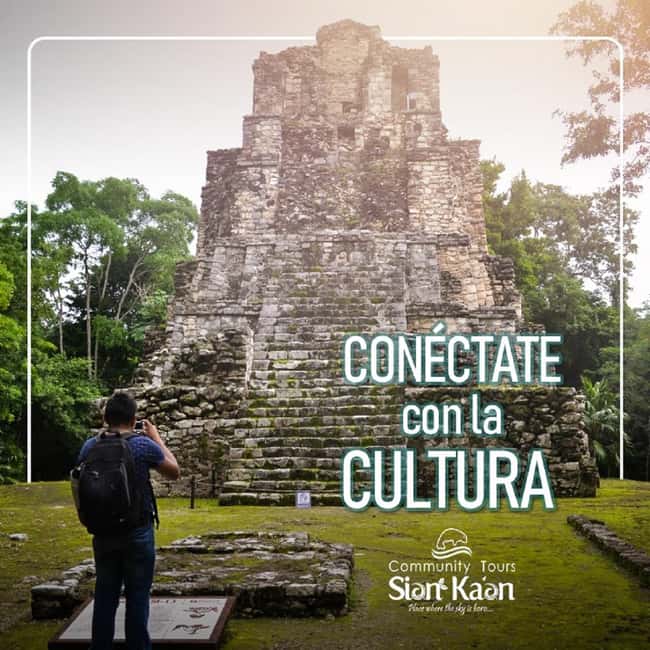
At $173 per person, plus the reserve entry fee, this is not a bargain excursion. You are paying for hotel transport, a small group, boat captains, a nature guide, the canal experience, time in four lagoons, a coastal stop, breakfast on the early tour, and a substantial Maya lunch.
The value improves if you want an all-day nature experience without arranging separate transport or food. It also makes more sense if you care about small groups and local ownership. A cheaper boat ride may get you onto the water, but it may not include the same time in the canal, two meals, cultural explanation, or community connection.
I would not choose it for a quick half-day outing or for guaranteed wildlife. I would choose it if the ancient water route and the floating section sound like the main reasons you came to the Riviera Maya. The canal is unusual, and the combination of calm water, wildlife, Maya culture, and open coast is difficult to reproduce with a standard resort excursion.
Who should book this Sian Ka’an day?
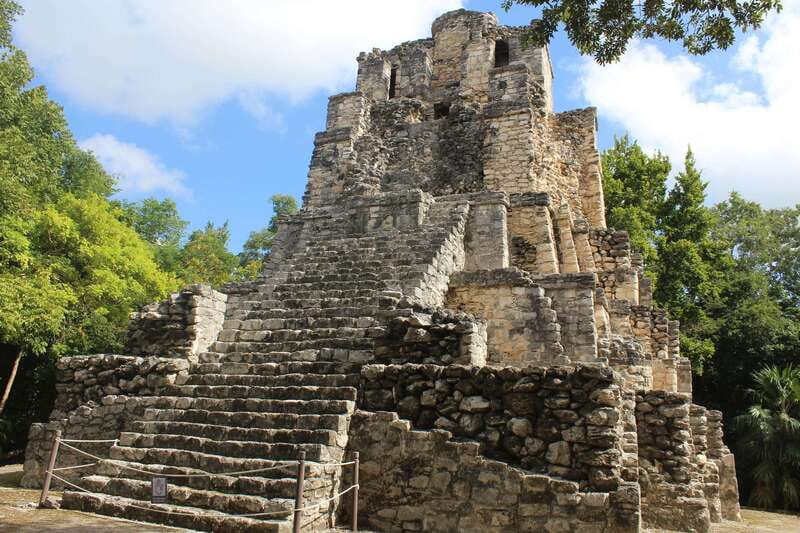
This tour fits nature lovers, bird watchers, families with older children, couples, and anyone who wants a quieter alternative to crowded beach activities. It also suits visitors who value local food and want their money to support a community cooperative.
It is not suitable for pregnant people, anyone with back problems, babies under one year, or people over 264 pounds, or 120 kilograms. The experience is wheelchair accessible, but confirm your needs in advance because the day includes vans, boats, docks, and water access.
Bring sunglasses, a hat, beachwear, a full change of clothes, biodegradable sunscreen, biodegradable insect repellent, cash, and a reusable bottle. Plastic bottles, plastic bags, drones, smoking, vaping, alcohol, and animal feeding are not allowed. Professional cameras are also prohibited, so use a permitted personal camera or phone.
Should you book it?
Book this tour if you want Sian Ka’an as a living wetland rather than a quick photo stop. The canal float is the strongest reason to go, and the guides, food, and small boats make the day feel more connected to the local community.
Skip it if $173 feels too high, if you need a tightly fixed schedule, or if you will be disappointed without a manatee. For most people who enjoy quiet water, birds, Maya culture, and time outdoors, I think the cost is justified. Choose the early departure for cooler conditions and active birds, or the midday option if you prefer a later start and may want a warmer float.
FAQ
How long does the Sian Ka’an canals tour last?
The experience lasts about eight hours, including transportation, meals, boating, the canal float, wildlife viewing, and the coastal stop.
Where does pickup take place?
Pickup is available from Playa del Carmen, Puerto Aventuras, Akumal, Tulum, the Tulum Hotel Zone, and nearby points along the Riviera Maya route. The exact time and meeting point are sent through WhatsApp the day before.
Is breakfast included?
Breakfast is included with the early morning tour. It is traditional Maya food prepared by local Maya cooks. The main lunch is included at the end of the activity.
Is the Sian Ka’an entry fee included?
No. The mandatory federal reserve fee is about $12 USD, or $218 MXN, per person. You pay it at the cooperative’s palapa by cash or card.
Will I definitely see manatees or crocodiles?
No. Wildlife sightings cannot be guaranteed. You may see manatees, crocodiles, birds, and other animals, depending on weather, water conditions, and animal activity.
What languages are available?
The tour is offered in English, French, and Spanish. The group is limited to 12 participants, with no more than six people in each boat.
Just added around Mexico
- Private Tour in Chichen Itza Official History Guide★ 5.0 · 36 reviews
- 5 Days Mayan Heritage History Tour★ 4.5 · 31 reviews
- Calakmul Ancient Maya City Tour From Xpujil★ 4.5 · 38 reviews
- Calakmul Ancient Maya City Tour – From Campeche★ 4.5 · 24 reviews
- La Paz Tour, Historical City, Beach, Colonial and Beautiful scenery on the way!★ 4.5 · 26 reviews
- Cultural & Ecology, Nature & History of the hidden towns of Southern Baja!★ 4.5 · 38 reviews
- Guided historical tours at the Mayan cities!★ 5.0 · 21 reviews
- Ciudad de Mexico: Historia y vida moderna en la capital★ 5.0 · 21 reviews
Ancient History Tours, compared.
Colosseum: Underground and Ancient Rome Tour
Read our review →
Colosseum & Ancient Rome with Arena Floor Option I Max 6 People
Read our review →
Colosseum, Ancient Rome Tour or AudioGuided Tour
Read our review →
Colosseum Underground & Ancient Rome Guided Tour
Read our review →
Taormina: Ancient Theater Skip-the-Line Ticket & Audio Guide
Read our review →
Discover the Ancient Ruins of Pompeii: Day Trip from Rome
Read our review →
Discover Matera, the ancient city – English tour
Read our review →Browse the lists this tour appears in