
Review · STATE OF MEXICO
Ciudad de Mexico: Historia y vida moderna en la capital
Mexico City reveals itself one layer at a time. This 3.5-hour walking tour links Aztec remains, Spanish churches, grand public buildings, local food, and daily city life in one clear route through Centro Histórico. I like the mix of famous sights and less obvious stops, especially Hospital de Jesús and the old streets around Pino Suárez. I also like the small-group size, limited to 10 people, which gives you a better chance to ask questions and keep the pace personal.
The main drawback is the amount of walking. You cover much of the historic center on foot, with several stretches between stops, so comfortable shoes are essential. Some museum entrances are also extra, even though access to certain churches, historic temples, and buildings is included.
Key points to know before booking
- Aztec and colonial history meet in one morning: You see Templo Mayor, the Metropolitan Cathedral, old hospitals, palaces, and civic buildings in a single route.
- Martin is the main guide: His explanations cover art, anthropology, history, architecture, food, and present-day Mexico City.
- The route includes a real refreshment break: At Plaza Manuel Tolsá, you receive a traditional fresh juice or a taste of a typical Mexican snack.
- The group stays small: With no more than 10 participants, the tour should feel more like a guided walk than a large city procession.
- It is useful on your first day: The guide points out places to eat, shop, and visit later, helping you plan the rest of your stay.
- Expect famous sights plus quieter corners: Palacio de Bellas Artes and the Cathedral draw the crowds, while Hospital de Jesús and Santo Domingo add a more local sense of the center.
Why this works well as your first Mexico City walk
Mexico City can feel huge at first. Its present streets sit over earlier cities, and grand colonial buildings stand close to modern shops, food stalls, museums, and busy public squares. This tour gives you a basic map of the historic center while explaining how the city changed from the pre-Hispanic period to today.
I like the way the route moves across several subjects instead of treating the center as one long list of buildings. You hear about architecture at the palaces, religion inside the Cathedral, food during the break, and Aztec society at Templo Mayor. The result is useful context, not just a series of photo stops.
The guide speaks English or Spanish. Martin receives especially strong praise for explaining Mexican art, history, and culture in a clear way. One visitor described him as friendly and full of fascinating information, while another appreciated how much he covered in only a few hours. That matters here because the center offers far more than you can understand from a quick look at a façade.
The experience costs $37 per person. For a 3.5-hour small-group tour with a guide trained across art, history, and anthropology, plus a drink or snack, that is a reasonable price. It becomes better value if you use the tour to choose the museums, churches, food spots, and shopping streets you want to revisit later.
A few more history tours around Mexico worth a look
- Historic Downtown Walking Tour
★ 5.0 · 1,289 reviews - Historic Center Food Tour in Mexico City
★ 5.0 · 1,263 reviews - Mexico City: Historic Downtown Walking Tour
★ 4.8 · 1,039 reviews
Starting near Museo de la Ciudad de México
The meeting point is the square in front of Museo de la Ciudad de México, at Rcda. de Jesús 548. The first stop is Hospital de Jesús Nazareno, only a short walk away. Confirm the exact meeting instructions before you go, since the square and the museum are the key landmarks.
The tour begins with some of the oldest buildings along the Pino Suárez area. This opening is a good choice because it eases you into the city’s long timeline before reaching the more famous Zócalo. You start with streets and structures that can be easy to pass without noticing.
The walk is mostly through the historic center. Bring water, check the weather, and wear shoes that can handle 3.5 hours of walking. The tour is listed as wheelchair accessible, but the route includes repeated outdoor walking sections, so anyone who needs specific mobility arrangements should confirm the details before booking.
Hospital de Jesús and Mexico City’s early layers
Hospital de Jesús Nazareno receives about 20 minutes of guided attention. It is one of the most distinctive early stops because it connects the colonial city with the period immediately after the Spanish conquest.
This is not simply another old church or palace. The hospital helps show how institutions developed around the new colonial capital. Your guide uses the building to explain the neighborhood’s earlier life and the changes that followed.
You then spend about 10 minutes at Museo de la Ciudad de México. The stop is short, so do not expect a full museum visit. Instead, it works as an introduction to the city’s growth, architecture, and changing identity.
Some museum admission fees are not included in the tour price. Ask the guide which entrance costs apply on your date if you hope to spend more time inside. The tour does include entrance to certain museums, churches, historic temples, and historic buildings, but the inclusion is not universal.
Zócalo and the Metropolitan Cathedral
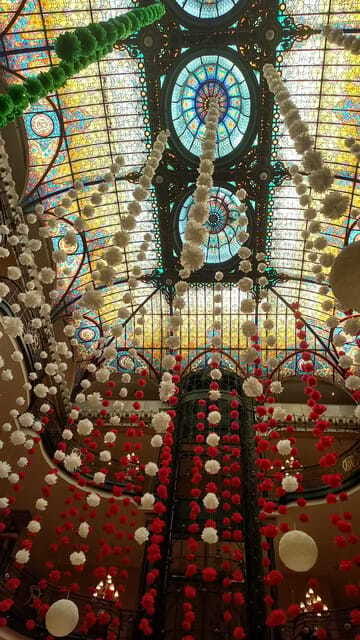
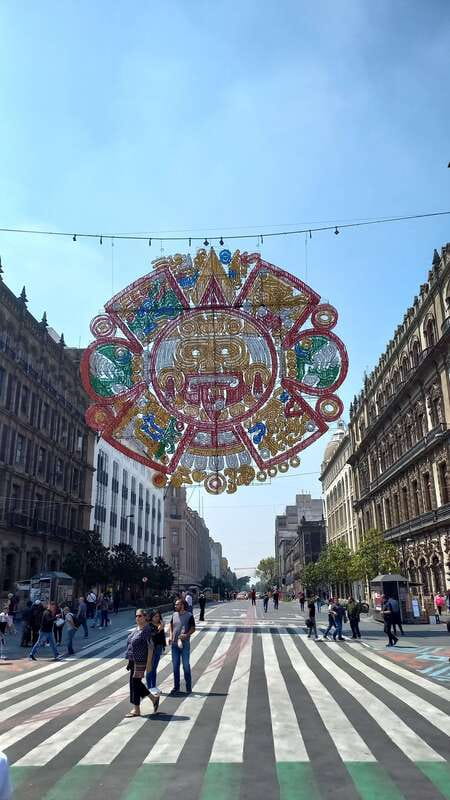
After roughly 10 minutes on foot, you reach Zócalo, the enormous central square. The tour allows about 30 minutes for a photo stop and explanation. This is the place where Mexico City’s political, religious, and civic life comes together.
The square is also where the city’s layered past becomes easiest to understand. The present-day plaza occupies the center of the colonial capital, while the Aztec city of Tenochtitlan once occupied this broader area. Your guide can help you see the modern square as part of a much older urban plan.
The Metropolitan Cathedral receives another 30 minutes. You have time for photographs, a visit, and guided commentary. Look closely at the scale and detail of the building, but listen for the explanation of how religious architecture helped define colonial power.
This stop is valuable even if you have visited grand European cathedrals. The Cathedral is not an isolated monument. It sits beside Aztec remains and faces the country’s main civic square, so its setting tells part of the story.
Same place, a different slice of the past:
- Walking Tour of the Historic Center of Mexico City
★ 5.0 · 870 reviews - Mexico City Historical Centre Food Tour with 7 Authentic Tastings
★ 5.0 · 723 reviews - Historical and Cultural Walking Tour of San Miguel de Allende
★ 5.0 · 641 reviews - Historical and Cultural Walking Tour of San José del Cabo
★ 5.0 · 576 reviews
Santo Domingo and Templo Mayor
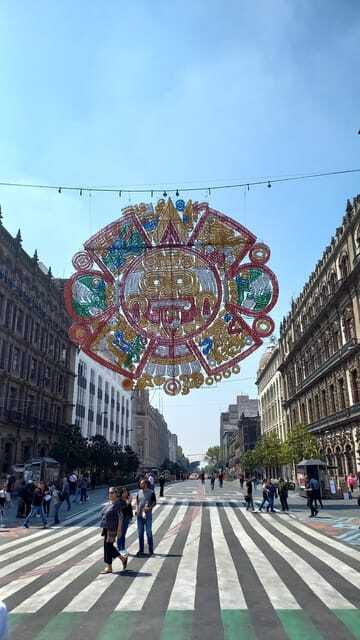
A 15-minute walk brings you to Plaza de Santo Domingo. The guided stop lasts about 20 minutes and gives you a quieter square after the intensity of the Zócalo.
Santo Domingo helps broaden the picture of the historic center. The tour is not limited to the most famous buildings. You see how plazas, churches, public structures, and daily movement fit together in the old city.
The next walk takes about five minutes, leading to Templo Mayor de México-Tenochtitlan. You have roughly 20 minutes for photographs and a guided visit. This is one of the essential stops for understanding the Aztec capital beneath modern Mexico City.
The remains may not look as visually complete as a standing temple, but their location is the key. You can see how close they are to the Cathedral and the Zócalo. That physical relationship makes the city’s layered past easier to grasp than a history lesson alone.
Keep your expectations realistic. Twenty minutes is enough for orientation and a guided explanation, not for an unhurried museum visit. If Templo Mayor is a top priority, you may want to return later with more time.
A Mexican refreshment at Plaza Manuel Tolsá
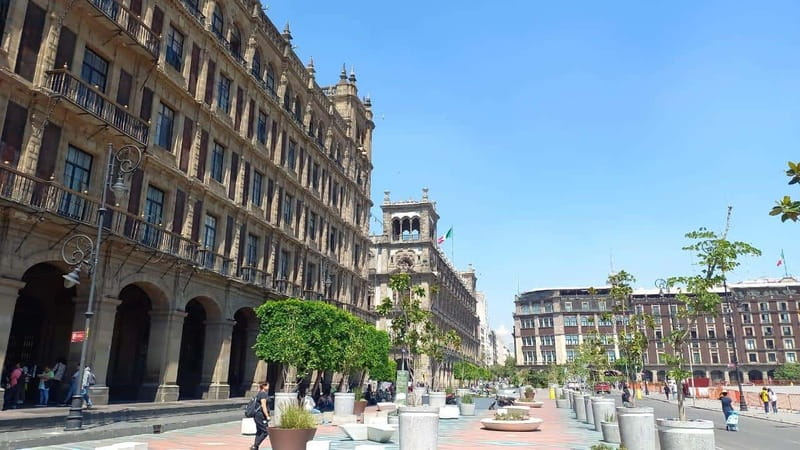
After another 15-minute walk, the group reaches Plaza Manuel Tolsá for a 30-minute break. This is the relaxed center of the tour, with time for a traditional fresh juice or a typical Mexican snack.
I appreciate this pause because city walks are better when they include a chance to sit, taste something, and talk with the guide. You can ask about food, neighborhoods, or places to visit later. The tour description does not promise a full meal, so plan to pay for anything extra.
The plaza also gives you a chance to reset before the final series of buildings. If you are sensitive to heat or altitude, this break is useful. Mexico City’s weather can shift, so check the forecast and carry water even though refreshments are provided.
Casa de los Azulejos and the grand postal palace
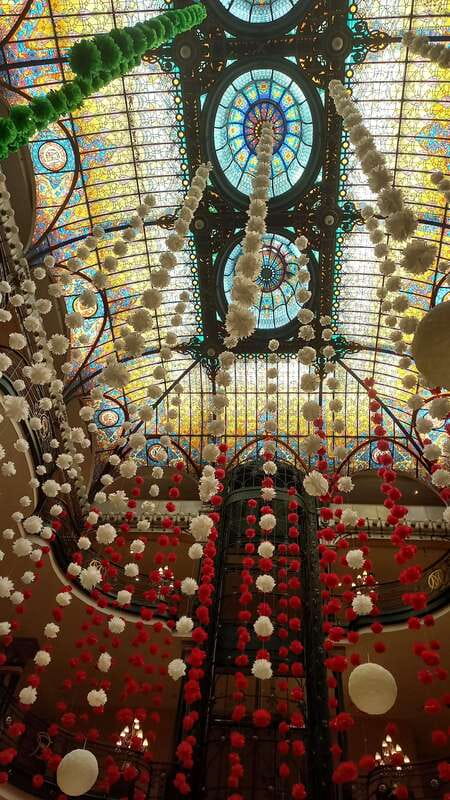
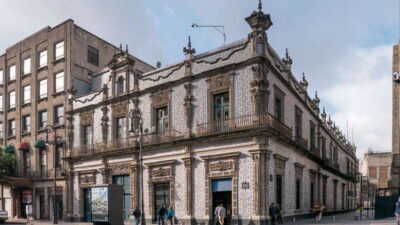
A 10-minute walk leads to Casa de los Azulejos, the House of Tiles. The visit and explanation last about 10 minutes. Its tiled exterior makes it one of the easiest buildings to recognize on the route, and it gives the tour a strong visual change after the archaeological and religious sites.
This is a brief stop, best for appreciating the building’s decoration and place in the city rather than expecting a long interior visit. Have your camera ready, but do not let photographs replace the guide’s explanation of how the city’s architecture reflects different periods and influences.
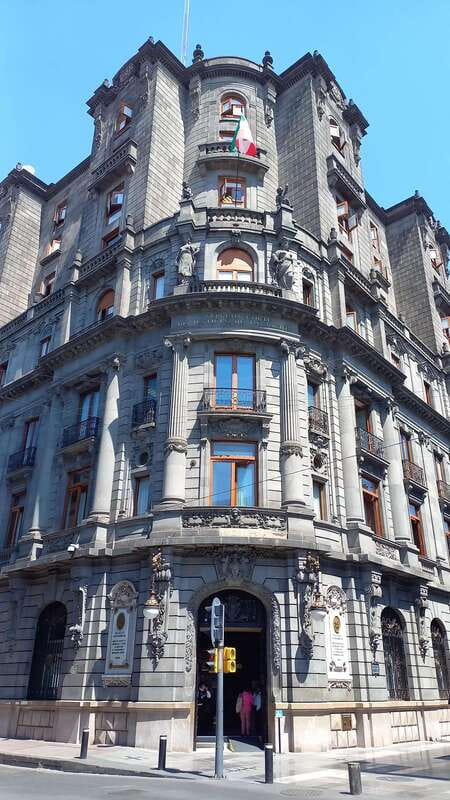
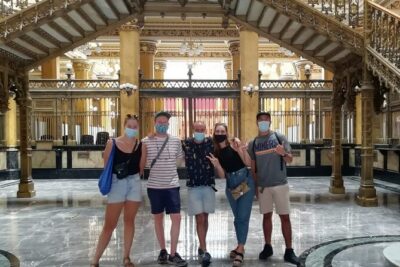
The group then walks about 10 minutes toward Palacio de Correos de México. The postal palace receives 15 minutes for photographs, a visit, and guided commentary. Its formal design shows another side of Mexico City, one linked to national institutions and public architecture.
The route works well here because you move from ancient ruins and colonial structures toward grander modern-era civic buildings. The city does not present its past in neat separate zones. You see different periods sharing the same streets.
Palacio de Bellas Artes finishes the route
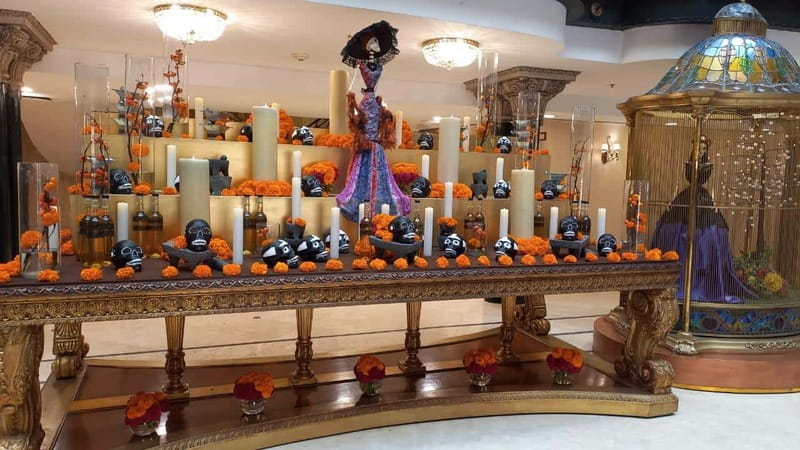
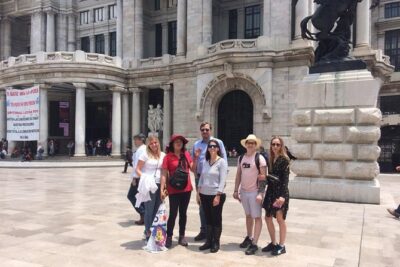
The final major stop is Palacio de Bellas Artes, with about 15 minutes for photographs, a visit, and explanation. Its domed profile and detailed exterior make it one of the city’s signature buildings.
The stop is short, so treat it as an introduction rather than a full visit to the art museum or performance spaces. If you want to see exhibitions inside, set aside another visit and check admission details separately.
Ending here makes sense. You finish with a building tied to art and public culture after moving through archaeology, religion, medicine, food, and civic life. The endpoint is listed in central Mexico City near Bellas Artes, rather than back at the starting square, so you should be ready to continue independently from there.
A small extra detail can make the final stretch more useful. The route includes a walk connected with Jugos Canada, which suggests another chance to notice local juice culture and everyday food habits. The supplied schedule does not clearly state that a separate purchase is included at this point, so do not count on an additional drink beyond the tour’s stated refreshment.
What the guides add to the experience
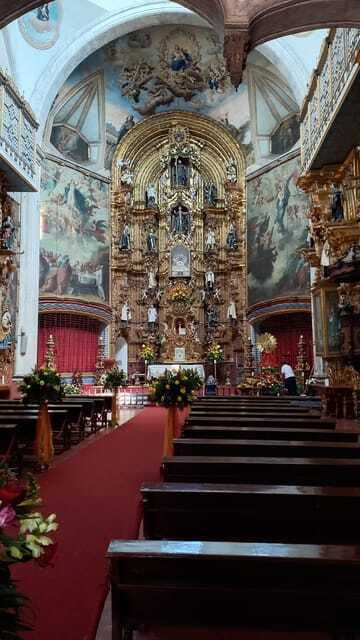
Martin is the guide most closely associated with this experience. His strongest quality is his ability to connect subjects. You are not only shown a building. You hear how art, history, culture, and current life influence one another.
That approach suits Mexico City, where a palace can sit near an archaeological site and a food stop can lead into a conversation about local customs. Martin has also been praised for being welcoming, accommodating, and able to adjust the amount of information to the group.
On one departure when Martin was ill, Regina led the walk instead. She adjusted the route to the group’s interests and added stops connected with a hotel used for a James Bond film, as well as coffee and enchiladas. Those additions should not be treated as guaranteed parts of every tour, but they show that the guide may respond to the group when time and circumstances allow.
The strongest recurring praise is for the guides’ explanations and friendly manner. That is important because the schedule is tightly packed. A good guide keeps the tour from becoming a race between buildings.
Group size, language, and practical value
The group is limited to 10 participants. That is small enough for questions and easier conversation, while still keeping the price below that of a private tour. If you prefer complete control over timing, this is not a private experience, but the small group is a sensible middle ground.
English and Spanish are available. Make sure you select or confirm your preferred language when booking so the tour fits your needs.
The advertised duration is 3.5 hours. The stop times add up to a busy morning or afternoon, and the walking sections matter. You will not be sitting in a vehicle between sights, so this is best for you if you enjoy seeing a city at street level.
Free cancellation is available up to 24 hours before the activity for a full refund, and you can reserve now and pay later. Those terms help if your Mexico City schedule is still shifting. The tour is also listed as wheelchair accessible, though you should confirm any personal requirements before arrival.
Who should book this tour?
I would choose this experience for a first day in Mexico City, especially if you want an orientation before visiting museums on your own. It suits you if you care about history but also want food, architecture, shopping suggestions, and a sense of how the center functions today.
It is a good fit for:
- First-time visitors who want the historic center explained in one route
- People who enjoy walking and short guided visits
- Travelers who want both major sights and less obvious historic buildings
- Anyone deciding which museums, churches, and food stops to revisit
- English or Spanish speakers who prefer a small group
I would hesitate if you want long, quiet museum visits. Several stops last only 10 to 20 minutes, and Templo Mayor, the Cathedral, and Bellas Artes all deserve more time if you want to explore them fully.
Should you book Ciudad de México: History and Modern Life in the Capital?
Book it if you want a practical introduction to Centro Histórico, with a guide who can connect Aztec history, colonial architecture, Mexican art, food, and modern city life. The $37 price is fair for 3.5 hours, a small group, expert guidance, and a traditional drink or snack.
Think of it as a well-organized orientation rather than a set of full museum visits. Wear comfortable shoes, carry water, and leave room in your schedule to return to Templo Mayor, the Cathedral, or Bellas Artes if one catches your interest. For a first day, this tour can help you understand where you are and decide what deserves more of your time.
FAQ
Where does the tour meet?
The meeting point is in the square in front of Museo de la Ciudad de México. The address provided is Rcda. de Jesús 548.
How long does the experience last?
The tour lasts 3.5 hours.
What languages are available?
The live guide can lead the tour in English or Spanish.
How large is the group?
The group is limited to 10 participants.
Is the tour wheelchair accessible?
Yes, the experience is listed as wheelchair accessible. Contact the provider in advance if you need to confirm specific arrangements.
Is food included?
A traditional fresh juice or a taste of a typical Mexican snack is included. Additional food is at your own expense.
Are museum entrances included?
Some entrances are included, including access to certain museums, churches, historical temples, and historical buildings. Entrance to some museums is not included.
Do I need comfortable shoes?
Yes. The route includes several walking sections through the historic center, so comfortable shoes are recommended.
Can I cancel for a full refund?
Yes. You can cancel up to 24 hours in advance for a full refund.
Can I reserve now and pay later?
Yes. The activity allows you to reserve your place and pay later.
Just added around Mexico
- Mexico City: Queer Mexican History★ 4.7 · 24 reviews
- Mexico City: Historical walking tour of Tenochtitlan★ 4.9 · 69 reviews
- Mexico City: Chapultepec & Reforma Historic Bike Experience★ 4.5 · 30 reviews
- Mexico City: Guided walking tour through the most historic parts of the city.★ 4.5 · 172 reviews
- Mérida: The E-bike tour with history and culture★ 4.9 · 36 reviews
- Mérida: Montejo Boulevard and Historic Center bike tour★ 4.7 · 43 reviews
- Guadalajara: Mexican Charro and Charreada Cultural Tour★ 4.8 · 83 reviews
- Guanajuato: Culture & History Private Guided Tour – Day Trip★ 4.8 · 25 reviews
Mexico City History Tours, compared.


Mexico City Historical Centre Food Tour with 7 Authentic Tastings
Read our review →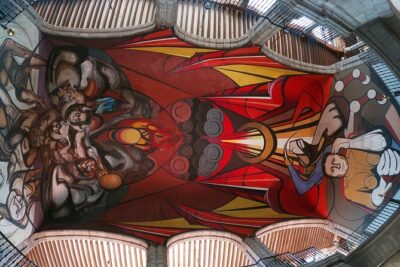
Walking Tour in Mexico City for Exploring their Cultural Heritage
Read our review →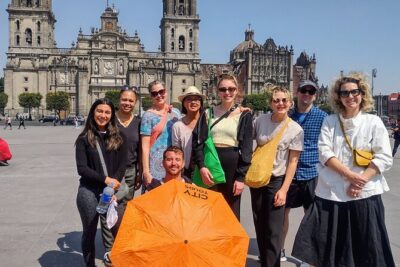
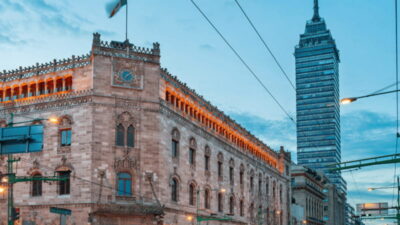
Guided walking tour through the most historic parts of the city.
Read our review →Browse the lists this tour appears in