
Review · STATE OF MEXICO
Mexico City: Queer Mexican History
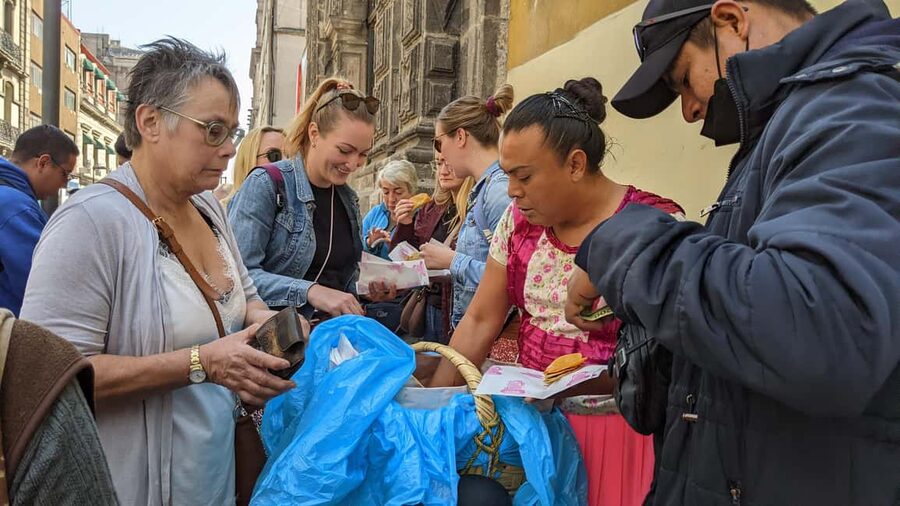
History gets personal here. This 150-minute walk connects Mexico City’s LGBTQ+ past with the artists and activists shaping its present, using the Historic Center as your classroom. I like the small group of no more than 10 people, and I like that the tour goes beyond famous buildings to ask who helped shape the city and whose stories were left out.
The route is easy to follow, starting at Alameda Central and continuing along Francisco I. Madero Avenue to the Zócalo and Templo Mayor. The main consideration is pace: you will be on foot for much of the experience, and one booking reported a tour far shorter than advertised, so I would confirm the expected 150-minute duration when you book.
Key points to know before you go
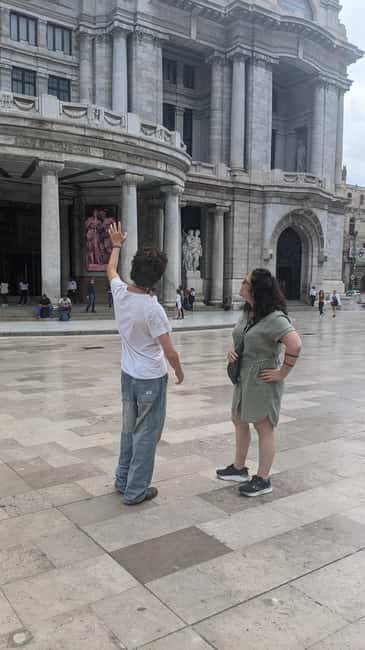
- A focused route through central Mexico City: You walk from Alameda Central past the Palace of Fine Arts area, along Madero Avenue, across the Zócalo, and toward Templo Mayor.
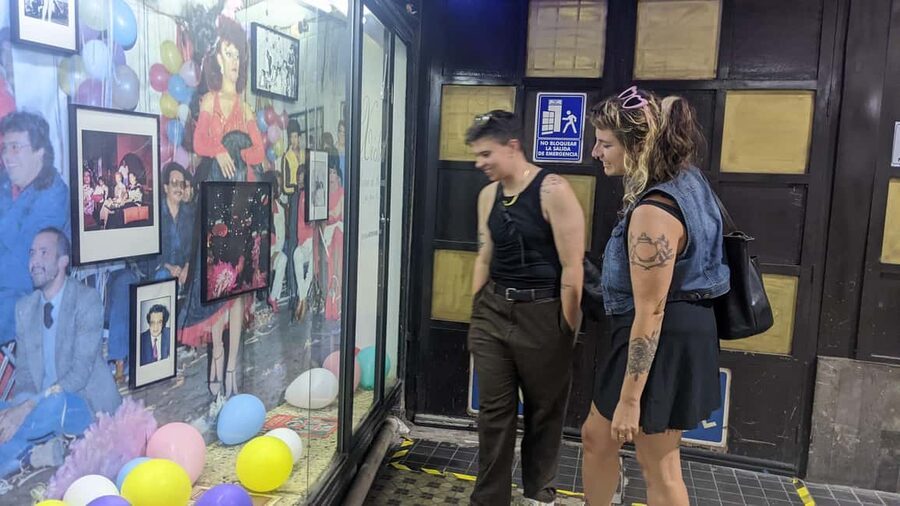
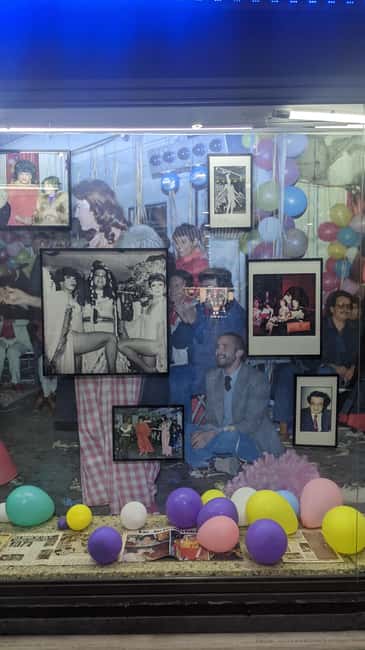
- Queer history takes center stage: The guide discusses important queer people in Mexican history, along with contemporary artists and activists.
- A small group keeps the conversation personal: With a maximum of 10 participants, you should have a better chance to hear the guide and ask questions.
- Mannu and Ada Narcissa receive especially warm praise: Their friendly, human approach helped make the history clear and approachable.
- The tour costs $30 per person: That is fair if you value context and discussion, rather than simply checking off major sights.
- Prepare for a real city walk: Wear comfortable shoes, bring water and sunscreen, and carry an umbrella for sun or rain.
Starting under the colorful umbrella at Alameda Central
Your meeting point is at Alameda Central, near the corner of Avenida Hidalgo and Dr. Mora Street. The guide will be holding a colorful umbrella, which gives you a simple landmark in a busy part of the Historic Center. The exact meeting point can vary with the booking option, so check your confirmation carefully before setting out.
The tour begins with an introduction before you walk through Alameda Central toward the Hemiciclo a Juárez. This opening matters because it places the subject in a public space rather than treating queer Mexican history as a side topic. You are not simply hearing a list of names. The walk is designed to connect people, places, memory, and the changing way Mexico City understands identity.
Plan to arrive ready to walk. The activity lasts about two and a half hours, and the route includes several stretches between stops. A small lunch beforehand is a sensible idea, especially if you prefer not to spend the whole afternoon looking for food while keeping up with the group.
A few more history tours around Mexico worth a look
- Historic Downtown Walking Tour
★ 5.0 · 1,289 reviews - Historic Center Food Tour in Mexico City
★ 5.0 · 1,263 reviews - Mexico City: Historic Downtown Walking Tour
★ 4.8 · 1,039 reviews
Hemiciclo a Juárez sets the tone
The Hemiciclo a Juárez is the first formal stop, and the guide begins the main discussion here. This is where the tour’s central idea comes into focus: Mexico’s history includes queer lives and voices, even when standard sightseeing tours leave them out.
The first stop is less about entering a museum and more about listening to the guide explain the people and themes connected with the Historic Center. You should expect interpretation rather than a long visit inside a single attraction. That makes the guide especially important. A strong guide can turn a familiar monument into a place for questions about public life, identity, and representation.
The experience has been led by guides including Mannu and Ada Narcissa. The strongest praise centers on their warmth, kindness, and ability to explain difficult or unfamiliar subjects in a human way. That is useful here. This subject calls for care and clarity, not a rushed lecture or a string of slogans.
Alameda Central and the Palace of Fine Arts area
The walk continues through Alameda Central, with roughly 35 minutes listed for this portion. You will see major landmarks in the area, including the Palace of Fine Arts, where the route allows about 10 minutes for sightseeing.
The Palace of Fine Arts is one of Mexico City’s best-known cultural buildings, but this tour uses it as part of a wider conversation rather than treating it as the final attraction. The focus remains queer Mexican history and contemporary queer culture. You may hear how artists, public figures, and activists relate to the city’s cultural life, though the precise examples can vary by guide.
That flexibility can be a strength. A small group gives the guide room to respond to questions and adjust the emphasis. It also means the experience may feel more like a conversation than a fixed museum script. If you want a detailed architectural tour of the Palace of Fine Arts, this is not the right booking. If you want to see the building while learning how queer people have contributed to Mexican cultural life, it fits well.
There is also a practical point here: much of the sightseeing takes place outdoors. Mexico City’s sun can be strong, so sunscreen and water are worth carrying. An umbrella is recommended by the guide, both for weather and as a useful shield from the sun.
Following Francisco I. Madero Avenue toward the Zócalo
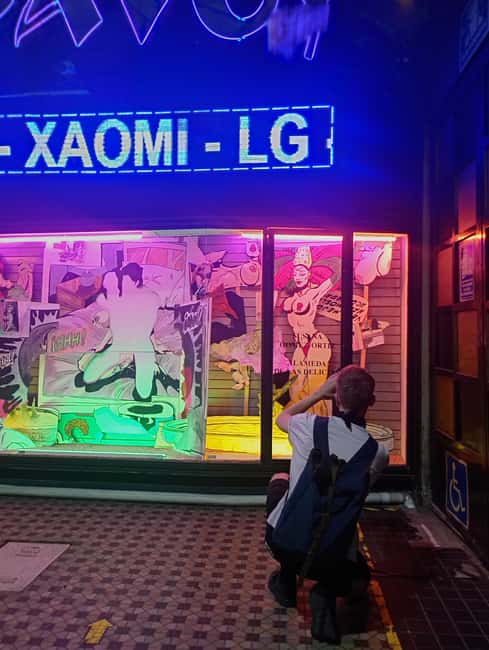
After the early stops, the route continues on foot along Avenida Francisco I. Madero toward the Zócalo, also called Plaza de la Constitución. This is one of the city’s main pedestrian routes, lined with historic buildings, shops, churches, and constant movement.
The walk gives the subject a strong sense of place. Instead of discussing queer Mexican history in an isolated venue, you move through the central streets where public life unfolds. The guide’s job is to connect what you see with the people and ideas being discussed. You should expect frequent stops or pauses for explanation, although the exact rhythm depends on the group and the guide.
Madero Avenue is also where comfortable footwear becomes essential. The tour is not strenuous in the sporting sense, but two and a half hours on city streets can feel long in poor shoes. Bring water and avoid planning another tightly timed activity immediately afterward.
The avenue can be busy, and that may affect how easily you hear the guide. The maximum group size of 10 helps, but you should still stay close and keep an eye on the colorful umbrella. If you have hearing concerns, standing near the guide will make a difference.
Same place, a different slice of the past:
- Walking Tour of the Historic Center of Mexico City
★ 5.0 · 870 reviews - Mexico City Historical Centre Food Tour with 7 Authentic Tastings
★ 5.0 · 723 reviews - Historical and Cultural Walking Tour of San Miguel de Allende
★ 5.0 · 641 reviews - Historical and Cultural Walking Tour of San José del Cabo
★ 5.0 · 576 reviews
The Zócalo puts queer history in public view
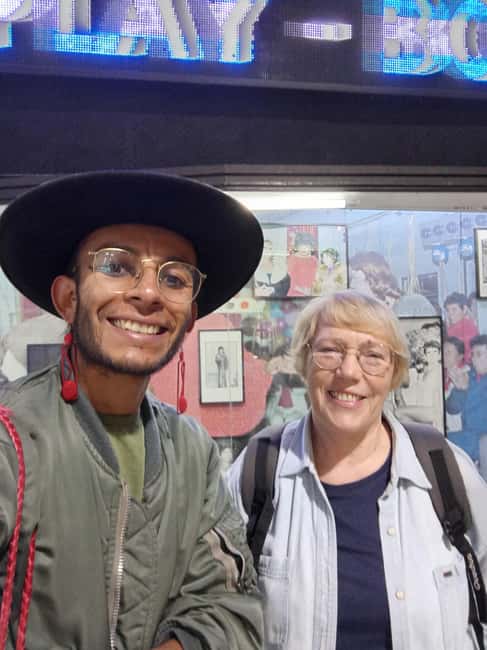
The Zócalo is the route’s major public square and one of Mexico City’s most important urban spaces. Here, the tour broadens from individual stories to the place of LGBTQ+ people in the city’s public and political life.
The guide’s stated aim is to remember important queer people in Mexican history while also discussing contemporary artists and activists. That balance is one of the strongest reasons to choose this walk. You get historical context, but the tour does not suggest that queer history ended in the past. It links earlier lives and struggles with people creating and defending queer visibility today.
I especially like this approach for anyone who has already seen the basic Historic Center sights. You may recognize the Zócalo and surrounding buildings, but the guide gives you another way to read them. The value comes from the interpretation, not from exclusive access or entry to a major monument.
Do not expect a standard sightseeing route packed with interior visits. The available information points to outdoor sightseeing and walking, with no attraction admissions included. Your $30 pays for the guide’s time, the discussion, and the focused subject matter.
Ending near Templo Mayor and La Casa de las Sirenas
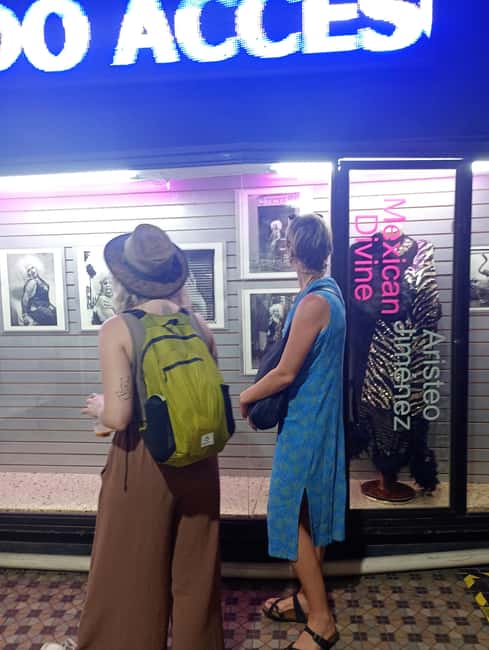
The walk finishes behind the Metropolitan Cathedral, near Templo Mayor. The itinerary also gives La Casa de las Sirenas as the final point. Because the description names both areas, check the precise ending location with your guide or booking confirmation.
This final stretch brings together several layers of Mexico City’s past. Templo Mayor represents the city’s pre-Hispanic foundations, while the Metropolitan Cathedral and the surrounding Historic Center reflect later periods of Mexican history. The queer stories discussed along the route sit within that larger setting, showing that LGBTQ+ history is part of the city’s full story, not a separate modern add-on.
Templo Mayor is listed for sightseeing, not as an included museum visit. If you want to tour the museum afterward, allow extra time and check its admission details separately. The walking experience itself ends in the area behind the cathedral, so you can continue exploring the Historic Center once the guide says goodbye.
La Casa de las Sirenas may be useful as a final reference point, but do not assume that a meal is included. Food and souvenirs are not part of the price. That is another reason to eat a small lunch before the walk.
What the $30 price really buys you
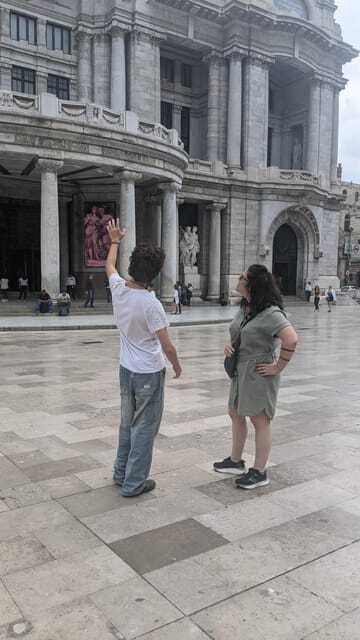
At $30 per person, this tour is reasonably priced for a 150-minute guided walk in a small group. You are paying about $12 per hour for the guide’s time, before considering the preparation and the specialized subject. That is good value if queer Mexican history is a major reason for your visit.
The price is less attractive if you only want a quick orientation to the Historic Center. You can see Alameda Central, the Palace of Fine Arts, Madero Avenue, the Zócalo, and the Templo Mayor area without paying for a tour. What you cannot easily reproduce on your own is the focused connection between those places, queer figures in Mexican history, and present-day artists and activists.
No food, souvenirs, museum tickets, or other purchases are included. Think of this as a guided conversation in public spaces, not a packaged attraction with extras. The small group is important to the value. Ten people or fewer gives the guide a better chance to answer questions and keep the tone personal.
The overall rating is 4.7 from 24 ratings, with especially strong praise for the guides’ warmth and the amount of historical and current information. One serious concern appears in the available feedback: a participant reported receiving only 30 minutes instead of the advertised length. That does not match the stated 150-minute duration, but it is worth confirming the schedule on the day.
The guides make or break the experience
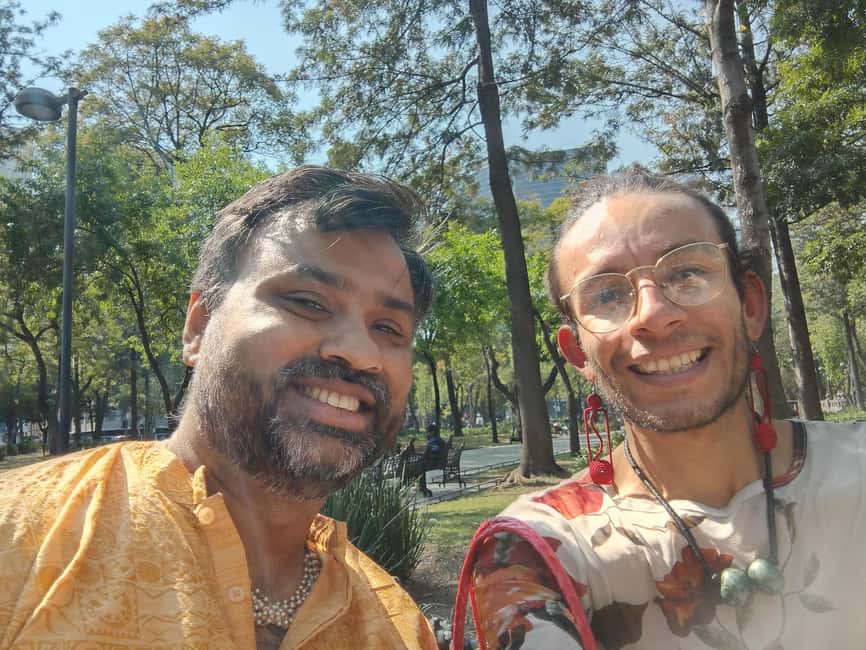
This tour depends heavily on who leads it. The most positive responses praise Mannu for being welcoming, kind, humorous, and able to make both serious and lighter points during the walk. Ada Narcissa is also described as friendly, educated, and good at showing different parts of the route.
Those comments point to the experience’s real strength. This is not a self-guided list of historic sites. The guide sets the tone, explains the context, and makes space for a subject that can be personal or politically sensitive. A warm guide helps you ask questions without feeling that you need prior knowledge.
The languages offered are English and French. If you choose an English tour, you should expect the guide to explain the subject in accessible terms, but the amount of detail can still vary by guide and group interest. The most useful approach is to come with one or two questions of your own.
Who should book this walking tour?
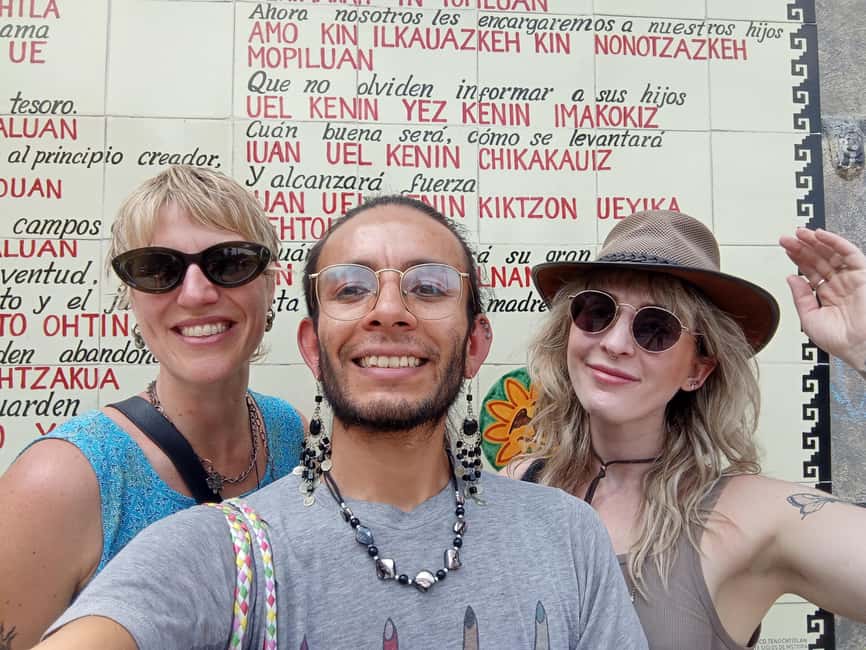
I would recommend it most strongly to LGBTQ+ visitors who want Mexico City history presented through queer lives, cultural work, and activism. It also suits allies, students, and anyone who wants a different angle on the Historic Center than the usual architecture and colonial history tour.
You will get the most from it if you enjoy listening, asking questions, and walking through a city while connecting places with people. The tour is not suitable for children under 11, and the subject matter is aimed at an older audience.
It may not suit you if you dislike outdoor walking, need frequent indoor breaks, or want a tour centered on museum interiors. The route lasts 150 minutes, and weather can affect your comfort. Comfortable shoes, water, sunscreen, and an umbrella are not optional extras here. They are sensible equipment for the day.
The small group also makes it a good choice if you prefer conversation over a large lecture. With up to 10 participants, you should find it easier to hear the guide and raise a question. Still, stay near the group on Madero Avenue and in the Zócalo, where the route can be busy.
Should you book Queer Mexican History?
Book it if you want a thoughtful, place-based look at LGBTQ+ life in Mexico City and you are willing to spend 150 minutes walking outdoors. The strongest reason to go is the combination of queer historical figures, contemporary artists and activists, and major Historic Center landmarks.
I would skip it if you are mainly looking for entry to museums or a broad introduction to every part of Mexico City history. At $30, the value depends on your interest in the theme and the quality of the guide. For the right audience, the small group and warm guiding style make this a meaningful addition to a Historic Center visit.
You can cancel up to 24 hours in advance for a full refund, and you can reserve now while paying later. That flexibility helps if your Mexico City plans are still shifting. Just confirm the meeting point, expected duration, and final stop before you leave.
FAQ
Where does the tour start?
The usual meeting area is Alameda Central, near the corner of Avenida Hidalgo and Dr. Mora Street. The guide will be holding a colorful umbrella. The meeting point may vary depending on the option booked, so check your booking details.
How long does the tour last?
The stated duration is 150 minutes, or two and a half hours. One available comment reported a much shorter 30-minute experience, so confirm the expected timing when you book and meet the guide.
What language is the tour offered in?
The tour is available with a live guide in English or French.
How large is the group?
The tour is limited to 10 participants, making it a small-group experience.
What places does the route visit?
The walk includes Alameda Central, the Hemiciclo a Juárez, the Palace of Fine Arts area, Avenida Francisco I. Madero, the Zócalo, the Metropolitan Cathedral area, and Templo Mayor.
Is food included?
No. Food and souvenirs are not included. A small lunch before the walk is recommended.
What should I bring?
Wear comfortable walking shoes and bring water, sunscreen, and an umbrella. The tour takes place mainly on foot.
Is the tour suitable for children?
The experience is not suitable for children under 11 years old.
What is the cancellation policy?
You can cancel up to 24 hours in advance for a full refund. You can also reserve now and pay later.
Just added around Mexico
- Ciudad de Mexico: Historia y vida moderna en la capital★ 5.0 · 21 reviews
- Mexico City: Historical walking tour of Tenochtitlan★ 4.9 · 69 reviews
- Mexico City: Chapultepec & Reforma Historic Bike Experience★ 4.5 · 30 reviews
- Mexico City: Guided walking tour through the most historic parts of the city.★ 4.5 · 172 reviews
- Mérida: The E-bike tour with history and culture★ 4.9 · 36 reviews
- Mérida: Montejo Boulevard and Historic Center bike tour★ 4.7 · 43 reviews
- Guadalajara: Mexican Charro and Charreada Cultural Tour★ 4.8 · 83 reviews
- Guanajuato: Culture & History Private Guided Tour – Day Trip★ 4.8 · 25 reviews
Mexico City History Tours, compared.

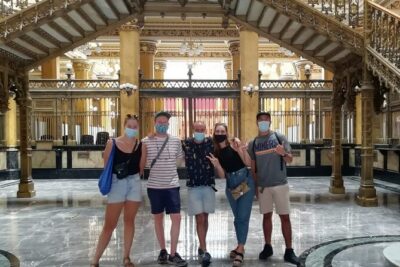

Mexico City Historical Centre Food Tour with 7 Authentic Tastings
Read our review →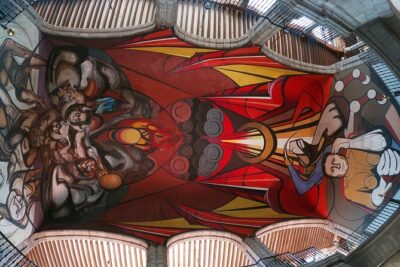
Walking Tour in Mexico City for Exploring their Cultural Heritage
Read our review →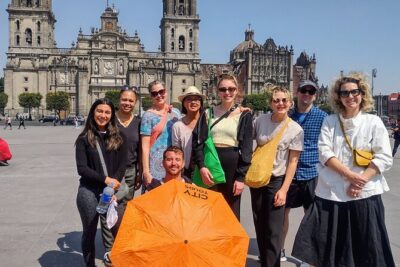
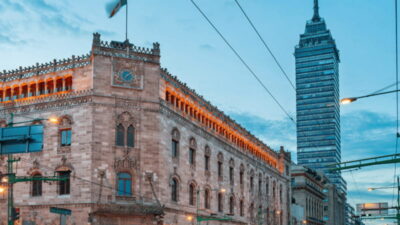
Guided walking tour through the most historic parts of the city.
Read our review →Browse the lists this tour appears in