Review · HERZEGOVINA-NERETVA CANTON
Mostar thru history -private tour
Mostar reveals itself one stone at a time. This private walk links the UNESCO Old Town with quieter historic corners, including the Crooked Bridge, Kajtaz House, old bazaars, mosques, and the famous Stari Most. I like the local focus, especially the chance to hear about Bosnian food, wine, and daily life rather than only memorizing dates.
I also like the personal format. Your guide can adjust the route, slow down for questions, or change plans if a site is closed or the streets are packed. Guides such as Amna and Anna have been praised for clear English and warm, thoughtful storytelling. The main drawback is the short advertised duration: 90 minutes is enough for an introduction, but not enough for a leisurely look inside every optional site.
Key points to know before booking
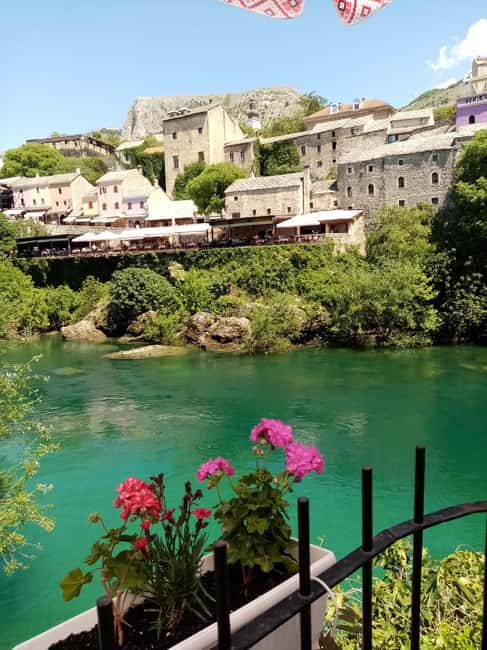
- A private walk through Mostar’s oldest streets: Follow a local licensed guide from the Peace Tower and Franciscan Church into the Old Bazaar and Old Town.
- Kajtaz House adds a personal touch: Two complimentary tickets are included for the historic house-museum, described as the oldest house in Mostar.
- The route explains both beauty and damage: At the Pesko family residence, you see evidence of destruction from the last war rather than hearing a cleaned-up version of the city’s past.
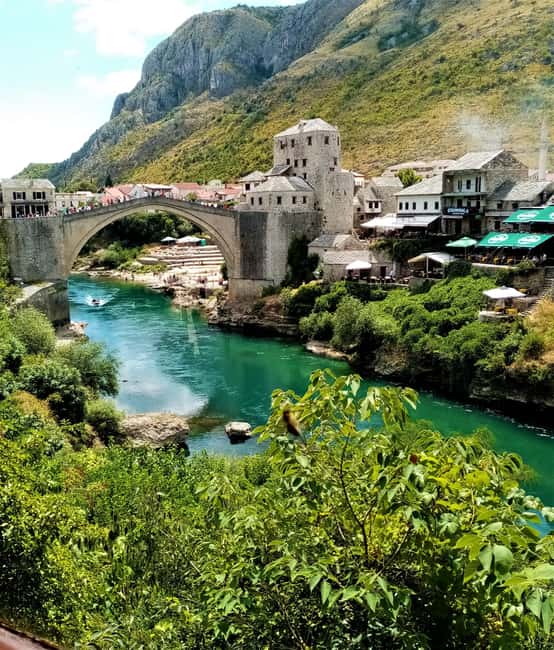
- Stari Most is the grand finale: The walk crosses the famous bridge and ends beneath it, where you can take photographs of the river and arch.
- Local food advice is part of the experience: Your guide can explain traditional dishes, local wines, and places to eat afterward.
- It is good value for a small private group: At $44 per person, the price is strongest when two or more people want a focused introduction with room for questions.
Why this short Mostar walk works
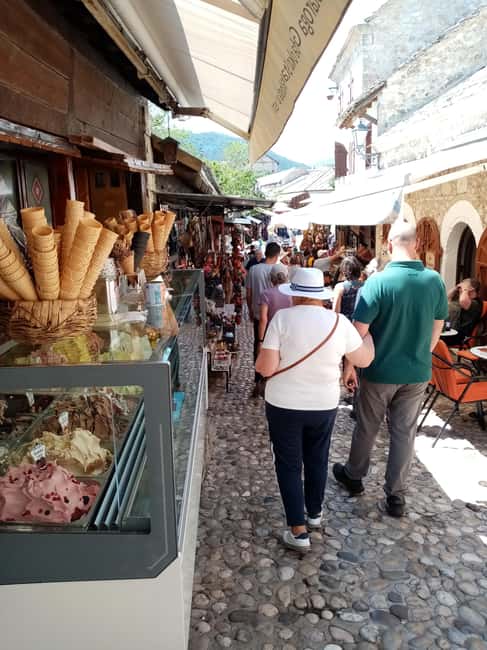
Mostar can feel easy to see at first. You follow the stone-paved street, browse the small shops, cross Stari Most, and think you have covered it. The trouble is that the most important stories sit just off the obvious path.
This tour gives you a local guide to connect those pieces. You begin near the main entrance of the church, then walk toward the Peace Tower and Franciscan Church before entering the Old Bazaar. From there, the route moves through the historic center, with stops that show religious landmarks, Ottoman-era architecture, family homes, war damage, and the river that shaped the town.
I like that the route is not only a bridge photo stop. You get a sense of how Mostar is arranged and why the Old Town feels different from the newer parts of the city. You also hear stories about traditional foods and wines, which can help you make better choices at dinner.
The experience is private, so you can ask direct questions. That matters in Mostar, where the past is close to the surface and a short explanation can make a street, building, or memorial much easier to understand. Guides named Amna have been praised for explaining the Balkan war without burying you under dates and names. Anna has also been praised for speaking with warmth and passion about her city.
The advertised length is 90 minutes. Some bookings have lasted closer to two hours, especially when the guide adjusted the pace or added more conversation, but you should plan around the official 90-minute schedule. If you want a full museum visit, a mosque interior, and plenty of free time for photographs, you may need to extend the tour or explore afterward.
More Private History Tours in the world:
- Private Historical Walking Tour of York
★ 5.0 · 1,324 reviews - Private Guided Historic Electric Cart Tour of St. Augustine
★ 5.0 · 1,194 reviews - Istanbul: Acemoglu Historical Turkish Bath w/Private Options
★ 4.6 · 1,190 reviews
From the church to the Old Bazaar
The meeting point is in front of the main entrance to the church. If you arrive by bus or with a larger group, the guide may identify your group by its bus color or logo. You can also send a WhatsApp message when you are close, and the guide normally arrives before the group.
The first part of the walk heads toward the Peace Tower and Franciscan Church. This gives you a useful starting point outside the busiest part of the old center. Your guide can set the religious and civic scene before you enter the narrow streets.
You then stroll into the Old Bazaar. Expect a walking route over uneven cobblestones, with regular stops for explanations and photographs. The bazaar is not just a shopping strip. It is part of the way Mostar presents its Ottoman and commercial past, and it leads naturally toward the old bridge area.
This is where a private guide has an advantage over a large group. You can stop to ask about a building, local custom, or food without holding up dozens of people. You can also ask the guide to focus more on architecture, recent history, or practical restaurant advice.
Tabacica Mosque and the public Turkish bath
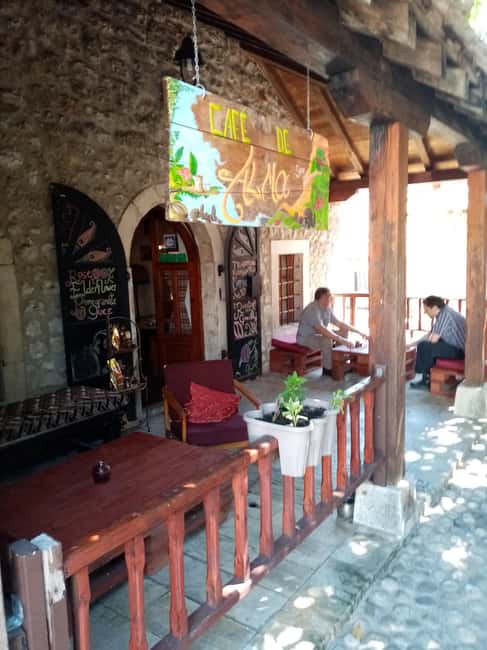
The route continues along the main thoroughfare to the Tabacica Mosque and the public Turkish bath. These stops help show the layers of Mostar’s old center, where religious buildings and public facilities once supported everyday life.
The tour description presents these places from the outside as part of the walking route. Do not assume that every interior is included. The supplied details specifically list an optional entry fee for the Koski Mehmed Pasha Mosque, while food, drinks, and personal expenses are not included.
I find this section valuable because it keeps the city from becoming only a postcard view. Stari Most gets the attention, but the nearby mosque and bath explain the town’s social structure. Your guide can point out what you are seeing and place it in the wider story of Mostar.
The Crooked Bridge, Mostar’s small surprise
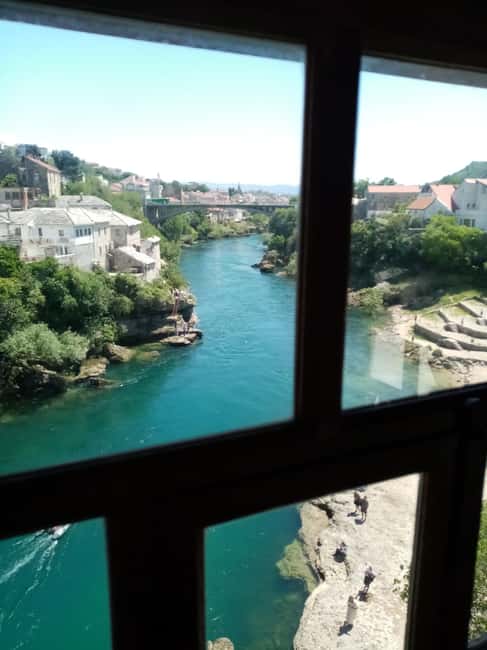
Next comes the Crooked Bridge, described as the tiniest bridge in Mostar. It is an easy photo stop and a pleasant contrast to the famous stone arch waiting later in the route.
The bridge gives you a chance to see how Mostar’s smaller crossings fit into the town. It also breaks up the walk with a clear visual stop. If you are taking photographs, this is a good time to ask your guide about the best angle and the connection between the smaller bridge and Stari Most.
The drawback is simple: this is a brief stop, not a major attraction with a long visit. Its value comes from the explanation and the contrast with the main bridge. If you are rushing, it may seem minor. If you enjoy details, it helps make the old center feel like a real town rather than a single famous monument.
A few more history tours around the world worth a look
- History and Hauntings of Salem Guided Walking Tour
★ 5.0 · 14,564 reviews - Colosseum: Underground and Ancient Rome Tour
★ 4.7 · 12,691 reviews - Lisbon: History, Stories and Lifestyle Walking Tour
★ 4.8 · 10,902 reviews - London Small Group Tour of Historical Pubs
★ 5.0 · 10,422 reviews
Kajtaz House, the tour’s most personal stop
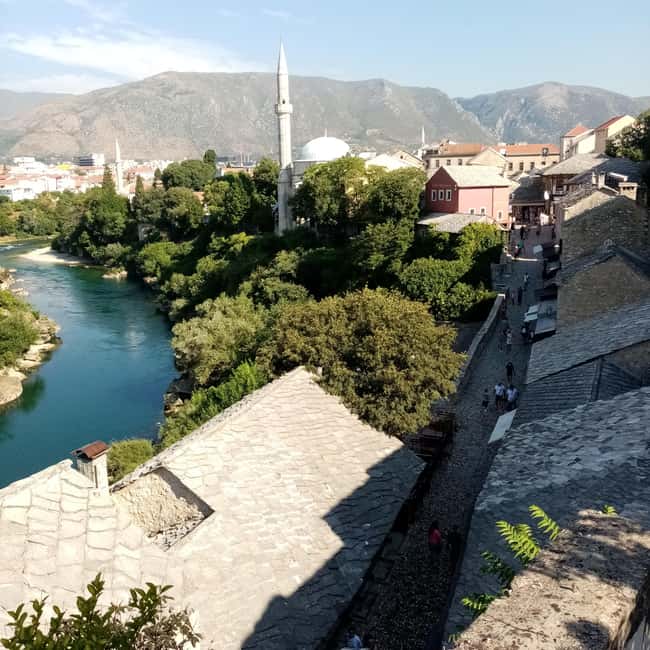
Kajtaz House is the most distinctive stop on the walk. It is presented as the oldest house in Mostar and operates as a house-museum. Instead of looking at a grand public monument, you get a closer look at a historic domestic setting.
Two complimentary tickets are included for this visit. The additional pricing information also lists the oldest house-museum at 3 euros as an optional entry, so confirm the ticket arrangement with the provider when booking. The tour information clearly says two free entry tickets are included, but the separate price list can cause confusion.
The planned visit lasts about 25 minutes. That is a useful amount of time for a compact house-museum. You can expect the guide to explain the home and its place in Mostar’s past, while you look at the structure and household setting.
I especially like this stop for people who want more than exterior photographs. A house can explain a town in a way a monumental building cannot. Rooms, layout, and family life make the past easier to picture.
Kajtaz House may be less comfortable for visitors with limited mobility than a modern museum. The tour is wheelchair accessible in general, but the old cobblestones require assistance, and crossing the ancient bridge is difficult. The guide can show you viewpoints instead if needed.
The Pesko family residence and the visible scars of war
After Kajtaz House, the route continues by the Pesko family residence. Here you see damage from the last war. This is an important part of the experience because Mostar’s beauty can otherwise make it easy to forget how recently the city suffered.
The stop does not turn the whole walk into a war tour, but it gives the modern city a necessary context. A local guide can explain what the damage means without reducing the city to a battlefield. Amna has been praised for helping visitors understand the culture, people, and effects of the Balkan war through clear explanations rather than a long list of dates.
There is an optional war museum for 9 euros. That entry is not included, so budget separately if you want a more focused look at the conflict. The main tour offers an introduction to the subject, while the museum provides an additional stop for visitors who want more detail.
This section may feel emotionally heavier than the bazaar or bridge. That is not a flaw, but you should know the tour does not present only the cheerful side of Mostar. For many people, that honesty is one of its strongest points.
Old clock tower and the return to the Old Town
The walk then reaches the old clock tower before entering the Old Town again. This part of the route gives you another landmark and helps tie the newer approach streets back to the historic center.
The clock tower is not presented as a long interior visit. Think of it as a stopping point where your guide can explain its role and position in the town. The value is in the connection between landmarks, not in spending a long time at the tower itself.
You then continue through the bazaar toward the Koski Mehmed Pasha Mosque. An exterior photo stop is included, while entry costs 8 euros if you choose to go inside. The optional ticket is worth considering if the mosque is open and you want a view into another important religious building, but it adds to the total price.
Since the walk is only 90 minutes on paper, choosing optional interiors can make the schedule tight. Ask your guide which stop fits your interests best. A private tour should give you room to make that choice.
Stari Most and the river below
The route continues through the bazaar, passes a cave, and crosses the famous Old Bridge. This is the moment most people picture when they think of Mostar, but arriving here after the smaller bridges, house, mosque, and war-damaged building gives Stari Most more meaning.
The bridge is also tied to a 400-year tradition of divers jumping from the arch. You might see divers making the leap, although the timing cannot be guaranteed. Do not plan your entire visit around seeing a jump, but keep your eyes open as you cross and look toward the river.
Crossing the ancient bridge can be difficult for wheelchair users because of the surface and slope. The guide can point out locations where you can view the bridge without crossing it. Comfortable clothing and sturdy walking shoes are sensible for everyone, especially in hot weather.
The final stop is below the bridge. Here you can take optional photographs looking up toward the arch and along the river. This is one of the best reasons to keep a few extra minutes available after the formal walk. The view from below gives you a different picture than the usual bridge-top photograph.
Food, wine, and practical local advice
The tour includes stories about local wines and traditional foods. This is not a food tasting, and food and drinks are not included, but the advice can help you plan the rest of your day.
Several highly praised guides, including Amna, have been noted for recommending local dishes and restaurants. That kind of help is especially useful in a compact tourist center, where menus can look similar and it is not always clear what is regional.
I would book this walk early in your Mostar stay if possible. Then you can use the guide’s suggestions for later meals and adjust your plans around museums, viewpoints, and nearby places such as Blagaj. The tour also tells the story of Blagaj, a historic village known here for the major river source of Europe. Blagaj is not listed as a stop on this 90-minute walk, so treat that part as background and planning advice, not as an included excursion.
The local food discussion also gives the tour a more human rhythm. You are not only looking at stones and dates. You are learning what people eat, drink, and recommend today.
Is $44 per person a fair price?
At $44 per person, this is a reasonable price for a private walking tour with a licensed local guide and two included Kajtaz House tickets. The value improves if you are traveling as a couple, family, or small group and want the freedom to ask questions without waiting for a large group.
The price is less attractive if you want only a quick orientation to Stari Most. You can see the bridge and bazaar without booking a guide. The money pays for context, route planning, local recommendations, and access to the house-museum, not simply for walking across the bridge.
Remember that food, drinks, personal spending, the 9 euro war museum, and the 8 euro Koski Mehmed Pasha Mosque entry are extra. The separate 3 euro Kajtaz House price should also be clarified because two tickets are described as included.
The private format can also save time. If a site is closed or the Old Town is unusually crowded, the guide can change the route. One booking had an adjusted itinerary when some normal stops were unavailable, and the guide still made the experience work. That flexibility is hard to price on a busy travel day.
Who should book this Mostar experience?
You should consider it if you want a clear introduction to Mostar’s old center, recent war history, religious landmarks, and local food culture in one compact walk. It suits first-time visitors, couples, families, and anyone who prefers conversation to a scripted group tour.
It is also a good choice if you want restaurant advice or plan to stay in the region for several days. The tour can help you decide what deserves more time, including museums, the mosque, and a possible visit to Blagaj.
You may want a different plan if you dislike uneven streets, hot summer walking, or emotionally difficult historical subjects. Wear comfortable clothes, and in summer bring a hat and sunglasses. The tour is moderately demanding, and the old cobblestones require care.
The format works for wheelchair users with assistance, but the ancient bridge may not be practical to cross. Your guide can show you viewing points instead, which preserves the main sights without forcing an uncomfortable crossing.
Should you book it?
I would book this tour if you want Mostar explained by someone who knows the city personally. The best parts are the small-scale route, Kajtaz House, the honest look at war damage, and the useful food recommendations. Guides such as Amna and Anna have been praised for warmth, clear English, and the ability to adapt the walk to changing conditions.
Book it early in your stay so the local advice can shape the rest of your visit. If you have only 90 minutes, treat it as a strong introduction rather than a complete survey of every museum and interior. If you can allow extra time, ask for a slower pace and finish beneath Stari Most for the river view.
FAQ
How long does the Mostar history tour last?
The advertised duration is 90 minutes. The route can sometimes take longer when the guide adjusts the pace or adds conversation, but you should plan around the official schedule.
What is included in the tour price?
The price includes a private walking tour with a local licensed guide and two complimentary tickets for Kajtaz House, the historic house-museum.
Is Kajtaz House included?
Two free entry tickets for Kajtaz House are described as included. The separate information also lists the house-museum at 3 euros as an optional entry, so confirm the ticket arrangement when booking.
Is the Koski Mehmed Pasha Mosque entry included?
No. Entry to the Koski Mehmed Pasha Mosque is listed as an optional cost of 8 euros.
Is the war museum included?
No. The war museum is an optional visit with a listed entry cost of 9 euros.
What languages does the guide speak?
The tour is offered in English and Dutch.
Is the tour suitable for wheelchair users?
Wheelchair users can visit the ancient town with some assistance because of the cobblestone streets. Crossing the ancient bridge can be difficult, but the guide can show locations where you can view it instead.
Just added around the world
- Monument Valley: Scenic 3.5-Hour Cultural Tour★ 4.8 · 117 reviews
- Milan: History & Street Food Tour with Wine Tasting★ 4.9 · 30 reviews
- Mont Saint Michel: Village History and Legends Walking Tour★ 4.8 · 96 reviews
- Monkey Feeding & Historic Sugar Plantation & Rum Distillery★ 4.7 · 31 reviews
- Milan: Fresh Pasta and Tiramisù Class in A Historical Home★ 4.9 · 195 reviews
- Milan : Historic Private Walking Tour★ 4.7 · 49 reviews
- Mojo Workshop Cooking Class in Ancient Canarian Village★ 4.9 · 127 reviews
- Hiroshima: Miyajima Half-day Historical Walking Tour★ 4.7 · 100 reviews
Private History Tours, compared.

Private Guided Historic Electric Cart Tour of St. Augustine
Read our review →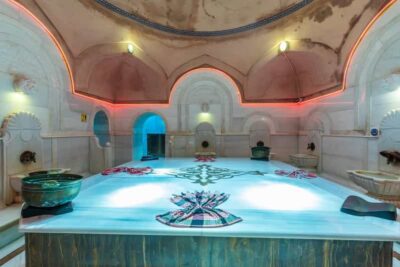
Acemoglu Historical Turkish Bath w/Private Options
Read our review →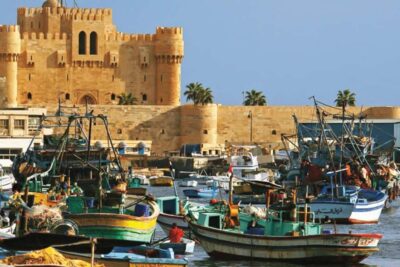
Private Full-Day Tour of Historical Alexandria
Read our review →
Private Tour of the Historic City in a Ford T Car
Read our review →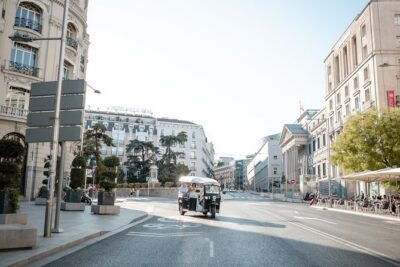
Madrid Historical Tour with Local Guide in Eco Tuk Tuk Private
Read our review →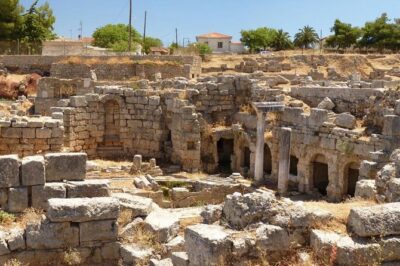
Private Biblical Tour Ancient Corinth & Isthmus Canal from Athens
Read our review →