
Review · JAVA
Jakarta: All-Inclusive Jakarta Heritage and Historical Tour
Jakarta rewards a closer look. This 7.5-hour private tour links national monuments, houses of worship, markets, colonial buildings, puppets, and a working harbor, giving you a useful first picture of Indonesia’s capital. I like the range of places covered, and I especially like having air-conditioned transport between sites. The main drawback is the pace: eleven stops leave limited time at some locations, and Jakarta traffic can reshape the day.
The tour also works well for first-time visitors who want a guide to explain what they are seeing rather than simply point at buildings. Guides such as Rizky and Bryan have been praised for clear explanations, flexibility, and friendly conversation, while driver Andri has earned particular praise for careful driving. Plan for heat, walking, and a separate lunch budget, since food is not listed among the inclusions.
Five things that make this Jakarta tour useful
- A broad city introduction: See central Jakarta, Glodok, Old Town, Sunda Kelapa Harbor, and major national landmarks in one day.
- A strong mix of faiths: Visit Istiqlal Mosque, Jakarta Cathedral, and Dharma Bhakti Temple.
- Private door-to-door transport: Hotel, apartment, Airbnb, or house pickup is included within Jakarta City.
- Local culture beyond monuments: Walk through a traditional wet market and visit a puppet studio with wayang collections.
- Good value for a packed day: The $57 price includes the vehicle, guide, entry fees, parking, highway charges, water, and listed donations.
- A practical backup plan: The schedule changes if the National Monument or Istiqlal Mosque is closed.
Why this is a smart first day in Jakarta
Jakarta is spread out, and its sights are not arranged for an easy walk from one to the next. A private vehicle matters here. You can move from Merdeka Square to the National Museum, then cross to the mosque and cathedral, before heading north toward Glodok and the old harbor without sorting out each transfer yourself.
The tour is also useful because it presents Jakarta as more than a capital of government offices. You see political symbols, religious buildings, food stalls, neighborhood commerce, colonial warehouses, traditional boats, and Indonesian performance art. That range helps you understand how old and new parts of the city sit side by side.
Ekaputratour provides an English-speaking guide, bottled water, and an air-conditioned private vehicle. Pickup and drop-off are included for hotels, apartments, Airbnbs, and houses in Jakarta City. Airport-area hotels and places outside Jakarta City cost extra, so check that detail before booking.
At $57 per person, the value is strongest if you want convenience and several entrance stops. You are not just paying for transport. The price also covers admission fees, parking, highway costs, and donations at Istiqlal Mosque and the old temple. Since the day is private, your guide can explain current events, local life, and food suggestions along the way. Lunch is not listed as included, so keep money and time available for eating.
A few more history tours around the world worth a look
- History and Hauntings of Salem Guided Walking Tour
★ 5.0 · 14,564 reviews - Colosseum: Underground and Ancient Rome Tour
★ 4.7 · 12,691 reviews - Lisbon: History, Stories and Lifestyle Walking Tour
★ 4.8 · 10,902 reviews
Merdeka Square and the symbols of Indonesian independence
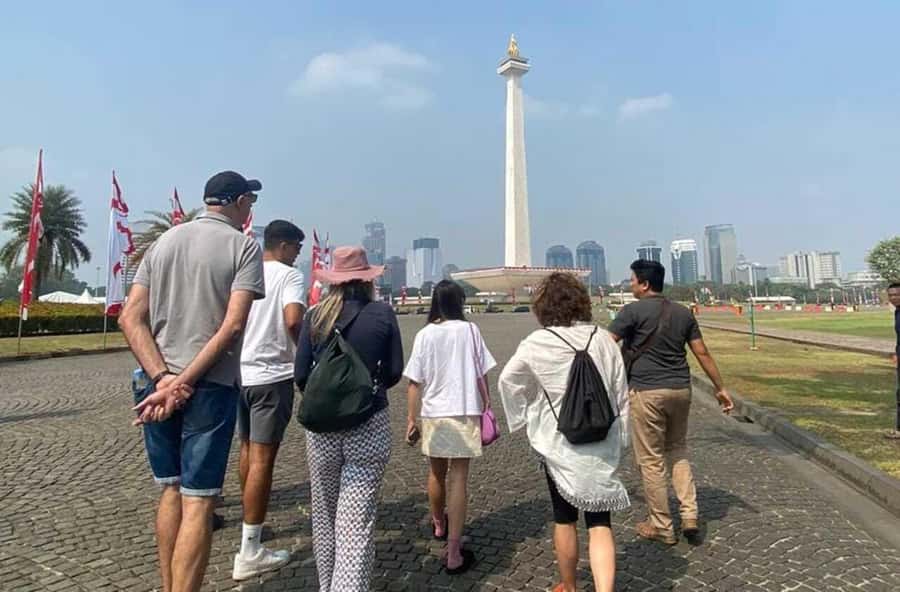
The morning begins at Merdeka Square, a sensible place to orient yourself. This large central area connects directly to Indonesia’s political identity, and it gives your guide a natural setting for explaining the country’s independence and national institutions.
You will pass the Arjuna Wijaya statue, which commemorates Indonesia’s military struggle for independence. The stop at the square is brief, about 15 minutes, so think of it as an introduction rather than a long photo session. Jakarta’s heat and traffic can make a short outdoor stop quite welcome.
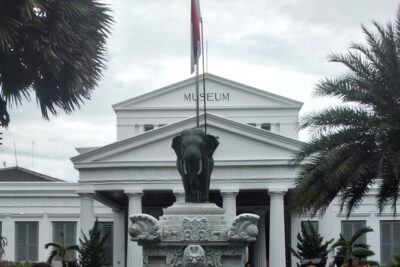
The National Museum receives about an hour. It is one of Southeast Asia’s major museums, with archaeological, ethnographic, and geographic displays from across Indonesia. This is where the country’s scale becomes clear. Indonesia is made up of many regions and cultures, and the museum gives you a framework for understanding the objects and traditions you will encounter later.
An hour is enough for a guided overview, but not for every gallery. If museums are your main interest, you may want more time than this tour allows. For a first visit, though, the stop gives useful context before the rest of the day.
The National Monument and Indonesia’s independence story
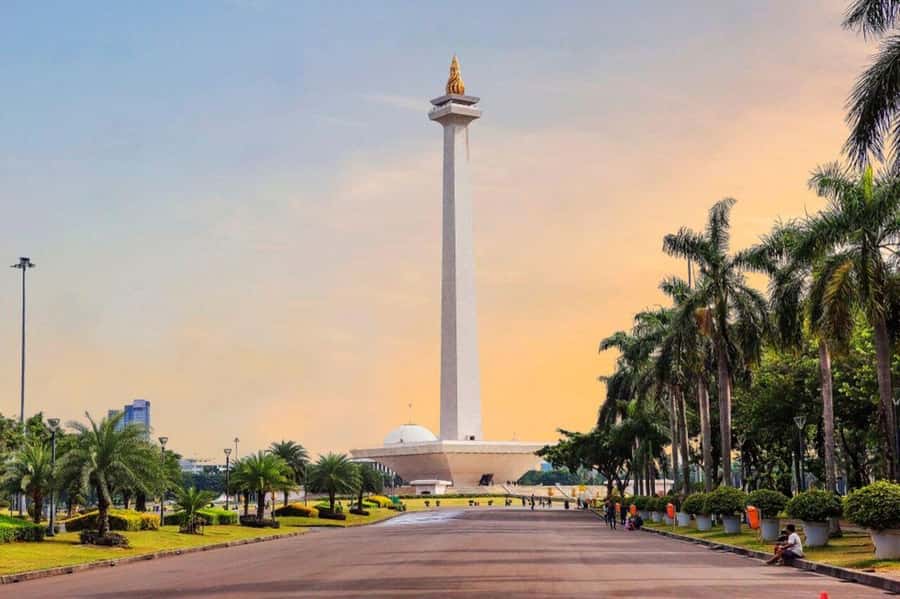
The 132-meter National Monument, usually called Monas, is one of Jakarta’s defining sights. The tour includes a guided visit lasting about an hour, with time in the basement where 48 dioramas present episodes from Indonesian history.
You also see the independence room, including the proclamation gate, the Garuda national emblem, and a gold-plated map of Indonesia. These displays make the monument more than a tall structure in a city square. They explain how the country presents its path toward independence and national unity.
The National Monument is closed on Mondays. On that day, the tour changes to another Jakarta highlight, so check the operating day before you reserve if Monas is important to you. The supplied schedule does not promise a replacement site in advance, so ask the operator what will be substituted.
Istiqlal Mosque and Jakarta Cathedral
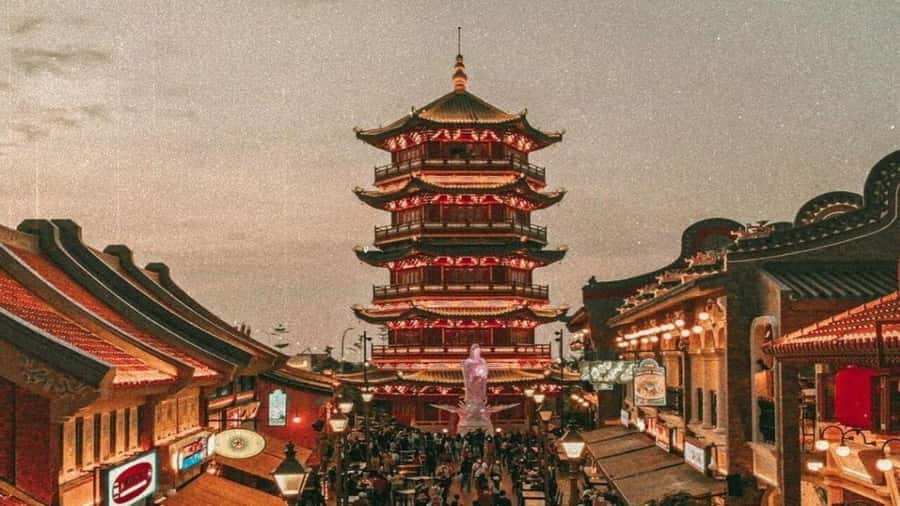
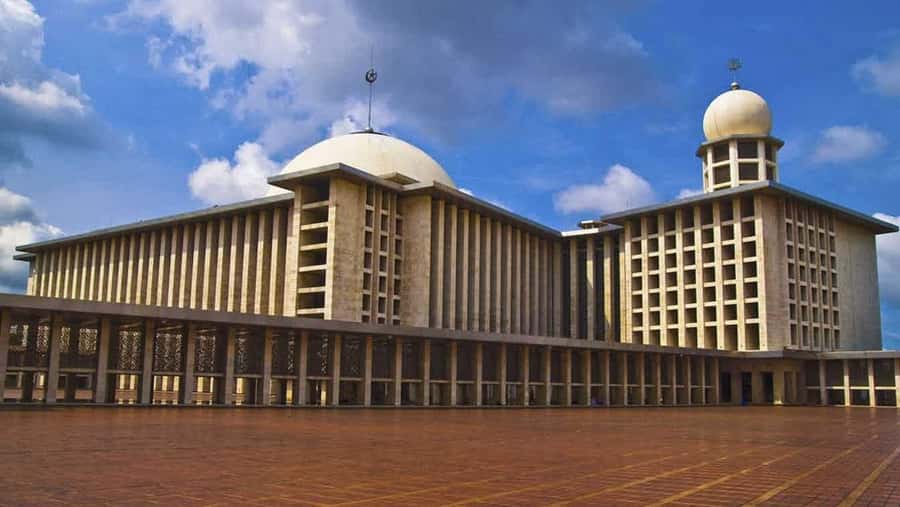
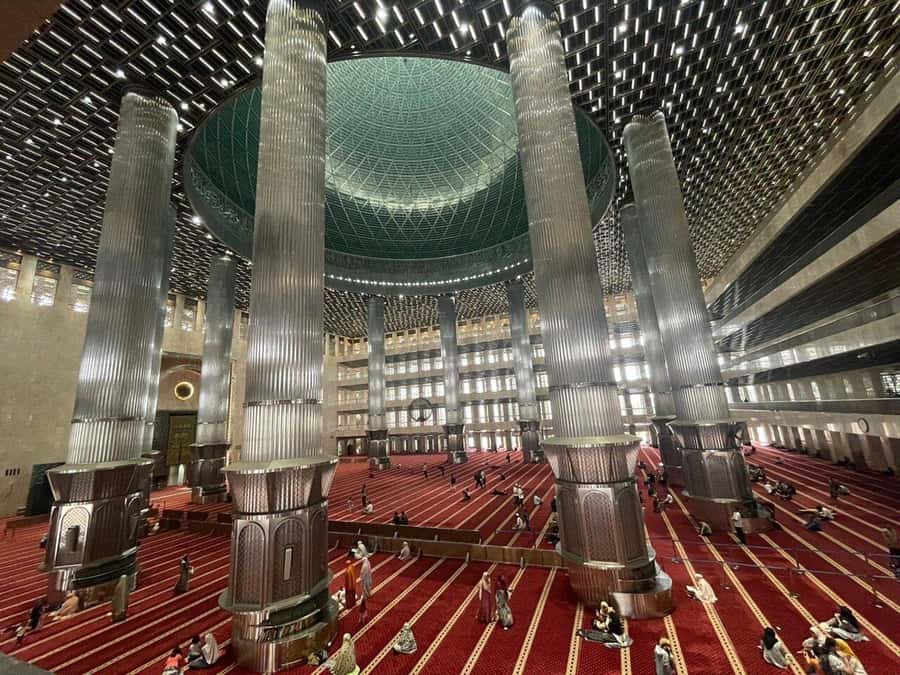
The religious center of the day pairs two major buildings across the same part of Jakarta. Istiqlal Mosque is the largest mosque in Southeast Asia, with a modern design and a large dome. The guided visit lasts around 30 minutes and offers a chance to understand the mosque as both a place of worship and an important national building.
Jakarta Cathedral follows with about 20 minutes. Its Gothic design, tall spire, and colored glass windows give it a very different character from the mosque. Inside, three altars arranged in a semicircle add an unusual detail to the visit.
Seeing these two places together is one of the best parts of the tour. You are not simply checking off famous buildings. You are seeing two important religious communities in close proximity, a useful reminder of Jakarta’s cultural and religious diversity.
Dress for respect and comfort. The supplied guidance recommends cool, comfortable clothing and walking shoes. I would also bring sunglasses and a hat for outdoor sections. Istiqlal Mosque is closed on Fridays, and the guide will explain the area from outside instead.
Same place, a different slice of the past:
- London Small Group Tour of Historical Pubs
★ 5.0 · 10,422 reviews - Prague: Oldtown, Medieval Underground & Dungeon History Tour
★ 4.3 · 10,277 reviews - Charleston’s Old South Carriage Historic Horse & Carriage Tour
★ 5.0 · 10,023 reviews - Edinburgh: Edinburgh Castle Guided History Tour with Tickets
★ 4.8 · 9,933 reviews
Glodok, Dharma Bhakti Temple, and everyday neighborhood life
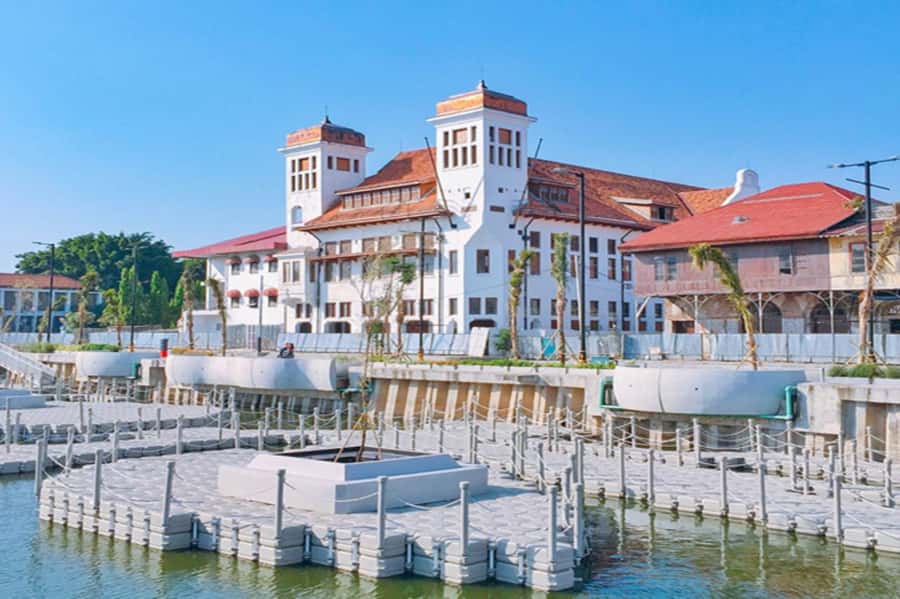
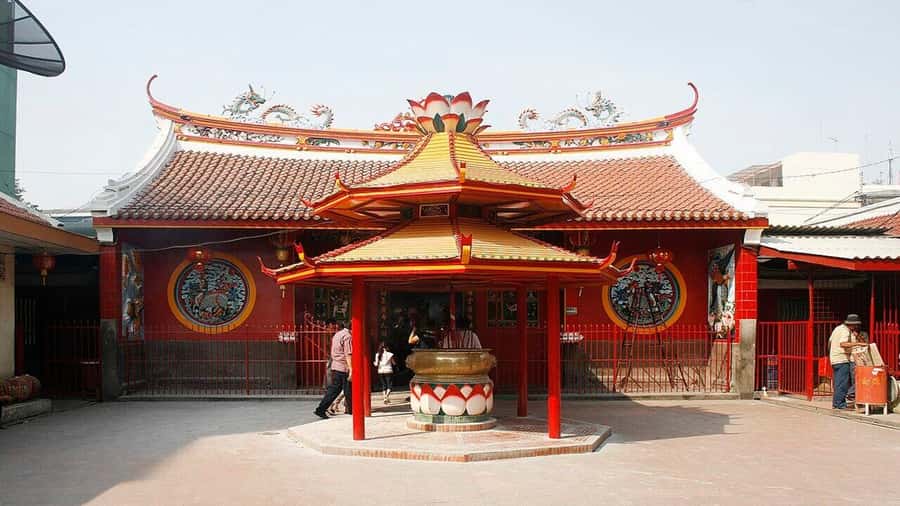
Dharma Bhakti Temple is described as Jakarta’s oldest Confucian temple. The guided visit takes about 20 minutes, followed by a short walk through Glodok, Jakarta’s Chinatown area.
The appeal here is less about a single grand monument and more about seeing community life in motion. The route passes a traditional wet market where local people shop and work. You can see daily commerce, try Indonesian snacks, and sample tropical fruit. This is a welcome change from official landmarks and museum displays.
The Glodok stop is listed as about 15 minutes, so do not expect a long food tour. The food area is part of a larger Jakarta experience that also includes New Chinatown PIK and its street food scene in the tour’s broader description. Ask your guide how much time is available for tasting, especially if you want to eat rather than simply walk through.
Allergies and dietary needs should be shared before the tour. The operator specifically asks you to report vegetarian, vegan, and other dietary requirements.
Jakarta Old Town and the Dutch colonial quarter
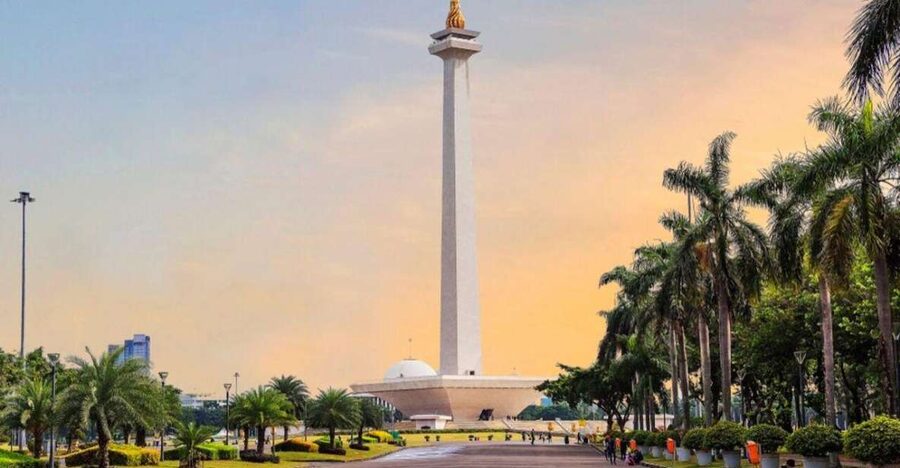
Jakarta Old Town, often associated with Kota Tua, introduces the city’s colonial period. This area once served as the center of Dutch colonial government. Historic buildings and old warehouses, some dating to the 17th century, give the district a different feel from modern central Jakarta.
The guided portion lasts around 30 minutes. Your guide can help connect the surviving architecture with the area’s former role in trade and administration. It is a useful place for photographs, though the short scheduled time means you should not expect to explore every street or building.
The value of having a guide is especially clear here. Old warehouses can look like attractive backdrops without much explanation. With context, you can better understand why this district mattered and how it fits into Jakarta’s growth.
Traffic may affect how long you spend at each location. The tour provider notes that local traffic, events, and other conditions can change activities, so keep your plans after the tour flexible.
Wayang puppets at Makutharama Puppet Studio
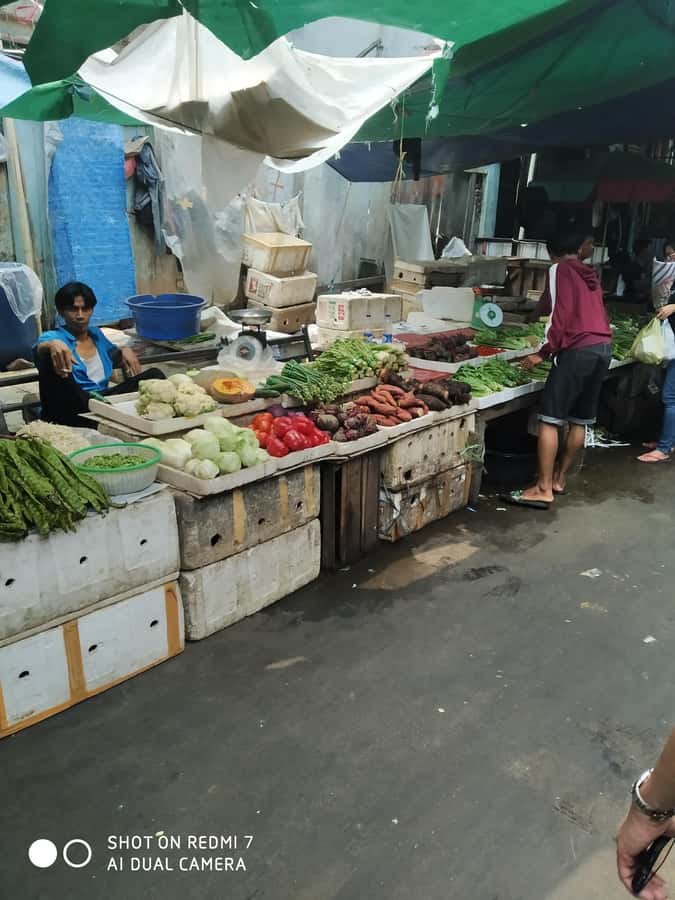
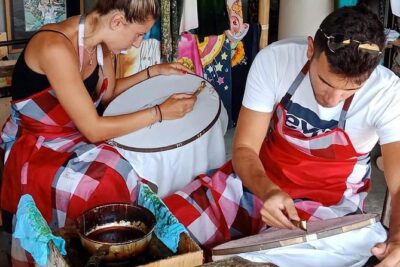
At Makutharama Puppet Studio, also identified as Toko Wayang Kulit, you spend about 30 minutes in a workshop setting. You meet puppet masters, learn about puppet making and handling, and see wayang collections from different parts of Indonesia.
This is one of the more personal stops because it focuses on a living craft. Wayang is not simply a souvenir product. The studio visit gives you a look at the work behind the figures and the skills used to perform with them.
The stop also helps balance the large national sites. After monuments, museums, and colonial buildings, you get a smaller-scale encounter with Indonesian art. If you enjoy demonstrations and hands-on cultural explanations, this may be one of the day’s most memorable sections.
Sunda Kelapa Harbor and the old working waterfront
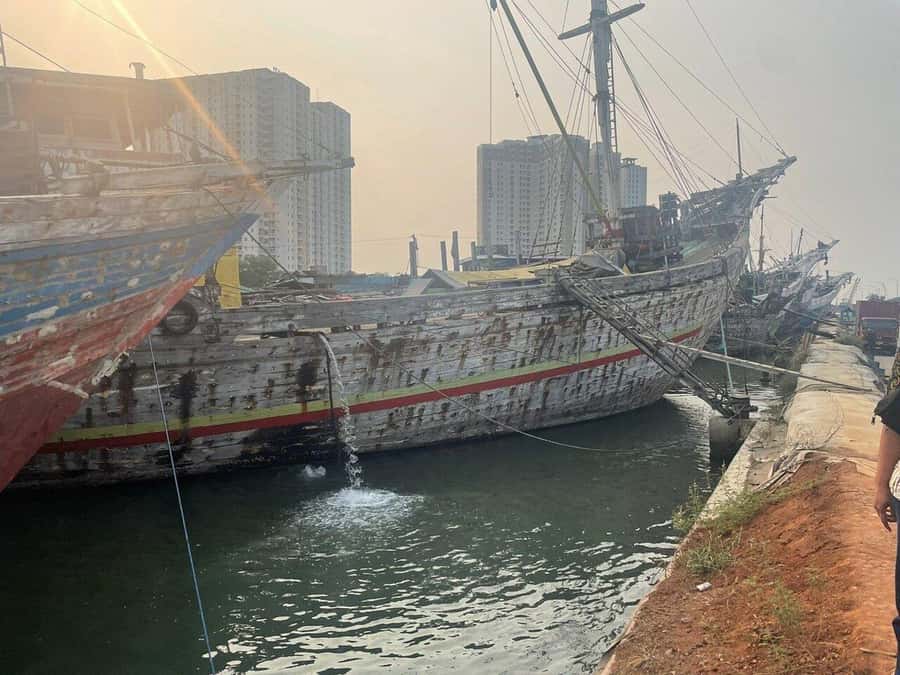
The final listed stop is Sunda Kelapa Harbor, Jakarta’s oldest port. It is still used for domestic shipping, and traditional Phinisi wooden boats are arranged along the water.
This is not presented as a polished waterfront attraction. Its value is that it remains a working place. The boats and shipping activity connect modern Jakarta with older maritime trade traditions, and the guide can explain why the port matters to the city.
One unusual detail is the water level. Seawater levels at the harbor are higher than some land areas in Jakarta. That fact adds another layer to the port visit and helps explain the city’s relationship with its coastal setting.
The harbor visit lasts about 20 minutes. Bring your camera, but also wear shoes suited to walking and uneven urban surfaces. The stop is short, so treat it as a final look at Jakarta’s working side rather than a long waterfront exploration.
How the day feels in practice
The tour runs for about seven and a half hours, but the schedule is full. The listed stops alone add several hours of visits, and the remaining time is used for driving, pickup, drop-off, and the changing conditions of Jakarta streets.
That structure is helpful if your goal is to see many parts of the city in one day. It is less suitable if you prefer lingering in museums, eating slowly, or spending half a day in one historic district.
The private vehicle is the key comfort feature. You can cool down between outdoor stops, carry water and personal items, and avoid piecing together transport across a very large city. Careful driving is important in Jakarta, and Andri has received strong praise for that part of the experience.
The guides are another major strength. Rizky has been praised for discussing both site details and present-day life, while Bryan has been described as friendly, flexible, and clear. Those qualities matter because the tour contains many different subjects. A guide who can move from independence history to food advice and current events makes the day feel connected rather than random.
Bring comfortable shoes, light clothes, sunglasses, a camera, and a hat. The activity is wheelchair accessible, but the route includes walking through a market, temple, old town, and harbor, so it is sensible to confirm the exact arrangements for your needs before booking.
Free cancellation is available up to 24 hours before the start, and you can reserve now and pay later. Those policies are useful if your Jakarta schedule is still changing.
Who should book this Jakarta heritage tour?
I would choose this tour for a first full day in Jakarta, especially if you want a broad introduction without managing transport yourself. It suits couples, families, and small private groups who value a guide’s explanations and want to combine major sights with ordinary neighborhood life.
It is also a strong choice for visitors with limited time in the city. In one outing, you see national symbols, two major houses of worship, a Confucian temple, Chinatown, colonial Jakarta, Indonesian puppets, and the old port.
I would hesitate if your priority is a slow museum visit, a long food crawl, or a detailed exploration of Old Town. The schedule moves quickly, and traffic can make it feel even tighter. Friday and Monday also require special attention because Istiqlal Mosque and the National Monument have different access arrangements.
Should you book it?
Book this tour if you want maximum coverage with minimum transport stress. At $57 per person, the combination of a private air-conditioned vehicle, English-speaking guide, entry fees, parking, water, and donations gives it solid value.
Choose it with realistic expectations. You will get a well-guided introduction, not an unhurried study of every stop. If you arrive ready for heat, walking, short visits, and traffic, this is a practical way to see Jakarta’s political center, religious life, neighborhood markets, colonial past, craft traditions, and working harbor in a single day.
FAQ
How long does the Jakarta heritage tour last?
The tour lasts approximately 7.5 hours. Starting times depend on availability.
Is hotel pickup included?
Yes. Pickup and drop-off are included from hotels, apartments, Airbnbs, and houses within Jakarta City. Pickup from the airport area or outside Jakarta City costs extra.
What language does the guide speak?
The live tour guide speaks English.
Is the tour private?
Yes. The experience includes an air-conditioned private vehicle for your group.
Is the National Monument open every day?
The National Monument is closed on Mondays. On those days, the tour changes to another Jakarta highlight.
Can I visit Istiqlal Mosque on Friday?
Istiqlal Mosque is closed on Fridays. The guide will explain the area from outside instead.
Are entrance fees included?
Yes. All entrance fees, parking, highway costs, bottled water, and listed donations at Istiqlal Mosque and the old temple are included.
What should I bring?
Bring comfortable walking shoes, sunglasses, a camera, comfortable clothing, and a hat. Pets are not allowed.
Just added around the world
- Key West: History and Culture Southernmost Walking Tour★ 4.9 · 25 reviews
- Kathmandu: Private UNESCO World Heritage Site Tour★ 4.9 · 47 reviews
- Private Kathmandu UNESCO World Heritage Sites Tour★ 4.8 · 28 reviews
- Karlsruhe: Guided City History & Culture Walking Tour★ 4.5 · 79 reviews
- Kanazawa: World Heritage Shirakawa-go & Two Local Experience★ 4.9 · 274 reviews
- Kas: Kekova Island Sunken City & Historical Sites Boat Tour★ 4.7 · 274 reviews
- Lisbon: Jewish History Private Tour★ 4.8 · 59 reviews
- Jodhpur: Blue City Heritage Walking Tour★ 4.8 · 43 reviews
Indonesia History Tours, compared.
Bali: Tanah Lot UNESCO World Heritage Sites Full-Day Tour
Read our review →
Jakarta Heritage of Old Batavia Private City Tour (Historical)
Read our review →Browse the lists this tour appears in