
Review · CUNDINAMARCA
7-hour City Tour of Historic Bogotá with Monserrate
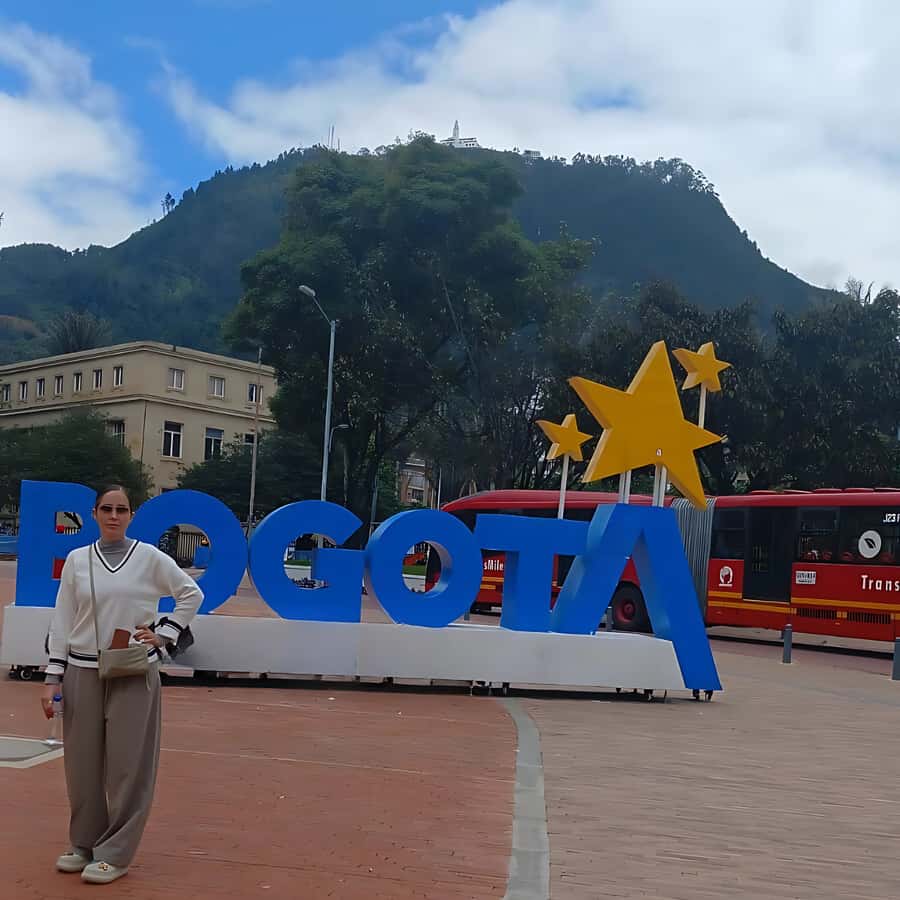
Bogotá rewards a well-planned first look. This seven-hour private tour combines Monserrate’s 3,150-meter view with the old streets, museums, churches, and public squares of central Bogotá. I like the mix of big sights and small tastes, especially the Colombian coffee session with a professional barista and the chance to try local fruit and juice. The main drawback is pace: there is a lot to cover, and you will spend much of the day walking, often on steep or uneven streets.
I also like the private transport and bilingual guide, since moving between Monserrate and La Candelaria can be simpler with local help. Guides such as Juan Carlos, Carlos, Lifred, and Juan are praised for clear explanations and for adjusting the day to guests’ needs. Still, this is not a slow museum tour. If you want long visits, relaxed shopping, or a full restaurant lunch, seven hours may feel tight.
Key points at a glance
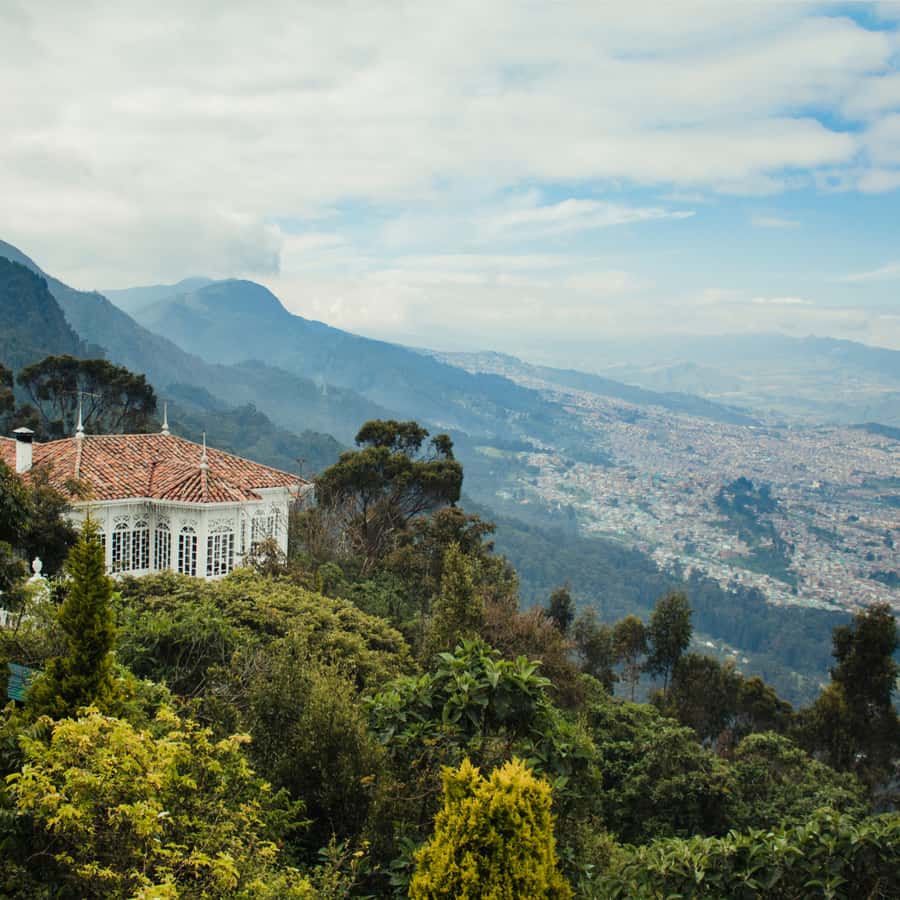
- Monserrate at 3,150 meters: Ride the cable car or funicular to one of Bogotá’s best city views, with time to see the hilltop sanctuary.
- La Candelaria in one concentrated walk: Visit Chorro de Quevedo, Bolívar Square, colonial buildings, churches, cultural centers, and several major museums.
- Coffee and fruit are part of the experience: Taste Colombian coffee with a professional barista, plus typical and less familiar local fruits and juice.
- Private pickup and transport: Your guide and vehicle collect you in Bogotá and bring you back, avoiding the need to arrange city transport between stops.
- Museum days matter: The Gold Museum is closed Mondays and the Botero Museum is closed Tuesdays, with an alternative attraction offered when needed.
- A strong choice for a short stay: The tour gives you a useful first picture of Bogotá, but comfortable shoes and sensible pacing are important.
Why this seven-hour Bogotá tour works well
At $118 per person, this is not the cheapest way to see Bogotá. It is a private, transport-inclusive day with a bilingual guide, Monserrate admission, tastings, and medical insurance during the tour. That makes the price easier to justify if you are short on time, traveling in a small private group, or would rather not piece together several rides and museum visits yourself.
The biggest value is structure. Bogotá is spread out, and the tour links the eastern hills with La Candelaria’s historic center in one day. You get a broad introduction without spending time figuring out the best route from your hotel to Monserrate, then down to the museums and plazas.
I would not book it expecting deep time at every stop. The schedule includes many places, from the Gold Museum and Botero Museum to the Teatro Colón and Gabriel García Márquez Cultural Center. Some may be brief exterior visits or guided walks, depending on the day’s timing. That tradeoff is sensible for a first day in the city, but less suitable if you already know Bogotá and want to focus on one museum.
The private format also gives the guide room to respond to your interests. Juan Carlos has been praised for adjusting the day to individual needs, while guides including Carlos and Lifred are noted for their friendly manner and strong explanations in English. If mobility is a concern, mention it before the tour. One guide was specifically praised for being patient with a guest who had difficulty walking, but the route still includes slopes and substantial walking.
A few more history tours around Colombia worth a look
- Cartagena: Historic Center and Getsemaní Shared Walking Tour
★ 4.9 · 2,716 reviews - Shared Tour Cali’s Historical Downtown
★ 4.8 · 143 reviews - Historical Shared Tour Salsa, Graffiti & Resistance in Cali
★ 5.0 · 107 reviews
Monserrate: Bogotá from the eastern hills
The day’s most dramatic opening or major highlight is Cerro de Monserrate. At 3,150 meters above sea level, the summit gives you a wide view over Bogotá and its surrounding mountains. The city’s size becomes much easier to understand from above, especially if this is your first visit.
You go up and down by cable car or funicular. The cable car provides an aerial ride with broad views, while the funicular takes you through the mountain. The exact option may depend on operation and timing, but both are included as part of the Monserrate visit.
At the top, you can see the Sanctuary of the Lord of Monserrate. It is an important pilgrimage site with religious and historical meaning, not just a viewpoint for photographs. A good guide can help connect the sanctuary to Bogotá’s development and explain why this hill matters to the city.
Take the altitude seriously. The tour is not suitable for people with altitude sickness, and even fit visitors may prefer to walk slowly once they reach the summit. Bring water, sunscreen, and a hat. Bogotá’s high elevation can make strong sun feel deceptive, while the weather can shift quickly.
The view is a highlight, but it is also weather-dependent. Cloud or rain can reduce the panorama. Even so, the ride and sanctuary give this part of the day more substance than a simple lookout stop.
La Candelaria and Chorro de Quevedo
After Monserrate, the tour moves into La Candelaria, Bogotá’s historic and cultural center. This is where the day becomes more street-based, with cobbled lanes, colonial and Republican buildings, murals, churches, libraries, theaters, and public spaces close together.
Chorro de Quevedo is an important first stop. According to the traditional account, this is where Bogotá was founded in 1538. The small square offers a useful starting point for understanding the city’s origins, and the surrounding streets provide an immediate change from the broad urban view at Monserrate.
You will also see La Candelaria Church, an architectural landmark in the neighborhood. The area rewards looking upward and slowing down for a moment, since details on facades and doorways can be easy to miss when you are moving with a group.
The walking can be uneven. Carlos specifically advised comfortable walking shoes, and that is practical advice rather than a minor suggestion. Leave the high heels at home, wear clothes suitable for walking, and keep your phone charged for photos and communication.
Bolívar Square and Bogotá’s public heart
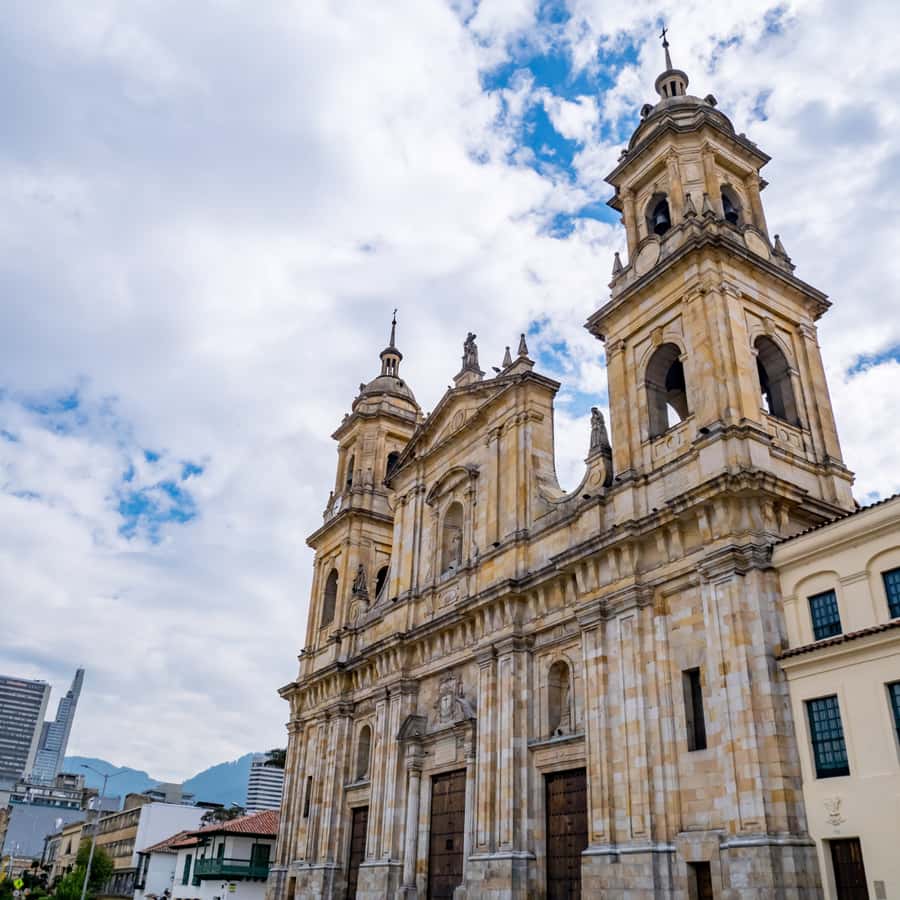
Plaza de Bolívar gives the tour its clearest lesson in Colombia’s political history. The square is a National Monument and is surrounded by major civic and religious buildings, including the Palace of Justice, Capitol Building, Cathedral of Bogotá, Chapel of the Sagrario, Archbishop’s Palace, and Liévano Palace.
This is one of the places where a guide adds real value. On your own, you can admire the buildings, but it is harder to understand how the square connects government, religion, law, and public life. A bilingual guide can explain the role of the surrounding buildings and answer questions as you walk.
The square is also a good point for taking stock of the tour. By this stage, you will have seen Bogotá from above and at street level, then moved from its founding stories into its national institutions. If you have only one day in the capital, that range gives you a useful framework for later exploring the city on your own.
Same place, a different slice of the past:
- Shared Medellín Downtown Tour with Wireless Audio
★ 4.8 · 315 reviews - Shared Tour of Bogota’s Historic Downtown (La Candelaria)
★ 4.7 · 100 reviews - Medellin Historic Walking Tour
★ 4.9 · 86 reviews - From Medellín: Private Pablo Escobar History Tour
★ 4.9 · 84 reviews
Museums: Gold and Botero, with important closing days
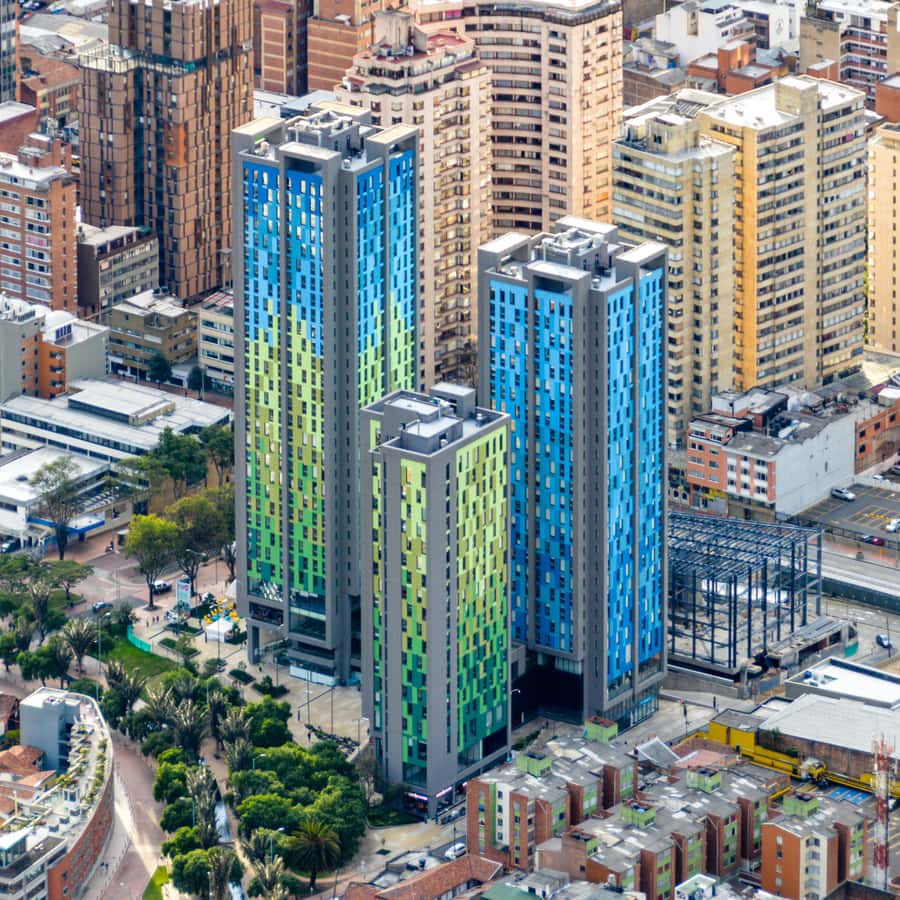
The Gold Museum is one of the tour’s strongest cultural stops. Its collection includes more than 50,000 pieces of gold, ceramics, precious stones, and textiles from Indigenous cultures across Colombia. The focus is not simply on precious objects. The displays help show the skill, beliefs, and social importance behind pre-Hispanic metalwork.
The museum is closed on Mondays. If your tour falls on that day, the guide will arrange another attraction of interest, depending on availability. You should confirm the alternative when booking if the Gold Museum is a top priority, since the replacement is not fixed in advance.
The Botero Museum offers a different experience. It contains works by Fernando Botero alongside art by other well-known artists. It is closed on Tuesdays, so Tuesday tours substitute another attraction according to availability.
These two museums make the tour more varied. The Gold Museum focuses on Indigenous cultures and archaeology, while the Botero Museum offers art and a distinctly Colombian cultural figure. The limitation is time. If one museum matters greatly to you, you may want to tell the guide early so you can use your available time well.
Teatro Colón, cultural centers, and quieter stops
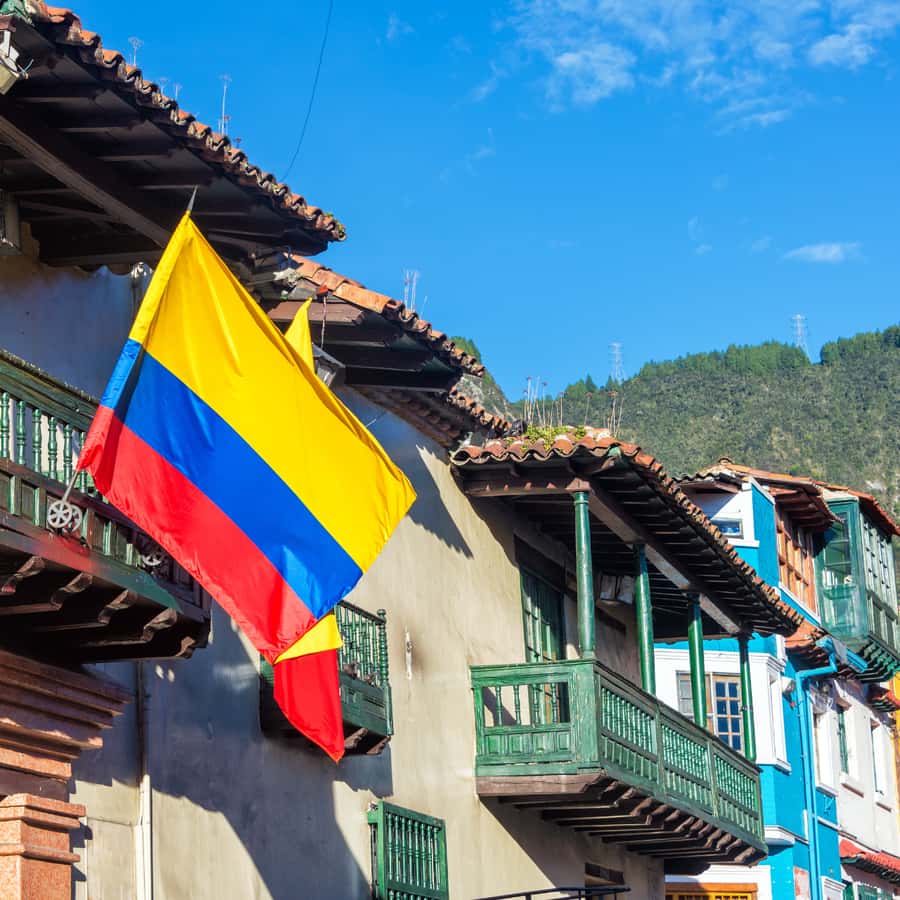
The Teatro Colón is included as one of the city’s important architectural and cultural sights. It is considered one of Latin America’s impressive theaters, and even a short visit or exterior explanation adds another layer to La Candelaria beyond churches and government buildings.
The Luis Ángel Arango Library is another major cultural institution on the route. It is more than a place to borrow books. Its presence reflects Bogotá’s role as a center for learning, research, art, and public culture.
The Gabriel García Márquez Cultural Center connects literature and the arts with one of Colombia’s best-known writers. The stop is especially appealing if you enjoy books, design, or modern cultural spaces. It also provides a useful counterpoint to the older buildings around La Candelaria.
The tour includes many named stops, but do not assume you will have a long independent visit at each one. The value here is the overall sequence: architecture, public life, art, literature, religion, and Indigenous history are presented in one day.
Coffee, fruit, and a taste of Colombia
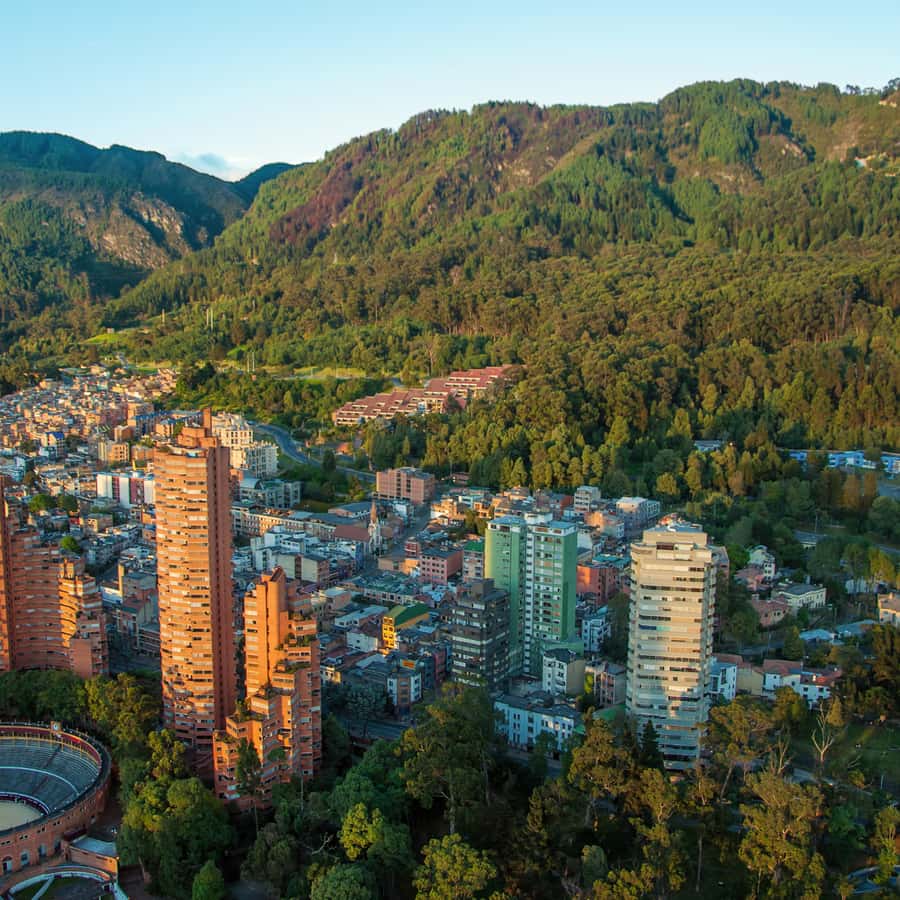
The food and drink stops keep the tour from becoming a chain of monuments. You will taste typical and endemic Colombian fruits, along with an exotic Colombian juice. This is a small but worthwhile part of the day because fruit names and flavors can be difficult to encounter in a meaningful way when you are simply ordering from a menu.
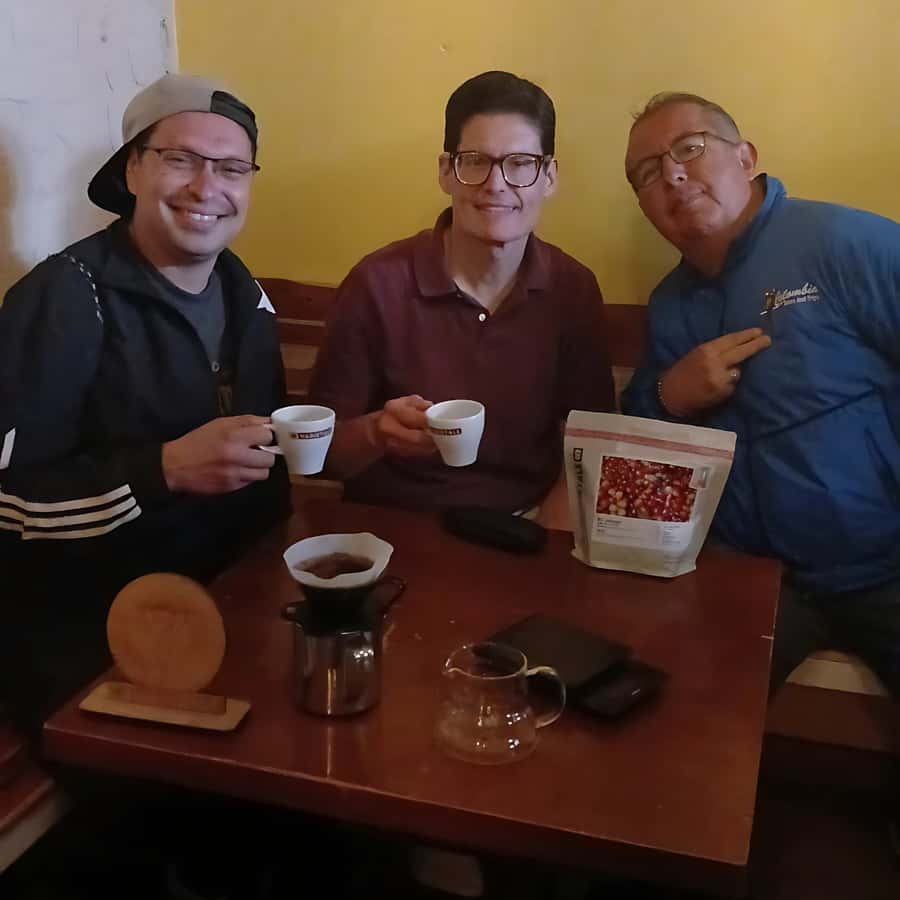
The coffee experience is led by a professional barista. That detail matters. You are not just handed a cup and told that Colombia produces good coffee. You have the chance to learn through tasting, and the guide can connect the drink to Colombian culture and daily life.
The tastings are included, but lunch is not. Hydration and extra drinks are also your responsibility. Bring water or plan to buy it, especially because Monserrate’s elevation and the walking route can leave you thirsty. Do not count on the included tastings to replace a meal.
Transport, timing, and the private format
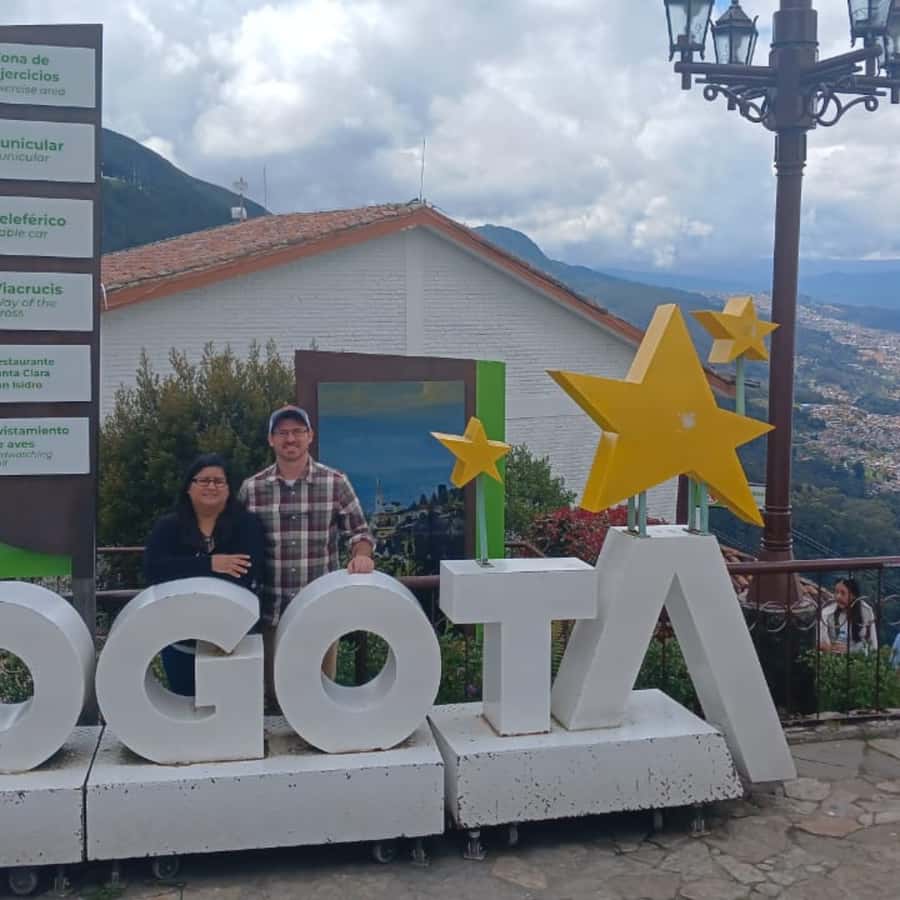
The tour lasts seven hours and includes private shuttle service to and from your accommodation in Bogotá. The listed coach time is about one and a half hours, which gives you a sense of how much of the day is spent moving between major sections of the city.
Private transport is useful here because the tour combines a hilltop attraction with the central historic district. You are not left to arrange separate transport after Monserrate, and the guide can keep the day moving if traffic or timing changes.
The private group format is also better for questions. You can ask about Colombian history, coffee, art, architecture, or geography without waiting for a large group to catch up. Several guides have been praised for listening carefully and shaping explanations around personal interests.
The downside is that a private vehicle does not remove Bogotá’s traffic. Seven hours sounds long, but the day includes transport, a mountain visit, tastings, walking, and several cultural sites. If you prefer an unhurried morning in one neighborhood, this schedule may feel full.
What to bring and who should book
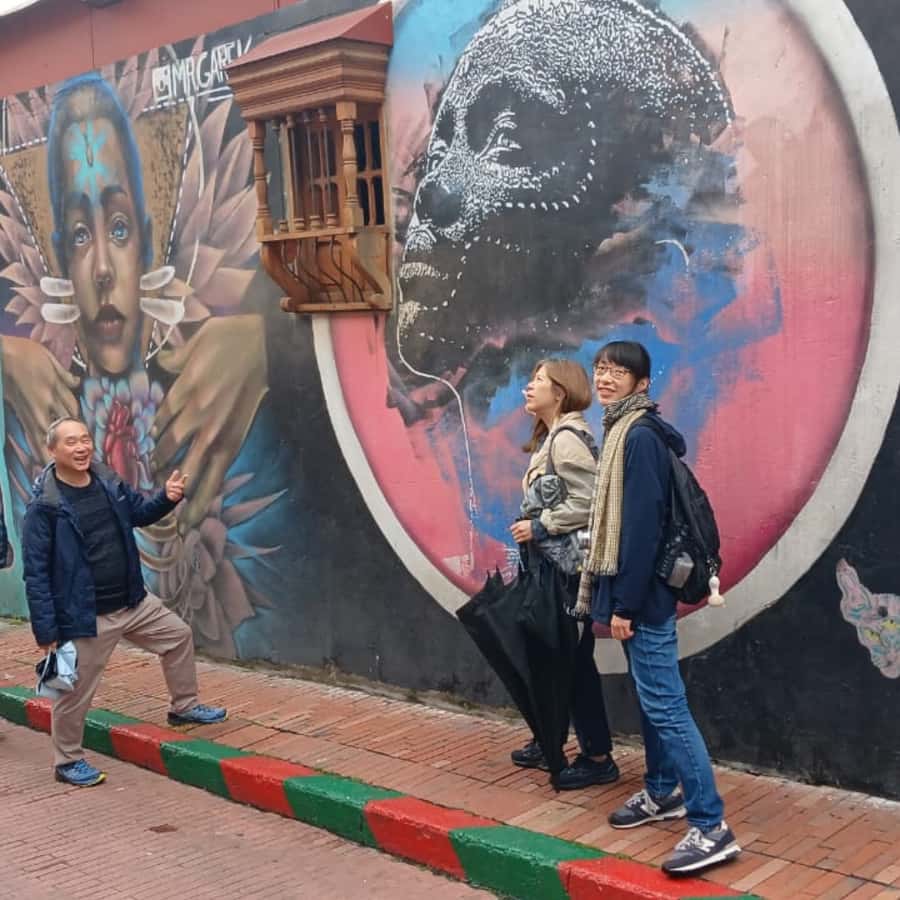
Wear comfortable shoes with good grip. The route includes cobbled streets, slopes, and plenty of walking. A hat, sunscreen, biodegradable sunscreen, comfortable clothing, a camera, drinks, and a charged smartphone are all useful.
Alcoholic drinks are not allowed in the vehicle, and the activity also prohibits alcohol and drugs, fireworks, explosives, audio recording, bikes, fishing, diving, bare feet, and high-heeled shoes. Baby strollers are not allowed, and the tour is not suitable for babies under one year or people over 95.
The tour suits you best if you are visiting Bogotá for the first time, have only one free day, or want a guide to handle the city’s history and transport. It is also a good fit for an English or Spanish speaker who wants a private day rather than a large coach group.
It may not suit you if you have serious problems with altitude, dislike walking, or want extensive free time for shopping. One person wanted more time for souvenirs, and that is a fair criticism. The tour does include visits to Colombian souvenir and emerald shops, but shopping is not the main purpose and time may be limited.
Should you book this Bogotá tour?
I would book it for a first visit, especially if you have only one day in Bogotá and want Monserrate plus the historic center without arranging the details yourself. The strongest features are the private transport, bilingual guide, coffee and fruit tastings, and the broad range of cultural stops.
Book with realistic expectations. You will see a lot, but you will not linger everywhere. Confirm museum closing days, tell the operator about mobility needs, bring water, and ask for a slower pace if required. If you want a focused museum day or extended souvenir shopping, choose a narrower tour instead.
At $118 per person, the value is strongest for a small private group that wants context, convenience, and a well-packed introduction. For a short stay in Bogotá, that is a sensible way to get your bearings.
FAQ
How long is the Bogotá city tour?
The tour lasts seven hours.
What languages does the guide speak?
The live guide speaks English and Spanish.
Is this a private tour?
Yes. It is offered for a private group.
Is hotel pickup included?
Yes. Private shuttle service to and from your accommodation in Bogotá is included.
Is Monserrate admission included?
Yes. Tickets to Cerro de Monserrate are included.
How do you reach the top of Monserrate?
You can choose between the cable car and the funicular for the ascent and descent.
Is lunch included?
No. Lunch is not included, and extra drinks and hydration are also not included.
Is the Gold Museum open every day?
No. The Gold Museum is closed on Mondays. An alternative attraction is offered depending on availability.
Is the Botero Museum open every day?
No. The Botero Museum is closed on Tuesdays.
What should I bring?
Bring comfortable shoes, a hat, sunscreen, biodegradable sunscreen, comfortable clothing, a camera, drinks, and a charged smartphone.
Just added around Colombia
- Medellín: Flower Farm & Silletero History Tour★ 4.3 · 23 reviews
- Shared Tour of Bogota’s Historic Downtown (La Candelaria)★ 4.7 · 100 reviews
- Santa Marta A Historical & Street food Experience★ 4.7 · 41 reviews
- Medellin Historic Walking Tour★ 4.9 · 86 reviews
- Mangroves, cultural fishing, black heritage town and lunch★ 4.5 · 29 reviews
- From Medellín: Private Pablo Escobar History Tour★ 4.9 · 84 reviews
- From bogota: Salt Cathedral tour a Cultural Heritage Tour★ 4.5 · 23 reviews
- Cali: Walking tour of the historic center★ 4.9 · 18 reviews
Colombia History Tours, compared.
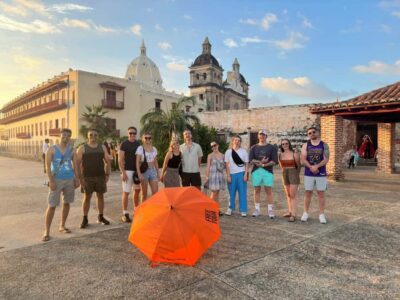
Historic Center and Getsemaní Shared Walking Tour
Read our review →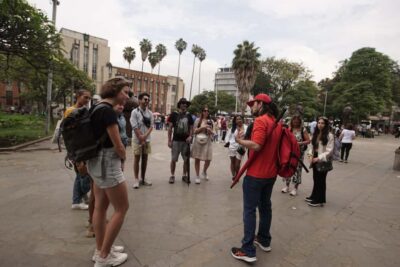
Shared Medellín Downtown Tour with Wireless Audio
Read our review →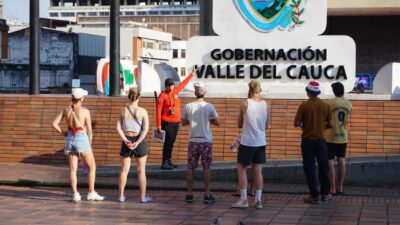
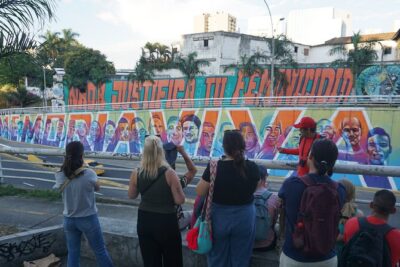
Historical Shared Tour Salsa, Graffiti & Resistance in Cali
Read our review →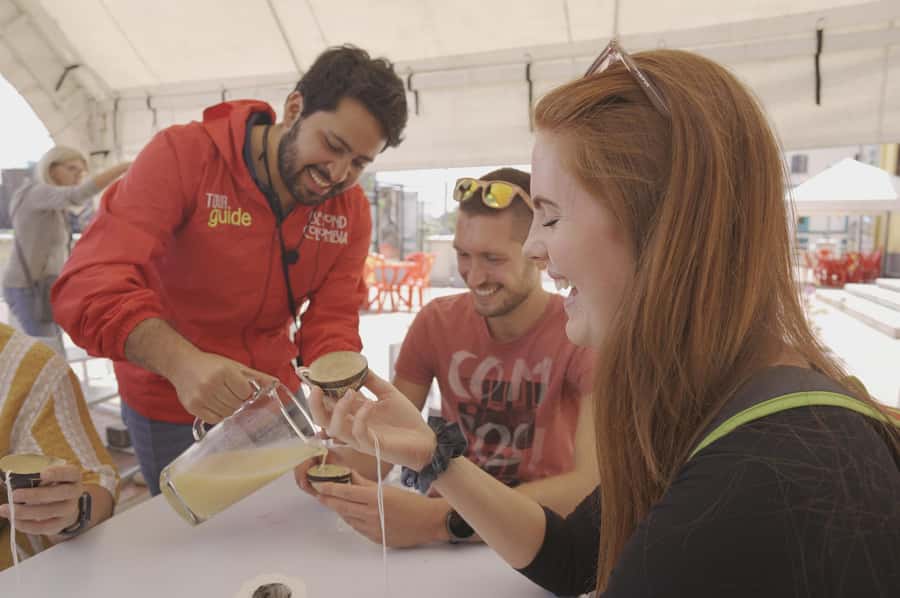
Shared Tour of Bogota’s Historic Downtown (La Candelaria)
Read our review →
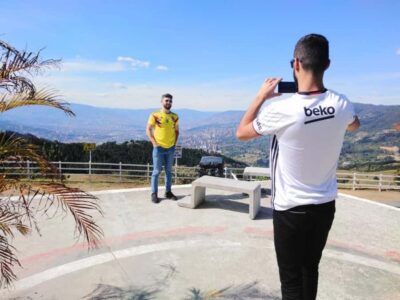
From Medellín: Private Pablo Escobar History Tour
Read our review →
Santa Marta A Historical & Street food Experience
Read our review →Browse the lists this tour appears in