
Review · NORTH GYEONGSANG PROVINCE
Gyeongju: UNESCO Heritage Tour Including Bulguksa Temple
Ancient Korea fits into one day. This 8-hour Gyeongju tour links Bulguksa Temple, Seokguram Grotto, royal tombs, palace ruins, and traditional neighborhoods without making you solve Korea’s transport puzzle. I especially like the comfortable air-conditioned van and the guides, including Sue and Steve, who bring Silla-era stories to life. The main drawback is the price: at $189 per person, it costs more than arranging a basic self-guided day.
You get hotel pickup and drop-off in Busan or Gyeongju, entrance fees, lunch, water, and an English-speaking guide. That bundle makes the price easier to justify, especially from Busan, but a late start or holiday traffic can shorten time at the final stops.
Five things to know before booking
- Bulguksa and Seokguram come first: The tour gives about an hour at each of Korea’s best-known Buddhist sites.
- You cover a lot of ground: A private or small-group van connects scattered sights that are awkward to combine by public transport.
- Sue and Steve are especially praised: Guide quality appears to be a major part of the experience, with clear explanations, humor, and practical help.
- Lunch is part of the day: The meal is included, and several people particularly enjoyed traditional bibimbap.
- Crowds and traffic can change the pace: Korean holidays may bring heavy congestion, so the order or length of stops may shift.
Why Gyeongju deserves a full day
Gyeongju was the capital of the Silla Dynasty for roughly a millennium. Today, its historic sites are spread across a broad area, with temple grounds, burial mounds, palace ruins, observatories, and villages sharing space with modern roads and cafés.
That spread is the reason I see value in a guided van tour. You are not spending your day figuring out which bus reaches Bulguksa, how to continue up Tohamsan Mountain to Seokguram, or how to return toward the central historic district. Instead, you can look out the window and arrive with the next story already in hand.
The tour is also a good introduction to Korea’s past because it moves between royal, scientific, religious, and everyday settings. You see how Silla rulers were buried, how astronomers worked, how Buddhist art was built into stone, and how traditional homes still shape a historic neighborhood.
It is a busy day, though. The schedule gives roughly an hour to the major stops and 30 minutes at Cheomseongdae. You will see the headline sites, but this is not a slow, lingering exploration of every courtyard or museum room.
More UNESCO World Heritage Tours in Korea:
- From Busan: Gyeongju UNESCO World Heritage Guided Day Tour
★ 4.8 · 1,250 reviews - Gyeongju UNESCO World Heritage Guided Day Tour from Busan
★ 5.0 · 660 reviews - Seoul: UNESCO Heritage Palace, Shrine, and More Tour
★ 4.8 · 18 reviews
Bulguksa Temple and the first look at Silla artistry
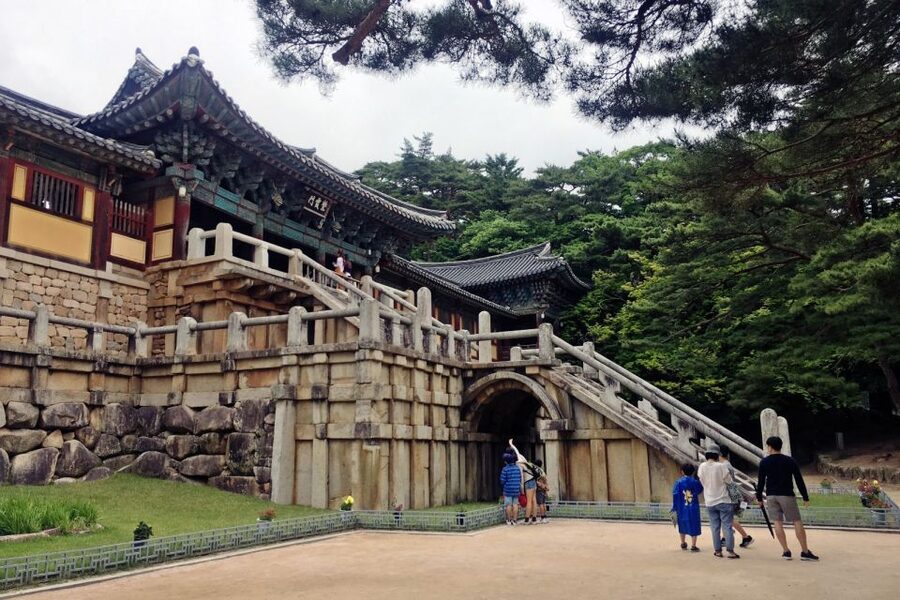
Bulguksa Temple is the centerpiece of the day. Its stone bridges, courtyards, pagodas, and mountain setting give you a clear sense of why the site has UNESCO World Heritage status.
The two pagodas are the visual stars. Dabotap has a more intricate appearance, while Seokgatap is simpler and more restrained. Together, they show two different approaches to Buddhist design. Your guide can help you notice the stonework and layout instead of treating the temple as just another photo stop.
I like that this visit comes early. Bulguksa is one of the places where a guide adds real value, since the meaning of the structures is not always obvious when you first walk in. Guides such as Sue and Steve have been praised for using stories, humor, and clear explanations rather than delivering a dry list of dates.
Plan on walking through open temple grounds and spending time on stone steps. The site is beautiful, but it is not a quick van-side stop. If you need a slower pace, tell the guide early, especially if you are traveling with older relatives or young children.
Seokguram Grotto and the mountain road
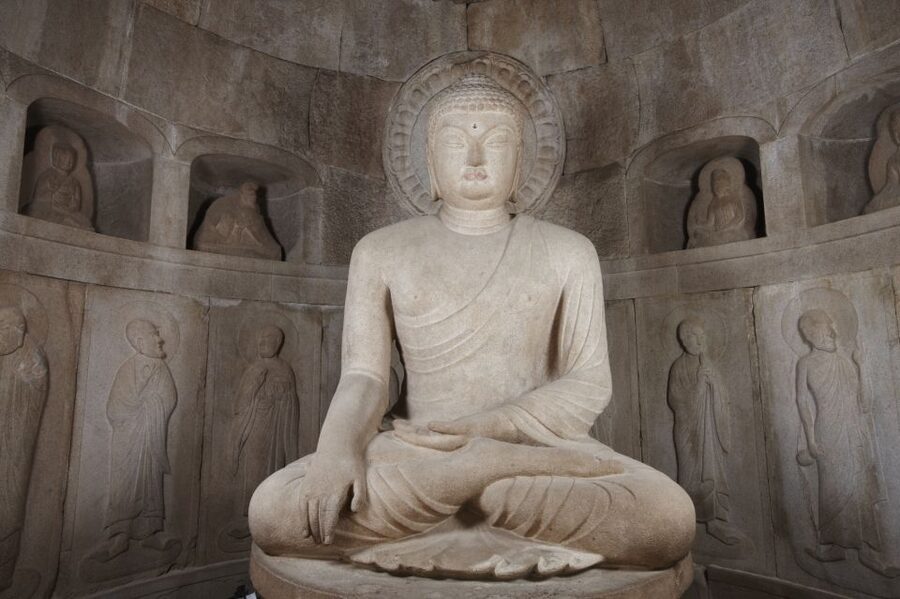
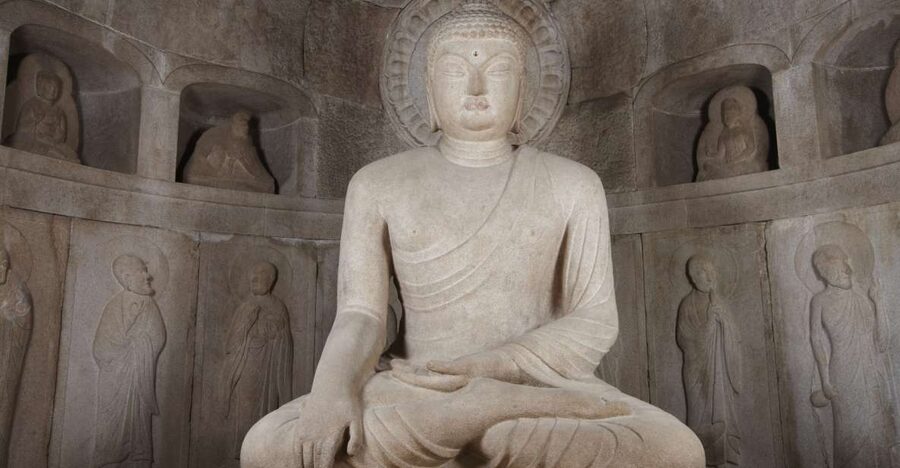
From Bulguksa, the van continues up Tohamsan Mountain to Seokguram Grotto. This setting feels very different from the larger temple complex. The central granite Buddha sits inside a carefully made stone chamber, surrounded by carved guardian figures and other Buddhist images.
The grotto is one of Korea’s most important works of Buddhist art and engineering. A one-hour guided visit gives you enough time to understand the site and appreciate the craftsmanship, although the viewing area may feel brief if you want to stand quietly for a long time.
This is also where the practical value of a driver becomes clear. Seokguram is not simply across the road from Bulguksa. Having transport waiting means you can make the mountain visit without building your own connection plan.
One small pleasure mentioned by several people was trying snacks sold by local women outside the grotto. They are not listed as an included feature, so bring a little spending money if you like sampling regional food. Sue and the driver identified as Joe or Jion in different accounts were also praised for helping with photos and keeping the day friendly.
Daereungwon Tomb Complex and Silla royal power
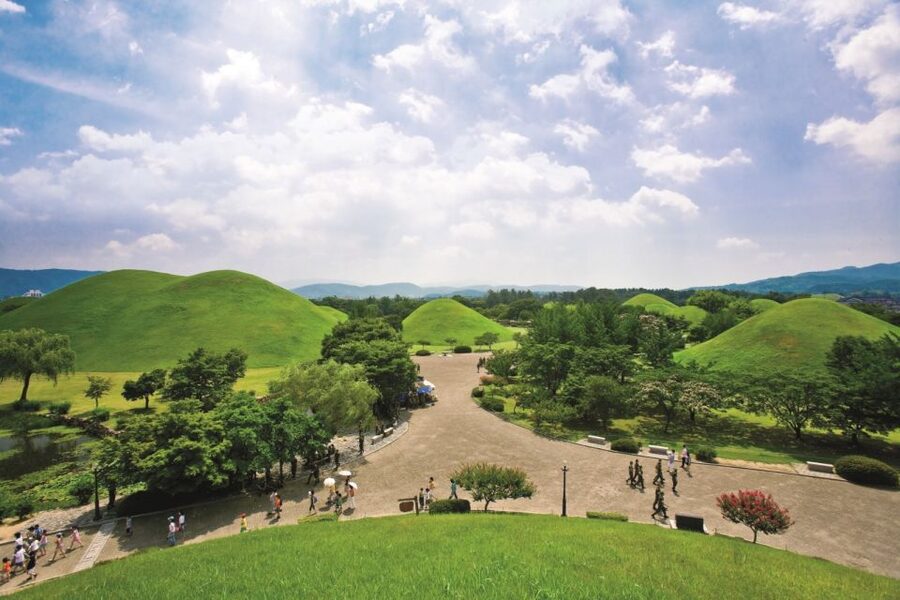
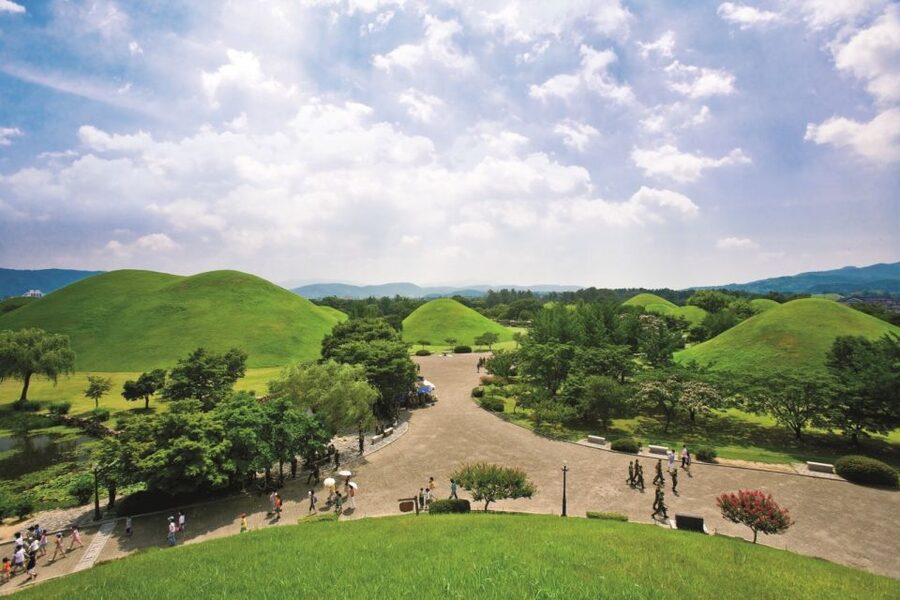
Back in the central historic area, Daereungwon Tomb Complex gives you a very different view of Silla. Large grassy burial mounds rise gently across the grounds, each one marking the resting place of a king, noble, or member of the ruling class.
The scale is striking because the tombs are not hidden in a museum basement. They sit in open green space, and you can walk among them while your guide explains what they reveal about Silla society.
Cheonmachong is the best-known mound here. It produced the famous painting of a flying horse, along with other objects that helped modern scholars understand royal burial customs. Hwangnamdaechong is another major highlight, one of the largest and most ornate tombs associated with the period.
This stop is particularly good for visitors who want history made visible. You can see the size of royal ambition without needing to interpret a long display panel. The downside is that the open grounds offer less shelter than the temple stops, so summer heat and winter wind can affect your comfort.
More Architecture and Landmark Tours in Korea:
- Venice: St. Mark’s Basilica Guided Tour & VR History Intro
★ 3.9 · 4,880 reviews - Venice’s Best: Basilica, Doge’s Palace, Gondola & History Gallery
★ 4.5 · 2,478 reviews - Córdoba: Skip-the-Line Great Mosque-Cathedral History Tour
★ 4.7 · 1,690 reviews - Pantheon Elite Guided Tour – Rome’s Iconic Ancient Temple
★ 5.0 · 1,447 reviews
Cheomseongdae, where Silla watched the sky
Cheomseongdae is a short stop, usually about 30 minutes, but it earns its place. Built during the reign of Queen Seondeok, this stone structure is widely recognized as the oldest surviving astronomical observatory in Asia.
Its shape is simple and memorable. The stacked stones reflect the scientific ability of the Silla period, and the tower gives the surrounding historic area a useful change of pace. After tombs and temples, you are looking at a structure connected to observation and measurement.
Do not expect a long indoor museum visit here. Cheomseongdae is viewed from outside, and the stop works best when your guide explains its construction and role. If you enjoy old science and engineering, you will likely want more time than the schedule allows. Still, 30 minutes is enough to see the monument and take photographs.
Gyochon Village and old family life
Gyochon Village adds a more personal side to Gyeongju. Instead of royal tombs or monumental Buddhist buildings, you walk through traditional hanok lanes and see the kind of architecture associated with established Korean families.
The House of the Gyeongju Choi Clan is the key stop. The family is known for its heritage and craftsmanship, and the house helps you picture how noble families lived and worked within a traditional compound.
If available, you may also try Gyeongju Gyodong Beopju, a local traditional liquor. Availability is not guaranteed, so treat it as a possible extra rather than a promised tasting.
I like having this village in the schedule because it breaks up the major monuments. You get a quieter walk and a look at domestic architecture. The tradeoff is that the amount of time here may depend on traffic and how long earlier visits take.
Wolji Pond at the end of the day
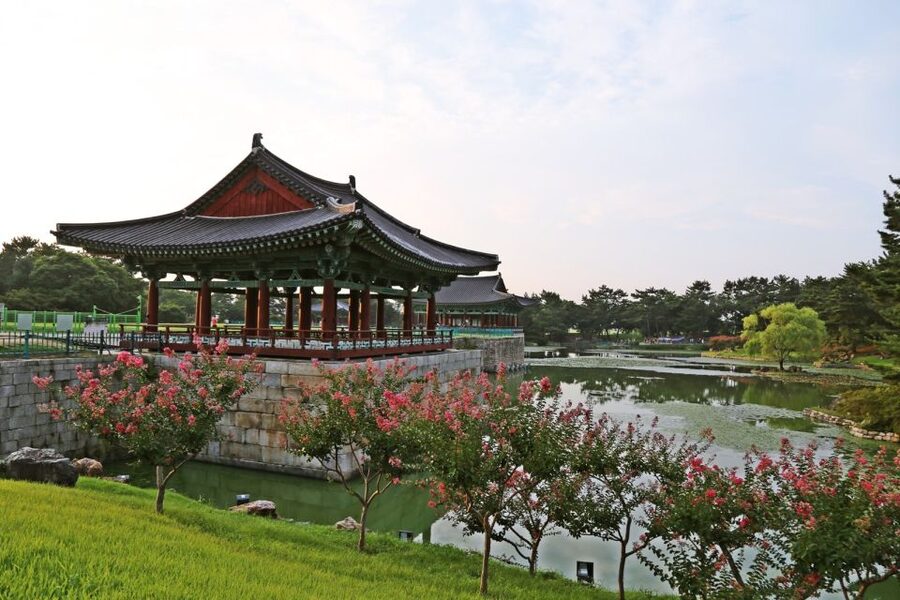
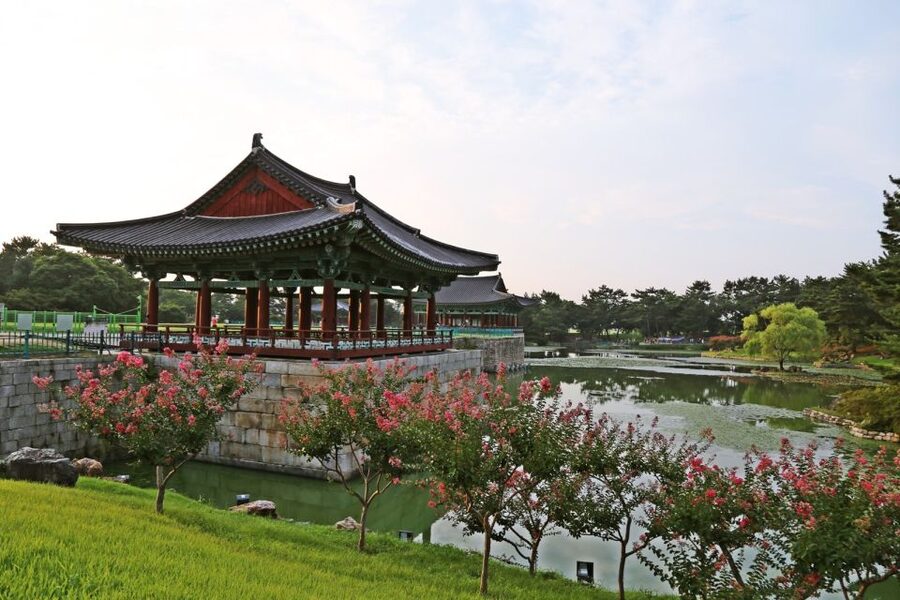
Donggung Palace and Wolji Pond is the final sightseeing stop. The palace site once served the Silla royal court, while the pond formed part of a carefully planned garden.
The water, pavilions, and trees create one of Gyeongju’s most attractive views. If the timing works out, late afternoon or dusk can make the reflections especially appealing. This is a calmer finish after a day of walking and historical explanation.
The schedule calls for about an hour here. That is enough to circle part of the pond and see the main views, but you may wish for longer if you enjoy photography. It is also one of the stops most affected by a late start. One person had to move quickly and missed the final planned item after beginning late, though the flexible guide helped accommodate a different request.
Lunch, transport, and the human touch
Lunch is included, which removes one decision from a packed day. Several people singled out the meal, with bibimbap receiving especially warm praise. One family described learning how to mix and eat it properly, which is exactly the kind of small local detail that makes a meal more useful than simply eating quickly between stops.
The food itself can make the day feel less rushed, depending on the group and timing. Sue and Joe were praised for joining the meal on one occasion, creating a relaxed atmosphere rather than separating themselves completely from the group.
Transport is one of the strongest reasons to choose this experience. You can be picked up anywhere in Busan or Gyeongju and returned to either destination. A private or small-group format gives you more personal attention than a large coach, while the air-conditioned van matters greatly during Gyeongju’s hot summer months.
The transport score is exceptionally high, with 96 percent of people giving it a perfect rating. That matches the practical comments about comfortable driving, help with photos, and handling busy roads during Korean Thanksgiving. The driver may be called Joe or Jion, depending on the guide account, so do not worry if the name sounds slightly different at pickup.
How good are the guides?
Guide quality seems to shape the day more than any single monument. Sue receives repeated praise for being kind, funny, attentive, and clear. Steve is also noted for strong explanations and for adjusting the route when traffic or crowds change. Other guides named in accounts include Jina, Chris, and Jade.
That range matters because Gyeongju can feel like a rapid sequence of ancient sites without interpretation. A good guide connects the Silla Dynasty to the buildings in front of you and answers questions as they arise.
You should also expect some variation in guiding style. Some guides focus heavily on history, while others add food, photographs, and personal stories. One person wanted more historical detail, so if that is your priority, say so at the beginning.
The overall rating is 4.8 from 104 ratings, with strong praise for the guides, lunch, small groups, and ease of transport. The score is excellent, but it does not remove the basic limitation of an eight-hour schedule: you cannot explore every site at leisure.
Is $189 per person good value?
At $189, this is not the cheapest way to see Gyeongju. If you are already staying in the city and enjoy planning bus routes, you may prefer to visit fewer places independently for less money.
The value improves if you are based in Busan. The tour combines long-distance transport, a driver, an English-speaking guide, lunch, water, entrance fees, and hotel pickup and drop-off. Paying for each part separately would also take time and effort, and a mistake in the route could cost you a major site.
The private or small-group option is another factor. You are paying for convenience and access to several scattered places in one day, not simply admission to Bulguksa. Couples, families, and people with only a short stay in Busan or Gyeongju are the best match.
Free cancellation up to 24 hours before departure and reserve-now, pay-later booking add useful flexibility. Check the available start time before committing, since a late beginning can compress the final stops.
Who should book this Gyeongju tour?
I would choose this tour if you want the major UNESCO sites and Silla monuments in one organized day. It suits first-time visitors, couples, families, and anyone using Busan as a base.
It is also a strong choice if you want history explained in plain English. The guides have been praised for humor, care, photographs, and the ability to manage crowds during major Korean holidays.
I would hesitate if your ideal day means sitting quietly at one temple, taking long photographs, or spending hours in museums. The pace is purposeful. You see a great deal, but you surrender some freedom to the clock.
FAQ
How long is the Gyeongju UNESCO tour?
The tour lasts 8 hours.
Where can pickup and drop-off take place?
Pickup and drop-off are available in Busan or Gyeongju.
Is hotel pickup included?
Yes. Hotel pickup and drop-off are included, and pickup is available from anywhere in Busan according to the tour details.
What language does the guide speak?
The live tour guide speaks English.
Is lunch included?
Yes. Lunch and a bottle of water are included. Several accounts specifically praised the traditional meal and bibimbap.
Which major sites are included?
The route includes Bulguksa Temple, Seokguram Grotto, Daereungwon Tomb Complex, Donggung Palace and Wolji Pond, Cheomseongdae, and Gyochon Traditional Village.
Are entrance fees included?
Yes. All entrance fees are included.
Is the tour private or shared?
Private and small-group options are available.
Can I cancel for a full refund?
Yes. You can cancel up to 24 hours in advance for a full refund.
Should you book it?
Book this tour if your priority is covering Gyeongju efficiently with a guide and driver. At $189, it asks more than a simple self-guided visit, but it gives you a full day of transport, admission, lunch, and interpretation.
The best reason to choose it is the combination of far-flung sites and strong guide support. The main caution is pace. Start on time, expect a full day on your feet, and understand that traffic may shorten the last stops. If that sounds fair, this is one of the most practical ways to see Gyeongju from Busan.
Just added around Korea
- Busan history and market food tour with local chef★ 5.0 · 58 reviews
- Gyeongju Historic Areas Day Tour with Sky Capsule from Busan★ 5.0 · 18 reviews
- Seoul: Street Photoshoot and Hidden Gem History Walking Tour★ 5.0 · 25 reviews
- Seoul: Suwon Hwaseong & Waujeongsa & Starfield Heritage Tour★ 4.8 · 27 reviews
- Seoul: UNESCO Heritage Palace, Shrine, and More Tour★ 4.8 · 18 reviews
- From Busan: Echoes of Silla Gyeongju Historical Day Tour★ 4.8 · 55 reviews
- From Seoul: Dae Jang Geum Park Historic K-Drama Set Tour★ 4.9 · 143 reviews
- Seoul: City Highlights and Historical Experience No Shopping★ 5.0 · 74 reviews
UNESCO World Heritage Tours, compared.
World Heritage Shirakawa-go and Experience Tours from Kanazawa
Read our review →
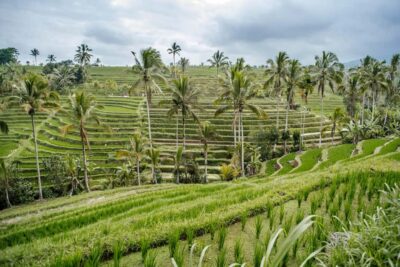
Bali: Tanah Lot UNESCO World Heritage Sites Full-Day Tour
Read our review →World Heritage Kyoto & Nara Uji Authentic Matcha Experience
Read our review →
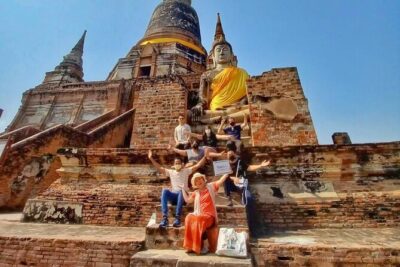
UNESCO’s Ayutthaya Historical Park: Full-Day Tour from Bangkok
Read our review →
Rotterdam: Kinderdijk UNESCO World Heritage Entry Ticket
Read our review →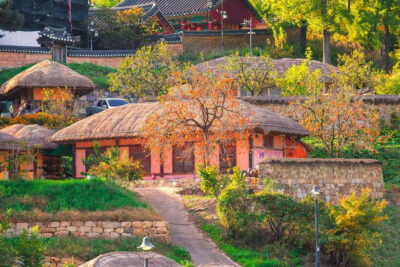
From Busan: Gyeongju UNESCO World Heritage Guided Day Tour
Read our review →Browse the lists this tour appears in