
Review · APULIA
Alberobello: History Walking Tour
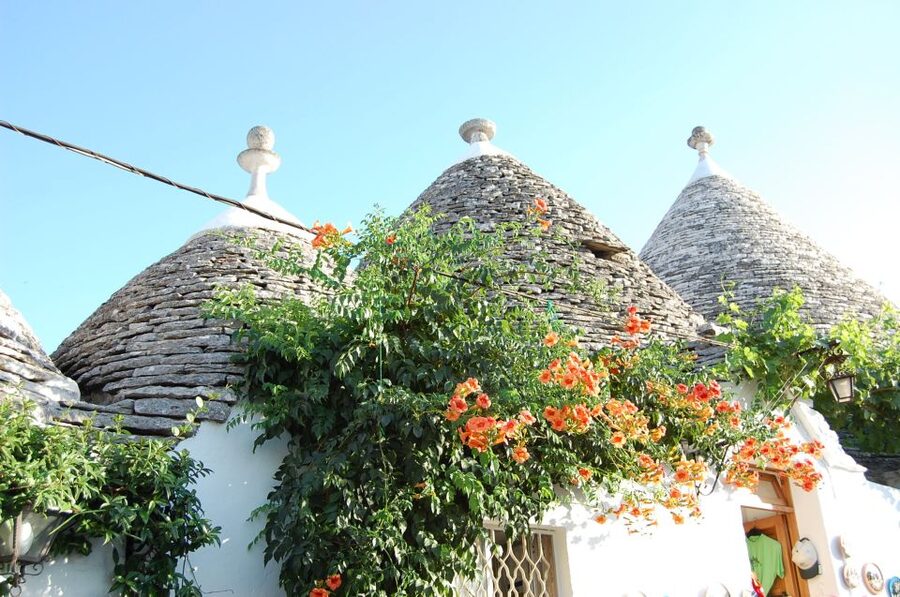
Alberobello looks like a storybook town. This walking tour makes sense of its cone-roofed trulli, leading you through Rione Monti and Aia Piccola before taking you inside a traditional home. I like the opening view from Belvedere Terrace, and I like the chance to see how a trullo is arranged rather than only photographing its whitewashed exterior. The main consideration is simple: much of the tour takes place outdoors on foot, and the meeting point can change with the option you book.
The guide is the real variable, but the feedback here is unusually strong, with a 4.6 rating from 223 reviews. Guides including Francesco, Dominicio, Floriana, Sylvia, Mario, Alessandro, and Roberta are praised for clear explanations, good English, warm manners, and entertaining stories. Some tours also include a taste of local products, though that should not be treated as guaranteed unless your booking says so.
Key points at a glance
- Belvedere Terrace opening view: Begin with a broad look at Alberobello and an introduction to why the town became a UNESCO World Heritage Site.
- Two very different districts: Walk through commercial Rione Monti and the quieter residential quarter of Aia Piccola.
- A real trullo interior: See how the thick stone walls, cone-shaped roof, and compact rooms fit together inside a local home.
- San Antonio Church: Reach a church built in the shape of a trullo, a memorable stop on the route.
- Strong guiding record: Guides such as Francesco, Mario, Roberta, and Alessandro receive especially warm praise for their explanations and personal approach.
- Easy planning: The tour lasts about 1.5 to 2 hours, costs $40 per person, and requires at least two participants.
Why a guided walk helps in Alberobello
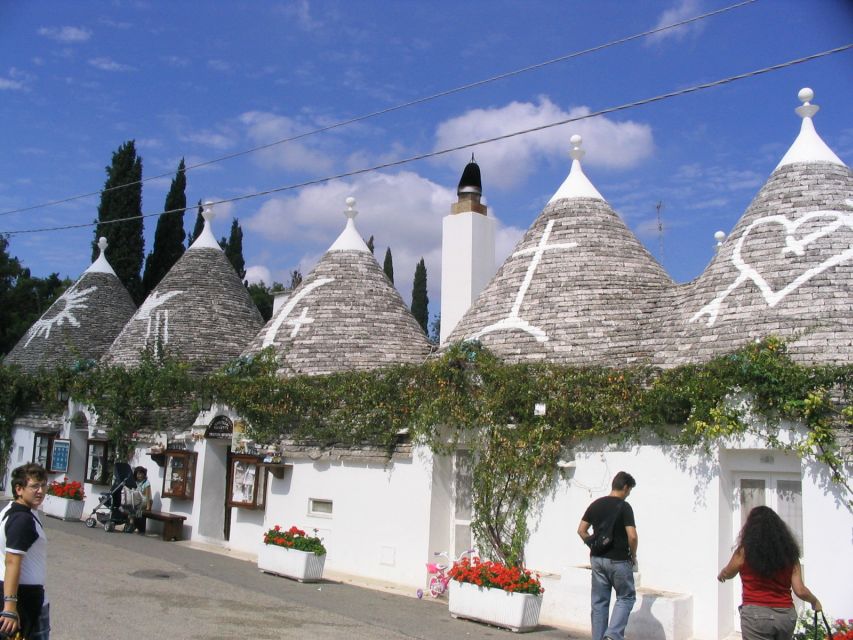
Alberobello is easy to photograph and surprisingly easy to misunderstand. The pointed roofs are charming, but the real interest is in why these buildings look the way they do and how people used them.
A guide gives you that missing layer. You are not simply moving from one photogenic lane to another. You are hearing how trulli were built, how their architecture works, and why Alberobello developed into such a special place.
The walk is also a good choice if you have limited time in Apulia. In less than two hours, you see both main trulli districts, a trullo-shaped church, and the inside of a traditional home. That is a useful amount of context without turning your day into a long formal tour.
The activity is offered in English, French, Spanish, and Italian. A private group is available, which may suit families or small groups that want a more personal pace. The standard experience is still a walking tour, so you should expect to stay with the guide on foot rather than being transported between stops.
More History Walking Tours in Italy
- Venice: City Center Historical Guided Walking Tour
★ 4.2 · 1,873 reviews - Palermo: Street Food and History Walking Tour
★ 4.9 · 1,486 reviews - Verona: History and Hidden Gems Guided Walking Tour
★ 5.0 · 1,379 reviews
Belvedere Terrace gives you the right introduction
The tour starts at a viewpoint from Belvedere Terrace. This is a smart first stop because Alberobello makes more sense when you see the town as a whole before entering its narrow lanes.
From above, the clustered white houses and repeated cone roofs create the town’s distinctive appearance. The guide uses this view to explain the history of the UNESCO-listed site and to prepare you for the details you will notice later.
I like this beginning because it prevents the tour from becoming a string of disconnected stops. You get an outline first, then walk into the places you have just seen from above.
It is also the point where the $40 price starts to feel more reasonable. A self-guided walk can show you the same rooftops, but it may not explain the building methods, the districts, or the role of the individual structures. The value here comes from having the setting interpreted as you go.
Rione Monti: Alberobello’s most recognizable side
Rione Monti is the district most people picture when they think of Alberobello. Its lanes are lined with trulli, many with bright symbols and decorative details on their roofs.
The tour takes you through the little alleys, where the close-set houses make the architecture easier to study. You can look at the cone roofs, white walls, entrances, and unusual shapes from close range rather than from a distant viewpoint.
This is likely the livelier part of the walk, with more activity and more opportunities to stop for photographs. That is useful if you want the classic Alberobello experience, but it also means the area may feel more oriented toward sightseeing and shopping than Aia Piccola.
Your guide helps separate the genuine architecture from the postcard effect. Mario, for example, was praised for explaining the trulli clearly while keeping the tour funny and enjoyable. Dominicio was singled out for storytelling that made the town’s past easier to follow.
The best approach is to let the guide establish the facts, then take your photographs. If you spend the entire time looking through your phone, you will miss the small construction details that make these buildings worth studying.
Aia Piccola shows a quieter side of the town
Aia Piccola gives the tour a useful contrast. Instead of seeing only the most photographed streets, you enter a second district with a different feel and a more residential character.
This matters because Alberobello is not just an open-air display of unusual roofs. It is also a town where trulli form homes, lanes, and neighborhoods. Moving from Rione Monti to Aia Piccola helps you see the architecture as part of daily life.
The route through both districts is one of the strongest parts of the experience. If you visited only Rione Monti, you could leave with a narrow idea of Alberobello. Aia Piccola broadens the picture and gives the guide more room to explain how the town developed.
Several guides are praised for bringing you into contact with local residents or showing you historic homes. Alessandro, in particular, was credited with arranging visits with trulli residents that added a more personal side to the walk. That kind of access depends on the guide and the day, but it is exactly the sort of detail that can make a short tour feel personal rather than routine.
Same place, a different slice of the past:
- Colosseum: Underground and Ancient Rome Tour
★ 4.7 · 12,691 reviews - Rome: Colosseum with Arena, Roman Forum and Palatine Guided Tour
★ 4.0 · 5,598 reviews - Venice: St. Mark’s Basilica Guided Tour & VR History Intro
★ 3.9 · 4,880 reviews - Colosseum with Arena, Roman Forum and Palatine Hill Guided Tour
★ 4.5 · 3,526 reviews
Inside a traditional trullo
The highlight for many people will be stepping inside a local home. From the outside, a trullo can look like a small, simple stone building. Inside, the shape becomes much easier to understand.
You get to see how the building is composed, including the relationship between the thick walls and the cone-shaped roof. The compact interior helps explain why these houses are so distinctive. You are looking at an architectural system, not just a decorative roof.
The tour also addresses the unusual use of local stone without cement. Roberta explained how people in the area built the trulli from rocks without mortar, and she used actual examples and museum exhibits to make the method easier to grasp.
This is where a guide adds the most value. You can admire the outside of a trullo on your own, but an interior visit gives you a practical sense of the construction. You begin to see why the rooms feel shaped by the roof rather than simply placed beneath it.
The home visit is also a welcome change of pace. After walking through narrow lanes, you pause indoors and see how the traditional form works as a living space. Some feedback also mentions local product tasting at the end, but treat that as an occasional addition rather than a fixed part of the published tour.
San Antonio Church has a fitting shape
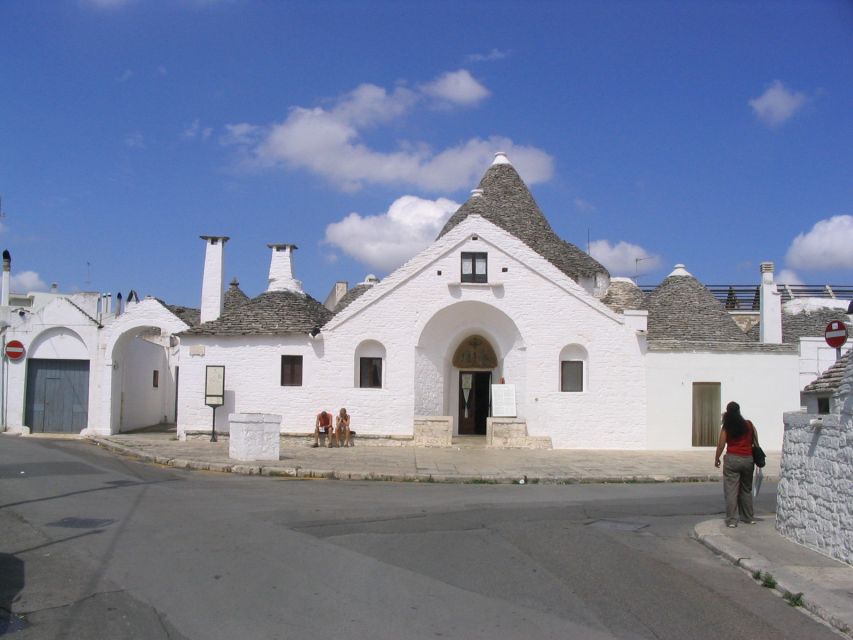
The walk continues to the Church of San Antonio, a church built in the form of a trullo. It is a fitting stop because it shows that the local building style was not limited to private homes.
The church gives you another way to read the architecture. The cone form is no longer simply a house roof. It becomes part of a religious building, making the stop easy to remember and useful for comparison with the homes in the two districts.
The church is reached on foot through the trulli-lined lanes. By this point, the route has given you several versions of the same basic form: houses viewed from above, homes seen at close range, a residential district, and a larger public building.
That progression is well chosen for a short walking tour. It keeps the route focused while giving you different ways to understand the town.
What the guides do best
The strongest praise is reserved for the guides. The most repeated strengths are clear explanations, personal attention, humor, and strong storytelling.
Francesco receives especially warm feedback for his English, detailed explanations, and friendly manner. The tour with him included entry into historic houses and local product tasting, which made the experience feel more connected to the town.
Mario is praised for making the walk both informative and funny. That balance matters in Alberobello. A guide who lists facts without telling a story could make the architecture feel dry, while too much entertainment would leave you without useful context.
Floriana is described as pleasant, well informed, and good-humored. Sylvia is praised for being warm and for combining the old and new parts of Alberobello with local food tasting. Alessandro receives praise for being kind, accommodating, and able to arrange meaningful contact with residents.
Roberta’s explanations of construction methods are particularly useful if you want more than photographs. Her approach shows how the tour can vary depending on the guide, with some focusing more on building methods and others on stories, homes, or food.
The occasional lower scores still describe the tour as on time, as advertised, and able to answer questions. That suggests the main difference is not basic quality, but how much the guide’s personality matches your interests.
Is $40 a fair price?
At $40 per person, this is not the cheapest way to walk around Alberobello. You can see the streets and rooftops without paying for a guide.
The question is what you want from your visit. If you only need photographs, save the money and explore at your own pace. If you want the history explained, the two districts compared, and a chance to enter a traditional trullo, the price is more defensible.
The tour includes a licensed guide and the walking route. Transfers are not included, so you need to reach the meeting point yourself. The meeting point may vary according to the option booked, so check your confirmation carefully.
Children under 18 are free. At least two participants are required for the tour to run. That condition matters if you are booking alone or visiting in a very small group.
The duration of 1.5 to 2 hours is also part of the value. You get a focused introduction rather than an all-day commitment. That leaves time for lunch, shopping, or an independent return to the lanes that caught your eye.
Who will enjoy this tour most?
I would recommend this tour to first-time visitors who want Alberobello explained rather than simply photographed. It suits couples, families, and small groups who appreciate a local guide and a measured walking pace.
It is also a good fit if architecture interests you. The trulli are unusual enough to reward close attention, and the tour provides context about their form and construction.
Families should note the free entry for children under 18, although the experience still involves walking through alleys and visiting historic buildings. The private-group option may be useful if you want the guide to focus on your family’s questions.
You should be more cautious if you dislike guided sightseeing or prefer complete independence. The route is set around the two districts and main points, so you will not have unlimited time at every stop.
The activity is offered in four languages, English, French, Spanish, and Italian. If language is important to you, confirm the option available at your chosen time.
Practical advice before you book
Check the starting time and meeting point before leaving for the tour. Both can vary by booking option, and the activity ends back at the meeting point.
Allow enough time to arrive on foot. Transfers are not included, and the meeting location is not fixed across every option.
Wear comfortable shoes. The experience lasts up to two hours and moves through lanes and districts on foot. You will enjoy the architecture more if you are not distracted by tired feet.
If you want a private experience, select the private-group option when available. If you are happy to share the walk, the regular format should provide the same central route and licensed guiding.
The cancellation policy is forgiving: you can cancel up to 24 hours in advance for a full refund. You can also reserve now and pay later, which helps if your Apulia plans are still shifting.
Should you book the Alberobello history walk?
Book it if you want to understand why Alberobello looks the way it does. The combination of Belvedere Terrace, Rione Monti, Aia Piccola, San Antonio Church, and a traditional trullo interior gives you a well-shaped introduction in a short time.
I especially like that the route includes both the famous streets and the quieter district. The interior visit is another strong reason to go, since it turns the trulli from attractive exteriors into understandable homes.
Skip it if you only want a quick photo stop or prefer to wander without a schedule. For everyone else, $40 buys useful context, a licensed guide, and access to details you might miss on your own. Try to book a guide whose language and style suit you, and give yourself extra time afterward to explore the lanes independently.
FAQ
Where does the Alberobello history walking tour take place?
The tour takes place in Alberobello in Apulia, Italy. It includes the Rione Monti and Aia Piccola districts.
How long does the tour last?
The walking tour lasts about 1.5 to 2 hours. Starting times depend on availability.
How much does the tour cost?
The listed price is $40 per person.
What is included?
The experience includes a walking tour and a licensed guide.
Are transfers included?
No. Transfers are not included, and you must reach the meeting point yourself.
Which languages are available?
Live guiding is available in English, French, Spanish, and Italian.
Can I book a private group?
Yes. A private-group option is available.
Is the tour free for children?
Yes. Children under 18 can join for free.
Can I cancel for a full refund?
Yes. You can cancel up to 24 hours in advance for a full refund.
Just added around Italy
- Montepulciano: Historical Cellars Guided Tour & Wine Tasting★ 4.4 · 83 reviews
- Genoa: Historic Guided Tour of Christopher Columbus’ House★ 4.4 · 186 reviews
- Forte di Bard: history tour★ 4.5 · 31 reviews
- Florence Wine &Food: Taste Tuscan Flavors in Historic Cellar★ 4.6 · 31 reviews
- Florence: Medici Family History Tour★ 4.3 · 93 reviews
- Florence: Fashion History Guided Walking Tour & Museum Visit★ 4.2 · 72 reviews
- Florence Medici Bike Tour – Cycle Through History and Power★ 4.2 · 23 reviews
- Essential Florence Walking Tour to discover its history★ 5.0 · 21 reviews
History Walking Tours, compared.
History and Hauntings of Salem Guided Walking Tour
Read our review →
Freedom Trail History Small Group Walking Tour
Read our review →
Historic Charleston Guided Sightseeing Walking Tour
Read our review →
Tapas Walking Tour with Food, Wine, and History
Read our review →
Savannah History and Haunts Candlelit Ghost Walking Tour
Read our review →
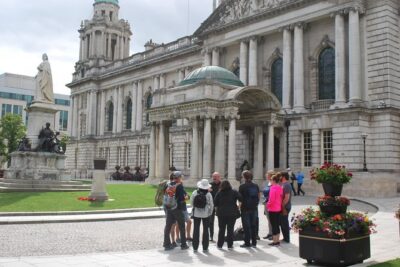
A History of Terror – Belfast City Centre Walking Tour
Read our review →Browse the lists this tour appears in