
Review · RUFISQUE
Goree Island: discover Senegalese history and culture
Gorée Island makes history personal. This four-hour private tour brings you from Dakar by road and ferry, then leads you through the House of Slaves, Saint-Charles Church, Le Castel, the mosque, and the Statue of Liberation from Slavery. I like the way the tour connects painful history with daily Senegalese life, instead of treating the island as only a memorial site.
I also like the early start recommended by guide Ousmane Gaye. The first ferry, reported by several visitors as departing at 7:30 a.m., can help you beat the heat and the crowds. The main drawback is emotional: the House of Slaves is a difficult place to visit, and the short schedule can feel tight if you want long pauses at every stop.
Key points before you book
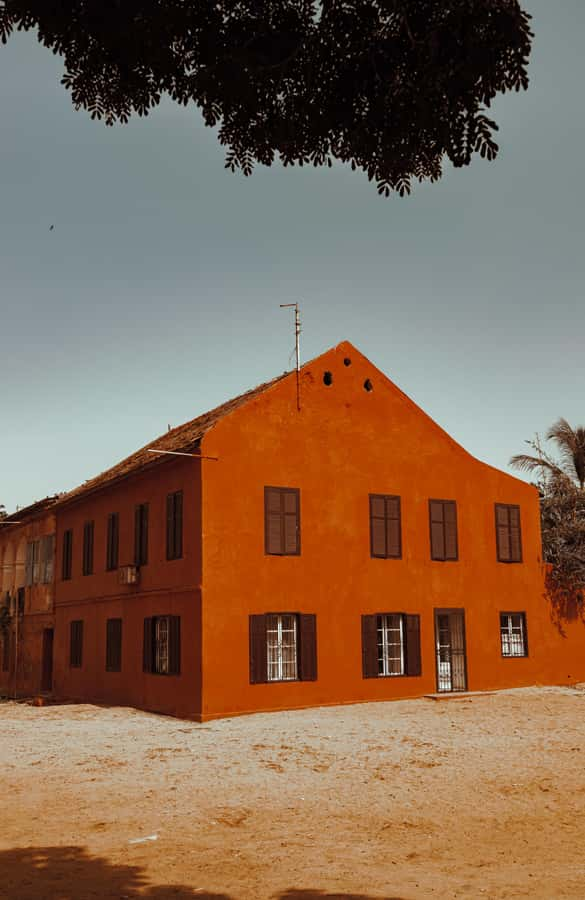
- The House of Slaves is the heart of the tour: Expect a serious, moving visit to the cells and the Door of No Return.
- An early ferry makes a real difference: You can see the island at a calmer pace before larger crowds arrive.
- Ousmane Gaye receives the strongest praise: He is often described as warm, prepared, flexible, and deeply informed about Senegalese history.
- The tour covers more than slavery history: Churches, the mosque, military remains, art spaces, viewpoints, and local life all form part of the visit.
- Lunch is included: The meal may feature fresh fish, local dishes, and baobab juice, with chicken often available as another choice.
- The $140 price buys convenience: Hotel pickup, transport, ferry arrangements, a private guide, House of Slaves admission, and food tasting are included.
Why Gorée Island matters
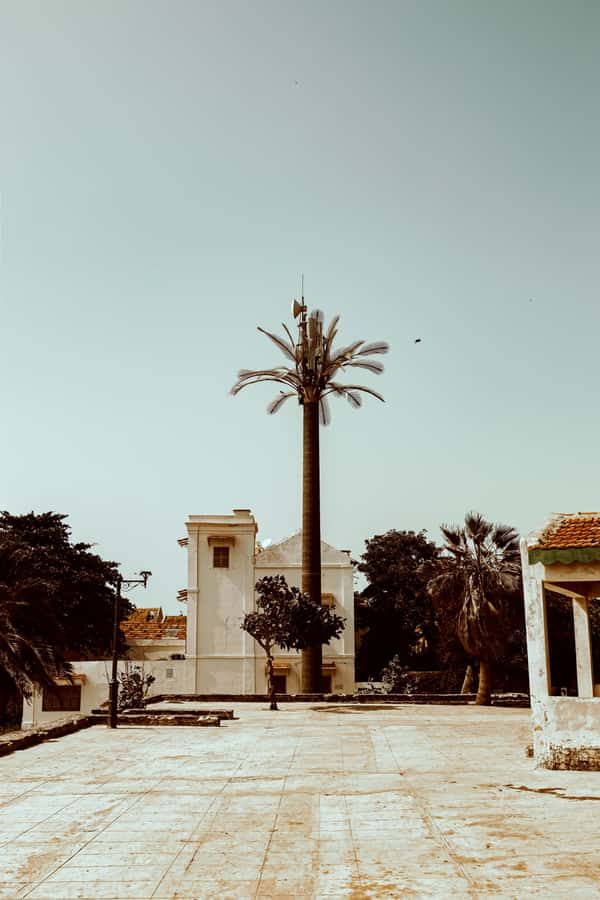
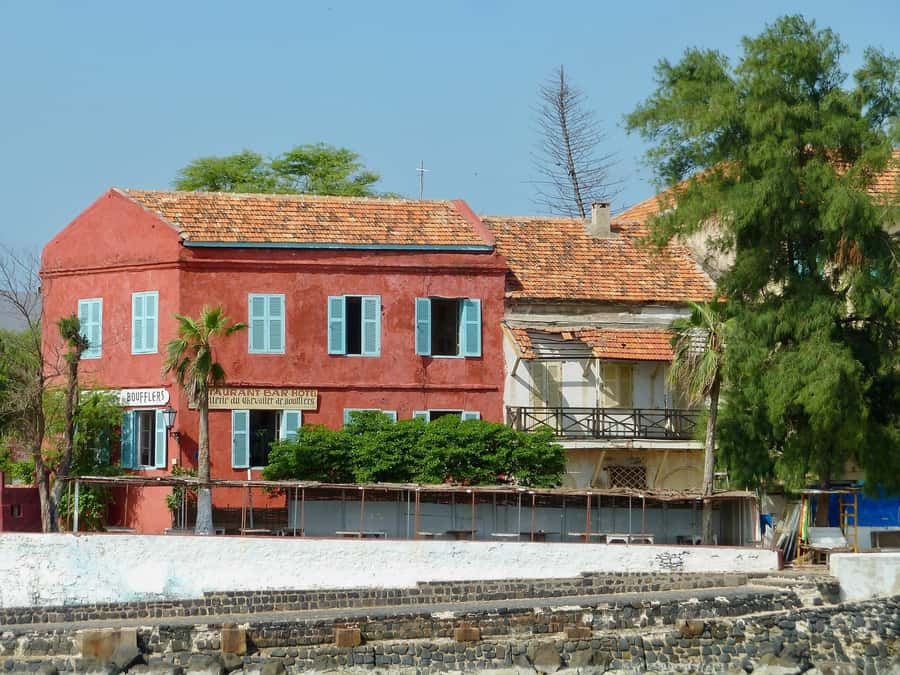
Gorée Island is a small island off the coast of Senegal, reached by ferry from Dakar. Its narrow streets, colonial buildings, religious sites, and old military structures can feel peaceful today. That calm can be unsettling when you learn how the island was connected to the Atlantic slave trade.
The tour gives you a useful frame before you reach the main museum. Your guide explains the island’s place in Senegalese history, its colonial influences, and its links with West Africa, Europe, and the Americas. That preparation matters because the House of Slaves is compact. Without context, you could walk through its rooms quickly and miss the wider story.
I appreciate that this experience does not stop at the most famous building. Gorée also shows how different communities lived side by side, how Catholic and Muslim places of worship became part of island life, and how modern Senegal remembers slavery and freedom.
More Local Culture and Traditions Tours in the world:
- Amsterdam Food and Cultural Tour with Tastings
★ 5.0 · 4,315 reviews - Sevilla Food Tour: Tapas, Wine, History & Traditions
★ 5.0 · 3,468 reviews - Tromsø: Reindeer Camp and Sami Cultural Tour with Lunch
★ 4.7 · 3,326 reviews
From Dakar to the ferry terminal
Your day begins with pickup in Dakar. The road transfer is listed at about 15 minutes, though the exact time will depend on where you are staying and the traffic. The driver and vehicle have received good marks for punctuality, and water has been provided on some outings.
The ferry ride takes about 25 minutes. Your guide handles the practical side of getting to the island, including directing you through the port and onto the boat. That is useful if you do not speak French or have never used the Dakar ferry system.
The ferry itself is a simple part of the experience, not a sightseeing cruise. You are crossing open water to an island with an unusually heavy past. Several people found the crossing clean and efficient, while one visitor experienced a delay. The sensible approach is to allow some flexibility rather than expecting every departure to run like a Swiss train.
Bring your passport or another identity card. It is specifically required for the activity.
A calm first walk around the island
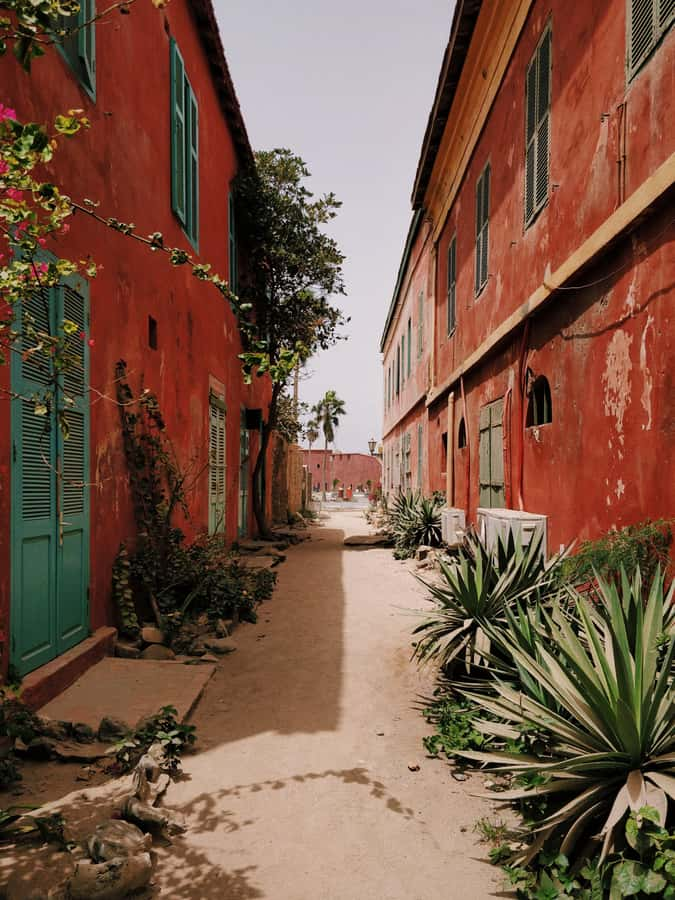
After arriving, the tour includes a short safety briefing. Then you begin on foot, with a stop at the Canarien Botanical Garden for photographs and a brief visit.
The walk is one of the pleasures of Gorée. The island’s streets and buildings give you a sense of place before the most difficult part of the tour begins. The schedule also includes the Mémorial Gorée-Almadies, a brief stop with a guided explanation and time for photographs.
Do not expect a long botanical tour or an extended museum visit at every stop. The schedule assigns only a few minutes to some locations. Instead, think of these early stops as visual and historical signposts. Your guide gives you the background, points out details you might miss, and keeps the day moving.
Private touring helps here. Guides such as Ousmane, Omar, Diatta, and Chérif have been praised for adjusting the pace and answering questions. Chérif grew up on Gorée, which adds a personal connection to the island. Ousmane has also shared small pieces of Wolof and talked about life in Dakar, making the journey feel more like an exchange than a memorized lecture.
Entering the House of Slaves
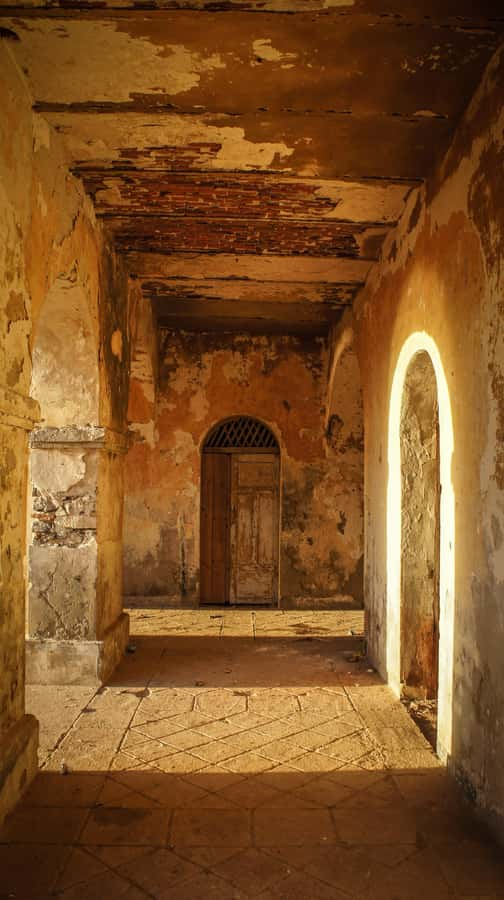
The House of Slaves is the emotional center of the visit. You see the holding cells used for men, women, and children, along with the famous Door of No Return. The rooms are stark, and the experience asks you to slow down and listen.
A guide is especially valuable here. The building is not large, and the meaning of each room depends on explanation. Ousmane has been praised for describing the conditions faced by captives held before shipment to the Americas and for answering questions with care. Other guides have been described as patient and respectful when the subject became difficult.
You should not treat this as a quick photo stop. The itinerary allows about 30 minutes, including the guided visit, but you may want more time for reflection. The tour’s small private format gives you a better chance to ask questions without being lost in a large group.
There is also a practical point about opening times. The House of Slaves has been closed on Mondays, so confirm the operating day before you book. One visitor who arrived early noted that private groups could receive priority, while the general public waited longer. An early ferry is still a good idea, but access can depend on the day and the flow at the museum.
The building presents a painful part of the past. It is best approached with respect rather than with the expectation of a cheerful attraction. You may find the contrast between the bright island outside and the confined rooms inside especially striking.
A few more history tours around the world worth a look
- History and Hauntings of Salem Guided Walking Tour
★ 5.0 · 14,564 reviews - Colosseum: Underground and Ancient Rome Tour
★ 4.7 · 12,691 reviews - Lisbon: History, Stories and Lifestyle Walking Tour
★ 4.8 · 10,902 reviews - London Small Group Tour of Historical Pubs
★ 5.0 · 10,422 reviews
Saint-Charles Church and the island’s religious life
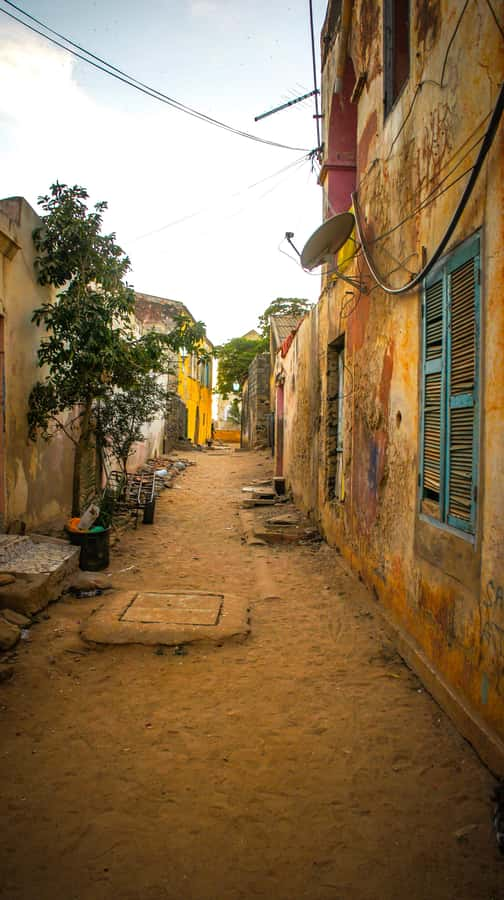
The next stop is Saint-Charles Church, built in 1830. The church provides a different view of Gorée and helps explain the island’s mix of communities and traditions.
The visit lasts about 15 minutes. You can look at the architecture, hear about the church’s place in local religious life, and compare its atmosphere with the House of Slaves. The change of setting is useful. Gorée’s story is not only about commerce and captivity. It is also about families, worship, colonial rule, and the ways people built lives in a place shaped by outside powers.
The tour then continues to the mosque, built in 1860. The guide explains its role in the community and points out its architecture. The itinerary allows roughly 10 minutes, so this is an introduction rather than an extended religious visit.
The church and mosque are important because they make the island more human and less one-dimensional. You see a place where different faiths and cultures occupied the same small island. Ask your guide questions here, since the short official stop can otherwise pass quickly.
Le Castel, old defenses, and Atlantic views
Le Castel is a former military fort with large stone structures and broad views toward the Atlantic Ocean. After the enclosed rooms at the House of Slaves, this open high point gives you room to breathe.
The guided visit is scheduled for about 15 minutes. Bring your camera, but do not let photographs replace the explanation. The fort helps show why Gorée mattered to colonial powers. Its position made it useful for defense and control, while its height provides some of the island’s best views.
Several guides have taken private groups to scenic points beyond the most obvious stops. Ousmane is often praised for showing places that people could miss on their own. If you enjoy photography, tell your guide early. The short schedule can then be adjusted when time allows.
The word fort may suggest a vast complex, but Le Castel is a focused stop within a walking tour. You will see imposing remains and viewpoints, not spend hours exploring military rooms. Comfortable walking shoes are sensible, especially if you want to make the most of the island’s raised areas and stone streets.
Lunch, local flavors, and a little breathing room
Lunch is included, along with a food tasting. A commonly described meal features fresh fish at an open-air restaurant near the ferry dock. Baobab juice and local dishes may also be part of the meal, and chicken is available as another option.
One important detail: the itinerary gives lunch an hour, followed by 15 minutes of free time. Some people chose a snack instead because they wanted to finish around noon. If lunch matters to you, let the guide know at the start so the timing works for your ferry and return plans.
The meal adds value beyond the food itself. It gives you a chance to sit down after the walking tour and continue the conversation with your guide. One guide, Ousmane, has discussed his work supporting a girls’ basketball organization in Dakar. Those conversations can connect the island’s past with present-day Senegal without turning the lunch into another formal lecture.
You may also have time to browse local art and craft shops. Several outings included interest in sand pictures and a children’s art space called Maison de Khadija. These details show the island as a living community, not a preserved display case.
Be prepared for sales approaches in the market area. One person found the sellers overly persistent. You can be polite and firm, and ask your guide for help with prices if you want to buy something.
The Statue of Liberation from Slavery
The final formal stop is the Statue of Liberation from Slavery, erected in 2007. It offers a modern counterpoint to the House of Slaves.
The statue is not simply another monument to photograph. It shifts the focus from captivity to freedom, remembrance, and the continuing effort to understand slavery’s effects. The guided stop lasts about 10 minutes, enough for an explanation and photographs.
Ending here works well. The day begins with the island’s painful past and closes with a symbol of liberation. You leave with more than a list of old buildings. You have seen how Senegal remembers suffering while also emphasizing dignity, survival, and cultural pride.
The guide makes the difference
The strongest part of this tour is the human guide. Ousmane Gaye receives repeated praise for his English, prompt communication, flexibility, and command of the island’s story. He has suggested earlier departure times, adjusted bookings, met people at hotels and ports, and helped guests make the most of short schedules.
He is not the only guide used by Senegal Premium Tour. Diatta, Omar, Suleymane, and Chérif have also led positive outings. Chérif’s experience growing up on Gorée is a special feature, while other guides have been praised for language skills and personal warmth.
A guide matters here for three reasons:
- Context: The island’s buildings make more sense when someone explains their purpose.
- Timing: Your guide can help with ferry arrangements, museum access, and crowd avoidance.
- Conversation: You can ask about Senegal, Dakar, Wolof, religion, modern life, and the island’s links to the wider world.
The tour is offered in English and French and is arranged as a private group. That suits you if you want to ask sensitive questions or pause when the subject becomes heavy.
Is $140 a fair price?
At $140 per person, this is not the cheapest way to see Gorée Island. You are paying for more than the ferry crossing. The price includes hotel pickup and drop-off, transport to the port, ferry coordination, a private guide, entry to the House of Slaves, and food tasting or lunch arrangements.
I see the value most clearly if you are visiting Dakar for a short time, dislike handling port logistics, or want detailed interpretation. Going independently may cost less, but you would need to organize the road transfer, ferry, museum entry, walking route, and meal yourself. You could also miss details that are easy to overlook.
The value is less clear if you want a long, unhurried day on the island. This is a compact four-hour outing, and the schedule moves through many sites. You can ask about extending the visit or adding Dakar sights, since guides have adjusted routes for some private groups, but do not assume extra stops are included.
Who should book this experience?
I would choose this tour if you want the main historical sites explained in one morning and prefer personal attention. It suits first-time visitors to Senegal, families who want help with the logistics, solo visitors who prefer company, and anyone with a serious interest in the Atlantic slave trade.
It is also a good fit for visitors who want more than the House of Slaves. The churches, mosque, fort, memorial, art spaces, views, and lunch give you a fuller picture of Gorée.
I would be more cautious if you dislike structured schedules, long ferry queues, or emotionally difficult museums. The island is beautiful, but the subject is not light entertainment. Wear comfortable shoes, bring identification, and take your guide’s advice about the first ferry.
Should you book the Gorée Island tour?
Yes, I would book it, especially with an early departure and a private guide. The combination of hotel pickup, ferry help, a carefully chosen walking route, local food, and strong historical interpretation makes the $140 cost reasonable for many visitors.
Book on a day when the House of Slaves is open, and ask for Ousmane Gaye if he is available. His calm manner, flexibility, and ability to connect Senegalese history with present-day life have made this tour especially effective. If you want a quiet beach outing, choose something else. If you want to understand why Gorée matters, this is one of the most useful half-day experiences near Dakar.
FAQ
How much does the Gorée Island tour cost?
The listed price is $140 per person.
How long does the tour last?
The activity lasts about four hours, including the road transfer, ferry ride, island visits, lunch, and return to Dakar.
What languages are available?
The live guide service is available in English and French.
What is included in the price?
Hotel pickup and drop-off, entry to the House of Slaves, and food tasting are included. The tour also includes transport to the ferry and a private guide.
What should I bring?
Bring your passport or an identity card. Comfortable walking shoes are also sensible for the island’s walking route.
Can I cancel or pay later?
You can cancel up to 24 hours before the activity for a full refund. You can also reserve now and pay later.
Just added around the world
- The Curacao’s Colorful History Walking Tour★ 5.0 · 55 reviews
- Olous – Guided Snorkelling Excursion to Discover Olous Sunken Ancient City★ 4.5 · 31 reviews
- Visita Guiada Por El Casco Histórico De Cuenca Y Su Catedral★ 5.0 · 45 reviews
- Experience Cozumel Historical Center Mayan and Beach Experience★ 5.0 · 20 reviews
- Private Half Day Cultural Tour to Mayan Ruins and Cenote★ 4.5 · 31 reviews
- From Kolymbari: Ancient Diktyna & Hidden Beach Quad Safari★ 5.0 · 22 reviews
- Otoch Mayan Experience Tour: Cultural & Historical Adventure★ 3.5 · 18 reviews
- Historic Cork Delicious Donut Adventure by Underground Donut Tour★ 5.0 · 232 reviews
Local Culture & Traditions Tours, compared.

Amsterdam Food and Cultural Tour with Tastings
Read our review →
Sevilla Food Tour: Tapas, Wine, History & Traditions
Read our review →
Tromsø: Reindeer Camp and Sami Cultural Tour with Lunch
Read our review →
Half Day Dominican Republic Cultural Tour : Small Group
Read our review →
Ultimate Melbourne Walking Tour: History, Laneways & Culture
Read our review →
Tromsø: Sámi Reindeer Sledding and Sami Cultural Tour
Read our review →
Kyoto Gion: 2-Hour Geisha Culture & History Walking Tour
Read our review →
Marrakech Historical and Cultural Tour – Half Day City Tour
Read our review →Browse the lists this tour appears in