
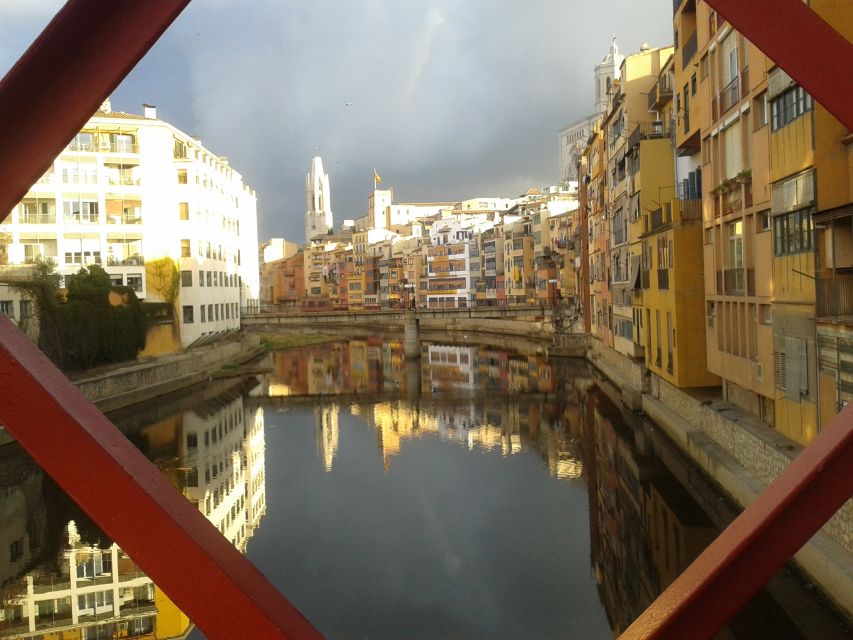
Review · CATALONIA
Girona: Jewish Heritage Guided City Tour and Museum Visit
Girona’s old stones hold a vanished neighborhood. This 2.5-hour walk brings the Call, Girona’s medieval Jewish Quarter, into focus through its narrow lanes, former synagogue sites, homes, customs, and eventual expulsion in 1492. I like the way the tour combines street-level history with a visit to the Museum of Jewish History, rather than treating the quarter as a pretty collection of cobbles.
I also like the limited group size of 10, which gives you a fair chance to ask questions. Guides such as Mike, Carolina, Ona, and Monica have been praised for making the subject lively and clear, with Mike especially good at engaging children and mixed-age groups. The main drawback is physical: the old quarter is a maze of uneven, narrow streets, and the tour is not suitable for wheelchair users. One guest also found a guide’s fast speaking pace difficult at first.
Key points about Girona’s Jewish Heritage Tour

- The Call is the focus: Walk through one of Europe’s best-preserved medieval Jewish quarters, right in Girona’s old city.
- The museum adds evidence: The guided visit explains daily life, traditions, household design, tools, and the former synagogue site.
- Nahmanides gives the tour a human center: Girona was home to the medieval rabbi, physician, philosopher, and Kabbalistic thinker.
- A small group changes the experience: With no more than 10 participants, questions and conversation are part of the visit.
- You get more than Jewish-quarter scenery: The tour first places the Call within Girona’s Roman and medieval past.
- Budget about $53 per person: That covers the walking tour, guide, and museum admission, but not food, drinks, or transportation.
Entering Girona’s Barri Vell beside Plaça Sant Feliu
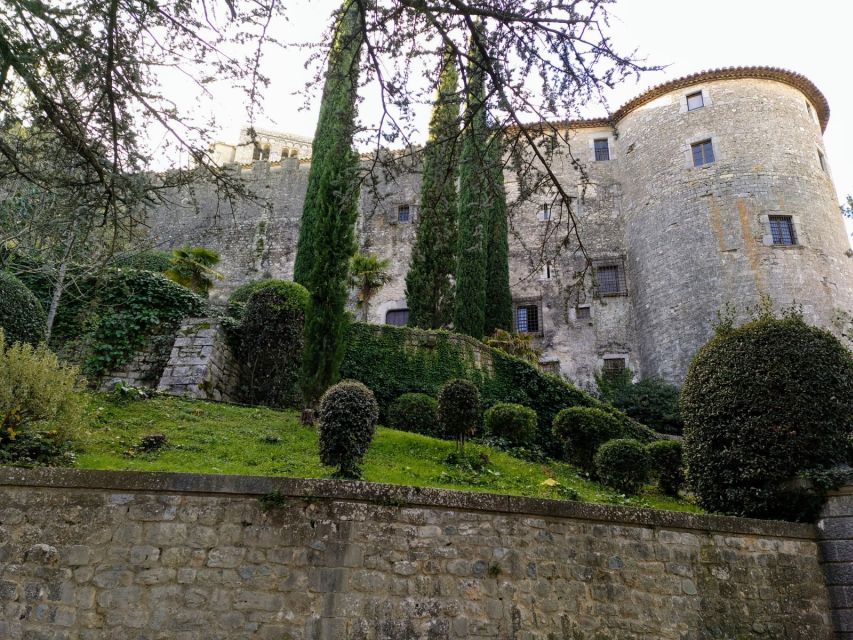
The meeting point is Plaça Sant Feliu, beside The River Caffe. This is a sensible place to begin because you are already at the edge of Girona’s old city, where Roman and medieval remains shape the streets around you.
The first part is a guided walk through the Barri Vell, or old quarter. It lasts about an hour and provides the wider setting for the Jewish story. That matters because the Call was not an isolated museum display. It was part of a working city, tied to Christian neighborhoods, religious institutions, trade, homes, and changing political power.
Your guide uses the streets to explain how Girona developed and how the Jewish community fitted into that city. The information supplied for the tour describes a Jewish population of about 1,000 people during the Middle Ages, making Girona one of Spain’s important Jewish centers.
I would pay attention to the transitions between streets here. The value of the opening hour is not simply the number of facts. It helps you see Girona as a layered place, where Roman foundations, medieval buildings, and later changes sit close together.
More Jewish Heritage Tours in Spain:
- Private Jewish Heritage Journey by Barcelona Dreaming
★ 4.8 · 383 reviews - Caceres: Highlights, History and Jewish Quarter Walking Tour
★ 4.7 · 20 reviews - Budapest Jewish Heritage Memorial Walking Tour & Synagogue Entry
★ 5.0 · 568 reviews
Walking through El Call’s narrow medieval lanes
The main walk takes you into El Call, Girona’s name for the Jewish Quarter. This is the part that gives the tour its sense of place. The streets are narrow and labyrinthine, with cobbled surfaces and old buildings that make the district easy to picture as a compact medieval neighborhood.
You will visit the locations of Girona’s three former synagogues. The tour does not present them as grand surviving monuments. Instead, your guide explains where they were and what their presence tells you about the size and organization of the community.
That distinction is important. Much of Jewish Girona survives through street patterns, archaeological remains, building traces, and museum interpretation rather than through intact synagogues. A guide helps connect those fragments.
The walking portion also covers customs and traditions. You hear about the tools used by the Jewish residents, the design of their houses, and the way daily life worked within the quarter. These details can make the subject more approachable, especially if you know little about medieval Jewish communities in Spain.
I would not expect a flat, easy stroll. The lanes are old, tight, and uneven. Comfortable shoes are essential, and you should allow enough time to stay with the group rather than rushing ahead for photographs. Since wheelchair access is not suitable for this activity, anyone with mobility concerns should consider a different way to see Girona’s Jewish heritage.
Girona and the world of Nahmanides
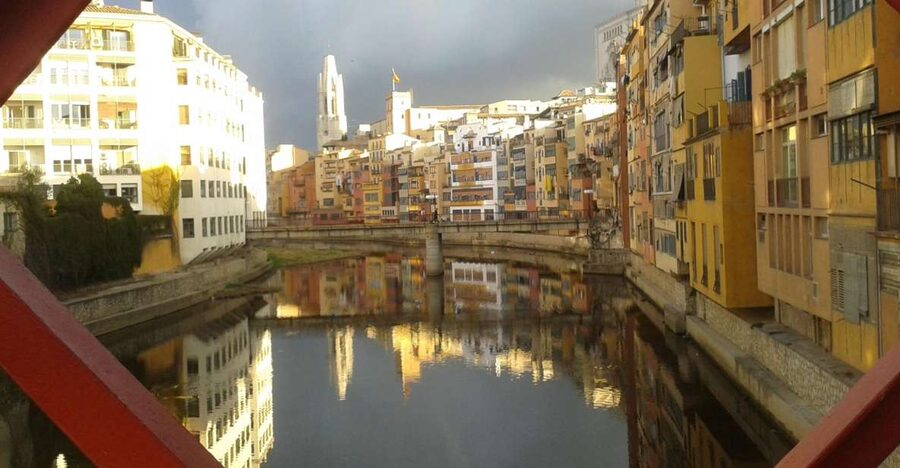
The Jewish Quarter was the hometown of Nahmanides, one of Girona’s most important Jewish figures. Also known as Moses ben Nahman, he was a medieval Kabbalistic philosopher, physician, and Sephardic rabbi.
The tour uses his connection to show that Girona was not merely a provincial outpost. It was a place where Jewish religious thought, medicine, scholarship, and community life developed side by side.
You do not need advanced knowledge of Jewish history to appreciate this part. Several guides have been praised for explaining difficult material in an accessible way. Mike, in particular, was described as lively, humorous, and strong at answering questions from people with different levels of familiarity. One guest noted that his English included some Hebrew and Arabic, adding useful texture to the conversation.
At the same time, this is not a silent, purely visual tour. You will get more from it if you come ready to listen and ask questions. One participant with above-basic knowledge particularly valued the chance to discuss sources and ideas rather than receive a fixed speech.
The Museum of Jewish History, where the pieces come together
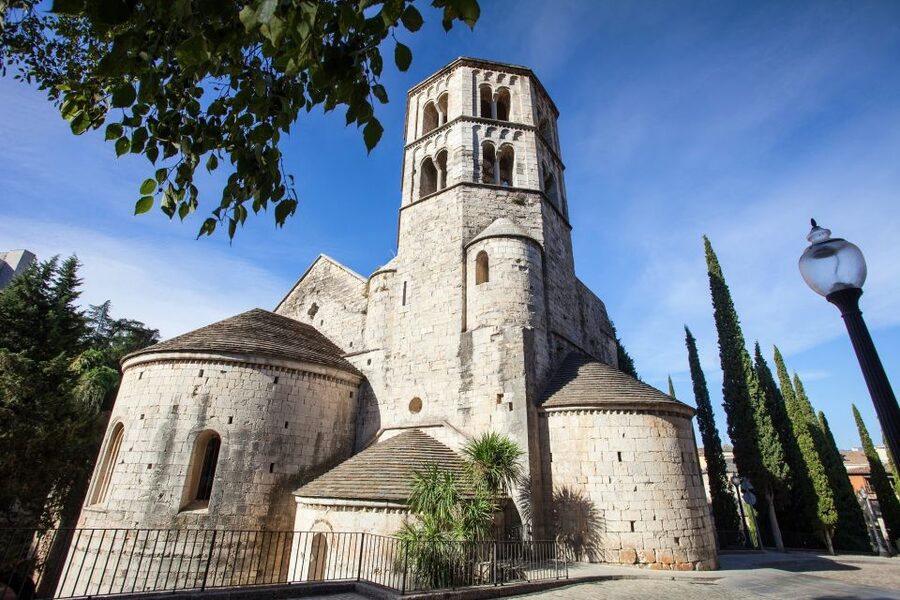
The museum visit lasts about 45 minutes and is included in the price. It is the most structured part of the experience, giving you a place to sort out what you have seen in the streets.
The museum focuses on the life and history of Girona’s Jewish community. You learn about domestic life, religious customs, tools, traditions, and the community’s place in medieval Spain. The museum is also associated with the site of Girona’s last synagogue before the expulsion of 1492, which gives the visit added weight.
This stop matters because the street walk can leave you with impressions but few physical objects. Inside the museum, those impressions are tied to material evidence and explanation. A guide can point out why particular objects matter and answer questions that might be difficult to resolve on your own.
Some guides remain engaged during the museum portion rather than treating it as free time. Monica was praised for staying in the museum and continuing to answer questions, while Ona received strong marks for adapting the tour to the interests of a small private group.
The timing may vary slightly in practice. The listed route gives about an hour in the Barri Vell, an hour in the Call, and 45 minutes at the museum, while the advertised total is 2.5 hours. That is close enough for planning, but I would avoid scheduling a train or another fixed appointment immediately afterward.
More Museum and Gallery History Tours in Spain:
- Madrid in a Day Tour:Royal Palace, Historic Center & Prado Museum
★ 5.0 · 628 reviews - Barcelona Erotic Museum – Explore Art, History & Fun
★ 4.4 · 450 reviews - Paris: Louvre Museum Entry with History of Mona Lisa
★ 3.9 · 2,823 reviews - Venice’s Best: Basilica, Doge’s Palace, Gondola & History Gallery
★ 4.5 · 2,478 reviews
Understanding the expulsion of 1492
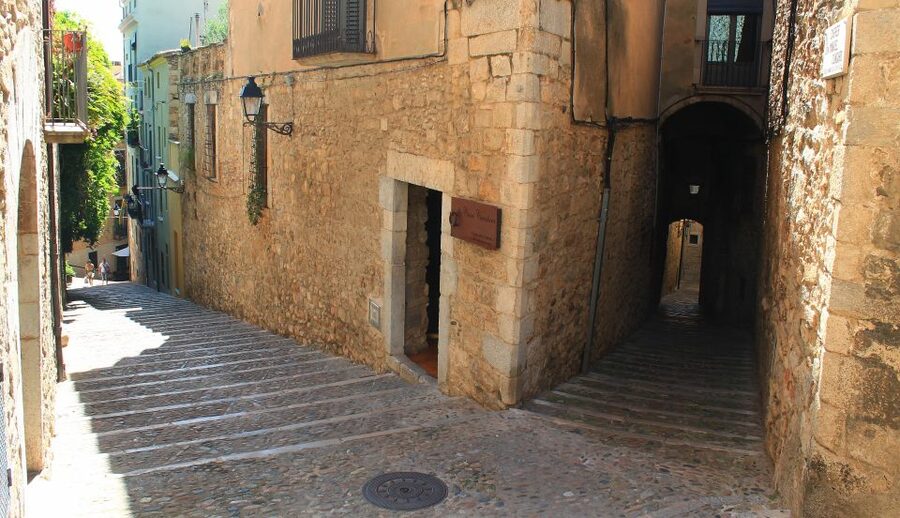
The final historical thread is the expulsion of the Jews from Spain in 1492. Your guide explains how that decree ended roughly 600 years of Jewish life and coexistence in Girona.
The tour is strongest when it links this major event to the actual streets you have just walked. Instead of hearing about 1492 as a distant date, you are looking at the places where a community lived, worshipped, worked, and raised families before being forced to leave.
The wording of coexistence deserves care. The tour presents the Jewish community as part of Girona’s long urban story, but the expulsion also reminds you that coexistence was shaped by pressure, restrictions, and changing authority. A good guide helps keep both sides in view: the community’s achievements and the forces that brought its presence to an end.
This is one reason I would choose a guided visit instead of simply wandering through the quarter. Without context, the Call can look like an attractive old neighborhood. With context, the empty spaces and former synagogue sites carry a much clearer meaning.
How the small-group format affects the visit

The group is limited to 10 people. That is a useful size for Girona’s narrow streets, where a large crowd would be awkward and conversation would be harder.
A small group also gives the guide room to adjust the presentation. Ona tailored one private visit to specific interests, while other guides were praised for responding to questions and encouraging discussion. If you have children or teenagers, the experience may work well because Mike was specifically praised for connecting with kids and teens.
The guide quality is central here. The supplied feedback names Mike, Carolina, Ona, Monica, Pete, Julia, Marc, Miguel, and others, with repeated praise for clear explanations, humor, patience, and local knowledge. Carolina was especially appreciated for storytelling and for linking Girona’s general past with its Jewish story.
There are a few practical limits. One person found the pace of speech too quick, although they adjusted after about 15 minutes. Another suggested a microphone would help. In a tight old quarter, sound can be swallowed by stone walls and street noise, so stand close to the guide and speak up if you miss a point.
Is $53 a fair price?
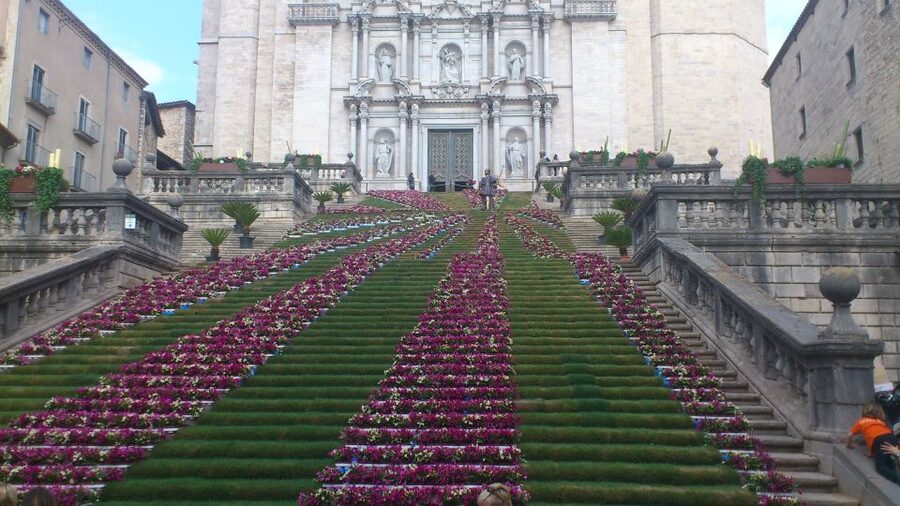
At $53 per person, this is not the cheapest way to walk around Girona. You can see the streets of the old city without paying for a guide. The price becomes easier to justify because it includes a live expert, a planned route, admission to the Museum of Jewish History, and a group capped at 10.
The real value lies in interpretation. You are paying to understand where the synagogues were, how homes were arranged, what the community used in daily life, and how the expulsion changed Girona. If you already know the city well and prefer independent reading, you may find the cost less appealing.
For most first-time visitors interested in Jewish heritage, I think the price is reasonable. The tour also saves you from trying to fit the old quarter and museum into a coherent order on your own. Food, drinks, hotel pickup, and hotel drop-off are not included, so plan those separately.
Who should book this Girona Jewish history tour?
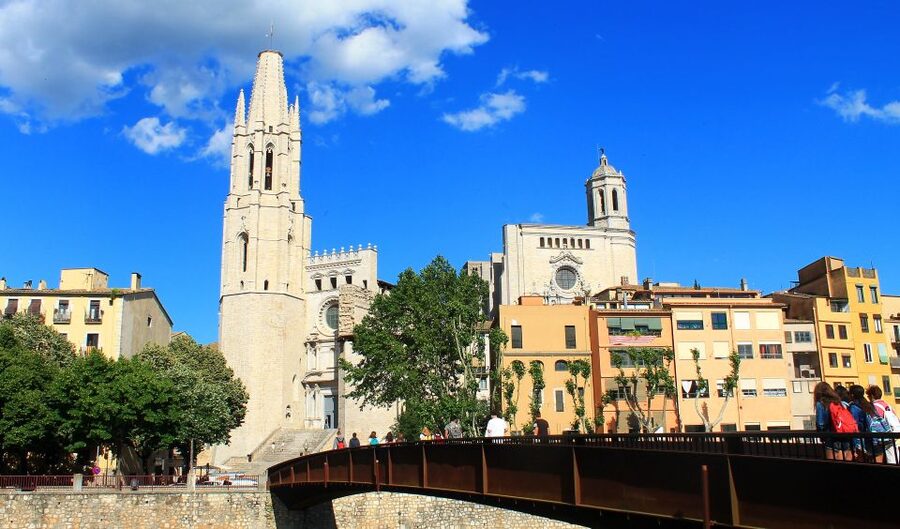
I would recommend it to anyone interested in Sephardic Jewish history, medieval Spain, Girona’s old city, or the life of Nahmanides. It works especially well for couples, families with older children, and visitors who prefer questions and conversation instead of an audio guide.
It is also a good choice if you have only one day in Girona and want historical context quickly. The 2.5-hour length gives you a focused introduction without taking over the entire day.
You may want to skip it if you dislike walking on cobbles, have limited mobility, or prefer to explore at your own pace. The subject is serious, and the tour includes the expulsion of 1492, so it is not simply a light sightseeing stroll.
Meeting at Plaça Sant Feliu and ending near Plaça de la Independència makes it easy to continue exploring the old city afterward. Wear comfortable shoes, arrive ready to walk, and stay near the guide so you can hear the explanations in the narrow lanes.
Should you book the Jewish Heritage Guided City Tour?
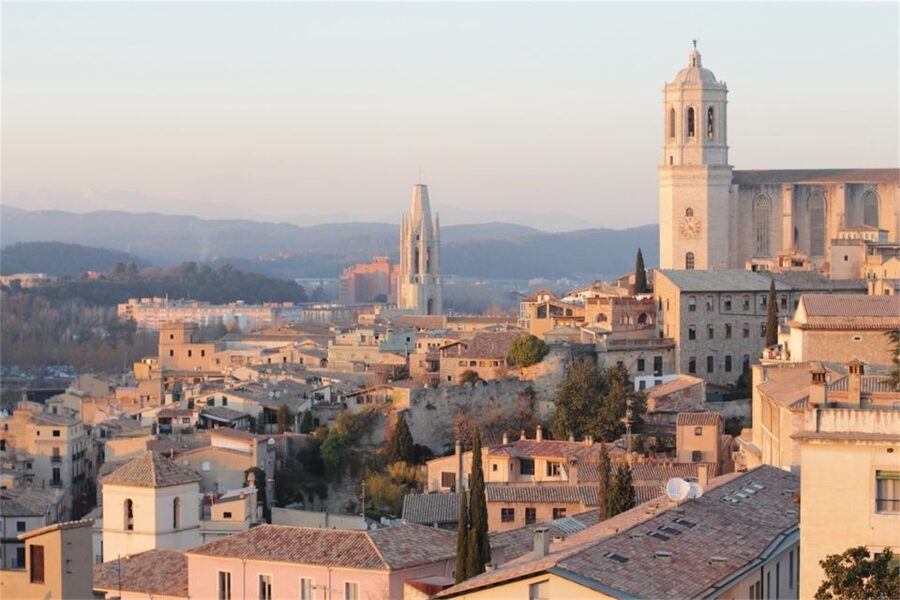
Book it if you want Girona’s Jewish Quarter to make sense, not just look attractive. The combination of the Call, the former synagogue locations, Nahmanides’ connection, and the museum creates a fuller picture than a self-guided walk alone.
The strongest reason to choose it is the guide. Names and styles vary, but the most praised qualities are consistent: clear knowledge, strong storytelling, humor, patience, and a willingness to answer questions. For a small group at $53, with museum entry included, this is a solid choice for visitors who value context over speed.
Skip it if uneven streets are a serious problem or if you want a quick photo stop. For everyone else, it offers a thoughtful way to meet Girona’s medieval Jewish past through the places where that community actually lived.
FAQ
Where does the tour meet?
Meet your guide at Plaça Sant Feliu, beside The River Caffe in Girona.
How long does the tour last?
The advertised duration is 2.5 hours.
What does the tour include?
It includes a walking tour of the Jewish Quarter, entrance to the Museum of Jewish History, and an expert guide.
Is the museum visit included?
Yes. Admission to the Museum of Jewish History is included.
Which languages are available?
The tour is offered in English and Spanish.
How many people are in the group?
The group is limited to 10 participants.
What places do you visit?
The route includes Girona’s Barri Vell, El Call, the former locations of the city’s three synagogues, and the Museum of Jewish History.
Is hotel pickup included?
No. Hotel pickup and drop-off are not included.
What should I bring?
Bring comfortable shoes because the tour involves walking through narrow, cobbled streets.
Is the tour suitable for wheelchair users?
No. The activity is not suitable for wheelchair users.
Just added around Spain
- Granada: Historic Center and Lower Albaicin Walking Tour★ 4.7 · 136 reviews
- Granada: Royal Chapel and Historical Center Walking Tour★ 4.4 · 21 reviews
- Granada: Historical City Center Guided Segway Tour★ 5.0 · 57 reviews
- From Santiago: Ribeira Sacra History & Art Trip with Cruise★ 4.3 · 39 reviews
- From Madrid: Ávila and Salamanca, a day among history and walls★ 5.0 · 29 reviews
- Barcelona Historic Guided Tour★ 4.8 · 24 reviews
- Essential Madrid: Walking Tour of the Historic Center★ 4.7 · 58 reviews
- Discover the fascinating Alcazaba: History and unique views★ 4.8 · 30 reviews
Jewish Heritage Tours, compared.
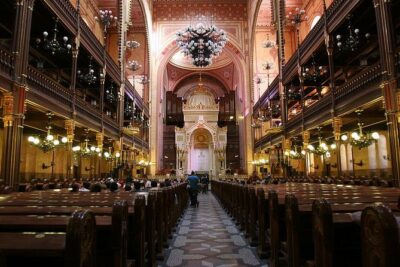
Budapest Jewish Heritage Memorial Walking Tour & Synagogue Entry
Read our review →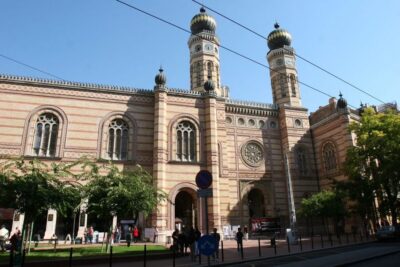
Jewish Heritage Guided Tour with Synagogue Ticket
Read our review →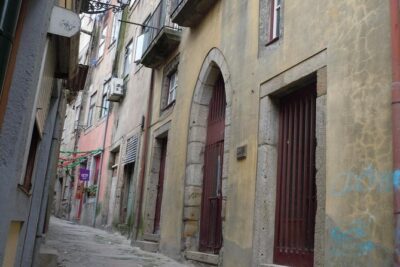
3-Hour Porto Jewish Heritage Walking Tour with Local Guide
Read our review →
Private Jewish Heritage Journey by Barcelona Dreaming
Read our review →
Anne Frank and the Jewish History of Amsterdam Private Tour
Read our review →
Lisbon Jewish Heritage and History – Private Tour Van
Read our review →
Browse the lists this tour appears in