
Review · CATALONIA
Barcelona: Skip-the-Line to History Museum of Catalonia
History gets personal here. At Barcelona’s History Museum of Catalonia, you move through the story of Catalan culture using objects, films, drawings, and interactive displays rather than a wall of dry dates. I especially like the permanent exhibition, The Memory of a Country, and the rooftop terrace, where the Port, Montjuïc, and Barcelona spread out below you.
The $9 admission is easy to justify if you have an interest in Catalonia, Spain’s political past, or regional identity. I also like that the ticket includes both permanent and temporary exhibitions. The main consideration is time: this is not a guided tour, and the admission does not include an audio guide, food, or drinks, so you need to read and explore at your own pace.
Key Points at a Glance

- The permanent exhibition covers Catalonia from early periods to modern times, using interactive displays, films, drawings, and historical objects.
- The temporary exhibition program adds current cultural themes, including We Are: The Homosexual Movement during Spain’s Transition to Democracy, 1976 to 1979, available through October 26, 2025.
- The fourth-floor terrace gives you broad views of the Port, Montjuïc Mountain, and the city.
- The $9 ticket includes skip-the-line entry, permanent and temporary exhibitions, terrace access, and brochures.
- This is a self-guided museum visit, so an audio guide or personal guide is not included.
- The museum is wheelchair accessible, but Monday closures and shorter Sunday hours matter when you plan your day.
Why This Museum Helps You Understand Catalonia
Barcelona can feel like two places at once. It is a major Spanish city, but it is also the capital of Catalonia, a region with its own language, traditions, political identity, and historical memory. The History Museum of Catalonia gives you a place to sort through those layers before or after you explore the city.
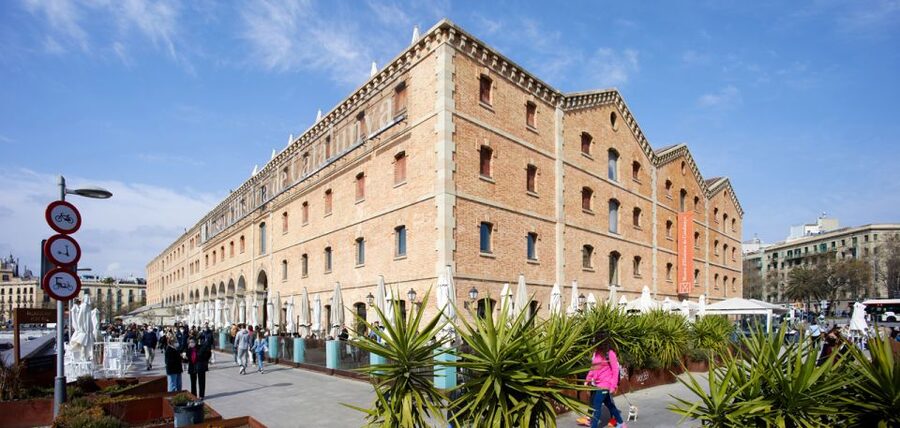
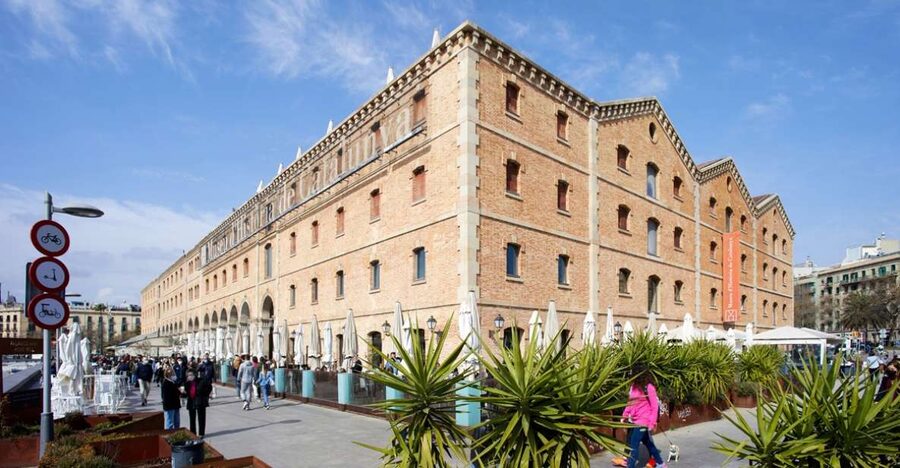
The museum is located at Plaça Pau Vila, 3, in the Port area. That setting is useful. You are not studying Catalonia in an isolated building far from daily life. You are near the water, close to a part of Barcelona that connects the city with trade, travel, and the wider Mediterranean.
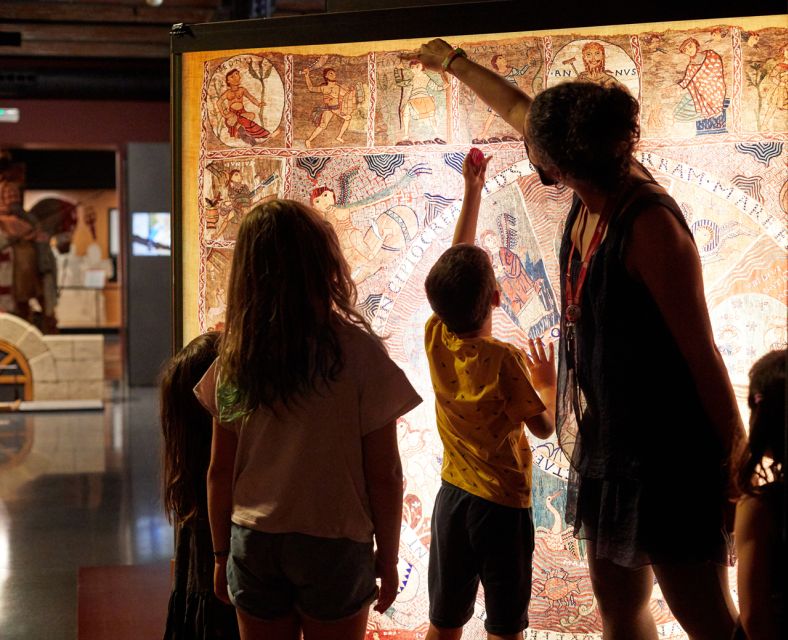
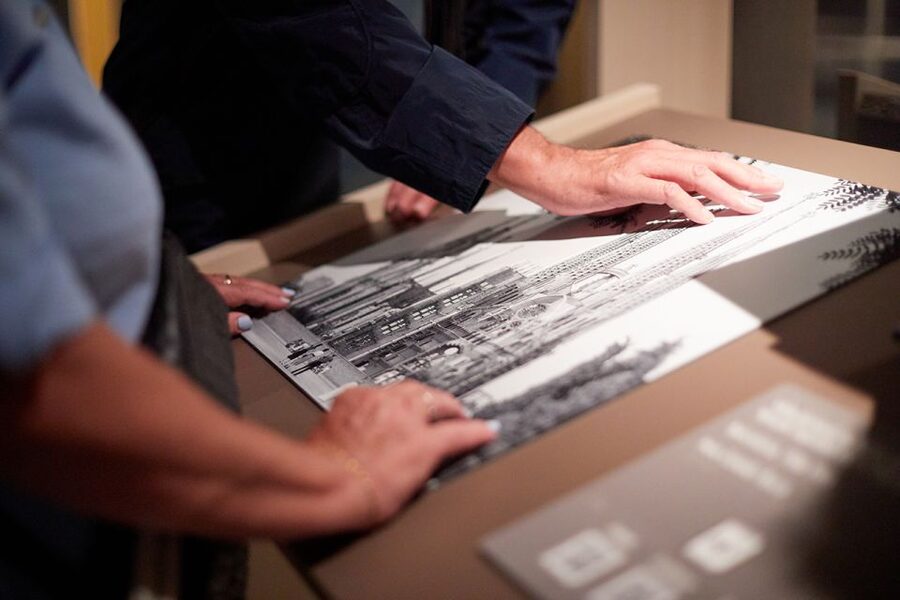
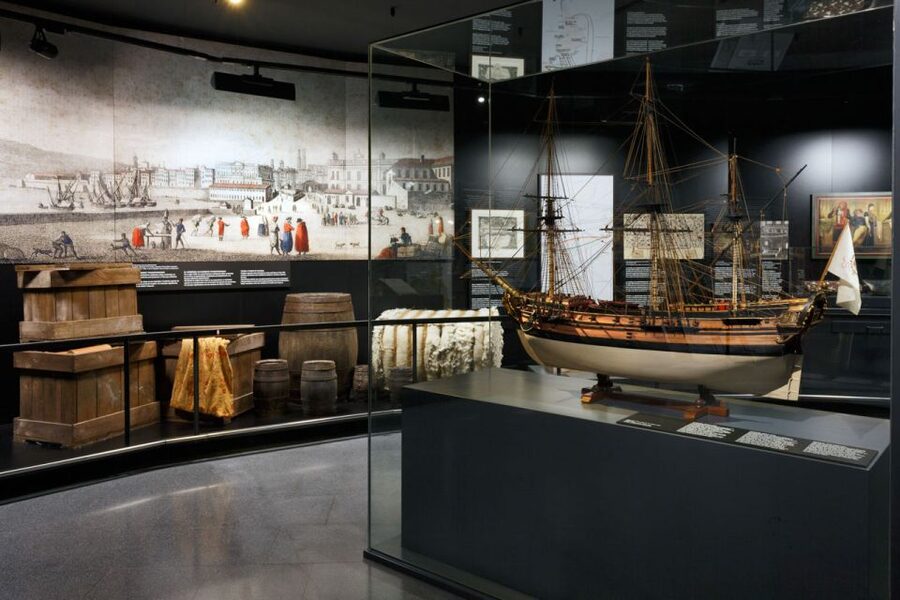
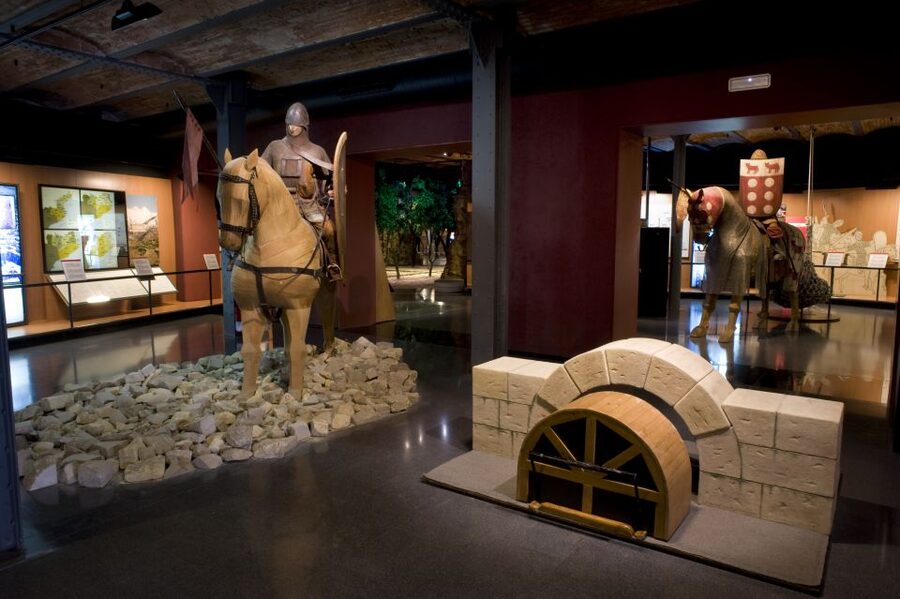
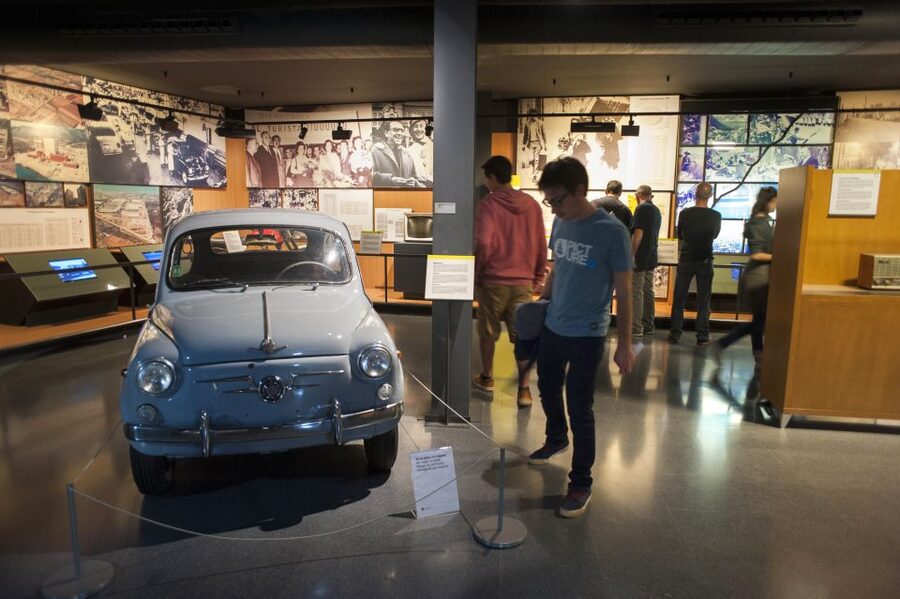
I like the museum’s basic idea: it presents Catalan history as a sequence of periods and people that shaped the territory. The displays use articles and stories, plus films, drawings, and interactive backgrounds. That mix should help you if you learn better by seeing and doing than by reading long panels.
You should not expect a live guide to explain every political reference. There is no guide included, and the audio guide costs extra if available through the museum. The reward is freedom. You can slow down at subjects that interest you and move more quickly through displays that do not hold your attention.
More Museum and Gallery History Tours in Spain:
- Madrid in a Day Tour:Royal Palace, Historic Center & Prado Museum
★ 5.0 · 628 reviews - Barcelona Erotic Museum – Explore Art, History & Fun
★ 4.4 · 450 reviews - Girona: Jewish Heritage Guided City Tour and Museum Visit
★ 4.8 · 124 reviews
Starting with The Memory of a Country
The permanent exhibition, The Memory of a Country, is the heart of the visit. It presents an interactive record of the periods and characters that shaped Catalonia. The title is telling: the museum is not only listing events. It is showing how a society remembers and explains its past.
This approach matters because Catalan history is tied closely to questions of language, identity, government, and local custom. The permanent exhibition gives those subjects a place within a longer story instead of treating them as modern political talking points alone.
You can expect a mixture of historical material, visual displays, films, and drawings. The museum description does not provide a fixed walking route or a detailed list of every object, so I would treat this as a flexible exhibition rather than a timed attraction. Give yourself enough room to stop and follow the subjects that catch your interest.
One useful way to visit is to look first for the broad timeline. Then return to the sections that explain daily life, political change, or major figures. That keeps the story from becoming a blur of names and dates.
The exhibition is also a good choice for families with older children who can read and discuss what they are seeing. Kids must be accompanied by an adult, and the museum does not offer a children’s guide as part of this ticket. Younger children may enjoy the visual and interactive elements, but the historical material still requires patience.
Reading Catalonia’s Past Through Its Own Lens
A museum about a region’s identity will naturally present that region’s point of view. That is not a reason to skip it. It is a reason to pay attention to how the story is framed.
One visitor described the museum as especially strong in its treatment of Catalan influence and the period after 1714, including conflict with the Madrid government. The same account connected the later displays with the Spanish Civil War from 1936 to 1939 and with attempts to suppress Catalan identity. Those subjects are central to the museum’s message, but you should remember that this is a Catalan history museum, not a neutral survey of every Spanish interpretation.
That perspective can be useful. You are seeing how Catalans understand their past and why regional pride remains important. If you have already visited other Spanish history museums, this visit adds a different angle rather than repeating the same national story.
You may also want to keep your own questions in mind. Which events receive the most attention? How does the museum connect political decisions with ordinary life? How does it explain the survival of Catalan culture through periods of pressure? Those questions make a self-guided visit more rewarding.
The Temporary Exhibition on LGBTQ+ History
Through October 26, 2025, the museum presents We Are: The Homosexual Movement during Spain’s Transition to Democracy, 1976 to 1979. This exhibition focuses on a short but important period following the end of dictatorship and during Spain’s move toward democracy.
The subject adds a modern social dimension to the permanent exhibition. Instead of looking only at governments, wars, and institutions, you also see how a social movement developed during a major national transition.
The dates are worth noting. This is not a general exhibition about LGBTQ+ history across all of Spain. It concentrates on the years from 1976 to 1979, so check the date before booking if this temporary display is one of your main reasons for going.
Because the exhibition is temporary, its place within the museum may change after October 26, 2025. The permanent exhibition and terrace are the safer reasons to plan a visit beyond that date.
More Skip-the-Line Tickets in Spain:
- Córdoba: Skip-the-Line Great Mosque-Cathedral History Tour
★ 4.7 · 1,690 reviews - Taormina: Ancient Theater Skip-the-Line Ticket & Audio Guide
★ 4.5 · 2,412 reviews - Historic Milan Tour with Skip-the-Line Last Supper Ticket
★ 4.5 · 1,976 reviews - Skip-the-Line Schonbrunn Palace Guided Tour and Vienna Historical City Tour
★ 3.5 · 940 reviews
Why the Terrace Deserves Time
Do not treat the terrace as a quick extra. Access is included with the ticket, and it gives you a clear reason to pause after the indoor displays.
From the fourth floor, you can look across the Port toward Montjuïc Mountain and the city. The view helps connect the museum’s themes with Barcelona itself. You have been thinking about Catalonia as a territory and a community, then you step outside and see the port, hills, and urban center in one frame.
The rooftop bar and restaurant are also located on the fourth floor. Food and drinks are not part of the admission, so budget separately if you want to sit down. The restaurant serves Mediterranean cuisine, and the bar offers drinks with the view.
This is one of the better parts of the visit for a relaxed break, but do not assume that the meal is included just because the terrace is. The ticket covers access, not lunch.
I would plan the terrace for the end of your museum time. It gives you a natural place to think through the exhibitions, and it can make the visit feel less like a sequence of indoor displays. If the weather is poor, the view will not have the same appeal, but the museum remains worthwhile for the exhibitions themselves.
How Long to Allow and When to Go
The ticket is valid for one day, not for a multi-day period. You select from the available starting times, then use the museum during its opening hours.
The regular schedule is:
- Tuesday to Saturday, 10:00 a.m. to 7:00 p.m.
- Wednesday, 10:00 a.m. to 8:00 p.m.
- Sunday and holidays, 10:00 a.m. to 2:30 p.m.
- Monday, closed
Wednesday gives you the latest closing time, which is helpful if you are fitting the museum around other Barcelona plans. Sunday and holiday hours are much shorter, so do not leave this visit until late in the day.
The available information does not specify a required visit length. Your timing depends on how closely you read the permanent displays and how much time you spend with the temporary exhibition, terrace, or restaurant. I would avoid scheduling another major timed attraction immediately afterward.
Skip-the-line entry is most useful when the ticket area is busy. It does not turn the museum into a guided, timed tour. You still need to arrive at the stated meeting point, Plaça Pau Vila, 3, and follow the museum’s admission process.
Bring a passport or ID card. Oversize luggage is not allowed, so keep your bags modest. This is especially important if you are arriving with large shopping bags or luggage between hotels.
What the $9 Admission Really Buys You
At $9 per person, this is a low-cost cultural stop for Barcelona. The price includes the permanent exhibition, the temporary exhibition, terrace access, brochures, and skip-the-line entry.
The value is strongest if you plan to use more than one part of the ticket. Seeing only a few displays and leaving immediately makes the admission less useful. Staying for the permanent exhibition, checking the temporary display, and going up to the terrace gives you a fuller visit without a major expense.
The price does not include a guide or audio guide. That makes the museum less convenient if you want someone to organize the story for you. On the other hand, you are not paying for a guide you may not need.
Food and drinks are also separate. This is easy to manage because the fourth-floor restaurant and rooftop bar are optional. You can visit the terrace without ordering, then decide if the Mediterranean menu fits your plans and budget.
The free cancellation period and reserve-now, pay-later option add practical value when your Barcelona schedule is still shifting. You can cancel up to 24 hours in advance for a full refund, according to the booking terms provided.
Who Will Get the Most from This Visit
I would recommend the museum to you if you want more than famous architecture and postcard views. It gives you background for understanding Catalonia’s place within Spain and the reasons regional identity matters so much in Barcelona.
It is also a good fit if you enjoy:
- Regional and political history
- Museums that use films and interactive displays
- Social history and modern cultural movements
- Self-guided visits
- Rooftop city views
- Affordable indoor activities
Families can visit, since children are welcome with an adult and the museum is wheelchair accessible. Still, the content is historical rather than a dedicated children’s attraction. If your group needs constant entertainment, the permanent exhibition may feel slow.
The museum also suits you if you have already spent time in central Barcelona and want a different setting. The port location gives the visit a change of pace, while the terrace makes it easy to combine culture with a view and a meal.
Practical Weaknesses to Keep in Mind
The main weakness is the lack of an included guide or audio guide. You will need to read, watch, and interpret the material on your own. Some people prefer that freedom, while others may find the political and historical subjects harder to follow without explanation.
The opening schedule can also catch you out. Monday is closed, Sunday and holiday hours end at 2:30 p.m., and Wednesday is the only day listed with an 8:00 p.m. closing time. Check the date and time before you arrange the rest of your day.
The temporary exhibition has a firm end date of October 26, 2025. If you are visiting after that, you should not book on the assumption that it will still be available.
Finally, the rooftop restaurant and bar are not included in the ticket. They are useful additions, not part of the $9 meal deal. Think of the terrace as included sightseeing, with food and drinks as optional extras.
Is the History Museum of Catalonia Worth Booking?
Yes, if you want a clear introduction to Catalan identity, historical memory, and modern social change at a reasonable price. The permanent exhibition gives the visit its lasting value, while the temporary display and rooftop terrace make the ticket feel more complete.
I would book it for a first visit to Barcelona if you want context for what you see elsewhere in the city. I would also choose it on a hot, rainy, or uncertain-weather day, since you get several hours of indoor exhibits plus a view when conditions allow.
Skip it if you want a guided tour, a tightly scheduled attraction, or a museum focused mainly on art. This is a self-guided history museum with a clear Catalan viewpoint. For the right visitor, that direct perspective is exactly the reason to go.
FAQ
Where is the History Museum of Catalonia located?
The museum is at Plaça Pau Vila, 3, 08039 Barcelona, in Catalonia, Spain.
How much does admission cost?
The listed price is $9 per person.
What does the ticket include?
The ticket includes the permanent and temporary exhibitions, access to the terrace, skip-the-line entrance, and brochures.
Is an audio guide included?
No. An audio guide is not included, and a guide is not included either.
Can I visit the rooftop terrace?
Yes. Terrace access is included with admission. From the terrace, you can see the Port, Montjuïc Mountain, and Barcelona.
What are the museum’s opening hours?
The museum is open Tuesday to Saturday from 10:00 a.m. to 7:00 p.m. It is open until 8:00 p.m. on Wednesday. On Sundays and holidays, it is open from 10:00 a.m. to 2:30 p.m. The museum is closed on Monday.
Is the museum wheelchair accessible?
Yes. The activity is wheelchair accessible.
What should I bring?
Bring a passport or ID card. Oversize luggage is not allowed.
Can children visit the museum?
Yes, but children must be accompanied by an adult. Unaccompanied minors are not allowed.
What is the cancellation policy?
You can cancel up to 24 hours in advance for a full refund. You can also reserve now and pay later, according to the booking terms.
Just added around Spain
- From Madrid: History and Charm of Segovia Full-Day Tour★ 4.1 · 75 reviews
- Granada: Historic Center and Lower Albaicin Walking Tour★ 4.7 · 136 reviews
- Granada: Historical City Center Guided Segway Tour★ 5.0 · 57 reviews
- Granada: Royal Chapel and Historical Center Walking Tour★ 4.4 · 21 reviews
- Girona: Jewish Heritage Guided City Tour and Museum Visit★ 4.8 · 124 reviews
- From Santiago: Ribeira Sacra History & Art Trip with Cruise★ 4.3 · 39 reviews
- From Madrid: Ávila and Salamanca, a day among history and walls★ 5.0 · 29 reviews
- Barcelona Historic Guided Tour★ 4.8 · 24 reviews
Museum & Gallery History Tours, compared.
Louvre Museum Entry with History of Mona Lisa
Read our review →
Venice’s Best: Basilica, Doge’s Palace, Gondola & History Gallery
Read our review →
Guided African American History Tour with Reserved Museum Entry
Read our review →
POLIN Museum of the History of Polish Jews Ticket
Read our review →
Bell Tower & St Mark’s Square History Gallery Ticket
Read our review →
Field Museum of Natural History Ticket or VIP Tour
Read our review →
Madrid in a Day Tour:Royal Palace, Historic Center & Prado Museum
Read our review →
Basilica, Doge’s Palace, History Gallery & Bell Tower Option
Read our review →Browse the lists this tour appears in