
Review · MAZOVIA PROVINCE
Warsaw: Historic Private Tour in Retro Fiat
Warsaw wears its past well. This private tour pairs a retro Fiat 125p ride with thoughtful stops in the Old Town, Praga, and the former Jewish ghetto. I like the way it covers both postcard Warsaw and harder history, and I like the personal touch from guides such as Karol, Martin, Jakob, and Jurek, who tailor the route and explain what you are seeing.
The main drawback is the car itself: a historic 1980s vehicle is part of the charm, but it is not built for modern comfort. The tour is also split about half driving and half walking, so you should bring comfortable shoes and expect the route to shift a little if Warsaw traffic gets in the way.
Key points to know before booking
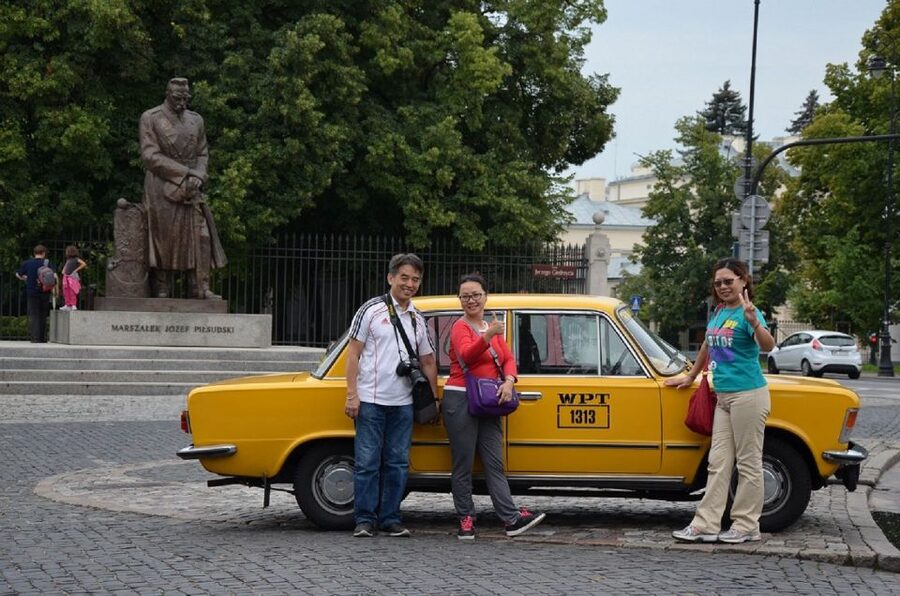
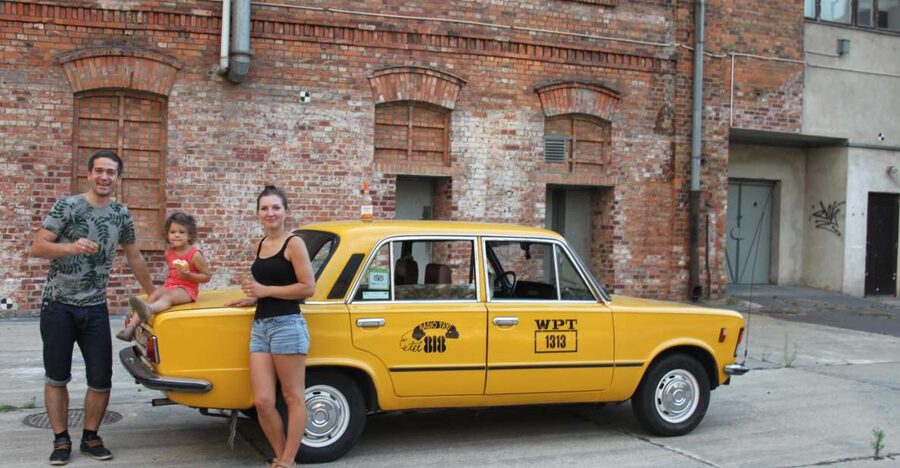
- The Fiat is part of the tour, not just transport: You ride through Warsaw in a vintage 125p, a small piece of the city’s Communist-era story.
- Old Town is only one part of the day: You also visit Praga, former Jewish ghetto sites, wartime landmarks, and areas shaped by postwar rebuilding.
- The history moves from tragedy to recovery: The guide covers the Jewish community, the Warsaw Uprising, World War II destruction, and Stalin-era reconstruction.
- Private touring brings useful flexibility: The route can be adjusted around your interests, traffic, and how much walking you want to do.
- Groups over four use a vintage minivan: Larger parties are driven in a blue retro minivan rather than the Fiat 125p.
- Small extras make the finish friendly: The price includes a Polish doughnut, a vodka shot, and photos sent by email afterward.
Why the retro Fiat makes sense in Warsaw
A standard minivan could take you around Warsaw more efficiently. It would also miss the point.
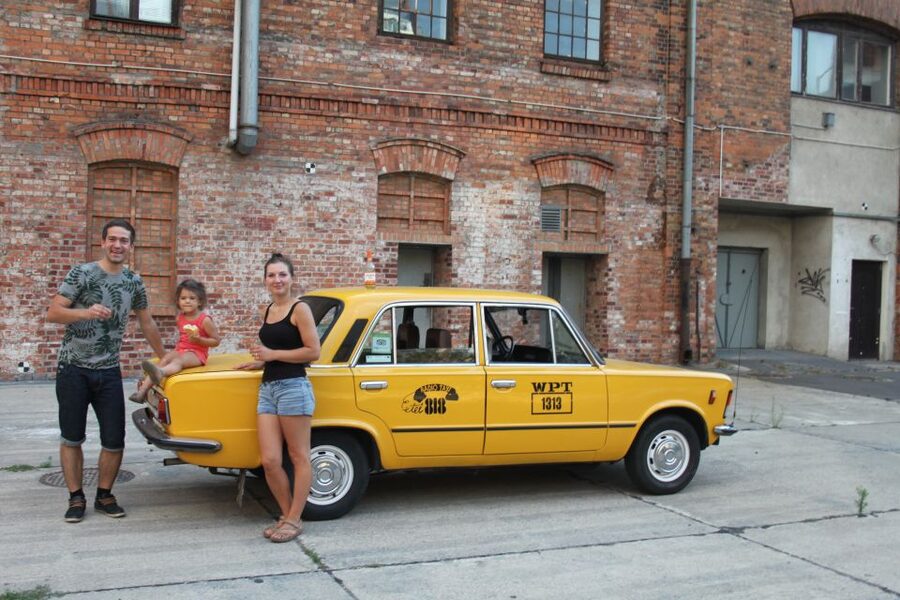
The Fiat 125p is a reminder of everyday life behind the Iron Curtain. For many visitors, the car turns a normal city tour into something tied to the place itself. You are not just looking at Communist-era Warsaw from a modern vehicle. You are riding in a car that belongs to that period.
The vehicle also makes it easier to cover a wide area in four hours. Warsaw is spread out, and the tour connects places that would take much longer to reach on foot. You can move between the Old Town, the former Jewish ghetto, and Praga without spending your limited sightseeing time figuring out taxis or public transport.
There is a practical tradeoff. The 125p is a historic 1980s vehicle, not a luxury car. Space and comfort may feel limited, especially for taller passengers or anyone who dislikes older suspension. If your group has more than four people, the operator uses a blue vintage minivan instead. That keeps the retro mood, but you lose some of the intimacy of the small Fiat.
More Private History Tours in Poland:
- Private Historical Walking Tour of York
★ 5.0 · 1,324 reviews - Private Guided Historic Electric Cart Tour of St. Augustine
★ 5.0 · 1,194 reviews - Istanbul: Acemoglu Historical Turkish Bath w/Private Options
★ 4.6 · 1,190 reviews
Starting in Warsaw’s rebuilt Old Town
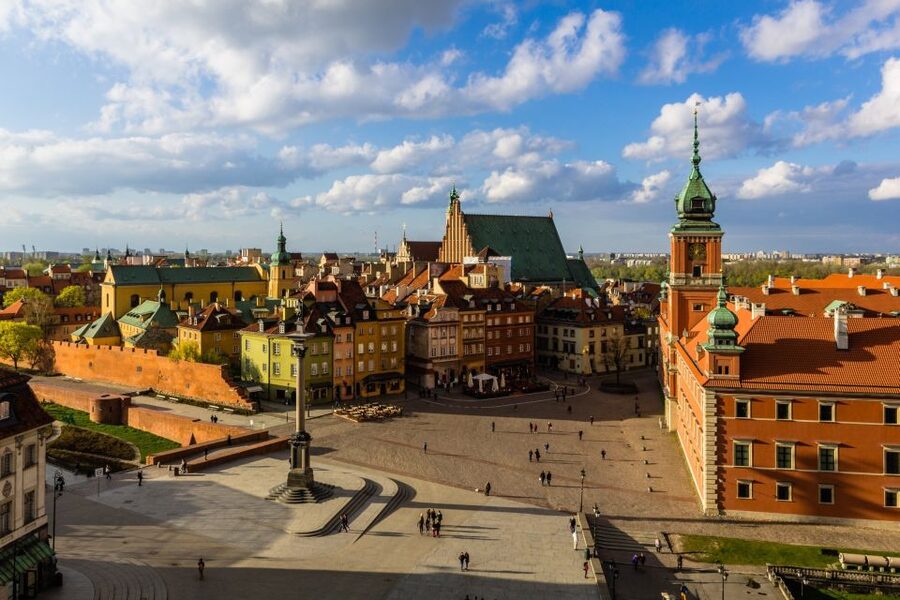
The Old Town gives you the familiar face of Warsaw: historic façades, handsome streets, and major landmarks that look much older than the city around them.
That appearance can fool you. Much of Warsaw was destroyed during World War II, and the Old Town was rebuilt afterward. A guide adds value here because the streets alone do not reveal how much work went into bringing this district back.
The tour uses the Old Town as a starting point for understanding Warsaw’s wider story. You can expect stops at important landmarks, with time to hear how wartime destruction changed the city and how postwar Poland chose to reconstruct its historic center.
This is one of the tour’s strongest features for a first visit. You get the classic sights, but you also learn to read them as part of a rebuilt city rather than as untouched medieval scenery. If you have already taken a free walking tour of the Old Town, the private Fiat tour can still add something by connecting it to Praga, the ghetto sites, and the Communist period.
Praga gives the tour a different mood
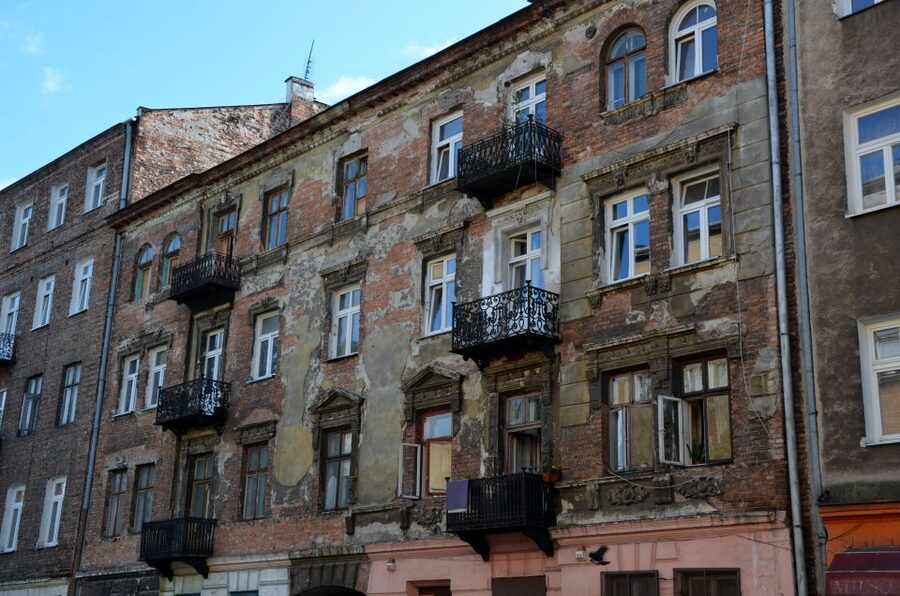
Praga sits on the east bank of the Vistula and feels different from the carefully restored Old Town. It is included because it offers a look at Warsaw that is less polished and more closely tied to surviving prewar and postwar buildings.
The tour does not treat Praga as a quick drive-by. You get out and walk, with the guide pointing out places that are easy to miss on your own. One especially memorable stop described by past participants is a secluded courtyard with a Jewish shrine. It is exactly the kind of small site that can disappear from a normal city itinerary.
Praga also helps explain why Warsaw cannot be understood through the Old Town alone. Its streets show fragments of the city that escaped total wartime destruction, while other parts of Warsaw were rebuilt almost from scratch. That contrast is useful, particularly if you want more than a collection of attractive squares and monuments.
The district may not suit anyone looking only for grand architecture and polished sightseeing. Its appeal is historical texture and local character, not a tidy sequence of major landmarks. You should also expect some walking on uneven or ordinary city streets.
The former Jewish ghetto requires time and care
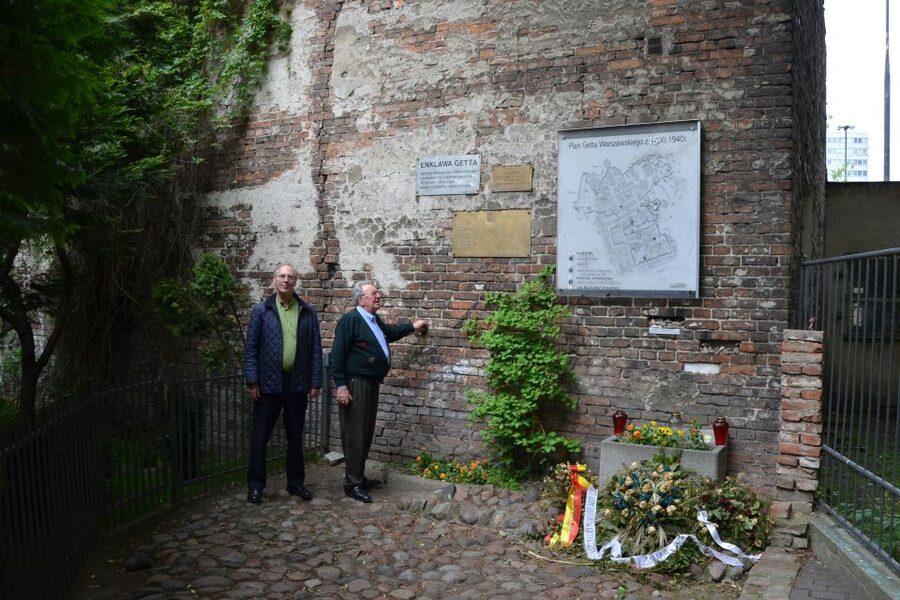
The stops connected with the Jewish ghetto are among the most serious parts of the tour. Here, the guide discusses the Jewish community of Warsaw and the terrible destruction caused by Nazi persecution during World War II.
You are not simply shown a monument and moved along. The experience is designed to connect remaining traces with the history of the people who lived there. That makes the guide especially important. A good explanation can help you understand why a wall fragment, courtyard, or memorial matters even when very little of the original neighborhood remains.
This part of the tour can be emotionally heavy. It is not a light sightseeing stop, and you should allow yourself time to listen rather than treating it as another photo opportunity. The private format helps because you can ask questions and set the pace.
The route may include the remains of the old Jewish ghetto, but the exact order and stopping points can change. Traffic, current road conditions, and your interests all affect the day. If this subject is a priority, tell the guide at the beginning so the available time is used well.
A few more history tours around Poland worth a look
- Gdansk: City Cruise on Historical Polish Boat
★ 4.8 · 2,913 reviews - Warsaw: POLIN Museum of the History of Polish Jews Ticket
★ 4.7 · 1,142 reviews - Gdańsk: Sunset Cruise on a Historic Polish Boat
★ 4.9 · 977 reviews - Gdańsk City Sights & History Guided Walking Tour in English
★ 4.8 · 876 reviews
Understanding the Warsaw Uprising
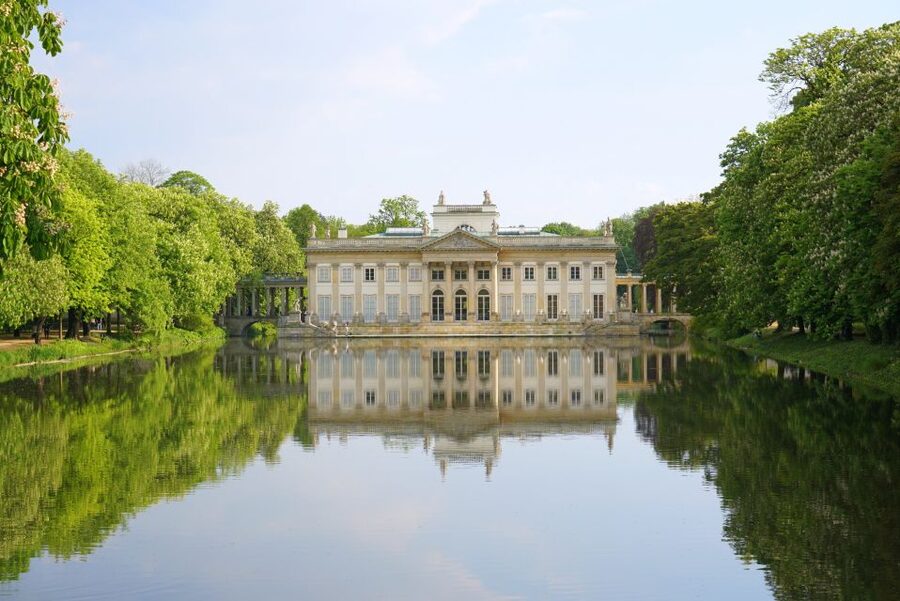
The tour also covers the Warsaw Uprising, one of the central events in the city’s wartime story. The uprising was the largest armed revolt by civilians during World War II, and its place in Polish memory is immense.
A city tour cannot cover every detail of the uprising in four hours. What it can do is put key locations into a wider sequence: the occupation, resistance, destruction, and the consequences for the city’s people and buildings.
This is where a private guide offers more than a recorded audio tour. You can ask how the uprising fits with the destruction of Warsaw, how residents experienced the conflict, and what changed afterward. Guides have used old photographs and laminated images to show what places looked like before the war, which is particularly useful when a modern street gives few visible clues.
The pace is fairly quick. William, one past participant, described the four hours as passing fast while still covering the city’s major sights and painful moments. That is a fair warning: you will see a lot, but you will not receive a full academic course on Polish wartime history.
Stalin-era rebuilding explains modern Warsaw
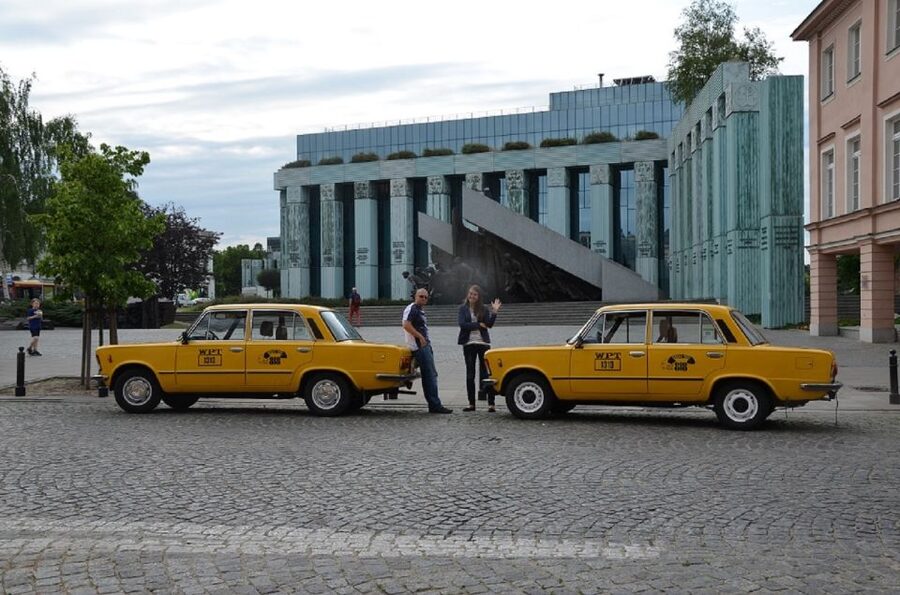
The final major thread is the rebuilding of the Polish capital after its wartime destruction, including the period shaped by Stalin’s regime.
This subject helps explain Warsaw’s mix of historic reconstruction, Communist-era planning, and newer development. You will see a city that was forced to rebuild not only its buildings but also its civic identity.
I like that the tour does not stop with wartime destruction. The postwar period matters just as much if you want to understand why Warsaw looks the way it does. The guide can show how political power influenced reconstruction and how the city moved from devastation into a new era.
This part also keeps the tour from becoming a simple old-city excursion. You see several versions of Warsaw in one morning or afternoon: the historic capital, the destroyed city, the Communist capital, and the modern Polish capital.
A private guide changes the pace
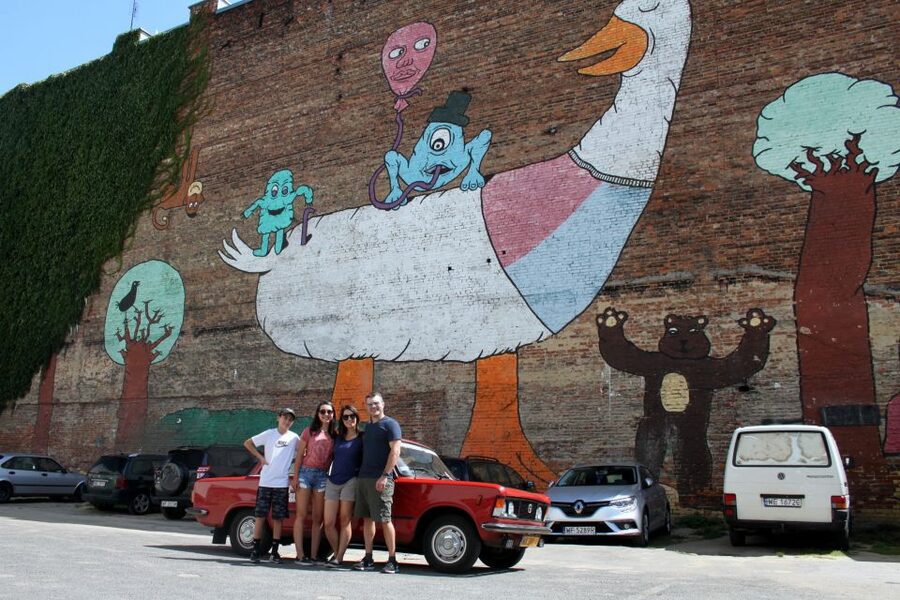
The private format is a major reason to choose this experience instead of a large group bus tour. You can ask questions without waiting for a crowd, and the guide can shape the day around what you have already seen.
Karol received especially strong praise for being funny, engaging, and passionate while adapting the tour to the group’s interests. Martin was described as friendly and highly informed, while Jakob was noted for giving a thoughtful account of the city beyond the Old Town. Jurek also received praise for his warmth and experience.
Those personal differences matter. The tour depends heavily on the guide’s ability to connect buildings and events into a clear story. The experience is not just the Fiat, and it is not just a list of stops. It works best when you ask questions and tell the guide what interests you.
The activity is offered in English with a live guide. Pickup and drop-off are included from your hotel or another centrally located point, which is useful if you are arriving in Warsaw with limited time.
Four hours is enough for an overview
The tour lasts four hours and is split roughly evenly between driving and walking. That balance lets you cover more ground than a walking tour while still giving you time to stand at important sites.
You should not expect a slow, detailed visit inside every museum or monument. This is an overview of Warsaw’s main historical areas, with outdoor stops and explanations along the way. If you have only a short stay, that is a strength. You can get your bearings quickly and use the tour to decide where to return on your own.
Several people used the experience as a first look at the city, then planned later visits around places that caught their interest. That is a sensible approach. The guide can show you the broad shape of Warsaw, while you save museums, longer walks, and quiet neighborhood exploration for another day.
The route can change with traffic. That is normal in a large capital, but it means you should not treat the sequence of stops as fixed. If you have one particular priority, mention it before setting off.
What the $105 price includes
At $105 per person, this tour is not the cheapest way to see Warsaw. The value depends on how much you care about a private guide, hotel pickup, and efficient transport between districts.
You are paying for four hours of one-on-one or small-group attention, a local English-speaking guide, transportation, and a route that would be awkward to arrange independently in the same time. The photos sent afterward, Polish doughnut, and vodka shot are pleasant extras, but they are not the main reason to book.
For two people or a small family, the price may make sense if you would otherwise pay for several taxis and spend time navigating unfamiliar parts of the city. It is less attractive if you prefer to walk slowly, visit museums, or explore without a fixed route.
The price also includes both pickup and drop-off in the city center. That saves effort at the start and end, especially after a serious day of historical sightseeing.
Who should book this Warsaw tour
I would recommend it most strongly if you fit one of these profiles:
- You have only one day or a short stay in Warsaw.
- You want the Old Town but also want to understand the Jewish ghetto, Praga, and Communist-era city.
- You prefer a private conversation with a guide rather than a large group.
- You enjoy unusual transport and see the Fiat as part of the story.
- You want a flexible route that can be adapted to what you have already visited.
- You find it difficult to cover distant districts by walking alone.
It may not be the right choice if your priority is a deep museum visit, a long meal, or a completely relaxed pace. The day covers a lot, and the four hours pass quickly.
Bring comfortable shoes. Pets are not allowed. The tour can be adapted to reduce or increase walking, but you should discuss that with the guide at the start rather than assume the route will change automatically.
Should you book the retro Fiat tour?
Book it if you want a lively, personal introduction to Warsaw’s complicated past, especially if you have limited time. The strongest part is the combination of places: the restored Old Town, the less polished Praga district, the remains of the Jewish ghetto, wartime uprising sites, and the Communist-era rebuilding of the capital.
The Fiat adds character, but the guide makes the day worthwhile. A good guide helps you see what is missing as well as what remains. You will come away with a clearer sense of why Warsaw looks both historic and startlingly new.
At $105 per person, it is best viewed as a private orientation tour rather than a bargain sightseeing ride. If that matches your plans, the four-hour route offers a useful mix of transport, walking, difficult history, and local perspective.
FAQ
How long does the Warsaw retro Fiat tour last?
The tour lasts four hours.
What vehicle is used for the tour?
The main vehicle is a historic 1980s Fiat 125p. Groups of more than four people are driven in a blue vintage minivan.
Is the tour private?
Yes. It is offered as a private group experience.
Is hotel pickup included?
Yes. Pickup and drop-off are included from a hotel or another centrally located point in Warsaw.
What language is the tour offered in?
The live tour guide speaks English.
Does the tour include walking?
Yes. The activity is about half walking and half driving, and comfortable shoes are recommended.
Can the walking portion be adjusted?
Yes. The tour can be adapted to suit your requirements.
Which parts of Warsaw are included?
The route includes Warsaw’s Old Town, the Praga district, remains of the former Jewish ghetto, important wartime landmarks, and areas connected with postwar rebuilding.
Are food and drinks included?
A Polish sweet, specifically a doughnut, and a complimentary vodka shot are included. Meals are not included.
Are photos provided after the tour?
Yes. Photos from the tour are emailed afterward.
Just added around Poland
- Best of Wroclaw 3-Hour History and Culture Walking Tour★ 4.9 · 49 reviews
- Schindler’s List Movie Tour: Historic Sites & Film Location★ 5.0 · 23 reviews
- Krakow: Vistula River Cruise with Historical Views★ 3.5 · 357 reviews
- Krakow: Kościuszko Mound Ticket – History & Views!★ 4.4 · 303 reviews
- Krakow Old Town Segway Tour — 2H of History, Fun & Discovery★ 4.8 · 91 reviews
- Small-Group Historical Guided Tour of Warsaw with pick up/drop off. Public Tour.★ 4.5 · 343 reviews
- Warsaw: Jewish History Guided Walking Tour in English★ 4.7 · 324 reviews
- Warsaw: Chopin Concert at Historical Venue in Old Town★ 4.7 · 445 reviews
Private History Tours, compared.
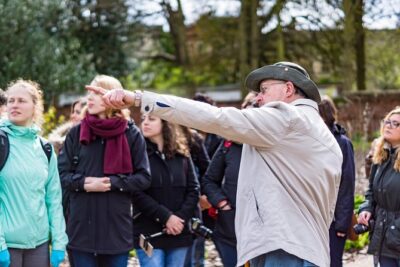

Private Guided Historic Electric Cart Tour of St. Augustine
Read our review →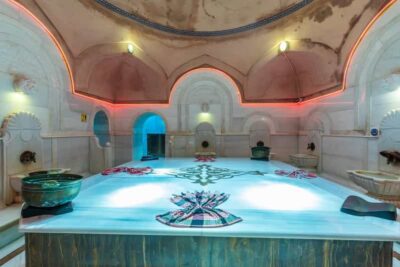
Acemoglu Historical Turkish Bath w/Private Options
Read our review →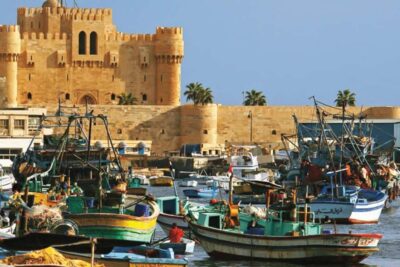
Private Full-Day Tour of Historical Alexandria
Read our review →
Private Tour of the Historic City in a Ford T Car
Read our review →
Madrid Historical Tour with Local Guide in Eco Tuk Tuk Private
Read our review →
Private Biblical Tour Ancient Corinth & Isthmus Canal from Athens
Read our review →
Private Kathmandu Sightseeing Tour | UNESCO World Heritage sites
Read our review →Browse the lists this tour appears in