
Review · SOUTHEAST REGION
Rio: Olympic Boulevard, Museum of Tomorrow & History Tour
Rio’s past and future meet here. This four-hour tour links Valongo Wharf and the Kobra mural with the futuristic Museum of Tomorrow, then adds a Baroque monastery, Olympic landmarks, and old imperial squares. I like the strong mix of art, history, and architecture, plus the included hotel pickup from Rio’s South Zone. The main caution is that the schedule can feel tight, especially if transport or guiding runs late.
I also like that you can explore the Museum of Tomorrow at your own pace after your guide introduces it. Guides such as Emma and Pedro earned especially warm praise for their friendly, detailed explanations, while reports of missed directions and a troublesome return transfer show that the experience can depend heavily on the day’s guide and vehicle arrangements.
Key points at a glance

- Valongo Wharf puts Brazil’s African history first: This UNESCO World Heritage site gives the tour a serious historical starting point.
- Eduardo Kobra’s mural is a major photo stop: Five ethnic groups appear in bold geometric color on one of the world’s largest graffiti walls.
- The Museum of Tomorrow ticket is included: You receive guided orientation, then time to look around independently.
- The route covers old and new Rio: Olympic Boulevard, the 2016 cauldron, a Baroque monastery, Praça XV, and a grand café all fit into one morning or afternoon.
- Hotel pickup keeps the day simple: Pickup is available from Copacabana, Ipanema, Leblon, and Leme, with a van limited to 19 passengers.
- Confeitaria Colombo is closed Sundays: Plan around that if the café is one of your main reasons for booking.
Why this Downtown route is worth your time
Rio is often sold through beaches, mountains, and postcard views. Those are important, but they tell only part of the city’s story. This tour takes you into Downtown Rio, where Brazil’s colonial, imperial, African, artistic, and modern identities sit close together.
I like the route because it avoids treating the city as one long series of monuments. Instead, you move between places that ask different questions. Valongo Wharf raises the subject of slavery and African influence. Kobra’s mural turns human diversity into public art. The Museum of Tomorrow asks what kind of future people are building. The monastery and Praça XV pull you back into Brazil’s older political and religious life.
The price is $67 per person. That is fair if you value hotel transport, a professional guide, the Museum of Tomorrow admission, and a planned route through several parts of Downtown. If you are comfortable arranging your own transport and reading up before you go, you could spend less independently. You would also lose the context that ties these locations together.
The tour lasts four hours, so think of it as a focused introduction rather than a slow, complete visit to Downtown. You will see many sites, but you will not have unlimited time at each one. That tradeoff works well for a first visit or a short stay in Rio.
More Museum and Gallery History Tours in Brazil:
- Paris: Louvre Museum Entry with History of Mona Lisa
★ 3.9 · 2,823 reviews - Venice’s Best: Basilica, Doge’s Palace, Gondola & History Gallery
★ 4.5 · 2,478 reviews - Guided African American History Tour with Reserved Museum Entry
★ 4.5 · 1,180 reviews
Starting at Valongo Wharf
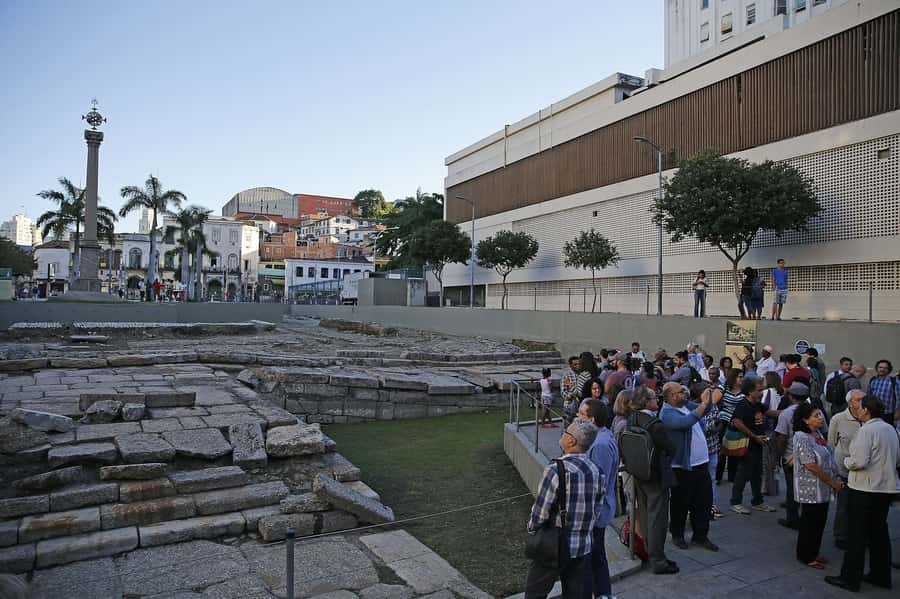
The route begins at Valongo Wharf, recognized as a UNESCO World Heritage site and one of the most important places on the tour. It is also where the experience asks you to look beyond attractive façades and popular photo stops.
The wharf is linked to the arrival and forced landing of enslaved Africans in Brazil. Your guide explains the African influence on Brazilian culture and helps place the site within the wider history of Rio. This is a valuable beginning because it gives the rest of the tour more weight. You are not simply walking through renovated public spaces. You are seeing a city shaped by painful events, cultural exchange, and resistance.
Expect this part to be guided rather than theatrical. The quality of the explanation matters. Pedro was praised for his detailed teaching about Brazilian history, and Emanuella was also credited with explaining the country’s past and important buildings clearly. A guide who handles this subject with care can make Valongo Wharf one of the most meaningful stops of the day.
Eduardo Kobra’s five-color mural
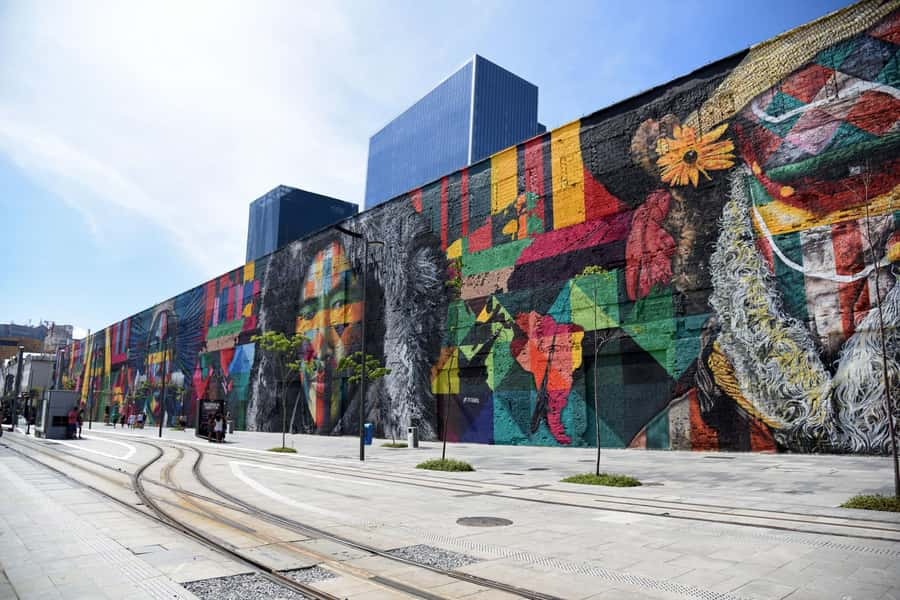
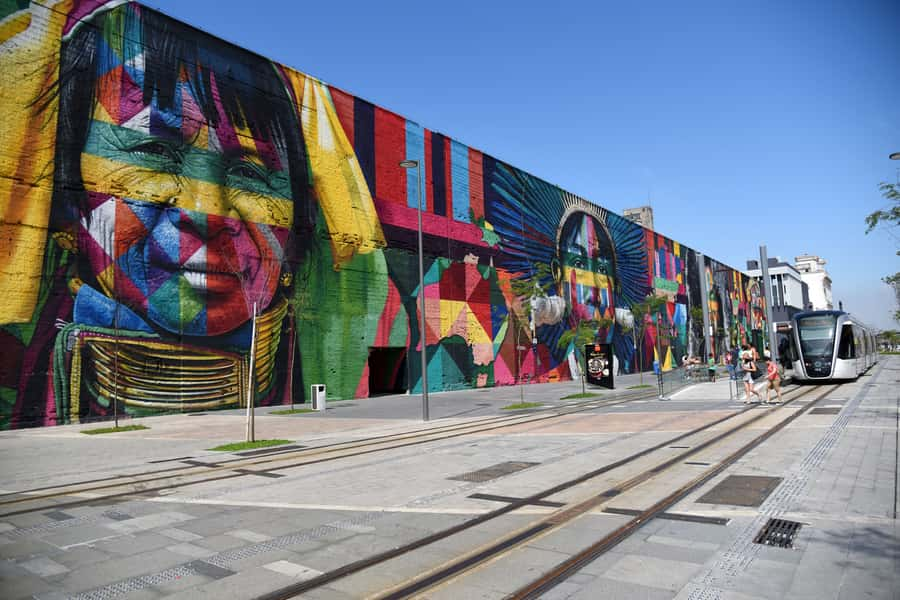
From Valongo Wharf, you continue to the huge mural by Brazilian artist Eduardo Kobra. It portrays five ethnic groups against a colorful geometric background, creating an easy photo stop with a clear message about humanity and diversity.
The mural works well in this itinerary because it changes the mood without abandoning the theme. After hearing about the people who shaped Brazil through forced migration and cultural survival, you see a modern public artwork celebrating the world’s ethnic groups. It is bold, accessible, and easy to appreciate even if you are not an art specialist.
You will want a few minutes for photographs, but do not expect a long art lecture or a museum-style visit. The value comes from seeing the scale of the wall in person and understanding how public art has helped reshape this part of Rio. Keep your camera ready, since the stop is short and the group continues on foot.
Walking Olympic Boulevard to the Museum of Tomorrow
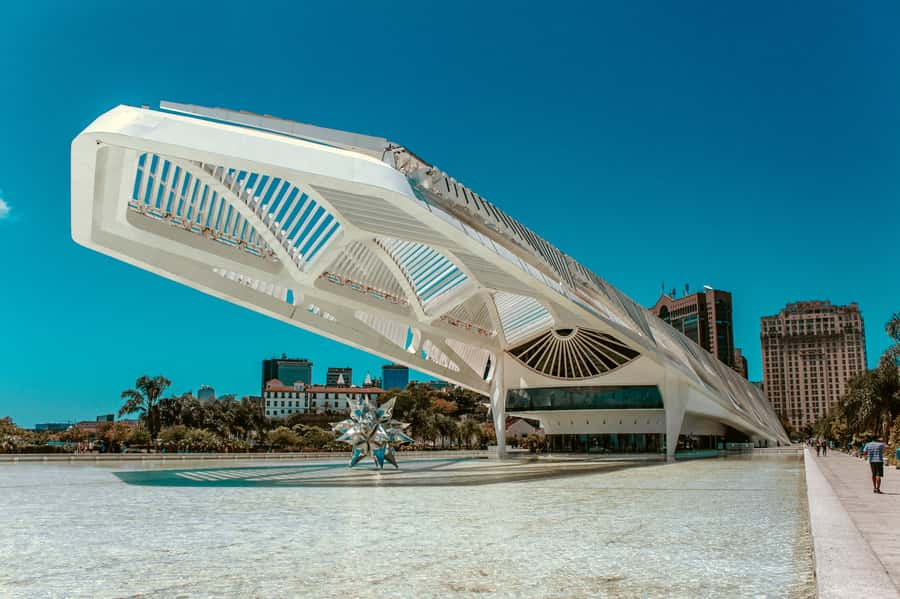
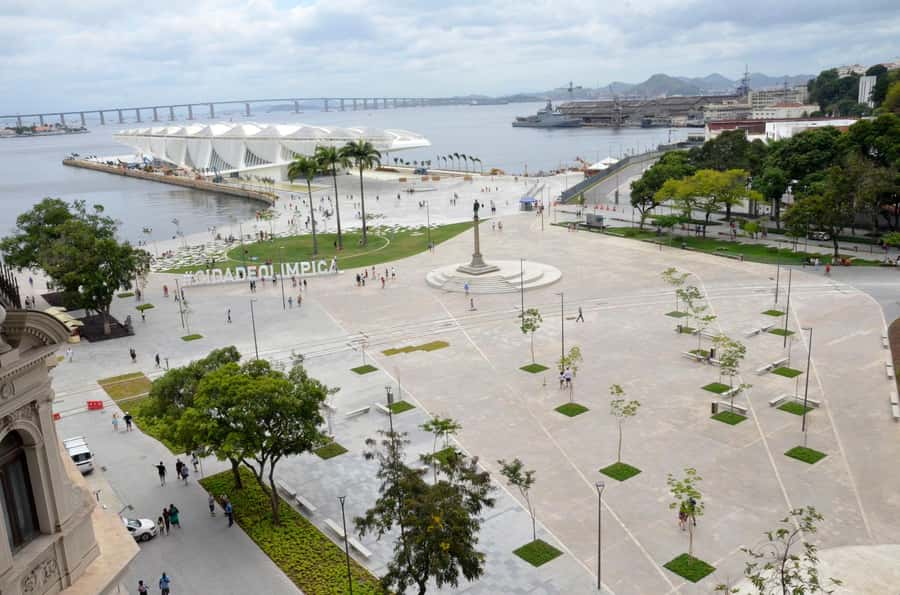
The walk along Olympic Boulevard connects the mural to the Museum of Tomorrow. This is one of the clearest modern sections of the route, with broad public spaces and major visual reminders of Rio’s Olympic-era redevelopment.
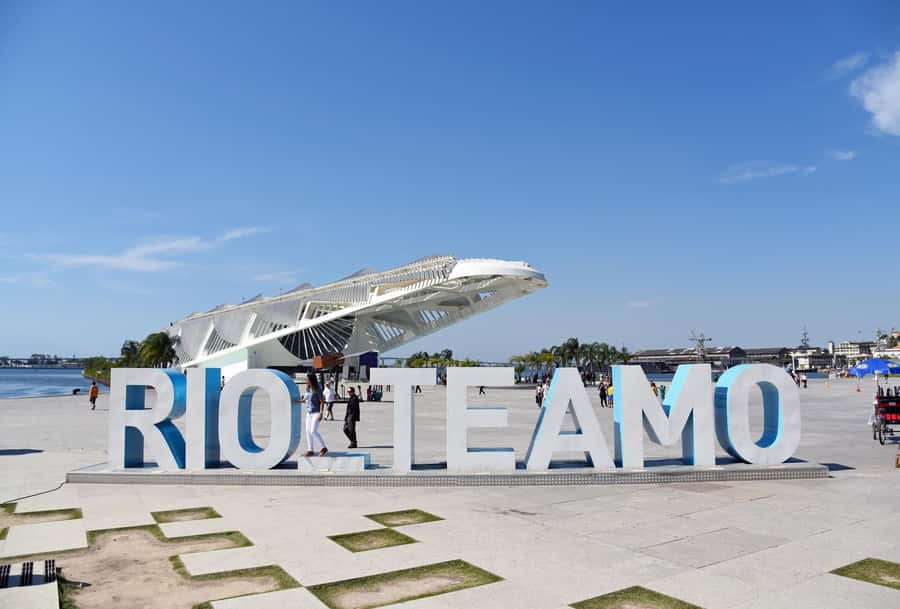
The Museum of Tomorrow is the tour’s largest single attraction. Its futuristic structure is designed to suggest movement, technology, and a changing planet. Inside, the museum focuses on possible futures for Earth and humanity. The subject is not just science in a technical sense. It asks you to think about how people use resources, make choices, and shape the world ahead.
Your ticket is included, which removes one practical task from the day. Your guide introduces the building and museum, then you can explore at your own pace. That flexibility is important. A guided museum visit can become rushed, while a completely independent visit can leave you unsure where to begin. Here, you get a short orientation followed by personal time.
The museum is also the point where the four-hour schedule may feel tight. It is described as Brazil’s most visited museum, and a popular museum of this size can easily absorb a large part of your morning. If you want to read every display carefully, this tour may not give you enough time. If you want an introduction and a chance to see the architecture and main exhibits, the arrangement is more practical.
One guide, Emma, was singled out for being friendly and allowing the group to enjoy the museum independently. That detail matters. You are not expected to stay shoulder to shoulder with the guide for every minute.
A few more history tours around Brazil worth a look
- Maria Fumaça – Wines and History
★ 4.0 · 242 reviews - Rio de Janeiro: Historic Rio and Santa Teresa Half-Day Tour
★ 4.4 · 228 reviews - São Paulo: Downtown Historical Bike Tour
★ 4.9 · 191 reviews - Rio de Janeiro: Little Africa Heritage Walking Tour
★ 4.9 · 177 reviews
The golden interior of Saint Benedict’s Monastery

The route then turns sharply from the future to the past at the Monastery of Saint Benedict. From the outside, the building has a relatively simple façade. Inside, the mood changes completely, with Baroque decoration and golden ornament covering the interior.
This contrast is one of the tour’s best design choices. The Museum of Tomorrow is about technology and possible futures. The monastery shows how religious art, craftsmanship, and wealth shaped earlier Rio. You do not need a long visit to understand the effect. The exterior gives little warning of the ornate interior waiting inside.
Your guide can help explain the monastery as part of Brazil’s religious and artistic history. This is another stop where context improves the visit. Without explanation, you may simply see gold and decoration. With a guide, you can better understand why the interior looks so different from the outside and how it fits into the city’s past.
The tour involves a moderate amount of walking, so comfortable shoes are a sensible choice. You move between several areas of Downtown, and the combination of sidewalks, public spaces, and historic sites can make the four hours feel active.
The Rio 2016 Olympic Cauldron
Before reaching Praça XV, you see the Rio 2016 Olympic Cauldron, created by American artist Anthony Howe. Its reflective, kinetic sphere structure gives the route another modern marker.
This is a short stop, but it helps connect the city’s recent international identity with the Olympic Boulevard section. The cauldron is not presented as a long museum visit. You will have time to see its shape, understand its connection to the Games, and take photographs before moving on.
The reflective structure is especially different from the monastery and colonial buildings nearby. That contrast is part of the pleasure of the route. Downtown Rio is not organized into neat historical periods. Old and new sit close together, sometimes in surprising ways.
Praça XV and the former seat of empire
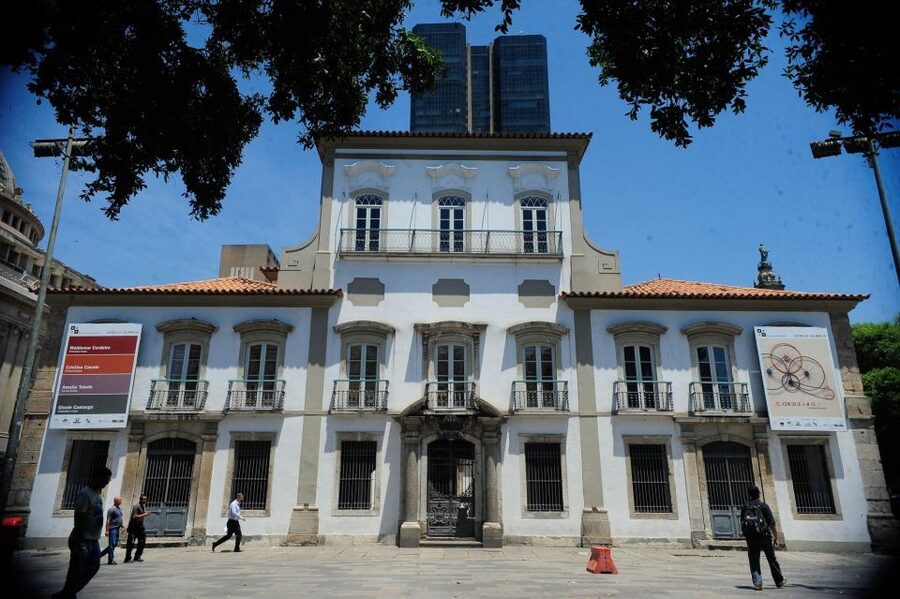
Praça XV brings you into one of the key historical areas of Rio. Here, you see one of the former headquarters of the Brazilian empire and hear about important events connected to the square.
This is where your guide’s storytelling can make a real difference. A building alone may be impressive, but the square becomes more useful when you understand its political role. The tour is not only about photographing old façades. It is about showing how Rio functioned as a center of power and government.
The stop also gives the route a natural sense of progression. You begin with Brazil’s African past, move through modern public art and science, then return to the religious and political structures of earlier centuries. The route does not cover every chapter of Brazilian history, but it gives you several strong reference points.
Ending at Confeitaria Colombo
The final stop is Confeitaria Colombo, one of Rio’s best-known historic cafés. Its interior is decorated in an ornate Art Nouveau style, with large stained-glass windows, tiles, and mirrors imported from France, Portugal, and Belgium.
This is a fitting finish because it lets you end with an everyday pleasure rather than another formal monument. The café also reflects Rio’s early twentieth-century social life and taste for European design. You can admire the room even if you do not order anything, though food and drinks are not included in the tour price.
You might choose a Brazilian snack such as coxinha de frango, or a brigadeiro for something sweet. These purchases are optional and paid separately. The café is closed on Sundays, so check the operating day before booking. If Colombo is a priority, avoid scheduling this tour on Sunday or confirm what the provider plans for that day.
Do not expect a long café break. The stop is part of a four-hour route with several locations. If you want to sit down for a leisurely meal, you may need to return on your own later.
Transport, group size, and timing
Pickup is included from hotels in Copacabana, Ipanema, Leblon, and Leme. Pickup takes place between 8:10 and 8:55 AM, before the activity’s stated start time. Ask the provider to confirm your exact hotel pickup time rather than relying on a general estimate.
If you stay in a hostel or bed-and-breakfast, pickup and drop-off are not necessarily at your door. You will be directed to the nearest hotel meeting point. That is manageable, but it is worth knowing before you book.
A comfortable air-conditioned van carries no more than 19 people. That is a reasonable group limit for a walking route. Still, the experience may feel less personal when the vehicle is full, and delays affect the entire group.
The tour operates in rain or shine. Bring practical footwear and be ready for outdoor walking between stops. Since Downtown visits can involve several transitions, leave some flexibility after the tour rather than booking an important appointment immediately afterward.
There have been serious reports of poor coordination on particular departures. One account described a guide losing the way and rushing the group afterward. Another described a guest being left behind during the return transfer after the vehicle was used for more than one tour. Those incidents are not minor, so confirm the return arrangement before you leave the final stop and make sure you are physically with the correct group when boarding.
At the same time, the overall rating is 4.1 from 47 reviews, and the strongest praise centers on the guides. Emma was described as friendly, Pedro as highly informative, and Emanuella as excellent at explaining Brazilian history and architecture. That suggests the tour can be very good when the guide communicates clearly and manages the timing well.
Who should book this Rio tour?
I would recommend it to first-time visitors who want more than beach time and major viewpoints. It suits you if you like seeing several sides of a city in one morning, especially art, architecture, public history, and modern museums.
It is also a good choice if you are staying in the South Zone and want hotel transport included. The van removes the need to arrange your own route into Downtown, and the guide provides useful context at places that might be confusing on an independent visit.
Families can book, but children must be accompanied by an adult. Children under five go free if they do not occupy a seat. Keep in mind that this is a walking-heavy half-day, not a relaxed vehicle sightseeing ride.
I would be more cautious if you want long museum time, a slow café visit, or a tour with no schedule pressure. The itinerary packs a lot into four hours. I would also confirm the guide, pickup, and drop-off details carefully, especially after the reports of missed transport.
Free cancellation is available up to 24 hours before departure, and you can reserve now and pay later. The tour also requires a minimum number of participants, so a cancellation for lack of numbers can result in a new date or a full refund.
Should you book it?
Book this tour if you want a compact, guided introduction to Downtown Rio with the Museum of Tomorrow ticket and hotel transport included. The best parts are the thoughtful range of stops, the chance to see Valongo Wharf, and the strong historical explanations provided by guides such as Pedro, Emma, and Emanuella.
Skip it if your main goal is a slow, detailed museum visit or an unhurried meal at Confeitaria Colombo. Before paying, confirm your pickup time, ask how the return transfer will work, and avoid Sunday if the café matters to you. For most first-time visitors with four hours to spare, it offers good value, provided the day’s guide keeps the route organized.
FAQ
How long does the Rio Downtown tour last?
The tour lasts four hours.
What sites are included?
The route includes Valongo Wharf, Eduardo Kobra’s mural, Olympic Boulevard, the Museum of Tomorrow, the Monastery of Saint Benedict, the Rio 2016 Olympic Cauldron, Praça XV, and Confeitaria Colombo.
Is admission to the Museum of Tomorrow included?
Yes. The ticket to the Museum of Tomorrow is included in the tour price.
Is food included?
No. Food and drinks at Confeitaria Colombo are available for purchase but are not included.
Is Confeitaria Colombo open every day?
No. Confeitaria Colombo is closed on Sundays.
Where is hotel pickup available?
Pickup and drop-off are available from hotels in Copacabana, Ipanema, Leblon, and Leme.
What if I stay in a hostel or bed-and-breakfast?
You will be given the nearest hotel pickup and drop-off location.
What languages does the guide speak?
Live commentary is available in English, Spanish, and Portuguese.
How many people can join the tour?
The maximum group size is 19 people, using a comfortable air-conditioned van.
Does the tour operate in bad weather?
Yes. The tour operates rain or shine. Comfortable shoes are recommended because a moderate amount of walking is involved.
Just added around Brazil
- Germanic Route – Cultural and historical in Ilhota, Blumenau and Pomerode★ 4.5 · 67 reviews
- Rio: Historical Walking Tour★ 4.7 · 32 reviews
- Rio de Janeiro: Historical Downtown and Lapa Walking Tour★ 4.4 · 32 reviews
- Salvador Historic Walking Tour – Pelourinho★ 4.8 · 62 reviews
- Historic City Tour Manaus by car with 3 stops.★ 4.9 · 18 reviews
- From Foz do Iguazu: Triple Frontier Landmark Ticket★ 4.4 · 136 reviews
- Florianópolis: Historical Center, Beach & Nature Tour★ 3.3 · 25 reviews
- Florianopolis: Walking Tour – History, Art and Gastronomy★ 5.0 · 21 reviews
Museum & Gallery History Tours, compared.
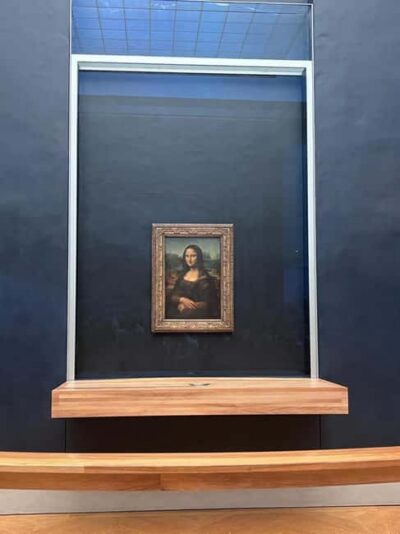
Louvre Museum Entry with History of Mona Lisa
Read our review →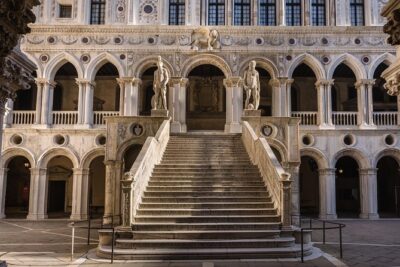
Venice’s Best: Basilica, Doge’s Palace, Gondola & History Gallery
Read our review →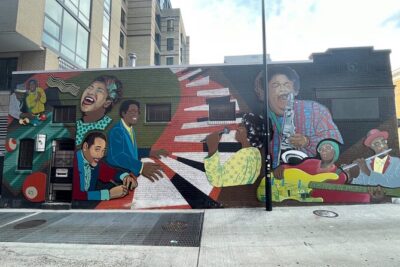
Guided African American History Tour with Reserved Museum Entry
Read our review →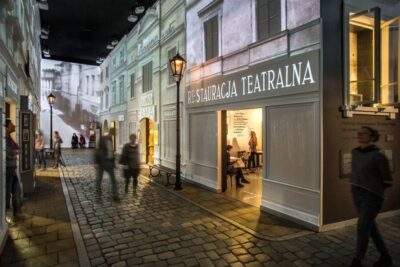
POLIN Museum of the History of Polish Jews Ticket
Read our review →
Bell Tower & St Mark’s Square History Gallery Ticket
Read our review →
Field Museum of Natural History Ticket or VIP Tour
Read our review →
Madrid in a Day Tour:Royal Palace, Historic Center & Prado Museum
Read our review →
Basilica, Doge’s Palace, History Gallery & Bell Tower Option
Read our review →Browse the lists this tour appears in