
Review · BAGMATI ZONE
Pick 2-Wonders of Kathmandu: A 3-Hour Heritage Hop
Kathmandu rewards a well-chosen shortcut. This private three-hour tour lets you select two major heritage sites, then links them with a guide, air-conditioned vehicle, hotel pickup, and return to Thamel. I like the freedom to choose between royal squares, hilltop views, Hindu temples, and Buddhist shrines. I also like that guides such as Nilakantha Acharya adjust the pace and spend more time on the places that interest you most.
The main consideration is the clock. Three hours is enough for a useful introduction, not a leisurely study of Kathmandu. Entrance fees are extra, and traffic can eat into sightseeing time, so you should pick your two sites before booking and avoid trying to cover too much.
Key things to know before you book
- Choose your two sites carefully: The choices cover Kathmandu Durbar Square, Swayambhunath, Pashupatinath, Boudhanath, Patan Durbar Square, and Bhaktapur Durbar Square.
- Expect a private outing: You travel in a private, air-conditioned vehicle with hotel pickup and drop-off in Kathmandu.
- The guide is a major part of the value: Nilakantha Acharya receives repeated praise for clear explanations, patience, photography help, and flexible pacing. Prakash is also singled out for his teaching.
- Kumari sightings are possible: Kathmandu Durbar Square includes the temple residence of Kumari, the living goddess, though an actual appearance cannot be guaranteed.
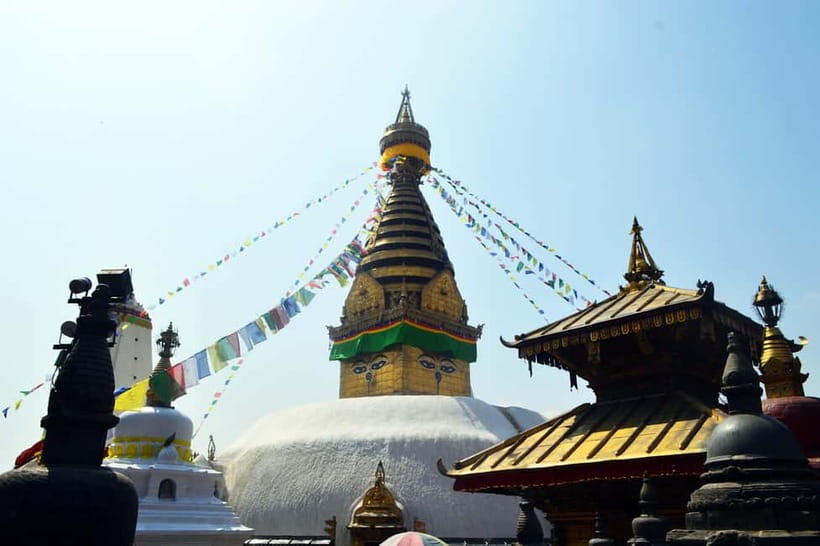
- The Monkey Temple delivers the views: Swayambhunath gives you a hilltop stupa, playful monkeys, and wide views across the Kathmandu Valley.
- Budget for admission charges: Monument entrance fees are not included, although an add-on option is available.
What a three-hour Kathmandu tour can realistically deliver
This outing is built for a tight schedule. You meet your guide at your hotel in Kathmandu, usually waiting in the lobby or at the entrance of your apartment five to ten minutes before pickup. From there, a private vehicle takes you to two selected heritage sites before returning you to Thamel.
That private setup matters. You do not have to wait for a large group, and the guide can change the pace around your questions. Nilakantha Acharya has been praised for doing exactly that, including slowing down for detailed questions, helping with photographs, and adjusting the visit when a guest had a full day planned afterward.
The price, listed at $3.94 per person, looks remarkably low for a private vehicle, guide, bottled water, and hotel transfers. The catch is that entrance fees, meals, drinks, and personal spending are separate. At this price, the tour is best judged as a low-cost way to organize transport and interpretation, rather than as an all-inclusive sightseeing package.
Three hours can work very well if you choose two nearby or logically paired sights. Kathmandu Durbar Square and Swayambhunath make a strong combination for royal architecture, religious art, and city views. Pashupatinath and Boudhanath create a more spiritual day, with Hindu ritual on the Bagmati River followed by Tibetan Buddhist calm.
Trying to force several distant areas into the same short outing would be less appealing. Kathmandu traffic is unpredictable, and every minute spent in the vehicle is a minute you are not looking at carved windows, temple roofs, or prayer wheels.
More Three-Hour Tours in the world:
- Berlin: 3-Hour World Heritage Cruise to Potsdam
★ 4.5 · 1,569 reviews - Edinburgh: 3-Hour Historical Walking Tour in Italian
★ 4.7 · 734 reviews - 3-Hour Porto Jewish Heritage Walking Tour with Local Guide
★ 4.5 · 396 reviews
Option 1: Kathmandu Durbar Square and Swayambhunath
This is the most balanced choice if you want a quick introduction to Kathmandu. It combines the old royal center with the hilltop shrine commonly called the Monkey Temple.
Kathmandu Durbar Square and the living goddess
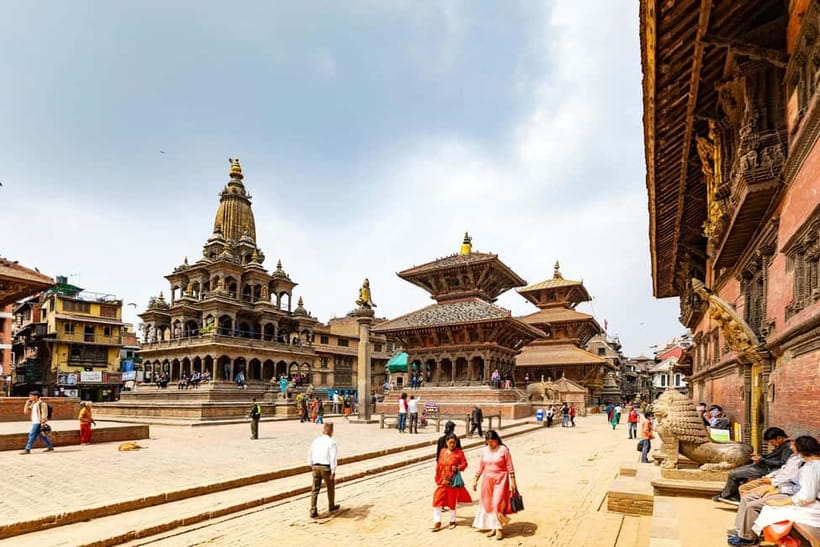
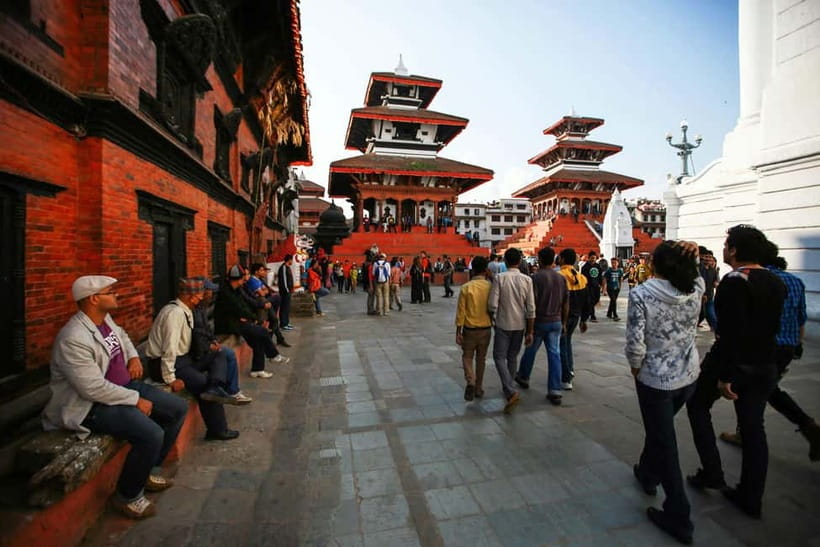
Kathmandu Durbar Square brings together palace courtyards, temples, carved timber, and traces of the Malla and Shah dynasties. The nine-storied Nautale Durbar is one of the major buildings to look for, but the pleasure of the square comes from the way many structures gather around shared public spaces.
Your guide can help separate royal architecture from religious buildings and explain how the square functioned as a center of power and ceremony. Without help, it is easy to see a collection of attractive temples and miss the political and cultural relationships between them.
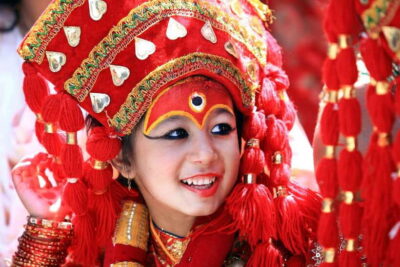
The Kumari House adds a rare local custom to the visit. Kumari is honored as a living goddess and resides in a temple within the square. You may have the opportunity to see her, but you should treat this as a possibility, not a promise. The timing and circumstances of an appearance are not under the tour’s control.
The square is a strong stop for anyone interested in Newari design. Look for detailed wood carving, tiered roofs, brickwork, and the close arrangement of buildings. The drawback is that the site can feel dense and demanding in only an hour or so. You will see the main areas, but you will not study every courtyard or temple.
Swayambhunath and the Kathmandu Valley panorama
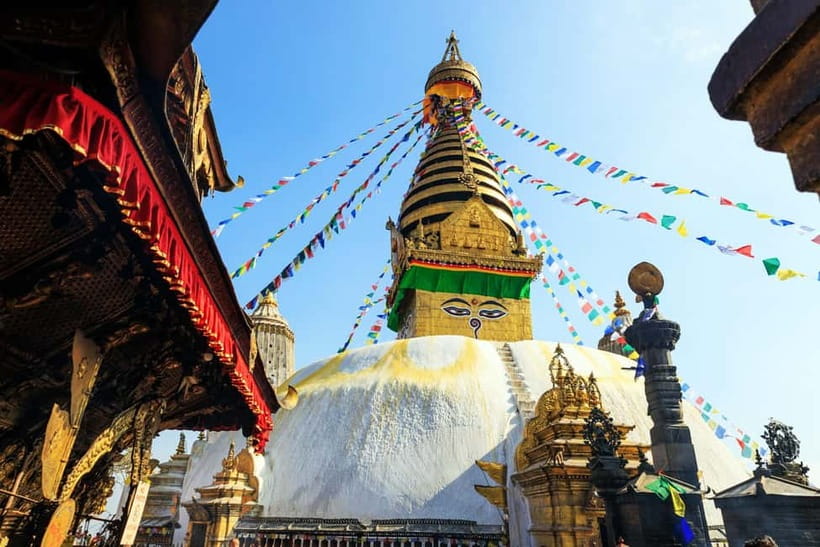
Swayambhunath sits on a hill and is reached by climbing to the stupa. The Mahachaitya is the visual center, with its familiar Buddhist form and watchful eyes looking across the valley.
This stop gives the tour a different rhythm. Kathmandu Durbar Square is packed with buildings and stories at street level. Swayambhunath opens the view and lets you understand the city’s scale from above. On a clear day, you can take in a broad 360-degree panorama of the capital and surrounding valley.
The playful monkeys are part of the site’s character, but you should still keep personal items secure and follow your guide’s advice. The climb also matters. This option is not ideal if steps are difficult, and the tour is not suitable for wheelchair users.
I would choose this pairing for a first visit, especially if you want architecture, religion, local customs, and photography in one short outing. It is also the pairing most clearly supported by the strongest feedback, with Nilakantha praised for explaining both sites and helping the visit feel more meaningful.
A few more history tours around the world worth a look
- History and Hauntings of Salem Guided Walking Tour
★ 5.0 · 14,564 reviews - Colosseum: Underground and Ancient Rome Tour
★ 4.7 · 12,691 reviews - Lisbon: History, Stories and Lifestyle Walking Tour
★ 4.8 · 10,902 reviews - London Small Group Tour of Historical Pubs
★ 5.0 · 10,422 reviews
Option 2: Pashupatinath Temple and Boudhanath Stupa
Choose this combination if religion and living ritual matter more to you than royal buildings. The two stops offer a clear contrast between Hindu and Buddhist traditions.
Pashupatinath beside the Bagmati River
Pashupatinath is one of Hinduism’s most important temples and is dedicated to Lord Shiva. It sits beside the sacred Bagmati River, where you may witness traditional cremation rituals along the riverbanks.
This is not a polished museum visit. Pashupatinath is a functioning religious center, and that makes it powerful but also calls for care. Your guide can explain the symbols, ceremonies, and boundaries that may not be obvious to an outsider. One visit took place during a festival, when Nilakantha explained the rituals and activity unfolding around the temple.
You should approach this stop with respect. Cremation rituals are part of the site’s religious life, not a staged performance for tourists. A guide helps you understand what you are seeing without treating it as a spectacle.
Pashupatinath can be the most emotionally demanding stop in the program. If you prefer architecture and city views, Kathmandu Durbar Square and Swayambhunath may suit you better. If you want a direct look at religious practice in Kathmandu, this is the stronger choice.
Boudhanath and the great Buddhist mandala
Boudhanath Stupa offers a very different mood. This enormous white stupa is described as Nepal’s largest mandala and was once an important stop on the trade route to Tibet.
The space around the stupa has a strong sense of order and movement. The structure gives you a clear focal point, while the surrounding religious setting provides a calmer counterpoint to Pashupatinath. Your guide can explain its Buddhist meaning and its place in the older trade network.
A three-hour visit cannot unpack every layer of Boudhanath, but it can give you a useful introduction to the stupa’s shape, purpose, and setting. I would allow time to look upward at the painted eyes, study the design of the mandala, and simply notice how different the atmosphere feels from the river temple.
This pairing has received especially strong praise from guests who toured with Nilakantha and driver Hari. The combination worked well because the guide supplied context while the private vehicle kept the schedule simple. It is a good choice for a first afternoon in Kathmandu when you want two major religious sites without committing to a full-day tour.
Option 3: Patan and Kathmandu royal squares
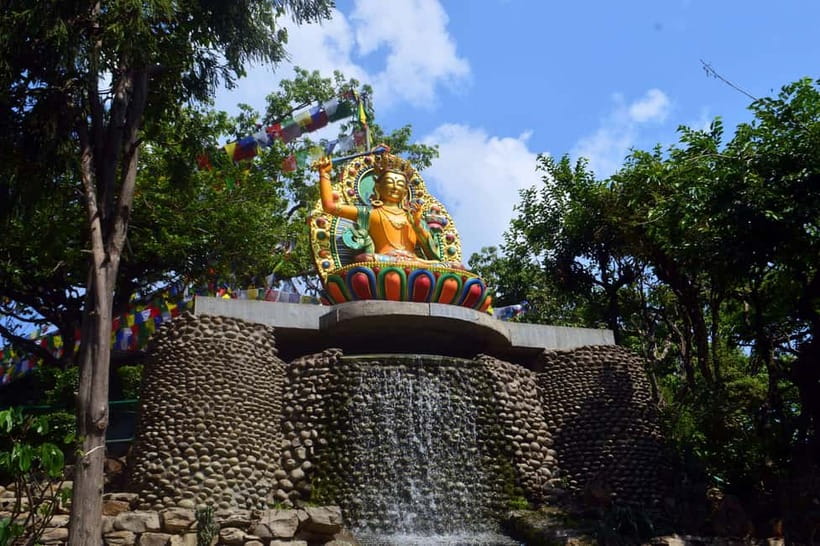
This option is for architecture lovers. It places two royal squares side by side in your day, giving you a chance to compare the artistic character of Lalitpur, also called Patan, with central Kathmandu.
Patan Durbar Square and Newari craftsmanship
Patan Durbar Square is known as the artistic heart of Lalitpur. The square has a red brick pavement and a dense collection of temples, statues, and palace buildings in the Newari style.
The pleasure here is in the detail. Look at the carved wood, the brick proportions, the metalwork, and the way temples frame the open square. A guide can point out details you might otherwise pass without noticing.
Patan is a good fit if your interests lean toward design, sculpture, and religious architecture. It may feel less immediately familiar than Kathmandu Durbar Square, but that is part of its appeal. You are looking at another royal center with its own visual identity.
Kathmandu Durbar Square for comparison
Adding Kathmandu Durbar Square gives you a useful comparison. Both squares reflect Newari craftsmanship and royal power, but the arrangement, buildings, and stories differ.
This pairing gives you the most concentrated architectural lesson among the options. The downside is that the two sites share some broad themes, so you may prefer Swayambhunath or Boudhanath if you want a stronger change of scenery.
For a three-hour visit, this choice works best when you tell the guide what you care about. If you are focused on wood carving, temple forms, or palace design, the flexible private format lets you linger instead of racing through every building.
Option 4: Bhaktapur and the old city atmosphere
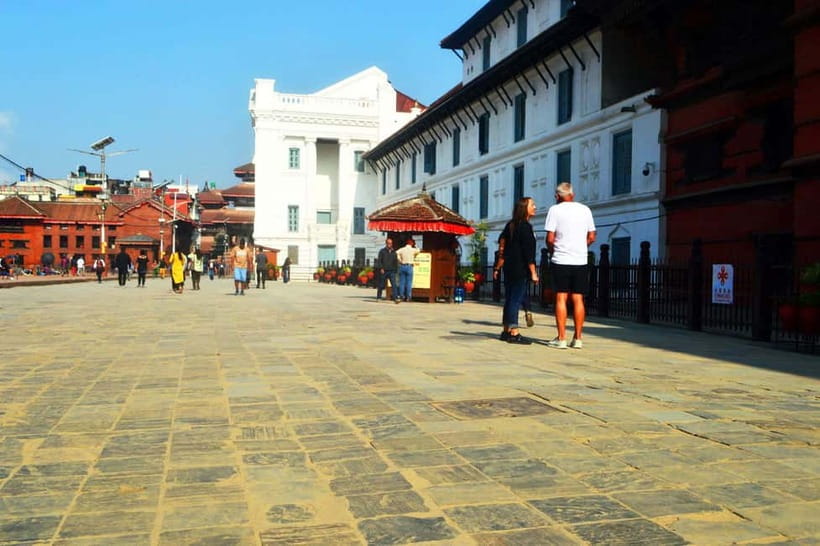
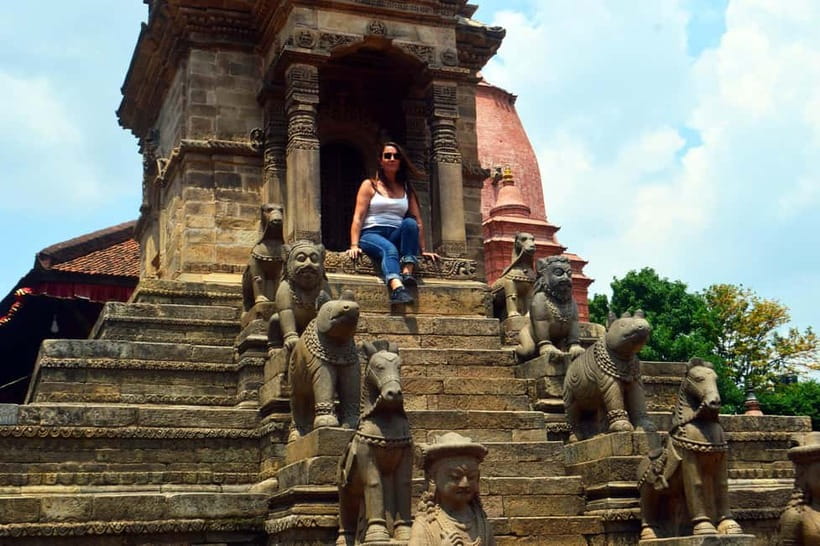
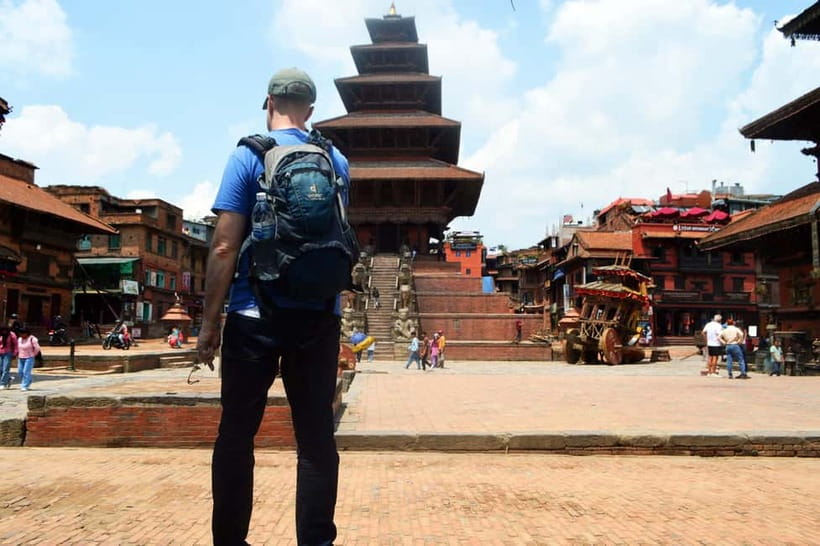
Bhaktapur feels like a separate historic city rather than another square within Kathmandu. Its Durbar Square is the largest of Nepal’s Durbar Squares and contains four smaller squares within the wider complex.
The five-storied Nyatapola Temple is the main visual landmark. It is Nepal’s tallest temple and gives the square a powerful vertical focus. Bhaktapur is the option to choose when you want a concentrated look at an old urban setting, traditional architecture, and broad public spaces.
There is one practical point to clarify before you confirm this option. The tour is described as a choice of two sites, but this option names Bhaktapur Durbar Square on its own. Ask how the second site is handled, especially because the drive can affect a three-hour schedule. The supplied choices do not clearly identify a second stop for this option.
Bhaktapur can still be an excellent choice if it is the place you most want to see. Just do not assume that a short tour here will cover every corner of the square. Decide in advance whether you want temple views, architectural details, or a general introduction, then tell your guide.
Guides, drivers, and the value of a private group
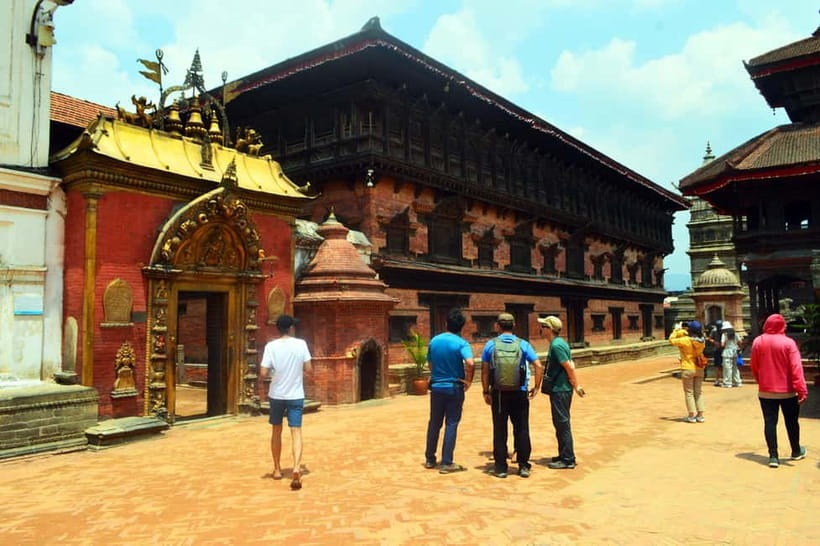
The guide can make or break a short heritage tour. When time is limited, you need someone who can explain the important points without burying you in dates and names.
Nilakantha Acharya receives the most specific praise. He is described as friendly, patient, clear, and willing to adjust the pace. He also helped with photos and took one guest to a rooftop for coffee when jet lag became a problem between stops. That rooftop stop is not listed as a standard inclusion, so you should not book expecting it, but it shows the kind of personal adjustment that may be possible.
Prakash is also praised for teaching visitors a great deal during the tour. Drivers Hari and Ram are named positively in connection with private transfers. The transport receives a 92 percent perfect score, which supports the idea that the vehicle service is one of the more dependable parts of the outing.
The private format is especially useful for couples, families with older children, or solo visitors who do not want to follow a fixed group pace. It also suits anyone with only a morning or afternoon free. You can ask to linger at one carving, temple, or view instead of moving on because a larger group is waiting.
What the price includes, and what it does not
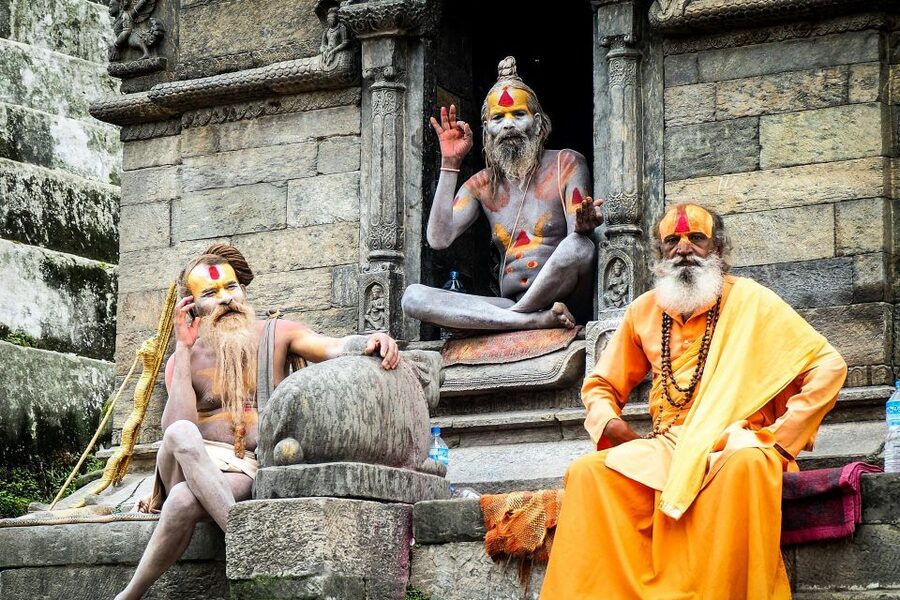
At $3.94 per person, the advertised rate offers strong value if you want a short, organized introduction. You receive hotel pickup and drop-off in Kathmandu, a private air-conditioned vehicle, an experienced guide, bottled water, and the tour to two selected heritage sites.
You do not receive meals, drinks beyond the bottled water, personal expenses, or monument entrance fees. Those admission charges can change the final cost, so include them in your budget rather than treating the headline price as the complete total.
The tour also offers free cancellation up to 24 hours before departure and reserve-now, pay-later booking. These policies are useful if your Kathmandu schedule is still shifting. You must select your preferred option before confirming.
The tour is offered with English or Hindi-speaking guides. Bring your passport and cash, and leave large bags, alcohol, and drugs behind. Pickup is from Thamel, with return there, so the arrangement is most convenient if you are staying in or near that area.
Who should book this short heritage hop?
I would recommend it to you if you have only three hours, want private transport, and prefer a guide to explain what you are seeing. It is particularly useful at the start of a Nepal trip, when you need context before exploring independently.
Pick Option 1 if you want the broadest mix of royal buildings, local tradition, a hilltop stupa, and city views. Choose Option 2 for Hindu and Buddhist religious sites. Choose Option 3 for Newari architecture and royal squares. Consider Option 4 if Bhaktapur is your priority, but clarify the second stop first.
This is not the right fit if you need wheelchair access, are traveling with a baby under one year, or are over 95. It is also not ideal if you want a slow, detailed study of one historic area. The three-hour limit keeps the tour useful, but it keeps it brisk.
Should you book Pick 2 Wonders of Kathmandu?
Book it if you want a well-organized first taste of Kathmandu without giving up half a day. The low price, private vehicle, hotel transfers, and flexible guide make it an efficient choice, especially when you select sites that match your interests.
For the best use of your time, I would choose Kathmandu Durbar Square and Swayambhunath for a first visit, or Pashupatinath and Boudhanath if religious culture is your main interest. Confirm the entrance-fee costs and the exact second stop for the Bhaktapur option. With those details settled, this tour offers a smart, compact introduction to Kathmandu’s sacred places, royal centers, and remarkable Newari design.
FAQ
How long does the tour last?
The tour lasts three hours, including pickup from and return to Thamel.
Where does pickup take place?
Pickup is from your hotel in Kathmandu. You should wait in the hotel lobby or at the entrance of your residential apartment five to ten minutes before pickup.
Is hotel drop-off included?
Yes. Drop-off at your hotel in Kathmandu is included, with the stated route beginning and ending in Thamel.
How many heritage sites can I visit?
The tour is designed around two selected heritage sites. You should choose your preferred option before confirming the booking.
Which sites can I choose from?
The choices include Kathmandu Durbar Square, Swayambhunath, Pashupatinath, Boudhanath, Patan Durbar Square, and Bhaktapur Durbar Square.
Are entrance fees included?
No. Monument entrance fees are not included in the basic price. An add-on option is available.
Is the tour private?
Yes. The activity is operated as a private group tour in an air-conditioned private vehicle.
Which languages are available?
Live guiding is available in English and Hindi.
Can I cancel for a full refund?
Yes. You can cancel up to 24 hours in advance for a full refund.
What should I bring?
Bring your passport and cash. Large bags, alcohol, and drugs are not allowed.
Just added around the world
- Charlotte Historic : Queen Bee City Tour★ 4.5 · 31 reviews
- Charlotte’s Premier Historical City Bus Tour★ 5.0 · 178 reviews
- Charleston’s Historic Pubs, Taverns, and Taprooms Tour★ 4.5 · 33 reviews
- Charlotte’s Ultimate Southern Charm Historical City Bus Tour★ 5.0 · 61 reviews
- Charleston’s Strong Women of the South History Tour★ 4.5 · 27 reviews
- Small-Group Tour: Charleston Old Walled City Historical Walking Tour★ 4.5 · 283 reviews
- Private Walking Tour of Historic Charleston★ 5.0 · 38 reviews
- Sip History in The Sun Cabana Covered Cocktail Class★ 5.0 · 332 reviews
Kathmandu History Tours, compared.
Private Kathmandu Sightseeing Tour | UNESCO World Heritage sites
Read our review →
Nepal Discovery Tour: Heritage Sites & Scenic Hill Easy Hike
Read our review →
Kathmandu Private Sightseeing Tour | UNESCO World Heritage Sites
Read our review →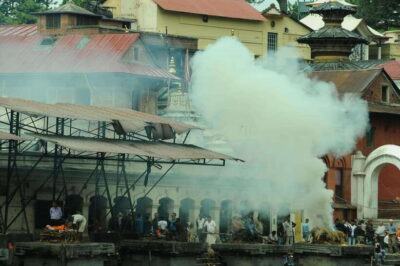
Private Kathmandu UNESCO World Heritage Sites Tour
Read our review →Browse the lists this tour appears in