
Review · VENETO
Padua: Jewish Heritage Museum and Synagogue Tour
Padua keeps important stories behind quiet doors. This guided visit makes the city’s Jewish past easier to understand, combining the Jewish Museum with the still-active Italian Synagogue and the narrow streets of the old Ghetto. I like the personal approach, especially the multimedia stories of ten important Jewish figures and the careful explanation of the community’s links with Padua’s university. I also like that the visit ends inside a working house of prayer, not just a preserved monument.
The main drawback is the weekday booking rule. Although the advertised price is $17 per person, weekday reservations require a €60 ticket, and you may need to join a time slot that already has other bookings to share that cost. The tour also lasts only one to one and a half hours, so it offers a focused introduction rather than a complete study of Padua’s Jewish past.
The guides receive the strongest praise. Antonella, Simonetta, and Isaiah are each described as warm, clear, and exceptionally well informed. If you want a short cultural visit with real historical weight, this is one of Padua’s more worthwhile choices.
Key Points Before You Book
- The tour connects two different synagogues: You visit a former 16th-century Ashkenazi synagogue, now home to the museum, and the Italian Synagogue, which still serves Padua’s Jewish community.
- Ten historical figures tell the story: A multimedia installation uses film to present important people from Jewish life in Padua.
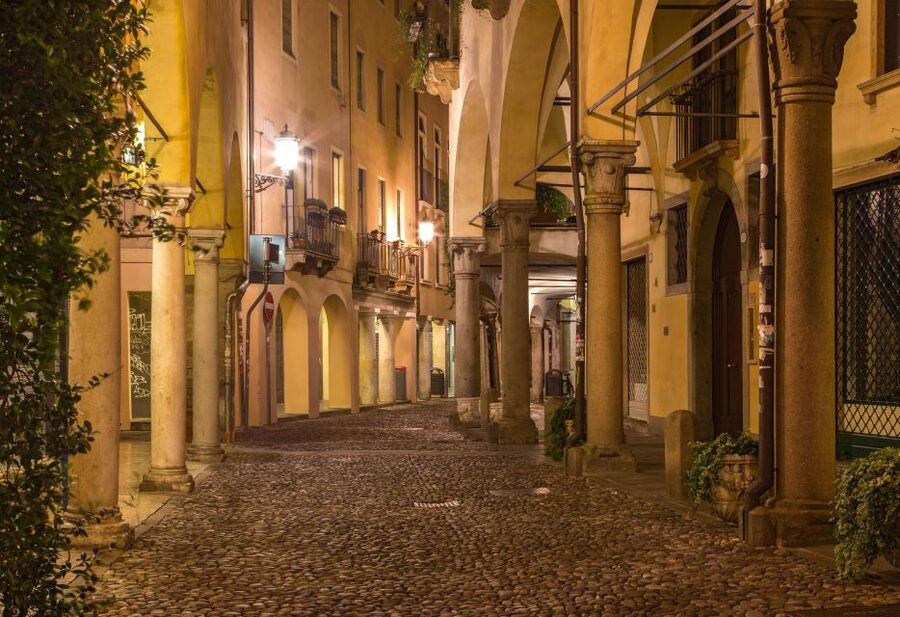
- The old Ghetto is part of the lesson: Your guide leads you through narrow streets and explains the area’s commercial, social, cultural, and religious past.
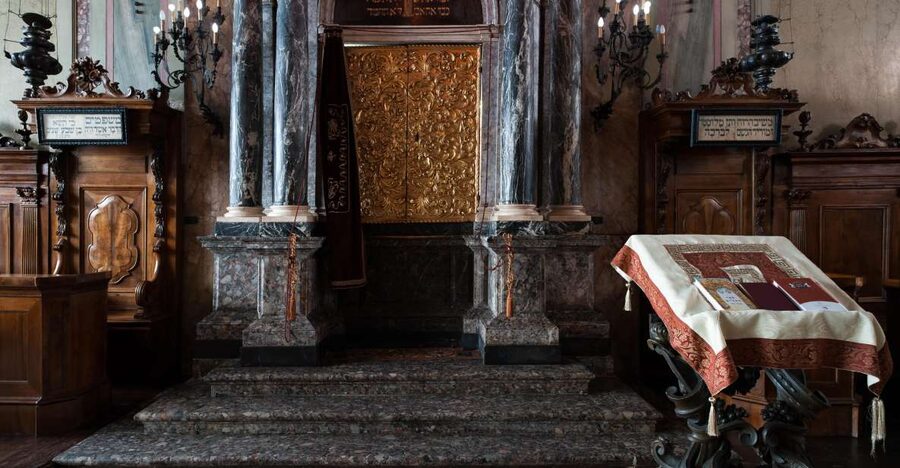
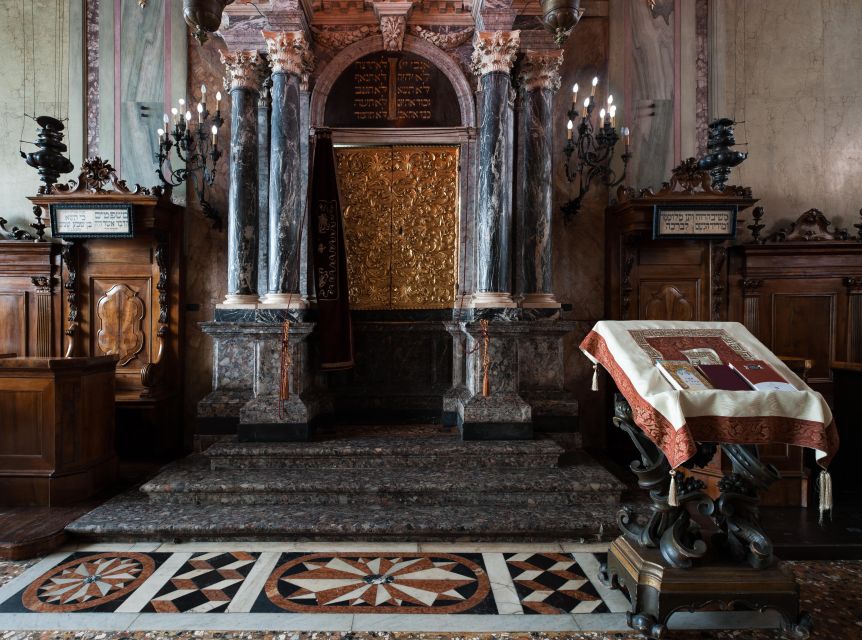
- The Aron-ha-Kodesh remains in use: The Italian Synagogue’s polychrome marble sacred cabinet is still used for prayer.
- The tour is short but concentrated: Plan on 60 to 90 minutes, with little wasted time.
- Dress modestly: Shorts and sleeveless shirts are not allowed inside.
Why Padua’s Jewish Story Deserves Your Time
Padua is often visited for its university, frescoes, basilicas, and elegant squares. Its Jewish story is less visible, but it is closely tied to the city’s intellectual and civic life. Jewish residents lived, worked, studied, prayed, and traded here for centuries, and the tour gives you a way to see those connections rather than treating the Ghetto as a footnote.
The visit covers the community from its origins to the present day. That long timeline matters. You are not shown only old objects or told only about persecution. You also hear about scholarship, religious life, business, education, and the people who helped shape Padua’s Jewish identity.
The connection with the University of Padua is especially interesting. Padua’s university is more than 800 years old and was among the early European universities open to Jewish students. This helped make the city an important center for Jewish learning. The tour brings that academic link into the story, giving the Ghetto a wider purpose than its streets alone might suggest.
If you already plan to visit the university, this tour adds useful context. If you are coming from Venice for a day, as one visitor did specifically to see the synagogue, the visit can give your Padua stop a clear focus.
More Jewish Heritage Tours in Italy:
- Lecce: Jewish History Walking Tour
★ 4.7 · 67 reviews - Budapest Jewish Heritage Memorial Walking Tour & Synagogue Entry
★ 5.0 · 568 reviews - Budapest: Jewish Heritage Guided Tour with Synagogue Ticket
★ 4.8 · 533 reviews
Inside the Former Ashkenazi Synagogue
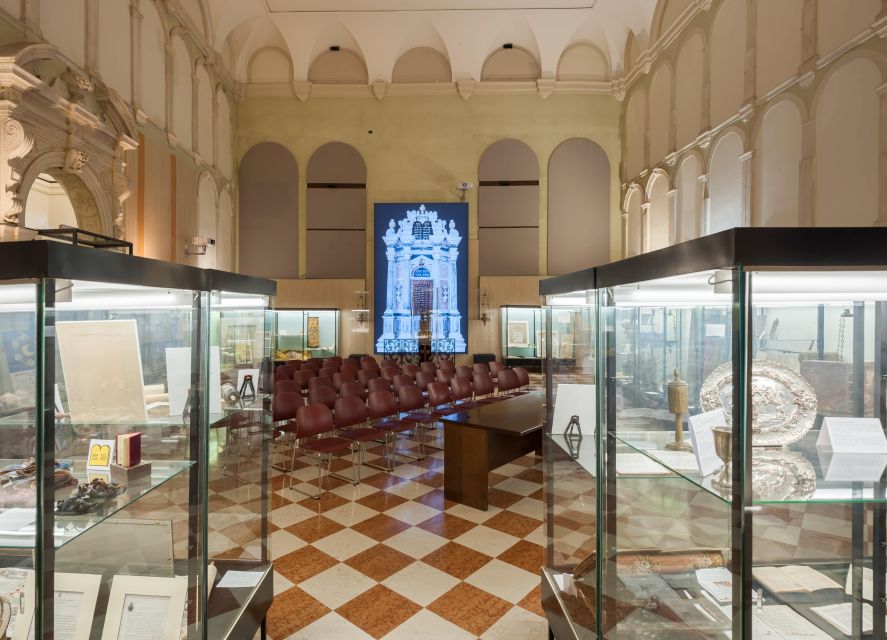
The first major stop is the Padua Jewish Museum, located in a former Ashkenazi synagogue in the old Ghetto area. The building dates to the 16th century and was reconstructed in the 1990s after a fire set by fascists in 1943. That history makes the museum more than a display space. The building itself carries evidence of survival and renewal.
Inside, the museum presents objects and information about Jewish customs, worship, and community life. The material covers rituals and important events from the earliest period through the modern community. The format is compact, so you can take in the main ideas without feeling buried under labels.
The museum also includes a multimedia film installation by director Denis Brotto. Ten notable figures from Padua’s Jewish life appear through short filmed stories connected to places associated with them. This is a smart choice for a small museum. Instead of asking you to absorb a long list of names and dates, the installation gives the past human voices and faces.
You may hear about figures such as Rabbi Judah Minz, the Maharam Padua, and Moshe Chaim Luzzatto, also known as the Ramchal. These names matter to Jewish history, but the guide’s explanations help place them within Padua rather than leaving them as isolated scholars in a textbook.
The film component received particular praise for being powerful and useful. It is not simply background entertainment. It helps you see how individual lives connect to the city, its places of learning, and its religious community.
One practical note: the museum may be opened especially for your scheduled visit. That can make the experience feel personal, but it also means punctuality matters. Show your voucher at the ticket counter before the tour begins and look for the magenta-colored building on the street.
Walking the Narrow Streets of the Old Ghetto
After the museum, the guide takes you through the old Ghetto. The streets are narrow and restricted, and their shape helps you picture how Jewish life was organized in earlier centuries. The walking portion is not long, but it gives the indoor displays a physical setting.
Your guide explains how the settlement functioned commercially and socially. You learn about the businesses connected with the area, the way residents lived, and the religious and cultural institutions that supported the community. This is where the tour becomes more than a synagogue visit. The Ghetto was a neighborhood with daily routines, not just a historical label.
I like this part because it asks you to pay attention to the ordinary details of the city center. Padua’s old streets can look like a pleasant backdrop for a walk, but the guide helps you read them as places where people studied, traded, worshipped, and raised families.
The route is also useful for families. Children may not follow every historical detail, but the combination of short walking sections, visual material, and stories about real people gives them several ways into the subject. Still, the topic includes difficult periods, so parents should decide how much historical context is right for younger children.
Because the tour lasts only 60 to 90 minutes, the Ghetto walk is an introduction, not a full architectural tour. You will hear the main story, but you should not expect a long examination of every building or street.
The Italian Synagogue and Its Marble Aron-ha-Kodesh
The final stop is the Italian Synagogue, which remains the prayer site for Padua’s Jewish community. This gives the tour a sense of continuity. You are not ending in a room used only for display. You are entering a sacred space that still has an active religious purpose.
The main visual focus is the polychrome marble Aron-ha-Kodesh on the eastern wall. This sacred chamber holds the Torah scrolls and remains in use for prayer. The guide explains its position, design, and religious meaning, helping you understand why it is more than a beautiful piece of decoration.
The synagogue’s atmosphere is one of the reasons this visit leaves such a strong impression. The architecture and artwork have real age and presence, but the building is also part of current community life. That combination can be more moving than a polished museum reconstruction.
Dress is important here. Shorts and sleeveless shirts are not allowed, and modest clothing is the safe choice. Nudity is also listed as prohibited, which should go without saying, but the practical message is simple: dress respectfully for a religious site.
The synagogue is wheelchair accessible, according to the activity details. If access needs are important to you, it is still sensible to confirm arrangements when booking, especially because the tour includes streets in the former Ghetto as well as interior spaces.
More Museum and Gallery History Tours in Italy:
- Venice’s Best: Basilica, Doge’s Palace, Gondola & History Gallery
★ 4.5 · 2,478 reviews - Venice: Bell Tower & St Mark’s Square History Gallery Ticket
★ 4.3 · 910 reviews - Basilica, Doge’s Palace, History Gallery & Bell Tower Option
★ 5.0 · 586 reviews - Turin: Palazzo Madama Museum of Ancient Art Entrance Ticket
★ 4.6 · 149 reviews
The Guides Make the Difference
This tour depends heavily on the person leading it. A short visit can feel rushed or memorable, depending on how the guide handles the story. The strongest praise goes to guides Antonella, Simonetta, and Isaiah.
Antonella is described as a gifted storyteller who explains figures such as the Ramchal and Rabbi Judah Minz with care. Her attention to the synagogue’s art and architecture is especially useful if you want more than a quick look at the room.
Simonetta is praised for making a large amount of information interesting and easy to follow. That skill matters here because the tour moves from ancient community life to the Ghetto, then to the modern synagogue. Isaiah is noted for answering detailed questions about Padua’s Jewish sites and historical figures.
Guides may vary by date and language, so you should not book expecting a particular person unless the provider confirms it. Tours are offered in English and Italian. If you have questions about scholarship, religious practice, or the university connection, this is a good setting to ask them.
Is the $17 Price Good Value?
At the advertised $17 per person, the tour offers solid value. Admission to both the Jewish Museum and synagogue is included, along with a live guide and the multimedia presentation. You also get a short walking tour through the old Ghetto, so the price covers several related experiences rather than one room.
The value becomes less straightforward on weekdays because a €60 ticket is requested for weekday reservations. The information advises you to choose a time slot where other people have already booked if you want to share that amount. Check the exact terms before paying, since the displayed per-person price may not tell the whole story for a private or lightly booked weekday slot.
The tour is a better fit for you if Jewish history, religious architecture, or Padua’s university tradition is a major interest. It is also worthwhile if you have only a day in Padua and want a guided visit with a clear beginning and end.
If you are looking for a large museum with many rooms, a long collection, or extensive time for independent viewing, this may feel brief. The strength is the guide’s interpretation, not the quantity of exhibits.
Who Should Book This Visit?
I would recommend this tour to history lovers, visitors with Jewish family or cultural connections, architecture fans, and anyone who wants to see a side of Padua beyond its famous churches and university buildings. It also suits families who prefer a guided experience with stories, films, and a manageable walking distance.
The visit is particularly meaningful for people interested in Jewish scholarship. Padua’s links with major rabbis, teachers, and the university give the city a role that may surprise you.
You do not need a religious background to appreciate the tour. The guide explains the setting, objects, and traditions for a general audience. Still, the experience will mean more if you take time to listen rather than treat it as a quick photo stop.
The short duration makes it easy to fit into a day of sightseeing. It can work before or after time around Piazza delle Erbe and the nearby university area. The meeting point is in the historic center, in the old Ghetto, so the tour fits naturally into a walking day in central Padua.
What to Know Before You Arrive
Reserve a start time in advance and check availability, since the tour runs at set times. At the meeting point, look for the magenta building and show your voucher at the ticket counter before the tour starts.
English and Italian are available. The experience is wheelchair accessible, and ticket-line skipping is included. The visit takes one to one and a half hours, so allow a little extra time if you want to linger afterward around the Ghetto or nearby historic center.
Dress for a synagogue visit. Avoid shorts and sleeveless tops, and choose clothing that covers the shoulders and legs. This is not just a formal rule. It shows respect for a working place of worship.
Free cancellation is available up to 24 hours before the scheduled start, and you can reserve now while paying later. Those terms are useful if your Padua day depends on train connections or changing plans.
Should You Book the Padua Jewish Heritage Tour?
Yes, if you want a focused, thoughtful visit that explains how Jewish life shaped Padua across centuries. The museum, Ghetto streets, and Italian Synagogue work well together, while the ten filmed figures give the story a human scale.
Book it with realistic expectations. This is not a full-day course or a large museum visit. It is a compact guided experience whose quality rests on the guide and the questions you bring. Check the weekday €60 condition carefully, dress modestly, and choose a shared slot if that helps control the cost.
For a modest price at the standard rate, this is one of the best ways to understand Padua’s Jewish past and see a synagogue that still serves its community today.
FAQ
Where does the Padua Jewish Heritage Museum and Synagogue Tour take place?
The tour takes place in Padua’s historic center, in and around the ancient Jewish Ghetto. It includes the Jewish Museum in a former Ashkenazi Synagogue and the Italian Synagogue.
How long does the tour last?
The tour lasts between one hour and one and a half hours.
What is included in the price?
Admission to the Padua Jewish Museum and Padua Synagogue is included, along with a guided tour and the multimedia experience.
What languages are available?
The live tour guide is available in English and Italian.
Is the tour wheelchair accessible?
Yes, the activity information identifies the tour as wheelchair accessible.
What should I wear?
Shorts and sleeveless shirts are not allowed. Wear modest clothing suitable for visiting an active synagogue.
Where is the meeting point?
Look for the magenta-colored building on the street in the old Ghetto area. Show your voucher at the ticket counter before the tour begins.
How does the weekday ticket condition work?
Weekday reservations require a €60 ticket. If you want to share that amount, book a time slot where other people have already reserved places.
Just added around Italy
- Partinico: Historic Sicilian Vineyard & Wine Tasting Tour★ 4.8 · 36 reviews
- Palermo: Historic Center Guided Bike Tour with Food Tasting★ 4.7 · 85 reviews
- Palermo: Tour of the historic center by train★ 3.7 · 242 reviews
- Palermo: Mafia history and present, Street Food Walking Tour★ 5.0 · 29 reviews
- Palermo : Historic Markets & monuments Walking Tour★ 4.7 · 129 reviews
- Turin: Palazzo Madama Museum of Ancient Art Entrance Ticket★ 4.6 · 149 reviews
- Olbia: Archaeological Tour of Ancient Sardinia + Transport★ 4.6 · 21 reviews
- Naples: Historic Center Guided Tour with Underground Ruins★ 4.7 · 18 reviews
Jewish Heritage Tours, compared.
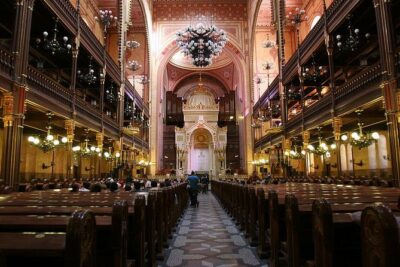
Budapest Jewish Heritage Memorial Walking Tour & Synagogue Entry
Read our review →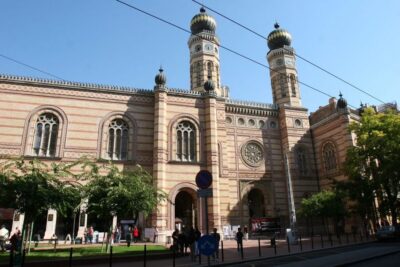
Jewish Heritage Guided Tour with Synagogue Ticket
Read our review →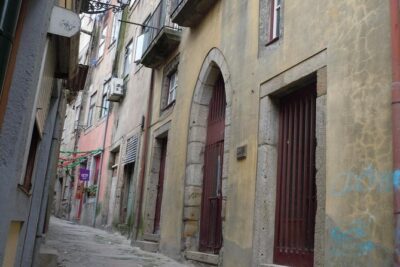
3-Hour Porto Jewish Heritage Walking Tour with Local Guide
Read our review →
Private Jewish Heritage Journey by Barcelona Dreaming
Read our review →
Anne Frank and the Jewish History of Amsterdam Private Tour
Read our review →
Lisbon Jewish Heritage and History – Private Tour Van
Read our review →
Browse the lists this tour appears in