
Review · NORWAY
Longyearbyen: Historic Coal Mine Tour at Gruve 3
Cold, dark, and wonderfully real. Gruve 3 gives you a close look at Longyearbyen’s coal-mining past, with old machinery, underground tunnels, and stories about the people who worked here. I especially like the hands-on crawl through a narrow production tunnel and the way guides such as Camilla, Anders, and Caroline connect the machinery to everyday mining life. The main consideration is simple: this is not an easy museum visit. The ground is uneven, the mine is cold, and the narrow section is unsuitable for anyone with claustrophobia or limited mobility.
I also like the tour’s strong sense of place. You pass the Global Seed Vault on the way to Mine 3, then learn that an earlier seed bank operated inside this same mine in 1984. At $120 per person, it is not cheap, but the three-hour outing includes transport, hotel pickup and drop-off, equipment, and a guide who brings Longyearbyen’s past into focus.
Key points to know before booking
- You walk almost 800 meters underground, entering three side tunnels in a former working mine.
- The optional crawl is genuinely tight, with a production space about 60 centimeters high.
- Mine 3 closed in 1996, leaving workshops, tools, machinery, and other equipment in place.
- The tour explains more than coal mining, including Longyearbyen’s growth and the origins of the Global Seed Vault.
- Warm clothing matters, even if the weather above ground seems mild.
- The tour suits active visitors, but not wheelchair users or people with mobility limitations.
A short ride from Longyearbyen to Mine 3
The outing begins with pickup at one of several central locations. These include major hotels, the tourist information office, the harbour, Coal Miners’ Cabin, Mary-Ann’s Polarrigg, and other guesthouses. You need to choose your pickup point when booking, then wait just outside or inside the main entrance.
The drive to Mine 3 is short, but it gives the guide a useful chance to point out parts of Longyearbyen. The most notable sight along the way is the Global Seed Vault, the secure facility built into the mountainside. You do not enter the vault on this tour, but the guide explains its connection to Mine 3.
That connection is one of the tour’s best surprises. In 1984, the first seed bank on Svalbard opened inside Mine 3. The permafrost offered cold, stable storage without the same need for electricity. The idea helped lead to the modern Global Seed Vault, where more than one million seeds from around the world are stored.
This small piece of background makes the mine feel connected to present-day Svalbard, not trapped in an old industrial past. Coal, seed storage, data storage, and Arctic settlement all meet in one place.
A few more history tours around the world worth a look
- History and Hauntings of Salem Guided Walking Tour
★ 5.0 · 14,564 reviews - Colosseum: Underground and Ancient Rome Tour
★ 4.7 · 12,691 reviews - Lisbon: History, Stories and Lifestyle Walking Tour
★ 4.8 · 10,902 reviews
The first briefing puts Longyearbyen in context
Before you head underground, you enter the facility and see maps of Longyearbyen and Svalbard. This opening talk matters because it explains why anyone settled in such a remote place in the first place.
The guide discusses the town’s development and the men who came north about a century ago to work in the mines. You learn how coal shaped the settlement, its jobs, and its identity. This is not just a technical explanation of machinery. It is a story about work, risk, isolation, and the reasons people stayed in an environment that could be harsh and unforgiving.
A model of the mine helps explain the thin-seam mining method used at Gruve 3. The coal seam was narrow, so miners worked in restricted spaces close to the rock. The model makes this easier to understand before you see the real tunnels.
Guides are a major part of the experience. Camilla is a former mining worker, which gives her stories a direct, personal quality. Anders has been praised for his humour and energy, while Caroline is known for explaining the mine in a friendly, clear way. Other guides, including Michael and Sophie, have also received strong praise for making the technical material easy to follow.
The quality of the guide matters here more than at many sightseeing stops. An empty mine can be interesting, but a good guide helps you picture the daily routine, the danger, and the physical demands of the job.
Old workshops show the machinery miners actually used
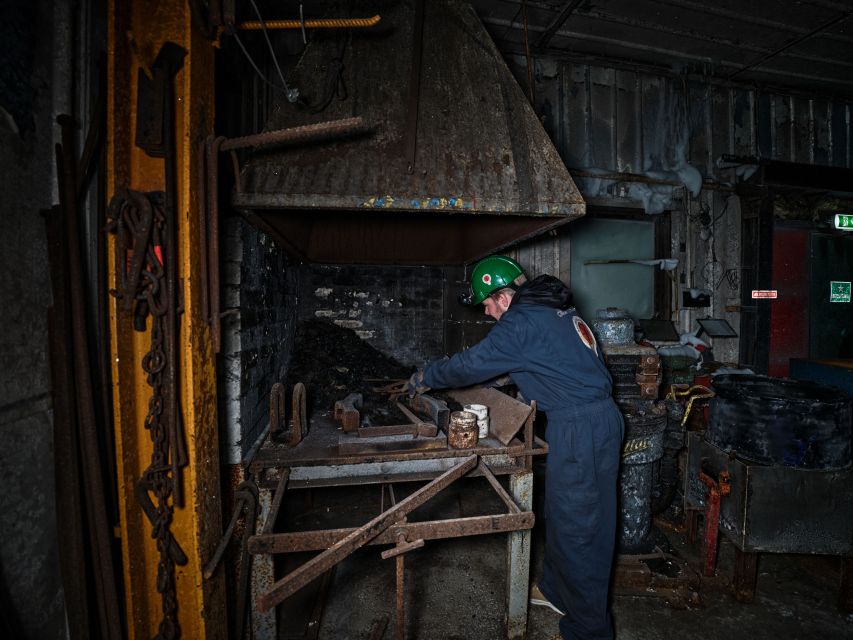
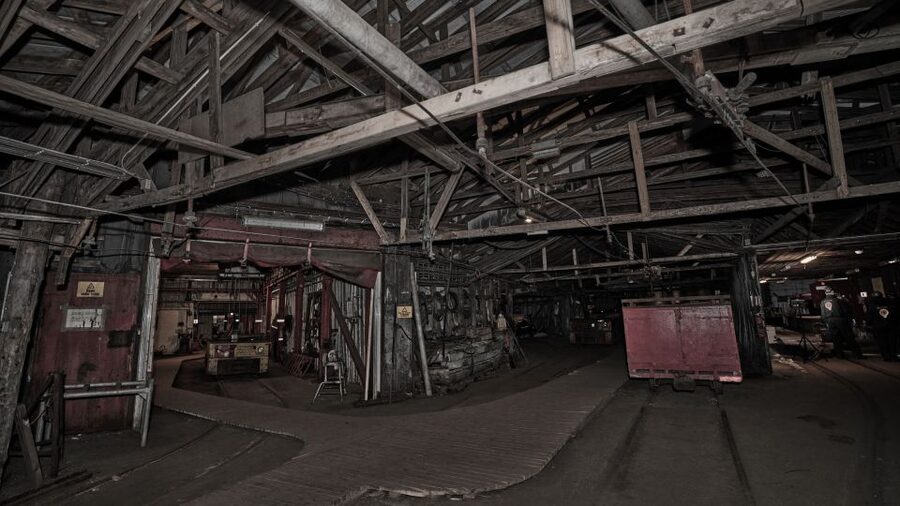
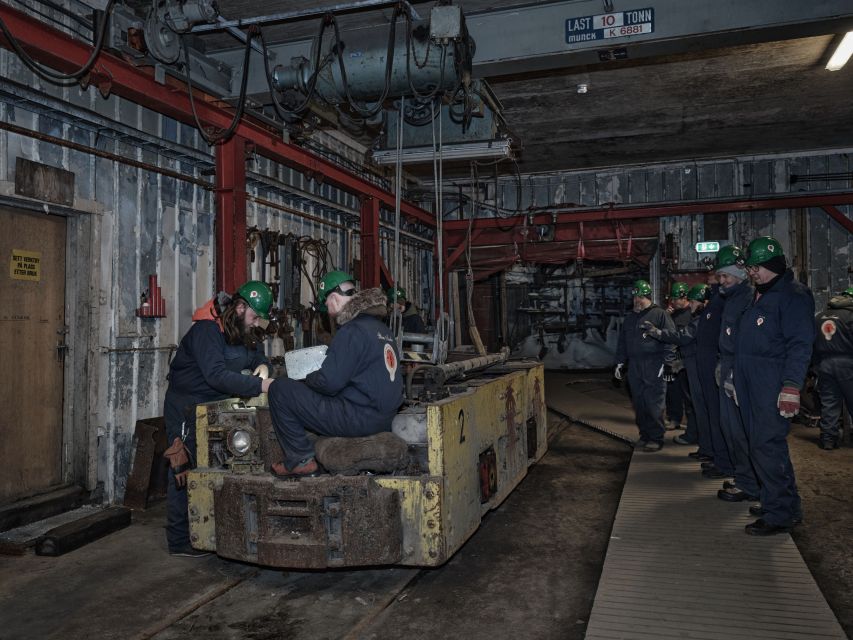
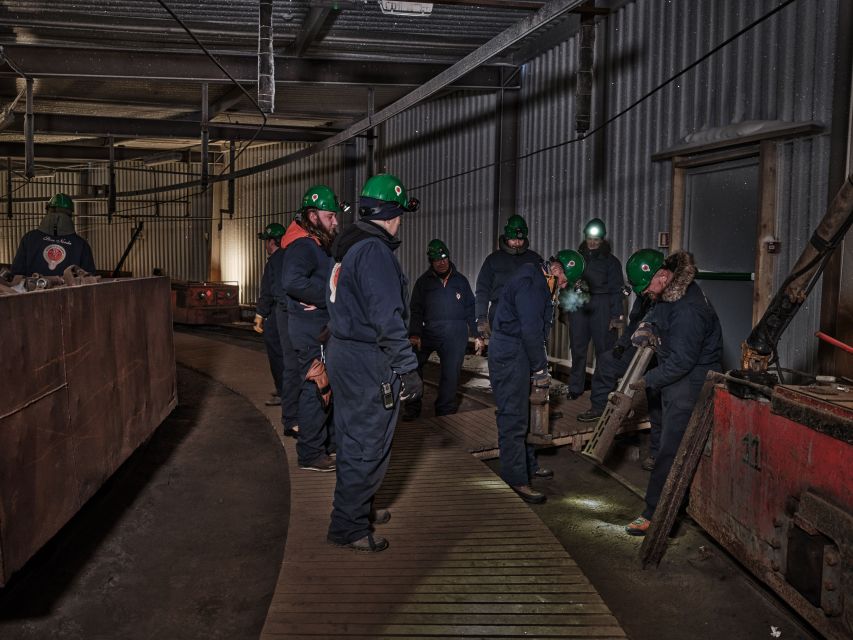
The tour then moves through workshops filled with equipment left behind when Mine 3 closed in 1996. You see tools and machines from the later working life of the mine, including equipment associated with the 1980s.
This section gives you time to look closely rather than simply pass through a display room. You can see the scale of the tools and get a better idea of what had to be carried, operated, repaired, or moved underground. For me, this is where the mine changes from an abstract historical site into a workplace.
The equipment is not polished into a neat museum collection. Its value comes from the sense that the working environment stopped and was left behind. That makes the experience feel more like industrial archaeology than a standard indoor exhibition.
The guide explains how the machinery fitted into the mining process and how the thin coal seam affected the workers’ movements. You may also see or handle tools used in the work, depending on the flow of the tour. The important point is that the visit gives you physical reference points. You are not only hearing that the work was difficult. You are seeing the machines and spaces that made it difficult.
The workshops are also a good part of the tour for anyone who is less eager to crawl underground. You still get a solid understanding of the mine without forcing yourself into the tightest section.
The narrow production tunnel is the tour’s defining moment
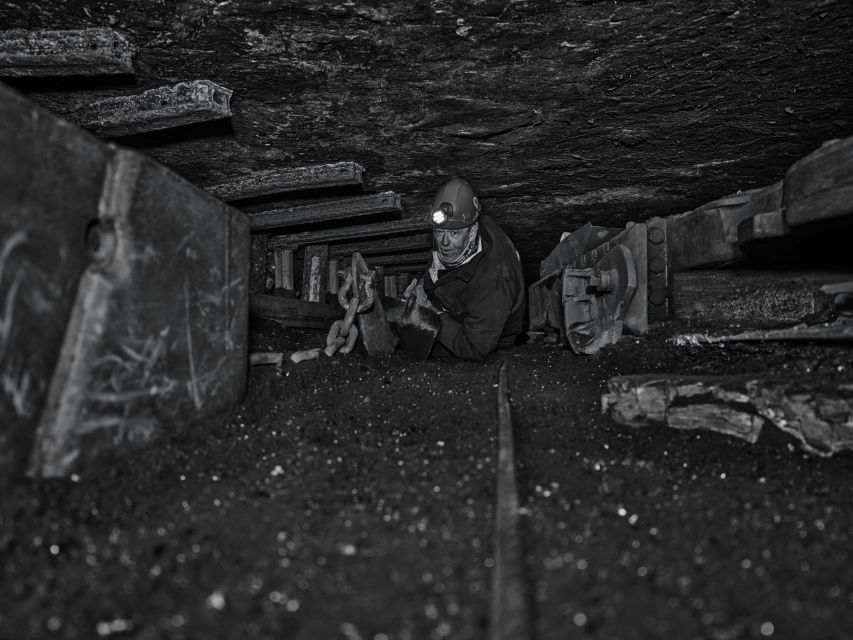
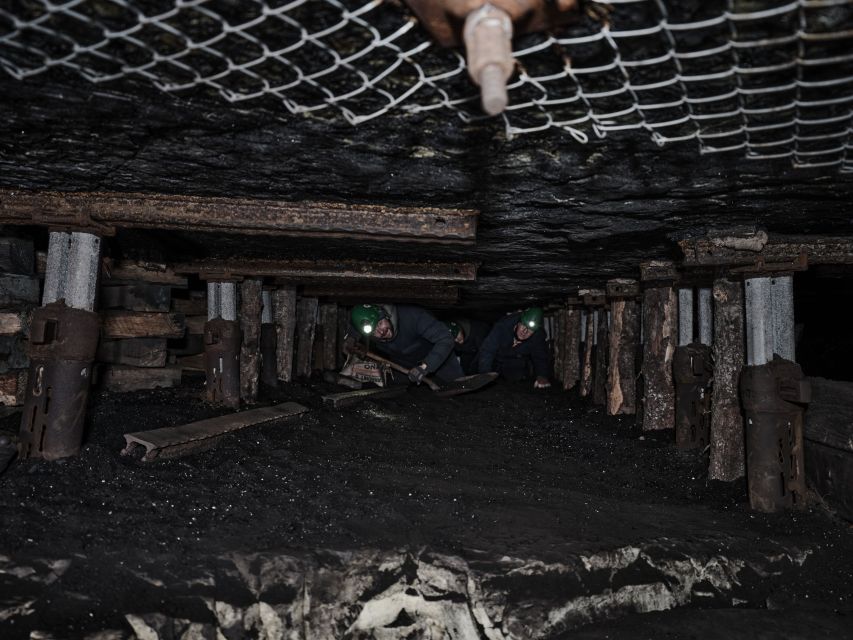
At some point, you put on a miner’s overall and have the chance to crawl into an old production tunnel. The space is about 60 centimeters high, so this is not a symbolic little squeeze. You really do have to lower yourself and move carefully.
The crawl is optional. That is important, since not everyone will enjoy being in such a confined space. If you choose to try it, you get a much sharper sense of the conditions faced by miners working in thin seams. You feel the restricted height in a way that no model or photograph can match.
Several guides use this moment to explain how miners worked close to the coal seam and supported the surrounding rock as they advanced. The physical experience is short, but it changes how you understand the rest of the tour. After crawling through a tight section, the ordinary mine passages seem far more spacious.
You should wear clothes that can tolerate dust and contact with rough surfaces. The supplied information specifically advises warm clothing, and that advice applies underground even during summer. One July visitor found the mine cold, while another visitor noted that the uneven walking was tiring for older members of their group.
Same place, a different slice of the past:
- London Small Group Tour of Historical Pubs
★ 5.0 · 10,422 reviews - Prague: Oldtown, Medieval Underground & Dungeon History Tour
★ 4.3 · 10,277 reviews - Charleston’s Old South Carriage Historic Horse & Carriage Tour
★ 5.0 · 10,023 reviews - Edinburgh: Edinburgh Castle Guided History Tour with Tickets
★ 4.8 · 9,933 reviews
Walking 800 meters into the old mine
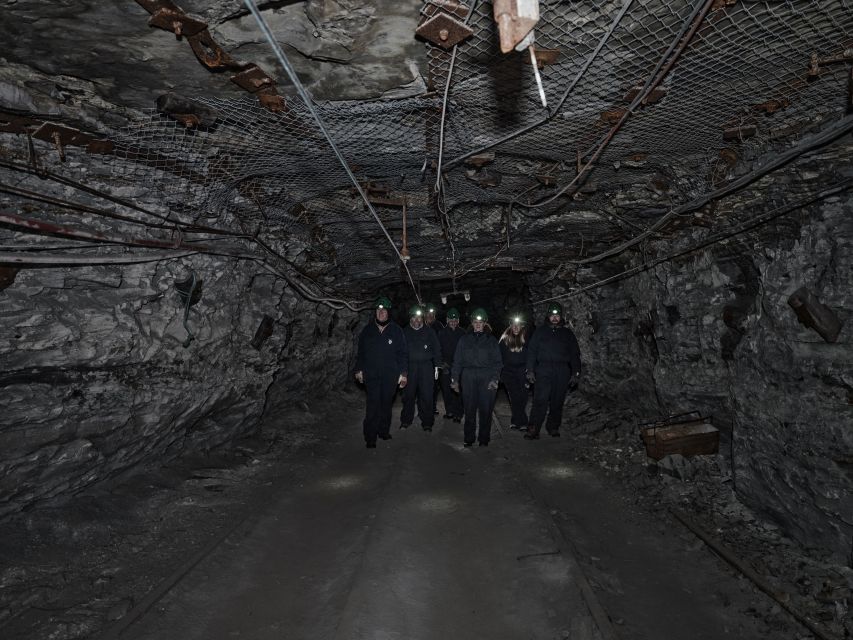
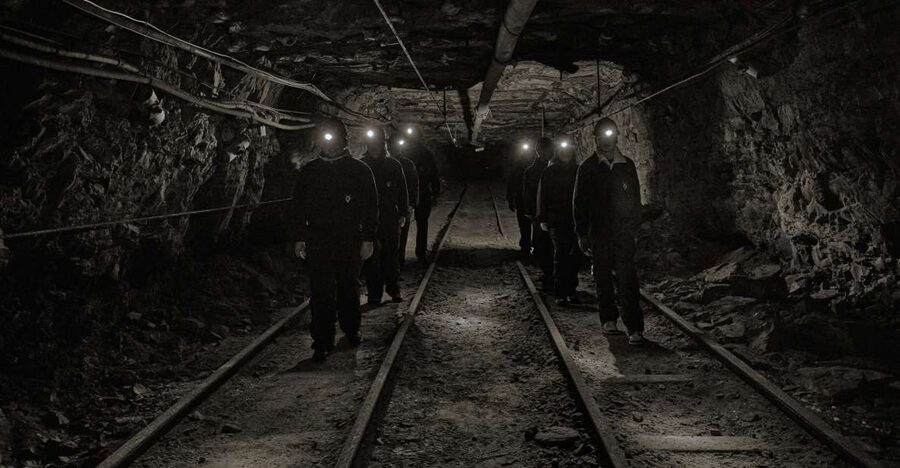
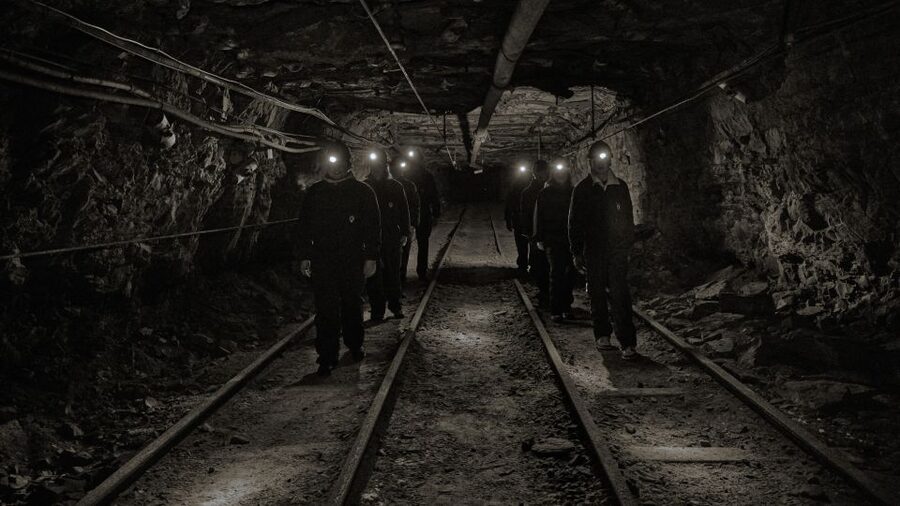
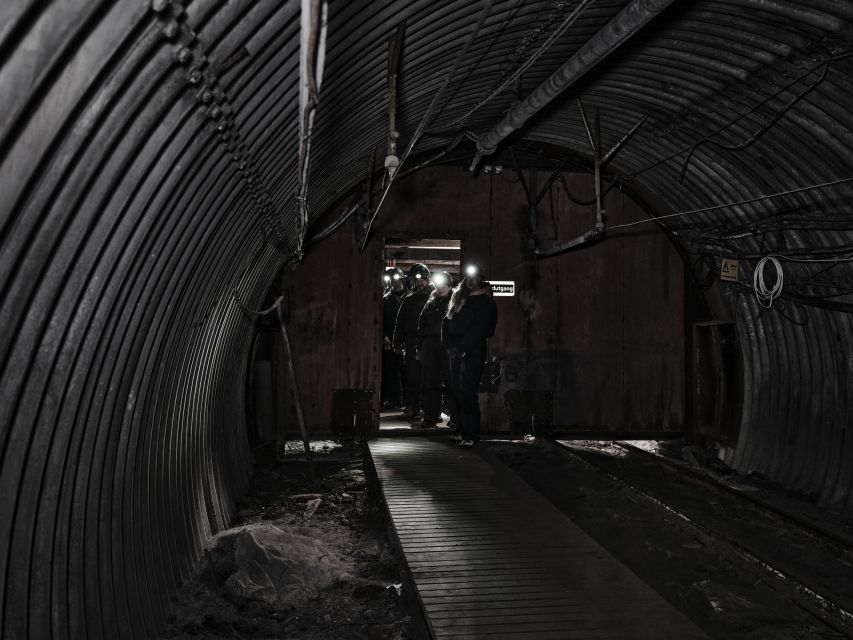
The main underground section takes you nearly 800 meters into Mine 3. Along the route, you enter three different side tunnels. Helmet and headlamp are provided, and the limited lighting helps you understand how dependent miners were on small lamps in dark working areas.
The route is not a smooth paved walkway. Expect old rails, cross-ties, uneven ground, and a surface that requires attention. You should be comfortable walking carefully for an extended period. The mine is safe for an organized visit, but it still feels like a real mine rather than a modern attraction designed for effortless access.
The side tunnels help show how the mine spread through the rock. The guide describes the relationship between the main tunnel, working areas, and the coal seam. You can also stop to examine structural supports and get a sense of how miners protected themselves as they worked forward.
This is where the tour’s pace works well. You have enough time to ask questions and look around, but the visit remains focused. Some people might wish for more walking or access to additional sections. That is a fair criticism if you want a large underground exploration. The tour gives you a representative experience, not free rein over the entire mine.
The headlamps add to the atmosphere, but you should not expect dramatic lighting or theatrical effects. The point is to let the darkness and rough conditions speak for themselves.
What the tour tells you about Svalbard’s people
Coal mining is central to understanding why Longyearbyen exists. The town was not first built as a scenic Arctic holiday base. It grew around industrial work and the people needed to run the mines.
The guide’s stories put a human face on that past. You hear about the miners’ routines, the harsh working environment, and the risks involved. The best guides add anecdotes that make the history easier to remember. Camilla, in particular, has been praised for bringing old miners’ stories back to life and sharing experiences from her own connection to mining.
The tour also helps explain the tension between the mine’s practical purpose and its place in Svalbard today. Coal production shaped the town for decades, yet Mine 3 now serves as a place where that history can be examined. The seed-bank connection adds another layer, showing how old underground spaces were considered useful for new Arctic purposes.
I appreciate that the experience does not treat mining as a quaint curiosity. The guides discuss the demanding conditions and the dangers faced by workers. You leave with more respect for the labour involved, not just a few photographs of abandoned machinery.
Is $120 a fair price?
At $120 per person, this is one of the more expensive short activities you might book in Longyearbyen. Svalbard is costly, and the price reflects the remote setting, transport, specialist equipment, and the need for a trained guide.
The value is strongest if you want more than a quick photo stop. You receive hotel pickup and drop-off, transportation to Mine 3, a roughly two-and-a-half-hour guided visit, a helmet, and a headlamp. The full outing lasts about three hours, so it occupies a useful half-day without taking over your schedule.
The guide is the biggest part of the value. A poor explanation would leave you looking at old tools. A strong one connects the tools, mining method, settlement, seed bank, and workers’ lives. The consistently high rating of 4.8 from 401 ratings reflects how well the guides have handled that responsibility.
I would consider the price fair for visitors who care about Longyearbyen’s past or want an activity available in any season. It is less compelling if you are mainly interested in wide-open Arctic scenery, wildlife, or a long outdoor excursion. In that case, a mine visit may feel too enclosed and too focused on industrial history.
Who should book this Mine 3 experience?
I think this tour works especially well for:
- First-time visitors who want to understand why Longyearbyen exists.
- People interested in mining, engineering, labour history, or industrial sites.
- Anyone looking for a dependable indoor activity in cold, dark, or changeable weather.
- Solo visitors and groups, since the guide-led format makes it easy to stay engaged.
- Visitors who enjoy hands-on experiences more than passive museum displays.
It is not suitable for wheelchair users or people with mobility impairments. The uneven ground and cross-ties can make the walk tiring, even for people who are generally mobile. Claustrophobia is another serious concern because the production tunnel is genuinely narrow.
Alcohol and drugs are not allowed. Bring warm clothing, and choose shoes and trousers that you do not mind wearing in an old mine. The tour is conducted in English, with Scandinavian-speaking guides also available according to the activity details.
Hotel pickup and drop-off are included, but the location must be selected in advance. If you are trying to book for only one person, availability may need to be checked with the local partner.
Should you book the Gruve 3 tour?
Yes, if you want a grounded introduction to Longyearbyen. The mine shows you the town’s industrial roots, gives you a physical sense of miners’ working conditions, and links that past to the Global Seed Vault and modern Svalbard.
I would book it even if you are not normally drawn to mining museums. The optional crawl, helmet lamps, abandoned workshops, and stories from guides such as Camilla and Anders make the visit more personal than a standard display. Just be honest about your comfort with cold, uneven ground, and tight spaces.
If you have limited mobility, use a wheelchair, or strongly dislike enclosed places, skip it. For everyone else, Gruve 3 is a practical and memorable way to understand the people and work behind the northernmost settlement in the world.
FAQ
How long does the Gruve 3 coal mine tour last?
The full experience lasts three hours. The guided visit inside Coal Mine 3 takes about two and a half hours, with transportation included.
Is hotel pickup included?
Yes. Pickup and drop-off are included from listed hotels, guesthouses, the Longyearbyen harbour, and several central locations. You must select your pickup location when booking.
What should I wear?
Bring warm clothing. The mine is cold underground, and the walking surface can be uneven. Clothing suitable for contact with old mine surfaces is also sensible.
Do I need to crawl through the narrow tunnel?
No. The crawl into the old production tunnel is optional. The space is about 60 centimeters high, so you can skip it if you are uncomfortable with tight spaces.
Is the tour suitable for wheelchair users?
No. The tour is not suitable for wheelchair users or people with mobility impairments. Uneven ground and cross-ties can also make the walk difficult for some older visitors.
Is food or drink included?
No. Food and drink are not included. Alcohol and drugs are not allowed on the experience.
What language is the tour conducted in?
The live tour guide speaks English. Scandinavian-speaking guides are also available according to the activity information.
Just added around the world
- The Queenstown Story @ Cobh Heritage Centre , Great Stories of Emigration.★ 4.5 · 181 reviews
- Visit 16 Sites Key Historical Sites And Experience Cobh Rebel Tours★ 5.0 · 167 reviews
- Historical Bicycle Tour of Dunedin★ 5.0 · 44 reviews
- Cincy Brunch History and Streetcar Tour with Riverside Food Tours★ 5.0 · 108 reviews
- 2.5 Hour Kayaking with Manatee and History Tour in Tarpon Springs★ 5.0 · 24 reviews
- Private Tour in Chichen Itza Official History Guide★ 5.0 · 36 reviews
- Dazu Ancient Rock Carvings Private Tour Extension★ 5.0 · 24 reviews
- Chicago River Architecture Tour Aboard a Historic Yacht★ 5.0 · 45 reviews
Norway History Tours, compared.

Tromsø: Reindeer Camp and Sami Cultural Tour with Lunch
Read our review →
Tromsø: Sámi Reindeer Sledding and Sami Cultural Tour
Read our review →
Oslo: Historic Myths & Legends Evening Walking Tour
Read our review →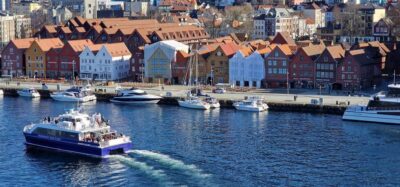
Bergen: Sightseeing Cruise of Bergen’s Historic Landmarks
Read our review →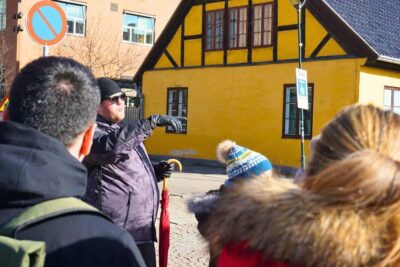
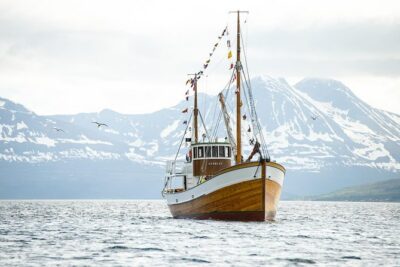

From Svolvær: Half Day Lofoten History and Photo Tour
Read our review →
Bergen in Your Pocket: Landmarks and Lore Audio Tour
Read our review →Browse the lists this tour appears in