
Review · KAMPALA
Kampala cultural tour
Kampala’s past is still part of daily life. This tour makes that clear as you move from Buganda royal tombs to Kabaka’s Palace, Gadaffi Mosque, and the city’s old transport center. I like the private transport, which saves you from arranging several short journeys, and I like the way the tour connects royal power, religion, independence, and modern Kampala. The main drawback is timing: the experience is described as three to four hours in one place and about five hours elsewhere, so you should allow most of a half-day.
Guide Twaha receives especially warm praise for his clear explanations, local cultural insight, flexibility, and friendly manner. I also like that this is not just a drive past landmarks. You enter places tied to the Buganda kingdom and Uganda’s modern story. Still, admission fees at the three main heritage stops are not included, and lunch, tips, and souvenirs are extra.
Key points before you book
- Royal history comes first: Wamala Tombs, Kasubi Tombs, and Kabaka’s Palace give the tour its strongest sense of place.
- Twaha is a major strength: His explanations cover Kampala, Uganda’s communities, clans, religion, and the Buganda kingdom.
- Private transport keeps the route practical: Your group travels between stops without piecing together Kampala’s transport system on your own.
- Gadaffi Mosque brings the best city view: The mosque offers a 360-degree view while explaining Kampala’s original seven hills.
- The tour mixes major sights with everyday city life: The Independence Monument and Old Taxi Park add modern context.
- Budget for entrance fees: Admission is not included at Wamala Tombs, Kasubi Tombs, or Kabaka’s Palace.
Why this tour gives Kampala useful context
Kampala can be hard to understand if you see it only from a vehicle window. Its streets, royal institutions, religious sites, and transport hubs are tied to different chapters of Uganda’s story. This tour gives you a guided route through those chapters.
The Buganda kingdom is central to the experience. You learn about its kings, burial customs, parliament, symbols, and connection to the city. You also hear about Uganda before and after independence, then finish with a view over Kampala and a look at the Old Taxi Park.
That range is the tour’s best feature. You are not spending the entire outing at one monument or hearing a single narrow story. Each stop adds a different piece. The royal tombs explain tradition and succession. Kabaka’s Palace brings in political power and the darker period of Idi Amin’s rule. Gadaffi Mosque connects faith, architecture, and geography. The final city stops show how Kampala works today.
The tour costs $55 per person. I consider that a fair price if you value a guide and private transport, especially because the route covers several separate parts of Kampala. It is less attractive if you want a cheap walking outing or prefer to visit only one or two sites. Remember to add entrance charges at Wamala Tombs, Kasubi Tombs, and Kabaka’s Palace.
More Local Culture and Traditions Tours in the world:
- Amsterdam Food and Cultural Tour with Tastings
★ 5.0 · 4,315 reviews - Sevilla Food Tour: Tapas, Wine, History & Traditions
★ 5.0 · 3,468 reviews - Tromsø: Reindeer Camp and Sami Cultural Tour with Lunch
★ 4.7 · 3,326 reviews
Starting at the Kampala Post Office
The meeting point is the post office in Kampala. That gives you a clear central location, though you should pay attention to the exact meeting instructions you receive after booking.
From there, private transport takes your group from place to place. That matters in Kampala, where the stops are spread across the city. You avoid arranging separate rides and can focus on the guide’s explanations instead of negotiating each transfer.
The experience is described as a small-group guided tour, while the booking details also describe it as a private activity for only your group. In practical terms, you should expect a more personal outing rather than a large coach tour. The guide can speak directly to your group and, according to the available feedback, adjust the discussion when you show interest in a particular part of Uganda’s culture or past.
The schedule may run close to five hours once transport and visits are counted. The individual stops are listed at about 40 minutes each, except for the brief Independence Monument and Old Taxi Park visits. I would not plan another fixed activity immediately afterward.
Wamala King’s Tombs and Kabaka Ssuuna’s grave
Wamala King’s Tombs is the first major heritage stop. You spend about 40 minutes here learning about the tombs and the burial place of Kabaka Ssuuna.
This is a useful opening because it introduces the royal traditions of Buganda before you reach the larger sites later in the day. Your guide explains the historical setting rather than simply pointing out a grave. That makes the stop more meaningful if you are new to the structure of the Buganda kingdom.
The visit is short, so expect an introduction rather than an exhaustive study. If royal history is your main reason for booking, listen closely and ask questions while you have the guide’s attention.
Admission is not included. That is worth noting when you compare the $55 tour price with the cost of visiting Kampala sights independently. The tour gives you transport and interpretation, but the entrance fees remain your responsibility.
Kasubi Tombs, a powerful stop on the route
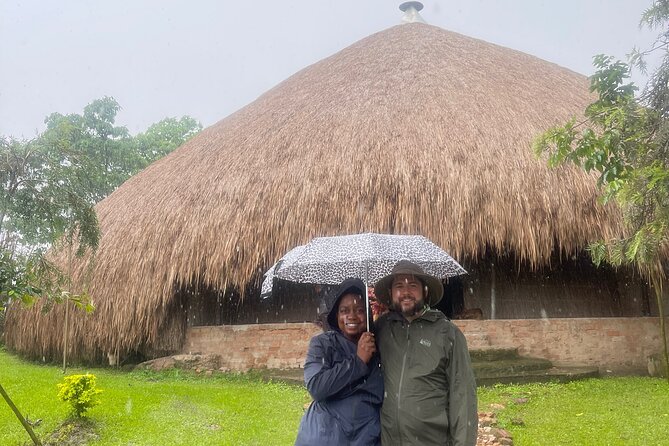
Kasubi Tombs is likely to be the emotional center of the tour. The site contains the burial grounds of four kings of Buganda, known as kabakas. You have about 40 minutes to learn about the tombs and their role in the kingdom.
One person described the visit as deeply moving, and that reaction makes sense. A royal burial site is not just a historical display. It connects living traditions, family lines, spiritual beliefs, and the identity of Buganda. Your guide can help explain those links so the site does not feel like a quick photo stop.
Kasubi Tombs also gives the tour a stronger sense of continuity. Uganda’s political story has changed over time, but the Buganda kingdom remains an important part of cultural life. The tombs help you see why royal institutions still matter to many people.
Again, admission is not included. You should also treat this as a respectful cultural site. Listen to local instructions and follow any rules about where you may walk or photograph. The supplied details do not specify current site restrictions, so your guide is the best source on the day.
A few more history tours around the world worth a look
- History and Hauntings of Salem Guided Walking Tour
★ 5.0 · 14,564 reviews - Colosseum: Underground and Ancient Rome Tour
★ 4.7 · 12,691 reviews - Lisbon: History, Stories and Lifestyle Walking Tour
★ 4.8 · 10,902 reviews - London Small Group Tour of Historical Pubs
★ 5.0 · 10,422 reviews
Kabaka’s Palace and the Idi Amin torture chambers
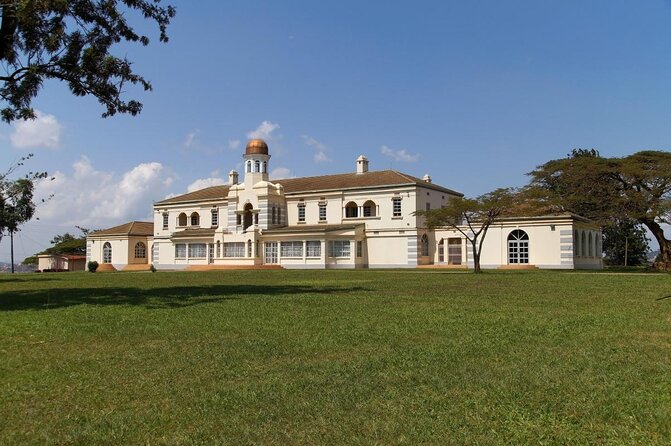
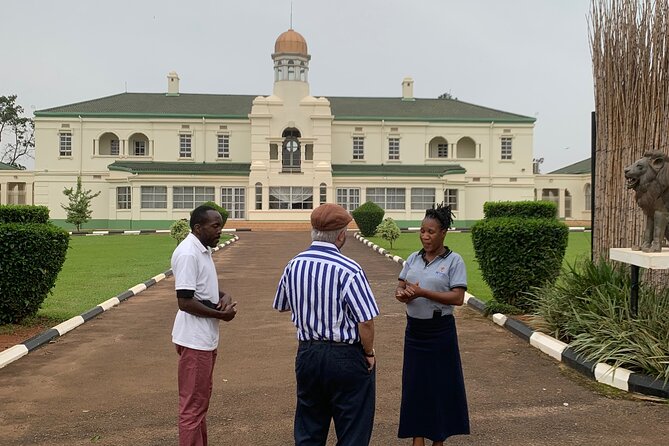
Kabaka’s Palace brings together several subjects in one stop. The visit covers the background of the Buganda kingdom, Idi Amin’s torture chambers, the Royal Mile, Kings Lake, Bulange Parliament, and Buganda symbols.
This is a dense section of the tour. The palace shows the authority of the kabaka, while the torture chambers point to one of Uganda’s most painful periods. That contrast gives you a clearer picture of how political power has shifted and been contested.
The torture chambers may be difficult for some people. The value here is not entertainment. It is a chance to confront part of Uganda’s recent past in a place connected to it. I would listen carefully to the guide’s explanation and leave room for the subject’s seriousness.
The references to the Royal Mile, Kings Lake, Bulange Parliament, and Buganda symbols widen the visit beyond the palace building itself. You get a sense of royal administration and public identity, not just a single residence. The stop lasts about 40 minutes, so the guide will need to keep the explanation focused.
Admission is not included. If you want extra time at the palace area, ask about the schedule before setting out, because the overall route includes several more stops.
Gadaffi Mosque and Kampala’s seven hills
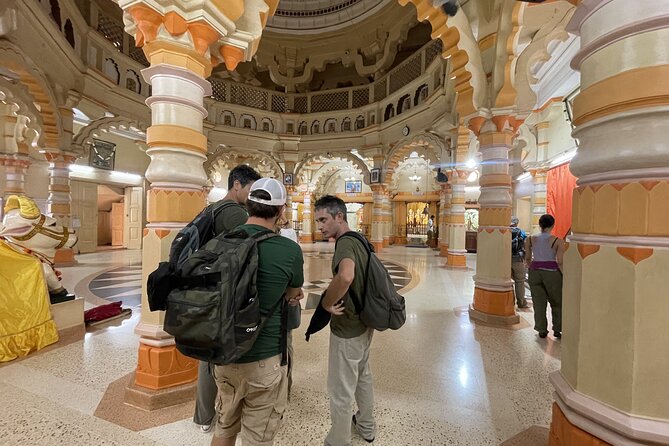
Gadaffi Mosque changes the pace of the tour. Here, the main draw is the 360-degree view over Kampala, paired with an explanation of the city’s original seven hills.
This is one of the most useful stops for getting your bearings. After hearing about kings, graves, and political history, you can look across the city and connect the story to Kampala’s physical setting. The view also gives you a break from enclosed heritage sites.
The mosque is the only stop listed with admission included. You should dress and behave respectfully at a religious site, though the provided details do not set out a specific dress code. If you have questions about visiting the mosque, ask Twaha before entering.
The guide also explains the history of the seven hills that originally made up Kampala. That makes the viewpoint more than a scenic pause. You learn how the city’s early identity was shaped, then see the modern city spread around those historic areas.
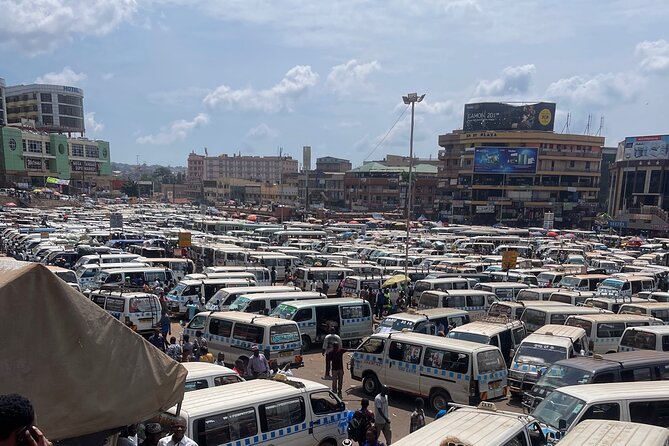
Independence Monument and Old Taxi Park
The Independence Monument is a short stop of about five minutes. It focuses on Uganda’s history and heritage before and after independence.
Do not expect a long guided visit here. The stop works as a compact reminder that the country’s story extends beyond Buganda and royal institutions. It adds national context after the earlier focus on the kingdom.
The monument is free to visit, so there is no extra admission charge.
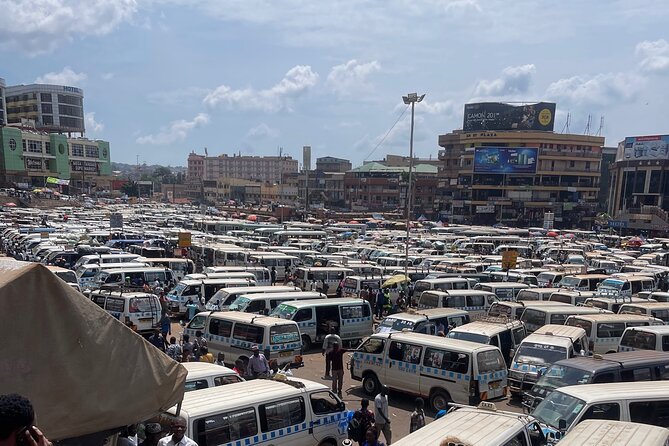
Old Taxi Park is also scheduled for about five minutes. The guide uses it to explain Uganda’s transport system. This is a practical piece of modern Kampala, and it helps you understand how people move around the city.
The stop may feel brief, especially if you are interested in urban life. Still, its purpose is clear. You are not being taken only to formal monuments. You are also seeing a working part of the city. The tour uses the taxi park to connect Kampala’s daily movement with the wider story of Uganda.
What the guide adds to the experience
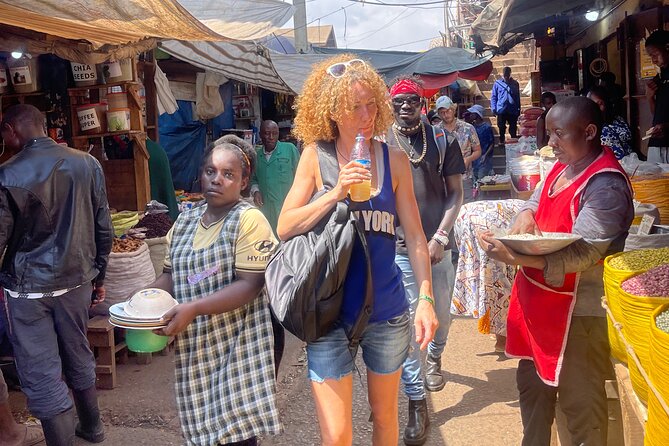
The strongest praise is directed at Twaha. He is described as clear, interesting, flexible, and well informed about Uganda’s history, local communities, and clans. That matters because the tour covers subjects that can be difficult to understand without context.
A guide can explain why a burial site matters, how Buganda’s royal structure fits into Uganda, and why the palace and torture chambers carry such different meanings. At Gadaffi Mosque, the guide links the view to Kampala’s seven hills. At Old Taxi Park, the explanation moves from royal tradition to modern transport.
Communication also receives praise, including from a solo woman who felt safe, informed, and welcome throughout the outing. I would not treat one person’s experience as a guarantee for every situation, but it is a useful sign that the provider takes communication seriously.
There is one practical blemish: one booking began late. The guide still delivered a strong explanation afterward, but punctuality matters when you have several sites packed into one half-day. Confirm the start time and keep the schedule flexible if you have an evening commitment.
The supplied information uses both Twaha and Tahwa in connection with the guide. Twaha appears most often, but you can confirm the assigned guide’s name after booking.
Access, comfort, and what to bring
The tour is listed as wheelchair and stroller accessible, and service animals are allowed. Most people can participate. Since you move between several historic and religious sites, ask the provider for current details if you have specific mobility needs.
Private transport is included, but lunch is not. You should plan to eat before or after the tour, or ask the provider if a meal stop can fit the schedule. The supplied details do not specify a lunch location.
Tips and souvenirs are also not included. You can decide what to spend based on the service you receive, rather than treating gratuity as part of the $55 price.
A mobile ticket is provided, and confirmation comes at booking. The tour operates near public transportation, though your included private transport handles the route itself.
The cancellation policy is forgiving if your plans change early. You receive a full refund when you cancel at least 24 hours before the start time. Cancellations or changes inside that 24-hour window are not refunded or accepted, and the cut-off follows local time.
Who will get the most from this Kampala tour?
I would recommend this tour to you if you want a guided introduction to Kampala and the Buganda kingdom in one outing. It suits first-time visitors who want cultural context, solo visitors who prefer organized transport, and anyone interested in religion, royal traditions, Uganda’s political past, and daily city life.
It is also a good match if you want to ask questions. The positive comments about Twaha’s explanations suggest that the guide is a central part of the experience, not just a driver who gives directions.
You may want something else if you prefer a slow visit at each site. The route includes six stops, but three are only about five minutes long and the main heritage sites receive about 40 minutes each. People who dislike moving between several places may find the pace brisk.
The tour also has limited appeal if you want a food-focused Kampala experience. Lunch is not included, and the emphasis is firmly on culture, heritage, religion, royal history, and city landmarks.
Should you book the Kampala cultural tour?
Book it if you want a well-rounded first look at Kampala with private transport and a guide who can explain the connections between Buganda, Uganda’s past, and the city today. The $55 price is reasonable for a private outing covering several distant stops, but you must add entrance fees and plan for a half-day.
My main advice is to confirm the start time, ask about the total duration, and budget for the three admission charges. If you do that, this tour offers a strong mix of royal sites, difficult history, religious context, city views, and everyday Kampala. For many people, Kasubi Tombs and Kabaka’s Palace will be the lasting highlights, while Gadaffi Mosque gives the clearest picture of the city itself.
FAQ
How much does the Kampala cultural tour cost?
The tour costs $55 per person. Admission fees at Wamala King’s Tombs, Kasubi Tombs, and Kabaka’s Palace are not included.
How long does the tour take?
The experience is described as lasting approximately three to four hours, while the tour details also say it takes around five hours. You should allow most of a half-day for the full route.
Where do you meet the guide?
You meet the guide at the post office in Kampala.
Is transportation included?
Yes. Private transportation between the stops is included.
Is the tour accessible for wheelchairs and strollers?
Yes. The experience is listed as wheelchair and stroller accessible. Service animals are also allowed.
Can you cancel for a full refund?
Yes, if you cancel at least 24 hours before the experience start time. Cancellations or changes made less than 24 hours before the start time are not refunded or accepted.
Just added around the world
- Moab Back Roads, History and Winery E-Bike Tour★ 5.0 · 31 reviews
- Historical Haunted Bayou Cruise★ 5.0 · 35 reviews
- History Tour of Pythian Castle in Springfield Missouri★ 4.0 · 40 reviews
- Same-Day Tour Package (Historic Cave Tour & Saint Paul Gangster Tour)★ 4.5 · 23 reviews
- Shakers Original Historical Ghost Tour★ 4.5 · 48 reviews
- Historic Downtown St Paul Food Tour★ 4.5 · 35 reviews
- St. Paul Historic Cave Tour★ 5.0 · 152 reviews
- Walkabout Durham History Tour★ 5.0 · 89 reviews
Local Culture & Traditions Tours, compared.

Amsterdam Food and Cultural Tour with Tastings
Read our review →
Sevilla Food Tour: Tapas, Wine, History & Traditions
Read our review →
Tromsø: Reindeer Camp and Sami Cultural Tour with Lunch
Read our review →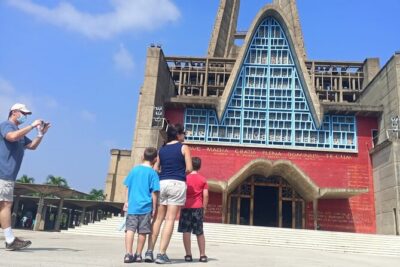
Half Day Dominican Republic Cultural Tour : Small Group
Read our review →
Ultimate Melbourne Walking Tour: History, Laneways & Culture
Read our review →
Tromsø: Sámi Reindeer Sledding and Sami Cultural Tour
Read our review →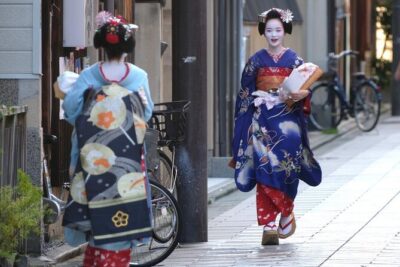
Kyoto Gion: 2-Hour Geisha Culture & History Walking Tour
Read our review →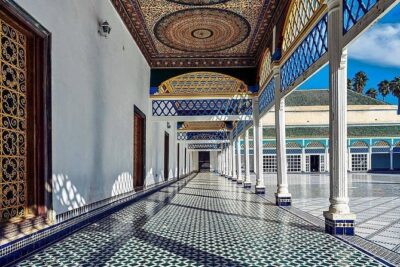
Marrakech Historical and Cultural Tour – Half Day City Tour
Read our review →Browse the lists this tour appears in