
Review · ISTANBUL PROVINCE
Istanbul: Ancient Town of Constantinople Guided Tour
History comes alive in Istanbul’s old quarter. This five-hour guided tour brings together the Hippodrome, Hagia Sophia, Blue Mosque, a Roman-era underground cistern, Turkish coffee, lunch, and the Grand Bazaar in one compact outing. I like the small group of up to 10 people and the included hotel pickup and return by minivan, which remove much of the usual first-day fuss. I also like the mix of grand monuments and ordinary Istanbul pleasures, especially the coffee stop in an old wooden house.
The main drawback is cost clarity. The tour is $125 per person, yet lunch, drinks, and museum entrance fees are not included. That can make the final price higher than expected, particularly if several paid sights are part of your day.
Key Points at a Glance
- Five major stops in five hours: You cover the Hippodrome, Hagia Sophia, Blue Mosque, an underground cistern, and the Grand Bazaar.
- Small-group transport: Pickup and drop-off are available by minivan from hotels in Taksim, Sultanahmet, Fatih, and Besiktas.
- A useful first-day overview: The route gives you a quick introduction to Istanbul’s historic center before you explore on your own.
- Turkish coffee in an old wooden house: This adds a local pause between major sights, though the exact timing is not specified.
- Museum fees are extra: Budget separately for entrance tickets, lunch, and drinks.
- Several guide languages: Tours are offered in English, Spanish, French, and Italian.
Five Hours Through Constantinople’s Old Center
This tour is built for travelers who want Istanbul’s essential historic sights in one half-day. You are not wandering without a plan or spending the morning figuring out tram routes and ticket queues. A licensed official guide leads the visit, and pickup from your hotel keeps the start simple if you are staying in one of the covered districts.
The route focuses on the old district of Constantinople, now Istanbul’s historic core. Here, Roman, Byzantine, and Ottoman landmarks sit close together. That makes the five-hour schedule workable, though it also means the pace is likely to be steady rather than leisurely.
A small group matters in this part of the city. With no more than 10 participants, you should have a better chance of hearing the guide in crowded areas and asking questions without competing with a large coach group. The minivan is another practical advantage, especially if you are staying outside walking distance of Sultanahmet.
Pickup is available in Taksim, Sultanahmet, Fatih, and Besiktas. If your hotel is elsewhere, contact the operator before booking rather than assuming a pickup can be arranged. The stated duration is five hours, and starting times depend on availability.
More Ancient History Tours in Turkey
- Antalya: Ancient Perge, Aspendos Theater & City of Side Tour
★ 4.8 · 1,237 reviews - Ancient Perge, Aspendos Amphitheater and City of Side Tour
★ 5.0 · 644 reviews - From Antalya: Day Tour of Ancient Roman Sites
★ 4.7 · 278 reviews
The Hippodrome and the Roman City
The tour begins at the Byzantine Hippodrome, the former center of public life in Constantinople. This was where chariot races took place, but it was also a major gathering space tied to imperial power and public ceremony.
The value of a guided visit here is context. The open square can look like a simple city plaza if you do not know what once occupied it. Your guide can explain how the site connected entertainment, politics, and the authority of the emperor.
Do not expect a long museum visit at this stop. The tour description presents the Hippodrome as an outdoor historical site, so you will likely be seeing the area and learning how it fits into the old city. Comfortable shoes are important because the day combines outdoor walking with visits to religious and underground sites.
This first stop also helps you understand Istanbul’s layers. The city was not rebuilt from scratch each time power changed hands. Roman, Byzantine, and Ottoman traces share the same small area, and the Hippodrome is a useful starting point for seeing that pattern.
Hagia Sophia and Byzantine Ambition
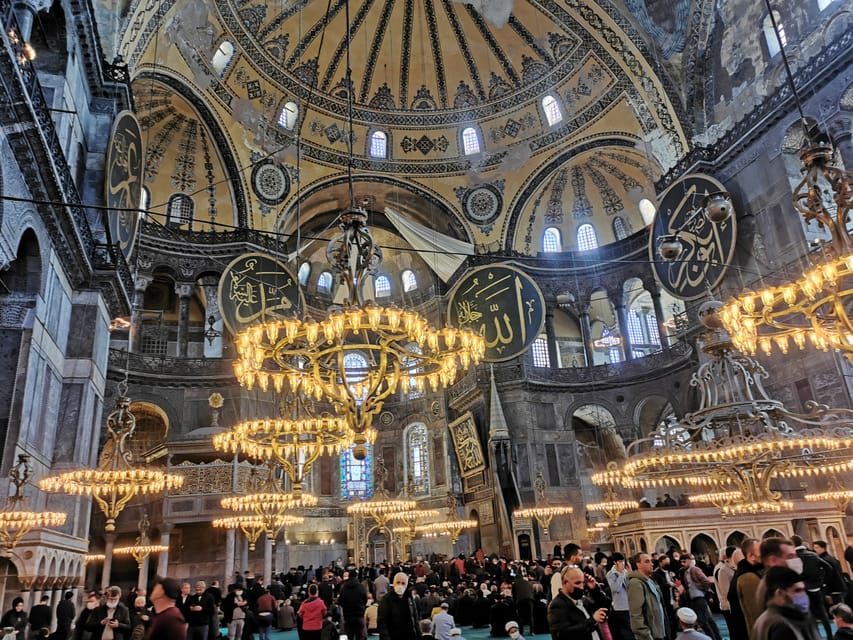
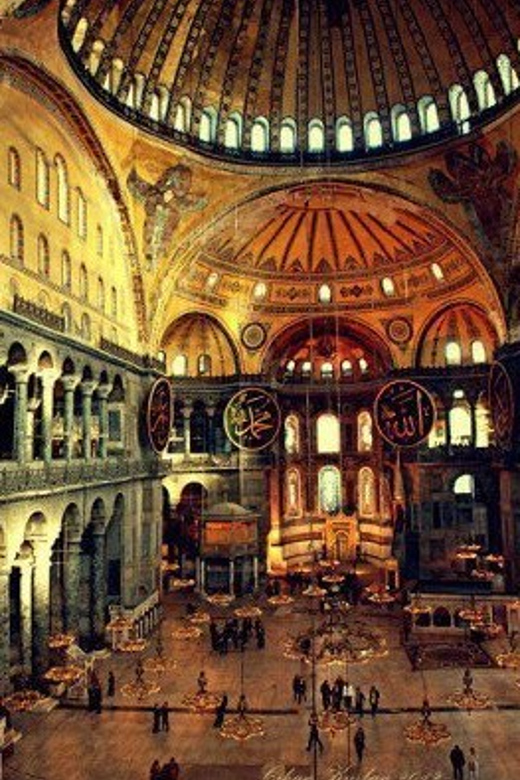
Next comes Hagia Sophia, the most famous building on the route. Emperor Justinian commissioned it as a statement of Roman imperial strength, and its place in Byzantine architecture is central to the story of Constantinople.
A guide is especially useful here because the building’s importance is not limited to its size or appearance. You will hear how it represented the power of the Roman Empire in its eastern capital and how it fits into the wider story of Constantinople.
The experience may depend on the day’s access arrangements and the entrance process. Museum entrance fees are not included, although skip-the-ticket-line access is advertised. That wording can save time, but it does not mean entry is free. Confirm exactly which tickets are covered by the tour arrangement before you pay.
The schedule also matters. Hagia Sophia is a major sight, and a five-hour tour covering several other locations cannot offer unlimited time inside. If this is the building you most want to study, you may prefer to return independently for a longer visit, subject to opening rules and ticket arrangements.
Still, seeing Hagia Sophia as part of a guided historic-center route makes sense. It gives you an anchor for the rest of the day. The Hippodrome shows the city’s Roman public life, while Hagia Sophia shows imperial power expressed through architecture.
The Blue Mosque and Practical Dress Rules
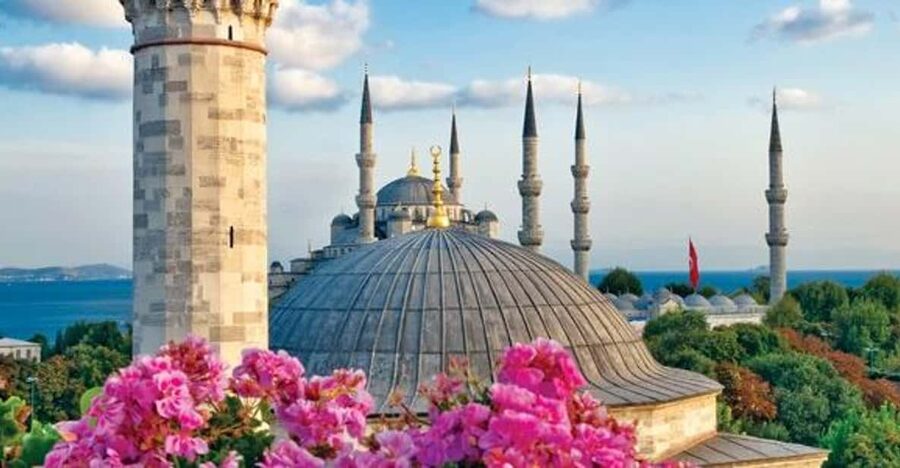
The Blue Mosque follows, known for its blue tiles and striking interior decoration. The visit adds an Ottoman-era religious monument to the Roman and Byzantine sites already on the route.
This is also the point where practical preparation matters. Women need a scarf to cover their hair during mosque visits. Bring one from your hotel, or be prepared to follow the site’s covering requirements. Wear clothing suitable for a religious building, and remember that the mosque may have visitor procedures that affect how long the stop takes.
The tour provides useful visual variety here. Hagia Sophia and the Blue Mosque are both grand, but they represent different periods and religious settings. Seeing them in sequence helps you compare the city’s Byzantine and Ottoman identities rather than treating every large monument as the same kind of attraction.
The Blue Mosque is an active place of worship, so access can be affected by prayer times. The provided tour information does not give a detailed schedule for this stop. Keep your plans flexible, and listen to the guide if the order changes during the day.
As with Hagia Sophia, entrance fees are not included. Ask before departure which admissions are required and how they will be handled. That small check can prevent an unpleasant surprise when you are already in the middle of the tour.
More Ancient History Tours in Istanbul:
- Colosseum: Underground and Ancient Rome Tour
★ 4.7 · 12,691 reviews - Colosseum & Ancient Rome with Arena Floor Option I Max 6 People
★ 5.0 · 3,306 reviews - Rome: Colosseum, Ancient Rome Tour or AudioGuided Tour
★ 4.4 · 2,879 reviews - Colosseum Underground & Ancient Rome Guided Tour
★ 4.5 · 2,590 reviews
Turkish Coffee in an Old Wooden House
One of the more unusual touches is a Turkish coffee stop in an old wooden house. It gives the day a change of pace after several major monuments and offers a taste of a familiar part of Turkish social life.
The coffee is not just a drink break. Turkish coffee is traditionally served in small cups and is meant to be enjoyed slowly. In a tour packed with famous sights, this kind of pause can help the day feel less like a checklist.
The exact location and timing of the coffee stop are not specified, so you should not plan around a long café visit or assume that a snack is included. The highlight specifically mentions tasting Turkish coffee, but lunch and drinks are listed as extra costs. Ask the guide what is included at this stop if you have dietary or budget concerns.
I like this part of the plan because it adds a human-scale moment to a route dominated by emperors, mosques, and monumental buildings. It may be brief, but it is more distinctive than another standard photo stop.
Lunch: A Necessary Extra Cost
Lunch is part of the day’s plan, but it is not included in the $125 price. Drinks during lunch are also extra. That arrangement gives you some freedom, but you need to budget for it.
The tour description refers to a superb lunch without naming the restaurant, menu, or price. Do not assume a particular cuisine, seating style, or dietary choice is guaranteed. If you have food restrictions, tell the provider before the tour and ask what options are available.
Lunch also affects the value calculation. The tour already costs $125, and the additional admission fees and meal can push the total higher. For someone short on time, the convenience may justify it. For someone traveling on a tight budget, a self-guided day using public transport and individual tickets may cost less.
The advantage is that you do not have to stop your sightseeing plans to search for a place to eat in the middle of a busy district. The disadvantage is that you may have less control over the restaurant and the length of the meal.
Beneath the Streets at the Roman-Era Cistern
After lunch, the route continues to a Roman-era underground water cistern. This is one of the tour’s best changes of mood. After open squares and monumental mosques, you move below street level into a space designed for the city’s water supply.
The cistern helps explain how Constantinople functioned. Grand buildings needed practical systems behind them, and reliable water storage was essential to a major imperial capital. A guide can connect this engineering project to the city you have already seen above ground.
The tour description does not name the cistern, so confirm the exact site and entrance arrangement when booking. It does say that museum entrance fees are not included. The skip-the-line feature may apply to some attractions, but ask which ones before assuming it covers the cistern.
You should wear comfortable shoes throughout the day. The route includes outdoor walking, religious sites, market lanes, and an underground attraction. The cistern may be cooler or darker than the streets above, so a light layer can be useful, though no special equipment is listed as necessary.
The Grand Bazaar’s Maze of Shops
The final major stop is the Grand Bazaar, described as the world’s biggest covered market. Its dome roof, lanes, and alleys create a very different setting from the formal squares and monuments earlier in the tour.
The bazaar is a place to look as much as to shop. You will find a dense network of stalls and passages, with the pleasure coming from the movement between them. The guide can help you understand the layout and may make the market less intimidating on a first visit.
Do not treat this as a quiet shopping center. The Grand Bazaar is crowded by nature, and its maze can make it easy to lose your bearings. Keep your belongings close, agree on a meeting point, and listen carefully when the guide explains where and when to regroup.
The tour does not state that purchases are included or that a dedicated shopping session is guaranteed. If you want to bargain for specific goods, you may need to return later with more time. The guided visit is better viewed as an introduction to the market than a full shopping expedition.
Ending here works well because the bazaar gives you a final look at everyday commerce after a morning of imperial monuments. It also leaves you with a practical sense of where to return if you want to shop independently.
What $125 Buys You
At $125 per person, this is not the cheapest way to see Istanbul’s old city. The price covers hotel pickup and drop-off by minivan, a licensed official guide, a small group capped at 10 people, and a five-hour route through several major sights.
You are paying mainly for structure and time savings. If you are in Istanbul for a short stay, the ability to see the historic center without arranging separate transport, guides, and meeting points can be worth a premium.
The value is weaker if you already know the old city well or prefer to spend an entire morning inside one building. You will also need to add lunch, drinks, and museum entrance fees. Ask for a clear estimate of those extra costs before booking.
The published rating is 3.8 out of 5 from 21 ratings. That suggests a generally useful experience, but not one that suits every travel style. Go in expecting a guided overview, not an unhurried private tour.
Who Will Like This Tour Most
I would recommend this experience to a first-time visitor who wants the main historic sights explained in one organized half-day. It is also a good fit if you are staying in Taksim, Sultanahmet, Fatih, or Besiktas and value hotel pickup.
The tour suits you if you prefer a live guide in English, Spanish, French, or Italian. It is especially useful if you want historical connections between the Roman, Byzantine, and Ottoman periods rather than isolated sightseeing stops.
You may want another plan if you dislike fixed schedules, want long visits inside museums, or need complete control over meals and spending. The route covers a lot, so the day is likely to feel active.
Bring a passport or ID card, comfortable shoes, and a scarf if you are a woman visiting the mosque. Check your pickup location carefully, and contact the provider if your hotel is outside the listed districts.
Should You Book the Constantinople Tour?
Book it if you have limited time in Istanbul and want a guided introduction to the old city, with transport handled and the group kept small. The combination of Hagia Sophia, the Blue Mosque, Hippodrome, cistern, Turkish coffee, and Grand Bazaar gives you a strong first look at the city’s main historic center.
Before booking, ask for the expected entrance costs and lunch price. If the added fees fit your budget, $125 can be reasonable for the convenience. If not, build your own day and spend the savings on extra time at the sights you care about most.
FAQ
How long does the tour last?
The tour lasts five hours. Starting times depend on availability.
What areas include hotel pickup?
Pickup and drop-off by minivan are available from hotels in Taksim, Sultanahmet, Fatih, and Besiktas.
Is lunch included in the price?
No. Lunch and drinks during lunch are not included.
Are museum entrance fees included?
No. Entrance fees to the museums are not included in the tour price.
Which languages are available?
The live guide is available in English, Spanish, French, and Italian.
How large is the group?
The tour is limited to 10 participants.
What should I bring for the mosque visit?
Bring a passport or ID card and comfortable shoes. Women need a scarf to cover their hair during mosque visits.
Just added around Istanbul
- Istanbul: Hagia Sophia History Museum Entry with Audio Guide★ 4.1 · 102 reviews
- Turkish Delight Workshop History, Tasting, Making Experience★ 5.0 · 24 reviews
- Istanbul: Full-Day Heritage Tour★ 4.3 · 30 reviews
- Istanbul: Historic Sifa Turkish Bath in Sultanahmet Square★ 4.7 · 46 reviews
- Istanbul: Acemoglu Historical Hammam Entry Ticket★ 4.4 · 36 reviews
- Istanbul : Historical Turkish Bath Experience in Old City★ 4.5 · 47 reviews
- Istanbul City Walk: Colors, Culture & History Fener Balat Tour★ 5.0 · 56 reviews
- Full Day Historical Walking Tour of Istanbul Old City from Hagia Sophia★ 4.5 · 114 reviews
Ancient History Tours, compared.
Colosseum: Underground and Ancient Rome Tour
Read our review →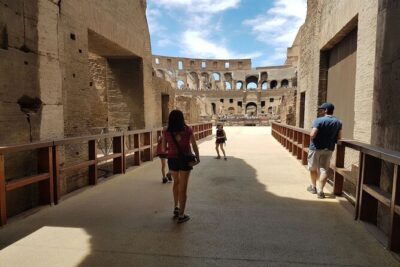
Colosseum & Ancient Rome with Arena Floor Option I Max 6 People
Read our review →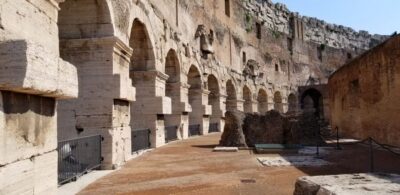
Colosseum, Ancient Rome Tour or AudioGuided Tour
Read our review →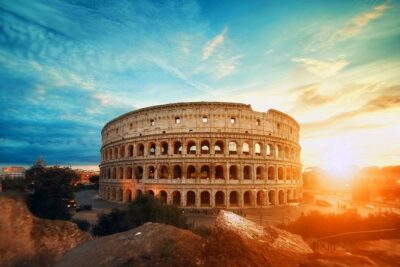
Colosseum Underground & Ancient Rome Guided Tour
Read our review →
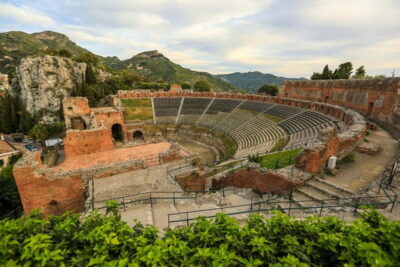
Taormina: Ancient Theater Skip-the-Line Ticket & Audio Guide
Read our review →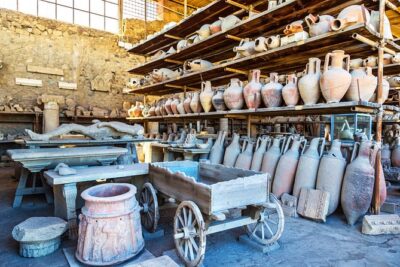
Discover the Ancient Ruins of Pompeii: Day Trip from Rome
Read our review →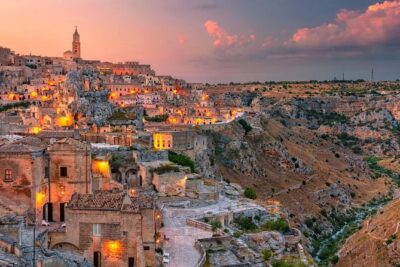
Discover Matera, the ancient city – English tour
Read our review →Browse the lists this tour appears in