
Review · CENTRAL VIETNAM
Hue Imperial Ancient City Walking Tour
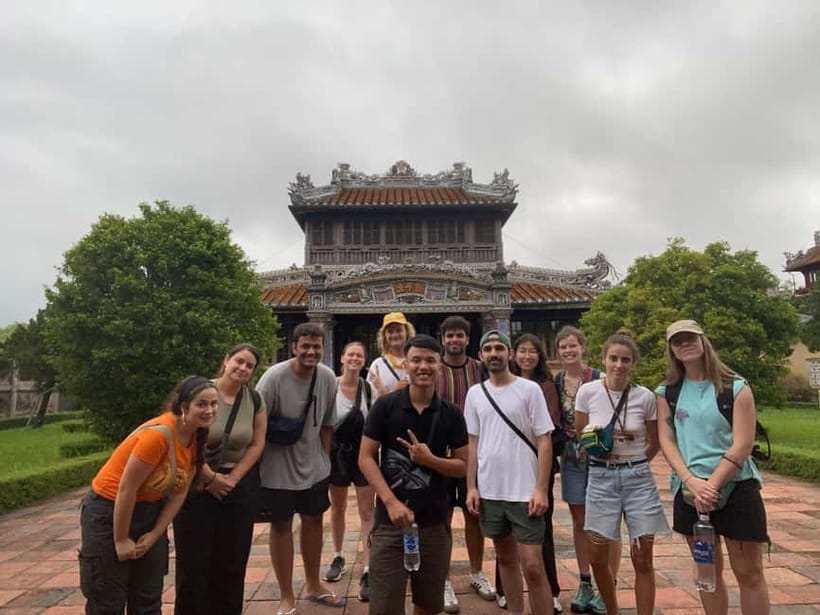
History comes alive behind Hue’s gates. This walking tour gives you a clear way to understand the Nguyen Dynasty, with stops at Meridian Gate, Thai Hoa Palace, Dien Tho Palace, and the Forbidden City. I especially like the small groups, limited to 10 people, and the way guides such as Linh use photographs, stories, and local perspective to make the buildings easier to read.
I also like the excellent value: the listed price is only $2 per person, although you should carry cash for the guide’s tip and check whether the site entrance fee is separate. The main drawback is that the timing is not fully consistent. The tour is advertised as 150 minutes, while some descriptions refer to a longer visit, so confirm the expected finish time if your day is tightly planned.
Key points to know before you go
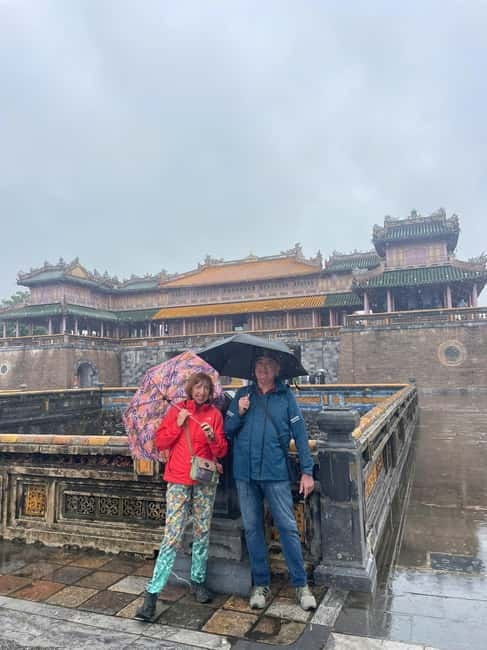
- Linh is the guide most often praised: He is described as funny, clear in English, generous with detail, and good at connecting palace history with modern Vietnam.
- The tour covers the essential royal complex: You visit the main gate, ceremonial hall, queen mother’s residence, and the emperor’s private city.
- The small group matters: With no more than 10 participants, it is easier to hear explanations and ask questions.
- The $2 price is only part of your budget: Bring cash for a tip and allow for any Imperial City entry fee not included in the tour.
- You get context, not just architecture: The stories cover emperors, court life, French colonial rule, war damage, customs, and life in Hue.
- Comfortable shoes and sun protection are essential: You will be walking around a large historic compound, usually in heat or bright sun.
Why a guide helps inside Hue Imperial City
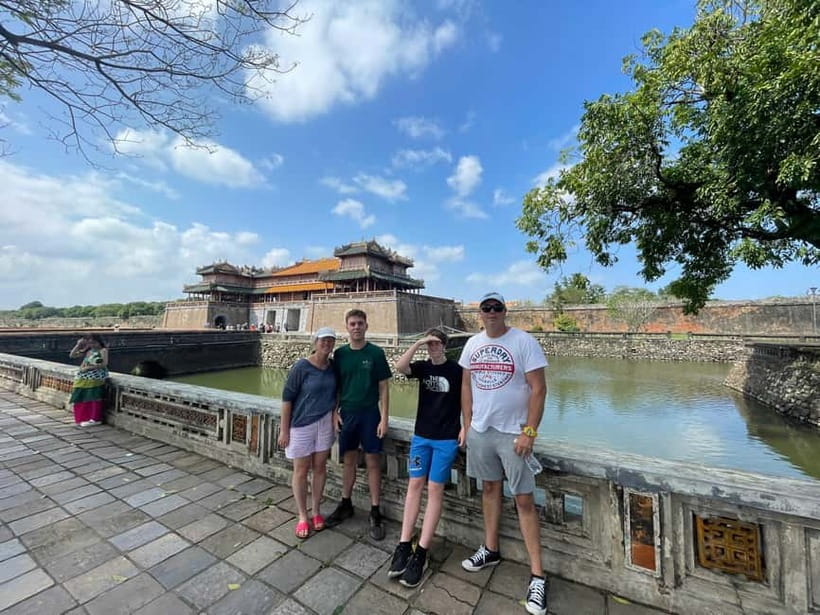
Hue’s Imperial City is not just a collection of photogenic gates and halls. It was the political and ceremonial center of the Nguyen Dynasty, and its layout reflects a strict royal order. Without context, you can admire the rooflines, courtyards, gardens, and painted details without fully understanding who used each space or why it mattered.
A good guide turns the site into a sequence of human stories. You learn how the emperor’s public duties differed from private life, how the royal family occupied different compounds, and how ceremonies shaped the use of the buildings. The tour also places Hue within Vietnam’s wider story, from the founding of the Nguyen Dynasty in 1802 through French colonial rule and the struggle for independence.
That broader view is one of the tour’s strongest points. Linh, the guide most often named in the feedback, explains the emperors and the buildings but also discusses Vietnamese customs, family expectations, and changes in the country over the past 15 years. He has used old photographs to show how parts of the Imperial City looked in different periods.
That helps you see the complex as a living place, not a museum frozen in time.
More Ancient History Tours in Vietnam
- Hoi An: Ancient Town Guided Walking Tour
★ 4.9 · 766 reviews - Marble Mountains – Hoi An Ancient Town Sunset Daily Ingroup Tour
★ 5.0 · 690 reviews - Hoi An Ancient Town Walking Tour with a Local
★ 5.0 · 517 reviews
Meeting at the ticket office
The meeting point is in front of the Hue Imperial City ticket booth. Tours begin at 9:00 AM or 3:00 PM, with the exact time confirmed before the visit. A valid WhatsApp number or Vietnamese phone number is requested so the guide can contact you and reduce the chance of a missed meeting.
This arrangement is practical. The ticket office is an obvious landmark, and prior messages can clarify the meeting details. Still, I would arrive early. The Imperial City is a large site, and you do not want to begin the morning by searching for the entrance or guide.
The tour is offered in English. Group size is capped at 10, which is a useful balance. You still meet people from different countries, but the group should remain small enough for questions and conversation. The activity is also marked as wheelchair accessible, though the available information does not describe every surface or route inside the historic compound. If you use a wheelchair, it is sensible to confirm the precise path before booking.
Meridian Gate: beginning with royal power
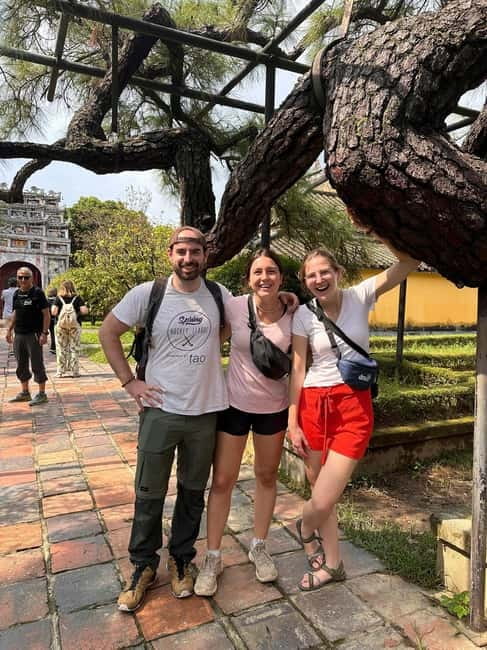
Meridian Gate is the main entrance to the Imperial City and a natural place to begin. This is where the scale and formality of the royal compound first become clear. A guide can explain how the gate controlled access and why entrances were so important in an imperial setting.
At this first stop, pay attention to the relationship between the gate, open space, and the buildings beyond it. The architecture was designed to communicate rank and authority. You are not simply walking through an old doorway. You are entering the carefully ordered world of the Nguyen court.
The gate is also a useful orientation point. The Imperial City can feel confusing at first, with walls, courtyards, palace buildings, and gardens spread across a broad area. Starting here gives you a framework for the rest of the walk.
Thai Hoa Palace and the public face of the court
Thai Hoa Palace was the ceremonial main hall, so it represents the public side of imperial life. This is where the emperor’s authority was displayed through ceremony, appearance, and strict ritual.
Your guide can help you understand the difference between a building used for formal state occasions and one intended for private life. That distinction is easy to miss when you walk alone. The palace becomes more meaningful when you know who was allowed inside, what ceremonies took place, and how the space reflected the emperor’s position.
The value here is not only the building itself. It is the explanation of how royal government worked. The tour connects architecture with politics, showing how space helped organize the court and reinforce the relationship between the emperor, officials, and royal family.
Take your time with the decorative details, but listen closely before moving on. The guide’s explanation is likely to tell you more than a quick look at the roof and hall.
More History Walking Tours in Vietnam
- Hoi An Ancient Town – Walking Tour with Local Guide
★ 4.9 · 385 reviews - Hanoi: Cho Gioi Vietnam War History Walking Tour
★ 5.0 · 102 reviews - Explore Hanoi Old Quarter ’s Rich History and Culture By Walking
★ 4.5 · 72 reviews - Hoi An Ancient Town Walking Street Food Tours with Night Market
★ 4.5 · 50 reviews
Dien Tho Palace and the queen mother’s world
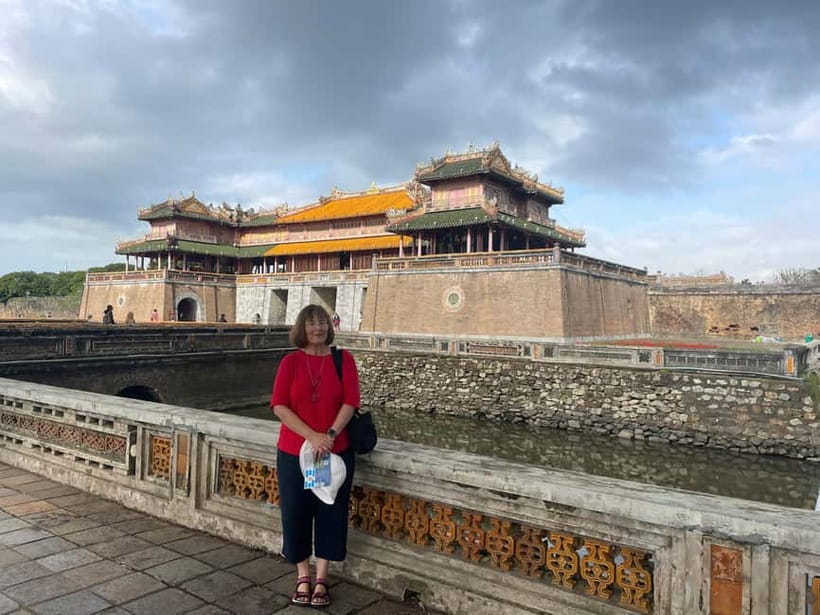
Dien Tho Palace offers a different view of court life. It was the residence of the queen mother, so it helps you think beyond the emperor and formal state business.
This stop is valuable because royal compounds were not only places of grand ceremonies. They were also homes, workplaces, and carefully managed family spaces. The buildings connected with the queen mother reveal another layer of palace life, including family hierarchy and the traditions surrounding senior women in the royal household.
The tour’s discussion of customs and daily life fits especially well here. You may hear about how members of the royal family lived, how the court was organized, and how expectations shaped life inside the palace. These details make the visit more personal and less like a simple march between monuments.
The pace also appears to include time for photographs, short breaks, and some independent looking. That is important at Dien Tho Palace, where you may want a quiet moment to take in the courtyards and decorative features after the explanation.
The Forbidden City and the emperor’s private area
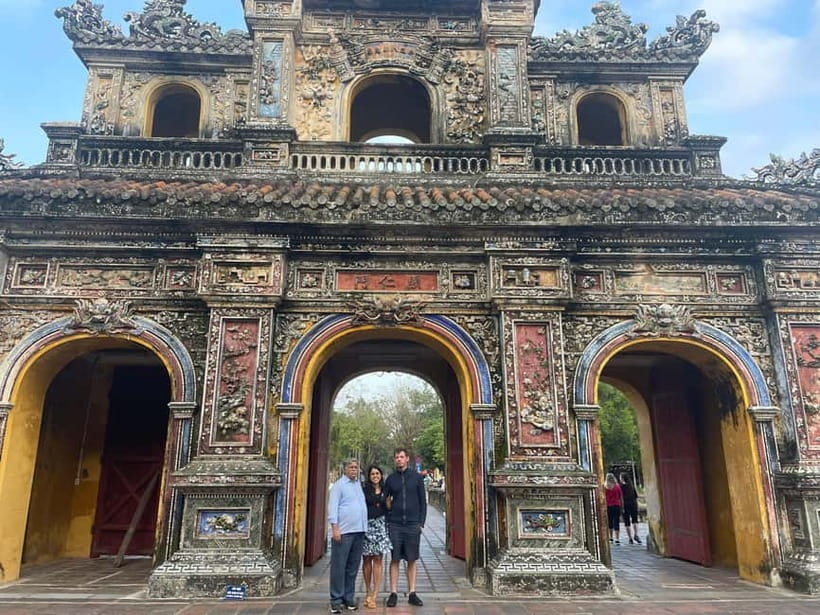
The Forbidden City was the emperor’s private area and one of the most anticipated parts of the visit. The name alone suggests a space separated from ordinary access, and the guide’s stories help explain how different this inner world was from the public ceremonial areas.
This is where the tour can make the idea of royal privilege feel real. The emperor’s private compound was not simply a residence. It was part of a strict system of access, rank, and service. Learning who could enter different areas, and how daily life functioned inside the court, gives the surviving buildings greater meaning.
The Forbidden City has also suffered damage over time, including damage connected with war. Guides use historical photographs and explanation to show how the site has changed. That visual comparison is especially useful because it helps you imagine the scale and appearance of areas that may no longer survive in their original form.
Do not expect every part of the complex to be intact. The power of the visit comes partly from the contrast between surviving structures, restored areas, open courtyards, and absent buildings. The guide’s role is to help you understand what you are seeing rather than pretend the site is untouched.
The stories that make the buildings matter
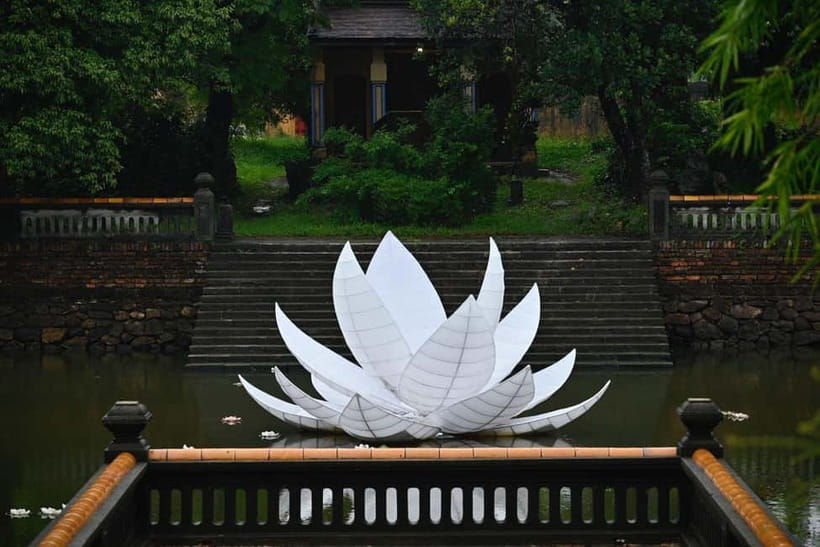
The strongest part of this experience is the storytelling. Linh is repeatedly described as engaging, humorous, and exceptionally strong in English. He explains the Nguyen emperors, French Indochina, the wars, and the effect of modern history on Hue.
He also uses personal observations. That can give the tour a more immediate feel, especially when the discussion moves from royal history to contemporary Vietnamese life. One unusual feature in the feedback is his willingness to discuss subjects such as family pressure and the experience of being a Vietnamese man. Those comments may not appear on a palace information board, but they can help you connect past customs with present-day culture.
The guide may also offer food and sightseeing suggestions after the walk. Past recommendations have included Hue specialties such as bun bo Hue, as well as advice about royal tombs and other places to visit. Those practical tips add value if you are still planning your time in the city.
The style is not purely academic. You can expect jokes, questions, and conversation. That works well for most people, though anyone seeking a silent, highly formal history lecture may prefer to explore alone with a guidebook.
How the $2 price affects the value
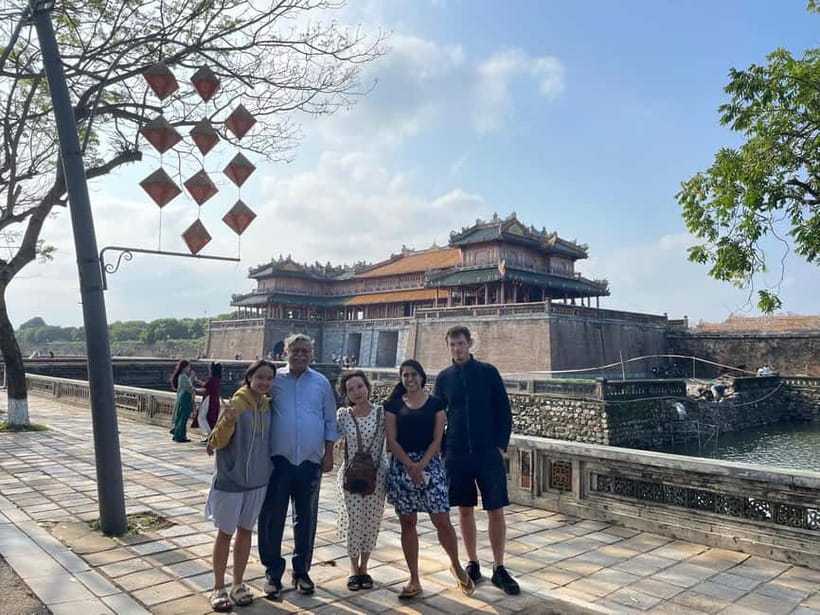
At $2 per person, this is unusually inexpensive for a guided visit to such a major cultural site. The listed fee covers the walking tour and local guide, not a full package of transport, food, or other extras.
That low price should not lead you to assume the experience is cost-free. Several people have noted that it is tip-based, so bring cash and plan to reward the guide if the tour helps you. The amount is left to your discretion. You should also carry enough money for any Imperial City admission fee, since the entrance ticket is not listed among the included items.
Even after adding those costs, the value is strong. You receive about two and a half hours of explanation, site orientation, historical background, and local recommendations. A self-guided visit may cost less after admission, but it will not give you the same easy access to context or the chance to ask questions as you walk.
The tour is especially good value for first-time visitors. If you already know Hue’s royal history well, you may find some material familiar, but the guide’s photographs and personal observations can still add something new.
Timing, walking pace, and what to bring
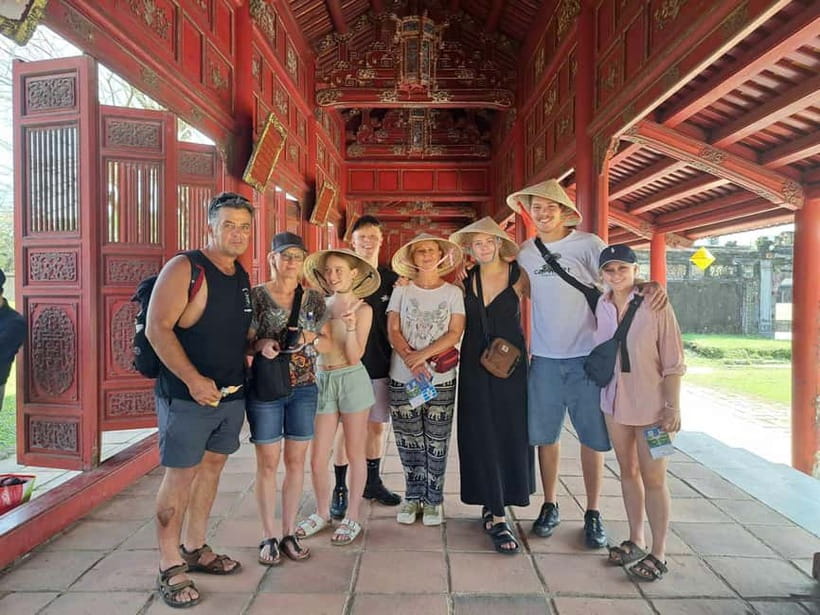
The advertised duration is 150 minutes. A separate itinerary description refers to 3.25 hours, and some accounts describe a tour lasting around three hours. Because of that mismatch, I would confirm the expected length before booking, especially if you have a train, flight, meal reservation, or afternoon excursion.
The walk is focused on the Imperial City rather than transportation between several attractions. You should wear comfortable shoes and bring water and sunscreen. The compound is large, and the combination of walking, standing, and outdoor time can feel tiring in warm weather.
The tour appears to include rest opportunities and some time to explore sections on your own. That is a welcome feature. You get the benefit of a guided route without having every minute filled with instructions.
The 9:00 AM start should suit people who want cooler conditions and more time afterward. The 3:00 PM option may fit better with a slower morning, though the available details do not promise a sunset finish. Build in extra time if you hope to remain in the Imperial City after the guided portion.
Group size and guide quality
The group limit of 10 is one of the best practical features. A large crowd can make palace explanations hard to hear and questions awkward. A small group gives the guide more room to include each person and adjust the conversation.
Linh receives the strongest praise, particularly for his English, humor, use of visual material, and ability to answer questions. Thanh is also described as friendly, well informed, and helpful with local food advice. The provider is listed as Linh Nguyen, but the guide may not always be Linh, so confirm who will lead your departure.
There is one small organizational concern. One person found it unclear which areas were free-exploration time and which would be covered later. That is not a serious flaw, but you can avoid confusion by asking the guide at each break where to wait and what remains on the route.
The overall tone is relaxed and social. You may share the walk with an international group, which suits anyone who enjoys conversation along with history. Families, couples, solo visitors, and small groups are all listed as suitable customers. Groups larger than six people, including children, are not accepted through separate bookings, so large parties need to contact the provider about a custom arrangement.
Who should book this Hue walking tour?
I would choose this tour if you want the Imperial City to make sense, not just look beautiful in photographs. It suits first-time visitors, history fans, and anyone who wants to understand the Nguyen Dynasty, court customs, colonial rule, and war damage in one visit.
It is also a good choice for solo visitors. The small group creates an easy way to meet people, while the guide gives the day a clear structure. Families can benefit from the stories and visual aids, though younger children need to be comfortable with a long walk and historical discussion.
You may want to skip it if you prefer exploring entirely at your own speed or if you dislike tip-based experiences. You should also confirm the duration if your schedule is tight. The occasional uncertainty about independent exploration may bother visitors who want a precise route map.
For everyone else, the price, small group, English guidance, and strong storytelling make this a sensible introduction to Hue’s royal center.
Final verdict: a very affordable way to understand Hue
I recommend the Hue Imperial Ancient City Walking Tour, with two practical conditions: confirm the exact duration and bring cash for the tip and possible entrance costs. The $2 listed price is remarkable, but the real value comes from the guide’s interpretation of the site.
Linh appears to be the standout guide, combining clear English, humor, old photographs, and strong knowledge of Vietnam’s past and present. Other guides, including Thanh, have also been praised for friendly and useful tours.
Book this if you want Meridian Gate, Thai Hoa Palace, Dien Tho Palace, and the Forbidden City connected into one understandable story. Go independently if you only want photographs and complete freedom. For most people visiting Hue for the first time, a small guided walk is the better use of two and a half hours.
FAQ
How much does the Hue Imperial Ancient City Walking Tour cost?
The listed price is $2 per person. You should also carry cash for a discretionary tip and check whether the Imperial City entrance fee is separate.
How long does the tour last?
The activity is advertised as 150 minutes. Another itinerary description gives 3.25 hours, so confirm the expected duration before booking.
What time does the tour start?
The stated start times are 9:00 AM and 3:00 PM. The provider contacts you to confirm the designated time.
Where is the meeting point?
You meet in front of the Hue Imperial City ticket booth, also described as the Imperial City ticket office.
Which places are included in the walk?
The tour focuses on Hue Imperial City and includes Meridian Gate, Thai Hoa Palace, Dien Tho Palace, the Forbidden City, and other important parts of the historic citadel.
Is the tour offered in English?
Yes. The tour includes a live English-speaking guide.
How large is the group?
The small group is limited to 10 participants. Bookings for groups larger than six people, including children, are not accepted through separate reservations.
What should I bring?
Bring comfortable walking shoes, water, and sunscreen. Cash is also useful for the guide’s tip and any site admission cost not included in the tour.
Is the tour wheelchair accessible?
The activity is listed as wheelchair accessible. Because the available information does not describe every route or surface inside the historic complex, confirm the specific walking path if you need accessibility details.
Just added around Vietnam
- Hue: 3 Best Royal Tombs Tour and Ancient Pagoda★ 4.9 · 100 reviews
- Hoi An: Half-Day Heritage Walking Tour★ 4.6 · 19 reviews
- Ho Chi Minh City Tour with Colonial Heritage and Chinatown★ 4.6 · 48 reviews
- Hanoi: Cho Gioi Vietnam War History Walking Tour★ 5.0 · 102 reviews
- Hanoi: Historic Jeep Tour★ 4.9 · 30 reviews
- Hanoi City Highlights Walking Tour – Landmarks & History★ 5.0 · 34 reviews
- Hanoi’s Heritage: Embroidery Workshop in Ancient House★ 4.9 · 22 reviews
- From Hanoi: Trang An eco-tourism – Hoa Lu ancient & Mua Cave★ 4.7 · 51 reviews
Ancient History Tours, compared.
Colosseum: Underground and Ancient Rome Tour
Read our review →
Colosseum & Ancient Rome with Arena Floor Option I Max 6 People
Read our review →
Colosseum, Ancient Rome Tour or AudioGuided Tour
Read our review →
Colosseum Underground & Ancient Rome Guided Tour
Read our review →
Taormina: Ancient Theater Skip-the-Line Ticket & Audio Guide
Read our review →
Discover the Ancient Ruins of Pompeii: Day Trip from Rome
Read our review →
Discover Matera, the ancient city – English tour
Read our review →Browse the lists this tour appears in