
Review · BOURGOGNE-FRANCHE-COMTé
Historic Center of Dijon : Discovery Tasting Wine Burgundy
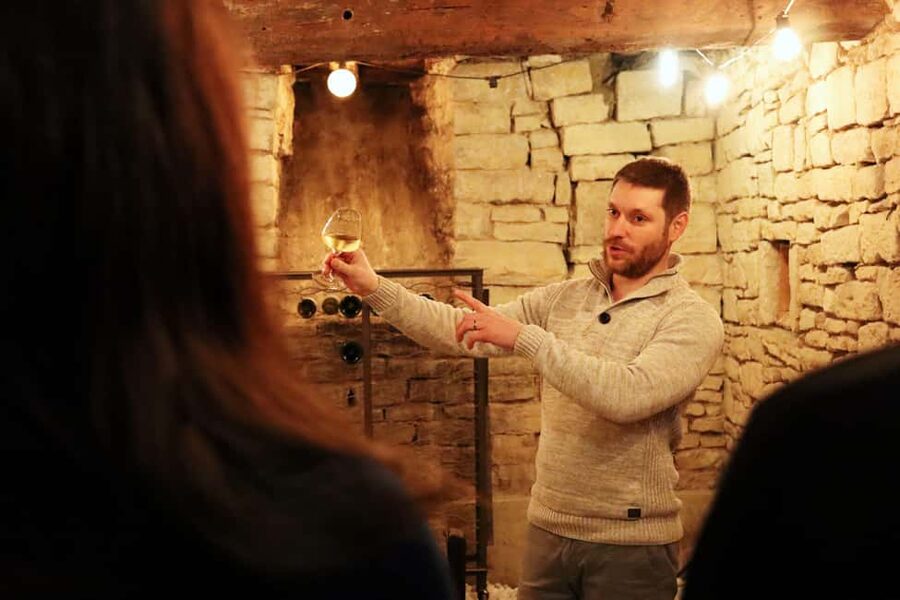
Burgundy starts beneath the city streets. This tasting gives you five wines in a 16th and 18th-century cellar, including Crémant, two whites, two reds, and one Premier Cru. I especially like the homemade Comté gougère and the clear focus on Burgundy’s geology, history, and Climats rather than wine tasting alone. The main concern is value: at $47 per person, the experience depends heavily on the guide’s language skills and tasting technique.
You’ll spend about 90 minutes at Les Caves de La Fine Heure, at 32 Rue Berbisey, then return to the same address. I like that the tasting sits right in central Dijon, so it fits neatly into a day of sightseeing. Still, one English-speaking customer felt the English explanations were much shorter than the French presentation, and another found that all five wines were poured into the same glass, which is not ideal for serious tasting.
Key points to know before booking
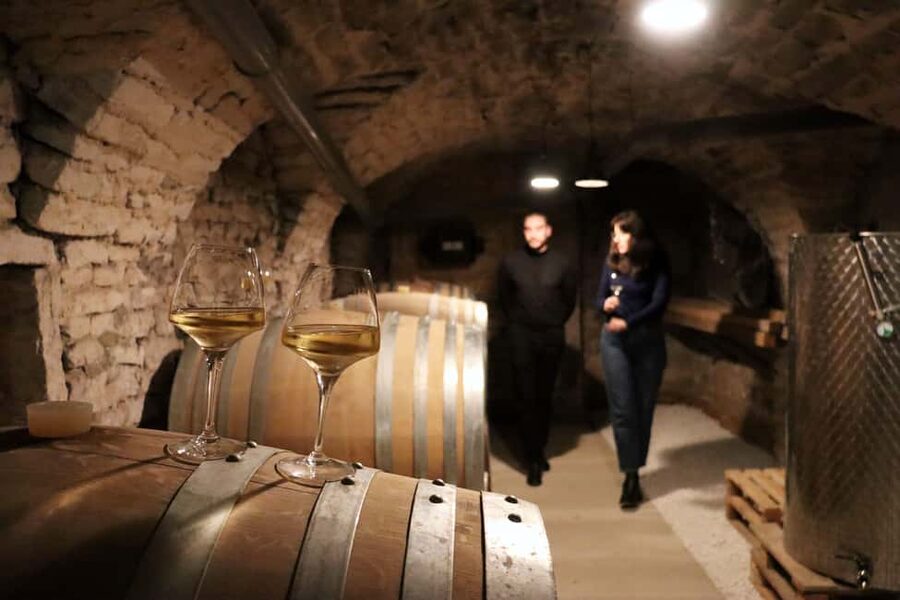
- Five Burgundy wines in one sitting: You taste one Crémant, two white wines, and two reds, including a Premier Cru.
- A historic cellar under central Dijon: The tasting takes place in cellars dating from the 16th and 18th centuries, not at a distant vineyard.
- A lesson as well as a tasting: You learn a basic tasting method and get an introduction to Burgundy’s history, geology, and Climats.
- A local bite is included: Your wines come with one generous homemade Comté gougère, a savory cheese pastry.
- French and English are offered: Confirm the language when booking if you need detailed English guidance, especially if another language appears during your reservation.
- The visit can lead into dinner or shopping: You may book a table at La Fine Heure or purchase bottles in its wine shop, but both cost extra.
Starting at 32 Rue Berbisey in Dijon
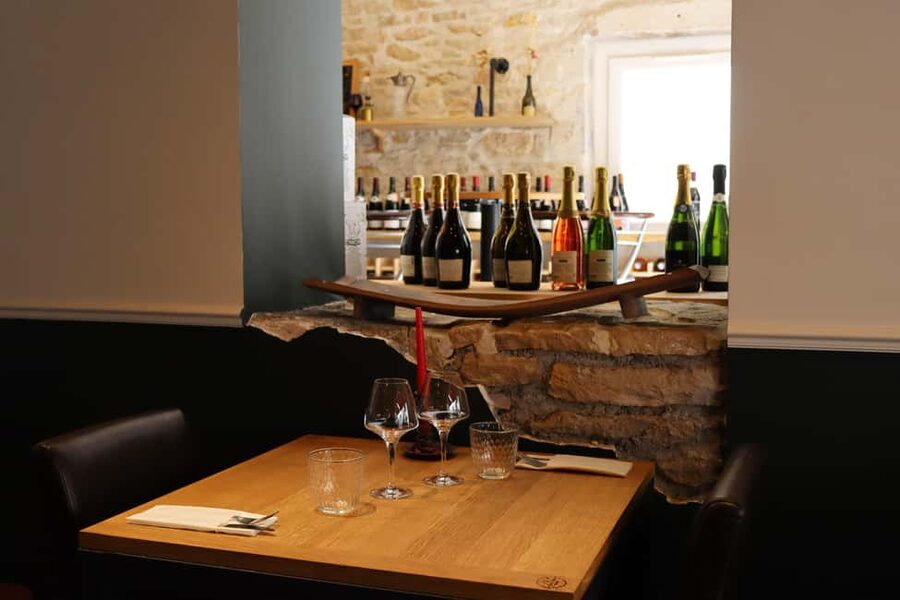
The meeting point is Les Caves de La Fine Heure, at 32 Rue Berbisey. That central Dijon address is a real advantage. You do not need to arrange transport to a vineyard outside town, and you can pair the tasting with a walk through the historic center.
The experience is described as lasting one day for booking purposes, but the actual wine tasting is about 1.5 hours. Think of it as a compact city activity, not a full-day excursion through Burgundy. You arrive at the cellar, take part in the guided tasting, and finish back at the same address.
That short format suits you if you have only a day in Dijon or want to leave room for the Palace of the Dukes, local markets, and the city’s restaurants. It also means the experience cannot cover every part of Burgundy wine culture. You will get an introduction, not a complete wine course.
The cellar is wheelchair accessible, which makes this a more practical choice than many old wine spaces. The activity is not suitable for children under 18. The information also lists people with altitude sickness as unsuitable, although altitude is not a normal concern in central Dijon.
More Old Town and Historic Centre Walks in France
- Bordeaux: Historic Center & Chartrons District Bike Tour
★ 4.8 · 709 reviews - Strasbourg on Foot: Historic Center and Petite France with a Local Guide
★ 4.7 · 223 reviews - Rouen: Guided Tour of the Historic Center
★ 4.8 · 145 reviews
What the historic cellar adds
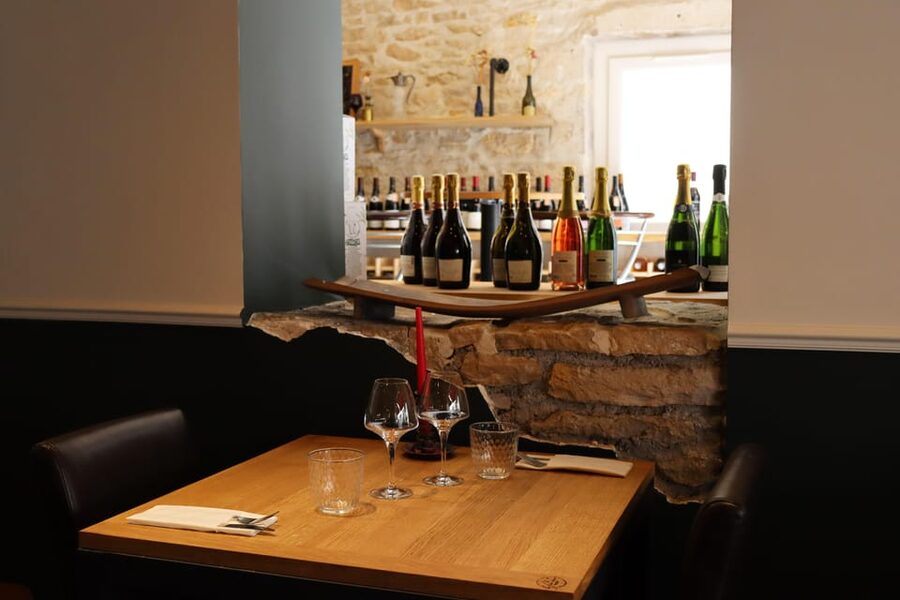
The setting is one of the strongest parts of the experience. Les Caves de La Fine Heure uses historic cellars from the 16th and 18th centuries, giving the tasting a genuine connection to old Dijon.
You are not tasting in a generic modern room with a few wine posters on the wall. You are below a city with centuries of wine trade behind it. That does not turn the tasting into a vineyard visit, but it helps explain why Dijon is a useful place to study Burgundy wine. The region’s vineyards begin outside the city, yet its wine culture has long been tied to urban merchants, cellars, restaurants, and shops.
The cellar also creates a warmer, more social mood. The description promises a friendly, convivial setting, and the tasting seems designed for conversation rather than formal wine-school precision. I would expect the guide to move between the wines and the story of the region, using the cellar as part of the lesson.
One caution: a historic cellar is not the same as a working vineyard or winery tour. You will not be walking among vines or seeing a full production operation. If your main goal is to understand vineyard work firsthand, a trip into the Côte de Nuits or Côte de Beaune would offer more. If you want an easy introduction while staying in Dijon, this cellar is far more convenient.
The five-wine tasting, from Crémant to Premier Cru
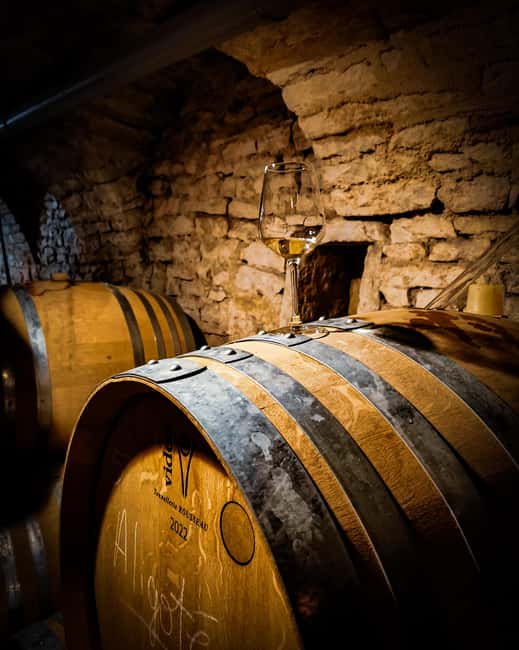
The lineup gives you a useful progression through Burgundy’s main wine styles:
- One Crémant sparkling wine
- Two white wines
- Two red wines
- One of the reds is a Premier Cru
That is a sensible first taste of the region. The Crémant shows that Burgundy is not only about still wines. The white wines let you compare the region’s fresh, structured style, while the reds introduce the grape and place differences that make Burgundy so closely watched by wine drinkers.
The inclusion of a Premier Cru adds a higher-ranking example to the flight. Burgundy’s classification system can seem confusing at first, since vineyard names and quality levels matter as much as the producer name. A guided tasting can help you understand why two wines from nearby villages may have different reputations and prices.
The experience also includes wine made by La Fine Heure itself, vinified in its own cellar. That gives the tasting a personal house connection. You are not only sampling outside bottles selected from a shop. You are also getting a sense of how the host approaches wine.
The strongest praise for the experience focuses on the wine quality and the explanations of the region. One French customer described the wines as high quality and the explanations as complete enough to understand Burgundy. Another English-speaking customer found the setting pleasant and the guide informative. Those points suggest that the tasting works best when the guide gives proper attention to the story behind each bottle.
Learning a tasting method without the fuss
The tasting includes instruction in a method for examining wine. That should help you move beyond simply deciding that you like or dislike a glass.
You can expect the guide to frame the tasting around the wine’s appearance, aroma, taste, and finish, then connect those impressions to Burgundy’s soil and climate. The stated topics include the region’s history, geology, and Climats. In Burgundy, a Climat is a specific vineyard site with its own recognized name and character. The term matters because Burgundy often places great weight on the exact patch of ground where grapes grow.
This is useful if wine labels usually feel like a puzzle. You may leave with a better idea of how location, grape variety, vintage, and classification fit together. The lesson also gives you a way to taste future wines with more purpose.
Still, the quality of that lesson will depend on the guide. The activity is offered in French and English, but the bilingual delivery has not always been equal. One English-speaking customer reported receiving shorter and less detailed explanations than French speakers. If you are relying on English, ask ahead about the language of your specific session and make sure the guide can explain the wine terms clearly.
A separate booking apparently displayed Spanish as an available language, but the guide on arrival spoke only French. The published language information identifies French and English, so Spanish should not be assumed. If your reservation shows a language not listed here, confirm it before you arrive.
Same place, a different slice of the past:
- Paris: Louvre Museum Entry with History of Mona Lisa
★ 3.9 · 2,823 reviews - Paris: Dark History and Ghostly Guided Walking Tour
★ 4.7 · 1,000 reviews - Vieux Lyon Cultural & Historical Walking Guided Tour (English)
★ 5.0 · 942 reviews - From Strasbourg: Best Of Alsace Historical Day Trip
★ 4.7 · 633 reviews
The Comté gougère is more than a small snack
One homemade Comté gougère is included with the tasting. This is a savory choux pastry mixed with Comté cheese, and it is a fitting choice for Burgundy.
The pastry gives you something to eat between wines and helps keep the tasting from feeling like five isolated pours. Its cheese and baked texture also pair naturally with both sparkling and still wines. The portion is described as generous, though you should not treat it as lunch or dinner.
This detail helps the activity feel tied to local food rather than built around alcohol alone. Burgundy is a region where wine and food are meant to share the table, and the gougère brings that idea into a short cellar visit.
If you are hungry, plan another meal afterward. La Fine Heure has a restaurant featuring local specialties, but booking a table is not included. You can also buy bottles in the wine shop, giving you an easy way to continue the experience after the tasting.
Is $47 fair for 90 minutes?
At $47 per person, the price is reasonable if you value the historic cellar, the five-wine lineup, the Premier Cru sample, the gougère, and a guided introduction to Burgundy. It is less convincing if you judge the activity only by the amount of wine in the glass.
You are paying for access, instruction, setting, and convenience. A city-center tasting saves you the time and expense of reaching a vineyard. It also lets you compare five wines in a structured way without committing to a full day outside Dijon.
The value drops if the explanations are uneven or the tasting setup is casual. One customer considered the experience expensive for what felt like a simple tasting in the restaurant’s basement. Another strongly objected to all five wines being poured into the same glass, since traces of one wine can affect the next. For a professional tasting, separate glasses or careful rinsing would be preferable.
This point matters most if you already know wine. A beginner may focus on the guide’s explanations and the chance to compare styles. An experienced wine drinker may expect better glassware practice and more technical detail.
The overall rating is 4.5 from 40 ratings, with particularly strong praise for wine quality, the setting, and regional explanations. That is encouraging, but the mixed comments show that the guide and presentation can shape the value from one session to another.
How to use the experience in your Dijon day
Because the tasting begins and ends at 32 Rue Berbisey, it is easy to place between other central Dijon stops. You can schedule it before a meal, after sightseeing, or during a slower afternoon.
I would avoid treating it as the main event of an entire day. The listed tasting time is only about 90 minutes, and the cellar visit is compact. Instead, use it as one part of a Dijon food and wine day.
A sensible plan would be to arrive with enough time to find the meeting point, take the tasting, then decide whether to stay for dinner or browse the wine shop. Buying bottles afterward is not part of the price, but it may be useful if you find a style you want to remember.
If you are driving, remember that five wines plus a Premier Cru is not a good match for getting behind the wheel afterward. The central location makes it easier to walk or use local transport, though no specific transport arrangement is included.
Who will enjoy this most?
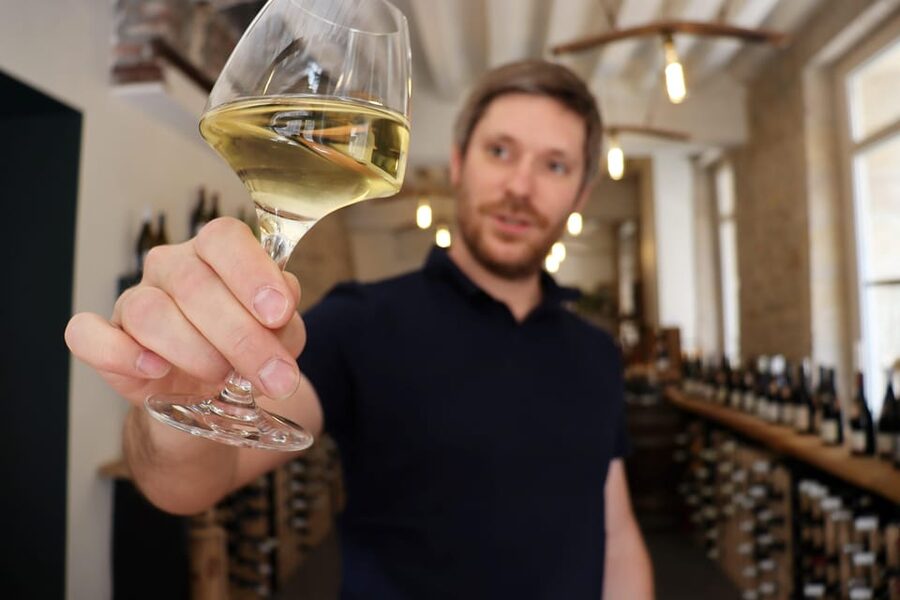
This tasting suits you if you want a short, central Dijon activity with a clear introduction to Burgundy wine. It is especially useful if you have not visited vineyards before and want help understanding the basic vocabulary of the region.
It also fits wine drinkers who want variety in one sitting. The Crémant, whites, reds, and Premier Cru create a broader sample than a tasting focused on one producer or one grape.
The activity may not suit you if you want a full vineyard visit, extensive cellar production tour, or advanced wine seminar. It may also disappoint you if you expect a polished professional tasting with separate glasses for every wine.
English speakers should take extra care with language confirmation. The official information gives French and English, but one booking experience raised concerns about shorter English explanations. You should also not count on Spanish unless the provider confirms it directly.
The activity is for adults only. It is wheelchair accessible, but the available information does not describe the cellar layout in detail, so you may still want to confirm any specific access needs.
Should you book Les Caves de La Fine Heure?
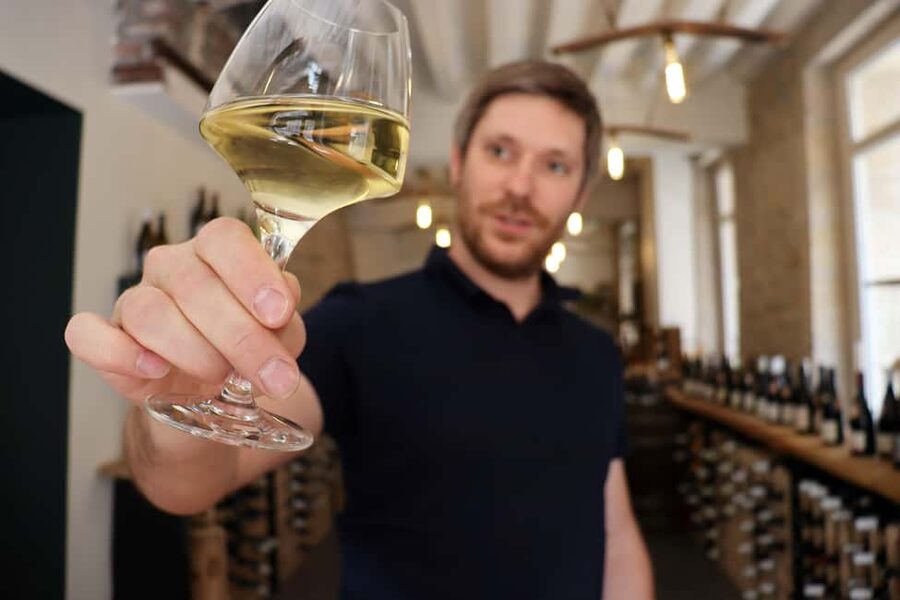
Book it if you want a convenient introduction to Burgundy without leaving Dijon. The historic cellar, five-wine lineup, homemade Comté gougère, and explanation of the Climats give you more than a quick bar tasting.
I would book with realistic expectations. This is a 90-minute tasting, not a vineyard excursion or an advanced sommelier class. Before paying, confirm that your session will be conducted in your preferred language and ask how the wines will be served. If those points are clear, the $47 price can be fair for a compact, local experience with a strong sense of place.
FAQ
Where does the wine tasting begin?
It begins at Les Caves de La Fine Heure, located at 32 Rue Berbisey in Dijon.
How long does the actual tasting last?
The wine tasting lasts about 1.5 hours. The activity information may show a duration of one day for scheduling purposes, but the described tasting itself is 90 minutes.
Which wines are included?
You taste five wines: one Crémant sparkling wine, two white wines, and two red wines. One of the red wines is a Premier Cru.
Is food included?
Yes. One homemade Comté gougère is included with the tasting. A meal at the La Fine Heure restaurant is not included.
What languages are available?
The stated guide languages are French and English. If you need another language, confirm it directly before booking, since Spanish is not listed among the available languages.
Can I buy wine or eat at the venue afterward?
Yes. You can buy bottles in the wine shop or book a table at the restaurant featuring local specialties. These options are not included in the tasting price.
More Wine Tours in France
- Avignon: Historic District Guided Food & Wine Walking Tour
★ 4.8 · 84 reviews - Champagne Cellar Experience: Explore our historic cellars
★ 4.7 · 46 reviews - Douro Valley: Historical Sites, Wine Experience, Lunch & Cruise
★ 5.0 · 5,133 reviews - Barcelona: Tapas Walking Tour with Food, Wine, and History
★ 4.8 · 4,261 reviews
Just added around France
- Group Visit to Mont Saint-Michel: A Shared Historic Journey★ 4.4 · 31 reviews
- From Avigno: Full-Day Roman Sites and Historical Places Tour★ 4.7 · 28 reviews
- Explore the Marais: History, Art & Local Culture★ 4.6 · 105 reviews
- Discover Caen like never before: Guided tours between history & secrets!★ 4.9 · 67 reviews
- Culture History & Secrets: Lyon with a local artist -english★ 4.9 · 29 reviews
- Champagne Cellar Experience: Explore our historic cellars★ 4.7 · 46 reviews
- Bordeaux: Top Landmarks & Historic Bike Tour★ 4.9 · 346 reviews
- A locals’s guide to Bordeaux’s historic market★ 4.8 · 23 reviews
Old Town & Historic Centre Walks, compared.
Live Fado Show with Port Wine in Historic Center
Read our review →
Valencia Old Town Tour with Wine & Tapas in 11th Century Historic Monument
Read our review →
Prague Old Town, Medieval Underground and Dungeon Historical Tour
Read our review →
Historic Center and Getsemaní Shared Walking Tour
Read our review →
Old Town Walking Tour History and Tales in Edinburgh
Read our review →
Philadelphia Old City Historic Walking Tour with 10+ Top Sites
Read our review →
Saadian Tombs & Bahia Palace, Medina Guided Tour
Read our review →Browse the lists this tour appears in