
Review · NORTHERN GERMANY
Elbfloren: Historical city tour
Dresden’s grand center fits neatly into two hours. I like the way this German-language walking tour links the city’s best-known Baroque sights into one clear route, and I like that you can step inside the Church of Our Lady when opening hours allow. The main drawback is simple: if you do not understand German, you will miss the guide’s stories, humor, and historical detail.
The tour also gives you a useful first look at Dresden Castle, the Fürstenzug mural, the Zwinger, the cathedral, and the Semper Opera House without asking you to buy museum tickets. It costs $16 per person, which is a fair price for a live guide and two focused hours in the old center, though you should not expect full interior visits to every major building.
Key points at a glance
- A compact Baroque route: Cover Dresden Castle, the Church of Our Lady, Fürstenzug, the stable yard, Zwinger, cathedral, and Semper Opera House in two hours.
- German only: The live guide conducts the tour in German, with the storytelling and jokes built around that language.
- A possible Frauenkirche interior visit: You may enter the Church of Our Lady, but this depends on its opening hours.
- History with a personal touch: Augustus the Strong is a central figure, and guides such as Natalie Blau have been praised for mixing facts with humor.
- Good value for a first orientation: At $16, you get a guided walk and short guided visits without paying for museum admission.
- Easy central meeting point: Meet in front of Dresden Castle, at Schlossstraße and Taschenberg, under the sign.
Why this two-hour Dresden walk works
Dresden can feel like a grand collection of separate monuments when you first arrive. This tour gives those buildings a sensible order. You begin at the castle, move through the historic core, and finish on Theater Square, where several of the city’s most important buildings face one another.
I like this format for a first afternoon in Dresden. You get the big picture before deciding which places deserve a longer visit. The route also keeps walking practical. The sights are close together in the central area, so the tour spends its time on stories and views instead of long transfers.
The focus is Dresden as Elbfloren, or Florence on the Elbe. That nickname points to the city’s grand Baroque image, especially the churches, palaces, courtyards, and ceremonial buildings connected with Augustus the Strong. You will hear about him along the way, including interesting and amusing details rather than only dates and formal political facts.
The tone matters here. The strongest praise centers on guides who make the history feel lively and easy to follow. Natalie Blau is named in several comments as an especially cheerful guide, with a gift for adding humor to a large amount of historical information. That makes the two hours less like a lecture and more like a guided conversation while you walk.
There is one clear limit. This is not a museum tour. You do not receive museum admission, and entry to the Zwinger or Semper Opera House is not included. The value comes from seeing the buildings, understanding their place in Dresden, and deciding what you want to explore later.
A few more history tours around Germany worth a look
- Leipzig: City History Canal Sightseeing Tour on a Motorboat
★ 4.7 · 7,671 reviews - Leipzig: 1.5-Hour Historical Walking Tour in German
★ 4.7 · 2,217 reviews - Berlin: 3-Hour World Heritage Cruise to Potsdam
★ 4.5 · 1,569 reviews
Starting at Dresden Castle
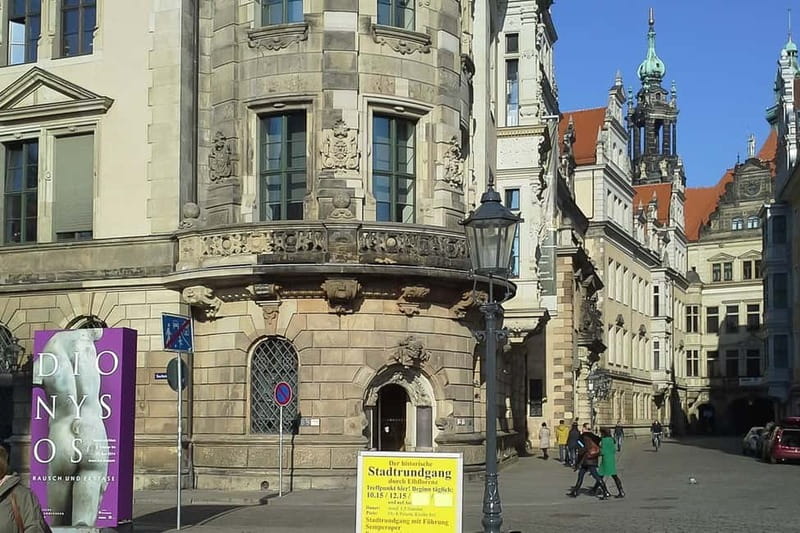
The meeting point is in front of Dresden Castle, at the corner of Schlossstraße and Taschenberg, under the sign. This is a useful place to begin because the castle immediately puts you in the middle of Dresden’s old center.
The tour includes a short guided visit at the castle. The wording matters: it is a short look, not a full museum visit. You can expect an introduction to the building and its role in Saxon history, along with a glance at the nearby Taschenbergpalais.
I appreciate this opening because it gives you a physical sense of Dresden’s courtly center before the route moves on. The castle, palace area, and surrounding streets show how closely power, ceremony, and architecture were packed together.
If you plan to arrive by walking from elsewhere in the center, give yourself enough time to find the exact corner. The meeting point is specific, but a busy historic area can still cause a last-minute scramble. Arriving a few minutes early is wise, especially since the tour lasts only two hours and does not leave much room for late starts.
Inside the Church of Our Lady
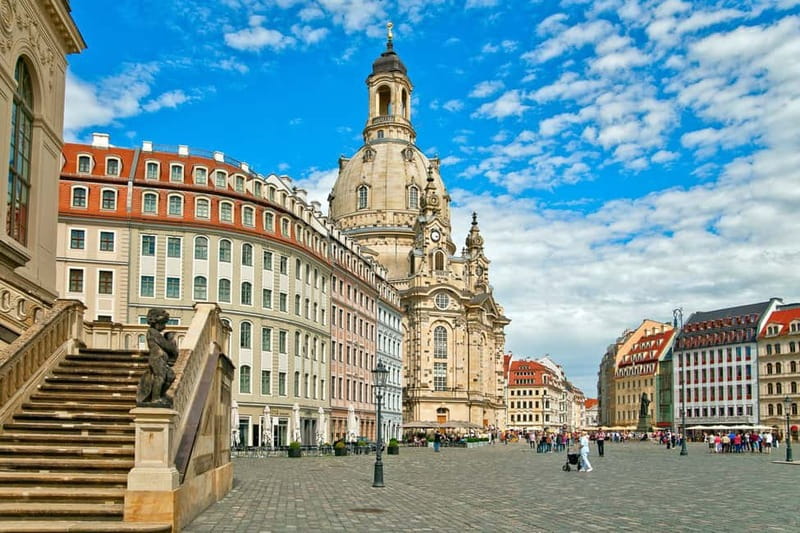
From the castle, the route continues toward Dresden’s famous Church of Our Lady, also known as the Frauenkirche. This is one of the most important stops because the church is impressive from the outside, but its interior gives you a better sense of its scale and decoration.
The tour includes a visit inside when the church is open for this type of access. That condition is important. Opening hours can change the experience, so you should treat the interior as a welcome possibility rather than a guaranteed part of the route.
Inside, the point is not a long independent visit. The guide helps you read the building as part of Dresden’s Baroque center and explains why it matters to the city. You will likely value this stop most if you enjoy seeing how a major landmark works from within, not just taking an exterior photograph.
Dogs are not allowed inside churches, and pets are not allowed on the tour. The activity is wheelchair accessible, but the exact ease of movement can still depend on the church’s operating conditions and the group’s route that day.
Fürstenzug and Saxon history in pictures
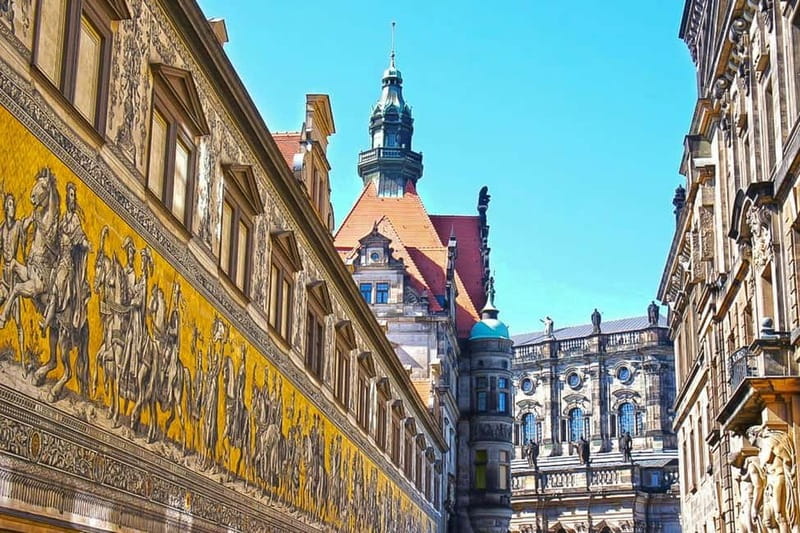
The route then leads to Fürstenzug, an important piece of Saxon history. This long outdoor artwork is especially useful on a walking tour because you can pause in front of it while the guide explains the people and political story connected with the Saxon rulers.
For you, this is one of the stops where a guide adds real value. A large historical image can be beautiful without being easy to understand. The explanations turn it from decorative scenery into a visual record of Saxony’s ruling tradition.
This is also where the tour’s Augustus the Strong thread continues to make sense. Instead of treating him as an isolated famous name, the guide places him within the larger court culture that shaped Dresden’s architecture and public image.
The guide’s style can affect this part of the tour more than any other. A dry explanation would make Fürstenzug feel like a quick photo stop. A lively one, like the approach praised in the comments about Natalie Blau, can make the characters and events easier to remember.
Same place, a different slice of the past:
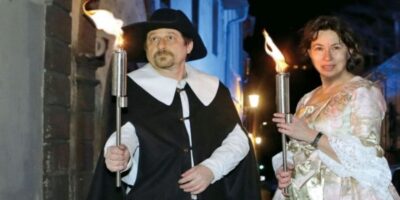
- Heidelberg: Night Watchman Historic Adventure Tour
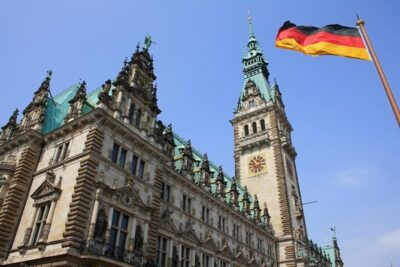
★ 4.7 · 1,186 reviews - The Local Tour of Hamburg Historic Centre
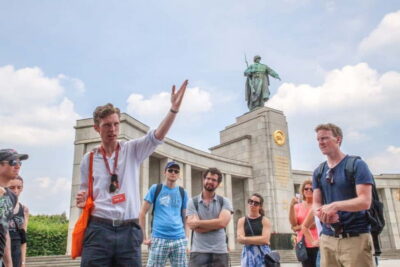
★ 5.0 · 1,058 reviews - Berlin: History of the Third Reich Guided Walking Tour
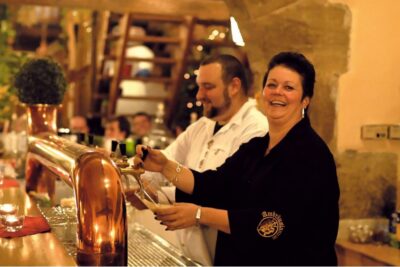
★ 4.7 · 791 reviews - Bamberg: Guided Beer History Tour with Optional Tasting
★ 4.6 · 772 reviews
Dresden Castle’s stable yard and Taschenbergpalais
After Fürstenzug, you continue toward the stable yard of Dresden Castle. This part of the route gives you another view of the castle complex, with attention shifting from the main exterior to the spaces connected with court life and ceremony.
The stable yard helps you see that Dresden’s royal center was not just one grand building. It was a working complex with different areas serving different purposes. You also get a glance at the Taschenbergpalais, adding another layer to the architectural story around the castle.
I like this section because it slows the pace slightly. The best city walks do not rush from postcard building to postcard building. They give you a chance to notice courtyards, connecting spaces, and the way buildings relate to one another.
Still, keep your expectations in check. The tour gives you an introduction and a look, not extended access to every room or exhibition. If the castle particularly interests you, plan a separate museum visit after the walking tour.
The Zwinger, Dresden’s Baroque showpiece
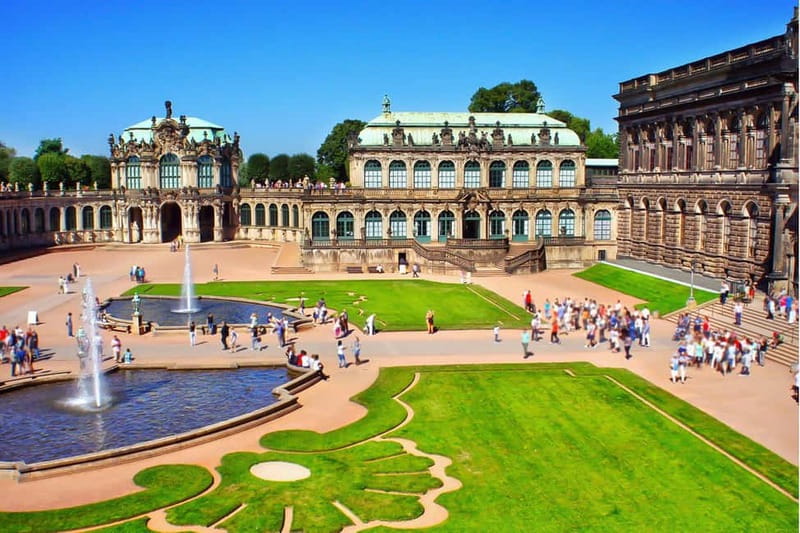
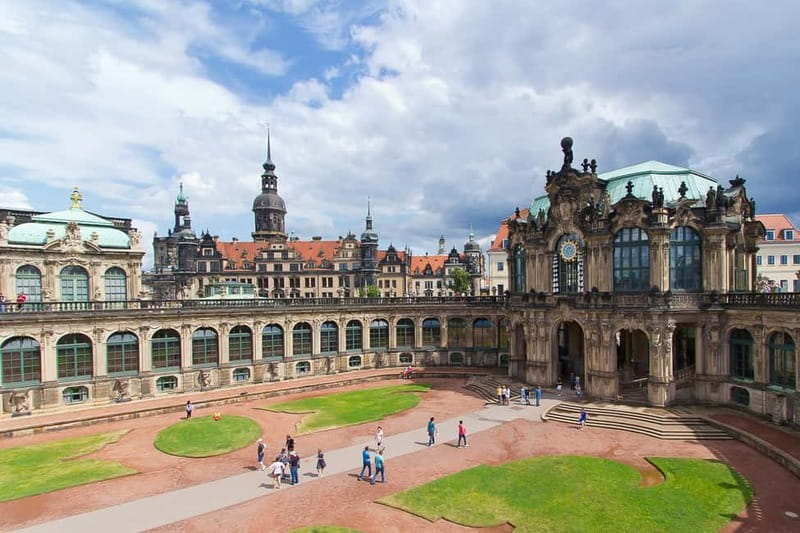
The Zwinger is the major architectural highlight of the route. This late Baroque masterpiece is one of the clearest expressions of Dresden’s ceremonial style, with ornate forms and a carefully arranged complex that rewards a closer look.
The guide provides a guided tour of the Zwinger, but entrance to the museums is not included. That distinction is helpful. You can appreciate the courtyards and architecture during the walk, then choose later if you want to pay for a museum visit.
For me, this is where the $16 price begins to look particularly reasonable. A guide can point out what you might otherwise walk past, explain the building’s place in Dresden’s Baroque identity, and connect it to Augustus the Strong. You get interpretation without being locked into a full museum schedule.
The Zwinger is also a good test of what you want from a city tour. If you mainly want context, photographs, and a clear explanation, this visit may be enough. If you want art collections and a longer look inside, treat it as an introduction and return independently.
Finishing on Theater Square
The tour ends at Theater Square, where the cathedral and Semper Opera House help create one of Dresden’s most memorable urban views. Finishing here makes practical sense because several major buildings can be understood together rather than one at a time.
The cathedral adds a religious and courtly element to the final stop. The Semper Opera House brings music and performance into the picture. Together, they show how Dresden’s old center was designed not only for everyday life but also for worship, ceremony, and public display.
The ending is also useful for planning the rest of your day. From Theater Square, you can decide if you want to visit a museum, return to the castle, spend more time around the Zwinger, or simply continue walking through central Dresden.
Do not assume the tour includes entry to the Semper Opera House. It does not. You see the exterior and receive the guide’s explanation, but admission is separate.
What the guide adds
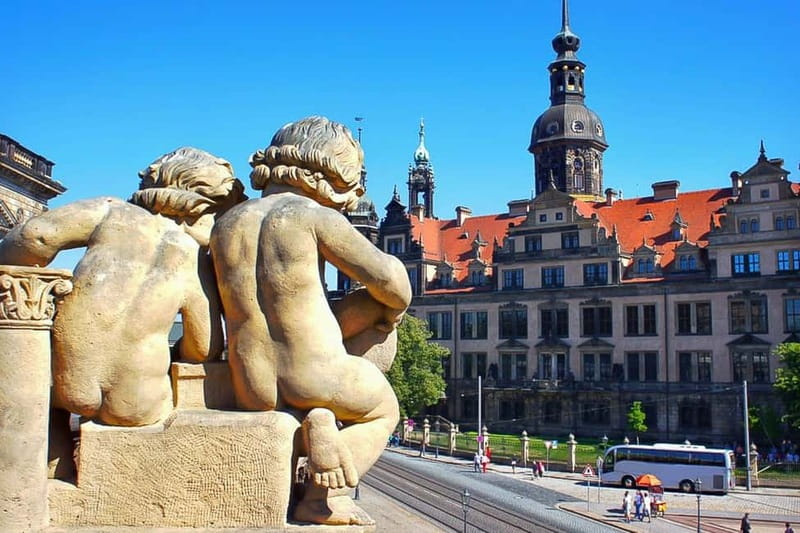
The strongest feature of this experience is the guide’s delivery. The tour is conducted in German, and the comments repeatedly praise a friendly, upbeat style with plenty of historical background and occasional humor.
Natalie Blau is specifically praised for her cheerful manner, strong knowledge of Dresden’s older and newer history, and funny touches during the walk. Other comments describe the organization as smooth and the presentation as both informative and entertaining.
That combination is valuable in a city with so many grand buildings. Facts alone can blur together after the third palace or church. Short stories, amusing details, and a relaxed delivery help you remember why each stop matters.
You should book only if you can comfortably follow German. There is no alternative language listed, and the appeal of the tour depends heavily on spoken explanation. If you understand German, the format should feel lively and accessible. If you do not, you would get the views but miss most of the substance.
Is $16 a fair price?
At $16 per person, this is a strong-value introduction to central Dresden. The tour lasts two hours, includes a live German-speaking guide, and covers a large group of major sights in a compact area.
The price is especially fair if you would otherwise walk past the castle, Fürstenzug, Zwinger, and Theater Square without knowing how they connect. You are paying for structure, interpretation, and local stories rather than admission tickets.
The cost is less attractive if you want extensive time inside buildings. Museum visits are not included, and neither the Zwinger nor the Semper Opera House offers included entry through this experience. In that case, think of the tour as your orientation, with separate admission costs for the places you later choose to visit.
Free cancellation up to 24 hours before the start gives you some flexibility, and you can reserve now and pay later. Those terms are useful if your Dresden schedule is still changing, but the main value remains the guide and route.
Who should take this tour?
I would choose this walk for a first visit to Dresden, especially if you want the old center explained in a short block of time. It suits anyone who prefers a clear route and a human guide over wandering from one signboard to another.
It is also a good fit for history fans who want context about Augustus the Strong, Saxon rulers, and the Baroque period. The route gives you enough background to make later visits to the castle, Zwinger, or museums more rewarding.
Families and older visitors may appreciate the short duration and central route. The tour is wheelchair accessible, though the possible church visit depends on opening hours and conditions on the day.
I would skip it if you need an English-language tour, want a long museum visit, or dislike organized walking tours. The route is efficient, but it is still a group experience with a fixed ending and limited time at each stop.
Practical details before you go
Meet in front of Dresden Castle at the corner of Schlossstraße and Taschenberg, under the sign. Check the starting time when booking, since the exact schedule can vary.
Wear comfortable shoes. The tour is only two hours, but it is a walking route through the historic center, with several stops where you will want to remain standing while listening.
Remember that the Church of Our Lady visit depends on opening hours. Pets are not allowed, and dogs cannot enter the churches.
The tour has a 4.8 rating from 929 bookings, with repeated praise for clear organization, historical detail, humor, and enthusiastic guides. That pattern matches the design of the experience: it is short, focused, and strongest when the guide brings the buildings to life.
Should you book Elbfloren?
Book this tour if you want an affordable German-language introduction to Dresden’s historic center, with the castle, Frauenkirche, Fürstenzug, Zwinger, cathedral, and Semper Opera House tied into one story.
The decision is easy if you understand German and have only a few hours to get your bearings. At $16, the route offers good value and leaves you free to choose which interiors deserve more time later.
Skip it if you need English, require guaranteed church access, or want included museum admission. For everyone else, this is a sensible first walk through Dresden, with enough facts, personality, and Baroque grandeur to make the city easier to understand.
FAQ
Is the tour conducted in English?
No. The live guide conducts the tour in German.
How long does the tour last?
The walking tour lasts two hours.
Where does the tour meet?
Meet in front of Dresden Castle, at the corner of Schlossstraße and Taschenberg, under the sign.
Is entry to the Zwinger included?
The guided tour of the Zwinger is included, but entrance to the Zwinger and its museums is not included.
Can I visit the Church of Our Lady during the tour?
You may visit the interior, but this depends on the church’s opening hours. Dogs are not allowed inside.
Is the tour wheelchair accessible?
Yes, the activity is listed as wheelchair accessible.
Just added around Germany
- Historic center of Berlin – Tour in Italian★ 5.0 · 143 reviews
- Berlin Food & Cultural Tour: Must-Try German & Berliner Classics★ 5.0 · 51 reviews
- Private Tour: Jewish Heritage Walking Tour of Berlin★ 5.0 · 29 reviews
- Small-Group Historical Bike Tour in Berlin★ 4.5 · 103 reviews
- Private Berlin WWII and Cold War History Tour with Local Expert Guide★ 5.0 · 28 reviews
- East Berlin Food & History Tour with Eating Europe★ 5.0 · 204 reviews
- Explore Berlin History and Highlights Sightseeing Walking Tour★ 5.0 · 81 reviews
- Berlin: Private Bike Tour of the Berlin Wall and Third Reich★ 5.0 · 23 reviews
Germany History Tours, compared.
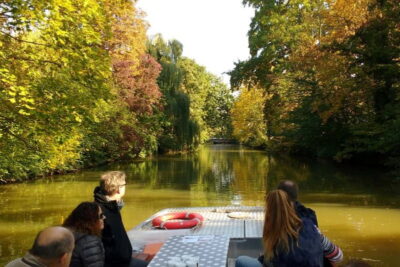
Leipzig: City History Canal Sightseeing Tour on a Motorboat
Read our review →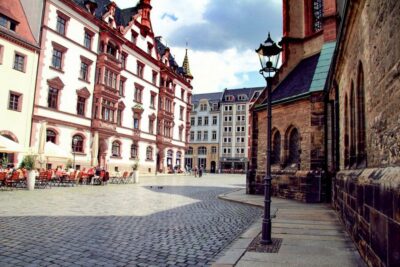
Leipzig: 1.5-Hour Historical Walking Tour in German
Read our review →
Bamberg: Guided Beer History Tour with Optional Tasting
Read our review →
Trier: Guided Old Town Highlights and History Walking Tour
Read our review →Browse the lists this tour appears in