
Review · SOUTH CAROLINA
Charleston: Boone Hall & Historic City Tour Combo
Charleston’s past comes in two very different settings. This combo pairs Boone Hall Plantation with a guided ride through Charleston’s historic core, giving you plantation grounds, Gullah culture, churches, markets, and grand homes in one outing. I like the air-conditioned coach ride and the useful commentary along the way, especially when guides such as Vicki and Alan add local detail between stops. The main drawback is time: Boone Hall offers more activities than this half-day schedule can comfortably fit.
I also like that the plantation visit does not focus only on the main house. You can choose presentations about enslaved people and Gullah culture, then see gardens and historic buildings. The city portion covers more than 100 sights, but it is largely a ride-by tour, so you should not expect to get off at every landmark.
Key points to know

- Boone Hall has several different experiences: You can choose the main-house tour, gardens, Slave Street and History presentation, or Exploring the Gullah Culture presentation.
- The enslaved people’s quarters are central to the visit: Boone Hall’s brick cabins hold historic relics and provide a direct setting for learning about forced labor and daily life.
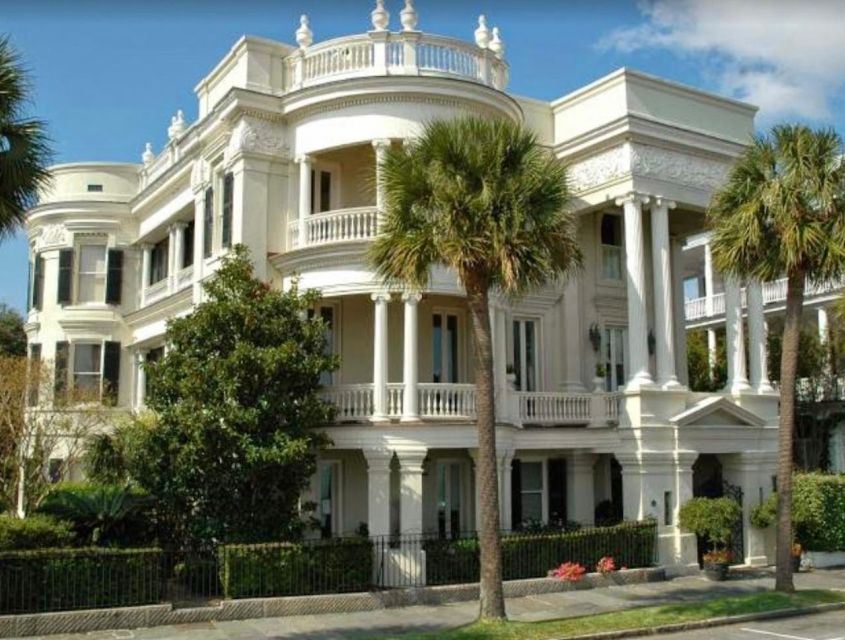
- The city tour covers more than 100 sights: Expect Charleston’s historic homes, the Battery sea wall, Rainbow Row, churches, old markets, and the Four Corners of Law.
- Most of the city tour is from the bus: You get a broad introduction, but the scheduled 90 minutes does not allow for extended exploration on foot.
- The timing requires choices: The full experience lasts 270 minutes, yet Boone Hall alone can easily fill three or more hours if you try to see every available feature.
- The price is reasonable for a combo: At $87 per person, transportation, a guided city tour, and Boone Hall admission are bundled together, though food and drinks are extra.
Two sides of Charleston in 270 minutes
This tour works because it connects Charleston’s city story with the agricultural world outside town. You begin at the buses behind the Visitors Center and Charleston Museum, then ride in a climate-controlled coach to Boone Hall. After the plantation visit, you return to the city for a 90-minute guided circuit.
That format saves you from arranging separate transportation and admissions. It also gives you a useful first look at Charleston before you decide which places deserve a longer visit later. I see it as an orientation tour with a substantial plantation stop, not as a slow, detailed visit to every site.
The experience operates rain or shine. Wear comfortable shoes and clothes, and bring a camera if you want photographs of the gardens, plantation buildings, and city streets. Food and drinks are not allowed in the vehicle, and the tour does not include meals.
A few more history tours around Charleston worth a look
- Charleston’s Old South Carriage Historic Horse & Carriage Tour
★ 5.0 · 10,023 reviews - Historic Charleston Guided Sightseeing Walking Tour
★ 5.0 · 6,216 reviews - Charleston Horse-Drawn Carriage Tour: Explore Historic Charleston
★ 5.0 · 3,561 reviews
Riding to Boone Hall with local commentary
The coach ride is more than a simple transfer. Your guide talks about the area as you pass through Charleston neighborhoods and roads leading toward the plantation. Vicki received particular praise for keeping the ride interesting and for offering practical suggestions about how to use your time at Boone Hall.
That matters because the plantation is not a single short attraction. Once you arrive, you have several possible presentations and areas to visit. A guide who explains your options early can help you avoid spending too long in one place and missing something important.
The coach is air-conditioned, which is valuable in South Carolina’s heat and humidity. The ride is also safer and simpler than trying to navigate and park on your own. One reported delay caused by traffic shows the main tradeoff: road conditions can affect the schedule, and the vehicle may arrive late through no fault of the driver.
Boone Hall’s main house and changing ownership

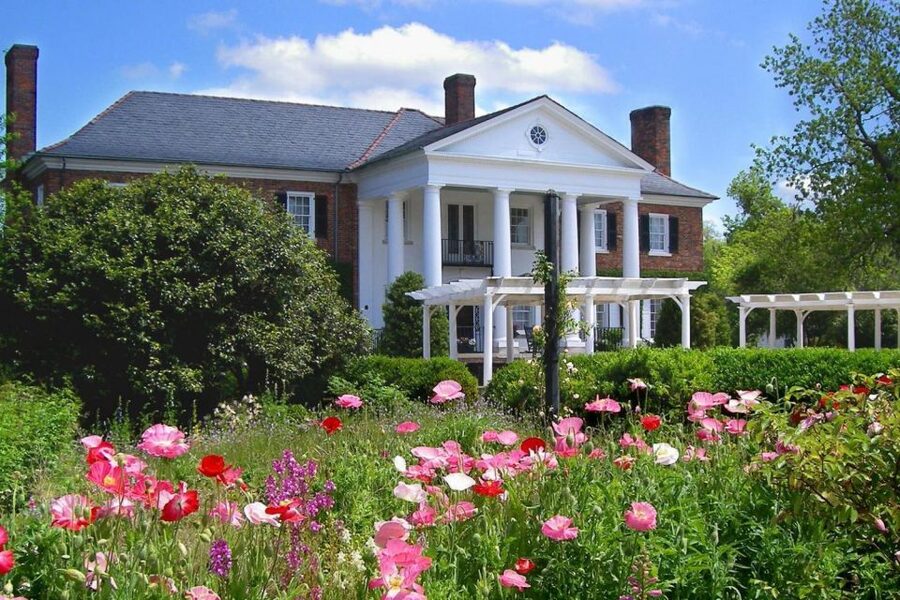
The plantation visit begins with a 30-minute guided tour of the main house. A guide in historical dress starts on the front porch and explains Boone Hall’s development under several owners since 1681.
The house gives you the formal side of plantation life: architecture, ownership, and the public face presented to visitors. It is worth choosing if you want a traditional house tour and a clear introduction to the property’s long timeline.
Still, I would not treat the mansion as the whole story. The most meaningful parts of Boone Hall are spread across the grounds, including the cabins, gardens, and cultural presentations. If your interest is focused on architecture, the house may be your first choice. If you want a broader picture of the people who lived and worked there, you will need to protect time for the other sections.
The 30-minute format keeps the house tour manageable, but it also means the presentation cannot cover every detail. Listen for the basic sequence of ownership and then use the remaining time to explore the parts of the plantation that speak most directly to your interests.
Slave Street and History: the essential context
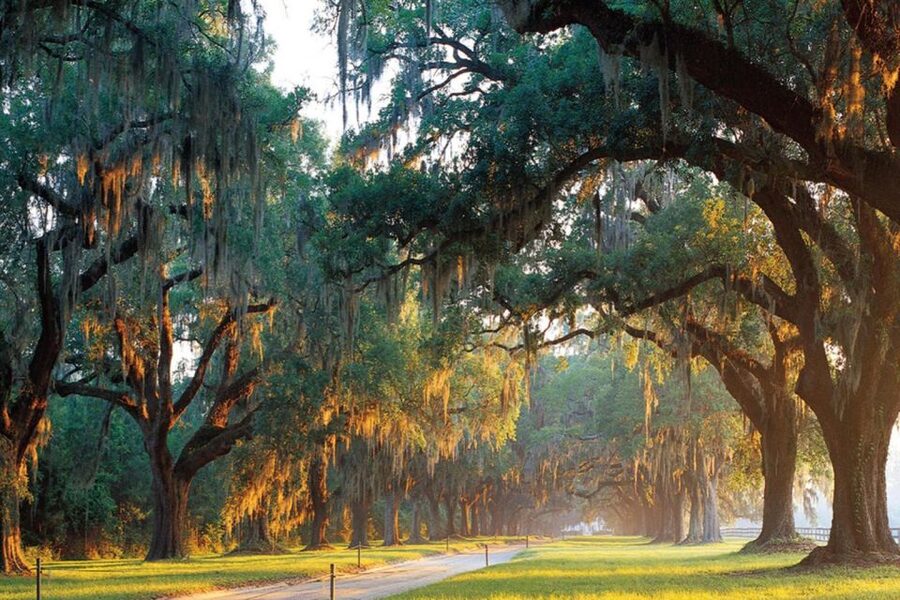
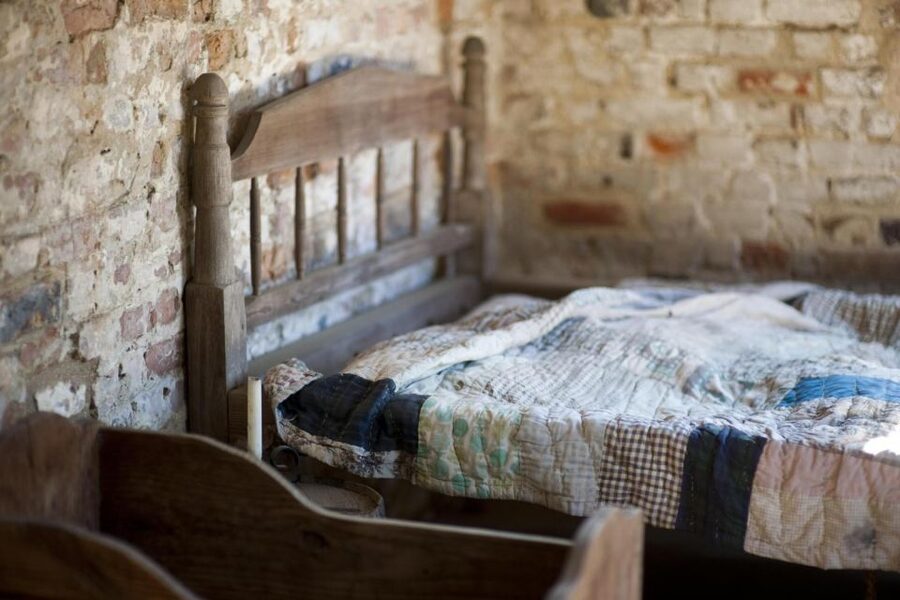
The Slave Street and History presentation takes you to the living quarters of enslaved people, where you can see historic relics and learn about the lives of those forced to live and work at Boone Hall.
This is not a decorative sidetrack. It is the part of the visit that gives the plantation’s grand house and gardens their human context. The brick cabins are especially significant because they are described as the only original slave houses still standing in the state’s Lowcountry because of their construction.
I would make this presentation a priority. A plantation visit can become too focused on owners, gardens, and architecture if the history of enslavement receives only passing attention. Here, you have a specific place and a guided account of the labor system that supported the property.
The time limit may force a choice between this presentation and other activities. If you can attend only one additional program beyond the main house, I would choose Slave Street and History if understanding the plantation’s social history is your main goal.
Same place, a different slice of the past:
- Charleston Harbor History Day-Time or Sunset Boat Cruise
★ 4.5 · 2,788 reviews - Hidden Alleyways and Historic Sites Small-Group Walking Tour
★ 5.0 · 2,335 reviews - Charleston: Daytime or Sunset Historic Harbor Cruise
★ 4.5 · 1,352 reviews - Charleston historical walking tour with a Professor of History at The Citadel
★ 5.0 · 1,284 reviews
Gullah culture and the Lowcountry’s living traditions
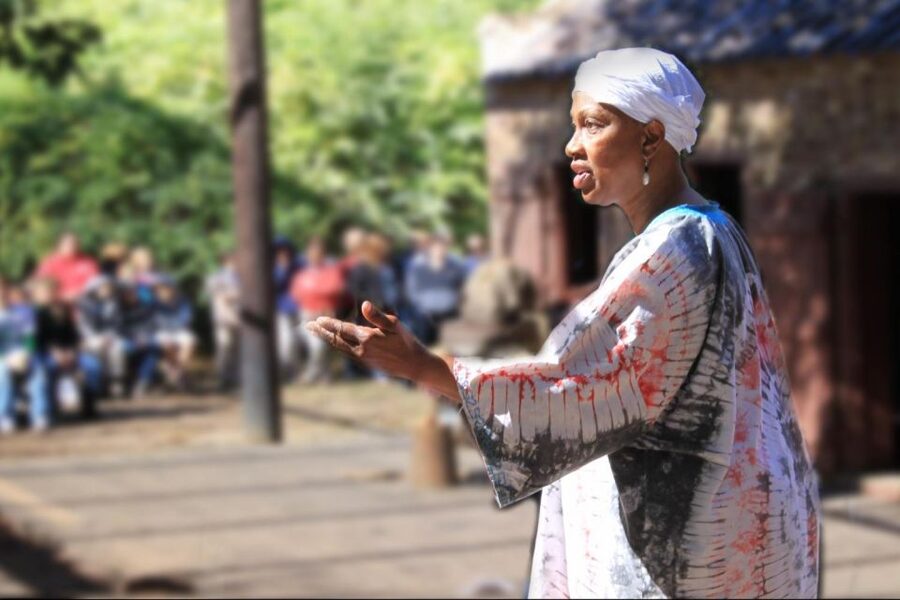
The Exploring the Gullah Culture presentation offers a different kind of history. It explains the culture developed by Africans brought to the region and enslaved in the Lowcountry. Boone Hall presents this as a live program, described as the only one of its kind at a plantation in the state’s Lowcountry.
This is valuable because it moves beyond dates and buildings. You get a chance to learn about cultural traditions shaped by African heritage, forced migration, and life in the coastal South. The program can help connect the plantation setting with a broader story that continues beyond the property.
The Gullah presentation was a particular highlight for one visitor, along with the grounds. If that subject interests you, check the available times as soon as you arrive. You may need to arrange your visit around the presentation rather than simply wandering from one site to another.
The practical catch is that Boone Hall has too much to fit comfortably into a compressed schedule. You might manage the Gullah program, the house, and the cabins, but have little time for the gardens or other options. Decide before arrival which two or three elements matter most to you.
Gardens with more than a century of roses
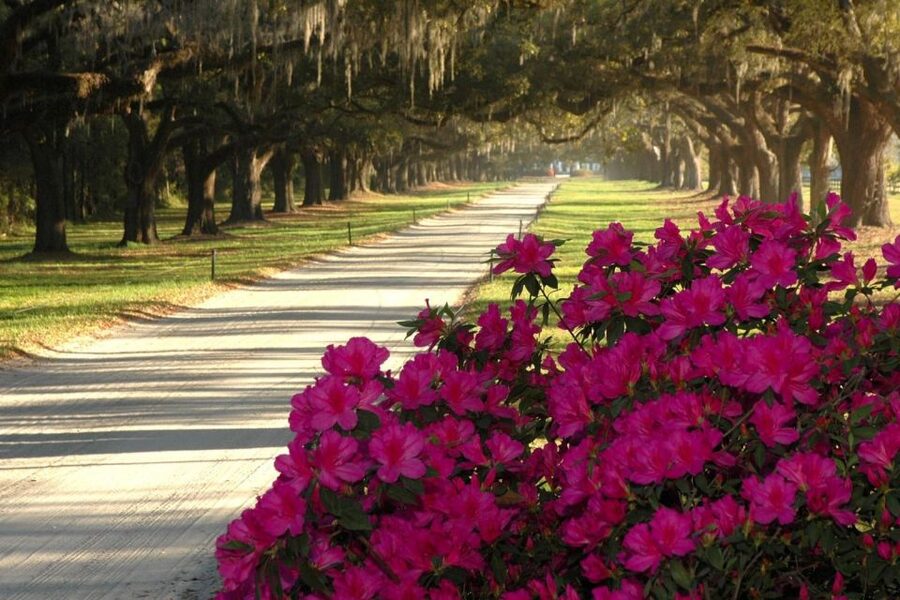
The garden tour is the quieter choice at Boone Hall. It includes antique varieties of roses that are more than 100 years old, offering a look at the cultivated side of the property.
I would choose this option if plants, design, and photography matter more to you than another indoor presentation. The grounds were praised as one of the strongest parts of the visit, and they provide a change of pace after the more serious historical material.
The gardens also help you understand how the plantation was presented as a place of beauty and status. That beauty should not replace the history of slavery, but it can help you see the property as a whole. The key is to keep both parts in view.
Again, timing is the issue. If you want the garden tour, main house, Gullah presentation, and enslaved people’s quarters, three hours can feel short. You may need to accept a quick look at some areas rather than a leisurely visit.
Returning to Charleston for 90 minutes of landmarks
Back in Charleston, the 90-minute city tour takes you through more than 100 notable sights. The guide tells stories and local anecdotes while you pass historic homes, churches, old markets, and residential neighborhoods.
The route includes the Battery sea wall, Rainbow Row, the Four Corners of Law, and several historic churches. These names give you a useful map of Charleston’s central sights. You can note the places that interest you most, then return later for a slower walk.
The Battery sea wall is one of the city’s signature public views, while Rainbow Row offers the colorful row-house image many people associate with Charleston. The Four Corners of Law brings together important civic and religious buildings in one well-known area. Seeing these locations in one circuit is efficient, especially if you have only a short stay in town.
The city ride is best understood as a broad survey. You remain on the bus for much of it, and the schedule does not provide regular time to step out and explore. One visitor wished for more opportunities to leave the vehicle, and that is a fair concern. You see many sights, but you do not get the same feel for Charleston’s streets that you would from walking.
Guides, commentary, and the tone of the tour
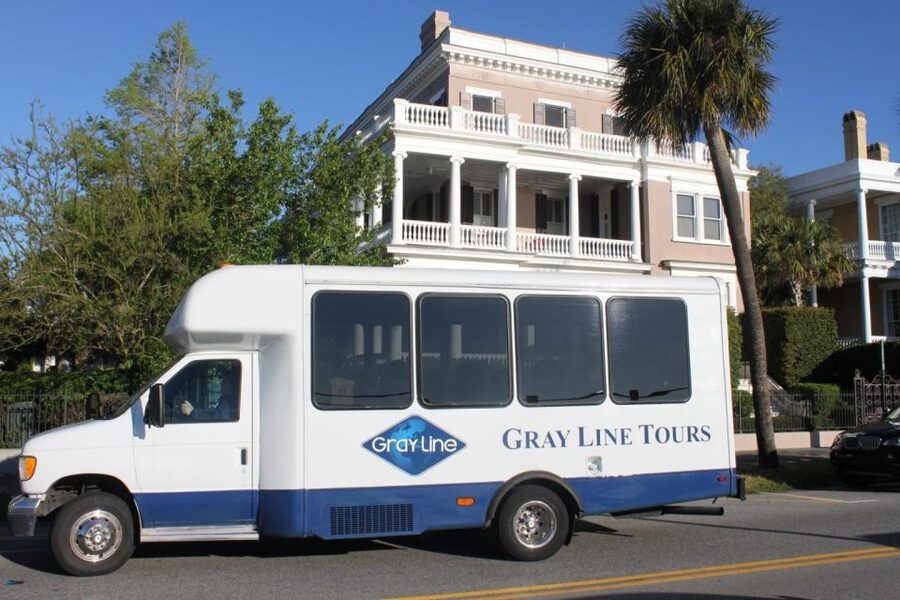
The guides are a major strength. Alan was praised for explaining the important Charleston sights, driving carefully, and treating other road users courteously. Vicki added local information during the drive to Boone Hall and gave practical advice about using plantation time well.
Scott was also singled out for helpful restaurant suggestions in Charleston. That kind of extra local guidance can be useful when you are deciding where to eat after the tour, though restaurant recommendations are not a formal part of the itinerary.
The quality of delivery can vary. One account described a city guide as somewhat gruff at first and occasionally hard to understand, though still informative overall. Another found parts of the presentation a little corny. That is normal for a scripted sightseeing tour, but it is worth knowing if you prefer quiet, academic commentary.
Most of the feedback points to guides who are prepared, personable, and good at keeping the coach ride interesting. You should expect storytelling designed for a mixed group, not a specialist lecture.
Is $87 good value?
At $87 per person, the price is fair if you want both Boone Hall and a first look at Charleston. Boone Hall admission, transportation, and a 90-minute guided city tour are included. The air-conditioned coach also removes the need to arrange a separate trip to the plantation.
The value is strongest for first-time visitors, people without a car, and anyone with limited time. You can cover a large amount of ground in 4.5 hours and leave with a clearer idea of what deserves a second visit.
The value is weaker if you already know Charleston well or want a slow plantation visit. You pay for convenience and coverage, not long periods of independent exploration. Food and drinks are not included, so plan for those separately.
I would also factor in the cost of missed opportunities. If you spend the plantation portion rushing among several presentations, you may feel that the admission was useful but the schedule was too tight. The tour becomes a better deal when you choose your priorities before arrival.
Who should book this combo?
I recommend it for first-time Charleston visitors who want a structured introduction to the city and Boone Hall in one day. It also suits people who prefer a guide, need air-conditioned transportation, or do not want to plan plantation logistics themselves.
Families and mixed-interest groups may like the variety. One person can focus on the house and gardens, while another gives priority to the cabins or Gullah presentation. The coach format also keeps the day simple.
I would hesitate if your main goal is walking Charleston street by street. The city section shows you a lot, but you get limited time outside the bus. I would also think twice if Boone Hall is your main reason for booking, since the plantation offers enough material for a much longer visit.
Book it if you value coverage, context, and convenience. Skip it in favor of separate visits if you want maximum time at each site and the freedom to set your own pace.
FAQ
How long does the Charleston and Boone Hall tour last?
The listed duration is 270 minutes, or 4.5 hours. The schedule includes the Boone Hall visit, transportation, and a 90-minute guided tour of historic Charleston.
Where does the tour begin?
Check in at the buses directly behind the Visitors Center and Charleston Museum in Charleston.
Is transportation to Boone Hall included?
Yes. The tour uses a deluxe, climate-controlled coach for the journey between Charleston and Boone Hall.
What is included in the price?
The price includes admission to Boone Hall Plantation and a 90-minute guided tour of historic Charleston.
Are food and drinks included?
No. Food and drinks are not included, and food and drinks are not allowed in the vehicle.
Can I see the enslaved people’s living quarters?
Yes. Boone Hall offers a Slave Street and History presentation that includes the living quarters, historic relics, and information about the lives of enslaved people at the plantation.
What happens if it rains?
The tour operates rain or shine. Wear comfortable clothing and shoes, and bring a camera if you would like photographs.
Just added around Charleston
- Charleston’s Historic Pubs, Taverns, and Taprooms Tour★ 4.5 · 33 reviews
- Charleston’s Strong Women of the South History Tour★ 4.5 · 27 reviews
- Small-Group Tour: Charleston Old Walled City Historical Walking Tour★ 4.5 · 283 reviews
- Sip History In a Secret Speakeasy Cocktail Class★ 5.0 · 40 reviews
- Private Walking Tour of Historic Charleston★ 5.0 · 38 reviews
- Sip History in The Sun Cabana Covered Cocktail Class★ 5.0 · 332 reviews
- Private Afternoon Sailing/Dolphin & History Tour on 43ft Mystique★ 5.0 · 32 reviews
- Private Sunset Sail BYOB Dolphin/History Tours on 43ft Mystique★ 5.0 · 42 reviews
Charleston History Tours, compared.

Charleston’s Old South Carriage Historic Horse & Carriage Tour
Read our review →
Historic Charleston Guided Sightseeing Walking Tour
Read our review →
Charleston Horse-Drawn Carriage Tour: Explore Historic Charleston
Read our review →
Charleston Harbor History Day-Time or Sunset Boat Cruise
Read our review →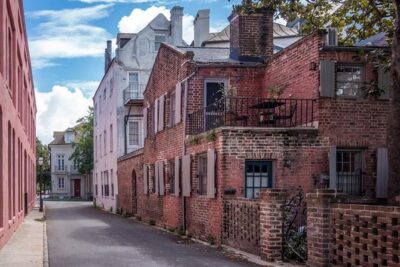
Hidden Alleyways and Historic Sites Small-Group Walking Tour
Read our review →

Charleston historical walking tour with a Professor of History at The Citadel
Read our review →
Historical Downtown Tour by Horse-drawn Carriage
Read our review →Browse the lists this tour appears in