
Review · CHARLESTON
Charleston Harbor History Day-Time or Sunset Boat Cruise
Charleston looks different from the harbor. This 90-minute cruise gives you broad views of the city, close looks at Fort Sumter, and a clear sense of how the Cooper River shaped Charleston’s military and commercial life. I especially like the mix of Civil War sites and graceful Battery homes, plus the chance to pass beneath the Arthur Ravenel Jr. Bridge.
The captain-led narration is the strongest part of the trip. I also like the choice of morning, afternoon, or sunset departures, since you can fit the boat ride around a full day in Charleston. The main caution is seating: the upper deck can fill quickly, and a busy departure may leave you standing for much of the cruise.
- Fort Sumter from the water: See the island fort where the first shots of the Civil War were fired.
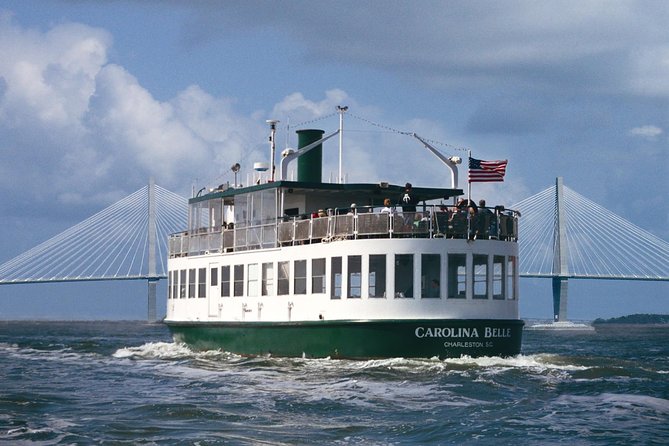
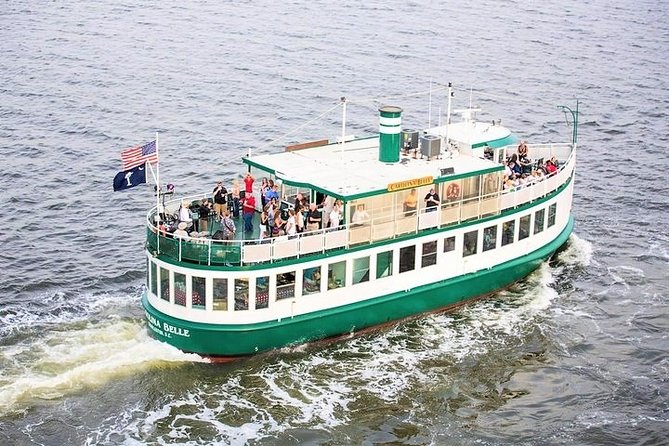
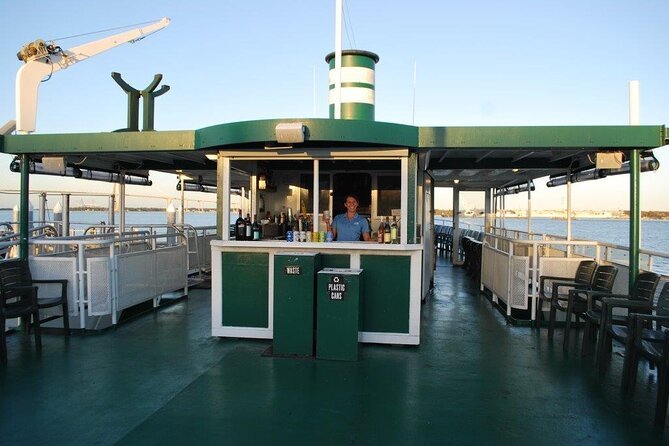
- The 80-foot Carolina Belle: A large sightseeing boat with an upper deck, lower level, restrooms, and drinks for sale.
- History along the Cooper River: Hear about Revolutionary War, Civil War, military, and architectural landmarks.
- Sunset option: Enjoy the best evening light, though the sunset sailing may focus more on scenery than detailed history.
- Wildlife and bridges: Watch for bottlenose dolphins and pelicans while passing beneath the Arthur Ravenel Jr. Bridge.
- Central departure point: Board at the Charleston Maritime Center, 10 Wharfside Street, in the French Quarter.
Boarding the Carolina Belle at 10 Wharfside Street
The cruise begins at the Charleston Maritime Center, a convenient spot in Charleston’s French Quarter. You present your mobile ticket before boarding the Carolina Belle, an 80-foot sightseeing boat built for a fairly large group.
The boat can carry up to 200 people. That capacity makes the ride easy to book, but it also explains the mixed seating experience. On a quiet departure, you may find a comfortable place on the upper deck. On a popular Saturday or sunset sailing, the best seats can disappear fast.
I would arrive early if sitting outside matters to you. The upper deck has limited seating, and the best views are often claimed before departure. One useful tip is to look for a place along the right side of the boat, which can offer a better angle for several sights as the cruise moves around the harbor.
The boat has a flat pier leading to it and a boarding ramp about 30 feet long. You board on the top deck, with stairs leading down to the lower level. Restrooms are located on the top deck. Service animals are allowed, and most people can participate, but anyone who has difficulty with stairs should pay attention to the boarding arrangement.
Once underway, you can choose between sitting and standing, inside and outside, or moving around when the boat allows. The lower level offers shelter, but some areas have blocked views. If the weather is pleasant, I would treat the upper deck as the main attraction and arrive early to improve your chances of getting a seat.
The Cooper River Sets the Story
The route is not just a ride past pretty buildings. The Cooper River explains why Charleston became such an important port and why forts were placed around the harbor entrance.
The captain narrates the trip, pointing out landmarks and explaining their connection to American history. The narration covers the Revolutionary War, the Civil War, military sites, churches, homes, bridges, and the waterfront itself. Several people have praised the captains for clear explanations, a friendly manner, humor, and useful bits of local trivia.
That narration gives the cruise its value. You could see some of these landmarks from land, but the water shows you how they relate to one another. From the boat, Fort Sumter is not just an isolated monument. It becomes part of a defensive ring that includes Fort Moultrie and Fort Johnson.
The experience is educational without being a formal lecture. The captain continues talking as the boat moves, so you get a steady stream of context rather than stopping for long periods at each sight. If you prefer a tightly timed tour with a separate guide walking you through each location, this may feel less focused. If you like history delivered while you take in the view, the format works well.
The quality of the narration may vary slightly by departure, as different captains lead the cruises. Still, the strongest praise consistently goes to the crew’s friendliness and the captains’ ability to make the shoreline easy to understand.
A few more history tours around Charleston worth a look
- Charleston’s Old South Carriage Historic Horse & Carriage Tour
★ 5.0 · 10,023 reviews - Historic Charleston Guided Sightseeing Walking Tour
★ 5.0 · 6,216 reviews - Charleston Horse-Drawn Carriage Tour: Explore Historic Charleston
★ 5.0 · 3,561 reviews
Fort Sumter and the Opening Shots of the Civil War
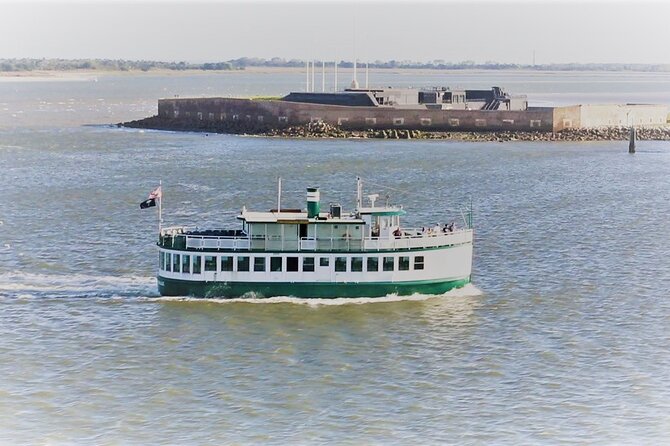
The approach to Fort Sumter is the historical center of the cruise. The small fortified island is where the first shots of the Civil War were fired, making it one of Charleston’s most important landmarks.
You do not visit the fort on this cruise. Instead, the Carolina Belle brings you close enough for a useful view from the water. That distinction matters when planning your day. If you want to walk through the fort, read its displays, and spend time on the island, you need a separate Fort Sumter visit. This cruise gives you a narrated look and a wider harbor perspective.
Seeing the fort from the boat also makes its position easier to grasp. You can understand its role in guarding the entrance to Charleston Harbor and see why water access mattered so much during wartime. The view is especially effective when the captain connects the fort to Fort Moultrie, Fort Johnson, and the wider shoreline.
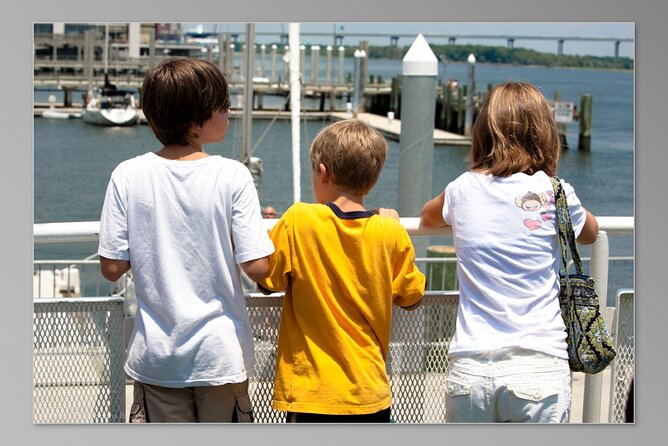
For families, this is a good way to introduce Civil War history without committing to a long museum visit. Children can watch the boat move, search for birds and dolphins, and still get a clear explanation of why the fort matters.
The USS Yorktown and Charleston’s Military Waterfront
Another major sight is the USS Yorktown, the Essex-class aircraft carrier known as the Second World War’s Fighting Lady. The ship earned eleven battle stars during its military career.
From the Carolina Belle, you see the carrier from the harbor rather than exploring its decks. The view gives you a sense of the vessel’s size and its place along Charleston’s waterfront. If naval history interests you, this may be the sight that makes the boat trip particularly worthwhile.
The cruise also passes Fort Moultrie and Fort Johnson. Both forts housed Confederate and Union soldiers at different points in the conflict. Their presence reinforces the captain’s larger point: Charleston’s harbor was defended, contested, and constantly shaped by military events.
You should not expect a complete military-history lesson in 90 minutes. The captain has many landmarks to cover, and the amount of time spent on each one depends on the sailing. Think of the cruise as a well-paced introduction, one that helps you decide which places deserve a longer visit later.
St. Michael’s Church and the Battery Homes
The boat offers a different angle on St. Michael’s Episcopal Church, one of Charleston’s historic churches. Its steeple was painted black so it would not be as easy a target during wartime, and the church survived both Revolutionary and Civil War fighting.
Details like this are what make the narration memorable. The church is not presented only as an old building. Its appearance becomes part of a story about danger, protection, and Charleston’s place in several American conflicts.
The cruise then gives you views of the stately homes along the Battery. These antebellum houses represent Charleston’s well-known architectural style and the city’s long connection to wealth, trade, and social power.
From the water, you see the homes as part of the shoreline rather than as isolated addresses. That broad view is useful, though it comes with a tradeoff. You will not get the close architectural detail or street-level stories you would receive on a walking tour. The boat gives you scale and setting, while a walk gives you doorways, ironwork, and a closer look at individual homes.
A useful point for curious visitors is that the narration does not cover every important nearby site. If you want fuller attention to Charleston’s African American history and cultural landmarks, add a dedicated museum or walking tour to your plans. The harbor cruise covers a wide range of events, but it cannot give every part of the city’s story equal time.
Same place, a different slice of the past:
- Hidden Alleyways and Historic Sites Small-Group Walking Tour
★ 5.0 · 2,335 reviews - Charleston: Daytime or Sunset Historic Harbor Cruise
★ 4.5 · 1,352 reviews - Charleston historical walking tour with a Professor of History at The Citadel
★ 5.0 · 1,284 reviews - Charleston: Historical Downtown Tour by Horse-drawn Carriage
★ 4.8 · 1,009 reviews
Under the Arthur Ravenel Jr. Bridge
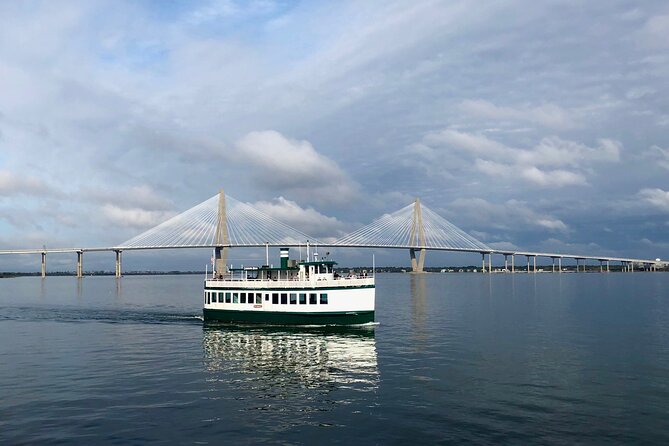
The Arthur Ravenel Jr. Bridge provides one of the cruise’s best modern views. The bridge connects downtown Charleston with Mount Pleasant and is designed to accommodate very large ships.
Passing beneath it changes the mood of the trip. The earlier sights focus on forts, churches, and historic homes. Here, you see the working scale of the modern harbor, with a huge cable-stayed span overhead and shipping space beyond it.
The bridge also gives you an easy sense of Charleston’s geography. From the water, the connection between downtown and Mount Pleasant is much clearer than it can be from a city street. The captain explains the structure and its role as the boat passes below.
This portion is particularly good for photographs. Keep in mind that the boat is moving, the light changes quickly, and other passengers may gather at the railings. If you want clear pictures, stay ready rather than waiting until the last moment.
Dolphins, Pelicans, and Waterfront Park
The historical sites are the main purpose of the cruise, but the harbor is also a working natural setting. Bottlenose dolphins may skim the surface, and pelicans may plunge into the water for food.
Wildlife sightings are not guaranteed, so I would treat them as a bonus rather than a promise. The same goes for perfect weather. On a calm, sunny day, the ride feels open and relaxed. On a chilly or rainy day, the outdoor decks lose much of their appeal, especially if you cannot find a seat under cover.
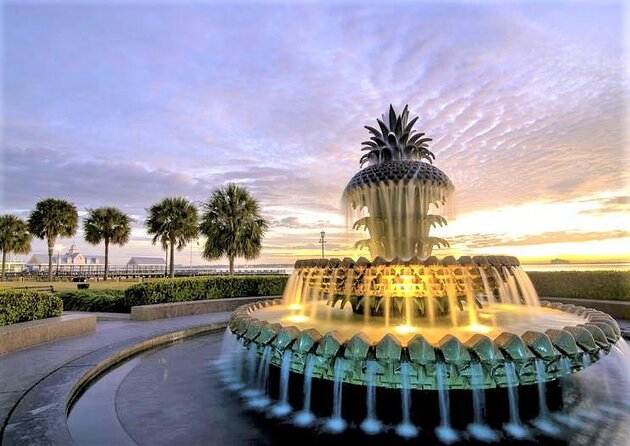
The route also includes views of Charleston Waterfront Park. This lets you see the city from an angle that walking visitors miss. The park, the waterfront, and the historic core appear as one connected stretch rather than separate stops on a map.
The cruise ends back at the Charleston Maritime Center, so you do not need to arrange a separate ride from the far side of the harbor. That simple return is useful when you are fitting the boat ride between meals, museums, and evening plans.
Choosing Between Daytime and Sunset
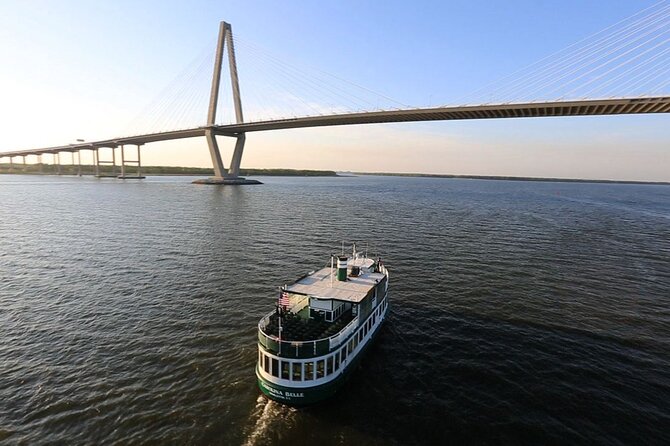
Morning and afternoon departures are best if history is your main goal. Daylight makes it easier to see the forts, church steeple, bridge, and Battery homes, and the narration tends to be the central feature of the experience.
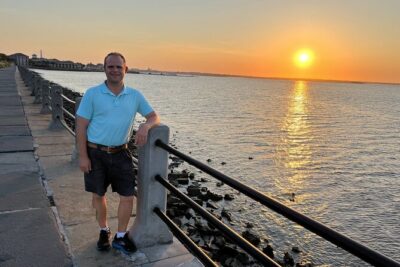
The sunset cruise is better if you want atmosphere and photographs. The changing light over the water can be beautiful, and several people have described the sunset as the highlight of the trip. It also creates a pleasant end to a day in Charleston.
There is a tradeoff. The sunset cruise may place more emphasis on scenery and less on detailed history. If you want every landmark explained at length, choose a daytime departure. If you want a relaxed evening ride with a chance of sunset color, choose the later sailing.
Sunset departures can also be among the busiest. Arrive early, especially if you want upper-deck seating. A full boat may still feel comfortable in some areas, but the limited top-deck seats can create a crowd at the rails.
Food, Drinks, and Comfort on Board
Drinks and snacks are available for purchase during the cruise. Alcoholic drinks are not included in the ticket price. The boat also sells bottled water, and one reported price was $4.95, so bringing a drink if permitted by the operator or buying one before boarding may help you avoid an unpleasant surprise.
The staff generally receives strong marks for being warm, helpful, and courteous. That matters on a boat with many passengers, particularly during boarding and when people are moving between decks.
Comfort depends heavily on the crowd and the weather. The upper deck gives you the best open views but has limited seating. The lower level provides another place to sit, though some sightlines are blocked and the space may feel older or musty to some people.
I would dress for the actual forecast, not just Charleston’s reputation for mild weather. A breezy day on the harbor can feel cooler than a walk downtown. Rain and chilly temperatures can make standing outside unpleasant, and poor weather may also lead to cancellation or a rescheduled departure.
Is $44.50 a Fair Price?
The listed price is $44.50 per person, including taxes, fees, and handling charges. For that price, you receive about 90 minutes on the water, a narrated route, views of major landmarks, and a return to the central departure point.
I see the value in it if you want a broad introduction to Charleston. You cover Fort Sumter, the USS Yorktown, Fort Moultrie, Fort Johnson, St. Michael’s Episcopal Church, the Battery, the Ravenel Bridge, and Waterfront Park without arranging several separate visits.
The value is weaker if your main goal is a close inspection of one landmark. You do not tour the inside of Fort Sumter or the USS Yorktown on this cruise, and a busy boat may limit your ability to get the view you want. In that case, a smaller boat or a dedicated site visit may suit you better, though the price and route would differ.
For families and first-time visitors, the combination of scenery, history, and a manageable 90-minute length makes the fare reasonable. The duration is long enough to feel like a real outing but short enough to fit into a packed Charleston schedule.
Practical Details Before You Book
You receive confirmation at booking, and the ticket is mobile, so you can present it at the maritime center. The activity is near public transportation, and the maximum group size is about 200 people.
Free cancellation is available up to 24 hours before the start time. Changes or cancellations within 24 hours are not accepted for a refund. The cruise requires good weather, and if the operator cancels because of weather or an insufficient number of bookings, you can receive a refund or choose another date or experience.
I would book a daytime cruise if you care most about the narration and clear views. Choose sunset if the setting matters more than detailed historical commentary. In either case, arrive early for the upper deck, and do not assume every passenger will have a seat with an unobstructed view.
Should You Book the Charleston Harbor Cruise?
Book it if you want an easy overview of Charleston from the water. The captain’s narration, Fort Sumter views, military landmarks, Battery homes, bridge passage, and possible wildlife sightings make this a useful first-day activity.
It suits families, first-time visitors, history fans, and anyone who wants a scenic break from walking. The 90-minute length is practical, and the central departure point simplifies the rest of your day.
I would hesitate only if you dislike large boats, need guaranteed upper-deck seating, or want an intimate tour with uninterrupted views. For everyone else, arrive early, pick your departure time carefully, and consider the cruise a wide-angle introduction to Charleston rather than a replacement for visiting its forts and museums up close.
FAQ
Where does the Charleston Harbor cruise begin?
The cruise begins at the Charleston Maritime Center, located at 10 Wharfside Street in Charleston’s French Quarter.
How long does the boat tour last?
The sightseeing cruise lasts approximately 90 minutes.
What landmarks can I see from the boat?
You can see Fort Sumter, the USS Yorktown, Fort Moultrie, Fort Johnson, St. Michael’s Episcopal Church, homes along the Battery, the Arthur Ravenel Jr. Bridge, and Charleston Waterfront Park.
Is the cruise narrated?
Yes. A professional licensed captain provides narration about Charleston Harbor, local landmarks, military sites, and the city’s history.
Are drinks included in the ticket?
No. Drinks, including alcoholic beverages, are available to purchase onboard. Alcoholic drinks are not included in the ticket price.
Can I cancel for a refund?
Yes. You can cancel at least 24 hours before the start time for a full refund. Cancellations or changes made less than 24 hours before the start time are not accepted for a refund.
Just added around Charleston
- Charleston’s Historic Pubs, Taverns, and Taprooms Tour★ 4.5 · 33 reviews
- Charleston’s Strong Women of the South History Tour★ 4.5 · 27 reviews
- Small-Group Tour: Charleston Old Walled City Historical Walking Tour★ 4.5 · 283 reviews
- Private Walking Tour of Historic Charleston★ 5.0 · 38 reviews
- Sip History in The Sun Cabana Covered Cocktail Class★ 5.0 · 332 reviews
- Sip History In a Secret Speakeasy Cocktail Class★ 5.0 · 40 reviews
- Private Afternoon Sailing/Dolphin & History Tour on 43ft Mystique★ 5.0 · 32 reviews
- Private Sunset Sail BYOB Dolphin/History Tours on 43ft Mystique★ 5.0 · 42 reviews
Charleston History Tours, compared.

Charleston’s Old South Carriage Historic Horse & Carriage Tour
Read our review →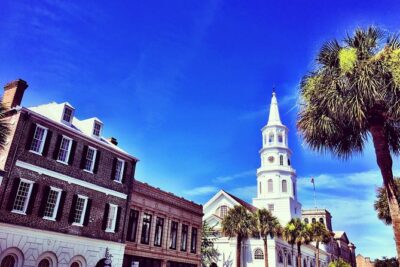
Historic Charleston Guided Sightseeing Walking Tour
Read our review →
Charleston Horse-Drawn Carriage Tour: Explore Historic Charleston
Read our review →
Hidden Alleyways and Historic Sites Small-Group Walking Tour
Read our review →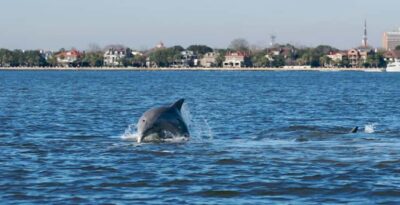
Charleston historical walking tour with a Professor of History at The Citadel
Read our review →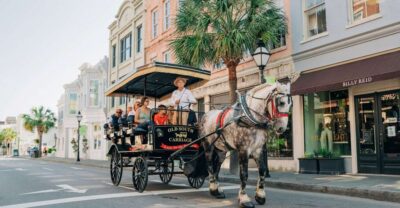
Historical Downtown Tour by Horse-drawn Carriage
Read our review →
Undiscovered Charleston: Half Day Food, Wine & History Tour with Cooking Class
Read our review →Browse the lists this tour appears in