
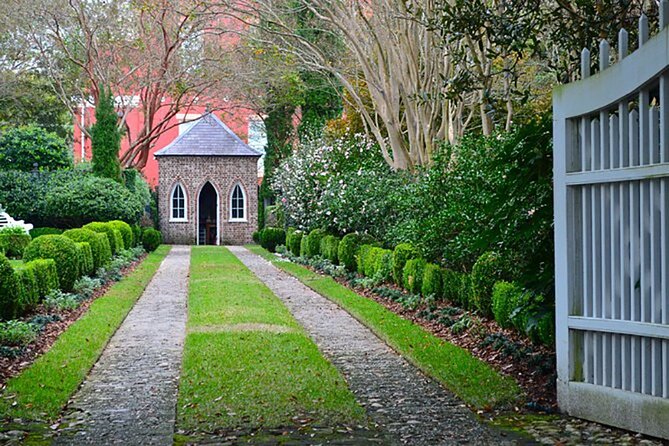
Review · CHARLESTON
Book Charleston’s Most Educational History Tour!
Charleston rewards slow walking. This two-and-a-half-hour stroll links waterfront views, cobblestone streets, old homes, and the Battery with clear, lively storytelling from a professional historian. I especially like the small group size, capped at 15, and the way the tour leaves room for questions, rest stops, and discussion rather than rushing from one sight to the next. The main drawback is the walking itself: uneven sidewalks, heat, humidity, and narrow passages can make this a poor fit for wheelchair users or anyone who struggles on foot.
I also like that the tour reaches beyond postcard architecture. You hear about Charleston’s founders, famous residents, slavery, the Civil War, Memorial Day, and the city’s changing identity, often with the kind of side story a guidebook skips. Guide Cooper is repeatedly praised for his humor, precise recall, and ability to adjust the conversation to the group, though the advertised duration can stretch well beyond two and a half hours if the discussion takes off.
Key Points at a Glance
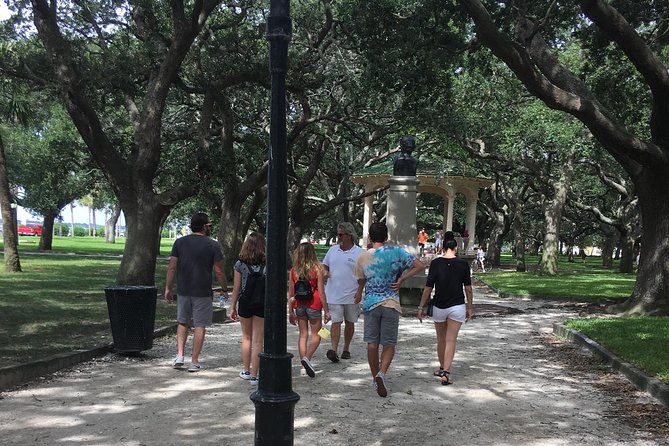
- A historian leads the walk: Cooper is described as a retired history professor with a gift for dates, context, humor, and lively storytelling.
- Waterfront to the Battery: The route combines Waterfront Park, old streets, Tradd Street, White Point Gardens, and the Heyward-Washington House.
- Small group setting: A maximum of 15 people makes it easier to hear the guide and ask questions.
- Slow pace with breaks: This is a discussion-led walk, not a fast march through downtown.
- Bring water and good shoes: Charleston’s heat, humidity, cobblestones, and uneven sidewalks matter.
- Strong value for history lovers: At $45, you are paying for interpretation and conversation, not admission tickets.
Starting Beside Charleston’s Waterfront
The tour begins at Waterfront Park, near Vendue Range and Concord Street, at 10:00 a.m. This is a useful place to start because you are immediately in Charleston’s historic center, close to the water and surrounded by streets that show how the old city developed.
The opening portion takes about 10 minutes and is designed to get the group oriented. You begin by the water, with much of the walking in shade, and the pace is deliberately easy. The guide allows time for people to catch up, take a seat, and ask questions.
That slower rhythm is one of the tour’s best features. You are not simply being marched past buildings while trying to take photographs. The guide can pause to explain why a street matters, how the city grew, or how a building fits into a larger story.
The tradeoff is that the tour depends on outdoor conditions. Charleston can be very hot and humid, especially in warmer months. I would bring bottled water, wear comfortable walking shoes, and choose light clothing. A good attitude helps too, since the sidewalks are not always smooth or level.
The route returns to the starting point, so you do not need to arrange a ride from a distant ending location. The tour is also near public transportation, which makes it practical if you are staying outside the historic center.
A few more history tours around Charleston worth a look
- Charleston’s Old South Carriage Historic Horse & Carriage Tour
★ 5.0 · 10,023 reviews - Historic Charleston Guided Sightseeing Walking Tour
★ 5.0 · 6,216 reviews - Charleston Horse-Drawn Carriage Tour: Explore Historic Charleston
★ 5.0 · 3,561 reviews
Cobblestones, the Old Fish Market, and Charleston’s Working Waterfront
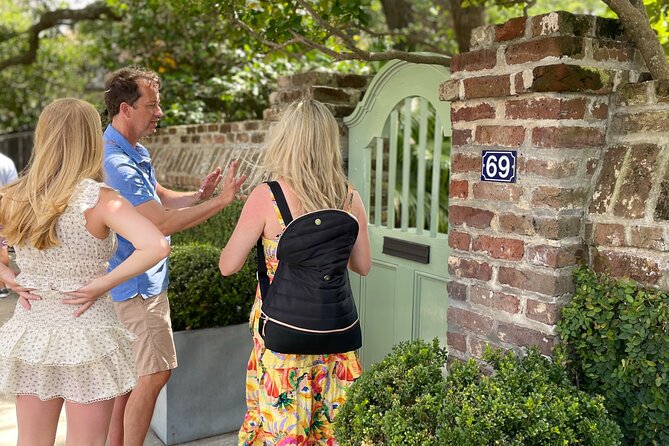
One early stop takes place along beautiful cobblestone streets, including a place identified as Charleston’s first fish market. This is the sort of stop that gives the walk texture. You are not looking only at grand houses and formal gardens. You are also considering the city’s daily work, trade, food, and waterfront economy.
Cobblestones look charming in photographs, but they are not easy walking surfaces. They can be irregular, and narrow sidewalks require care. Strollers are allowed, but young children may need close attention. Wheelchairs and walkers are not recommended for this tour because of the uneven ground and tight passages.
The fish market stop also helps explain why Charleston’s waterfront mattered so much. The tour presents the city as a working port, not just a collection of handsome buildings. That distinction is important because Charleston’s wealth and growth were tied to commerce, shipping, agriculture, and the forced labor that supported much of the colonial and later economy.
The historical conversation does not stay on safe, decorative subjects. The guide addresses the origins of the slave trade and the city’s role in that system. For me, that is a major strength. A useful city tour should explain both the beauty you see and the human cost behind it.
Tradd Street and the Feel of Eighteenth-Century Charleston
Tradd Street is one of the clearest reminders that Charleston’s past is not confined to a museum. The street dates to 1720, and the tour uses it to show how old the city really is.
This is where the architecture becomes part of the lesson. You see the proportions, materials, and street patterns of an older Charleston while the guide supplies the names, dates, and stories that make the setting easier to understand.
Tradd Street is not presented as a frozen display. The point is that people still move through these streets, and the old city remains part of modern Charleston. That mix of ordinary life and preserved architecture gives the walk a stronger sense of place than a simple list of historic dates.
You should expect to stop and listen rather than only walk. The guide’s style is conversational, with plenty of room for questions. Cooper is especially well regarded for remembering exact dates and for answering questions across a wide range of subjects. You may hear about prominent residents, local customs, political events, architecture, and the way the city changed over time.
If you prefer a short route with only a few facts at each stop, this may feel too talkative. If you enjoy connecting buildings to people and events, Tradd Street is likely to be one of the most rewarding parts.
The Battery and White Point Gardens Under Live Oaks

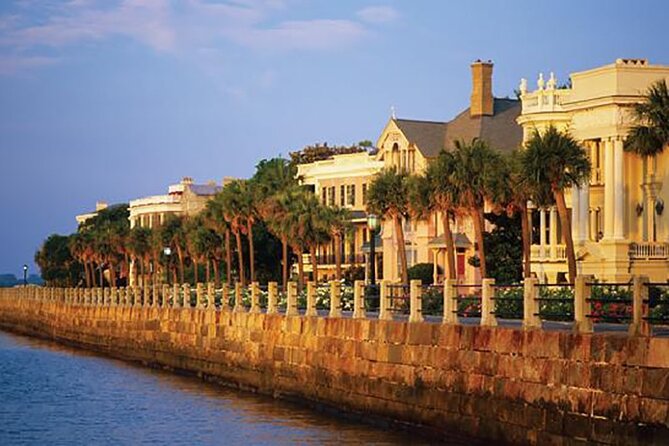
The Battery and White Point Gardens provide the tour’s most scenic pause. Here, the route opens into views by the water and old live oak trees that give the area its distinctive character.
This is also one of the places where the tour’s gentle pace pays off. The guide allows time to rest and take in the surroundings. You can listen beneath the trees, look toward the waterfront, and absorb Charleston’s visual appeal without treating the stop as a quick photo break.
The Battery is valuable because it brings together several parts of the city’s story. The waterfront setting, defensive past, public gardens, grand residences, and historic memory all meet in one compact area. The tour connects those elements through explanation rather than asking you to guess what you are seeing.
The scenery may be the part that appeals most to companions who are less focused on dates and politics. At the same time, the tour does not reduce the stop to pretty views. Discussion can include the Civil War, Memorial Day, famous residents, and the ways public memory changes.
That balance is a recurring strength. You get architecture and shade, but also questions about who built the city, who benefited from it, and how Charleston remembers its past today.
Same place, a different slice of the past:
- Charleston Harbor History Day-Time or Sunset Boat Cruise
★ 4.5 · 2,788 reviews - Hidden Alleyways and Historic Sites Small-Group Walking Tour
★ 5.0 · 2,335 reviews - Charleston: Daytime or Sunset Historic Harbor Cruise
★ 4.5 · 1,352 reviews - Charleston historical walking tour with a Professor of History at The Citadel
★ 5.0 · 1,284 reviews
The Heyward-Washington House and a Presidential Connection

The brief stop at the Heyward-Washington House lasts about five minutes. Many historic cities point out where George Washington spent a night. Charleston offers a more unusual connection: this is where Washington lived during his time in the city.
The short length of this stop does not mean it is unimportant. It is a compact example of how a building can connect local history to national history. Rather than treating Washington as a distant figure from a textbook, the guide places him in a real Charleston setting.
This is also the kind of detail that can change how you see the rest of the walk. Charleston’s streets were used by political leaders, merchants, soldiers, enslaved people, educators, and families whose names may not appear on plaques. The tour uses specific places to make those connections tangible.
The house is not described as an interior visit with a separate admission ticket, so you should think of this as an exterior or location-based stop within the walking route. The value comes from the explanation, not from a long house tour.
Why Cooper’s Storytelling Matters
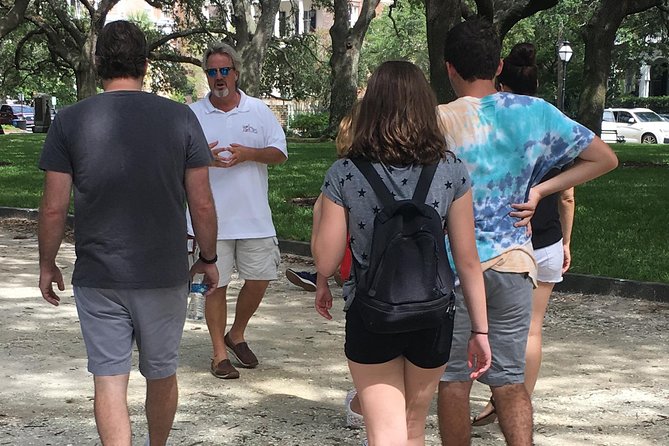
The guide is the main reason to book this experience. Cooper is repeatedly described as a retired history professor or history teacher who brings unusual command of Charleston’s past. His appeal is not only the number of facts he knows. It is his ability to connect facts, answer questions, and keep the group involved.
You can expect a mix of formal history and small local details. He may explain a major event, then add a story about a resident, a building, or a custom that does not appear in a standard guidebook. His humor, including plenty of dad jokes, keeps the tone light without removing the serious subjects.
Several parts of Charleston’s story receive particular attention:
- The city’s founding and early development
- The people who shaped Charleston’s public life
- The origins of the slave trade
- The Civil War and its local effects
- Memorial Day and the way history is remembered
- Architecture and the famous people connected with old homes
The tour also allows personal interaction. Cooper has tailored explanations to people’s interests, answered detailed questions, and offered suggestions for places to eat. That kind of practical local advice can be useful during a short stay, though restaurant recommendations are an extra benefit rather than a formal part of the tour.
The guide may be the strongest reason to choose this walk over a cheaper, more basic option. You are paying for interpretation, not just access to streets that you could visit on your own.
What $45 Buys You
The price is $45 per person. There are no separate admission tickets included because the experience is an outdoor walking tour, but that does not make the price meaningless. The fee covers a professional historian, preparation, storytelling, discussion, and a small group capped at 15 people.
I consider that fair value if you want context. You can walk the Battery or Tradd Street for free, but it takes research and careful attention to understand what you are seeing. A strong guide turns a collection of attractive streets into a connected story.
The value is also tied to the length. The advertised duration is about two hours and 30 minutes, long enough to cover several areas without feeling like a brief orientation. Some tours with Cooper have lasted considerably longer because the group stayed engaged in conversation. That can be a pleasant bonus, but it may affect your plans for lunch or another timed activity.
Do not book this expecting a rapid checklist of every major Charleston sight. The tour spends time on explanation, and the final length can vary. If you want a quick overview before a busy afternoon, keep your schedule flexible.
Gratuities are not included. The tour also uses humor in its description of extras such as puppies, surfboards, and fishing gear, so you can safely interpret that as a playful way of saying the price covers the guided walk and not unrelated equipment or activities.
Walking Conditions, Families, and Mobility

You need to be comfortable walking for more than two hours, with pauses. The pace is not fast, and breaks are encouraged, but Charleston’s sidewalks can be narrow, uneven, and difficult in places.
Comfortable shoes are essential. Water is strongly recommended, especially during hot and humid weather. Sunglasses, a hat, and sun protection are sensible choices, although only shoes and water are specifically emphasized for the conditions described.
Strollers are fine, but young children need extra care near narrow sidewalks and uneven streets. The tour may suit older children who can listen and walk steadily, especially if they enjoy stories and questions.
Wheelchairs and walkers are not recommended. Service animals are allowed. Most people can participate, but the route’s surfaces and length mean that physical comfort matters more than the simple phrase most people can participate suggests.
The small group limit helps here. With no more than 15 people, you are less likely to lose the guide’s voice or be pushed along by a large crowd. It also makes it easier to mention if you need a short pause.
Booking Timing and Weather Planning
The experience is commonly booked about 18 days ahead, so I would not leave it until the final morning of your visit if your schedule is fixed. The starting time is 10:00 a.m., which gives you a cooler beginning than a midday walk, though summer conditions can still become uncomfortable.
Mobile tickets are provided, and the tour is offered in English. Confirmation arrives when you book. It is a good idea to keep the confirmation easy to access on your phone since there is no need to print a ticket.
Free cancellation is available up to 24 hours before the local start time. Inside that 24-hour window, you do not receive a refund and changes are not accepted. If poor weather cancels the tour, you are offered another date or a full refund. The same choice applies if the minimum number of participants is not reached.
Who Will Enjoy This Charleston Walk Most?
I would choose this tour if you want Charleston explained by someone who enjoys history as much as you enjoy asking questions. It suits first-time visitors who want a solid introduction, but it can also work for repeat visitors. One person who had been coming to Charleston for 30 years still found new stories and connections.
It is especially good for:
- Couples who enjoy a slow, thoughtful morning
- Solo visitors who want a human introduction to the city
- Families with older children
- People interested in architecture and famous residents
- Anyone who wants more context about slavery, the Civil War, and public memory
- Repeat visitors who feel they have already seen the main streets
You may want a different option if you have limited mobility, dislike long conversations, or need a tour that ends at a precise time. This is also not the best choice if your main goal is entering several historic homes, since the listed stops focus on streets, gardens, views, and historical locations.
Should You Book Chucktown Walking Tours?
Yes, if you want a serious history lesson delivered with warmth and humor. The 4.9 rating from 127 reviews and 98 percent recommendation rate match the experience’s strongest qualities: excellent storytelling, strong local knowledge, a patient pace, and a guide who makes difficult subjects approachable.
Book it early, wear proper shoes, carry water, and leave your schedule open after the official two-and-a-half-hour window. If Cooper leads your tour, expect a lively conversation with precise dates, unexpected people, local anecdotes, and plenty of jokes.
Skip it if uneven sidewalks or extended walking will make you uncomfortable. For everyone else, $45 is a reasonable price for a small-group introduction that helps Charleston’s beautiful streets make sense.
FAQ
Where does the Charleston history tour begin?
It begins at Waterfront Park, near Vendue Range and Concord Street in Charleston, South Carolina.
What time does the tour start?
The scheduled start time is 10:00 a.m.
How long does the tour last?
The advertised duration is approximately two hours and 30 minutes, though the experience can run longer when discussion continues.
What places does the tour visit?
The route includes Waterfront Park, cobblestone streets near Charleston’s first fish market, Tradd Street, the Battery and White Point Gardens, and the Heyward-Washington House.
Is the tour suitable for wheelchair users?
Wheelchairs and walkers are not recommended because Charleston has uneven sidewalks, narrow passages, and cobblestone streets. Strollers are allowed, and service animals are permitted.
Can I cancel for a full refund?
Yes. You can cancel at least 24 hours before the local start time for a full refund. Cancellations within 24 hours are not refunded. If poor weather or insufficient participation cancels the tour, you are offered another date or a full refund.
Just added around Charleston
- Charleston’s Historic Pubs, Taverns, and Taprooms Tour★ 4.5 · 33 reviews
- Charleston’s Strong Women of the South History Tour★ 4.5 · 27 reviews
- Small-Group Tour: Charleston Old Walled City Historical Walking Tour★ 4.5 · 283 reviews
- Private Walking Tour of Historic Charleston★ 5.0 · 38 reviews
- Sip History in The Sun Cabana Covered Cocktail Class★ 5.0 · 332 reviews
- Sip History In a Secret Speakeasy Cocktail Class★ 5.0 · 40 reviews
- Private Afternoon Sailing/Dolphin & History Tour on 43ft Mystique★ 5.0 · 32 reviews
- Private Sunset Sail BYOB Dolphin/History Tours on 43ft Mystique★ 5.0 · 42 reviews
Charleston History Tours, compared.

Charleston’s Old South Carriage Historic Horse & Carriage Tour
Read our review →
Historic Charleston Guided Sightseeing Walking Tour
Read our review →
Charleston Horse-Drawn Carriage Tour: Explore Historic Charleston
Read our review →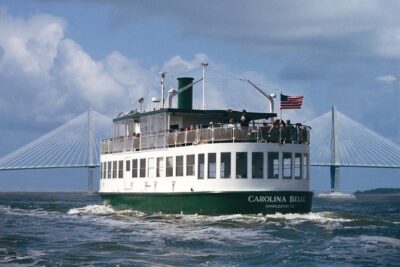
Charleston Harbor History Day-Time or Sunset Boat Cruise
Read our review →
Hidden Alleyways and Historic Sites Small-Group Walking Tour
Read our review →

Charleston historical walking tour with a Professor of History at The Citadel
Read our review →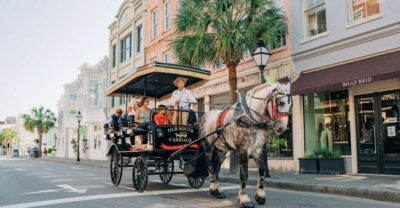
Historical Downtown Tour by Horse-drawn Carriage
Read our review →Browse the lists this tour appears in