
Review · BASEL
Basel Historical Old Town Tour
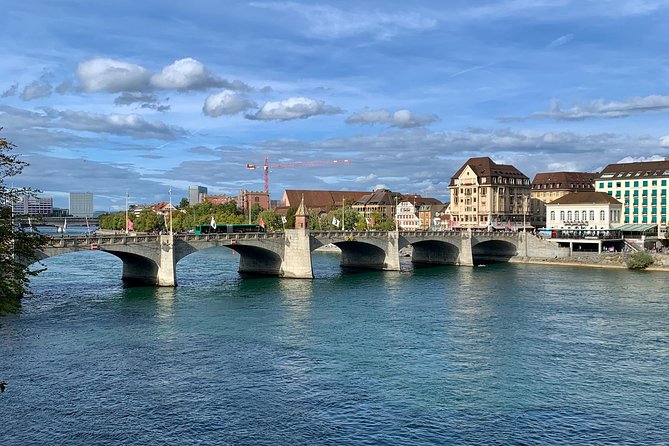
Basel rewards a closer look. This 90-minute walk gives you a useful first map of the city, linking the 500-year-old Town Hall, Basel Minster, the Old Town lanes, and the opera house. I like the compact route and the chance to hear local stories instead of simply photographing handsome buildings. The Swiss sweets tasting is another welcome touch, especially for first-time visitors.
I also like the small-group format, capped at 15 people, and the guides’ reported flexibility with pace and questions. Jean, Jonas, Lina, Lena, and Ray have all been praised for clear explanations and friendly help. The main concern is communication before the tour: several bookings became tangled over meeting points, schedule changes, cancellations, or missing guides.
Key points at a glance
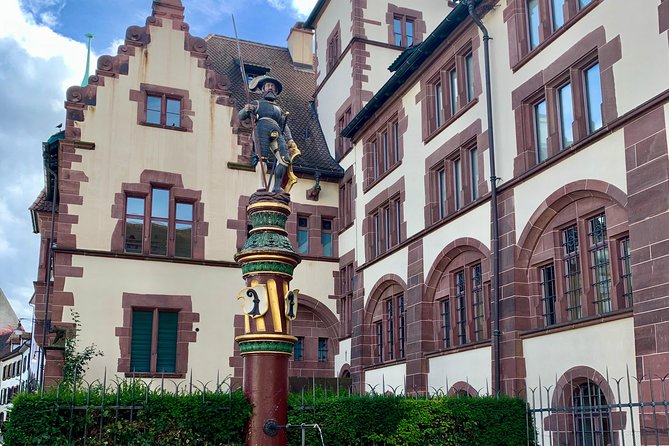
- A fast introduction to Basel: The route covers the Old Town, Town Hall, Minster, original opera house, and Tinguely fountain in about 90 minutes.
- Strong individual guides: Jean, Jonas, Lina, Lena, and Ray have been praised for storytelling, local advice, patience, and adapting the pace.
- Small group size: The maximum is 15 people, which should make questions and conversation easier than on a large city coach tour.
- Good value at $21.20: The price is modest for a guided walk with local landmarks and a sweet tasting.
- Meeting details need care: The stated meeting point is Kunstmuseum Basel, but some bookings involved conflicting instructions involving Basel SBB or hotel pickup.
- Best as an arrival-day tour: It gives you enough orientation to explore Basel independently afterward, but not enough time for long museum visits or side streets.
Why this short Basel walk works
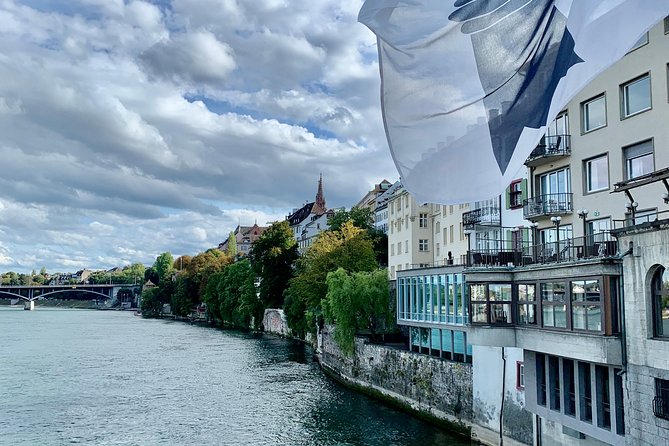
Basel is easy to underestimate. It is compact, walkable, and often treated as a stop between Switzerland, France, and Germany. Yet the center packs together medieval streets, grand civic buildings, modern art, a major cathedral, and the origins of the pharmaceutical industry.
That mix is the real strength of this tour. You are not only walking from one landmark to another. You are being shown how Basel’s trade, religion, art, industry, and position on the Rhine shaped the city.
The route is best understood as an orientation walk rather than a full historical study. In 90 minutes, you can see the main visual highlights and learn enough context to decide what deserves a second look. I would schedule it early in your stay, then return later to the places that caught your attention.
At $21.20 per person, the cost is reasonable. You are paying for a local guide, a planned route, explanations at the major sights, and a small food sample. It is not a museum-heavy excursion, and admission to separate museums is not part of the stated inclusions. For a first look at Basel, the price compares well with spending the same amount on coffee and wandering without much context.
More Old Town and Historic Centre Walks in the world:
- Madrid Essential: Historic Center, Plaza Mayor & Royal Palace
★ 5.0 · 6,416 reviews - Lisbon: Live Fado Show with Port Wine in Historic Center
★ 4.7 · 4,166 reviews - Valencia Old Town Tour with Wine & Tapas in 11th Century Historic Monument
★ 5.0 · 3,234 reviews
Starting near Kunstmuseum Basel
The stated starting point is Kunstmuseum Basel at St. Alban-Graben 16. That location makes sense for a walking route through the center, since it places you close to several important cultural and historic sights.
Still, I would treat the meeting instructions as a serious part of your preparation. Some bookings produced conflicting directions involving Basel SBB, hotel pickup, or a different location. In one case, a group arrived at one station and then hurried to another meeting point after receiving contradictory information. The tour had already left.
After booking, check the confirmation message carefully. If you have requested hotel pickup, make sure the hotel name and address have been confirmed directly. The operator’s response to one complaint said that hotel pickup must be arranged in advance and that the default point may remain Basel SBB if details are missing. That does not match the stated start at Kunstmuseum Basel, so you should not rely on assumptions.
Arrive early and look for a guide who can identify the group clearly. One complaint involved difficulty recognizing the guide at the meeting place. This is a small but important flaw in a walking tour: five minutes of uncertainty can become a missed departure.
Grossbasel and the cobbled Old Town
The walk takes you through Grossbasel, the historic center on the west side of the Rhine. Expect cobbled streets, old facades, narrow lanes, public squares, and a steady run of details that are easy to pass without explanation.
This is where the guide makes the biggest difference. Basel’s buildings do not always announce their importance. A painted facade may point to civic power, a doorway may connect to a former trade or religious institution, and a street plan may reveal how the city grew over time. A good guide turns those clues into a story.
Jean has been praised for linking the past with daily life in modern Basel. Jonas has received similar praise for making the city’s history easy to follow while answering questions along the way. Lina has been described as especially helpful with practical advice for exploring by foot and train after the tour.
The Old Town section should suit you if you like architecture but do not want a lecture. The walk appears to balance dates and facts with stories about people, customs, and the way the city functions now.
The limitation is time. One person specifically wished for more opportunity to explore the side streets. That is a fair criticism. A 90-minute route can show you the framework of Basel, but it cannot linger at every lane, shop, church, or courtyard.
Basel Town Hall and its remarkable artwork
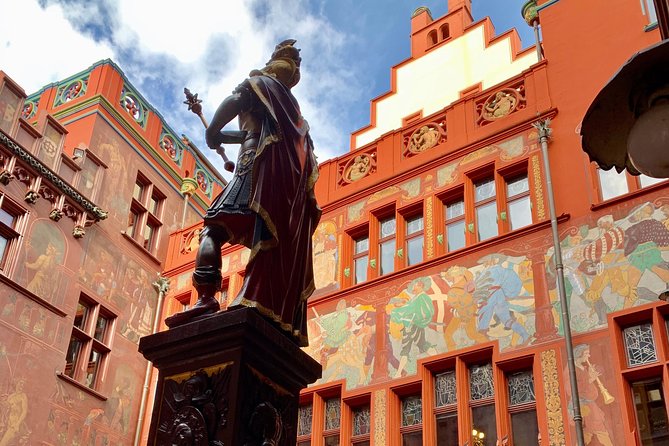
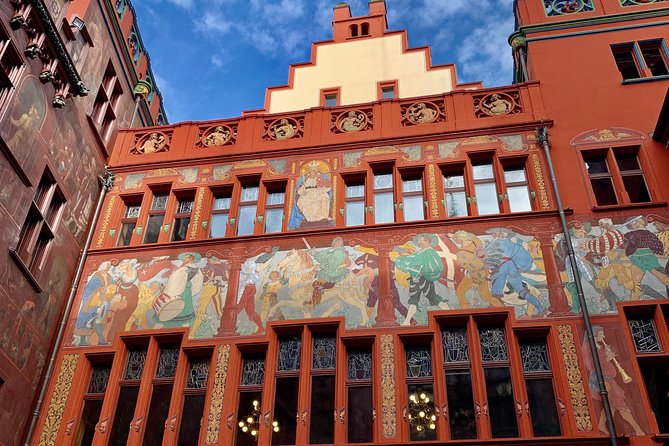
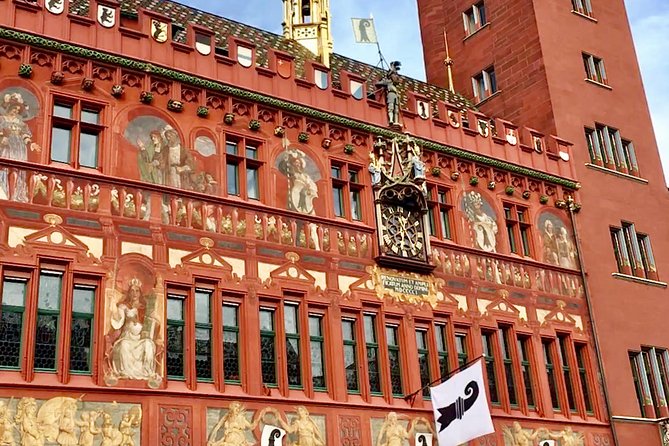
The Roothus, or Town Hall, is one of the tour’s central sights. Its age, strong red exterior, and civic role make it a natural stop in the Old Town.
The tour description says you will have a chance to see distinguished European artwork connected with the building. The important point is not simply the decoration. The Town Hall shows how Basel presented its civic authority and cultural confidence.
This stop should appeal to anyone who likes public buildings more than isolated monuments. A cathedral tells one part of a city’s story. A town hall tells you about government, commerce, status, and the people who wanted their city to be seen in a certain way.
Your guide can also help you notice the contrast between Basel’s historic center and its modern economic life. Basel is not a preserved stage set. It remains a working city, and the Old Town is part of that living setting.
Because the tour moves on foot, you may not get an extended interior visit or time to study every artwork. Think of the Town Hall as an explained highlight, not a substitute for a dedicated art or architecture tour.
A few more history tours around the world worth a look
- History and Hauntings of Salem Guided Walking Tour
★ 5.0 · 14,564 reviews - Colosseum: Underground and Ancient Rome Tour
★ 4.7 · 12,691 reviews - Lisbon: History, Stories and Lifestyle Walking Tour
★ 4.8 · 10,902 reviews - London Small Group Tour of Historical Pubs
★ 5.0 · 10,422 reviews
Basel Minster and views across the city
Basel Minster gives the route its strongest high point. The cathedral’s Romanesque passageways and later growth reflect the way Basel changed over the centuries.
The promise of 360-degree views is one of the most appealing parts of the route. From the Minster area, you can gain a clearer sense of the city’s position along the Rhine and see how the historic core relates to the wider urban area.
The cathedral is also a good place to hear the city’s religious and architectural story. The Romanesque forms provide a link to Basel’s earlier years, while later additions show that major buildings rarely arrive in one finished piece. They evolve as money, taste, politics, and faith change.
The walk may involve uneven cobbles and some passages that are less comfortable for anyone with mobility limits. The available information says most people can participate, and guides have been praised for adjusting their pace. Lina and Jonas, in particular, were praised for taking care with older members of their groups.
That said, you should still expect a genuine city walk, not a seated sightseeing experience. Comfortable shoes matter. If rain is forecast, bring proper protection rather than relying on a quick shower passing by. One group completed the tour in poor weather and still found the guide’s presentation worthwhile, but Basel’s stone streets are less pleasant when wet.
The birthplace of pharmaceuticals
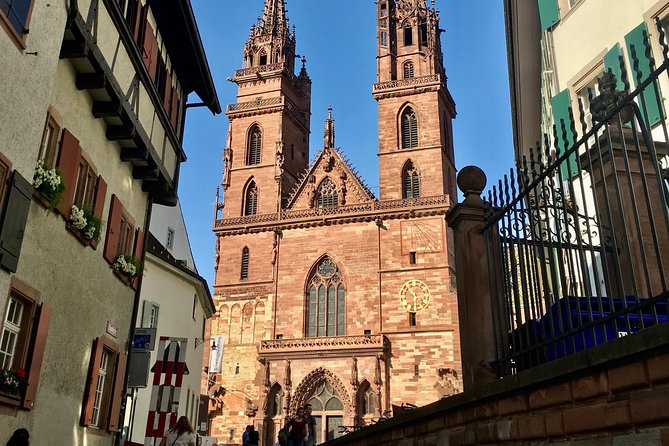
The route also points to Basel’s importance in pharmaceuticals. That detail adds economic context to what might otherwise feel like a purely medieval walk.
Basel’s present-day identity is tied to science, business, art, and international connections as much as to old churches and civic buildings. The tour’s mention of pharmaceuticals helps connect the Old Town to the modern city you see beyond it.
I like this kind of link because it prevents the walk from becoming a parade of old stones. You begin to understand why Basel has such a strong cultural and economic profile. The same city that preserves Romanesque architecture also supports major scientific and commercial activity.
The exact stop and amount of time devoted to this subject may depend on the guide. The route description identifies it as part of the Old Town story, but it does not promise a visit to a pharmaceutical museum or workplace. You should expect explanation, not a specialized industry tour.
The original opera house and Tinguely fountain
The opera house adds a different mood to the walk. After medieval lanes, civic art, and cathedral architecture, the route turns toward performance and modern public art.
The tour highlights Basel’s original opera house and the whimsical Tinguely fountain. The fountain is especially useful for showing the city’s creative side. Its moving mechanical forms contrast sharply with the older buildings around it, and that contrast is part of Basel’s appeal.
This is also where the tour earns its cultural-capital reputation. Basel is not only about traditional Swiss scenery. Its identity includes modern art, experimental design, and public spaces that invite a second look.
You may find this stop more enjoyable if your guide explains the fountain’s character rather than treating it as a quick photo stop. The listed route includes the opera house and fountain, but it does not promise an interior performance or a backstage visit. The value comes from seeing them in the wider story of Basel’s art scene.
A small taste of Swiss sweets
A tasting of Swiss sweets is included among the tour highlights. That is a modest feature, but it helps break up a walking tour and gives you a sensory link to the city.
I would not book this experience solely for the food. The main value is the guide and the city walk. Still, a sweet tasting can make the experience more memorable, especially for families or anyone who likes to connect sightseeing with local food.
The available details do not specify the sweet, shop, portion, or whether dietary alternatives are available. If allergies or food restrictions matter to you, ask before departure. Do not assume the tasting can be adapted.
What the guides add to the experience
The strongest praise centers on the guides, not just the route. Jean has been described as engaging and well informed, with a talent for explaining Basel’s past alongside present-day life. Jonas has been praised repeatedly for history, restaurant suggestions, patience, and a relaxed pace.
Lina appears particularly strong for first-time visitors. She has helped people feel more comfortable using Basel’s foot and rail connections, offered restaurant help, and adjusted the experience to the group. Lena has also been praised for a clear, educational walk and for handling older participants thoughtfully. Ray received high marks for being accommodating and well informed.
These details matter because a short tour depends heavily on the person leading it. Ninety minutes with a lively guide can give you a useful mental map. Ninety minutes with poor organization can feel like a missed morning.
The group limit of 15 is a positive sign. It is small enough for questions and conversation, though it does not guarantee an exclusive private tour. The description presents the walk as being with a private guide, while the stated maximum allows a small group. Confirm the exact arrangement if you require a tour reserved only for your party.
Communication problems you should take seriously
The experience has a clear weak spot. Several bookings involved guides who did not arrive, late cancellations, confusing messages, or disagreements over the correct meeting point.
One especially troubling pattern involved changes sent close to departure. A group received a message overnight suggesting the tour had moved to the following day, then could not get a timely answer. Another booking was canceled only minutes before the scheduled start. Some people received refunds, but a refund does not repair a lost morning in Basel.
The operator has attributed some problems to reseller communication, missing hotel details, or vague pickup information. That may explain the confusion, but it does not remove the practical risk for you.
Here is the sensible approach:
- Read every confirmation message immediately.
- Verify the date, time, and meeting point.
- If the message names Basel SBB, Kunstmuseum Basel, or a hotel, ask for written clarification.
- Save the operator’s contact details and the booking platform’s support information.
- Arrive at least 10 to 15 minutes early.
- If you receive a last-minute change, do not assume it is a typo. Confirm it.
Free cancellation is available up to 24 hours before the start time. Changes or cancellations inside that period are not accepted for a refund under the stated policy. The tour also requires a minimum number of participants, so a low-booking cancellation is possible, with another date, another experience, or a full refund offered.
Who should book this Basel tour?
I would recommend it to first-time visitors who want a quick cultural framework before exploring alone. It is also a good fit for couples, families with older children, and small groups who prefer conversation over a large guided crowd.
You will get the most from it if you enjoy architecture, local stories, public art, and practical orientation. It is particularly useful on your first morning, when you can use the guide’s suggestions for restaurants, transport, and side streets during the rest of your stay.
It is less suitable if you want extended museum time, a deep specialist study of pharmaceuticals, a full food tour, or guaranteed exclusive service. People who dislike uncertainty should also verify the meeting arrangements before committing.
Final verdict: good value with a booking warning
At $21.20, this is an appealing way to see Basel’s main historic sights in a short period. The route covers the Town Hall, Grossbasel, Basel Minster, the opera house, Tinguely fountain, and the city’s links to pharmaceuticals. The best guides, especially Jean, Jonas, Lina, Lena, and Ray, appear to turn a standard walk into a warm and useful introduction.
My recommendation is to book if you want a compact orientation and are willing to double-check the logistics. Contact the operator after booking, confirm the exact start at Kunstmuseum Basel, and keep your schedule flexible enough to handle a change.
If clear communication is more important to you than guided interpretation, explore Basel independently with a map and spend the $21.20 on a museum or cafe stop. For everyone else, the tour offers solid value, provided the meeting details are settled before you set out.
FAQ
How long does the Basel Historical Old Town Tour last?
The tour lasts approximately 1 hour and 30 minutes.
Where does the tour start?
The stated meeting point is Kunstmuseum Basel, St. Alban-Graben 16, 4051 Basel, Switzerland.
Where does the tour end?
The activity ends back at the meeting point.
Is the tour offered in English?
Yes. The tour is offered in English.
How many people can join the tour?
The maximum group size is 15 people.
What sights are included?
The route includes Basel’s Old Town, Grossbasel, the Roothus or Town Hall, Basel Minster, the original opera house, and the Tinguely fountain. It also covers Basel’s connection with pharmaceuticals.
Is the Swiss sweets tasting included?
A Swiss sweets tasting is listed among the tour highlights. The available details do not specify the sweet, portion, or dietary alternatives.
Can I cancel for a full refund?
Yes, if you cancel at least 24 hours before the experience start time. Cancellations or changes made less than 24 hours before the start are not refunded under the stated policy.
Just added around the world
- The Queenstown Story @ Cobh Heritage Centre , Great Stories of Emigration.★ 4.5 · 181 reviews
- Visit 16 Sites Key Historical Sites And Experience Cobh Rebel Tours★ 5.0 · 167 reviews
- Historical Bicycle Tour of Dunedin★ 5.0 · 44 reviews
- Cincy Brunch History and Streetcar Tour with Riverside Food Tours★ 5.0 · 108 reviews
- 2.5 Hour Kayaking with Manatee and History Tour in Tarpon Springs★ 5.0 · 24 reviews
- Private Tour in Chichen Itza Official History Guide★ 5.0 · 36 reviews
- Dazu Ancient Rock Carvings Private Tour Extension★ 5.0 · 24 reviews
- Chicago River Architecture Tour Aboard a Historic Yacht★ 5.0 · 45 reviews
Old Town & Historic Centre Walks, compared.
Live Fado Show with Port Wine in Historic Center
Read our review →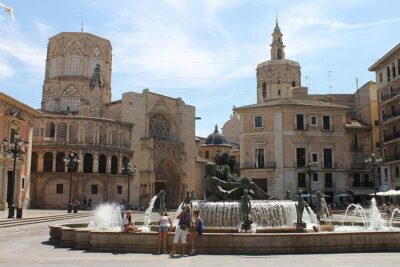
Valencia Old Town Tour with Wine & Tapas in 11th Century Historic Monument
Read our review →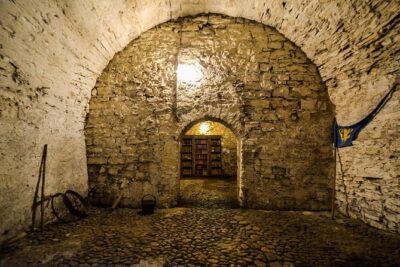
Prague Old Town, Medieval Underground and Dungeon Historical Tour
Read our review →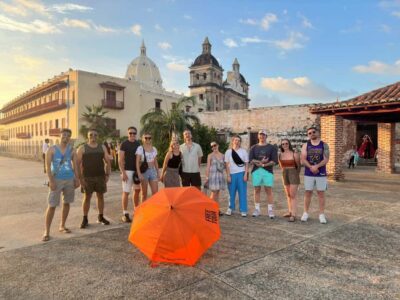
Historic Center and Getsemaní Shared Walking Tour
Read our review →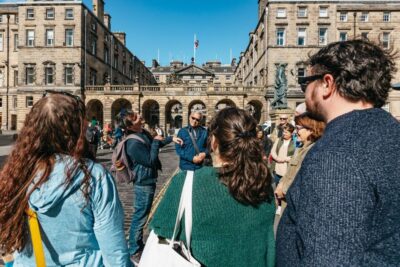
Old Town Walking Tour History and Tales in Edinburgh
Read our review →
Philadelphia Old City Historic Walking Tour with 10+ Top Sites
Read our review →
Saadian Tombs & Bahia Palace, Medina Guided Tour
Read our review →Browse the lists this tour appears in