Review · NORTH HOLLAND
Amsterdam: Haunted History and Ghost Walking Tour
Amsterdam has a darker side. This two-hour walk pairs ghost stories with solid city history, taking you from Dam Square to the Begijnhof, Blood Street, Spinhuis, and the Waag. I like the way the tour uses real places rather than relying only on theatrical scares, and I also like the guides’ mix of humor, local context, and storytelling. The main consideration is that this is often more historical than frightening, especially if you expect nonstop paranormal thrills.
The $30 price feels fair for a live English-speaking guide and a full two-hour route through central Amsterdam. Guides such as Sunil, Duncan, Jan, and Julia have been praised for explaining architecture, Dutch customs, city growth, and dark episodes with real enthusiasm. For extra atmosphere, choose a later starting time if available, but remember that Amsterdam weather can turn a pleasant walk into a wet one quickly.
Key points to know before you book
- Dam Square sets the scene: The tour begins behind the monument in front of Hotel Krasnopolsky, placing you at the center of Amsterdam’s royal, religious, and unsettling past.
- The history is as important as the ghosts: You’ll hear about prisons, religious life, violence, science, architecture, and city development alongside supernatural tales.
- The Spinhuis story is especially grim: This former women’s prison gives the walk its strongest sense of sorrow and confinement.
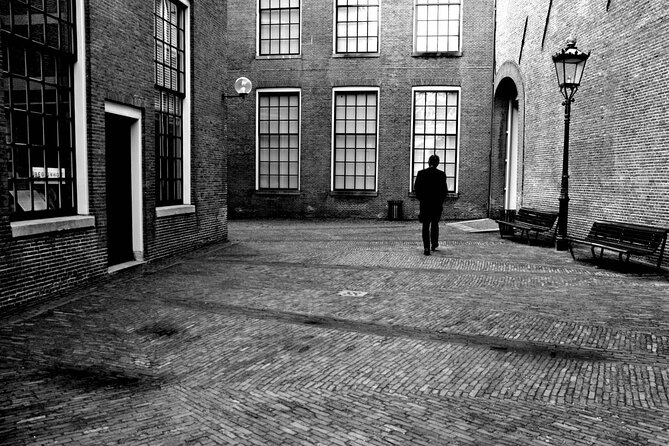
- Begijnhof adds a quiet contrast: Its calm courtyard makes the tale of a condemned nun especially striking.
- Blood Street brings the darkest mood: The name itself hints at the stories of murder and violence connected with this old route.
- The tour is guide-led, not a stage show: Sunil, Duncan, Jan, and others have earned praise for humor and detail, though the level of fright depends on the storyteller and your expectations.
What kind of ghost tour is this?
I would describe this as a walking history lesson with a supernatural edge. The route uses haunted stories to help you notice places you might otherwise pass without a second thought. You still get ghostly tales, but you also learn how Amsterdam developed, how its buildings were used, and how ordinary streets acquired disturbing names.
That balance is the tour’s greatest strength. If you enjoy history but do not want a dry lecture, the format works well. The ghost stories give the past a pulse, while the historical explanation keeps the experience from becoming a string of unsupported scares.
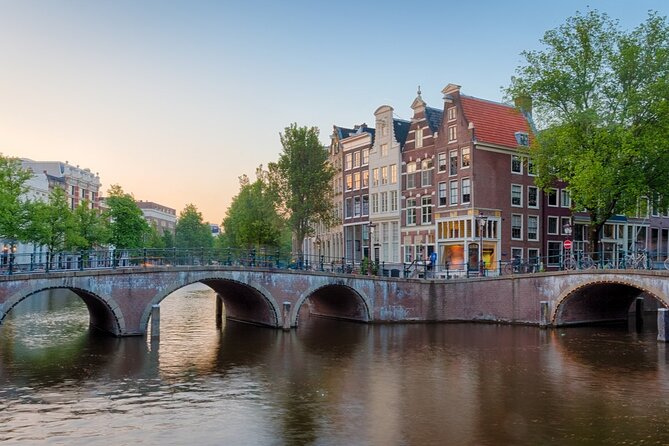
Several guides have added photographs, paintings, and newspaper images on an iPad while telling the stories. That sort of visual aid can make old events easier to picture, especially when the street in front of you looks peaceful and modern. The setting does much of the work, too. Amsterdam’s narrow lanes, old courtyards, churches, and canals create atmosphere without the need for costumes or special effects.
The biggest drawback is simple: you should not book this expecting a haunted-house attraction. One guide has openly been described as skeptical of ghosts, and some guides focus more on evidence, history, and storytelling than on personal supernatural encounters. I see that as a plus, but someone seeking a scare every few minutes may prefer a more theatrical evening tour.
More History Walking Tours in Amsterdam
- Amsterdam History Walking Tour
★ 5.0 · 281 reviews - Amsterdam: Highlights & History Walking Tour
★ 4.8 · 266 reviews - Anne Frank and Amsterdam Jewish History Walking Tour
★ 5.0 · 259 reviews
Beginning behind Hotel Krasnopolsky at Dam Square
Meet behind the monument at Dam Square, in front of Hotel Krasnopolsky. This is a busy central location, so give yourself enough time to identify the exact meeting spot and guide. Some guides have contacted participants beforehand with directions and details about how to recognize them, which is useful in a crowded square.
Dam Square is a good starting point because it compresses much of Amsterdam’s story into one place. You are surrounded by royal associations, old civic power, religious history, tourism, and the constant movement of modern city life. The tour begins by showing how the familiar center can also carry memories of punishment, ceremony, death, and unrest.
The guide then takes you toward the Nieuwe Kerk. This church is linked with royal ceremonies, but the focus here shifts from public pageantry to what lies beneath and behind it. You hear about crypts and vaults, along with notable figures who were placed in eternal rest.
The contrast is effective. A place associated with national celebration also has quieter, more unsettling associations. You may find that the ghost stories work best when set against this ordinary public backdrop. People continue crossing the square and taking photographs, while the guide points out how earlier generations understood the same buildings.
The Nieuwe Kerk and the weight beneath the ceremonies
The Nieuwe Kerk stop is less about sudden fright and more about atmosphere and memory. The church’s royal connection gives the story a formal opening, while the crypts and vaults add a more personal sense of mortality.
I like this part because it shows how a ghost tour can make familiar landmarks more meaningful. You are not just looking at an old church as a photo stop. You are thinking about who was honored there, who was buried there, and how buildings can hold layers of public and private memory.
Your guide may also connect this stop with the way Amsterdam changed over the centuries. The strongest guides do not isolate each ghost story. They explain how religion, government, trade, medicine, and daily life shaped the city around it. Sunil has been praised for combining dark stories with architecture and the way Amsterdam evolved, while Duncan has been noted for adding context about Dutch culture, innovation, and heritage.
Expect the story to be told from outside or around the landmark rather than assume you will receive a full church visit. The activity is a walking tour, and entry tickets to attractions are not listed as part of the experience.
Spinhuis, where the mood turns sorrowful
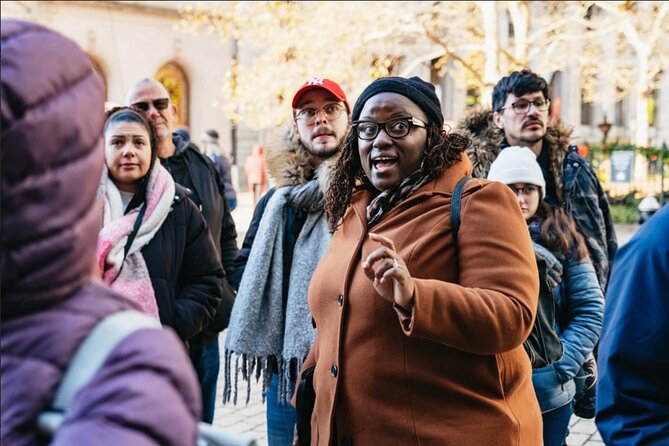
The route next reaches the Spinhuis, a former women’s prison associated with sorrow, confinement, and despair. This is one of the tour’s most affecting stops because the story is rooted in the suffering of inmates rather than in a vague tale about an unnamed spirit.
The setting helps you imagine the emotional weight of the place. The tour presents the Spinhuis as a location where anguish has supposedly remained behind, with tormented souls said to linger within its walls. Even if you take the supernatural element lightly, the history of imprisonment gives the stop real gravity.
This is also where the tour’s tone may shift. Earlier stops connect ceremony and burial. Here, the focus is on punishment and the lives of women held in a harsh institution. The guide’s delivery matters a great deal. A calm, well-researched explanation can be more unsettling than exaggerated theatrics.
If you prefer stories with a clear historical setting, Spinhuis should be a highlight. If you want graphic detail, the experience may feel restrained. The supplied material describes the place as steeped in sorrow and despair, but it does not promise shock effects or graphic reenactments.
More History Walking Tours in the Netherlands
- Amsterdam: Ghost Walking Tour and Dark History
★ 4.8 · 118 reviews - Amsterdam: Iconic Canals & Historic Sights Walking Tour
★ 4.5 · 90 reviews - Amsterdam: Anna Frank and World War II History Walking Tour
★ 4.8 · 86 reviews - Amsterdam Private Historical Walking Tour
★ 5.0 · 75 reviews
The Begijnhof and the silent nun
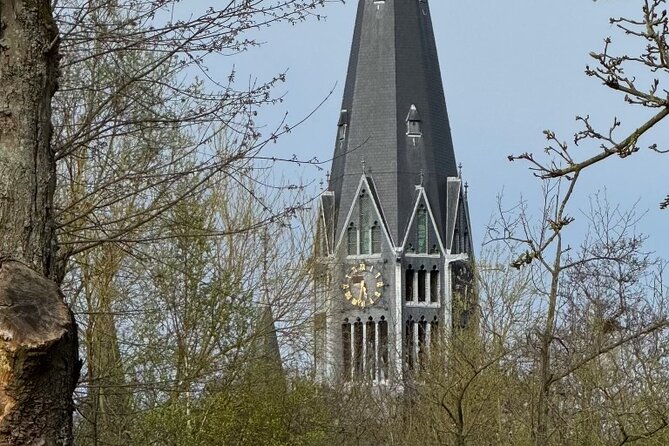
The Begijnhof offers a sharp change of pace. This peaceful courtyard is known for its quiet atmosphere, which makes the story attached to it all the more memorable. Here you hear about a nun who was condemned to wander silently after breaking her vows.
The appeal comes from the contrast between the place and the tale. You are not walking through a visibly grim alley. Instead, you enter a calm corner of central Amsterdam and listen for the faint suggestion of footsteps and eternal penance. The story asks you to notice how a quiet place can feel different once you know what is said to have happened there.
This stop also shows why a guide is valuable. You might walk near the Begijnhof on your own and see only a pleasant courtyard. A storyteller adds the missing layer, explaining the tale and giving you a reason to look more closely at the setting.
Please treat the Begijnhof as a place of respect. The tour is not presented as a loud performance, and the quiet character of the courtyard is part of its effect. You may enjoy this stop most if you allow the atmosphere to build rather than wait for a dramatic scare.
Blood Street and Amsterdam’s violent past
The route grows darker at Blood Street, where the stories focus on murder, violence, and unrest. The name is memorable, but the guide’s explanation gives it more force than the label alone. You hear about centuries of bloodshed connected with the street and walk through a place where the past can feel close to the surface.
This section will appeal to anyone who enjoys the less polished side of city history. Amsterdam is often presented through canals, art, bicycles, and elegant merchant houses. Blood Street reminds you that old cities were also shaped by crime, punishment, conflict, and fear.
The tour does not need to invent a spooky atmosphere here. The narrow route and the subject matter do enough. Still, you should keep your expectations measured. The experience is a guided walk through public streets, not an abandoned lane closed off for a dramatic reveal.
I find this kind of stop useful because it connects a colorful street name with real human behavior. It helps you understand that historical Amsterdam was not simply picturesque. The city’s past included violence alongside commerce, religion, and civic pride.
The Waag and the Purgatory of science
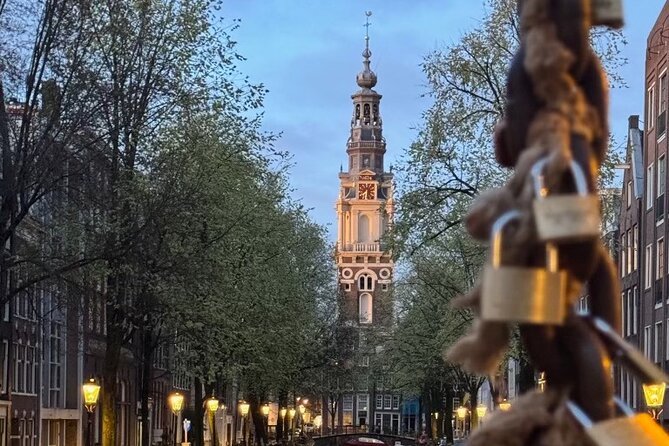
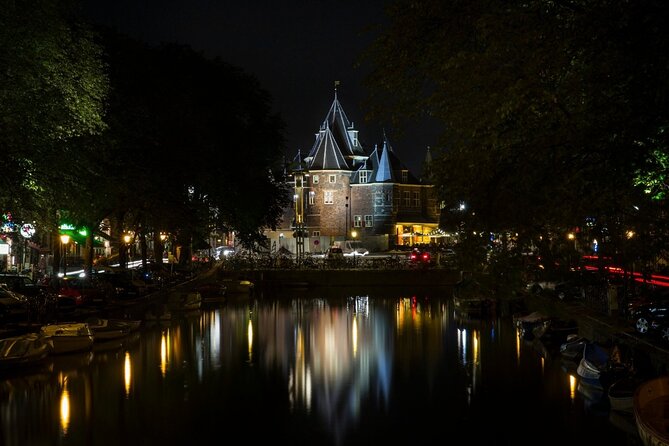
The final major stop is the Waag, presented here as the Purgatory of the Waag. The story turns toward science, anatomy, and the unsettling side of the Age of Enlightenment.
You hear about scientific curiosity and the restless spirits of people dissected within the building. This gives the tour a different kind of darkness. The earlier stops focus on prisons, broken vows, and murder. The Waag brings in the question of what people were willing to do in the name of learning.
That makes the ending more thoughtful than frightening. The history of medicine can be fascinating, but it can also be uncomfortable, especially when the people involved had little control over what happened to their bodies. The guide uses the location to explore that tension between progress and human cost.
This final stop also rounds out the tour’s wider subject range. You have seen religion, punishment, public ceremony, street violence, and science. The ghost stories link them together, but the real benefit is that you leave with a broader picture of how Amsterdam’s institutions worked.
The guides make or break the experience
A walking tour depends heavily on the person holding the group’s attention. The strongest guide feedback has centered on humor, clear English, extra historical detail, and the ability to answer questions.
Sunil has been praised for keeping the mood lively, even in cold and wet weather. Duncan has been described as passionate about Amsterdam and willing to discuss culture, the environment, Dutch innovation, and city development, not just ghosts. Jan has used old images and articles to support his stories, while Julia, Lola, and Martina have also been praised for clear and engaging presentations.
You cannot choose a particular guide unless the booking system allows it, so consider these names examples of the standard to expect rather than a guarantee. The guide lineup can change. Group size can also vary. Some departures have been intimate, with only two people attending, while other departures may have more participants.
A small group gives you more room to ask questions and can make the storytelling feel almost private. A larger group may have more energy but can make it harder to hear on busy streets. Either way, the guide’s skill matters more than elaborate production.
Timing, weather, and walking comfort
The tour lasts two hours and begins at a time selected from available departures. A 5 p.m. start can give you a transition from daylight into evening, depending on the season. An 8 p.m. option, when offered, should provide more darkness and a stronger spooky mood.
Earlier departures may suit you if you want a gentler experience or prefer not to walk late. Later departures may appeal if atmosphere matters most. One practical point is that much of the route is outdoors, so rain and cold can affect your enjoyment. Bring a proper waterproof layer and comfortable shoes.
The tour is listed as wheelchair accessible. Since it takes place on city streets and includes historic areas, it is still sensible to confirm any personal access needs before booking. The route is central, and food and drinks are not included, so plan a café stop before or after rather than expecting refreshments along the way.
Is $30 good value?
At $30 per person, the tour sits in a reasonable range for a two-hour guided city walk. You are paying for a live storyteller, not admission to a museum or a special-effects attraction. The value depends on how much you want context and conversation.
I think the price works particularly well for a first visit to Amsterdam. You see central places, learn how they connect, and receive the kind of orientation that can improve the rest of your stay. Guides have also offered suggestions for other places to visit and eat, which can add practical value at the end of the walk.
The tour is less suitable if you want a purely paranormal investigation. In that case, the price may feel high for an experience that spends substantial time on general city history. For anyone who likes history, dark stories, and a good walk, the mix is worthwhile.
Free cancellation up to 24 hours before the start gives you some flexibility, and you can reserve now while paying later. The tour is conducted in English, and a guide and storyteller are included.
Who should book this Amsterdam walk?
I would recommend it to first-time visitors who want to understand more than Amsterdam’s postcard image. It also suits repeat visitors, since the route points out places and stories you might miss while walking around on your own.
History fans, curious teenagers, couples, and small groups should find plenty to enjoy. The humor keeps the subject from becoming too heavy, while the prison, nun, murder, and anatomy stories give the walk an unmistakably dark edge.
I would hesitate only if you want jump scares, actors, costumes, or a tightly controlled indoor experience. This is a real city walk led by a storyteller. Its best moments come from the combination of old streets, serious history, and a guide who can make you look again at places you thought you already understood.
Should you book the Haunted History and Ghost Walking Tour?
Book it if you want history first and ghosts second. The route covers Dam Square, the Nieuwe Kerk, Spinhuis, Begijnhof, Blood Street, and the Waag in two hours, giving you a memorable introduction to Amsterdam’s darker corners.
Choose a later departure for more evening atmosphere, dress for rain, and arrive ready to listen rather than demand constant scares. At $30, it is a good-value choice for a lively, informative walk, especially when your guide is as engaging as Sunil, Duncan, Jan, or Julia.
FAQ
How long is the Amsterdam Haunted History and Ghost Walking Tour?
The tour lasts two hours.
How much does the tour cost?
The listed price is $30 per person.
Where does the tour meet?
Meet behind the monument at Dam Square, in front of Hotel Krasnopolsky, where the guide will be waiting.
What language is the tour conducted in?
The live tour is conducted in English.
What places does the tour visit?
The route includes Dam Square, the Nieuwe Kerk, the Spinhuis, the Begijnhof, Blood Street, and the Waag.
Is a guide included?
Yes. A live guide and storyteller are included.
Are food and drinks included?
No. Food and drinks are not included.
Is the tour wheelchair accessible?
Yes, the activity is listed as wheelchair accessible.
Can I cancel for a refund?
Yes. You can cancel up to 24 hours in advance for a full refund.
Can I reserve the tour and pay later?
Yes. The reserve now and pay later option lets you keep your plans flexible and pay nothing at the time of booking.
More Dark History and Haunted Tours in Amsterdam
- Amsterdam Haunted History and Ghost Walking Tour
★ 5.0 · 47 reviews - Ghost Walking Tour and Dark History in Amsterdam
★ 5.0 · 32 reviews - Guided Walking Tour Amsterdam – Legends, History & Ghost Stories
★ 5.0 · 28 reviews - Amsterdam: Ghastly Grachten: ghost stories&dark history tour
★ 4.9 · 21 reviews
Just added around Amsterdam
- Amsterdam: Luxury Canal Cruise with Historic VR Experience★ 5.0 · 305 reviews
- Amsterdam 3 hrs Bike Tour – live guide En/Fr/De/Nl/Sp★ 4.5 · 138 reviews
- Amsterdam Walking Tour: Urban Legends & History with local guide★ 5.0 · 39 reviews
- Amsterdam Haunted History and Ghost Walking Tour★ 5.0 · 47 reviews
- Private Guided Historic Amsterdam Canal Cruise in a Salon Boat★ 5.0 · 21 reviews
- Historical Walking Tour, private with local Dutch guide★ 5.0 · 23 reviews
- Anne Frank’s Amsterdam Jewish History WWII Exclusive Guided Tour★ 5.0 · 18 reviews
- LGBTQI+ History Tour of Amsterdam★ 5.0 · 123 reviews
Dark History & Haunted Tours, compared.

Savannah History and Haunts Candlelit Ghost Walking Tour
Read our review →

New Orleans Small-Group Haunted History Carriage Tour
Read our review →


Genteel and Bard’s Savannah Dark History and Ghost Encounter Walking Tour
Read our review →