
Review · AMSTERDAM
LGBTQI+ History Tour of Amsterdam
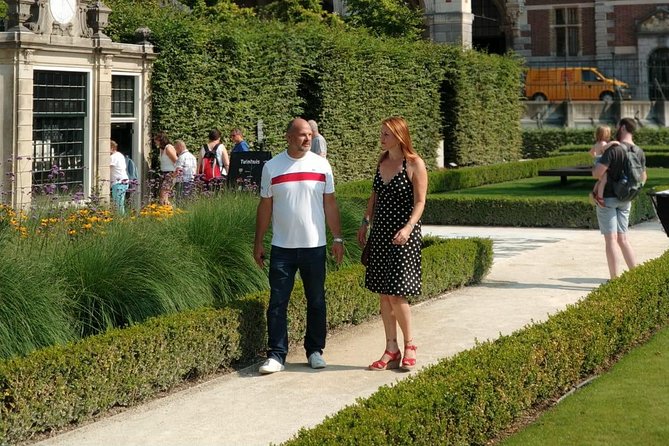
Amsterdam tells its LGBTQI+ story in public squares, canal houses, old bars, and memorials. This two-hour walk with Henk, a guide who lived through the early gay movement in Amsterdam, connects those places with the wider story of Dutch rights and social change. I like the personal angle, and I like that straight allies are openly welcomed.
The tour is small, capped at 15 people, so you should have room to ask questions. The main consideration is its emotional weight. You will hear about persecution, wartime restrictions, AIDS, and the losses faced by the community, so this is more than a light sightseeing stroll.
Key points to know before you book
- Henk brings lived experience: He connects public history with personal memories from Amsterdam’s early gay movement.
- The Gay Monument sets the tone: The tour begins with a memorial to LGBTQI+ victims in the past, present, and future.
- Amsterdam’s ordinary places gain new meaning: Dam Square, canal houses, Chinatown, and the Red Light District all appear through an LGBTQI+ lens.
- The route ends at Café ’t Mandje: This historic bar on Zeedijk is linked with Bet van Beeren, one of Amsterdam’s early lesbian bar owners.
- Small groups help: With no more than 15 people, Henk can answer questions and adjust his stories to the group.
- Bring practical gear: You get the guide, but no water or equipment. Wear walking shoes and plan for changing weather.
Why this Amsterdam LGBTQI+ tour feels different
Many city walks take you past Amsterdam’s canals, churches, and grand buildings. This one asks you to look again. A royal palace becomes part of a story about sexuality in the 17th century. A narrow Chinatown street recalls both social exclusion and the survival of an old gay bar. A memorial beside the canal becomes a place to think about lives lost and rights still worth protecting.
I like that the tour does not treat LGBTQI+ history as a separate subject floating outside the city. Henk weaves it into Amsterdam’s architecture, politics, literature, art, religion, war, and daily life. That gives you a fuller sense of how social attitudes change over time.
The tour is also personal. Henk is not simply reciting dates from a script. He has lived through part of the modern movement, and the published descriptions of his guiding style point to warmth, humor, poetry, and personal stories. He is also willing to discuss difficult subjects directly rather than polishing the past into a cheerful tale.
That personal quality may be the main reason to choose this walk over a standard city tour. It can also make the experience less predictable. Some stories may lead to serious discussion, and the emotional tone can shift quickly from amusing to painful.
A few more history tours around Amsterdam worth a look
- Amsterdam Food and Cultural Tour with Tastings
★ 5.0 · 4,315 reviews - Amsterdam: Historic City Centre Canal Cruise
★ 4.3 · 659 reviews - Amsterdam: Haunted History and Ghost Walking Tour
★ 4.5 · 488 reviews
Starting at the Gay Monument on Westermarkt
Meet at Westermarkt 2L at 11:00 in the morning. The first stop is the Homomonument, described here as the Gay Monument, which honors gay victims of the past, present, and future.
You spend about 30 minutes here, making it the longest single stop on the route. That is useful. This is not a quick photo stop before rushing toward the next attraction. Henk explains how the Netherlands came to have the first monument of its kind in the world and uses the site to frame the rest of the walk.
Expect the opening discussion to focus on remembrance, persecution, and the long road toward recognition. The monument gives the tour a clear purpose from the beginning. You are not only looking at old buildings. You are considering who was allowed to live openly, who was forced into secrecy, and how public memory can shape the future.
The setting also helps you get your bearings. Westermarkt is near the canals and within the central part of Amsterdam, so the walk quickly moves into the old city. Wear shoes that are comfortable on paved streets and bridges. The tour lasts about two hours, but you will be on your feet for most of it.
Canal houses and the city planned in the 17th century
From Westermarkt, the group walks along the canals toward Dam Square. The route includes views of 17th-century houses and an explanation of Amsterdam’s early city planning.
This section is valuable because it gives you regular Amsterdam sightseeing with a different question in mind: who lived here, how did people gather, and how did the city’s layout affect private and public life? The canals are not just attractive backdrops. They show how Amsterdam expanded and organized itself during a period of major growth.
The walk between stops is part of the lesson rather than dead time. Henk can connect the physical city to the people who used it, including the LGBTQI+ community. You will also have chances to ask questions along the way. The group size matters here. A 15-person maximum is small enough for a conversation, though the experience will naturally vary depending on how much the group asks.
This is a central Amsterdam route, not a long expedition across distant neighborhoods. That makes it easy to add to a first visit. You can also use it early in your stay, since the walk helps you understand several central areas before exploring them on your own.
The Royal Palace and gay life in the 17th century
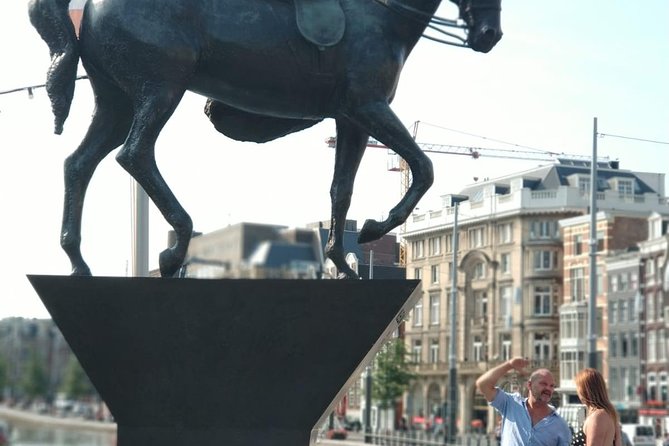
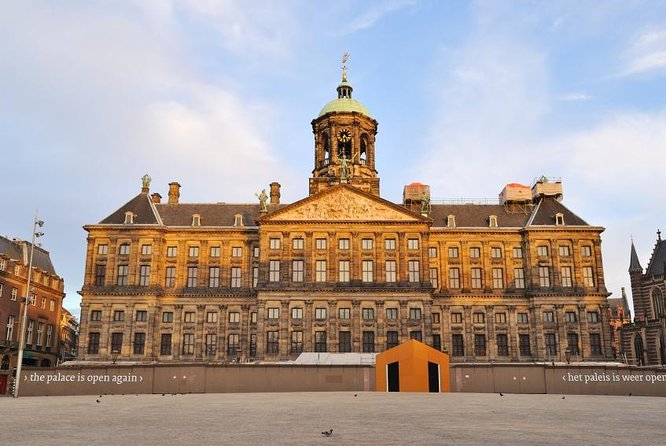
The Royal Palace Amsterdam is the next major stop. You see and hear about the palace’s origins on Dam Square and its connection with gay life in the 17th century.
The tour does not include entry to the palace, and there is no time for an interior visit. That is worth noting if you expected a palace tour. The focus remains outside, where Henk uses the building and its setting to explain the period.
I like this stop because it challenges the idea that LGBTQI+ history began recently. Amsterdam’s gay past reaches back into the city’s older political and social world. The palace provides a strong visual anchor for that discussion, even if you do not go inside.
If you want to visit the Royal Palace separately, you can plan that for another time. This walk gives you context rather than a full architectural visit. The 15-minute stop is short, so listen closely and save detailed palace questions for the end if the group is moving on.
Same place, a different slice of the past:
- Amsterdam High-End Dutch Food & History Tour – Up to 8 guests
★ 5.0 · 482 reviews - Amsterdam: Historic City Sightseeing Canal Cruise
★ 4.5 · 444 reviews - Anne Frank and the Jewish History of Amsterdam Private Tour
★ 5.0 · 307 reviews - Amsterdam: Luxury Canal Cruise with Historic VR Experience
★ 5.0 · 305 reviews
Dam Square beyond the postcard view
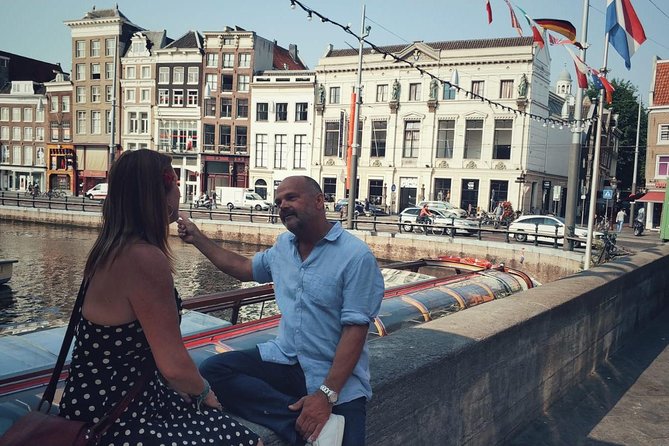
Dam Square is the central public square in Amsterdam, and the tour spends about 10 minutes there. Henk covers its long history and points out LGBTQI+ connections tied to the square.
A brief stop can still be useful here. Dam Square is crowded, visually busy, and filled with people moving between major sights. A guide helps you read the space instead of merely passing through it.
The square also fits the theme of the tour. Public spaces matter in the story of LGBTQI+ rights because visibility, protest, celebration, and danger have often played out in places everyone can see. Henk’s approach links the square’s general history with the specific experiences of LGBTQI+ people in Amsterdam.
Do not expect a long lecture at this point. The stop is compact, and the walking route continues through central Amsterdam. If you enjoy asking questions, this is another moment to raise them while the setting is fresh.
The Red Light District and Amsterdam’s leather street
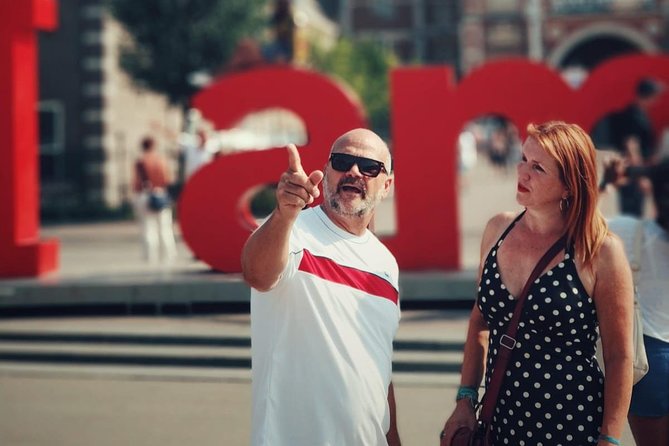
The route then passes through the Red Light District, with a discussion of Amsterdam’s leather street. The supplied tour details do not give the street’s name or promise a fixed amount of time here, so expect this portion to be a walking explanation rather than a formal stop.
This part will suit people who want to understand the less polished sides of Amsterdam. The Red Light District is often reduced to spectacle, but its streets also reveal changing attitudes toward sex, privacy, commerce, and public morality. Henk can provide more detail if you ask about the district.
The leather street adds a specific LGBTQI+ angle. You should feel free to ask questions, especially if you want more background on the venues and the people who used them. The tour is not described as a visit inside venues, so do not book it expecting nightlife access or a bar crawl.
The area can also be busy and distracting. Keep close enough to hear Henk, and be respectful around businesses and people working in the district. This is a public neighborhood, not a stage set for sightseeing.
Chinatown, wartime restrictions, and Amsterdam’s oldest gay bar
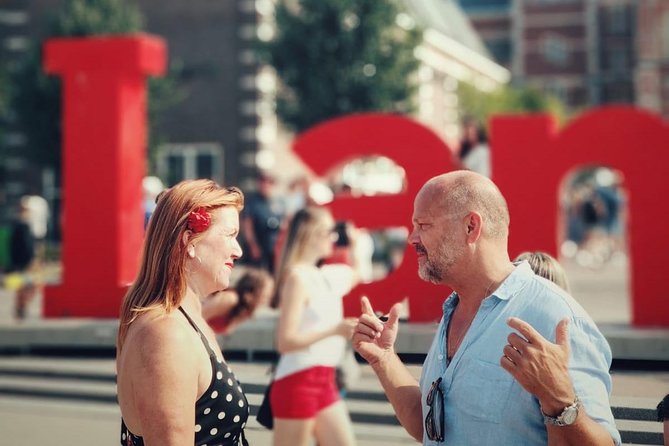
The route continues into Chinatown, described as once being one of the roughest streets in Amsterdam. Here, Henk explains the area’s connection with one of the city’s oldest gay bars and why German soldiers were not allowed into this part of Amsterdam during World War II.
That combination of subjects shows how the tour works best. It does not isolate LGBTQI+ history from other parts of Amsterdam’s past. Chinatown becomes a place where questions of control, reputation, occupation, safety, and community overlap.
The wartime detail is especially striking because it opens a discussion about who could move through the city freely and who could not. The tour also acknowledges that some places associated with LGBTQI+ life were not always safe or respectable in the eyes of the wider public.
This portion may be particularly interesting if you have already seen the main Amsterdam sights and want a more specific subject. It may feel less comfortable than a typical canal walk, but that is part of its value. Henk does not appear to avoid difficult points, and the experience can include reflection on AIDS, discrimination, and the people who fought for civil rights.
Finishing at Café ’t Mandje on Zeedijk
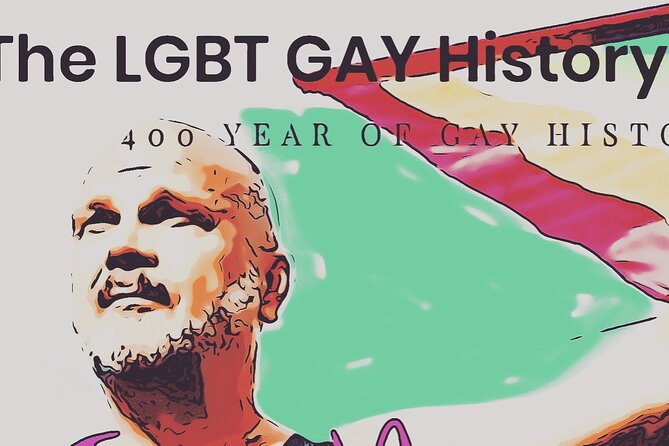
The walk ends at Café ’t Mandje, at Zeedijk 63. The bar is associated with Bet van Beeren, one of the early lesbian bar owners in Amsterdam, and the tour uses it as a fitting final location.
Ending at a real bar gives the story a human scale. You finish not at a monument or palace, but at a place connected with ordinary social life: meeting friends, finding company, and having somewhere to belong. The tour details indicate that you end on Zeedijk, within walking distance of Amsterdam Central Station.
The bar is a natural place to continue the conversation, although the tour price includes only the guide. Food, drinks, and any time spent inside are your responsibility. You can ask Henk for suggestions about what to do next, and his role as a local LGBTQI+ guide makes that advice potentially useful.
This final stop also gives the walk a strong sense of completion. The Gay Monument at the beginning looks backward and forward. Café ’t Mandje brings the story back to a living place where community could gather.
What the $42.33 price gives you
At $42.33 per person, this is not the cheapest way to spend two hours in Amsterdam. You are paying for a specialized walking tour, a small group, and Henk’s personal knowledge of the subject rather than for entry to a major attraction.
There are no palace tickets, drinks, snacks, or transport costs included. You should bring your own water and wear walking shoes. If you compare the price with a general free walk, it may seem high. The comparison is fair, but it misses the point: the value here comes from access to a focused subject and a guide who can connect history with lived experience.
I think the price makes the most sense if LGBTQI+ history is a meaningful part of your trip, or if you have already seen Amsterdam’s standard sights. The tour also suits allies who want to understand the city with more care. Straight allies are explicitly welcomed, and the material is presented as something any interested person can appreciate.
The strong published response, with a 5 rating and 123 reviews, supports the idea that the guide’s warmth and personal approach are central to the experience. The most repeated praise concerns Henk’s passion, humor, empathy, and ability to link politics, art, literature, and history. That is the part you are really buying.
Who should book this walk?
I would recommend it to LGBTQI+ visitors who want more than nightlife and Pride imagery. It is also a good fit for solo visitors, couples, friends, and straight allies who want a thoughtful introduction to Amsterdam’s LGBTQI+ past.
The small group may appeal to you if you like asking questions or prefer a guide who can respond to the mood of the group. The tour’s English-language format makes it accessible to English-speaking visitors, and most people can participate. Service animals are allowed, and the meeting point is near public transportation.
You should think twice if you want a fast-paced sightseeing tour packed with interiors and famous attractions. This walk enters no palace, includes no stated museum visit, and does not provide refreshments. It is also not the right choice if you want to avoid serious subjects such as wartime persecution, AIDS, or the loss of loved ones.
The tour requires good weather. If poor weather forces cancellation, you are offered another date or a full refund. You can also cancel for a full refund up to 24 hours before the 11:00 start time. Changes or cancellations made later are not accepted, and the tour may be canceled if the minimum number of people is not reached.
Should you book the LGBTQI+ History Tour of Amsterdam?
Book it if you want a personal, place-based account of LGBTQI+ Amsterdam, especially if you value stories over ticketed attractions. Henk’s lived experience, the small group, and the route from the Gay Monument to Café ’t Mandje give the walk a clear identity.
Skip it if you want a general introduction to Amsterdam, a palace interior, or a relaxed bar crawl. For everyone else, this is a thoughtful way to see familiar streets with new questions in mind. Bring water, wear good shoes, leave space for serious conversation, and consider taking it early in your visit so the rest of Amsterdam feels more connected.
FAQ
How long is the LGBTQI+ History Tour of Amsterdam?
The tour lasts approximately two hours.
Where does the tour begin?
It begins at Westermarkt 2L, 1016 DW Amsterdam, near the Gay Monument.
What time does the tour start?
The stated start time is 11:00 am.
Where does the tour end?
It ends at Café ’t Mandje, Zeedijk 63, 1012 AS Amsterdam. The ending point is within walking distance of Amsterdam Central Station.
Is the Royal Palace included inside the tour?
No. The tour discusses the Royal Palace from outside, but palace admission is not included and there is no time to visit the interior.
How many people can join the tour?
The maximum group size is 15 people.
What should I bring?
Bring your own water and wear walking shoes. The tour includes the guide only.
Just added around Amsterdam
- Amsterdam: Luxury Canal Cruise with Historic VR Experience★ 5.0 · 305 reviews
- Amsterdam Walking Tour: Urban Legends & History with local guide★ 5.0 · 39 reviews
- Amsterdam 3 hrs Bike Tour – live guide En/Fr/De/Nl/Sp★ 4.5 · 138 reviews
- Amsterdam Haunted History and Ghost Walking Tour★ 5.0 · 47 reviews
- Private Guided Historic Amsterdam Canal Cruise in a Salon Boat★ 5.0 · 21 reviews
- Historical Walking Tour, private with local Dutch guide★ 5.0 · 23 reviews
- Anne Frank’s Amsterdam Jewish History WWII Exclusive Guided Tour★ 5.0 · 18 reviews
- Ghost Walking Tour and Dark History in Amsterdam★ 5.0 · 32 reviews
Amsterdam History Tours, compared.

Amsterdam Food and Cultural Tour with Tastings
Read our review →

Amsterdam High-End Dutch Food & History Tour – Up to 8 guests
Read our review →
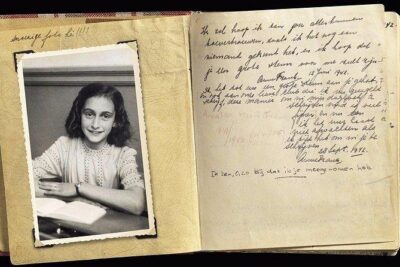
Anne Frank and the Jewish History of Amsterdam Private Tour
Read our review →
Luxury Canal Cruise with Historic VR Experience
Read our review →
3-Course Meal in Historic 1st Class Waiting Rooms
Read our review →Browse the lists this tour appears in