
Review · VICTORIA
Ultimate Melbourne Walking Tour: History, Laneways & Culture
Melbourne rewards curious walkers. This three-hour tour links Gold Rush architecture, street art and coffee culture in a compact introduction to the city. I especially like the small maximum of 12 people and the way the route mixes famous sights with tucked-away arcades and lanes. The main drawback is pace: 3 hours covers a lot of ground, so some stops receive only a few minutes.
The included flat white, long black or hot chocolate is more than a free drink. It gives you a taste of Melbourne’s serious café culture and a useful rest halfway through. I also like the final pub drink, which helps the group relax and turns the tour into a social introduction to the city. Bring good shoes, though. The route covers about 2.5 miles, with stairs and uneven surfaces in some lanes and arcades.
Key points at a glance
- Small groups make a difference: With no more than 12 people, it is easier to hear the guide and ask about places that catch your eye.
- The route covers Melbourne’s full character: Expect Victorian buildings, Gold Rush stories, street art, arcades, Chinatown, sports culture and the Yarra River.
- Coffee is part of the lesson: Your included drink at Degraves Street helps explain why Melbourne takes its cafés so seriously.
- The pub finish feels local: You receive a house beer, wine, cider or soft drink at a traditional bar near Captain Melville.
- Guides are the star of the walk: Hugo, Emily, Beau and Ian receive repeated praise for warmth, humor, local pride and clear storytelling.
- Plan for changeable weather: The tour runs in all conditions, so dress for rain or sun and arrive 10 minutes early.
Why this Melbourne walk works so well
A city walk is most useful at the start of your stay, before you have formed fixed ideas about where to eat, drink and explore. This one gives you a working map of central Melbourne while explaining how the city changed from a frontier settlement into a wealthy Victorian-era metropolis.
The route also avoids the trap of treating Melbourne as just a collection of grand buildings. You move from Parliament and the Old Treasury Building to painted lanes, small arcades, Chinatown and a local bar. That mix helps you see the city as a place shaped by money, politics, sport, art, migration and café habits.
The guide matters greatly here. Recent tours have been led by people such as Hugo, Emily, Beau and Ian, with strong praise for their humor, local knowledge and ability to answer questions. Hugo is often noted for making the walk relaxed and social. Emily brings obvious affection for her home city, while Beau is praised for a friendly pace and lively delivery. Ian is known for connecting his stories to the interests of people in the group.
That personal style is important because the walk includes many short stops. A flat list of dates and buildings would feel rushed. A good guide turns each stop into a story, then adjusts the detail when the group shows interest.
More History Walking Tours in Australia
- Ultimate Melbourne Walking Tour: History, Laneways & Culture
★ 5.0 · 1,451 reviews - Sydney: The Rocks 90-Minute History Walking Tour
★ 4.7 · 1,092 reviews - Discover Perth Walking Tour: History, Art, Local Insights + More!
★ 5.0 · 458 reviews
Starting at Gordon Reserve and Parliament House
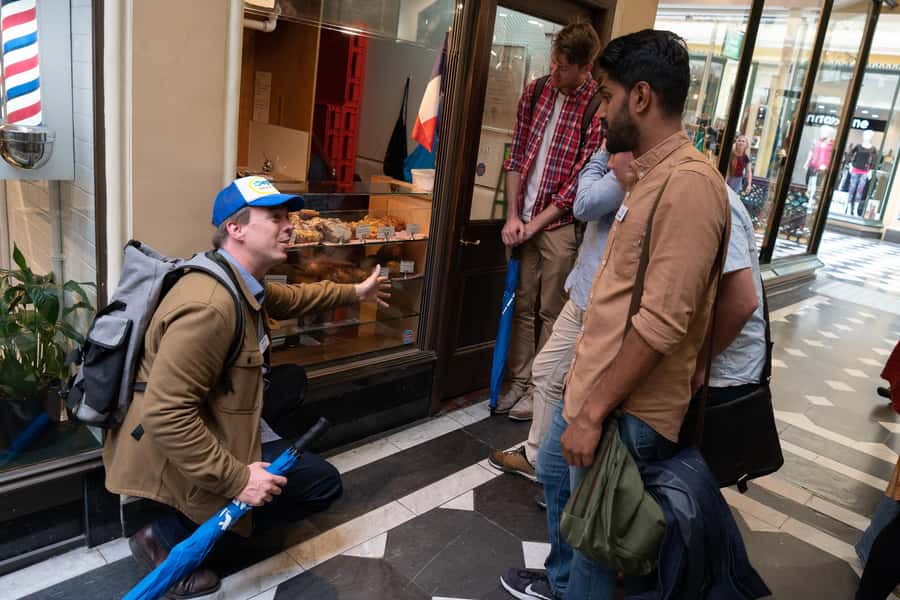
The meeting point is Gordon Reserve, a small park across from the Windsor Hotel. Look for the guide beside the fountain with a blue umbrella. The start is described as Spring Street, and the exact meeting details are confirmed 24 hours before departure, so check your booking message before setting out.
Arrive 10 minutes early. This gives you time to find the reserve and settle in without joining the group breathless and late.
The opening section focuses on Parliament of Victoria and the Old Treasury Building. These buildings introduce the Gold Rush era, when Melbourne grew at remarkable speed and wealth poured into the city. The Old Treasury Building receives only about five minutes of guided attention, but that is enough to place its grand design in the wider story of rapid expansion.
You then move along Collins Street, where the architecture helps show how Melbourne’s business center developed. The guide’s job here is not simply to point at façades. You are given the characters, ambitions and historical turns that made the city prosperous, with commentary that goes beyond basic guidebook captions.
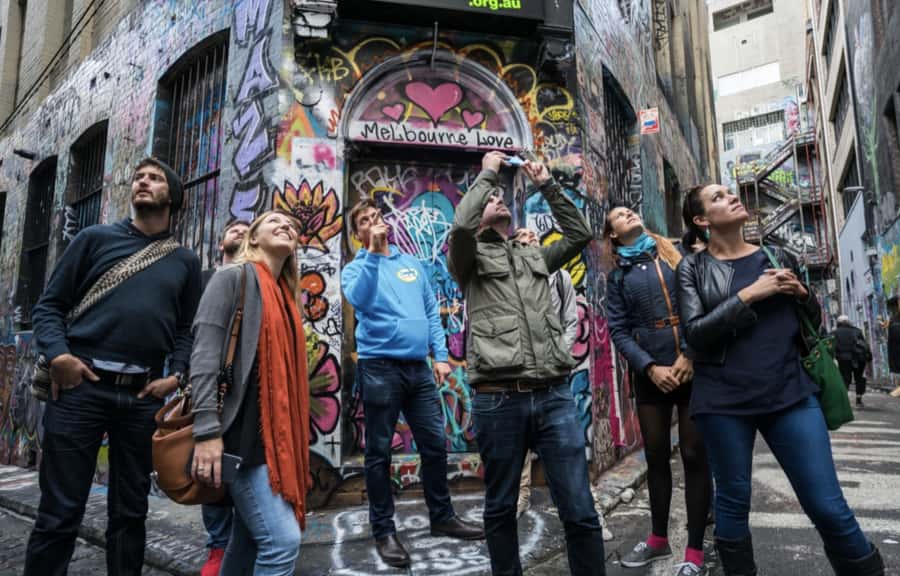
Hosier Lane and Melbourne’s changing street art

Hosier Lane is one of the tour’s most recognizable stops. It is a short visit, listed at about two minutes, but the walk gives context to the paintings rather than treating them as decoration.
The art changes constantly. That means the exact walls you see will depend on the day, and older photographs may not match the current scene. The useful part is learning how these lanes became an important part of Melbourne’s creative identity and how artists and cultural movements shaped the city’s public spaces.
Do not expect a long art workshop or a quiet photo session. This is a moving city walk, and the lane can be busy. Still, it is a good introduction, especially if you plan to return later with more time for photographs.
Federation Square, the river and Melbourne’s big symbols
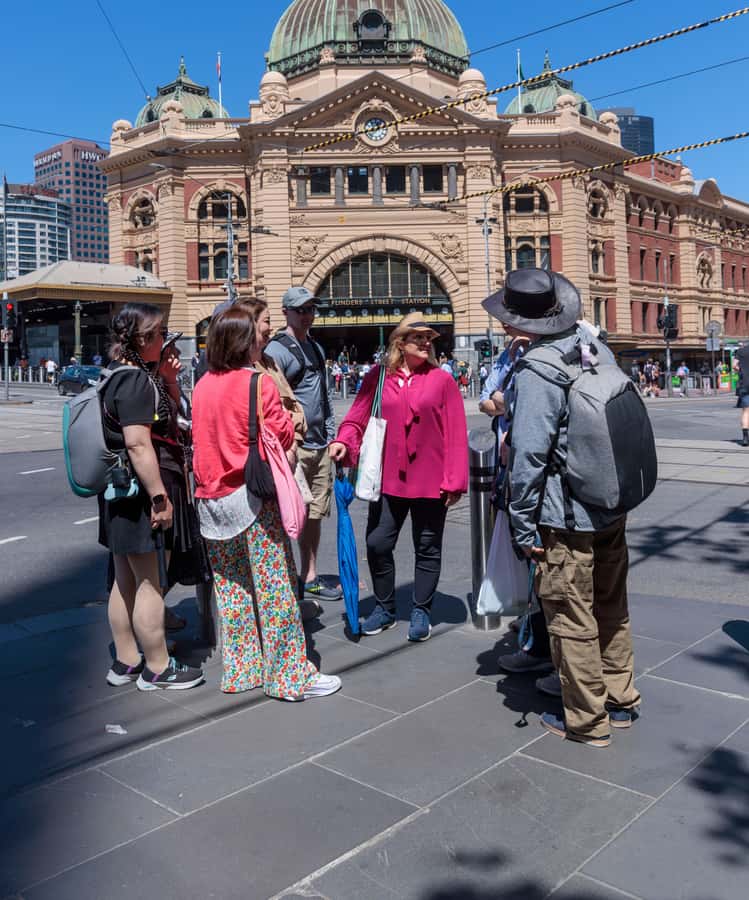
Federation Square receives around 10 minutes, giving the guide more room to explain one of central Melbourne’s modern public spaces. From here, the route takes in the Melbourne Cricket Ground, Flinders Street Station and the Yarra River.
The MCG stop is brief, about two minutes, so treat it as an orientation point rather than a stadium visit. It helps explain the place of sport in Melbourne’s identity. The tour does not present this as a ticketed sports experience.
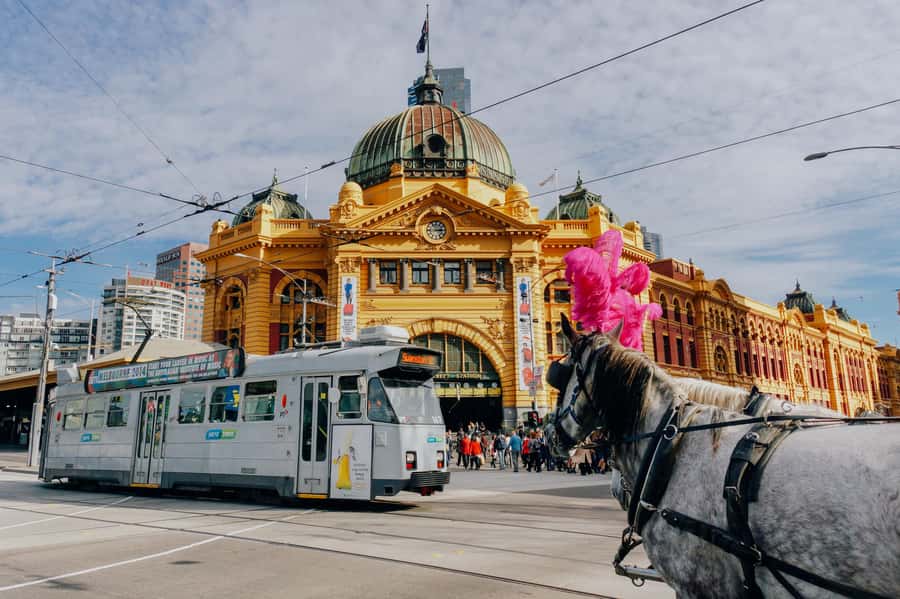
Flinders Street Station receives about five minutes. Its position near the river and central streets makes it an ideal point for discussing transport, architecture and the city’s grand era. You will have time for photographs, but the walk is not designed around long indoor visits.
The Yarra River section adds geography to the history. After seeing the city through buildings and lanes, you get a sense of how the river fits into Melbourne’s center. The itinerary also lists Melbourne Skydeck, though the experience is described as guided sightseeing rather than an included admission or dedicated observation-deck visit. I would not book this tour expecting Skydeck entry.
More Local Culture and Traditions Tours in Australia
- Snorkel & Dive the Reef: Sustainable, Scientific & Cultural Tour
★ 4.5 · 841 reviews - From Perth: Wave Rock, York and Aboriginal Cultural Tour
★ 4.6 · 498 reviews - Authentic Indigenous Cultural Tour Including Scenic River Cruise
★ 5.0 · 88 reviews - 7 Day Adelaide to Uluru Adventure and Cultural Tour
★ 5.0 · 52 reviews
Degraves Street and the included Melbourne coffee
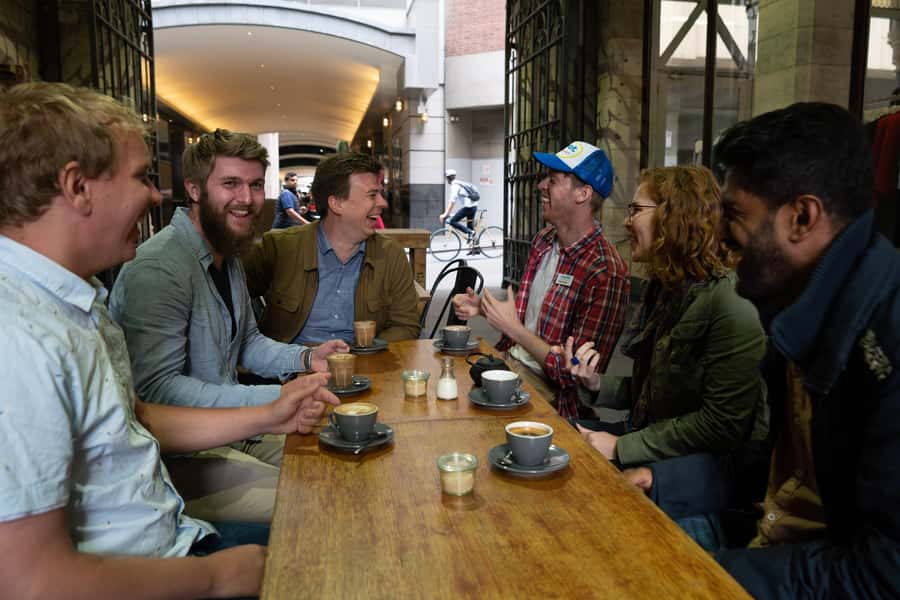
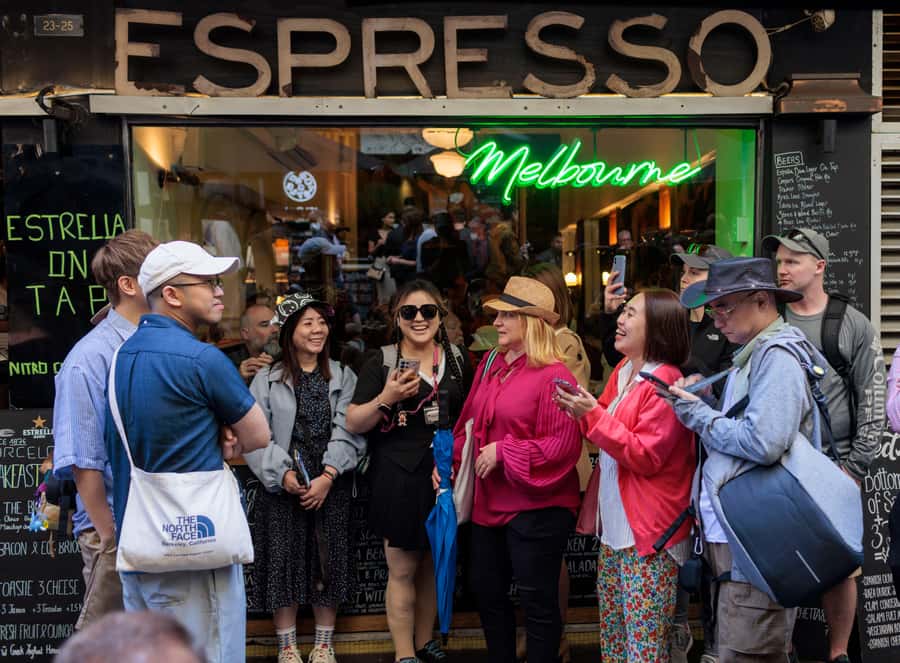
Degraves Street is where the tour slows down. The coffee stop lasts about 20 minutes, and your included choice is a flat white, long black or hot chocolate.
This is one of the most useful parts of the experience because coffee in Melbourne is not just a quick caffeine break. It is tied to daily routines, café design and local social life. The guide explains why the city has such a strong café reputation while you sample a drink from a local favorite.
The stop also gives your feet a rest. If the group has questions, this is a natural time to ask about restaurants, bars and places to return to later. One guide has also introduced the group to a Melbourne Magic coffee, and another tour included a taste of kangaroo pie. Those particular extras may depend on the guide and day, so do not treat them as guaranteed inclusions.
Arcades, Bourke Street and Chinatown
After coffee, the route moves through the Block Arcade and Royal Arcade. These historic passages are a welcome change from the open streets. Their details help explain the taste and spending power of earlier Melbourne, while their shops and cafés show how the spaces remain part of everyday city life.
Each arcade receives around five minutes. That is enough for an introduction and a few photographs, but not enough for serious shopping or a detailed architectural study. If one catches your imagination, note it and return later.
Bourke Street Mall gets a short orientation, followed by Chinatown. Together, these stops show how central Melbourne combines retail, migration and food culture. Chinatown is not treated as a separate half-day excursion. It is one piece of the larger story about how the city changed and who helped shape it.
The route then reaches the State Library of Victoria. The visit is again brief, around five minutes, but the building gives the guide another chance to discuss Melbourne’s cultural life and public institutions. You should expect an exterior or short guided look rather than a long reading-room visit.
Old Melbourne Gaol and stories of city life
Old Melbourne Gaol receives about three minutes. That may sound short, but it gives the guide a chance to add a darker edge to the city’s story.
The tour’s history is not limited to grand buildings and wealthy merchants. Stories of law, punishment and memorable personalities help show the rougher side of nineteenth-century Melbourne. The guide may connect this section with the people and events that helped form the city’s public character.
The stop is best understood as a taste of the subject, not a substitute for a full gaol visit. If the building interests you, the guide’s recommendation can help you decide if it deserves a separate visit.
Finishing with a drink at a local bar

The final stop is a local bar, with the tour ending at Captain Melville. You receive one house beer, wine, cider or soft drink. The bar visit lasts about 20 minutes, making it a proper chance to sit down and talk rather than a quick handout at the curb.
This ending is one of the tour’s nicest touches. The group has already shared the walk, the coffee stop and a steady stream of stories. A drink gives you time to ask final questions and collect practical suggestions for the rest of your stay.
The guide’s recommendations can be especially useful here. You can ask about restaurants, bars and nearby attractions while the city is still fresh in your mind. One guide has stayed with the group and chatted after the formal walking portion, which adds to the relaxed feel.
Group size, walking effort and accessibility
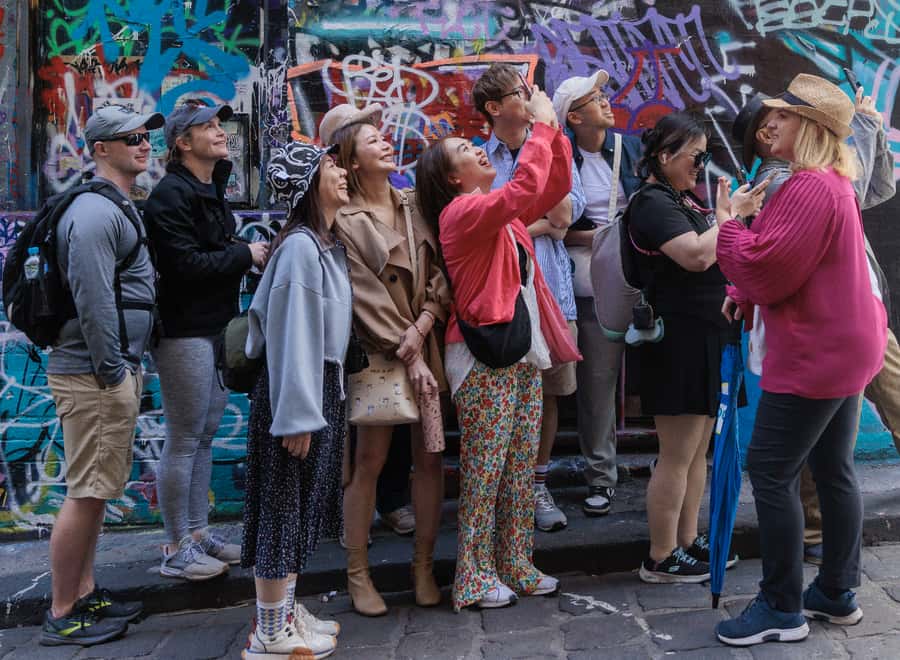
The maximum group size is 12 people. That is small enough for a guide to make eye contact, hear questions and adapt the conversation. Several guides are praised for noticing what interests people and expanding on those subjects without losing the group.
The walk covers about 2.5 miles, though the exact route and pace may vary. It includes stairs, uneven surfaces and narrow lanes or arcades. Comfortable walking shoes are essential, especially if rain makes the ground slick.
The activity is described as wheelchair accessible, but the notes also warn that stairs and uneven surfaces are included and that it may not suit people with severe mobility issues. If you use a wheelchair or have mobility limits, contact the operator before booking and explain your needs clearly. Dietary requirements should also be shared in advance.
The tour runs in all weather. Melbourne can change mood quickly, so bring an umbrella if rain is forecast and wear layers. The coffee and pub stops are included in the three-hour duration, not added on afterward.
Is $91 good value for three hours?
At $91 per person, this is not the cheapest way to see Melbourne. Its value depends on what you want from a city introduction.
You are paying for a professional English-speaking guide, a small group, two included drinks, a map, local recommendations and a route that would be difficult to assemble efficiently on your own. The coffee and pub drink are modest bonuses, but they also break up the walking and give the tour a more local rhythm.
The bigger value is the interpretation. You could pass Parliament, Flinders Street Station, the arcades and Hosier Lane independently. You would not necessarily understand how they connect, or know which lanes and passages are worth a closer look. A strong guide also saves you research time during a short stay.
I would consider the price fair if you are visiting Melbourne for the first time, have only a few days, or prefer a small social group. If you already know central Melbourne well, or mainly want a long photography session, the cost may be harder to justify. The three-hour format is an introduction, not an exhaustive city tour.
Who should book this Melbourne walking tour?
I would recommend it to first-time visitors who want history and practical orientation without spending a full day in a museum. It also suits people who enjoy learning through stories rather than reading plaques.
You will likely get the most from it if you are happy walking steadily, asking questions and returning to places that catch your attention. The route gives you useful leads for later meals, drinks and sightseeing.
It is also a good choice for repeat visitors. Several guides have helped people who already knew Melbourne notice details they had missed before. The local perspective can refresh familiar streets.
I would think twice if you need long stops at every attraction, dislike group activities, or have serious difficulty with stairs and uneven ground. The route is broad and lively, but some landmarks receive only a few minutes.
FAQ
How long does the Melbourne walking tour last?
The tour lasts three hours, including the coffee stop and the final drink at a local bar.
Where does the tour meet?
It starts at Gordon Reserve, a small park across from the Windsor Hotel. The guide stands beside the fountain with a blue umbrella. The exact meeting point is confirmed 24 hours before departure.
What drinks are included?
You can choose a flat white, long black or hot chocolate during the coffee stop. At the pub, you can choose a house beer, wine, cider or soft drink.
How large is the group?
The group is limited to a maximum of 12 participants.
Does the tour operate in bad weather?
Yes. The tour operates in all weather conditions. Dress appropriately and bring an umbrella if rain is forecast.
Is the walk suitable for people with mobility limitations?
The activity is described as wheelchair accessible, but it includes stairs and uneven surfaces in laneways and arcades. It may not suit people with severe mobility issues, so advise the operator about mobility needs when booking.
Should you book it?
Book this tour if you want Melbourne explained by someone who knows its stories, habits and overlooked corners. The strongest reasons are the small group, the balance of major sights and lesser-known passages, and the consistently warm guide style shown by Hugo, Emily, Beau and Ian.
The best timing is early in your stay, when restaurant tips, bar suggestions and a basic city map can shape the days that follow. Just allow for steady walking, changing weather and brief visits at some landmarks. For a friendly, practical introduction to Melbourne’s history, lanes, coffee and pub culture, this is a strong three-hour choice.
Just added around Australia
- Private Half Day Tour: World Heritage Rainforest & Waterfall★ 5.0 · 19 reviews
- Historic Village Herberton Family Pass (2A+2C)★ 4.5 · 18 reviews
- Authentic Indigenous Cultural Tour Including Scenic River Cruise★ 5.0 · 88 reviews
- Entry Ticket at Historic Village Herberton★ 5.0 · 114 reviews
- Cairns History Walking Tour★ 5.0 · 52 reviews
- Self-Guided Ngilgi Cave Ancient Lands Experience★ 4.5 · 154 reviews
- Hinterland Heritage Wine Tour★ 4.0 · 28 reviews
- Albany’s Historic Whaling Station Admission Ticket★ 4.5 · 86 reviews
Local Culture & Traditions Tours, compared.

Amsterdam Food and Cultural Tour with Tastings
Read our review →
Sevilla Food Tour: Tapas, Wine, History & Traditions
Read our review →
Tromsø: Reindeer Camp and Sami Cultural Tour with Lunch
Read our review →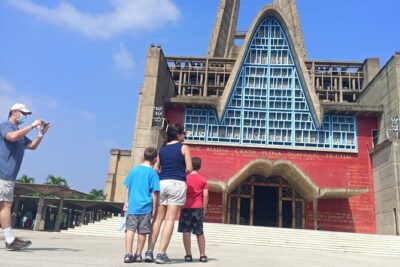
Half Day Dominican Republic Cultural Tour : Small Group
Read our review →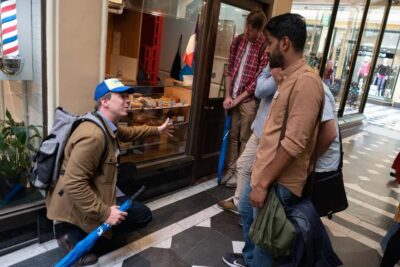
Ultimate Melbourne Walking Tour: History, Laneways & Culture
Read our review →
Tromsø: Sámi Reindeer Sledding and Sami Cultural Tour
Read our review →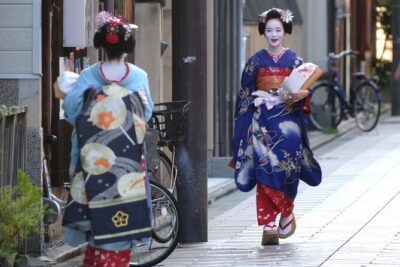
Kyoto Gion: 2-Hour Geisha Culture & History Walking Tour
Read our review →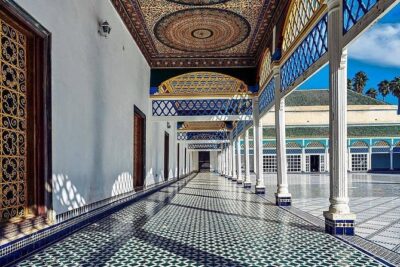
Marrakech Historical and Cultural Tour – Half Day City Tour
Read our review →Browse the lists this tour appears in