
Review · RHINELAND-PALATINATE
Trier: Guided Old Town Highlights and History Walking Tour
Trier’s old town tells several stories at once. This 90-minute walking tour links Roman Trier, medieval architecture, the city center, and the former home of Karl Marx in one compact route. I like the clear historical arc, and I like that guides Patrick and Herbert bring humor and personal style to the facts. The main drawback is simple: the tour is conducted in German, so it may not suit everyone.
Meeting at the Mercure Hotel opposite the Porta Nigra makes the start easy to find. At $16 per person, the tour offers good value if you want your first look at Trier organized around its major sights rather than wandering without context. You can also ask the guide for restaurant and bar tips before the tour ends.
Key points to know before booking
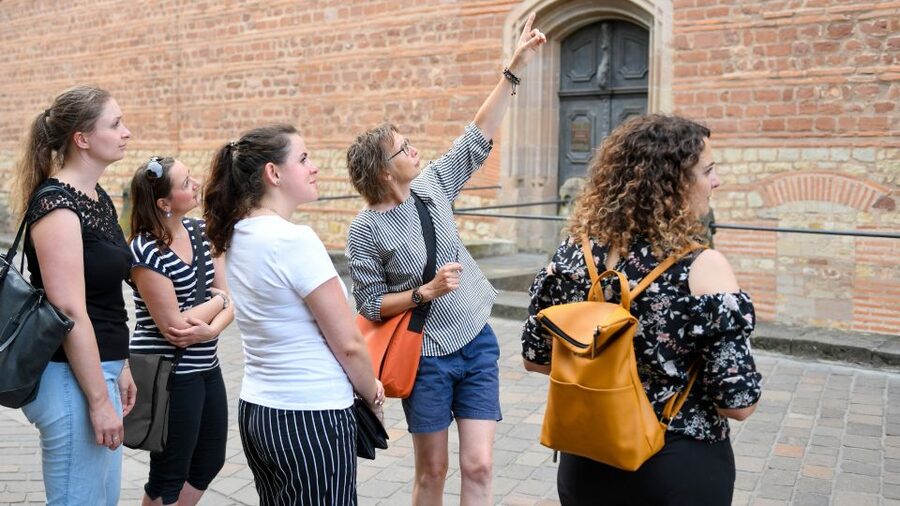
- Roman Trier begins at the Porta Nigra: Learn how the city developed under Roman rule and what daily life may have looked like.
- The route covers major central sights: Expect the Porta Nigra, Trier Cathedral, Main Market, medieval buildings, and the house connected with Karl Marx.
- Patrick and Herbert receive special praise: Their tours are described as informative, funny, clear, and engaging for adults and children.
- The tour stays focused at 1.5 hours: It gives you a useful introduction without taking up half your day.
- German is the only listed tour language: Make sure you can follow spoken German before reserving.
- The price is modest for a history-led walk: At $16, it works well as a first activity in Trier.
Starting at Trier’s Roman gateway
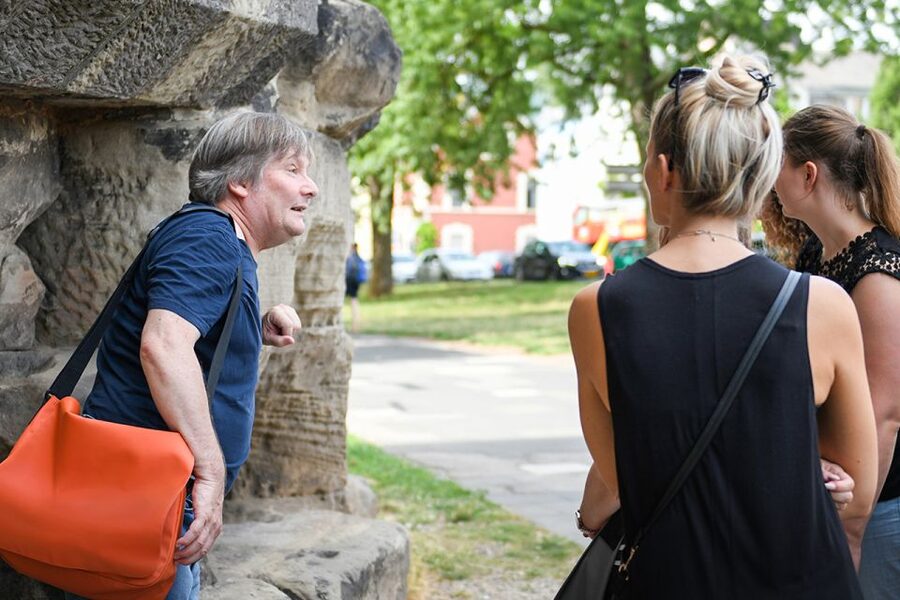
Your meeting point is in front of the Mercure Hotel, directly opposite the Porta Nigra. That location is practical because the Porta is one of the easiest sights to identify in central Trier, and it gives the guide a strong opening point for the city’s story.
The Porta Nigra was built by the Romans as early as 170 AD. Its massive stonework gives you an immediate sense of Trier’s age, but the useful part of the tour is learning to connect the monument with ordinary life. The guide explains Trier’s Roman origins and discusses what daily life was like under Roman rule.
That context matters. On your own, you might photograph the dark stone gate and move on. With a guide, you get a clearer idea of why the gateway was built, how it fitted into the city, and how Roman Trier shaped the streets and buildings you see later in the walk.
The tour description refers to visiting the Porta Nigra, but it does not specify whether the route includes a paid interior visit. You should therefore treat the monument as a central stop and story point, not assume that an admission ticket or extended interior tour is included.
More History Walking Tours in Germany
- Leipzig: 1.5-Hour Historical Walking Tour in German
★ 4.7 · 2,217 reviews - Berlin: History of the Third Reich Guided Walking Tour
★ 4.7 · 791 reviews - Berlin Historical Highlights Walking Tour
★ 4.9 · 657 reviews
Roman origins without a full-day lecture
Trier’s appeal comes from the way different periods sit close together. The tour follows that long story from the Roman foundation through the Middle Ages and into the modern period. You are not simply given a list of dates. The guide uses buildings and streets to show how the city changed.
That approach suits you if you want historical information in manageable portions. A 90-minute walk cannot explain every Roman structure or every chapter of Trier’s past, but it can give you a framework for the rest of your visit.
I especially like the focus on daily life under Roman rule. Military and political history often takes over city tours, while basic questions get skipped: how people lived, what the city was used for, and how Roman rule affected the population. The supplied description makes those everyday details part of the Porta Nigra stop.
The pace should also help families. Sonja’s January review describes Herbert’s tour as informative and enjoyable for her children, while another review says Patrick answered questions clearly and made the hour and a half pass quickly. Those comments suggest that the best guides keep the history moving rather than turning it into a dry lecture.
From medieval buildings to the modern city
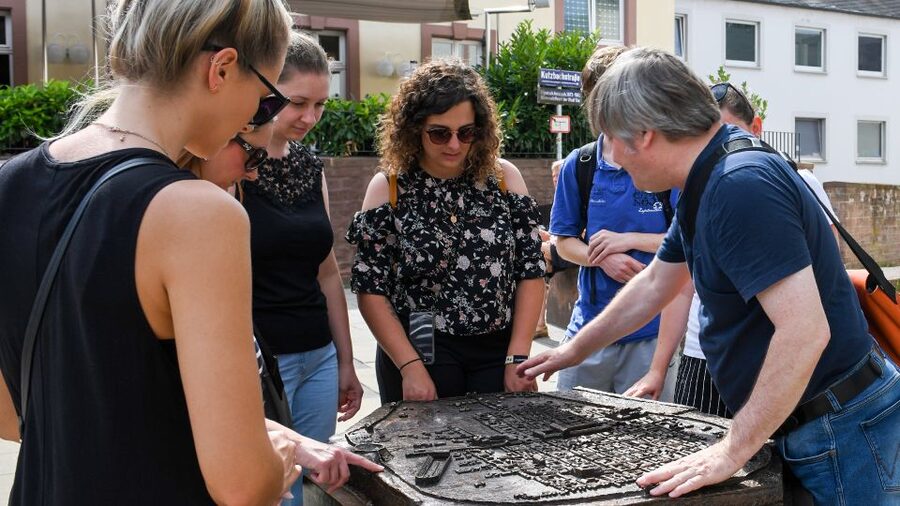
After the Roman opening, the tour shifts toward Trier’s later architecture. You will see examples of the city’s development from the Middle Ages to the present day, with the guide explaining how old and new elements fit together.
This is one of the walk’s strengths. Trier is not presented as a Roman museum frozen in time. Its old town includes layers from different periods, and the route helps you notice the changes instead of treating every building as part of one vague old-town scene.
The tour includes Trier Cathedral, one of the city’s key landmarks. The supplied information does not promise an interior visit, so expect the guide to discuss and point out the cathedral as part of the walking route. If seeing the inside is important to you, ask the guide what is possible during the tour or plan a separate visit.
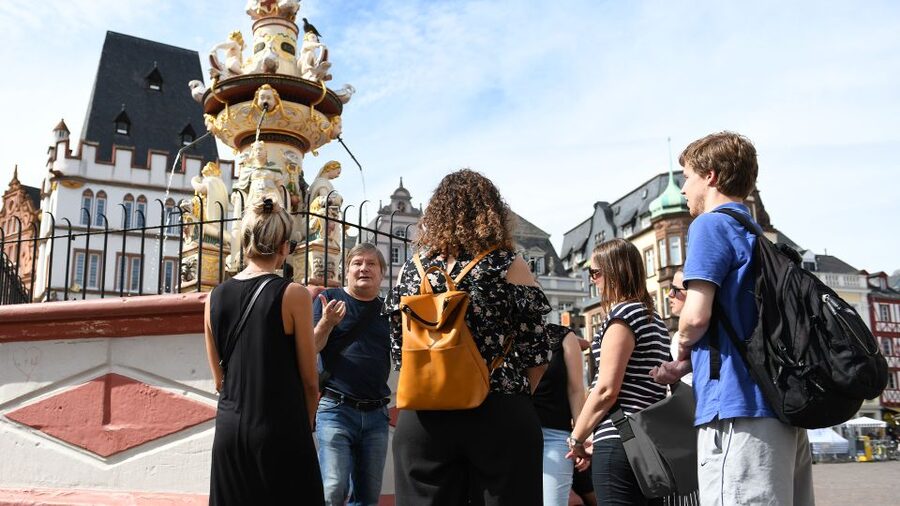
The Main Market adds another useful contrast. Its central setting lets you see how the city functioned beyond its ancient monuments. Here, the tour can help connect public space, architecture, and modern city life. You get a better sense of Trier as a living town, not only a collection of historic sites.
Because the tour lasts only 1.5 hours, the guide has to keep the route moving. That is good for a first orientation, though it means you may want to return later for a slower look at the cathedral, market, or other buildings that catch your eye.
The Karl Marx stop adds a sharper modern angle
The tour also brings you to the residential house associated with Karl Marx. Marx was born in Trier and later became one of the most influential philosophers and political thinkers of the modern era.
This stop widens the tour’s scope. You move from Roman rule and medieval architecture to a person whose ideas shaped political debate around the world. The guide shares stories and anecdotes about figures who influenced Trier, and Marx gives the modern section a clear human focus.
The house is not just another named building. It shows how Trier’s history includes residents whose influence reached far beyond the city. If you have little interest in political theory, the stop still works as a reminder that historic cities are shaped by people, not only stones and dates.
The information provided identifies the building as Marx’s former residence, but it does not say that admission to a museum inside is included. Plan on seeing the house from the route unless the guide explains otherwise. You can always return independently if you want a more detailed look.
More Old Town and Historic Centre Walks in Germany
- The Local Tour of Hamburg Historic Centre
★ 5.0 · 1,058 reviews - Cologne: Old Town Beer History Tour
★ 4.7 · 659 reviews - Heidelberg: Experience our history 1.5-hour walking tour through the old town
★ 4.7 · 306 reviews - Nuremberg: 1.5-Hour Private Tour through Historical Old Town
★ 4.8 · 283 reviews
Guides who mix facts with humor
The strongest praise centers on the guides’ delivery. Patrick is described as sharing his extensive knowledge in an entertaining way, and another comment credits him with explaining the city and answering questions clearly. Herbert receives similar praise for combining broad knowledge, humor, small moments of fun, and a personal touch.
That combination matters on a walking tour. Trier offers plenty of material, but a guide who simply recites information can make even major sights feel remote. Humor helps, especially when the route covers many centuries in a short time.
The feedback also points to a useful level of flexibility. If you have a question about a building, historical figure, or local custom, you are encouraged to ask. The tour is not described as a silent march from one photo stop to the next.
You should still keep the language in mind. The listed language is German, and there is no English option provided. If you understand German well enough to follow spoken explanations, the tour may be a strong fit. If not, the historical content could be difficult to enjoy even if you recognize the buildings.
What the $16 price gets you
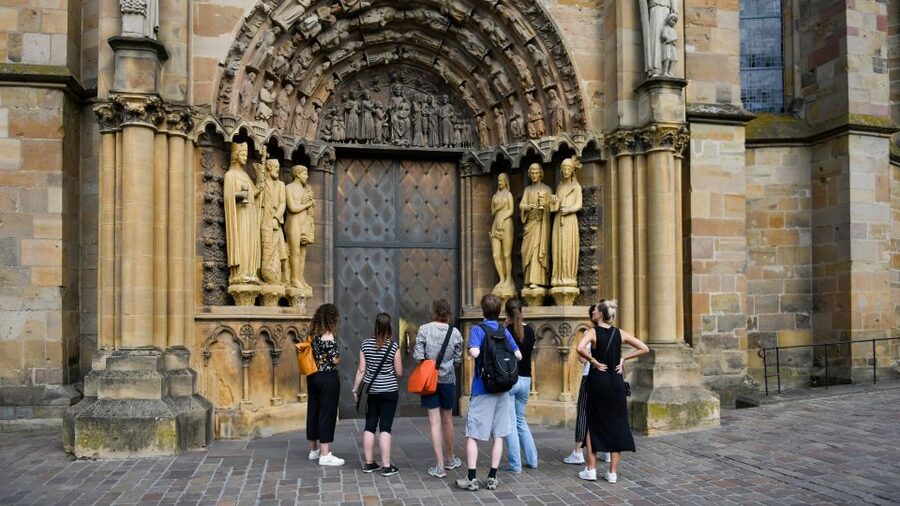
At $16 per person, this is a reasonably priced introduction to Trier. Your fee covers the walking tour and a live guide. There is no separate transport cost because the experience is on foot, and no included meal or attraction ticket is listed.
The value comes from the structure. You could see the Porta Nigra, cathedral, Main Market, and Marx residence on your own, but the tour gives each one a place in the city’s larger story. That is particularly useful at the beginning of a short stay, when you want to learn which places deserve a return visit.
The price also makes the tour a low-risk choice for planning your day. It is long enough to provide real background but short enough to leave time for lunch, a museum, shopping, or a second look at one of the landmarks.
Children aged 0 to 5 can join free of charge. That improves the value for families, especially since the feedback specifically describes children enjoying Herbert’s presentation. Older children may appreciate the Roman gateway and stories more if they can follow German comfortably.
Timing, flexibility, and practical planning
The tour lasts 1.5 hours, with starting times based on availability. Check the schedule before you commit to another activity immediately afterward. A walking tour can finish on time, but you will want a little breathing room if your next plan depends on an exact departure.
The meeting point is straightforward: find the Mercure Hotel opposite the Porta Nigra and meet the guide in front of it. Arriving early gives you time to identify the hotel and the correct gathering spot without rushing.
You can cancel up to 24 hours in advance for a full refund. The reserve-now, pay-later option also gives you some flexibility while you settle your wider Trier plans. These terms are helpful if your schedule depends on train times or changing weather, though you should still check the current booking conditions when reserving.
Wear shoes suitable for walking and expect the tour to remain outdoors for much of its route. The supplied information does not give a precise distance, group size, or indoor schedule, so do not plan around a guaranteed number of stops or a particular amount of time inside each sight.
Who will enjoy this Trier walk
I would choose this tour if you are visiting Trier for the first time and want a short introduction before exploring independently. It is especially useful if Roman history interests you but you also want to understand the medieval and modern city.
Families may find the length manageable. The positive comments about children enjoying Herbert’s explanations are encouraging, though the German-only format remains important. Adults who like historical anecdotes and questions will probably get more from the walk than someone seeking only photo stops.
The tour also suits visitors who prefer a guide with personality. Patrick and Herbert are praised for humor, clear answers, and a personal approach. Those qualities can make a difference in a city where the same stone gateway might otherwise feel like one more monument on a long sightseeing list.
I would be more cautious if you want a detailed architectural study, an English-language tour, or extended interior visits. The route is designed as a broad city introduction, not a specialist seminar or a full museum program.
Should you book the Porta Nigra walking tour?
Book it if you want Trier’s main story explained in one efficient walk. The mix of Roman origins, medieval architecture, the cathedral, Main Market, and Karl Marx gives you more range than a tour focused only on ancient remains.
The strongest reason to choose it is the guide-led storytelling. Patrick and Herbert are praised for making the material clear, funny, and enjoyable for both adults and children. At $16, that personal explanation is a fair price for a 90-minute orientation.
Skip it if you need English, guaranteed interior access, or a very specialized history tour. Otherwise, this is a sensible first activity in Trier. It can give you the background you need, then leave the rest of your day free to explore the sights that catch your attention.
FAQ
Where does the Trier walking tour meet?
Meet the guide in front of the Mercure Hotel, opposite the Porta Nigra.
How long does the tour last?
The walking tour lasts 1.5 hours.
What language is the tour conducted in?
The listed tour language is German.
How much does the tour cost?
The price is $16 per person.
Which Trier sights are included in the route?
The tour highlights the Porta Nigra, Trier Cathedral, the Main Market, medieval architecture, and the residential house associated with Karl Marx.
Does the tour cover Trier’s Roman history?
Yes. The guide explains Trier’s Roman origins, the Porta Nigra, and daily life in the city under Roman rule.
Can children join the tour?
Yes. Children aged 0 to 5 can join for free.
Can I ask the guide for local food and drink suggestions?
Yes. You can ask the guide for recommendations for restaurants and bars to visit afterward.
What is the cancellation policy?
You can cancel up to 24 hours in advance for a full refund. A reserve-now, pay-later option is also available.
Just added around Germany
- Historic center of Berlin – Tour in Italian★ 5.0 · 143 reviews
- Berlin Food & Cultural Tour: Must-Try German & Berliner Classics★ 5.0 · 51 reviews
- Private Berlin WWII and Cold War History Tour with Local Expert Guide★ 5.0 · 28 reviews
- Private Tour: Jewish Heritage Walking Tour of Berlin★ 5.0 · 29 reviews
- Small-Group Historical Bike Tour in Berlin★ 4.5 · 103 reviews
- East Berlin Food & History Tour with Eating Europe★ 5.0 · 204 reviews
- Explore Berlin History and Highlights Sightseeing Walking Tour★ 5.0 · 81 reviews
- Berlin: Private Bike Tour of the Berlin Wall and Third Reich★ 5.0 · 23 reviews
Old Town & Historic Centre Walks, compared.
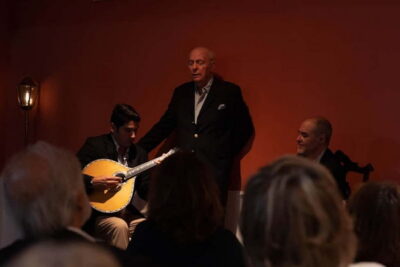
Live Fado Show with Port Wine in Historic Center
Read our review →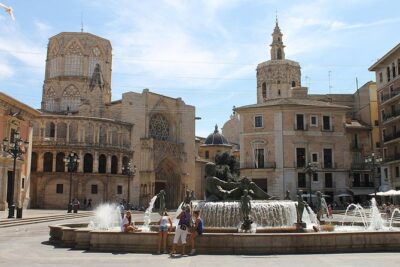
Valencia Old Town Tour with Wine & Tapas in 11th Century Historic Monument
Read our review →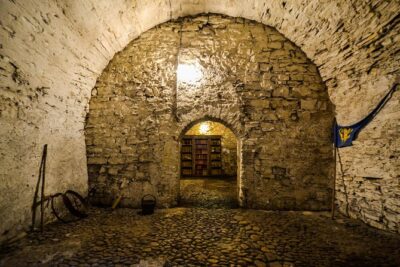
Prague Old Town, Medieval Underground and Dungeon Historical Tour
Read our review →
Historic Center and Getsemaní Shared Walking Tour
Read our review →
Old Town Walking Tour History and Tales in Edinburgh
Read our review →
Philadelphia Old City Historic Walking Tour with 10+ Top Sites
Read our review →
Saadian Tombs & Bahia Palace, Medina Guided Tour
Read our review →Browse the lists this tour appears in