
Review · MUMBAI
Mumbai heritage walk- Story of Gothic and Art Deco buildings
Mumbai tells its story in stone. This three-hour walk links grand Gothic landmarks with sleek Art Deco buildings, showing how a trading port grew into a major city. I especially like the mix of famous sights and less obvious details, plus the small group limit of 15. The main consideration is that nearly every building is viewed from outside, so this is more about architecture and storytelling than interior visits.
I also like the route’s clear progression, from Chhatrapati Shivaji Terminus to the museum district, and the way it connects buildings to real people, money, education, religion, and civic life. Guide Pankaj receives especially warm praise for his clear stories, helpful manner, and ability to answer questions. At $35 per person, the walk offers good value if you want context rather than a quick photo stop, though it may feel less rewarding if you prefer to spend your time inside museums.
Key points to know before you book
- Two architectural styles in one walk: See Victorian Gothic buildings beside Mumbai’s Art Deco cinemas and residences.
- A compact group of up to 15: The size allows more room for questions and personal attention.
- Pankaj is a major strength: His storytelling covers both architecture and Mumbai’s development.
- Mostly exterior viewing: CST includes admission, but most other stops are seen from the street or lobby.
- Snacks are provided: A useful touch during a three-hour walk.
- The route is one-way: You begin at CST and finish near the Chhatrapati Shivaji Maharaj Vastu Sangrahalaya.
Why Mumbai’s buildings tell the city’s story
This is not just a walk past handsome facades. It is a lesson in how Mumbai changed from a port city into a center of commerce, government, education, and culture.
The route brings together two styles that can seem far apart. Victorian Gothic Revival architecture uses pointed arches, towers, carved decoration, and a dramatic vertical shape. Art Deco favors clean lines, curved corners, geometric details, and a more modern mood. In Mumbai, both styles were adapted to local needs and tastes.
That contrast gives the walk its purpose. You are not simply collecting landmark photos. You are watching the city move from imperial ambition toward modern urban life.
The guide makes a real difference here. Pankaj is praised for being enthusiastic, friendly, and able to explain more than the buildings alone. His stories cover Mumbai’s past, the people who funded its institutions, and the social meaning of owning an Art Deco apartment. If you have visited Mumbai before, this added context can change the way you see familiar streets.
The group size matters, too. With a maximum of 15 people, you should have a better chance to hear the guide and ask questions than on a large coach tour. It also suits anyone who enjoys pausing to examine a clock tower, statue, balcony, or carved doorway instead of racing from one landmark to the next.
More History Walking Tours in India
- Best South Mumbai Heritage Walk
★ 5.0 · 122 reviews - Heritage Walk: Recommended by Gigi Hadid as a must-do in Mumbai
★ 5.0 · 122 reviews - Mumbai: South Mumbai Heritage Walking Guided Tour
★ 4.5 · 69 reviews
Starting at Chhatrapati Shivaji Terminus
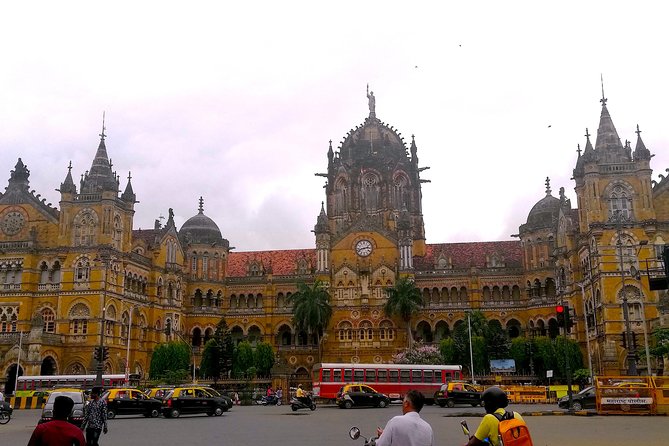
The walk begins at Chhatrapati Shivaji Terminus, usually called CST. This UNESCO-listed building is the architectural high point of the route and receives about 30 minutes.
CST is one of India’s finest examples of Victorian Gothic Revival design. Its pointed arches, turrets, domes, stone carving, and grand scale reflect British architectural ideas, but the building also includes themes drawn from Indian traditions. That combination is what makes it more than a European-style railway station transplanted to Mumbai.
The station also makes a strong starting point because it connects architecture with the city’s growth. Railways helped move people, goods, and trade, and CST became part of Mumbai’s rise as a major commercial center.
Admission to CST is included, which gives this first stop more substance than the later exterior visits. Still, the exact level of access inside is not specified, so you should think of the included admission as a useful feature rather than a promise of a full behind-the-scenes tour.
Allow yourself a moment to look above street level. Gothic buildings often reveal their best details in upper towers, rooflines, and carved ornament. Your guide can help you notice the blend of Indian and Victorian elements that you might otherwise miss.
Eros Cinema and the city’s Art Deco turn
From CST, the route moves toward Eros Cinema, seen from outside for about 30 minutes. This is where the architectural mood shifts from Gothic drama to Art Deco modernity.
Eros is memorable for its shape. The building rises in tiers and finishes with a semi-circular tower, giving it the look of a wedding cake. That playful comparison makes the structure easy to remember, but the building also represents a serious change in Mumbai’s urban culture.
Art Deco was linked with modern entertainment, new technology, and the confidence of a growing city. A cinema built in this style was not simply a place to watch films. Its design signaled that Mumbai was looking ahead.
Because Eros is an exterior stop, you will not be seeing the auditorium or interior decoration as part of this walk. That limitation is worth noting if you are especially interested in cinema history. The benefit is that the guide can focus your attention on the facade, its curves, its tiers, and its place in the wider Art Deco district.
This is one of the points where having a guide helps. A quick look at a curved cinema facade may last only a minute on your own. With context, it becomes evidence of the city’s changing tastes and ambitions.
Empress Court and Art Deco as social status
The next stop, Empress Court, takes about 15 minutes. It is a residential Art Deco building viewed from outside.
This stop adds an important social angle. Art Deco was not limited to cinemas and public buildings. In Mumbai, it also shaped apartment blocks where modern city residents wanted to display wealth and status.
The building gives you a chance to think about architecture as social language. The style’s clean lines and polished appearance suggested comfort, progress, and a new urban identity. Living in one of these buildings was more than a practical choice. It could signal that a family had money and a place in the city’s modern society.
The short visit is appropriate because Empress Court is mainly a discussion point rather than a major admission site. Do not expect to enter private residential areas. You will get more from the stop if you pay attention to the exterior details and listen to the explanation of how Art Deco living spaces were viewed at the time.
For me, this is the kind of detail that improves a city walk. It takes architecture away from the world of styles and dates, then connects it to ordinary questions of status, taste, and home life.
More Medieval History Tours in Mumbai:
- Prague: Oldtown, Medieval Underground & Dungeon History Tour
★ 4.3 · 10,277 reviews - Prague Old Town, Medieval Underground and Dungeon Historical Tour
★ 4.5 · 3,227 reviews - Templar Tour Convent of Christ & Almourol Castle from Lisbon
★ 5.0 · 704 reviews - Barcelona 1.5h Private Old Town, Gothic & Ramblas Walking Tour
★ 5.0 · 318 reviews
Gothic justice at the Bombay High Court

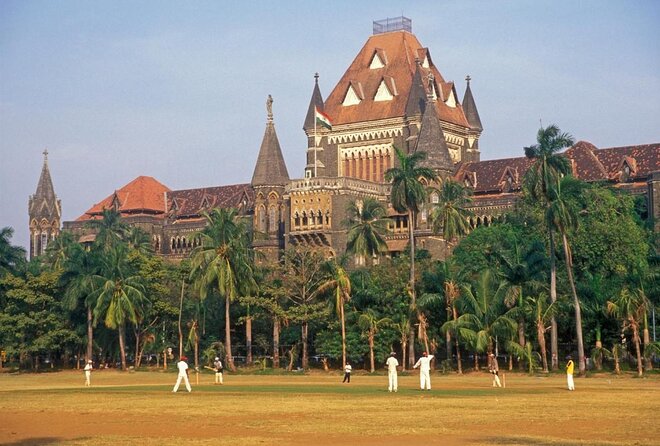
The Bombay High Court is seen from outside for about 30 minutes. Its Gothic design brings the route back to pointed arches, strong vertical lines, and an imposing civic presence.
The building is especially interesting for its statues of Justice and Mercy at the top. These figures offer a clear starting point for a conversation about the ideals associated with law and public institutions. You may not notice them without guidance, particularly when viewing the building from street level.
The High Court also shows why Gothic architecture was favored for major civic buildings. Its form feels serious and authoritative. The height, stonework, and decoration were meant to give government institutions a sense of permanence.
Since the stop is outside, this is not a courthouse tour. You should not expect to enter courtrooms or see legal proceedings. The value comes from understanding the building’s design and the symbols placed on it.
I would pay close attention here to the relationship between the facade and its function. This is not a private residence or entertainment hall. Its architecture was designed to communicate order, power, and public duty.
Rajabai Clock Tower and a personal story in stone
The Rajabai Clock Tower receives about 30 minutes and is introduced as Mumbai’s answer to Big Ben. The comparison helps you picture its role, but the tower’s own story is more personal.
The tower was financed by a patron who wanted his visually challenged mother to hear its chimes and keep her fasts punctually. That detail gives the structure a human purpose beyond civic decoration. It also shows how major buildings could be tied to family, faith, and private generosity.
This is a good example of the kind of story that can make a landmark stick in your memory. You may forget a construction date, but a clock built partly so a mother could hear the time is harder to lose.
The tower is viewed as part of the exterior route, and the walk does not promise an interior visit. Still, half an hour gives the guide time to explain its design and the story behind its funding without reducing the stop to a quick photograph.
The Rajabai Clock Tower also fits the walk’s larger theme. Mumbai’s grand architecture was shaped by institutions, colonial administration, education, religion, business, and individual donors. The city’s buildings are public, but many began with very personal motives.
David Sassoon Library and a place for learning
The David Sassoon Library and Reading Room is visited for about 20 minutes. It is a Gothic structure built by David Sassoon, a Jewish banker, as a library and reading room.
Only members are allowed inside, so the walk views the building from the lobby. That restriction is one of the clearest limitations of the experience. If you hope to sit in the reading room or wander through the full interior, you will need to make other arrangements, if available.
Even with limited access, the stop has value. The library represents Mumbai as a place of education and public intellectual life, not just trade and government. Its Gothic form also shows how the style was used for institutions intended to appear serious, lasting, and respectable.
The connection to David Sassoon adds another layer to Mumbai’s story. The city was shaped by people from different communities who invested in public institutions. That wider social picture is easy to miss if you only photograph the most famous colonial buildings.
Elphinstone College and Mumbai’s public thinkers
Elphinstone College is another Gothic landmark, seen from outside for about 15 minutes. The building is linked with an impressive list of alumni, including Bal Gangadhar Tilak, Dr. B. R. Ambedkar, and Jamshedji Tata.
That list gives the stop a clear purpose. The building is not merely an attractive example of Gothic design. It is connected with education, political thought, social change, and business leadership.
The visit is short, so do not expect a full college tour. Instead, use the time to take in the facade and listen to how the institution fits into Mumbai’s development.
For anyone interested in Indian history, this may be one of the most meaningful stops. The building links architecture with the people who helped shape the country’s public life. It is a useful reminder that grand institutions matter not only because of their appearance, but because of what happened inside them.
Ending at the Prince of Wales Museum
The walk finishes at the Chhatrapati Shivaji Maharaj Vastu Sangrahalaya, formerly known as the Prince of Wales Museum. The final stop lasts about 10 minutes and focuses on its magnificent heritage building.
The museum building adds another architectural type to the route. After the Gothic train station, courthouse, library, and college, and the Art Deco cinema and apartment block, you finish with a major museum structure tied to Mumbai’s public and cultural institutions.
The building was earlier used as a military hospital for the Children’s Welfare Exhibition, according to the tour information. The wording suggests a complicated institutional past, and the guide can place the building within the city’s changing civic uses.
The museum is the end point, not an included museum visit. If you want to go inside afterward, you can treat the walk as a useful introduction before exploring the collections on your own. Ending here is practical because you finish in the Fort area rather than returning to CST.
What $35 gets you
The price is $35 per person. For a three-hour guided walk in central Mumbai, that is reasonable if you want detailed explanation and a small group rather than a self-guided route.
You are paying for the guide’s time, the connections between eight major stops, included admission at CST, snacks during the walk, and the convenience of a planned route. The most important value is interpretation. You can photograph these buildings for free, but you are unlikely to learn the story of Justice and Mercy, the Rajabai Clock Tower’s family connection, or the social meaning of Art Deco apartments without some help.
The price is less attractive if you want extensive interior access. Most stops are outside, and the David Sassoon Library is seen only from the lobby because entry is limited to members. You are buying a guided architectural and historical walk, not a series of private building tours.
Group discounts are available, which may improve the cost for people booking together. The walk is also booked around 14 days ahead on average, so I would not leave it until the last moment if your Mumbai schedule is fixed.
Confirmation is provided at booking, and the walk is near public transportation. It requires good weather, with free cancellation up to 24 hours before the start time. If poor weather cancels it, you are offered another date or a full refund.
Who should take this Mumbai walk?
I would recommend it most strongly if you enjoy architecture, city history, or the way buildings reflect social change. It also suits anyone who has already seen Mumbai’s main sights but wants a better explanation of how they connect.
The walk is a good fit for:
- First-time visitors who want an organized introduction to the Fort area
- Architecture fans interested in both Gothic Revival and Art Deco
- History buffs who enjoy stories about institutions and individual patrons
- Visitors who prefer small groups and time for questions
- Repeat visitors who want more meaning behind familiar landmarks
It may be less suitable if you dislike walking, hot or uncertain weather, or exterior-only sightseeing. The itinerary lasts about three hours, and the route includes several stops where the main activity is looking up, listening, and discussing details rather than entering a building.
Snacks are provided, which is helpful, but this is not a food-focused tour. You should choose it for the architecture and stories first.
Should you book the Gothic and Art Deco walk?
Book it if you want Mumbai to make more sense. The route covers famous buildings, but its real strength is the explanation linking railways, courts, education, libraries, cinemas, homes, and museums.
Pankaj appears to be the guide to hope for, with strong praise for his enthusiasm, clear information, helpful attitude, and ability to answer questions. The small group limit of 15 adds comfort and makes the experience more personal.
Skip it if your priority is entering every building or spending the day inside museums. But if you want a focused, well-priced introduction to Mumbai’s architecture and development, this walk offers a smart route, useful stories, and a far better understanding of what you are seeing.
FAQ
Where does the Mumbai heritage walk begin?
It begins at Chhatrapati Shivaji Terminus in the CST area of Fort, Mumbai.
Where does the walk finish?
The experience ends at the Chhatrapati Shivaji Maharaj Vastu Sangrahalaya, formerly called the Prince of Wales Museum, at 159-161 Mahatma Gandhi Road.
How long does the tour last?
The walk lasts approximately three hours.
How many people can join the tour?
The maximum group size is 15 people.
Are building admissions included?
Admission is included at Chhatrapati Shivaji Terminus. The other listed stops are not marked as included admissions, and most are viewed from outside. The David Sassoon Library is seen from the lobby because only members may enter.
Can I cancel for a full refund?
Yes. You can cancel at least 24 hours before the start time for a full refund. If poor weather cancels the experience, you are offered another date or a full refund.
More History Walking Tours in Mumbai
- Mumbai Heritage Walk and Elephanta Caves Experience
★ 5.0 · 53 reviews - South Mumbai: Cultural Heritage Walking Tour
★ 4.8 · 45 reviews - Bombay Fort Heritage Walking Tour
★ 5.0 · 27 reviews - Cultural & Heritage Trails of Old Town Mumbai Guided Walking Tour
★ 4.0 · 24 reviews
Just added around Mumbai
- Mumbai Private Cultural Tour with Lunch and Transport★ 5.0 · 44 reviews
- Jewish Heritage and Mumbai Highlights Private Full-Day Tour★ 5.0 · 32 reviews
- Private Jewish Heritage Tour★ 4.5 · 18 reviews
- Kanheri Caves Heritage Tour★ 5.0 · 45 reviews
- Cultural & Heritage Trails of Old Town Mumbai Guided Walking Tour★ 4.0 · 24 reviews
- Mumbai Street Food & Bazaar Tour with Local Transport★ 5.0 · 51 reviews
- Private Mumbai Jewish Heritage Tour: Baghdadi & Bene Israel★ 5.0 · 36 reviews
- Evening Mumbai by Foot Street Food and Heritage★ 5.0 · 22 reviews
Medieval History Tours, compared.
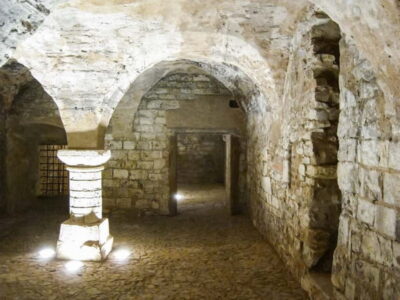
Oldtown, Medieval Underground & Dungeon History Tour
Read our review →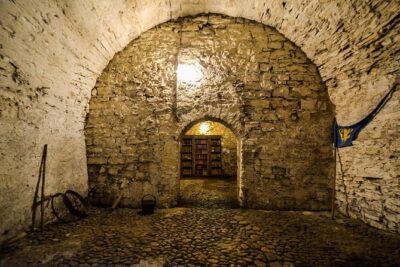
Prague Old Town, Medieval Underground and Dungeon Historical Tour
Read our review →
Templar Tour Convent of Christ & Almourol Castle from Lisbon
Read our review →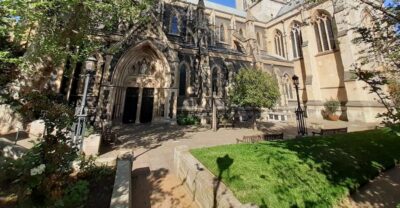

Barcelona 1.5h Private Old Town, Gothic & Ramblas Walking Tour
Read our review →
Day Trip From Addis Ababa See Historical Monastery,Stunning Nature,Animals,Birds
Read our review →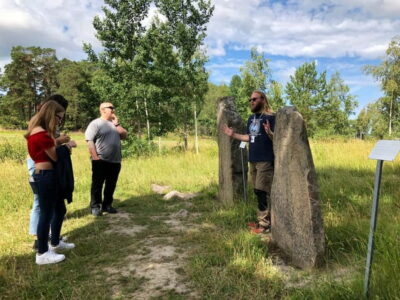
Stockholm Viking History Full Day Tour to Sigtuna + Uppsala
Read our review →
Tipsy Tapas & History Tour in the Gothic Quarter
Read our review →Browse the lists this tour appears in