
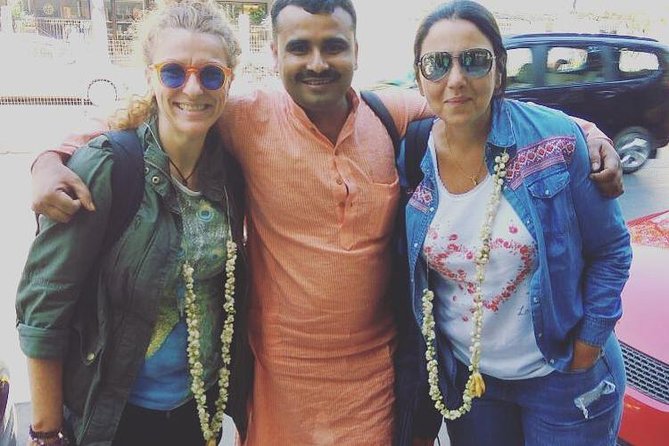
Review · MUMBAI
Cultural & Heritage Tour Of Mumbai 01 Day
Mumbai rewards a plan. This private day tour packs the city’s grandest sights into about eight hours, with air-conditioned transport and a dedicated guide for your group. I like the mix of colonial buildings, working-city culture, and famous waterfront views. The main caution is traffic: this is a full day, and Mumbai can make short distances take a long time.
I also like the flexibility of a private outing, especially if you want to ask questions or adjust the pace. Unlimited mineral water is a small but useful touch in a hot city. Still, the schedule is ambitious, and the price does not clearly state whether attraction entrance fees are included, so check before booking.
Key points at a glance
- Private sightseeing from your address or the airport: Your party travels together rather than joining a large shared group.
- Eight hours for Mumbai’s major landmarks: The route covers the Gateway of India, Marine Drive, Fort, CST, Dhobi Ghat, and several grand civic buildings.
- A useful blend of history and daily life: You see both ceremonial monuments and the working laundry district at Dhobi Ghat.
- Air-conditioned transport included: This matters when Mumbai’s heat, traffic, and long road connections begin to wear you down.
- Questions are part of the experience: A private guide gives you more room to ask about local history, religion, architecture, and city life.
- Full refund with 24 hours’ notice: Changes or cancellations made inside that window are not accepted.
Mumbai in one long, well-planned day
This tour is built for the first-time visitor who wants a strong introduction without piecing together taxis, trains, and separate guides. A TRAVEL ASTU representative meets you at Mumbai airport or at your address in the city, then takes you through a sightseeing route focused on South Mumbai and a few of its best-known civic landmarks.
The private format is the real selling point. You are not waiting for strangers to finish at every stop, and you can ask for more explanation when a building catches your eye. You also have a better chance of keeping the day comfortable if someone in your group needs a short pause.
The route covers a lot. You will see architecture from the British period, major public spaces, a famous railway station, a sea-facing road, and Dhobi Ghat, where laundry remains a visible part of Mumbai’s urban life. It is not a slow walking tour of one neighborhood. It is a moving overview of the city.
That distinction matters. If you want to study every façade or spend hours in a museum, eight hours will feel tight. If you want to get your bearings fast and see the landmarks spread across the city, the format makes good sense.
More Local Culture and Traditions Tours in India
- South Mumbai: Cultural Heritage Walking Tour
★ 4.8 · 45 reviews - Mumbai Private Cultural Tour with Lunch and Transport
★ 5.0 · 44 reviews - Cultural & Heritage Trails of Old Town Mumbai Guided Walking Tour
★ 4.0 · 24 reviews
Starting at the Prince of Wales Museum
The day begins with the Prince of Wales Museum, one of Mumbai’s major cultural stops. The itinerary gives it an early place in the day, which is sensible because a museum visit can easily expand if you enjoy art, archaeology, and historical objects.
Your guide’s commentary should help connect the collections with the wider story of Mumbai. The value here is not simply entering a museum. It is having someone explain why this institution matters and how it fits into the city’s changing identity.
Allow some flexibility. The tour does not specify a fixed amount of time inside the museum, nor does it state that admission is included in the $75 price. Ask about entrance fees and the planned visit length before you set expectations.
If you are more interested in streets and buildings than indoor collections, you may prefer a shorter museum stop. A private tour gives you a better chance of expressing that preference than a large group outing.
Exploring Mumbai Fort’s colonial streets
North of Colaba, the Mumbai Fort area follows the footprint of the old British fort. The fort itself is gone, but the district preserves many of the grand buildings built during Mumbai’s commercial rise.
This is one of the most rewarding parts of the route for anyone who likes architecture. You can look for the scale of the old civic buildings, the formal street pattern, and the way business, government, and public life came together in this part of town.
The important point is context. The buildings are not isolated monuments. They belong to a working central district, so the experience is about seeing historic architecture in the middle of modern Mumbai rather than walking through a preserved museum zone.
Traffic and pedestrians may limit how much time you spend outside the vehicle. You might find that the guide points out buildings from the car and then chooses a few places for a closer look. Comfortable shoes remain useful, but do not expect the entire tour to be on foot.
Gateway of India and the Apollo Bunder waterfront
The Gateway of India is Mumbai’s best-known landmark and a natural centerpiece of the day. The huge arch rises beside the water at Apollo Bunder, where many visitors begin their time in the city.
Its purpose gives the monument a complicated history. It was built to commemorate the 1911 visit of King George V and Queen Mary, linking the structure to British rule and imperial ceremony. Today, the setting gives it a different role: it is one of the clearest visual introductions to Mumbai.
I like this stop because it combines architecture, history, and a sense of place. You are not looking at a monument in an empty square. You are beside the water, close to one of the city’s most recognized public gathering points.
Expect a popular stop, with plenty to see around the arch and waterfront. The itinerary does not promise a boat ride, so do not book this tour expecting time on the harbor. The value is the landmark itself and the explanation that puts it in context.
More Local Culture and Traditions Tours in Mumbai:
- Amsterdam Food and Cultural Tour with Tastings
★ 5.0 · 4,315 reviews - Sevilla Food Tour: Tapas, Wine, History & Traditions
★ 5.0 · 3,468 reviews - Tromsø: Reindeer Camp and Sami Cultural Tour with Lunch
★ 4.7 · 3,326 reviews - Half Day Dominican Republic Cultural Tour : Small Group
★ 4.5 · 1,862 reviews
Marine Drive and Mumbai’s open waterfront
Marine Drive gives the day a change of mood. Built on land reclaimed from the sea during the 1920s and 1930s, this broad road curves along central Mumbai and is among the city’s most famous thoroughfares.
After the older buildings of Fort and the ceremonial Gateway, the open waterfront helps you understand Mumbai’s coastal setting. You get a break from dense streets and a chance to see why the road is such an important part of the city’s image.
The experience depends on timing and traffic. The tour does not promise a long walk or a particular viewing point, so your time may be brief. Still, even a drive along Marine Drive adds useful variety to a day otherwise filled with buildings and city streets.
Ask your guide about the road’s reclaimed land and how it shaped the city. That simple question can turn a scenic drive into a better lesson in Mumbai’s growth.
Flora Fountain and Hutama Chowk
Flora Fountain sits at a major junction in the heart of the city. It was erected in 1869 in honor of Sir Bartle Frere, a British governor of Bombay, and takes its name from Flora, the Roman goddess of flowers.
The fountain is decorated with mythological figures and marks the meeting of five streets. Its position helps you see how Mumbai’s central districts were organized around important road junctions and public buildings.
This is a quick but useful stop for architecture fans. The fountain itself is made from dull-colored stone, and its surroundings are more urban than peaceful. That is part of the point. Hutama Chowk is a city crossroads, not a quiet garden.
You may have limited time to photograph the details because of traffic and the tight urban setting. A guide adds value here by pointing out the carvings and explaining the name and history instead of leaving you to identify the monument on your own.
Chhatrapati Shivaji Terminus and the railway story
The itinerary calls this Victoria Terminus or Western Railway Station, but the building is now widely known as Chhatrapati Shivaji Terminus. It is one of Mumbai’s most striking buildings, combining Gothic and Indian design.
Construction began in 1878, and the station was completed in 1885. The architect was F. W. Stevens. The building’s large frontage and elaborate design make it one of the architectural highlights of the day.
The station also gives you a glimpse of Mumbai as a working city. This is not only a grand façade for photographs. It is a railway station, and the contrast between ornate design and daily transport is exactly what makes the stop useful.
Your time here may focus on the exterior, since the itinerary does not describe an interior visit or special station access. Ask your guide to point out the Gothic and Indian elements. Without that explanation, a quick stop can become little more than a photograph.
The name connected to the original Koli temple to Mumba Devi adds another layer to this location. It links the modern railway landmark with older local traditions and the city’s name.
Rajabai Clock Tower and Mumbai High Court
The Rajabai Clock Tower rises above the library section of the University of Bombay. The tower has five decorated storeys and reaches 280 feet, giving it a strong presence among the city’s historic buildings.
It is best appreciated as part of a larger architectural group rather than as a separate attraction. Look at its height, ornament, and position beside the university grounds. A guide can help you understand the visual relationship between the tower and nearby structures.
The Mumbai High Court provides another example of early English Gothic design. It sits beside the Oval Ground and is topped by statues representing Justice and Mercy.
These two stops suit visitors who enjoy public architecture and civic history. They may be less exciting if you want interactive attractions or long visits inside buildings. The schedule appears designed for viewing and explanation from outside, not extended interior tours.
Dhobi Ghat: the day’s most human stop
Dhobi Ghat is the part of the route that moves beyond grand buildings. A dhobi is a traditional laundry worker who collects clothes, washes them, presses them, and returns them to customers. The laundry area consists of rows of concrete wash pens, each with its own washing stone.
This stop shows a working tradition rather than a monument. It gives you a glimpse of the systems that support everyday city life, and it breaks up the colonial architecture with something more direct and local.
Approach the stop with respect. You are seeing a workplace, not a staged performance. Listen to the guide, avoid treating people as scenery, and ask questions about how the laundry service operates.
The itinerary does not promise entry into the wash pens or close contact with workers. You may view the area from an appropriate public point, depending on the day’s conditions and the guide’s arrangements. That limitation is reasonable and helps keep the visit considerate.
Why the private vehicle matters in Mumbai
The tour includes private round-trip transportation with air-conditioning. For this route, that is more than a comfort upgrade. The stops are spread across the city, and the vehicle lets you cover them without arranging separate rides between each district.
Mumbai traffic can be heavy, especially later in the day. One direct comment from a previous Mumbai itinerary was that sightseeing worked better in the morning because afternoon traffic became difficult. I would take that advice seriously and request an early start if your schedule allows.
The vehicle also protects your time and energy. You can carry water, cool down between stops, and leave your belongings in the vehicle while visiting a landmark. The tour promises unlimited mineral water, which is practical in Mumbai’s heat.
Do not mistake private transport for a guarantee of a fast day. Traffic still affects the route. The advantage is that you have one driver and one plan, rather than losing time searching for the next ride.
Is $75 a fair price?
At $75 per person, the value depends on your group size and what is included beyond the stated services. You are paying for a private tour, round-trip vehicle, driver support, a dedicated guide, airport or address pickup, and water. For a solo visitor or a couple, that buys convenience and a full day of organized sightseeing.
The price becomes more attractive for a small group, especially since group discounts are available. A family or group of friends can share the cost of a private vehicle while keeping control over the pace.
The key question is admission. The information provided does not say that museum or other attraction entrance fees are included. Confirm this before booking so the final cost does not surprise you.
The tour also has a mobile ticket and booking confirmation is provided at the time of reservation. A current valid passport is required on the day of travel. Most people can participate, and only your group joins the activity.
Who should book this Mumbai tour?
I would choose this experience if you have one day in Mumbai, want to see the headline sights, and value door-to-door transport. It also suits families, first-time visitors, and people arriving from the airport who want to turn a transfer day into a city introduction.
Solo visitors may appreciate the private arrangement and personal attention. Past service experiences connected with this operator also describe careful support for solo women and assistance in Spanish, though you should confirm the guide language for this specific Mumbai booking.
I would be more cautious if you want a slow museum day, a food-focused tour, or long walks through one neighborhood. This is a broad city route. It gives you range, but not unlimited time at each stop.
The wider service record also includes praise for punctual drivers, comfortable cars, last-minute arrangements, and guides such as Laxman, who has been praised for his Spanish and willingness to adjust plans on other India trips. That is encouraging, but guide assignment for this exact tour is not specified, so treat language requests as something to confirm.
Final verdict: a strong first look at Mumbai
Book this tour if you want Mumbai’s major landmarks in one private, air-conditioned day and prefer a guide who can explain what you are seeing. The best parts are the range of the route, the ease of private transport, and the contrast between grand civic buildings and working Dhobi Ghat.
Before paying, confirm the start time, guide language, museum entrance arrangements, and how much time is planned at each stop. Ask for the earliest practical departure to reduce the risk of losing the afternoon to traffic.
The tour offers free cancellation up to 24 hours before the start time. Inside that window, refunds are not available and changes are not accepted. With those details clear, this is a sensible way to get your first strong impression of Mumbai without spending the day negotiating transport.
FAQ
How long is the Cultural and Heritage Tour of Mumbai?
The tour lasts approximately eight hours.
Is this a private tour?
Yes. Only your group participates in the tour.
Where does the tour start?
The meeting point is Mumbai, Mumbai, Maharashtra. Pickup is also offered from Mumbai airport or your address.
Is transportation included?
Yes. The tour includes private round-trip transportation with air-conditioning.
Is mineral water provided?
Yes. Unlimited mineral water is included.
What sights are included?
The stated route includes the Prince of Wales Museum, Mumbai Fort, Marine Drive, the Gateway of India, Flora Fountain and Hutama Chowk, Chhatrapati Shivaji Terminus, Rajabai Clock Tower, Mumbai High Court, and Dhobi Ghat.
Is the tour suitable for most people?
Yes. The information states that most travelers can participate.
Do I need a passport?
Yes. A current valid passport is required on the day of travel.
What is the cancellation policy?
You can cancel up to 24 hours before the experience starts for a full refund. Cancellations or changes made less than 24 hours before the start time are not accepted and are not refunded.
Just added around Mumbai
- Mumbai Private Cultural Tour with Lunch and Transport★ 5.0 · 44 reviews
- Mumbai heritage walk- Story of Gothic and Art Deco buildings★ 5.0 · 33 reviews
- Kanheri Caves Heritage Tour★ 5.0 · 45 reviews
- Jewish Heritage and Mumbai Highlights Private Full-Day Tour★ 5.0 · 32 reviews
- Private Jewish Heritage Tour★ 4.5 · 18 reviews
- Cultural & Heritage Trails of Old Town Mumbai Guided Walking Tour★ 4.0 · 24 reviews
- Mumbai Street Food & Bazaar Tour with Local Transport★ 5.0 · 51 reviews
- Evening Mumbai by Foot Street Food and Heritage★ 5.0 · 22 reviews
Local Culture & Traditions Tours, compared.

Amsterdam Food and Cultural Tour with Tastings
Read our review →
Sevilla Food Tour: Tapas, Wine, History & Traditions
Read our review →
Tromsø: Reindeer Camp and Sami Cultural Tour with Lunch
Read our review →
Half Day Dominican Republic Cultural Tour : Small Group
Read our review →
Ultimate Melbourne Walking Tour: History, Laneways & Culture
Read our review →
Tromsø: Sámi Reindeer Sledding and Sami Cultural Tour
Read our review →
Kyoto Gion: 2-Hour Geisha Culture & History Walking Tour
Read our review →
Marrakech Historical and Cultural Tour – Half Day City Tour
Read our review →Browse the lists this tour appears in