
Review · MELBOURNE
Ultimate Melbourne Walking Tour: History, Laneways & Culture
Melbourne reveals itself one lane at a time. This three-hour walk brings together the city’s gold-rush buildings, street art, coffee culture, arcades, sport, and local stories in a compact introduction that is especially useful on your first day. I like the small maximum of 12 people, which makes it easier to hear the guide and ask questions. I also like the useful extras: a Melbourne coffee, a drink at the finishing pub, a map, and practical ideas for the rest of your stay.
The route covers a lot, from Gordon Reserve and the Old Treasury Building to Federation Square, Degraves Street, Chinatown, and Old Melbourne Gaol. The main consideration is simple: this is a walking tour, not a museum tour. Most stops are short outdoor visits, and you will see some attractions from outside or at a distance rather than going inside.
Key things to know before booking
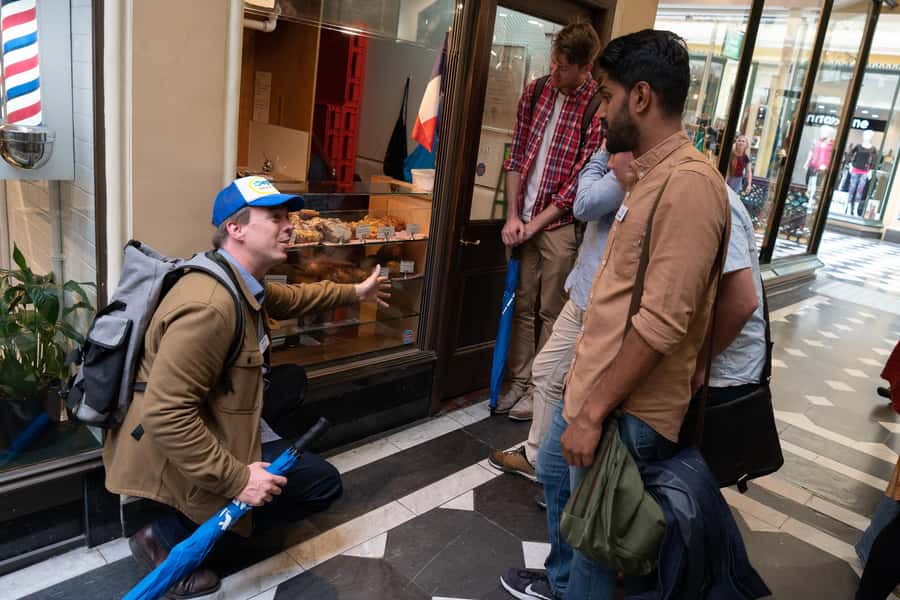
- Coffee and a final drink are included: Enjoy a flat white, long black, or hot chocolate at Degraves Street, then finish with beer, wine, cider, or a soft drink at Captain Melville.
- The group is kept small: The tour accepts a maximum of 12 people, a useful limit for busy lanes and lively city streets.
- You see Melbourne’s contrasts: Gold-rush architecture, modern Federation Square, sporting landmarks, Victorian arcades, street art, and Chinatown all fit into one route.
- The guides bring the city to life: Emily, Mike, Beau, Deneille, Bo, Ian, and Hugo have all been praised for warmth, humor, energy, and strong local insight.
- It is useful early in your visit: The guide offers restaurant ideas, sightseeing suggestions, and advice on where to return for a closer look.
- The meeting point is central but not at the main station: Start at Gordon Reserve, opposite Hotel Windsor, at 11:00 am, and finish at Captain Melville on Franklin Street.
Why this walk works so well as a first look
Melbourne can feel scattered at first. Its main attractions are spread through several parts of the central city, while its best-known character often appears in narrow lanes that are easy to miss. This tour links those pieces into one sensible outing.
I especially like the mix of major sights and small details. You get Federation Square and Flinders Street Station, but you also pass through Duckboard Place, AC/DC Lane, Little Collins Street, Degraves Street, and the city’s older arcades. That balance gives you both the postcard view and the everyday Melbourne experience.
The guides also connect old and new. You may hear about the Gold Rush, Ned Kelly, colonial government, and the prison system, then shift to street art, coffee, music, sport, or current city life. The result is less like a list of dates and more like a conversation about how Melbourne became Melbourne.
The tour has earned a 4.9 rating from 1,452 ratings, with 99 percent recommending it. The strongest praise focuses on the guides, the easy pace, the amount covered, and the fact that people found corners they would not have located alone.
More History Walking Tours in Australia
- Sydney: The Rocks 90-Minute History Walking Tour
★ 4.7 · 1,092 reviews - Discover Perth Walking Tour: History, Art, Local Insights + More!
★ 5.0 · 458 reviews - Ultimate Melbourne Walking Tour: History, Laneways & Culture
★ 4.8 · 338 reviews
Starting at Gordon Reserve and the Old Treasury Building
The walk begins at 11:00 am at Gordon Reserve, a small park at 108 Spring Street, opposite the historic Hotel Windsor. Look for the tour team with blue umbrellas, a practical meeting detail that makes the start easier to spot.
The opening stop gives you distant views toward the seat of Victoria’s state government. This is a good introduction to Melbourne’s colonial architecture without spending the first part of the morning inside a formal building.
From there, the Old Treasury Building provides a quick look at the architecture shaped by the Gold Rush. Melbourne grew rapidly when gold brought money and ambition to Victoria, and the grand stone buildings around Spring Street reflect that period. You only spend about five minutes here, so think of it as a guided orientation rather than a full architectural visit.
Collins Street follows, with its financial district, premium shops, and historic facades. The stop itself is brief, but it helps explain the city’s old commercial center and the way grand buildings sit beside modern business life.
Street art in Duckboard Place and AC/DC Lane
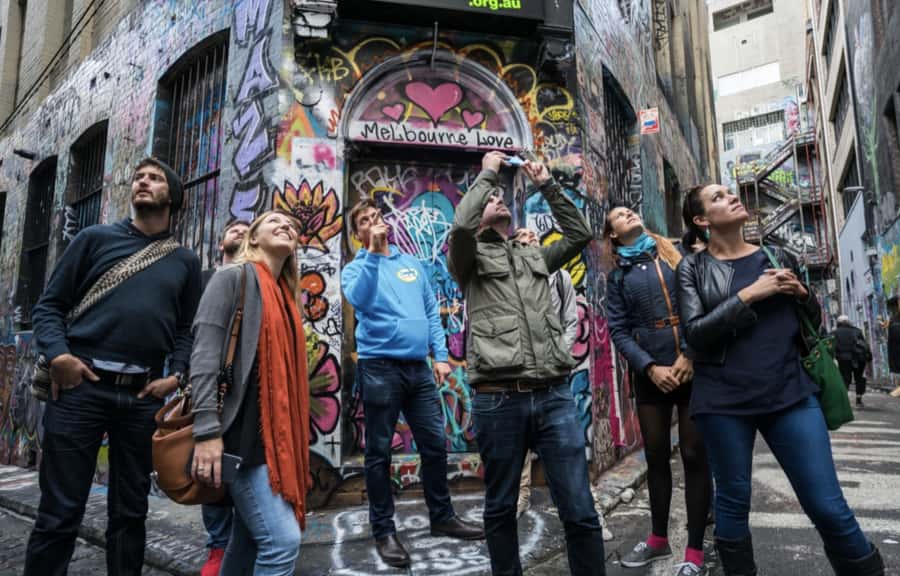
The street art section is one of the tour’s most distinctive parts. Duckboard Place and AC/DC Lane are narrow passages covered with changing murals and graffiti by local and international artists.
You will hear about Melbourne’s street art scene while seeing it at close range. The work changes over time, so the exact images will not remain fixed. That is part of the appeal. You are not looking at a preserved gallery display. You are seeing a city art form that keeps being replaced, repainted, and debated.
Hosier Lane may also be included depending on the day. It is Melbourne’s best-known street art destination, but the route is not limited to that single famous lane. This is useful because a packed Hosier Lane can make it hard to stop, look, and listen.
AC/DC Lane receives another short stop later in the walk. The name comes from the Australian rock band, and the lane is known for rock-and-roll murals. If music interests you, this brief visit adds a different angle to the street art story.
Federation Square, the MCG, and Flinders Street Station

Federation Square is Melbourne’s main cultural square and one of its most recognizable modern spaces. Its angular architecture can be divisive, which makes it a good place to hear how the city handles old buildings, new design, public space, and cultural events.
The tour then offers distant views of the Melbourne Cricket Ground, usually called the MCG. You do not enter the stadium, but the guide explains its importance within Australian sport and the nearby sporting precinct. For visitors unfamiliar with cricket or Australian football, this context helps you understand why the MCG matters so much to local life.
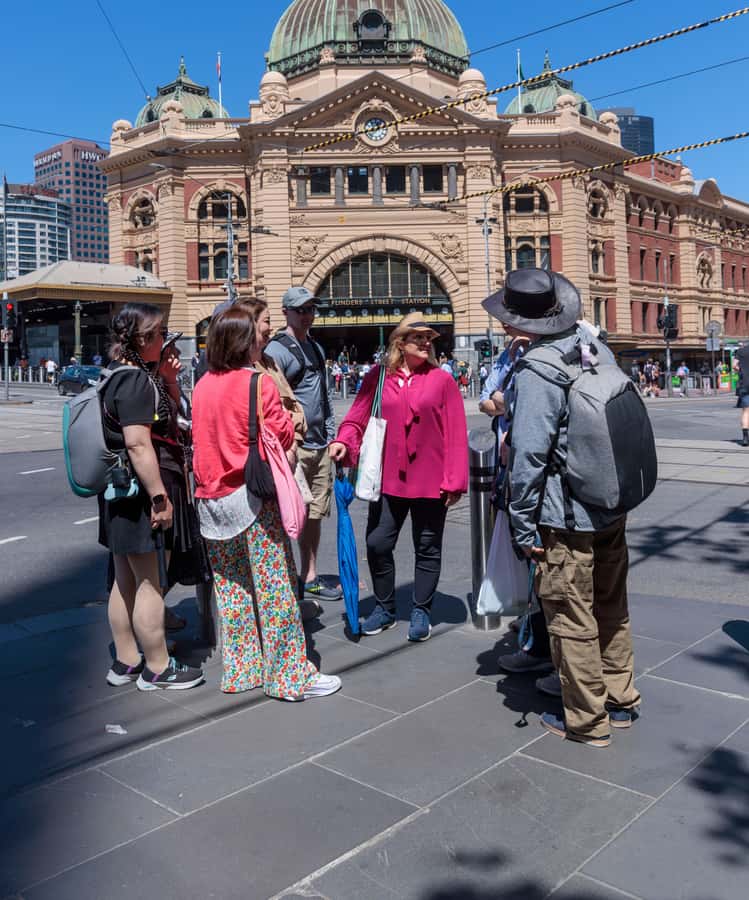
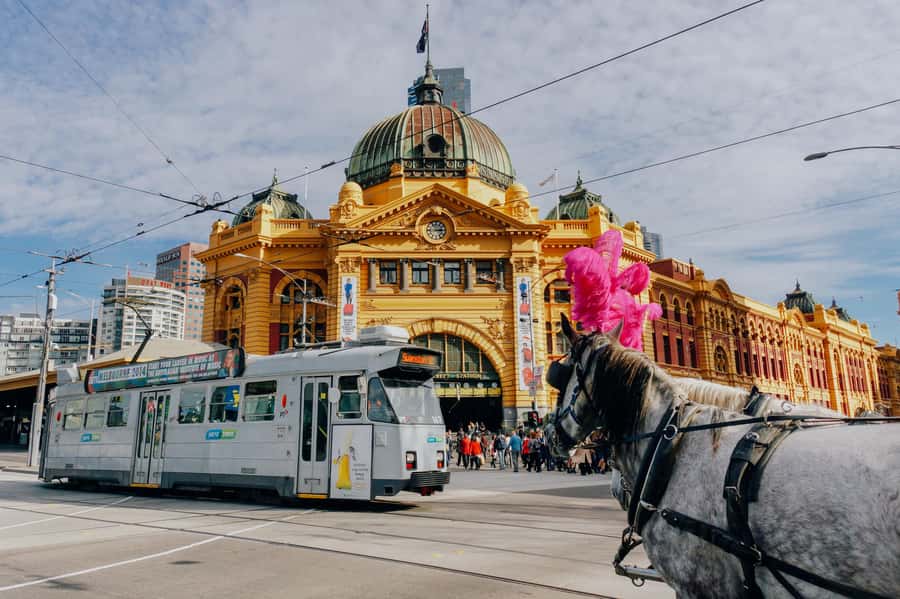
Flinders Street Station is the next major landmark. Its domed facade and clocks make it one of Melbourne’s most familiar meeting points. The stop is short, but the building works well as a visual anchor between the central business district and the riverfront.
This section is a good example of the tour’s scope. You see important places without spending the entire afternoon at one attraction. The trade-off is that anyone wanting a detailed look inside the MCG, Federation Square’s galleries, or the railway station will need to return on their own.
More Local Culture and Traditions Tours in Australia
- Snorkel & Dive the Reef: Sustainable, Scientific & Cultural Tour
★ 4.5 · 841 reviews - From Perth: Wave Rock, York and Aboriginal Cultural Tour
★ 4.6 · 498 reviews - Authentic Indigenous Cultural Tour Including Scenic River Cruise
★ 5.0 · 88 reviews - 7 Day Adelaide to Uluru Adventure and Cultural Tour
★ 5.0 · 52 reviews
Coffee and laneway life on Degraves Street
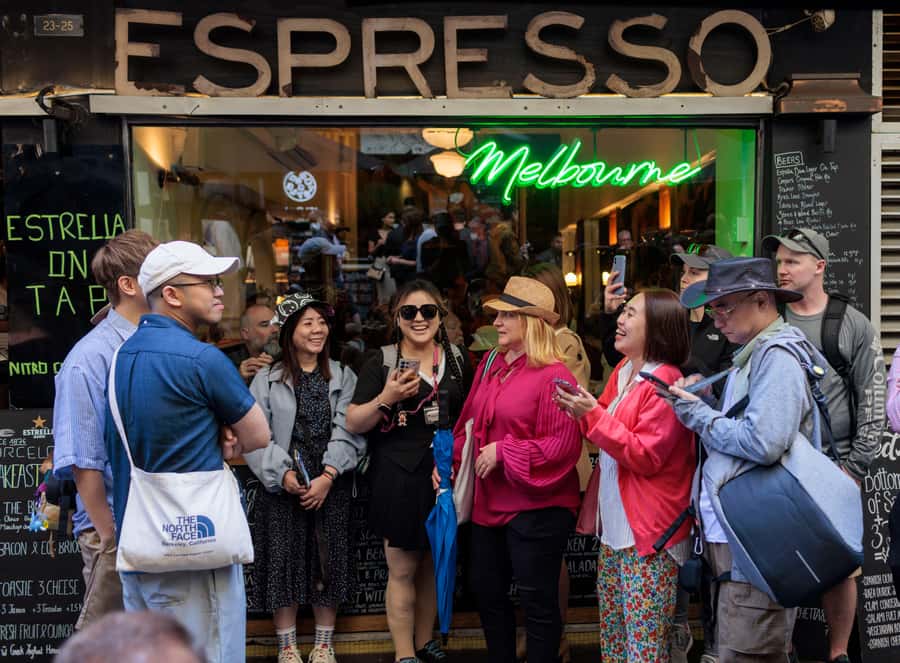
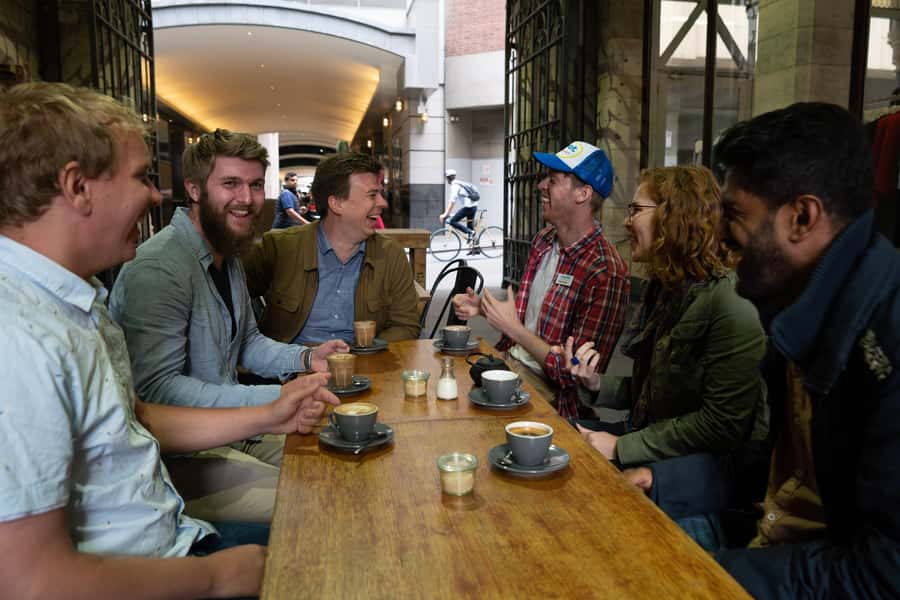
Degraves Street is where the walk slows down for a proper break. This narrow lane is associated with Melbourne’s cafe culture and European-style dining atmosphere, and the tour includes a complimentary hot drink at a local cafe.
You can choose a flat white, long black, or hot chocolate. That small choice matters because coffee is not just a refreshment here. It is part of the city’s daily rhythm, and sitting down for a drink gives you a chance to absorb the atmosphere instead of rushing from one sight to the next.
The break lasts about 20 minutes. It also gives you a chance to ask the guide for personal suggestions. If you already know what kind of food, shopping, or sightseeing you want, this is a useful moment to ask.
The pace is one of the tour’s strengths. Several people describe it as comfortable and not too strenuous for a three-hour walk. Still, you should wear sensible shoes and be ready to remain on your feet for much of the outing. The route includes frequent stops, but it is not a sightseeing bus with a seat between attractions.
The Block Arcade and Royal Arcade
The Block Arcade introduces Melbourne’s Victorian shopping culture. Its mosaic floors, ornate details, and elegant design show a more decorative side of the city than the graffiti lanes.
Royal Arcade adds another layer. It is Australia’s oldest arcade and features the well-known Gog and Magog figures. These arcades are easy to pass through quickly if you are exploring alone, so having a guide point out the details gives the short stops more value.
The tour does not turn these arcades into long shopping sessions. Instead, you get their story, design, and place in Melbourne’s city center. If you want to inspect the shops or photograph the architecture without a group around you, note the locations and return later.
The route also points out Melbourne’s highest tower. You do not automatically go to the top, but the guide can arrange a special rate if you decide to add that visit. This is an optional extra, not part of the basic three-hour experience.
Bourke Street Mall, the State Library, and Ned Kelly
Bourke Street Mall gives you a taste of Melbourne’s main pedestrian shopping area. It is a practical stop rather than a long sightseeing visit, and it helps show how the central city functions during the day.
The State Library of Victoria brings the tour back to heritage architecture and local stories. The building is one of the city’s major cultural institutions, and the guide discusses Ned Kelly’s famous story during the stop.
This is one of the better moments for people who like history told through personalities. Ned Kelly is not treated as an abstract name on a plaque. The guide uses his story to connect law, crime, colonial society, and the way Australian legends develop.
You should not expect a full tour of the State Library’s interiors. The outdoor stop gives you the building and the story, while a return visit is best if you want to explore the reading rooms or exhibitions at your own pace.
The Yarra River and Old Melbourne Gaol

The walk beside the Yarra River changes the mood. After lanes, arcades, shops, and civic buildings, the river provides open space and a short breather.
The stop is brief, but it helps place the central city in relation to the water. You can also get a better sense of how Melbourne’s different districts connect on foot.
Old Melbourne Gaol is another important historical marker. The bluestone prison operated from 1845 to 1929, and its presence gives the city’s colonial story a more serious edge. The tour stops outside, so the entry experience and interior exhibits are not included.
That distinction matters for planning. If the prison is high on your list, book a separate visit and use this tour as an introduction. The walking route gives you context and location, but it does not replace the full attraction.
Chinatown and the finish at Captain Melville
Chinatown is described as the world’s oldest continuously operating Chinatown, with restaurants and a long connection to Melbourne’s urban life. The stop is short, but it gives you another clear contrast with the grand government buildings and Victorian arcades seen earlier.
I like that food recommendations are part of the practical advice offered by the guides. Melbourne is a city where choosing where to eat can take real research, and a local suggestion may help you make better use of the rest of your stay.
The tour ends at Captain Melville Bar, 34 Franklin Street, with a complimentary beer, wine, cider, or soft drink. This final 20-minute stop gives the group time to relax and continue talking after the formal sightseeing ends.
It is a pleasant finish, but remember that the end point is not the starting point. You finish on Franklin Street, while Gordon Reserve is on Spring Street. The tour does not include transport between them, though both locations are in central Melbourne.
Guides, group size, and the feel of the walk
The guide can make or break a city walk, and the praise here is unusually consistent. Emily is described as warm, enthusiastic, and excellent at combining history with anecdotes. Mike is praised for his friendliness and clear love of Melbourne. Beau is noted for witty commentary and careful attention to the group.
Bo receives particular praise for energy, humor, and his strong interest in local history. Ian is described as an excellent guide for first-day visitors because he offers useful ideas for exploring further. Hugo is praised for being engaging, funny, and well informed about the city.
One practical note is worth taking seriously: stay close to the guide. One person found Ian’s voice harder to hear when standing farther back. In lanes and crowded streets, a small group of 12 is helpful, but you still need to keep within listening range.
The guides also make an effort to include the whole group. One account describes Ian checking that everyone was comfortable, allowing toilet breaks, and tailoring information to people’s interests. That suggests a friendly rather than rigid style, though the exact tone will depend on the guide working that day.
Is the $92.52 price fair?
At $92.52 per person, this is not the cheapest way to walk around Melbourne. You could visit many of the outdoor sights for free and explore the lanes without paying an admission fee.
The value comes from the structure and the human guidance. You receive about three hours of commentary, a coffee or hot chocolate, a final alcoholic or soft drink, a map, recommendations, and a route that connects places you might otherwise see on separate days. The maximum group size also keeps the experience more personal than a large city walk.
I think the price makes the most sense if you are visiting Melbourne for the first time, have limited time, or enjoy local stories more than simply taking photographs. It is less compelling if you already know the city well, prefer exploring alone, or mainly want entry into attractions rather than outdoor commentary.
The included drinks help, but they should not be the reason you book. The real value is the guide’s ability to explain the city and point out places worth revisiting.
Who should book this Melbourne walk?
I would choose this tour for first-time visitors, couples, solo visitors, families with older children, and anyone who wants a strong orientation before exploring alone. Children must be accompanied by an adult, and most people can participate, though you should be comfortable with a three-hour urban walk.
It also suits people who want history without a lecture-heavy format. The tour mixes colonial buildings, sport, street art, coffee, music, shopping, food, and current city life.
I would think twice if you need a fully accessible route, because the supplied information does not specify accessibility arrangements. I would also avoid booking it as your only Melbourne activity if you want extended interior visits at Old Melbourne Gaol, the State Library, the MCG, or the tower.
Free cancellation is available up to 24 hours before the 11:00 am start time. Last-minute cancellations or changes are not accepted for a refund.
Should you book it?
Yes, if you want a lively first look at Melbourne rather than a checklist of landmarks. The best reasons to book are the excellent local guides, the well-chosen mix of lanes and major sights, the modest group size, and the practical advice you can use after the walk.
Book it for the beginning of your stay if possible. You can then return to the arcades, street art lanes, Chinatown, Old Melbourne Gaol, or the State Library with a better sense of where everything fits.
Skip it if you strongly prefer independent wandering or need long visits inside attractions. For most first-time visitors, though, this is a useful and enjoyable way to get the city under your feet.
FAQ
How long does the Ultimate Melbourne Walking Tour last?
The tour lasts approximately three hours.
What time does the tour begin?
It begins at 11:00 am.
Where does the tour start?
It starts at Gordon Reserve, 108 Spring Street, East Melbourne, opposite the Hotel Windsor.
Where does the tour finish?
It finishes at Captain Melville Bar, 34 Franklin Street, Melbourne.
What is included in the price?
The tour includes a professional local English-speaking guide, commentary, a Melbourne map, guided recommendations, outdoor attractions and viewpoints, a complimentary hot drink, and a complimentary alcoholic drink or soft drink.
What coffee choices are available?
You can choose a flat white, long black, or hot chocolate.
What drink is included at the end?
You can choose a house beer, wine, cider, or soft drink at Captain Melville.
How many people can join the tour?
The maximum group size is 12 people.
Can children join the tour?
Yes. Children must be accompanied by an adult.
Just added around Australia
- Private Half Day Tour: World Heritage Rainforest & Waterfall★ 5.0 · 19 reviews
- Historic Village Herberton Family Pass (2A+2C)★ 4.5 · 18 reviews
- Authentic Indigenous Cultural Tour Including Scenic River Cruise★ 5.0 · 88 reviews
- Entry Ticket at Historic Village Herberton★ 5.0 · 114 reviews
- Cairns History Walking Tour★ 5.0 · 52 reviews
- Self-Guided Ngilgi Cave Ancient Lands Experience★ 4.5 · 154 reviews
- Hinterland Heritage Wine Tour★ 4.0 · 28 reviews
- Albany’s Historic Whaling Station Admission Ticket★ 4.5 · 86 reviews
Local Culture & Traditions Tours, compared.

Amsterdam Food and Cultural Tour with Tastings
Read our review →
Sevilla Food Tour: Tapas, Wine, History & Traditions
Read our review →
Tromsø: Reindeer Camp and Sami Cultural Tour with Lunch
Read our review →
Half Day Dominican Republic Cultural Tour : Small Group
Read our review →
Tromsø: Sámi Reindeer Sledding and Sami Cultural Tour
Read our review →
Kyoto Gion: 2-Hour Geisha Culture & History Walking Tour
Read our review →
Marrakech Historical and Cultural Tour – Half Day City Tour
Read our review →
Portland Explorer | Maine History, Culture, & 3 Lighthouses Tour
Read our review →Browse the lists this tour appears in