
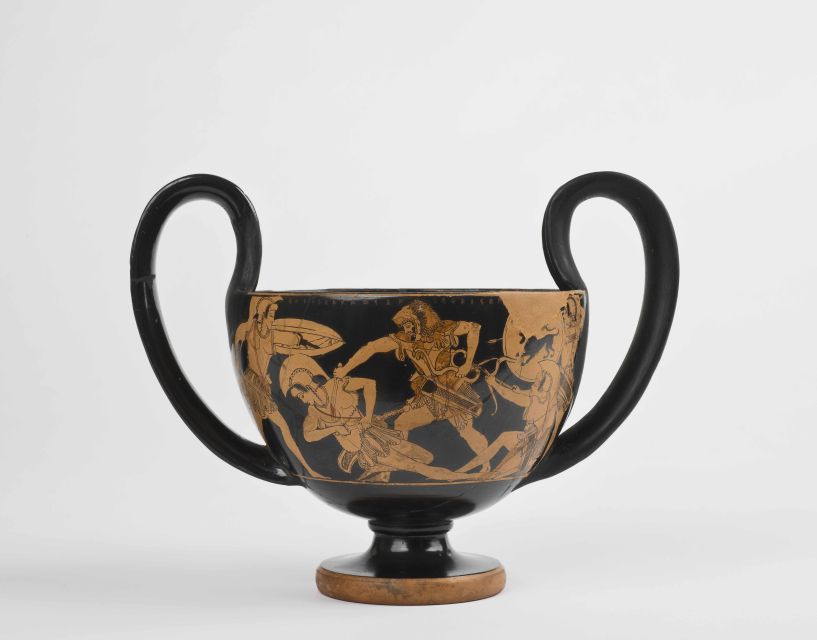
Review · BRUSSELS CAPITAL REGION
Brussels: Museum Art & History Entry Ticket
Ancient Rome waits beneath Brussels’ triumphal arch. I like the model of Roma, which gives you a clear sense of the ancient city, and the museum’s sweep from prehistoric objects to art nouveau. I also like the low $11 price for a full day, though you should check whether a Museum Pass already covers admission before paying separately.
This is a large museum, so it rewards curious visitors who enjoy setting their own pace rather than rushing through a guided route. The main drawback is simple: the collection is broad enough to feel tiring if you try to see everything in one visit.
Key points to know before you go
- See the model of Roma for a memorable look at the ancient city and its grand scale.
- Follow the collection across four broad areas, from prehistory and ancient Egypt to European decorative arts and Asian civilizations.
- Look closely at the Egyptian mummies, including the museum’s presentation of their mysterious funerary world.
- Find Asian Buddhas and objects from India and China in the non-European collections.
- Use the full day wisely, then take an informal picnic in Cinquantenaire Park outside.
- Enter from the correct side of the building, since the entrance is not beside Autoworld.
A huge museum in a grand Brussels setting
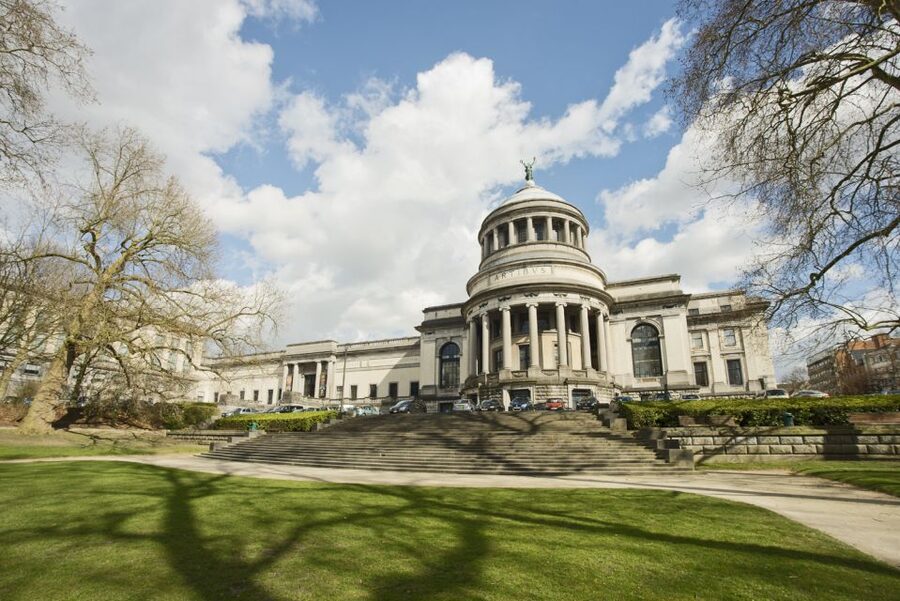
The Royal Museum of Art and History occupies a handsome classic building at Parc du Cinquantenaire. You are not walking into a small specialist collection. This is one of Belgium’s largest museums, with material from Europe, Asia, Africa, America, and the ancient Mediterranean world.
I like the museum’s broad reach because it lets you connect objects across time and place. You can begin with the earliest evidence of human activity, move through ancient Egypt, Greece, and Rome, then continue into medieval and modern Europe. The visit eventually reaches art nouveau and art deco from the early 20th century.
That range is also the museum’s main challenge. You will not absorb every room in a single burst of energy. I suggest choosing a few themes before entering, such as ancient civilizations, Belgian culture, or Asian art, then allowing time for unexpected finds.
Your ticket is valid for one day, so you do not need to treat the museum like a quick stop between other Brussels sights. At $11 per person, the price is reasonable for a full day of indoor sightseeing, especially in poor weather.
More Museum and Gallery History Tours in Belgium:
- Brussels: BELvue Belgium History Museum Entry Ticket
★ 4.6 · 27 reviews - Paris: Louvre Museum Entry with History of Mona Lisa
★ 3.9 · 2,823 reviews - Venice’s Best: Basilica, Doge’s Palace, Gondola & History Gallery
★ 4.5 · 2,478 reviews
Finding the entrance at Parc du Cinquantenaire
The museum sits near Autoworld, but the entrance is not next to Autoworld. This matters more than it sounds. You need to walk around the corner of the building and follow the signs to the museum entrance.
I would allow a few extra minutes for this, especially if you are meeting others or arriving on a tight schedule. Parc du Cinquantenaire is large, and a first-time visitor can easily approach the wrong side of the complex.
The museum is reachable by several forms of public transport. Merode and Schuman are the nearest train stations within walking distance, while Brussels Central Station connects by metro to the museum area. The closest metro station is Schuman.
You can also take buses 22, 27, or 80 to Galliërs, or bus 61 to Merode. Trams 81 and 82 also stop at Merode. Since the entrance sits around the building rather than directly beside a major landmark, check your final approach before you set off.
Starting with prehistory and national archaeology
The national archaeology section covers prehistory and the earliest stages of human life in Belgium. This gives your visit a useful local anchor before you move into the larger story of ancient Egypt, Greece, and Rome.
I like beginning here because it shows that Belgian history did not start with medieval towns or modern industry. The archaeological material connects the country to much older human activity and gives context to the later galleries.
You might find this area less immediately theatrical than the Egyptian or Roman displays. Still, it is worth your time if you want to understand the country’s past rather than simply collect famous objects. It also provides a natural first chapter for families, since the story moves from basic human beginnings toward more complex societies.
The museum’s scale means you can choose how long to stay. If archaeology is your main interest, give this section a careful look. If you have children with limited patience, you may prefer to use it as a short opening before heading to the larger ancient-world displays.
Egypt, mummies, and the museum’s darker mood
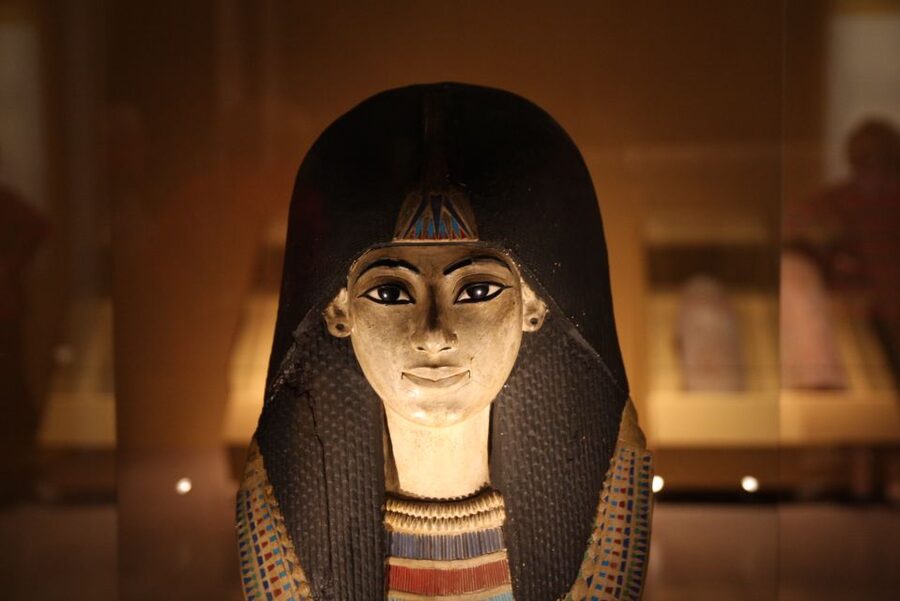
Ancient Egypt brings a change in atmosphere. The collection includes mummies and objects connected with Egyptian beliefs, burial, and daily life. The display of the mummies is the part most likely to capture the attention of younger visitors, though some children may find it unsettling.
The presentation invites you to think beyond the familiar image of pyramids. Egyptian objects can show how people approached death, ritual, family, and the afterlife. The museum’s reference to the curse of the Egyptian mummies adds a little drama, but the real value is the chance to see Egyptian culture as a complete society rather than a collection of mysterious relics.
I would not rush this section. Look for the links between the objects rather than treating each case as an isolated display. You might find that the smaller pieces tell you as much about belief and ordinary life as the grander objects.
For families, this can be one of the strongest parts of the museum. One verified visitor from Peru described the museum as impressive for both adults and children, and I can see why the ancient galleries offer enough visual material to keep different ages interested.
More Entry Tickets in Belgium:
- Edinburgh: Edinburgh Castle Guided History Tour with Tickets
★ 4.8 · 9,933 reviews - Taormina: Ancient Theater Skip-the-Line Ticket & Audio Guide
★ 4.5 · 2,412 reviews - Historic Milan Tour with Skip-the-Line Last Supper Ticket
★ 4.5 · 1,976 reviews - Prague: Hop-on Hop-Off Historical Tram Ticket for Line 42
★ 4.1 · 1,702 reviews
Greece, Rome, and the model of Roma
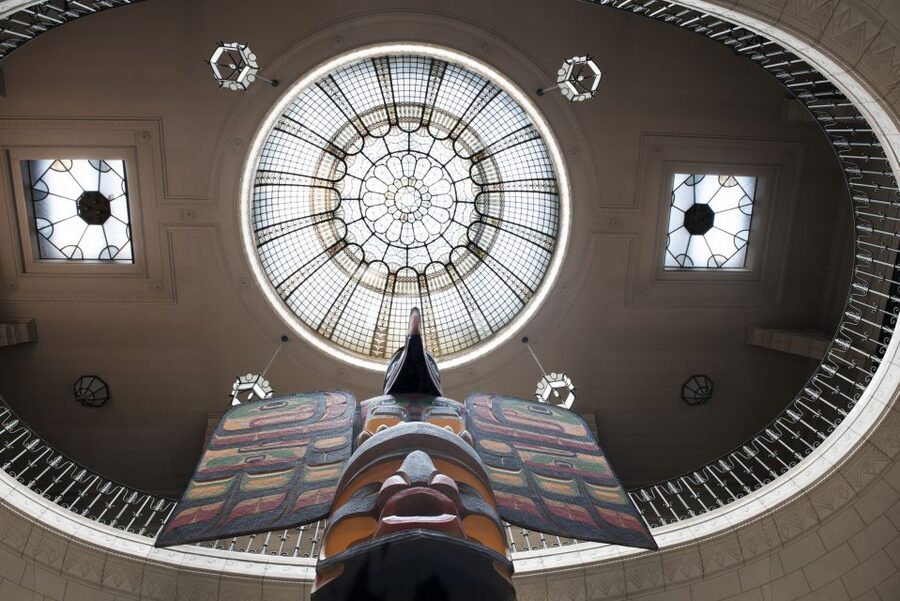
The Greek and Roman collections continue the ancient-world sequence. Their importance is not only in individual objects, but in the way they show the cultural foundations that shaped Europe.
The model of Roma is a highlight. It gives you a broad view of ancient Rome in miniature, helping you understand the city as a dense, organized place rather than a series of disconnected ruins. If you have visited Roman sites elsewhere, the model can help tie those fragments together.
I especially like this kind of display because it rewards close looking without requiring specialist knowledge. You can spend a few minutes taking in the overall city, then examine details that catch your eye. It is a useful stop for adults and children alike.
The ancient galleries also create a strong contrast with the Belgian and European sections that follow. You move from the distant Mediterranean world toward objects shaped by European religious, domestic, and artistic life. That change is one of the pleasures of a museum organized across long stretches of time.
Medieval objects and European decorative arts
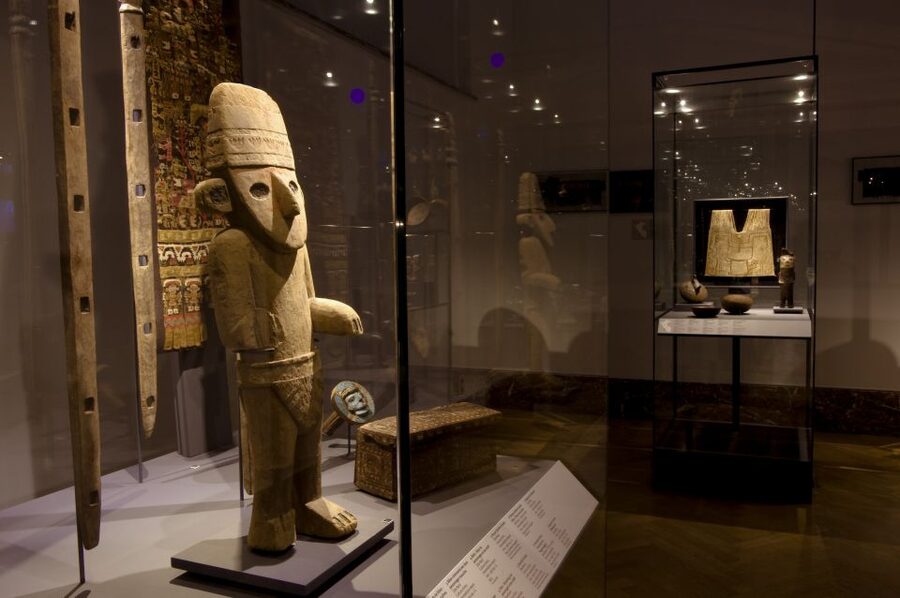
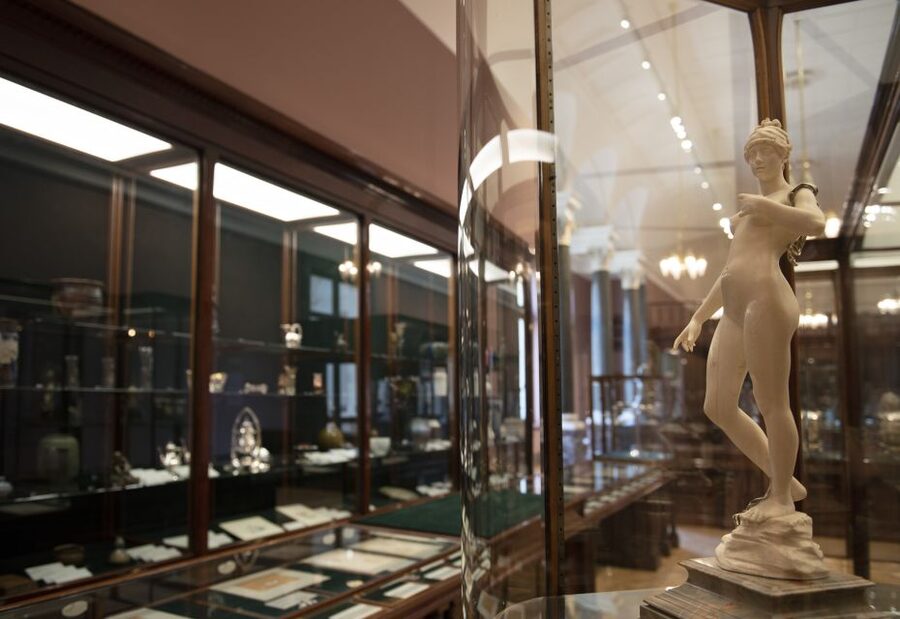
The European decorative arts collection runs from the 10th through the 20th century. This is a wide category, covering many centuries and styles rather than focusing on one famous period.
You can use this section to see how European taste changed over time. The objects are not only about beauty. Decorative arts can reveal how people furnished homes, expressed faith, displayed wealth, and developed new ideas about design.
The medieval material provides a bridge between the ancient world and later European culture. After that, the collection continues through the 16th, 17th, and 18th centuries before reaching the design movements of the early 20th century.
Art nouveau and art deco give the visit a modern finish. These works show a Europe moving toward new forms, materials, and visual language. If the ancient galleries feel remote, the early 20th-century rooms can bring the story closer to the world you recognize.
The drawback is that a collection covering 1,000 years can feel selective. You should not expect every period to receive equal space or the depth of a specialist museum. Instead, think of this area as a long visual survey.
Asian Buddhas and the non-European galleries
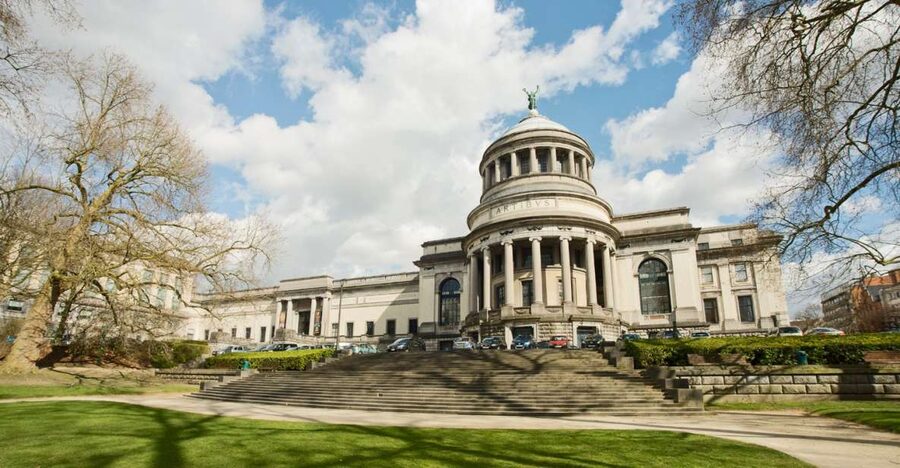
The non-European collections include the Islamic world, India, and China. These galleries broaden the visit beyond the standard European museum route.
Asian Buddhas are among the most memorable sights in this part of the museum. Passing them gives you a chance to consider how religious images, gestures, and forms differ across cultures. You do not need to know the technical details to appreciate the calm presence of the sculptures.
The Islamic-world collections add another major cultural area, while the Indian and Chinese material gives the museum a wider Asian focus. Together, these collections prevent the visit from becoming only a story about Belgium and Western Europe.
I recommend setting aside real time for this section rather than treating it as an extra corridor. The museum’s international holdings are one of the reasons the $11 admission offers good value. You are getting more than a national history museum, but you should also accept that a single visit will only introduce these cultures.
How to plan your one-day visit
The ticket is valid for one day, and availability should be checked for the starting time offered when you book. Since the museum contains several major sections, I would plan a flexible visit rather than a strict minute-by-minute schedule.
A practical order is to begin with prehistory and national archaeology, continue through Egypt, Greece, and Rome, then move into European decorative arts. Finish with the non-European collections if you still have energy, or reverse that order if Asian and Islamic art are your main interests.
You can also divide the day by subject. Spend the first part with ancient civilizations, take a break, then return to European design and non-European cultures. The surrounding park makes that approach especially useful.
The museum is wheelchair accessible, which helps visitors who need step-free access. Flash photography is not allowed, so keep your camera use within that rule. The provided information does not specify other photography restrictions, so follow signs inside the galleries.
Cinquantenaire Park makes a useful ending
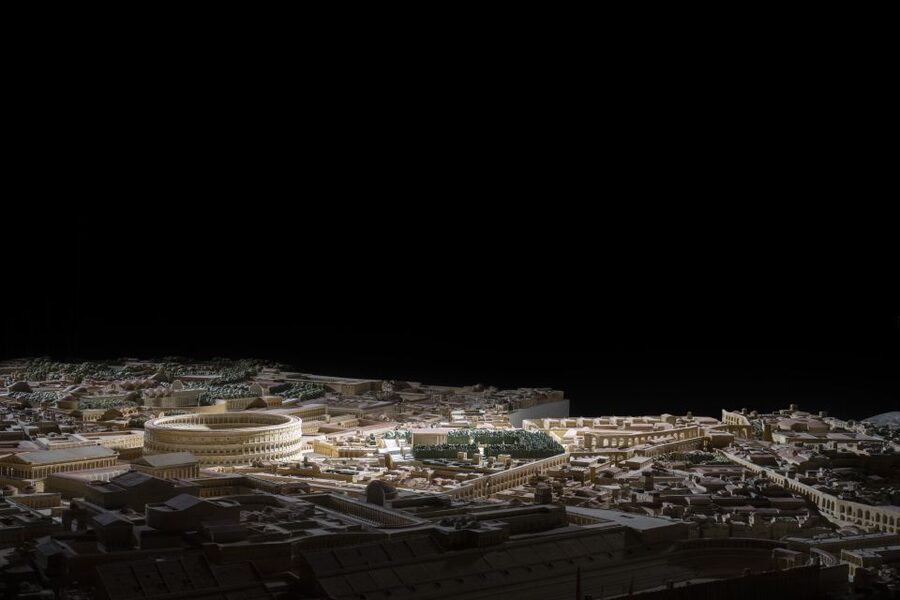
After the museum, Cinquantenaire Park gives you room to reset. An impromptu picnic is a fitting end because the park is directly tied to the museum setting rather than requiring another trip across Brussels.
You can use the outdoor break to talk through the objects that stayed with you. Perhaps it will be the model of Roma, the mummies, the Buddhas, or a Belgian object from the national archaeology section. The park also helps prevent the museum from becoming an exhausting indoor marathon.
I would bring or pick up food separately if you want a picnic, since the ticket covers museum entry only. The experience information does not include food, a guide, or any special park arrangement, so treat the picnic as your own add-on.
Is the $11 ticket good value?
For $11, I think this is a strong deal if you enjoy museums and can give the collection several hours. The combination of ancient history, Belgian archaeology, European design, and Asian and Islamic art gives you plenty to see for the price.
There is one important money-saving check. A Belgian visitor who already had a Museum Pass paid €8 unnecessarily, so you should confirm whether your own pass includes this museum before buying a separate ticket. The listed price is $11, but the separate payment may be avoidable if your pass grants admission.
The ticket also allows free cancellation up to 24 hours before the visit and offers a reserve-now, pay-later option. Those terms are helpful if your Brussels schedule is still moving around, but they do not change the main value question: the museum is worth it when you plan to stay long enough to explore several sections.
Who should book this museum visit?
I would recommend it to families, history fans, art lovers, and anyone looking for a substantial indoor activity near the European quarter. The ancient galleries offer clear visual hooks, while the European and non-European collections give adults plenty of material to consider.
It is also a good choice on a rainy Brussels day. You can spend the morning with archaeology and ancient civilizations, then use the later hours for decorative arts and international collections.
I would be more cautious if you dislike large museums or prefer a tightly guided experience. There is no guide included, and the wide range can feel scattered if you do not choose a focus. You will get the most from it by deciding what matters most to you before entering.
Should you book the Royal Museum of Art and History?
Book it if you want one ticket that links Belgian archaeology with Egypt, Greece, Rome, European design, and Asian cultures. The model of Roma, the mummies, and the Asian Buddhas provide memorable anchors, while the full-day validity gives you room to explore without rushing.
Skip it if you only have a short time in Brussels or prefer a small museum with one clear subject. Also check your Museum Pass first. If it already covers entry, paying again makes little sense. Otherwise, $11 is a fair price for a large, wheelchair-accessible museum followed by a picnic in Cinquantenaire Park.
FAQ
Where is the Royal Museum of Art and History located?
It is located at Parc du Cinquantenaire in the Brussels Capital Region, Belgium.
Is the entrance beside Autoworld?
No. The museum entrance is on the other side of the building. Walk around the corner and follow the signs.
How long is the ticket valid?
The ticket is valid for one day.
Is the museum wheelchair accessible?
Yes, the museum is wheelchair accessible.
Can I cancel my booking?
Yes. You can cancel up to 24 hours in advance for a full refund.
Which public transport stops are near the museum?
The nearest train stations are Merode and Schuman. The nearest metro station is Schuman. Buses 22, 27, and 80 stop at Galliërs, bus 61 stops at Merode, and trams 81 and 82 also stop at Merode.
Is flash photography allowed?
No. Flash photography is not allowed.
Just added around Belgium
- Historical walk in Bruges with local guide. Praline included★ 5.0 · 31 reviews
- Ghent: Private Tour in Historical Center★ 4.9 · 22 reviews
- Brussels on Foot: Historic Center with a Local Guide in 2 hours★ 4.3 · 36 reviews
- Brussels: BELvue Belgium History Museum Entry Ticket★ 4.6 · 27 reviews
- Bruges: Historical Walking Tour with Food Tasting★ 3.6 · 22 reviews
- Bruges: Nightly Tales and Untold History Walking Tour★ 4.9 · 154 reviews
- Bruges: History, Chocolate and Beer Walking Tour★ 4.9 · 65 reviews
- Unforgettable Bruges: Sightseeings, History and Tasting.★ 4.3 · 27 reviews
Museum & Gallery History Tours, compared.
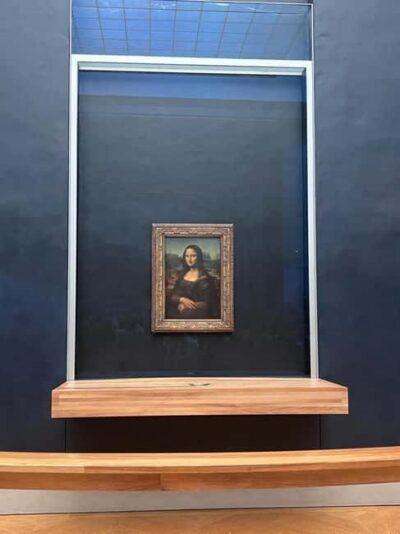
Louvre Museum Entry with History of Mona Lisa
Read our review →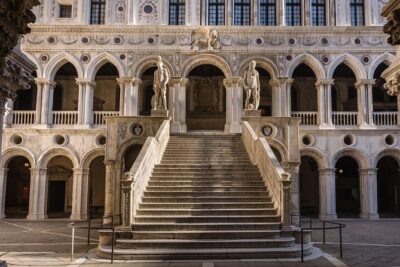
Venice’s Best: Basilica, Doge’s Palace, Gondola & History Gallery
Read our review →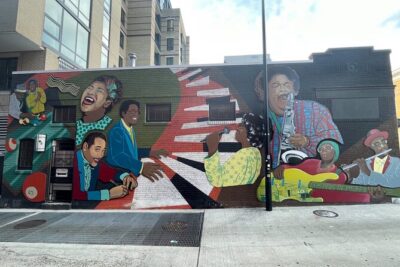
Guided African American History Tour with Reserved Museum Entry
Read our review →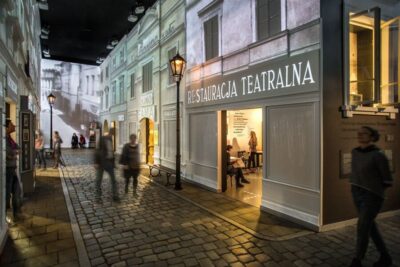
POLIN Museum of the History of Polish Jews Ticket
Read our review →
Bell Tower & St Mark’s Square History Gallery Ticket
Read our review →
Field Museum of Natural History Ticket or VIP Tour
Read our review →
Madrid in a Day Tour:Royal Palace, Historic Center & Prado Museum
Read our review →
Basilica, Doge’s Palace, History Gallery & Bell Tower Option
Read our review →Browse the lists this tour appears in