
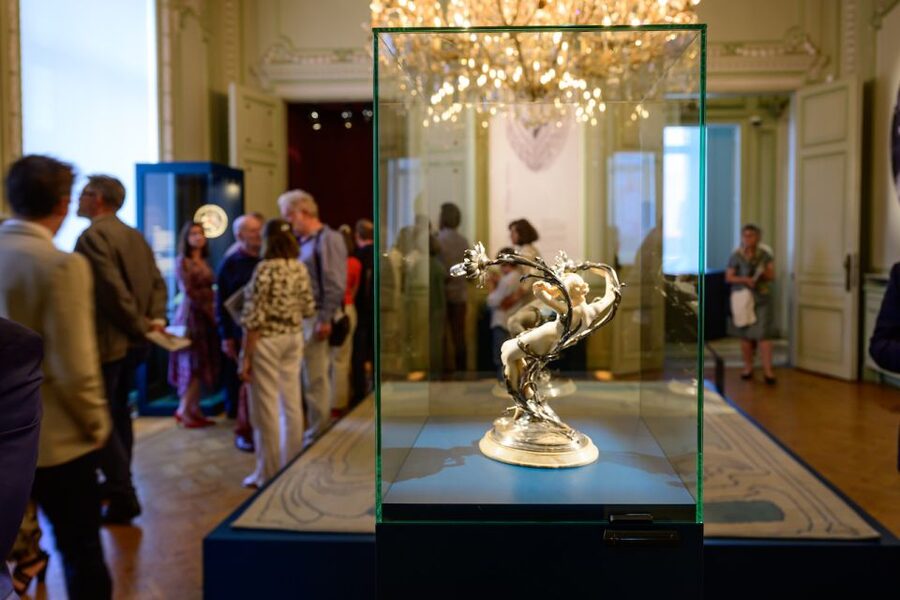
Review · BRUSSELS CAPITAL REGION
Brussels: BELvue Belgium History Museum Entry Ticket
Belgium packs big questions into small rooms. The BELvue Museum makes the country’s story easy to approach, from democracy and migration to language and Europe. I like the clear seven-theme layout, and I like the gallery of more than 200 everyday objects, including coffee filters, an electric fryer, crystal, and a football signed by the Red Devils. The main drawback is that the displays may feel crowded, with plenty to read, watch, and hear in each room.
This is a good pick if you want more than royal buildings and chocolate shops. The museum sits beside the Royal Palace, costs $11 per person, and gives you a free audio guide for your own phone. Plan your visit around your interest level: people who enjoy history and social issues may want to take their time, while casual museumgoers might find the amount of material a little long.
Key points before you go
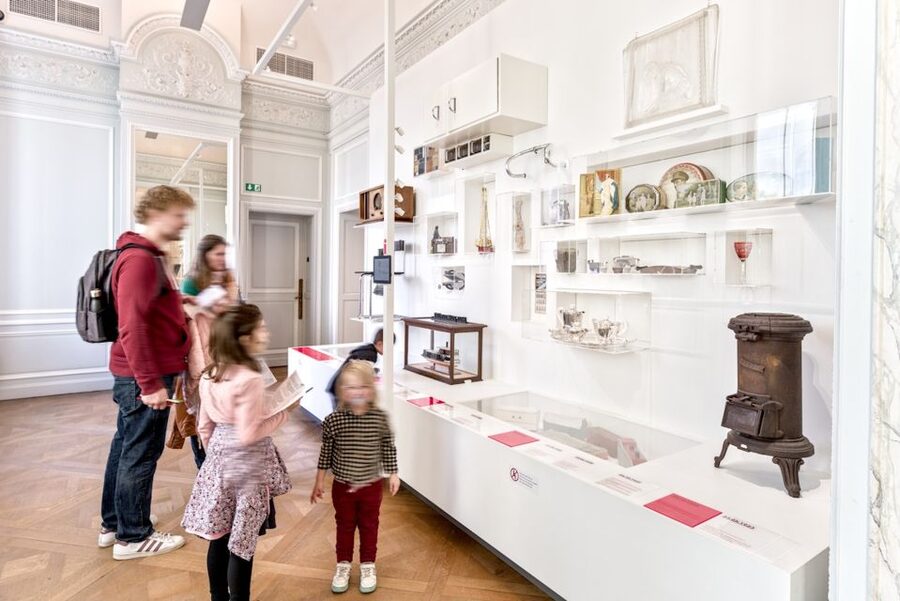
- Seven rooms, seven themes: Follow Belgium through democracy, prosperity, solidarity, pluralism, migration, language, and Europe.
- A museum of daily life: See more than 200 objects, from household inventions to Val Saint-Lambert crystal and a signed Red Devils football.
- Strong social focus: Videos, charts, news clips, and personal testimonies explain Belgium’s languages and social security system.
- Audio guide on your phone: Content is offered in Dutch, English, French, German, and Italian in the activity details.
- Easy central location: The entrance is next to the Royal Palace in Brussels.
- Good value at $11: The ticket is valid for one day and includes a visitor booklet and audio guide, but not a human guide.
A clear introduction to Belgium beside the Royal Palace
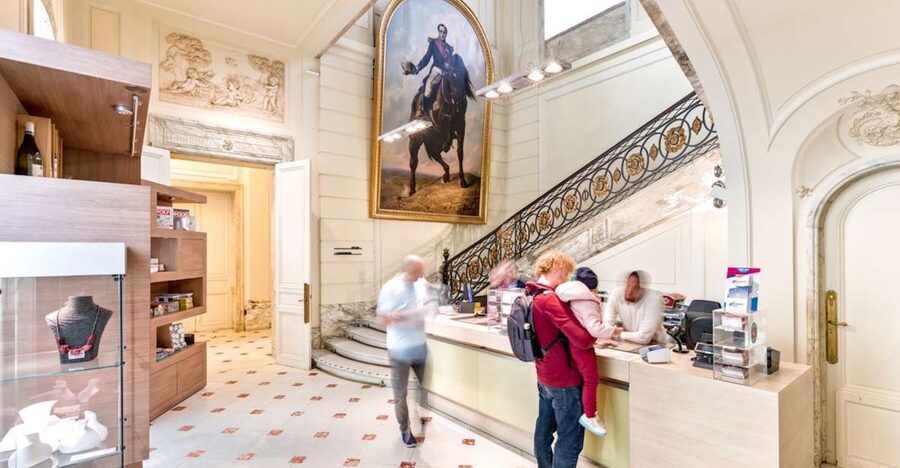
The BELvue Museum offers a useful counterpoint to the grand setting outside. You enter beside the Royal Palace, then move into a museum concerned less with royal ceremony and more with how Belgium works as a country and society.
That contrast gives the visit its purpose. The palace represents national tradition and public symbols. BELvue asks you to think about the systems, arguments, habits, and shared objects that shape ordinary Belgian life.
You can visit alone, with friends, or with children. Since the audio guide runs on your own mobile phone, you are not tied to a group or a fixed guide. That gives you control over the pace, though you should arrive with a charged phone if you want to use the audio material fully.
The ticket is valid for one day, rather than for a timed tour. The supplied information asks you to check availability for starting times, so check the booking details before setting out. There is no hotel pickup, drop-off, or live guide included.
More Museum and Gallery History Tours in Belgium:
- Brussels: Museum Art & History Entry Ticket
★ 4.5 · 58 reviews - Paris: Louvre Museum Entry with History of Mona Lisa
★ 3.9 · 2,823 reviews - Venice’s Best: Basilica, Doge’s Palace, Gondola & History Gallery
★ 4.5 · 2,478 reviews
Seven rooms that explain how Belgium works
The museum’s main route is organized around seven themes. This is more useful than a simple date-by-date history display because it connects Belgium’s past with present-day questions.
Democracy
The democracy room looks at how the country is governed and how citizens take part in public life. Expect news clips, posters, charts, graphs, and other visual material rather than a room filled only with old objects.
This section should suit you if you want a basic framework for understanding Belgium. It helps explain that national history is not only about kings, wars, and famous buildings. It is also about voting, institutions, public debate, and the way a small country manages competing interests.
Prosperity
Prosperity turns attention to work, wealth, and the material side of Belgian life. This theme pairs especially well with the object gallery, where practical inventions and familiar household items show how social change can appear in everyday routines.
The museum does not leave Belgium’s story at the level of abstract policy. Items such as coffee filters and an electric fryer bring the subject down to kitchen-table scale. You may recognize the objects, but the museum encourages you to see them as part of the country’s industrial and consumer story.
More Entry Tickets in Belgium:
- Edinburgh: Edinburgh Castle Guided History Tour with Tickets
★ 4.8 · 9,933 reviews - Taormina: Ancient Theater Skip-the-Line Ticket & Audio Guide
★ 4.5 · 2,412 reviews - Historic Milan Tour with Skip-the-Line Last Supper Ticket
★ 4.5 · 1,976 reviews - Prague: Hop-on Hop-Off Historical Tram Ticket for Line 42
★ 4.1 · 1,702 reviews
Solidarity
Solidarity deals with the ways Belgian society supports people. This is where the material about social security becomes especially important.
The museum uses videos and explanations to show how social protection fits into contemporary Belgium. If you know little about the country’s social system, give this room some time. It provides context that you will not get from a quick walk around the Royal Palace or a standard city sightseeing route.
Pluralism
Pluralism considers the fact that Belgium contains different communities, beliefs, and political viewpoints. The theme connects closely with the country’s complicated public life, where agreement is often built by balancing several interests.
You will find different kinds of evidence here, including visual material and contemporary testimonies. Personal voices can make the subject easier to follow, though the amount of information may feel heavy if you prefer a short, object-focused museum.
Migration
Migration brings movement and arrival into the story of Belgium. It shows that the country cannot be understood only through old national symbols or local traditions.
This room should be valuable if you want a more current view of Belgian society. The focus is not simply on what Belgium was, but on how people and ideas have shaped the country over time. Because the display uses several media types, you may need to pause and decide which parts matter most to you.
Language
Language is one of the most useful themes for a first-time visitor. Belgium’s linguistic divisions affect public life, identity, and politics, and the museum uses videos to explain the country’s spoken languages.
Do not rush this section. Even a short stay in Brussels can expose you to different language communities, and this room gives you a clearer reason for that complexity. The material can help you understand why language is not a minor cultural detail in Belgium.
Europe
The Europe room places Belgium within the wider European project. That makes sense for a Brussels museum, since the city is closely linked with European institutions and international politics.
This final theme broadens the story beyond the borders of the country. After seeing the rooms on democracy, language, migration, and social security, you can consider how Belgium operates as both a nation and part of Europe.
News clips and personal voices keep the story current
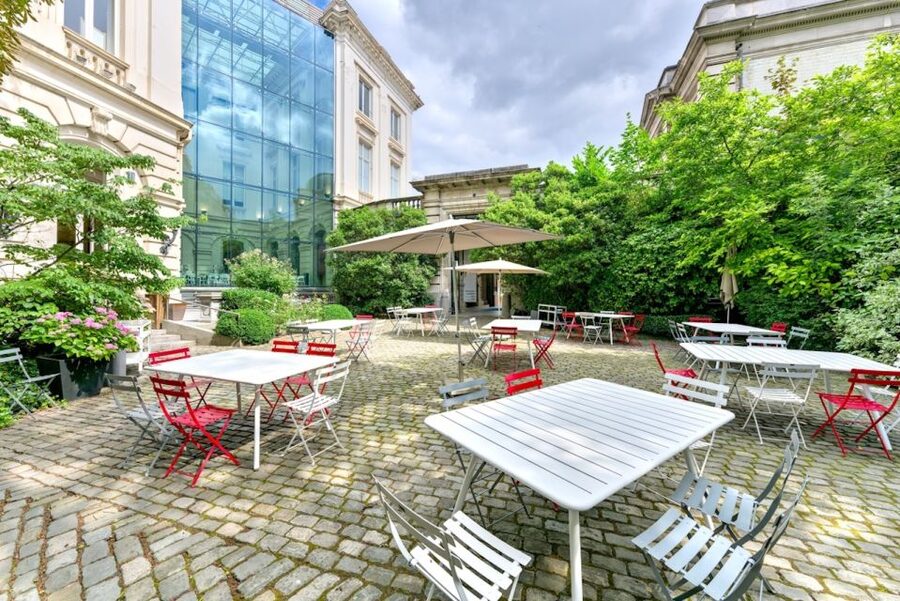
BELvue does not rely only on old documents in glass cases. You can watch videos, examine news clips, read posters, study charts and graphs, and listen to contemporary testimonies.
That mix is one of the museum’s strongest features. You get facts, but you also get arguments and lived experiences. For many people, that will make Belgium easier to understand than a long line of dates and rulers.
There is a tradeoff. Different media compete for your attention, and one verified booking experience described the presentation as attractive but long, with so much happening that it could be hard to know where to look. I suggest choosing a few themes that interest you most instead of trying to absorb every screen and panel with equal attention.
The gallery turns national history into ordinary objects
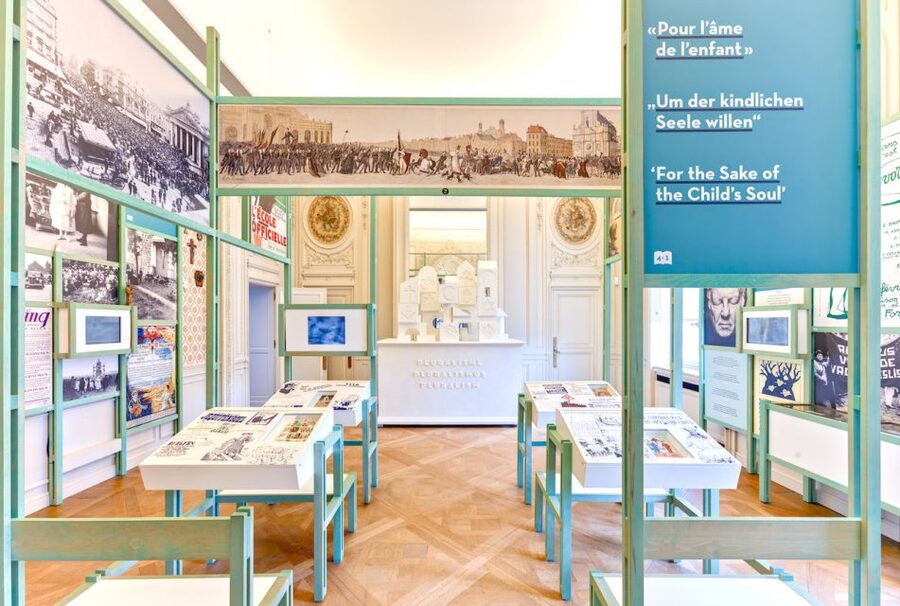
The gallery contains more than 200 objects that represent the material memory of Belgium. This is the part likely to appeal to people who are not natural history-museum fans.
You might find yourself spending more time with a familiar household item than with a political chart. Coffee filters and an electric fryer show how design and technology enter daily life. Val Saint-Lambert crystal vases add a more decorative and prestigious side to the collection.
Football supporters get their own point of connection with a ball signed by the Red Devils. It is a small detail, but a smart one. National identity is not built only through government and public institutions. It also grows through sport, products, home life, and shared memories.
The collection has a distinctly Belgian focus, which gives the museum character. At the same time, do not expect every object to be rare or visually grand. Some appeal comes from recognition and context rather than beauty.
Using the audio guide without losing your own pace
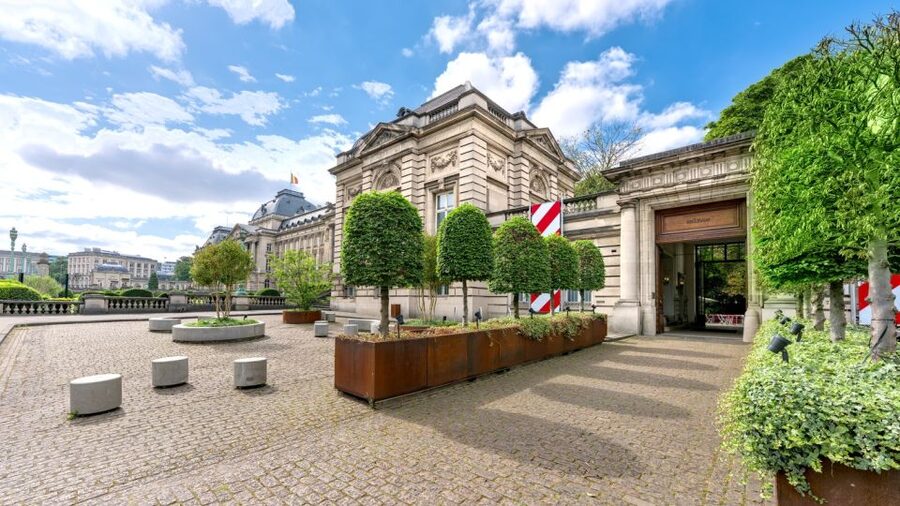
The free audio guide is downloadable to your mobile phone. The activity information gives Dutch, English, French, German, and Italian as available languages, although one inclusion note describes it as being in four languages. Check the current language options when booking if your choice matters.
I like the phone-based format for an independent visit. You can pause, replay, or skip material, and you do not have to follow a guide’s timing. The visitor information booklet gives you another way to get oriented before choosing which rooms deserve the most attention.
The downside is practical rather than cultural. Your phone must be ready for the audio guide, and headphones may make the visit more comfortable. No live guide is included, so visitors who want conversation, explanation on demand, or a personal interpretation should know what they are booking.
How much time should you allow?
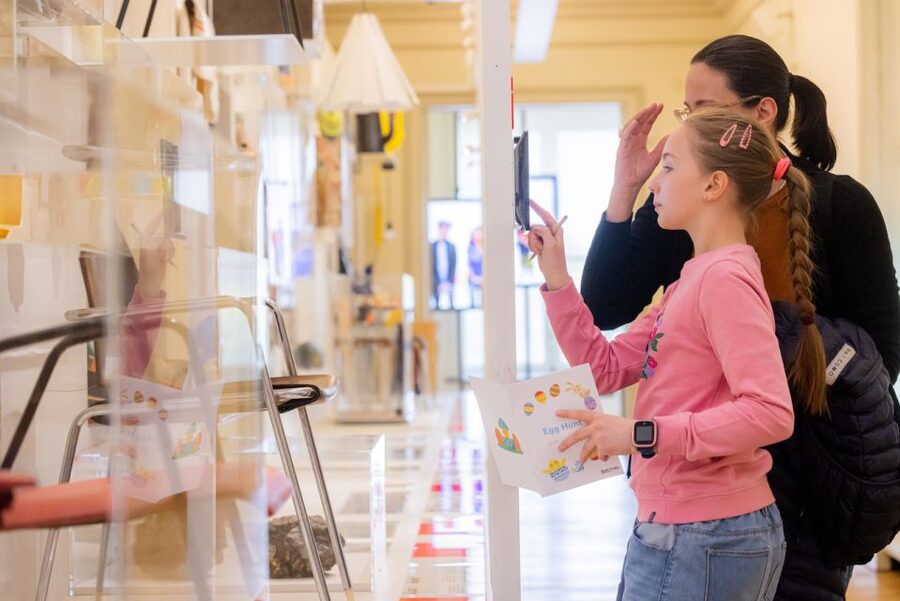
The ticket is valid for one day, but the experience does not promise a fixed visit length. That is useful because the museum can work as a short stop or a longer study visit.
If you are mainly interested in Belgian society, focus on language, migration, solidarity, and democracy. If you prefer objects, give the gallery more time. If you are visiting with children, the everyday items, football connection, videos, and visual material may offer easier entry points than the charts and policy explanations.
One important point is the museum’s density. A four-star assessment described the display as appealing but long, with many things competing for attention. I would avoid treating the visit like a race. Slow down for the objects or themes that speak to you, then move on when the material begins to blur together.
Who will find the $11 price worthwhile?
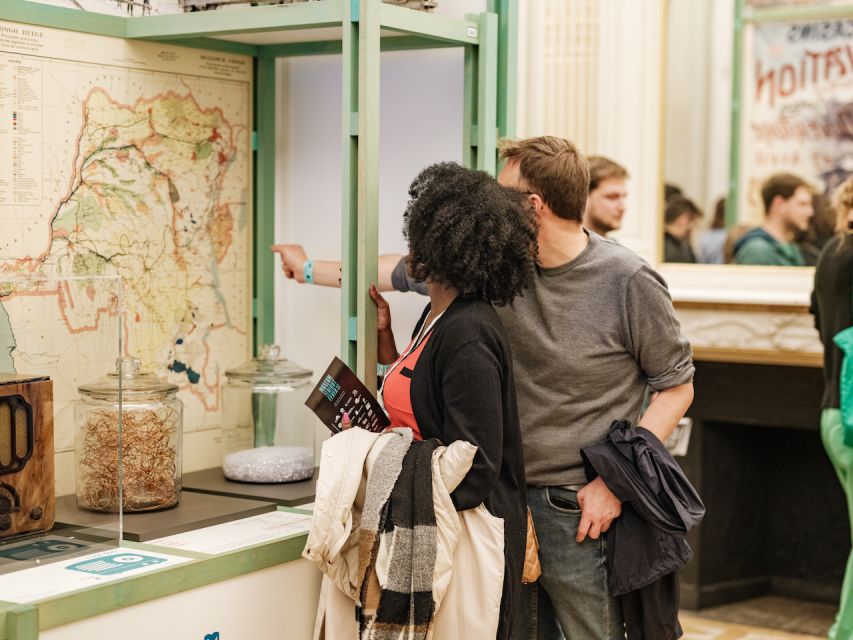
At $11, the ticket is reasonably priced for a central Brussels museum with a full-day validity, a booklet, and a downloadable audio guide. Its value is strongest if you want context about Belgium rather than another purely visual attraction.
The museum is particularly useful for:
- First-time visitors who want a basic understanding of Belgian society
- Adults interested in language, migration, democracy, or social security
- Families looking for a museum with objects and video material
- Football fans who enjoy cultural details beyond standard landmarks
- Visitors already seeing the Royal Palace and wanting a nearby indoor stop
It may be less suitable if you want a small, quiet collection that can be finished quickly. The displays cover seven broad themes and use several forms of media, so the experience can feel dense.
The price also compares well with the cost of a guided tour, since you get the freedom of a self-guided visit without paying for a private guide. Still, you are paying for interpretation and context, not a major collection of famous paintings or spectacular rooms.
Location, access, and practical details
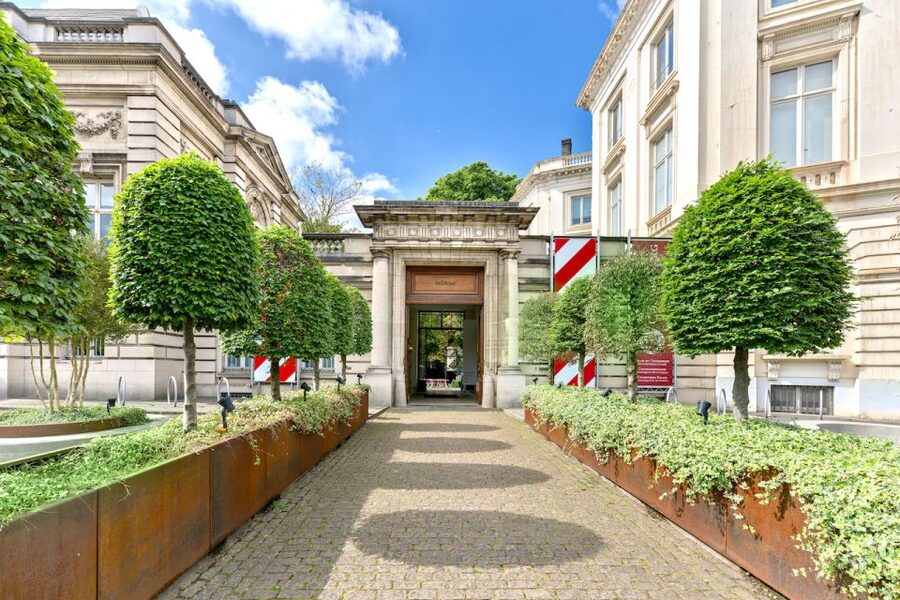
The entrance is next to the Royal Palace, making the museum easy to pair with a central Brussels visit. You do not need hotel transportation because pickup and drop-off are not included.
The museum is wheelchair accessible. If you plan to arrive with a wheelchair, notify the museum in advance so staff can make the right preparations. That is a useful step rather than something to leave until the day of your visit.
Pets are not allowed, but assistance dogs are permitted. The visit can be booked with free cancellation up to 24 hours in advance, and the reserve-now, pay-later option lets you hold a place without paying immediately. Check availability for the starting time and the latest audio guide language details before finalizing the booking.
Should you book the BELvue Museum?
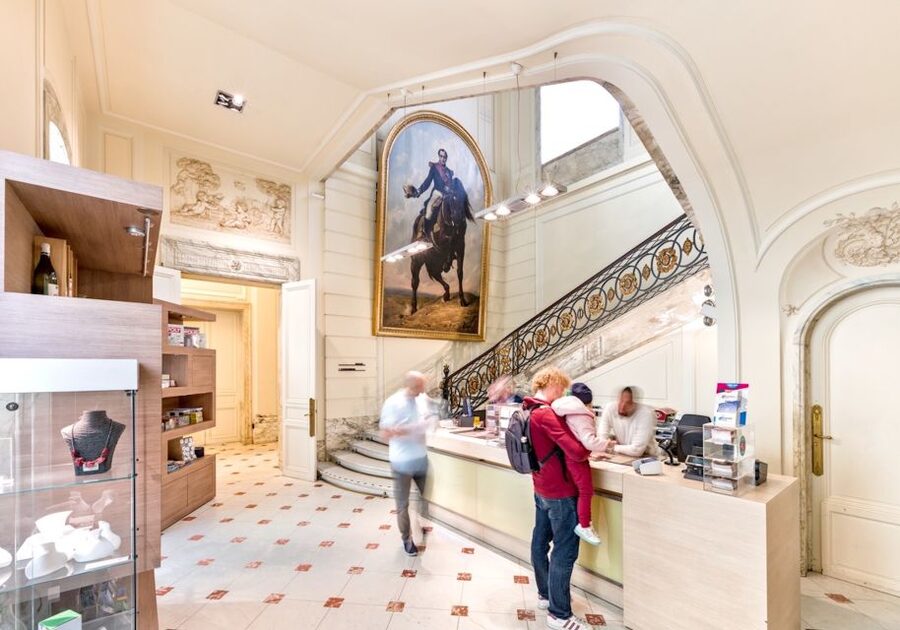
I would book it if you want to understand Belgium beyond waffles, beer, chocolate, and royal architecture. The strongest parts are the seven clear themes, the explanation of language and social security, and the gallery of ordinary objects that gives the country a human scale.
I would skip it if your Brussels schedule is very tight or if you know you dislike text-heavy museums. The displays can ask a lot of your attention, and the amount of material may feel long.
For most curious visitors, $11 is a fair price, especially when you use the audio guide and take your time with the rooms that interest you. Pair it with the Royal Palace area, bring a charged phone, and do not try to read every panel. That approach gives you the useful story without museum fatigue.
FAQ
Where is the BELvue Museum located?
The entrance is next to the Royal Palace in Brussels, in the Brussels Capital Region.
How much does entry cost?
The listed price is $11 per person.
How long is the ticket valid?
The ticket is valid for one day.
Is an audio guide included?
Yes. A free downloadable audio guide is included. The activity information lists Dutch, English, French, German, and Italian, while one inclusion note refers to four languages, so check the current options when booking.
Is a live guide included?
No. The ticket includes a visitor information booklet and downloadable audio guide, but not a live guide.
What does the museum cover?
The museum presents Belgium through seven themes: democracy, prosperity, solidarity, pluralism, migration, language, and Europe.
What can I see in the gallery?
The gallery contains more than 200 objects connected with Belgium, including coffee filters, an electric fryer, Val Saint-Lambert crystal vases, and a football signed by the Red Devils.
Is the museum wheelchair accessible?
Yes. If you are visiting with a wheelchair, notify the museum in advance so staff can make the right preparations.
Are pets allowed?
Pets are not allowed. Assistance dogs are permitted.
Can I cancel my booking?
Yes. You can cancel up to 24 hours in advance for a full refund. A reserve-now, pay-later option is also available.
Just added around Belgium
- Historical walk in Bruges with local guide. Praline included★ 5.0 · 31 reviews
- Ghent: Private Tour in Historical Center★ 4.9 · 22 reviews
- Brussels on Foot: Historic Center with a Local Guide in 2 hours★ 4.3 · 36 reviews
- Brussels: Museum Art & History Entry Ticket★ 4.5 · 58 reviews
- Bruges: Historical Walking Tour with Food Tasting★ 3.6 · 22 reviews
- Bruges: Nightly Tales and Untold History Walking Tour★ 4.9 · 154 reviews
- Bruges: History, Chocolate and Beer Walking Tour★ 4.9 · 65 reviews
- Unforgettable Bruges: Sightseeings, History and Tasting.★ 4.3 · 27 reviews
Museum & Gallery History Tours, compared.
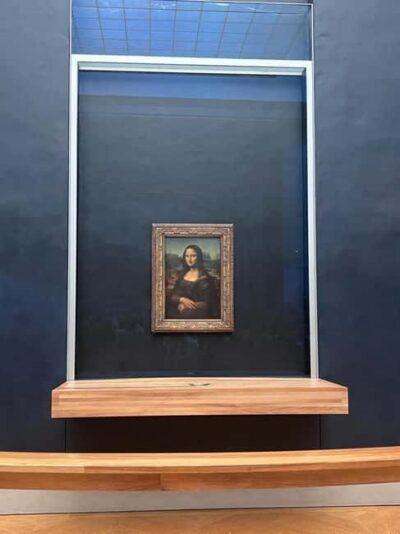
Louvre Museum Entry with History of Mona Lisa
Read our review →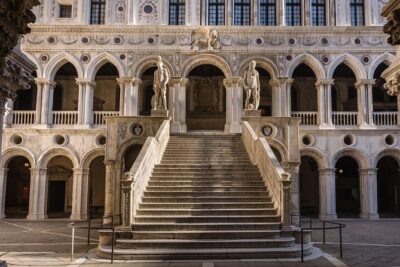
Venice’s Best: Basilica, Doge’s Palace, Gondola & History Gallery
Read our review →
Guided African American History Tour with Reserved Museum Entry
Read our review →
POLIN Museum of the History of Polish Jews Ticket
Read our review →
Bell Tower & St Mark’s Square History Gallery Ticket
Read our review →
Field Museum of Natural History Ticket or VIP Tour
Read our review →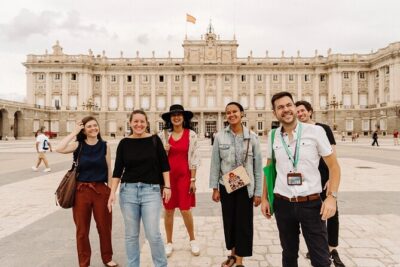
Madrid in a Day Tour:Royal Palace, Historic Center & Prado Museum
Read our review →
Basilica, Doge’s Palace, History Gallery & Bell Tower Option
Read our review →Browse the lists this tour appears in