
Review · PASHCHIMANCHAL
Afternoon Tibetan cultural tour
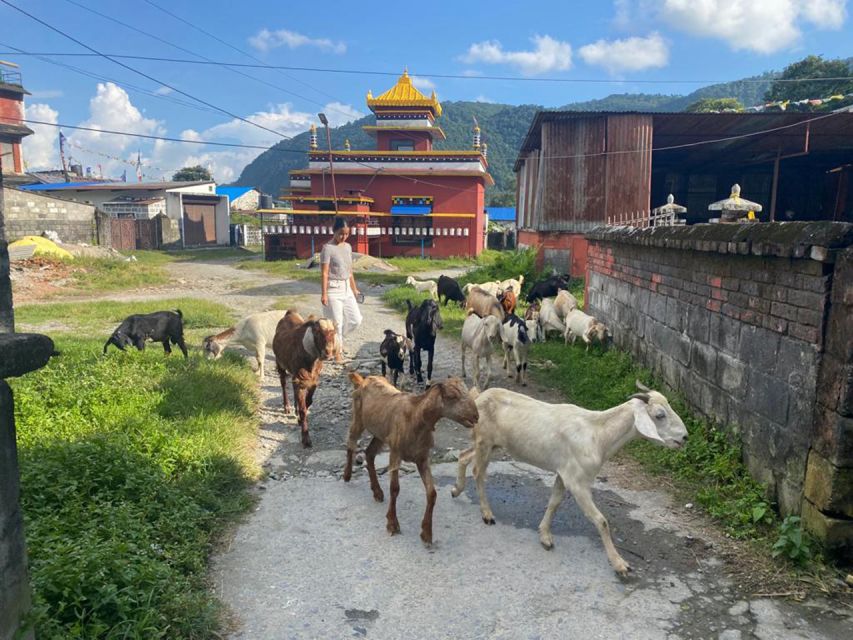
Pokhara has a quieter cultural story. This four-hour Tibetan cultural tour takes you beyond the lakeside strip to monasteries, a Tibetan refugee settlement, and a local family home. I like the direct access to places and people you would not easily find on your own, especially the chance to speak with a young Buddhist monk about monastic life.
I also like the food stop, where you try salted butter tea, tsampa, and Tibetan bread in a family home. Guide Thupten Gyatso is the heart of the experience, bringing personal knowledge and clear explanations to topics such as Buddhism, Tibetan identity, education, and life in exile. The main consideration is that this is an educational tour first, not a fast-moving sightseeing trip, and the four-hour version may leave you wishing for more time.
Key points at a glance
- A personal guide: Thupten Gyatso is a Tibetan native who explains culture, religion, and refugee life with warmth and detail.
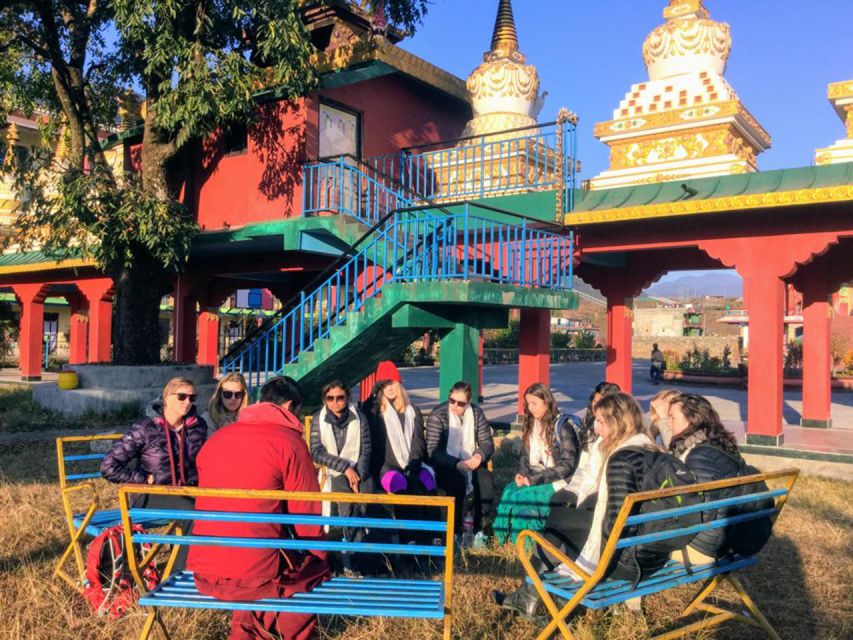
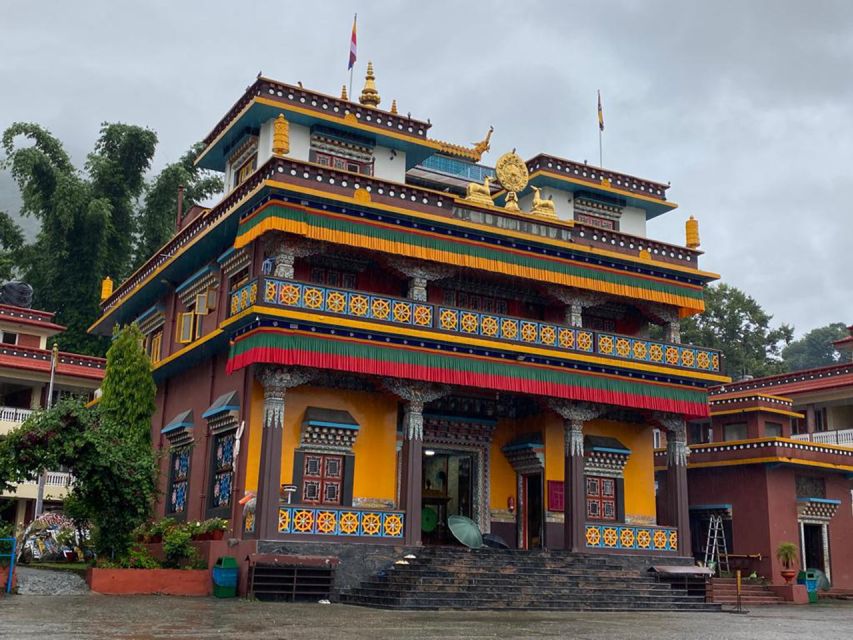
- Two monastery visits: See Pema Ts’al Sakya Monastic Institute, then attend afternoon prayer chanting at another monastery.
- A real conversation: Speak with a young monk about studies, vows, daily routines, and monastic life.
- Tibetan food in a family home: Try salted butter tea, tsampa, and homemade bread with honey, butter, and peanut butter.
- Small-group format: The group is limited to eight people, with pickup and drop-off around Pokhara’s Lakeside area.
- Good value at $56: The price covers transport in the Lakeside area, guiding, monastery visits, settlement access, food tasting, and mineral water.
Why this Pokhara tour feels different
Pokhara is best known for mountain views, boating, trekking access, and easygoing cafés. Those are good reasons to visit, but they tell only part of the story. Tibetan communities have built homes, schools, monasteries, and cultural institutions around the valley, and this tour gives you a guided introduction to that living culture.
I appreciate that the experience does not treat Tibetan culture as a museum display. You walk through a settlement, see how religious symbols fit into daily life, enter monasteries, and sit down for food. The focus is on understanding how people preserve language, faith, education, and identity while living outside Tibet.
Thupten Gyatso shapes the day. He explains what you are seeing as you travel, then adds personal and historical context at each stop. His approach is conversational, so you can ask about Buddhism, the Dalai Lama, refugee life, education, or the practical differences between Tibetan and Nepali settings.
The tour has earned a perfect five-star rating from 41 participants, and the repeated praise focuses on the same things: Thupten’s warmth, his command of the subject, the monk conversation, and the family meal. That consistency matters. A cultural tour can feel thin if the guide simply repeats facts. Here, the guide is the main bridge between you and the community.
More Local Culture and Traditions Tours in the world:
- Amsterdam Food and Cultural Tour with Tastings
★ 5.0 · 4,315 reviews - Sevilla Food Tour: Tapas, Wine, History & Traditions
★ 5.0 · 3,468 reviews - Tromsø: Reindeer Camp and Sami Cultural Tour with Lunch
★ 4.7 · 3,326 reviews
The first stop: Pema Ts’al Sakya Monastic Institute
The tour begins with pickup around Pokhara’s Lakeside area, followed by a scenic drive to Pema Ts’al Sakya Monastic Institute. The visit lasts about an hour and includes a photo stop, walking, sightseeing, and a guided look at the monastery.
This is where Thupten begins explaining Buddhist symbols and customs. You learn how to approach religious spaces, why people walk clockwise around sacred objects, and what prayer wheels, prayer flags, stupas, and butter lamps represent. These details are small, but they change the way you look at the rest of the day.
A prayer wheel is not simply colorful decoration, and a stupa is not just an attractive structure for photographs. Their shape, placement, and use connect to Buddhist practice. With the right explanation, the settlement and monastery become easier to read.
The institute also gives you a look at monastic education. The young monks study Buddhist philosophy and other subjects as part of their training. One detail that may stay with you is the role of debate in Buddhist study. A young monk has described philosophical debate as a favorite part of his education, which offers a useful correction to the idea that monastic life is only silent meditation.
The monastery visit is not designed as a long architectural tour. Its value comes from the interpretation and the opportunity to ask questions. If you want dramatic temples, elaborate museums, or a long list of photo stops, this may feel modest. If you want to understand what the symbols and routines mean, it is a strong opening.
Talking with a young Buddhist monk
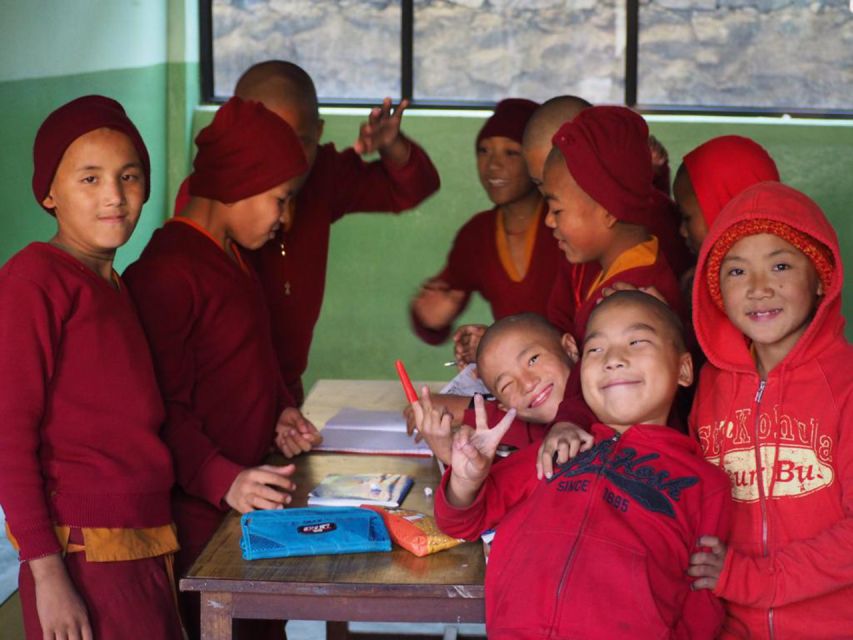
The conversation with a monk is the most unusual part of the afternoon. You can ask about his studies, vows, daily schedule, religious ideas, and life inside the monastic institute.
This is not a staged performance. The appeal comes from having time for a real exchange, with Thupten helping provide context when needed. Several participants have found this the most meaningful part of the experience because it moves Buddhism from an abstract subject to a person’s daily life.
You may be interested in how young monks spend their time, how they learn Buddhist philosophy, or what led them to monastic life. The format allows questions that a standard temple visit usually does not.
Approach the conversation with respect. You are entering a religious and educational setting, not attending an entertainment show. Listen carefully, avoid interrupting prayer or study, and let the exchange develop naturally. The experience is especially useful if you have read about Buddhism but still want to understand how its teachings operate in one person’s routine.
For some people, this conversation will be the main reason to book. For others, the more important part will be the refugee settlement and family visit. Either way, it gives the tour a human center.
Tashi Palkhel Tibetan Settlement and its schools
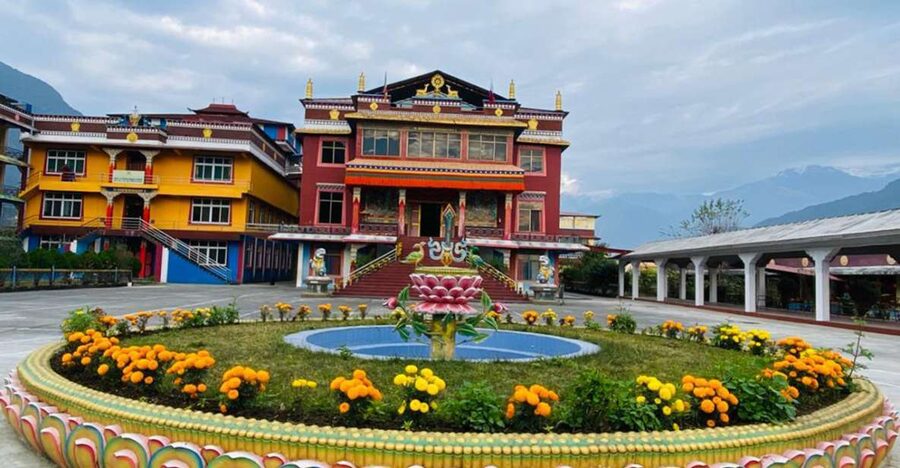
The second major part of the afternoon takes place at Tashi Palkhel Tibetan Settlement. You spend about two hours here walking, sightseeing, tasting local food, and learning about the community.
The settlement offers a grounded view of Tibetan life in Nepal. Thupten explains how Tibetan people have preserved their language, Buddhist traditions, and sense of identity while adapting to a new country. You also learn about the difficulties of building a new life away from Tibet, including the effort required to maintain community institutions.
Education is an important part of the visit. You explore the role of Tibetan schools and learn how the educational system helps preserve language and culture. This is one of the strongest reasons to choose this tour over a simple monastery visit. You are not only hearing about religion. You are learning how a community protects its future through schools, family life, and shared traditions.
The walking portion is not strenuous, but you should be comfortable on foot for part of the visit. The tour is not suitable for wheelchair users, and children under five are not accepted. If you have limited mobility, ask about the walking conditions before booking.
Tashi Palkhel is also the place to pay attention to ordinary details. Prayer wheels, flags, stupas, and butter lamps appear within daily surroundings rather than behind glass. The guide helps you understand how religious practice fits into family and community life.
A few more history tours around the world worth a look
- History and Hauntings of Salem Guided Walking Tour
★ 5.0 · 14,564 reviews - Colosseum: Underground and Ancient Rome Tour
★ 4.7 · 12,691 reviews - Lisbon: History, Stories and Lifestyle Walking Tour
★ 4.8 · 10,902 reviews - London Small Group Tour of Historical Pubs
★ 5.0 · 10,422 reviews
Prayer chanting at the monastery
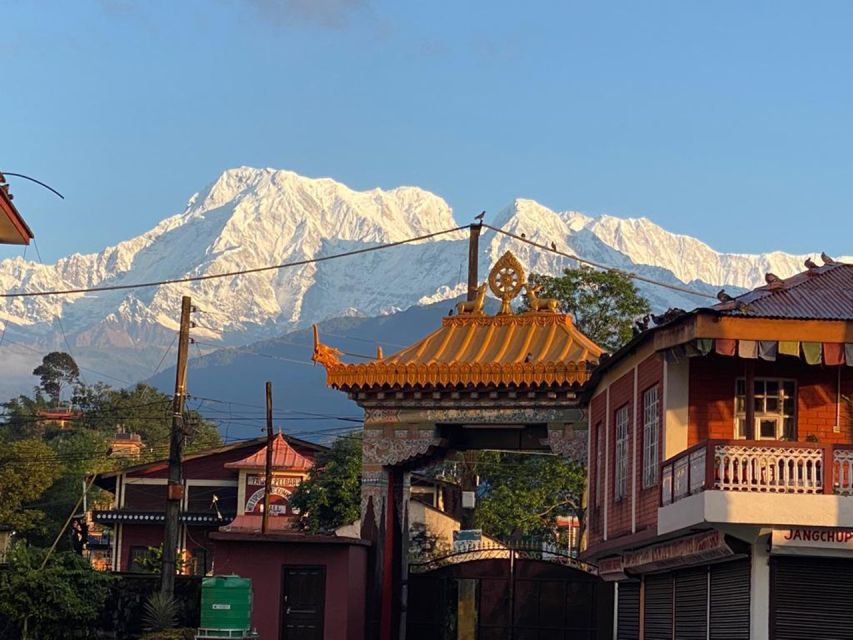
At another monastery, you attend an afternoon group prayer session with monks. You are there to watch and listen rather than participate as a religious practitioner.
The chanting is accompanied by traditional instruments, and the sound has a physical quality that can be felt as well as heard. The pace and tone differ from the Buddhist chanting you may know from other parts of Asia. Even if you do not follow the prayers, the setting gives you a better sense of how communal worship works.
This portion requires quiet attention. It is not the moment for constant photography or conversation. The experience is strongest when you allow the chanting, instruments, and movement of the ceremony to unfold without trying to turn every moment into a picture.
The timing is worth noting. The activity is sold as an afternoon tour, but some descriptions refer to evening tea and prayer. Exact start times can vary, so check availability for your date and confirm the schedule when booking.
Butter tea, tsampa, and Tibetan bread
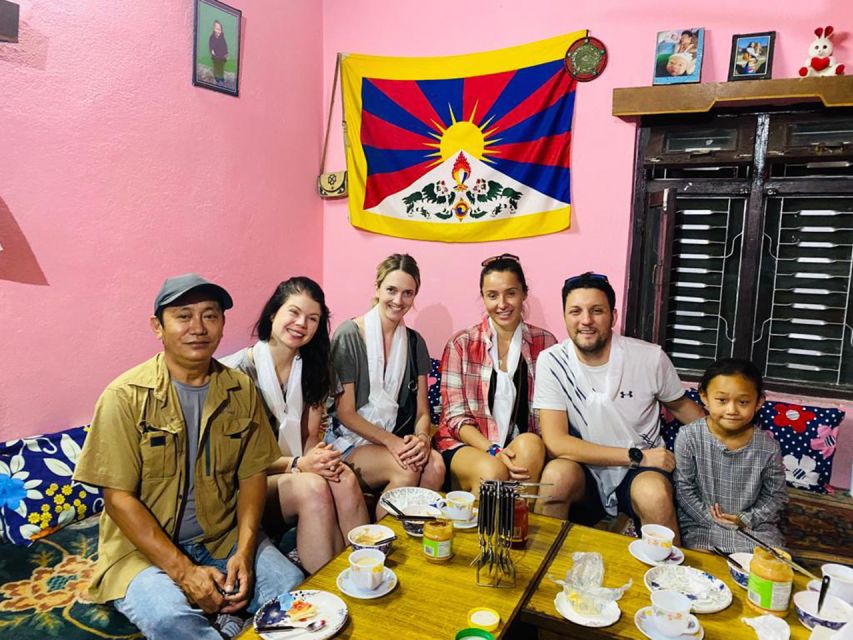
The food stop takes place at a local Tibetan family home in the settlement. You sample salted butter tea, tsampa made from roasted barley flour, and homemade Tibetan bread served with honey, butter, and peanut butter.
Butter tea is not sweet tea. It is salty, rich, and made with butter, so it may surprise you if you expect a standard cup of tea. Tsampa has a roasted barley flavor and connects directly to everyday Tibetan food traditions. The bread and spreads make the tasting easier for cautious eaters.
I like this part because the meal is tied to conversation. Thupten explains the food and the way of life in the settlement, while the family setting gives you a more personal view than a restaurant meal would. You are not only sampling unfamiliar flavors. You are learning where they fit in Tibetan life.
Do not schedule a heavy meal immediately afterward. The food is described as snacks and a tasting rather than a full restaurant lunch, but it is substantial enough that you may not want dinner right away.
Food preferences may affect your enjoyment. The listed tasting centers on butter tea, barley flour, bread, honey, butter, and peanut butter. If you have allergies or dietary restrictions, ask what can be adjusted before the visit.
Thupten Gyatso makes the difference
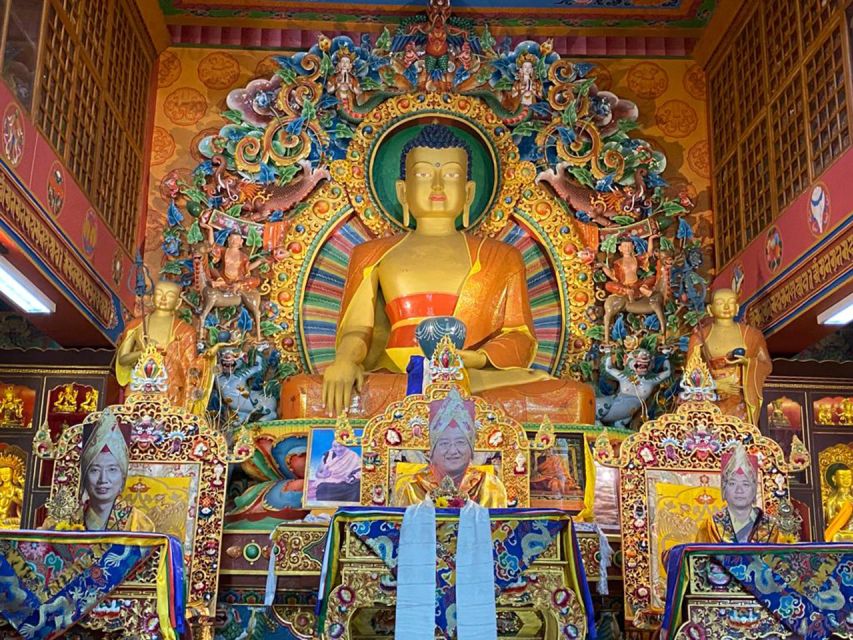
The most praised element of this tour is Thupten Gyatso. He is described as a Tibetan native with a strong connection to the region, and his role goes far beyond driving you between stops.
He explains Buddhism in plain language, gives historical and political context, and connects major subjects to ordinary life. Participants have especially valued his explanations of Tibetan refugee experience, the importance of the Dalai Lama, education, and the challenges of adjusting from Tibet’s high mountain environment to Nepal.
His English is described as fluent, and his style is friendly and patient. That matters because the tour covers subjects that can quickly become complicated. You may ask about religion, identity, exile, or monastic vows without needing prior knowledge.
Thupten also makes room for reflection. The tour is not only about collecting facts. It asks you to consider how a community keeps its traditions alive after displacement. That gives the four hours a seriousness that a typical cultural stop may not have.
The trade-off is that the pace depends heavily on conversation. If you prefer a guide who gives short explanations and moves quickly, you may find the storytelling long. I would choose this tour precisely because the talking is the point.
What the $56 price includes
At $56 per person, this is not the cheapest way to spend an afternoon in Pokhara. It is, however, a fair price for a small-group experience with a specialist guide and several parts that would be difficult to arrange independently.
The fee includes:
- Tibetan guide services
- Pickup and drop-off around Lakeside
- Visits to a Tibetan refugee settlement and Buddhist monasteries
- A conversation with a Buddhist monk
- Afternoon prayer chanting
- Cultural explanations about symbols, education, religion, and refugee life
- Tibetan food and tea tasting in a family home
- Mineral water
The group is limited to eight participants, which gives you a better chance to ask questions and hear the monk clearly. It also makes the family visit feel less crowded.
Transportation outside the Lakeside area costs extra, with the amount depending on your hotel location. Confirm this before booking if you are staying elsewhere in Pokhara.
The tour offers free cancellation up to 24 hours before the start time and allows you to reserve now and pay later. Those policies are useful if your Pokhara schedule depends on weather, trekking plans, or transport delays.
Who should book this afternoon experience?
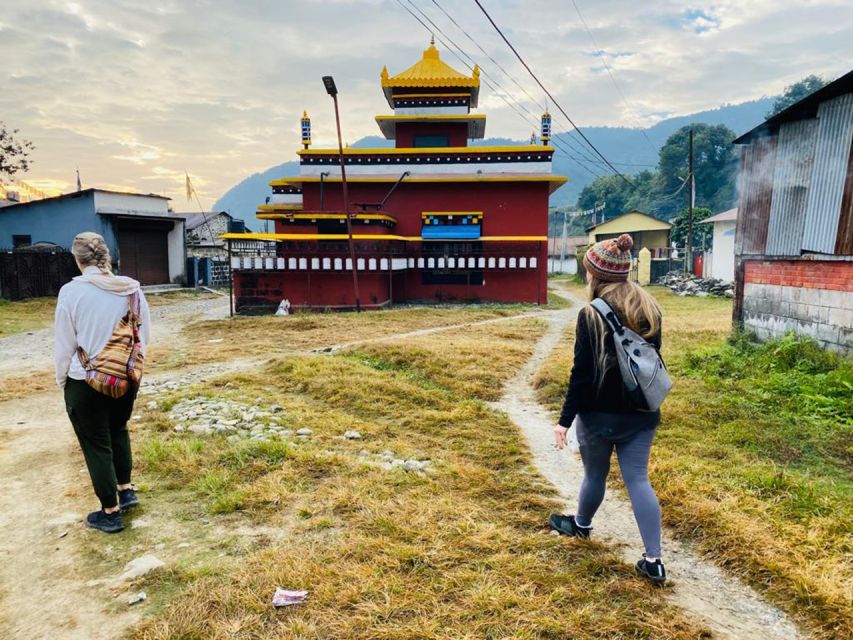
I would choose this tour if you want to understand Tibetan culture rather than simply take photographs at a monastery. It suits adults, couples, solo visitors, students, and small groups who enjoy asking questions and listening to personal stories.
It is especially useful for you if:
- You know little about Tibet and want a clear introduction.
- You are interested in Buddhism and monastic education.
- You want to learn about Tibetan communities living in Nepal.
- You value local food and family settings.
- You prefer a small group to a large sightseeing bus.
- You want a meaningful half-day activity from Pokhara.
It may not suit you if you want a relaxed café afternoon, a major archaeological site, or a tour built around mountain views. The experience also involves walking and is not suitable for children under five or wheelchair users.
Several participants wished they had booked the full-day version after finding the afternoon tour so engaging. That tells you something about the format: four hours gives you a useful introduction, but it cannot cover every part of Tibetan history, politics, religion, and community life.
Should you book it?
Book this tour if you want a thoughtful cultural experience with real conversation, not a quick stop at a religious building. The strongest reasons are the meeting with a young monk, the prayer chanting, the family food tasting, and Thupten Gyatso’s ability to connect them all.
At $56, the value is strongest for anyone who would otherwise struggle to arrange transport, access, translation, and respectful introductions. I would book it early if Thupten’s guidance is important to you, and I would confirm Lakeside pickup, dietary needs, walking conditions, and the exact prayer schedule before paying.
If you have only one free afternoon in Pokhara and want something beyond the usual sightseeing circuit, this is a worthwhile choice.
FAQ
How long does the Tibetan cultural tour last?
The tour lasts four hours.
What is the price?
The price is $56 per person.
Where does pickup take place?
Pickup and drop-off are provided around the Lakeside area of Pokhara.
Is transportation included outside Lakeside?
No. Hotels outside the Lakeside area may require an additional transportation fee based on the hotel location.
What language is the tour conducted in?
The tour is conducted in English.
How large is the group?
The group is limited to eight participants.
Does the tour include a monastery prayer session?
Yes. You attend afternoon Buddhist prayer chanting with monks at a monastery.
Is the tour suitable for children and wheelchair users?
The tour is not suitable for children under five or wheelchair users.
Just added around the world
- Nadi Heritage Tour★ 5.0 · 26 reviews
- Delphi: Ancient Footpath Delphi Hiking★ 5.0 · 18 reviews
- Darwin Heritage Walk★ 4.5 · 101 reviews
- Darwin History and Wartime Experience Tour★ 5.0 · 144 reviews
- Colonial Heritage Walking Tour in Darjeeling★ 5.0 · 55 reviews
- Bombing of Darwin WWII Heritage Tours★ 5.0 · 261 reviews
- Dar es Salaam History and Architectural Tours★ 5.0 · 36 reviews
- Downtown Dallas Sightseeing & History 2 Hour E-Scooter tour★ 5.0 · 155 reviews
Local Culture & Traditions Tours, compared.

Amsterdam Food and Cultural Tour with Tastings
Read our review →
Sevilla Food Tour: Tapas, Wine, History & Traditions
Read our review →
Tromsø: Reindeer Camp and Sami Cultural Tour with Lunch
Read our review →
Half Day Dominican Republic Cultural Tour : Small Group
Read our review →
Ultimate Melbourne Walking Tour: History, Laneways & Culture
Read our review →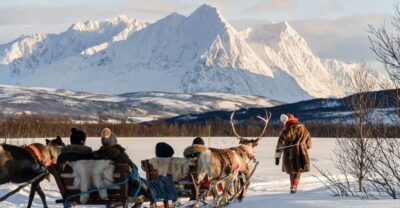
Tromsø: Sámi Reindeer Sledding and Sami Cultural Tour
Read our review →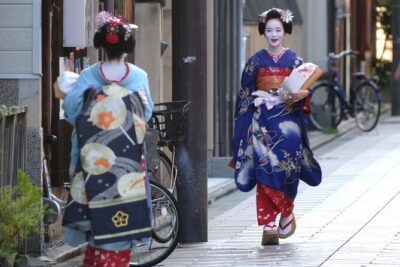
Kyoto Gion: 2-Hour Geisha Culture & History Walking Tour
Read our review →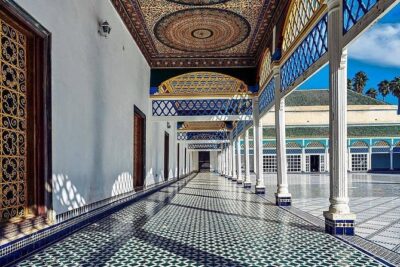
Marrakech Historical and Cultural Tour – Half Day City Tour
Read our review →Browse the lists this tour appears in