
Review · GUAYAQUIL
Half Day Guayaquil Historical Tour and Cocoa Culinary Experience
Guayaquil rewards a well-planned half day. This private tour pairs the wildlife and old buildings of Parque Histórico with the cobbled lanes of Las Peñas, then finishes with a cocoa-centered cooking class and lunch. I like the efficient route, and I like that the food lesson takes place in a personal setting rather than a standard restaurant. The main drawback is the brisk pace: five hours covers a lot, so each stop offers an introduction rather than a long, unhurried visit.
I also like the private transportation and hotel pickup, especially if you are squeezing Guayaquil between flights or arranging a short stop from a ship. Guide Yamil Saman Cabrera has been praised for prompt communication and for adjusting plans to match a visitor’s interests. You should still allow some flexibility, since traffic, weather, and a late arrival can reduce time at the sights.
Key points to know before booking
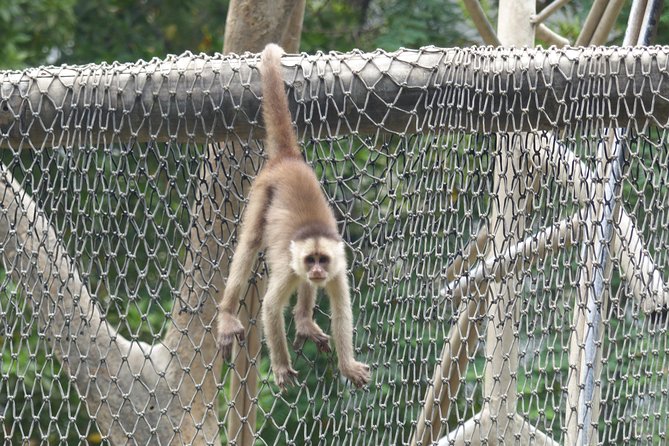
- Parque Histórico combines wildlife, plants, and preserved Guayaquil buildings in the tour’s longest sightseeing stop.
- The final cooking class is the heart of the experience, with seafood dishes, desserts, homemade chocolate, and chicken prepared with cocoa.
- Private transport with air conditioning makes the tour practical for a layover or a hotel pickup.
- Las Peñas and Cerro Santa Ana offer two different views of old Guayaquil, from colorful streets below to a city panorama above.
- The $135 price includes lunch, admission, guide service, bottled water, coffee or tea, and transport, which makes the cost easier to justify for a private outing.
- The tour has earned a 4.9 rating from 42 reviews, with 98 percent recommending it, though the short schedule requires good time management.
Why this five-hour Guayaquil tour works for a short stay
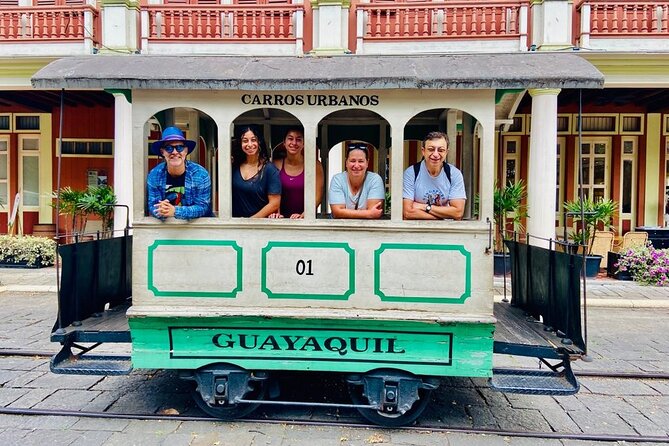
Guayaquil is often treated as a gateway to the Galápagos, but it deserves more than a hotel room and an airport transfer. This tour gives you a compact introduction to the city’s nature, architecture, cocoa industry, and home cooking without asking you to organize several separate activities.
The private format matters. You are not tied to a large group’s pace, and the guide can respond to practical problems. One guest arrived late after leaving a ship and still received a full tour after the operator rearranged the pickup. Another had concerns about local safety and power outages, contacted Yamil before the visit, and received quick replies about the planned route.
That kind of communication is useful in Guayaquil. You can ask about your pickup point, explain that you have a flight to catch, or request more time at the cooking portion if food is your main interest. The guide names connected with the experience include Yamil, Marcel, Luis, Vanessa, Nanfi, and Jamil. The exact guide may vary, but the important point is that the service is built around a small private group.
The schedule is listed at about five hours, though one experience ran close to six hours. That longer timing may happen when a delayed pickup or extra city stops are added. If you are traveling on a tight flight schedule, tell the operator your departure time before booking.
More Food and History Tours in the world:
- Sevilla Food Tour: Tapas, Wine, History & Traditions
★ 5.0 · 3,468 reviews - Victoria Guided Food and History Tour
★ 5.0 · 2,015 reviews - Gastown Historic Walking Food Tour
★ 5.0 · 1,863 reviews
Parque Histórico: wildlife beside old Guayaquil
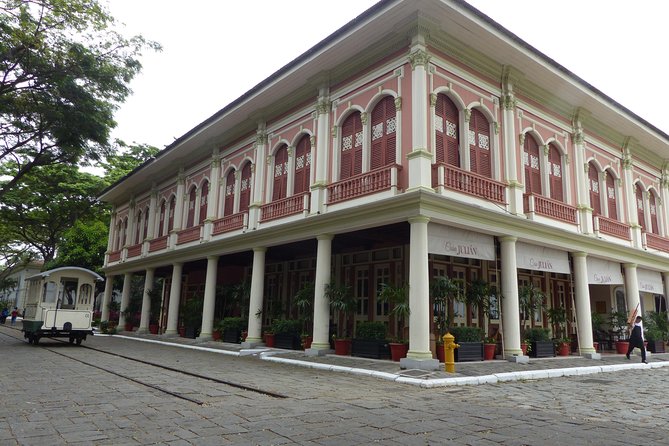
Your first major stop is Parque Histórico Guayaquil, with about two hours set aside and admission included. This is the tour’s best chance to connect Guayaquil’s natural side with its past.
The park includes local fauna and flora, along with preserved architectural features from the city. That combination gives you more than a standard city walk. You can learn about old Guayaquil while also looking at the plants and animals that belong to the region. A traditional home and other preserved settings help make the past easier to picture than a museum label alone.
Two hours is a sensible amount of time here. The park is the longest stop, so you have room to walk, listen, and take photographs without feeling that every minute is being counted. It also sets up the cocoa portion later by showing how Ecuadorian culture is connected to land, agriculture, and local resources.
Your guide is especially important at this stop. Without explanation, a park with wildlife and old buildings can feel like two unrelated attractions. With context, you can better understand why the city’s development, natural setting, and agricultural traditions matter together.
The limitation is that this is not a full nature excursion. You should expect an urban historical park with wildlife, not a trip into the rainforest. If your main goal is birdwatching or a long look at plants, the two-hour visit may feel too short. For a first look at Guayaquil, though, it offers a useful change from streets and traffic.
Las Peñas: colorful streets and a short old-town walk
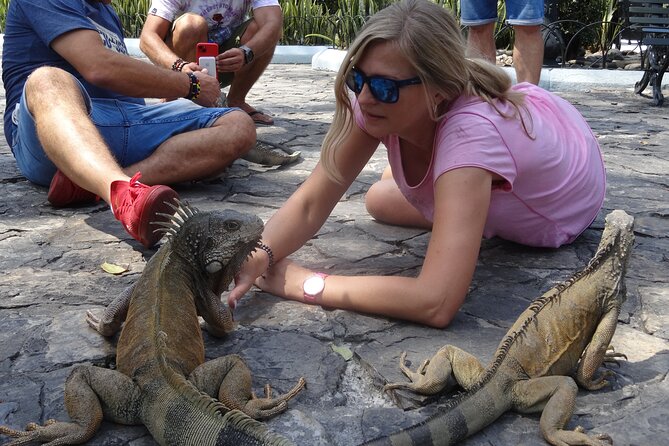
The visit to Las Peñas lasts about 30 minutes. This historic neighborhood is known for cobblestone streets, colorful houses, colonial architecture, and art galleries.
It is a good place to slow down briefly and see a more intimate side of Guayaquil. The narrow streets and painted façades create strong photo opportunities, while the galleries add a local artistic note. You will not spend long enough here for a detailed neighborhood study, but you can get a clear sense of why Las Peñas is one of the city’s best-known historic areas.
The short stop also keeps the overall tour moving. You are not giving up an hour of food preparation for a long architectural lecture. Your guide can point out the main features, explain the area’s place in Guayaquil’s past, and let you walk through the streets at a comfortable pace.
I would treat this as a sampler, not a complete visit. If you love historic neighborhoods, you may wish the schedule allowed more time. The private format gives you a chance to ask for a little longer here if traffic and the rest of the itinerary allow it, but any change should be agreed upon rather than assumed.
Cocoa Museum and factory: from bean to chocolate
The Guayaquil Cocoa Museum and cocoa factory receive about 30 minutes. This portion explains cocoa’s agricultural tradition, its effect on the region’s economy, and the process that turns beans into chocolate.
That background gives the cooking class more meaning. Cocoa in Ecuador is not just a dessert ingredient. It is tied to farming, production, trade, and the economic development of the region. Seeing the production process helps you understand why cocoa appears in both sweet and savory local dishes.
The factory visit lets you watch chocolate-making firsthand, and chocolate tasting is part of the experience. Coffee and cocoa have also formed part of the wider food discussion on some tours, giving you a broader look at Ecuadorian farm products.
Thirty minutes is enough for an introduction and tasting, but not for a long factory tour. If you are a serious chocolate enthusiast, this may feel brief. The real food lesson comes later, where you get to use cocoa rather than simply taste the finished product.
One useful question to ask your guide is how cocoa changes when it moves from dessert to sauce. That idea comes alive in the cooking class, where homemade chocolate and cocoa-seasoned savory food share the same table.
A few more history tours around the world worth a look
- History and Hauntings of Salem Guided Walking Tour
★ 5.0 · 14,564 reviews - Colosseum: Underground and Ancient Rome Tour
★ 4.7 · 12,691 reviews - Lisbon: History, Stories and Lifestyle Walking Tour
★ 4.8 · 10,902 reviews - London Small Group Tour of Historical Pubs
★ 5.0 · 10,422 reviews
Cerro Santa Ana and Puerto Santa Ana views
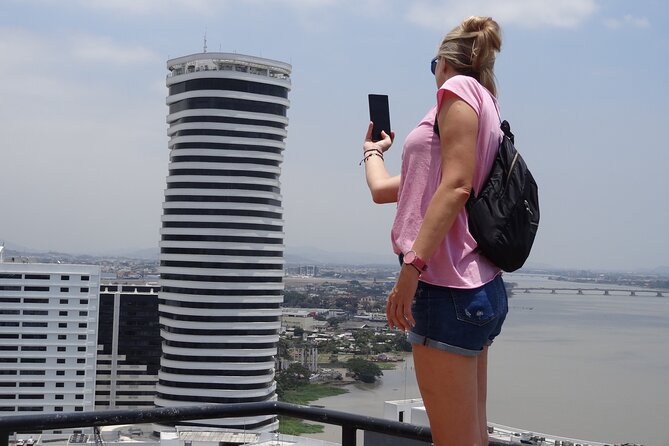
The tour includes about 30 minutes in the Puerto Santa Ana area, with a climb toward Cerro Santa Ana. From the hill, you get a broad view over Guayaquil and its skyline.
This is the tour’s clearest viewpoint. After seeing the city at street level, you can step back and understand its size and layout. Bring water and wear shoes that feel secure on a climb. Bottled water is included, but the hill still adds a bit of effort to an otherwise vehicle-supported tour.
The stop is short, so do not expect a long hill walk or a leisurely sunset visit. You will have time for the view, photographs, and a quick explanation of the district. Weather can affect the quality of the panorama, which is one reason the operator reserves the right to change the date or provide a refund if poor weather cancels the experience.
This stop also adds variety. The park shows nature and preserved buildings, Las Peñas gives you old streets, and Cerro Santa Ana lets you see the modern city from above. The tour works best because these stops do not all ask you to do the same thing.
The cocoa cooking class and Ecuadorian lunch
The final hour at Villa 97 is the most personal part of the day. Here, you learn to prepare traditional Ecuadorian food, with an emphasis on seafood dishes, desserts, homemade artisan chocolate, and a chicken dish made with cocoa.
The menu can include ceviche, fish with plantains, rice, and a peanut and chocolate sauce. One reported meal also included hot chocolate flavored with vanilla, cinnamon, and turmeric, served without heavy sweetness. That detail captures what makes the class worthwhile: you are not just eating a restaurant version of Ecuadorian food. You are seeing how familiar local ingredients work together in a home-style setting.
The planned chicken with cocoa is particularly useful because it challenges the idea that cocoa belongs only in candy. The lesson shows how cocoa can bring depth to a savory dish, while seafood, plantains, peanuts, rice, spices, and chocolate reveal the range of Ecuadorian cooking.
The class takes place at Villa 97, described as an economical suite and room property near the airport. The supplied details describe a personal culinary setting with Yamil’s wife Wendy involved in one experience, and Nanfi, a professional chef, leading another. The exact host may vary, but you should expect a small, direct cooking session rather than a formal culinary school.
Lunch, coffee or tea, and bottled water are included. Alcoholic drinks are not included, though they are available to purchase. Since the food is central to the tour, tell the operator about any dietary restrictions before the day begins. The supplied information does not promise a special menu, so do not assume substitutions will be available.
What the $135 price really covers
At $135 per person, this is not the cheapest way to see Guayaquil. The value comes from the number of services packed into a private five-hour outing.
Your price includes:
- Private air-conditioned transportation
- Hotel pickup and drop-off
- A tour guide
- Admission to the listed attractions
- A map of Guayaquil
- Bottled water
- Coffee or tea
- Lunch
If you tried to arrange transport, admission, a guide, a cocoa museum visit, a factory stop, and a cooking class separately, the costs and coordination would add up. The private vehicle is also useful if you are traveling with luggage, handling a flight connection, or simply do not want to work out city transport between every stop.
The price is easiest to justify for two or more people who value convenience and personal attention. Solo visitors may find it expensive, since the rate is charged per person and the group size is private. Families and couples may appreciate the ability to ask questions, adjust the pace, and stay together throughout the day.
The tour has received a 4.9 rating from 42 reviews, with 98 percent recommending it. The strongest praise centers on communication, safety, professionalism, and the meal. Those are meaningful strengths, but the price still makes this a choice for convenience and access, not a budget sightseeing route.
Who should book this Guayaquil experience?
I would choose this tour if you have only half a day in Guayaquil and want more than a quick drive past the main sights. It suits people staying overnight, visitors with a layover, and those arriving or departing by ship who want hotel or port coordination.
It is also a good match if food matters as much to you as sightseeing. The cocoa museum explains the product, while the class shows how it fits into Ecuadorian cooking. That two-part structure is stronger than a simple chocolate tasting.
Families can participate, but children must be accompanied by an adult. Most people can take part, though the Cerro Santa Ana climb means you should be comfortable with some walking. Anyone who dislikes a tight schedule or wants to spend a full morning at one museum may prefer a slower private custom tour.
The experience requires good weather. You can cancel for a full refund up to 24 hours before the start time. Changes or cancellations made within 24 hours are not accepted for a refund, and the operator uses local time for the cutoff. If weather forces cancellation, you are offered another date or a full refund.
My verdict: a strong choice for a first Guayaquil visit
I would book this tour if my time in Guayaquil were limited and I wanted a guided introduction with a real meal at the end. The strongest feature is the mix of places and people: a wildlife park, an old neighborhood, cocoa production, a city viewpoint, and a home-style kitchen.
The main caution is pace. You will see many parts of the city, but none receives a full-day treatment. The price is also a stretch for solo visitors on a tight budget.
Book it for personal service, airport-friendly transport, local food, and a practical overview of Guayaquil. Skip it if you want a long museum visit, a dedicated nature outing, or a slow food class with no sightseeing in between.
FAQ
How long does the Guayaquil historical and cocoa tour last?
The tour lasts approximately five hours. One experience extended close to six hours, so you should allow some flexibility when planning a flight or other appointment.
What attractions are included?
The planned stops include Parque Histórico Guayaquil, Las Peñas, the Guayaquil Cocoa Museum and cocoa factory, Cerro Santa Ana in the Puerto Santa Ana area, and Villa 97 for the cooking class.
Is transportation included?
Yes. Private air-conditioned transportation, hotel pickup, and hotel drop-off are included.
Is lunch included?
Yes. Lunch is included, along with bottled water and coffee or tea. Alcoholic drinks are not included but may be purchased.
What happens during the cooking class?
You learn to prepare traditional Ecuadorian food, especially seafood dishes, desserts, homemade artisan chocolate, and a chicken dish made with cocoa. Possible foods include ceviche, fish with plantains, rice, and a peanut and chocolate sauce.
Is this a private tour?
Yes. Only your group participates in the private activity.
What is the cancellation policy?
You can cancel at least 24 hours before the start time for a full refund. Cancellations or changes made less than 24 hours before the start time are not refunded or accepted. If poor weather cancels the tour, you can choose another date or receive a full refund.
Just added around the world
- Rottnest Island Historical Train and Tunnel Tour from Hillarys Boat Harbour★ 4.0 · 20 reviews
- Spirits of Seville Pensacola’s Haunted History Tour with Meal★ 4.5 · 101 reviews
- Private Half-Day George Town History Tour★ 4.5 · 62 reviews
- Private George Town UNESCO Heritage Walking Tour★ 4.0 · 22 reviews
- Full-Day Wave Rock & Historic York★ 4.0 · 24 reviews
- 3-Hour Heritage on a Plate Dinner Hop in George Town Penang★ 5.0 · 125 reviews
- 3-Hour Heritage on a Plate Lunch Hop in George Town Penang★ 5.0 · 41 reviews
- Penang George Town All-In-One Heritage Tour By Bicycle & Trishaw (Metro Bike)★ 5.0 · 168 reviews
Food & History Tours, compared.
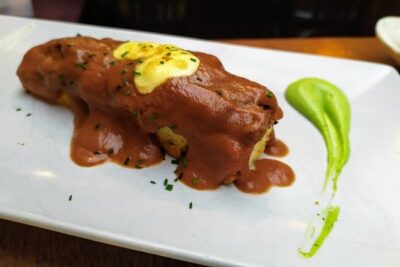
Sevilla Food Tour: Tapas, Wine, History & Traditions
Read our review →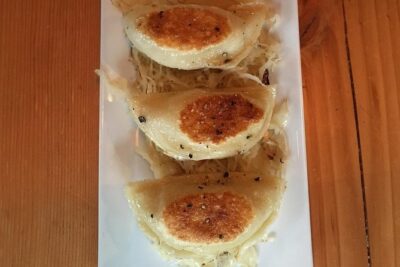
Dublin Historical Centre Food Tour with 8 Food Tastings & Drinks
Read our review →
The Great Indian Food Tour: Old Delhi Food and Heritage Walk
Read our review →
Browse the lists this tour appears in