
Review · CHARLESTON
Charleston History and Architecture Walking Tour
Charleston reveals itself one doorway at a time. This two-hour walk pairs an architectural historian guide with a smart route through the old city. I like the way it covers major sights such as Rainbow Row and the Unitarian Church without wasting time on backtracking. I also like how guides such as Emerson and Paige turn buildings into stories about people, culture, and power.
The main drawback is simple: you spend about two hours on foot over historic streets and cobblestones. Rain or harsh sun can make the walk harder, and the tour may not suit you if you want a slow, private look at each site.
Key things to know before you book
- The route packs in six downtown sights: Pineapple Fountain, Rainbow Row, the Unitarian Church, Twenty-one Magazine, the Old Exchange and Provost Dungeon, and Philadelphia Alley.
- The guides are the main attraction: Emerson is praised for his warm, entertaining delivery, while Paige is noted for clear facts and lively storytelling.
- You may get inside a historic building: One tour experience included entry into a church with Tiffany windows, though interior access should not be treated as guaranteed.
- The group can reach 20 people: That is small enough for a personal feel, though it is not a private tour.
- The $27 price is good for a first look: You receive a guided route, architectural context, and a useful orientation to central Charleston.
- The tour is weather dependent: You can cancel up to 24 hours before the start for a full refund, but late cancellations are not refunded.
Why this Charleston walk works as a first-day tour
Charleston is easy to underestimate. The center looks compact, but its streets hold layers of colonial planning, church architecture, private homes, waterfront trade, and darker stories that are easy to miss when you walk alone.
This tour gives you a framework. Instead of seeing a row of pastel houses as a pretty photo stop, you hear why the buildings matter and how the city developed around them. The guide’s job is not just to point at facades. It is to connect streets, buildings, and people.
I would book this early in a Charleston visit, especially if you have only a few days. The route gives you a map in your head. Later, you can return to the places that caught your eye and explore them at your own pace.
The tour begins at 195 East Bay Street and finishes near Waterfront Park at Vendue Range and Concord Street. That makes the ending useful for continuing your day around the waterfront. The route is roughly two hours, with several stops listed at about 20 minutes each. You get a lot of ground covered without giving up an entire morning or afternoon.
The maximum group size is 20. That is worth noting. A group of this size can still gather around a guide on a narrow street, but you may not have the same easy access to questions that you would on a private walk.
More History Walking Tours in Charleston
- Historic Charleston Guided Sightseeing Walking Tour
★ 5.0 · 6,216 reviews - Hidden Alleyways and Historic Sites Small-Group Walking Tour
★ 5.0 · 2,335 reviews - Charleston historical walking tour with a Professor of History at The Citadel
★ 5.0 · 1,284 reviews
Pineapple Fountain starts the walk with an easy photo stop
The Pineapple Fountain is the opening point in the sightseeing route and gets about 10 minutes. Its pineapple shape makes it instantly recognizable and gives you an uncomplicated first photo opportunity.
This is a good opening stop because it lets the group settle in before the heavier historical material begins. You can get oriented, check the meeting group, and start looking at Charleston as a designed city rather than a collection of isolated attractions.
Do not expect a long lecture here. The listed timing is short, so the fountain works more as a visual introduction than a major history lesson. If you want extensive time for photos, you may need to return later.
Rainbow Row puts Charleston’s pastel facades in context
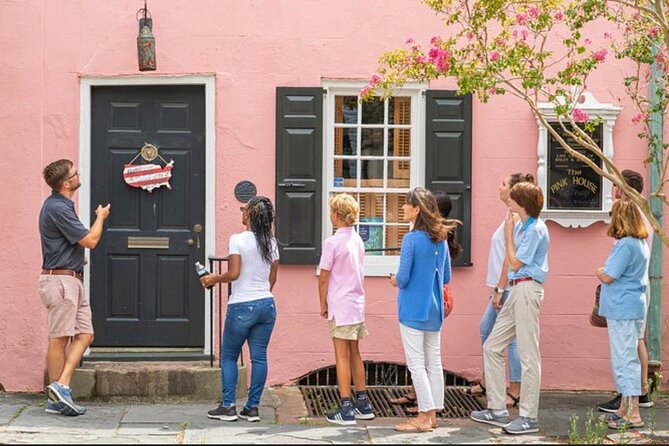
Rainbow Row receives about 20 minutes, which is enough time to admire the famous run of 13 privately owned antebellum homes. Their pastel colors are the obvious draw, but the greater value of the stop is learning to look past the paint.
A guide can help you notice the scale, arrangement, and details of the buildings. You also hear how a private residential street fits into Charleston’s broader architectural story. That matters because the city’s appeal is not just one landmark. It is the repeated rhythm of homes, lanes, churches, and public buildings.
This is one of the best stops for photographs, but it can also be one of the busiest-feeling parts of the walk because of its fame. The guide helps turn a quick picture stop into something more meaningful.
If you want a calm, unhurried architectural study, 20 minutes may feel short. For a first introduction, though, the timing is sensible. You get the classic view, hear why it matters, and keep moving.
The Unitarian Church brings architecture and possible interiors
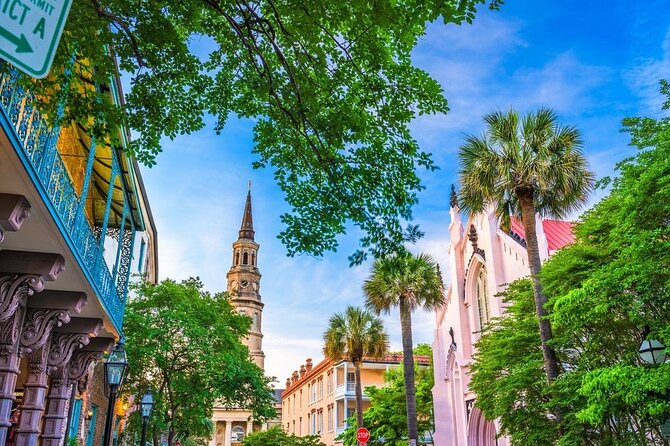
The Unitarian Church is given another 20 minutes. The stop focuses on its design and history, with more time for photographs and closer observation.
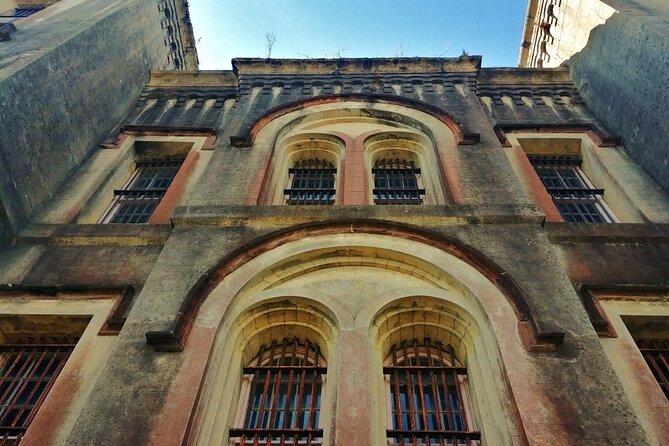
This is also where the tour may offer one of its most memorable moments. A past outing included the chance to enter a church, and the interior featured striking Tiffany windows. That kind of access can change the feel of the tour. You are no longer viewing Charleston only from the sidewalk. You are seeing how the city’s religious buildings work as interior spaces as well as exterior landmarks.
Still, I would treat entry as a possibility rather than a promise. The supplied tour details do not guarantee interior access on every departure. Ask your guide what is open that day.
The church stop also shows why a guide with architectural training can add value. A casual walk may leave you with a good photograph. A trained guide can point out proportions, materials, decorative choices, and the way a building reflects the city around it.
More History Walking Tours in the USA
- Charleston: Old Walled City Historical Walking Tour
★ 4.7 · 705 reviews - Historic Charleston Walking Tour: Rainbow Row, Churches, and More
★ 5.0 · 691 reviews - Charleston: History and Architecture Guided Walking Tour
★ 4.8 · 349 reviews - Charleston History and Hops Tour: Bar and History Walk
★ 5.0 · 316 reviews
Twenty-one Magazine adds darker stories
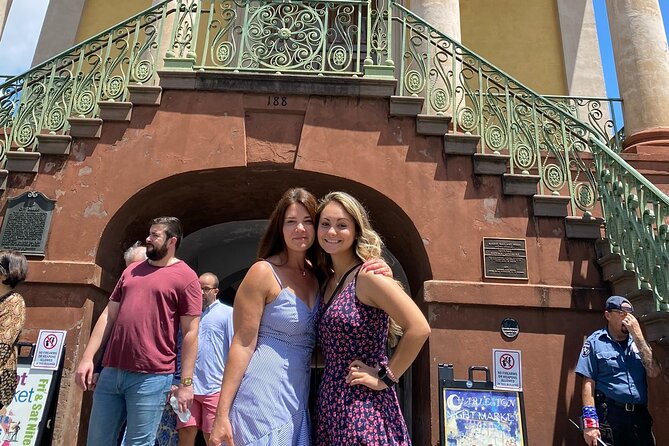
Twenty-one Magazine receives about 20 minutes and combines architecture, history, and scary stories. This gives the tour a welcome change of tone after the more formal church stop.
Charleston has plenty of stories that are not tidy or polite. A guide who can handle the city’s eerie side without turning the whole tour into a ghost show gives you a broader picture of local character. The stop is described as a place for scary stories as well as architectural discussion, so you can expect a mix rather than a narrow focus on one theme.
This part may appeal most if you enjoy history with a little suspense. If you want only building dates and formal architectural terms, the ghostly material may feel like a detour. I see it as a useful change of pace, especially on a two-hour walk.
The quality here depends heavily on delivery. Emerson is repeatedly praised for making the past feel alive and for his entertaining descriptions. Paige is also singled out for presenting facts in an engaging way. That suggests the guide’s personality can shape this section more than the stop itself.
The Old Exchange and Provost Dungeon connects buildings to power
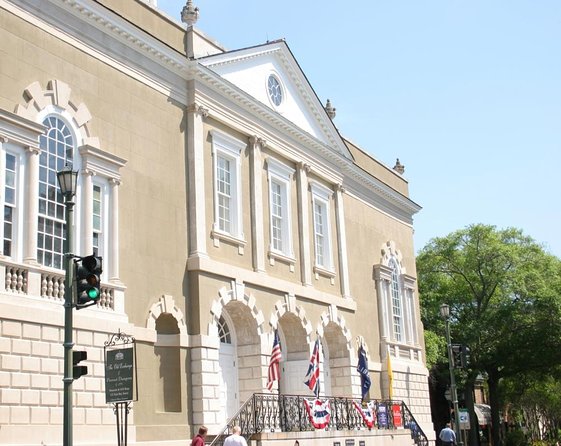
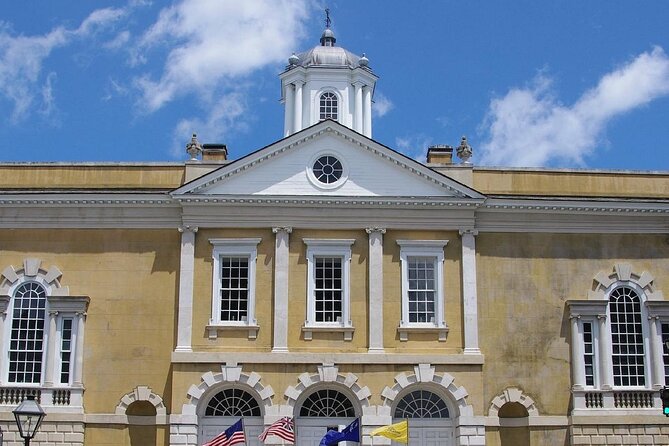
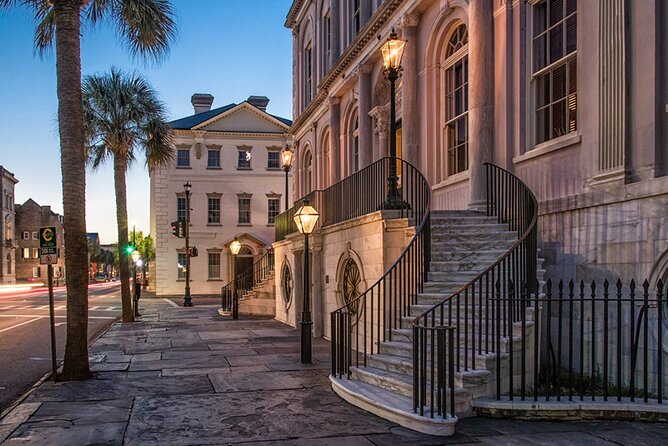
The Old Exchange and Provost Dungeon brings the walk into Charleston’s colonial story. You spend about 20 minutes learning about the building’s architecture and the city’s early development.
This stop gives useful political and civic context. Public buildings are rarely just pretty facades. They show what a city valued, who held authority, and how trade and government shaped daily life. The word dungeon also signals that this is not a purely decorative stop. The site carries a heavier tone than Rainbow Row or the fountain.
The tour description does not promise admission inside the Old Exchange and Provost Dungeon, so plan on a guided look and explanation rather than guaranteed interior access. If entering the building is important to you, confirm that before booking.
I like the placement of this stop in the route. After seeing private homes and a church, you get a public building tied to Charleston’s civic and colonial past. The contrast helps you understand the city as a working place, not just a postcard setting.
Philadelphia Alley finishes with atmosphere and local character
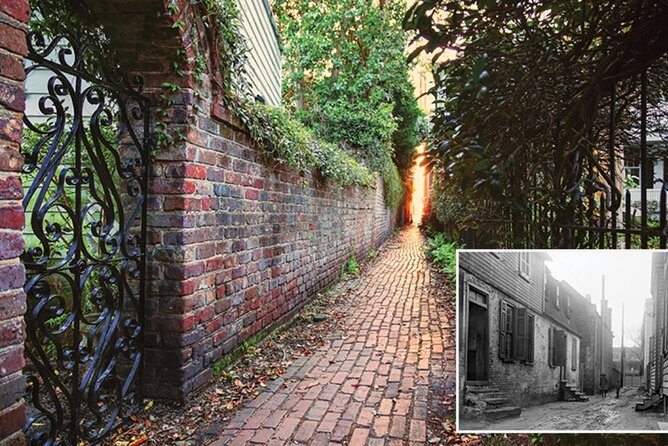
Philadelphia Alley is the final listed stop and receives about 20 minutes. It is also known as Duelers Alley, a name that immediately gives the narrow passage a sharper edge.
This is a strong finish because alleys reward close attention. You can look at the architecture from a more intimate angle, photograph the passage, and hear stories that may not fit neatly into a standard landmark tour. The alley’s character comes from its scale and atmosphere, not from a single grand building.
The stop also reinforces one of the tour’s best features: exploring on foot. You notice changes in pavement, building fronts, shadows, and street width in a way you cannot from a vehicle. The walk asks you to slow down enough to see the city’s smaller spaces.
Because the tour ends near Waterfront Park, you can continue on your own after Philadelphia Alley. The endpoint is practical, though the details provided do not specify the exact walking time between each stop. Wear shoes you can use comfortably for the full outing.
The guides make the difference

The strongest part of this experience is the human delivery. Emerson receives especially warm praise for being personable, entertaining, and clearly pleased to share Charleston’s past. One account calls his descriptions among the best guide experiences booked, while another says he made the city’s past feel alive.
Paige is praised for enthusiasm, clear facts, and a fun approach. Her explanation of the type of land Charleston sits on was singled out as especially useful. That detail matters because it shows the tour can move beyond famous houses and cover the physical setting that helped shape the city.
You should also keep expectations realistic. One less positive experience found the guide too apologetic about the sun and cobblestones. That is a minor criticism, but it points to an important truth: a walking tour’s feel depends on the individual guide and the day’s conditions.
The overall rating is 5 from 63 reviews, with 98 percent recommending the experience. Those figures point to a strong and steady level of satisfaction, especially with the guides. They do not mean every departure will have the same personality or that every building will be open.
Is $27 good value for two hours?
At $27, I see this as a sensible introductory tour rather than a full historical course. You are paying for a guided route through several important sites, architectural explanation, local stories, and the convenience of not having to navigate on your own.
The value is strongest if you are new to Charleston. You can cover six major points in about two hours and then decide what deserves a longer visit. It is also useful if you have limited time or want a structured first look before exploring solo.
The price is less compelling if you already know downtown Charleston well or prefer to spend 20 minutes at one building without a group schedule. The listed admissions are free, so you are paying mainly for the guide’s time, route planning, storytelling, and interpretation.
For me, the guide makes the price worthwhile. A map or self-guided walk can show you the same streets, but it will not necessarily explain the people, architectural choices, or unusual stories behind them.
Practical details that affect your day
You receive a mobile ticket, and confirmation comes at booking. The meeting point is 195 East Bay Street. The tour ends at Waterfront Park near Vendue Range, Concord Street, which gives you a clear place to continue sightseeing.
The tour is near public transportation, and service animals are allowed. Most people can participate, but the experience remains a walking activity over historic streets. If sun, rain, or uneven paving causes problems for you, consider the conditions before booking.
Good weather is required. If poor weather cancels the tour, you are offered another date or a full refund. You can also cancel for a full refund up to 24 hours before the start time. Within 24 hours, the payment is not refunded, and changes are not accepted.
I would bring water, weather protection, and shoes suited to two hours outside. Those are simple precautions, but they can decide whether the walk feels pleasant or tiring.
Who should book this Charleston tour?
I recommend it for a first visit, a short stay, couples and families who want a shared introduction, and anyone curious about architecture but unsure where to begin. It also suits you if you like history delivered through stories rather than a long academic lecture.
The tour is particularly useful for people who want both famous sights and smaller spaces. Rainbow Row gives you the classic Charleston image, while Philadelphia Alley and Twenty-one Magazine add atmosphere and less polished stories.
I would think twice if you want a private experience, guaranteed interior access, or a leisurely pace with long stops. The group can reach 20 people, and the route is designed to cover ground. You will see a lot, but you will not study every building at length.
Should you book the Charleston History and Architecture Walking Tour?
Book it if you want a practical first orientation to Charleston for $27. The route is well chosen, the mix of architecture and local stories keeps the two hours moving, and guides such as Emerson and Paige appear to bring real warmth to the job.
Go in expecting a group walk, changing weather, and possible limits on interior access. If those conditions suit you, this is a good-value way to understand why Charleston’s streets look the way they do before you set off to explore them on your own.
FAQ
How long does the Charleston History and Architecture Walking Tour last?
The tour lasts approximately two hours.
How much does the tour cost?
The listed price is $27.
Where does the tour begin?
The tour begins at 195 East Bay Street, Charleston, South Carolina 29401.
Where does the tour end?
It ends at Waterfront Park near Vendue Range and Concord Street in Charleston.
What sights are included?
The route includes Pineapple Fountain, Rainbow Row, the Unitarian Church in Charleston, Twenty-one Magazine, the Old Exchange and Provost Dungeon, and Philadelphia Alley.
Is the tour conducted on foot?
Yes. The experience is a walking tour through Charleston’s streets and alleys.
Is a mobile ticket available?
Yes. The tour includes a mobile ticket.
How many people can join the tour?
The maximum group size is 20 people.
Are service animals allowed?
Yes. Service animals are allowed.
Can I cancel for a full refund?
Yes, if you cancel at least 24 hours before the experience start time. Cancellations within 24 hours are not refunded.
What happens if bad weather cancels the tour?
You will be offered a different date or a full refund.
More Architecture and Landmark Tours in Charleston
- Charleston’s Best Highlights: History, Culture & Architecture
★ 5.0 · 422 reviews - Charleston History, Homes, and Architecture Guided Walking Tour
★ 5.0 · 267 reviews - Venice: St. Mark’s Basilica Guided Tour & VR History Intro
★ 3.9 · 4,880 reviews - Venice’s Best: Basilica, Doge’s Palace, Gondola & History Gallery
★ 4.5 · 2,478 reviews
Just added around Charleston
- Charleston’s Historic Pubs, Taverns, and Taprooms Tour★ 4.5 · 33 reviews
- Charleston’s Strong Women of the South History Tour★ 4.5 · 27 reviews
- Small-Group Tour: Charleston Old Walled City Historical Walking Tour★ 4.5 · 283 reviews
- Private Walking Tour of Historic Charleston★ 5.0 · 38 reviews
- Sip History in The Sun Cabana Covered Cocktail Class★ 5.0 · 332 reviews
- Sip History In a Secret Speakeasy Cocktail Class★ 5.0 · 40 reviews
- Private Afternoon Sailing/Dolphin & History Tour on 43ft Mystique★ 5.0 · 32 reviews
- Private Sunset Sail BYOB Dolphin/History Tours on 43ft Mystique★ 5.0 · 42 reviews
Architecture & Landmark Tours, compared.
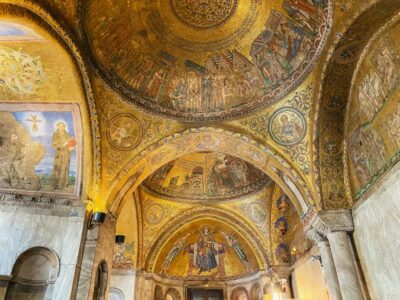
St. Mark’s Basilica Guided Tour & VR History Intro
Read our review →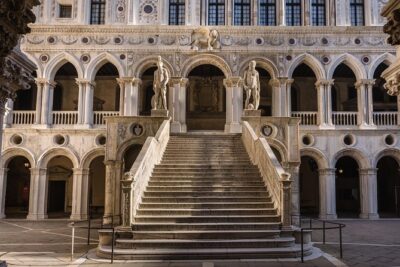
Venice’s Best: Basilica, Doge’s Palace, Gondola & History Gallery
Read our review →
Córdoba: Skip-the-Line Great Mosque-Cathedral History Tour
Read our review →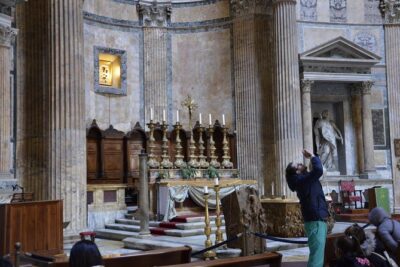
Pantheon Elite Guided Tour – Rome’s Iconic Ancient Temple
Read our review →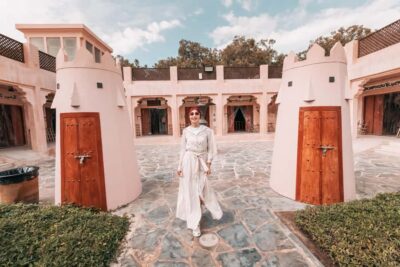
Abu Dhabi Grand Mosque, Palace, and Heritage Village
Read our review →
Chicago in a Day: Food, History & Architecture Walking Tour
Read our review →

Colosseum Special Access Tour, with Ancient Temples & Tombs
Read our review →Browse the lists this tour appears in