
Review · BATTICALOA
Polonnaruwa Ancient City Private Day Tour (Hidden Gems)
Ancient stones tell better stories with a good guide. This private Polonnaruwa tour gives you time with the Royal Palace, Vatadage, Gal Vihara, and quieter monuments that many visitors rush past. I like the personal guide and the mix of major sights with lesser-known places, including Shiva Devalaya No. 2 and Pabalu Vehera. The sunset stop at Parakrama Samudraya adds a peaceful finish.
I also like the tour’s flexible, question-friendly feel. Guides Tharindu and Tarry receive especially strong praise for clear explanations, enthusiasm, and good English. The main catch is cost and transport: the $30 tour price does not include the separate $30 site fee, private vehicle, meals, or tips. You should also allow more than six hours if your guide gets carried away with the stories.
Key points to know before booking
- Thirteen stops in roughly six to seven hours: Expect a full ancient-city circuit rather than a quick visit to only the famous ruins.
- A private experience for your group: You do not share the guide with other groups, so questions and pacing are easier.
- Strong history guiding: Tharindu and Tarry are praised for their enthusiasm, English, and ability to explain the stories behind the ruins.
- The $30 price is not the full cost: Add the $30 site admission, transport, food, and gratuity.
- A proper lunch break is built in: You get about 90 minutes for Sri Lankan rice and curry at Priyamali Gedara Road.
- The meeting point is in Polonnaruwa: The tour begins and ends at the Archaeological Museum, not at a hotel in Batticaloa.
Why Polonnaruwa rewards a private guide
Polonnaruwa is not one compact ruin that you can understand in a single glance. It is a spread-out ancient capital with palaces, stupas, temples, gardens, monastic buildings, reservoirs, and carved images. The distance between sites matters, and so does knowing what you are looking at.
A private guide gives you someone to connect the pieces. King Parakramabahu I is not just a name on a plaque. His palace, religious buildings, irrigation works, statue, and pleasure garden all become parts of one larger story. The tour also brings in the city’s Hindu influence through Shiva Devalaya No. 2, which adds useful context beyond a purely Buddhist itinerary.
The experience is designed for one group only. That helps if you want to ask questions, spend longer at Gal Vihara, or move on quickly from a smaller monument. The supplied timing adds up to a long half-day, with about six to seven hours overall. One guide has been praised for running beyond the planned time because of his enthusiasm, so keep your schedule loose.
The guide names most often associated with this experience are Tharindu and Tarry. Tarry is praised for speaking excellent English and taking care with safety, while Tharindu is described as patient, clear, and highly enthusiastic. If you are interested in dates, royal power, religious life, and the practical workings of an old city, the guide may be the best part of the booking.
More Ancient History Tours in the world:
- Colosseum: Underground and Ancient Rome Tour
★ 4.7 · 12,691 reviews - Colosseum & Ancient Rome with Arena Floor Option I Max 6 People
★ 5.0 · 3,306 reviews - Rome: Colosseum, Ancient Rome Tour or AudioGuided Tour
★ 4.4 · 2,879 reviews
Starting at the Archaeological Museum

The tour begins at the Archaeological Museum, where you spend about 30 minutes. This is a sensible first stop because it gives you objects and background before you meet the ruins themselves.
The museum contains artifacts and information connected with Polonnaruwa’s past. I like beginning here rather than walking straight into the monuments with no context. A carved fragment or household object can make the later buildings easier to read.
Admission to the museum is not included. That is worth checking before you arrive, since the tour price already excludes the main site fee. The meeting point is listed as WXRX+PHC Archaeological Museum, Polonnaruwa, and the activity ends back there.
The palace and the Sacred Quadrangle
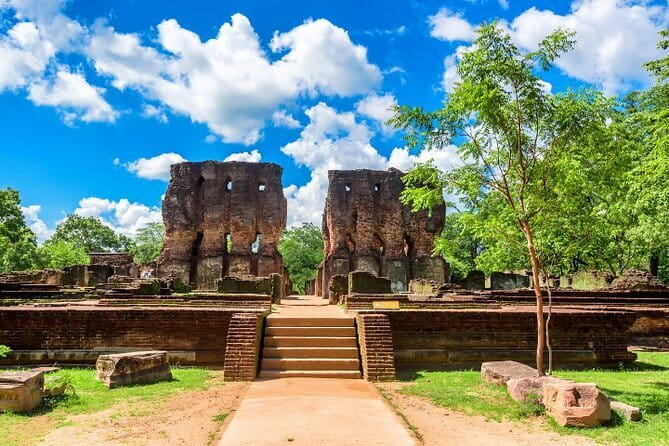
The Palace of King Parakramabahu gets about 30 minutes. The remains are a strong introduction to royal Polonnaruwa, especially because the original structure is said to have had seven stories. You will not see a complete palace, but the surviving walls suggest the scale and ambition of the royal center.
This is where a guide can help you picture the building beyond the stonework. Ask about the palace’s purpose and the role of King Parakramabahu I, one of the central rulers connected with the city’s great construction projects.
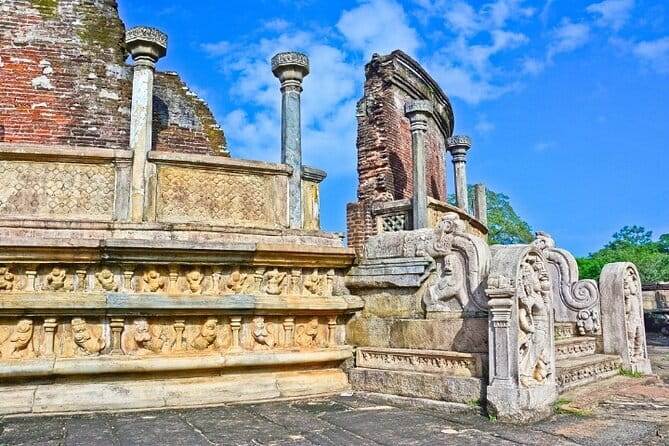
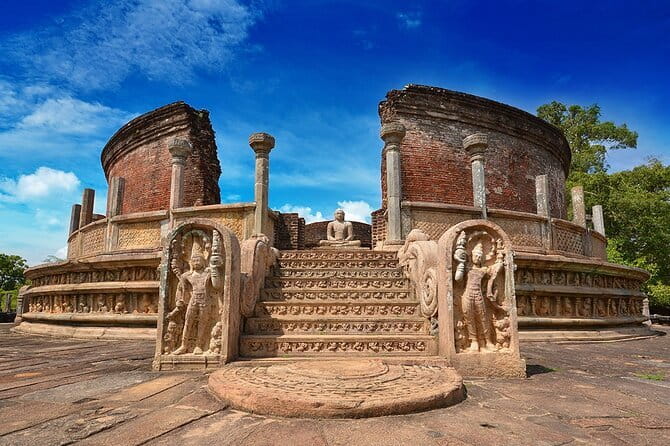
Next comes the Polonnaruwa Vatadage, with about 45 minutes. This circular relic house in the Sacred Quadrangle is one of the tour’s major highlights. Its stone steps, guardstones, moonstones, and carved details reward a slow look.
The Vatadage can be easy to reduce to a quick photo stop. Don’t. This is one of the places where a guide’s explanation gives the architecture meaning. Take time to notice the circular design and the way the decoration directs attention toward the sacred center. Admission is not included here.
Hindu architecture and two very different stupas
Shiva Devalaya No. 2 receives only 15 minutes, but it adds an important change of tone. This Hindu temple reflects South Indian Dravidian influence and shows that Polonnaruwa was not shaped by a single religious tradition.
The short visit may feel brief if you want detailed architectural discussion. Still, it is a valuable stop because it broadens your view of the old capital. One particularly memorable experience associated with the tour is a Hindu blessing at one of the temples, though the supplied details do not guarantee that this will happen on every departure.
Pabalu Vehera also gets 15 minutes. This stupa is linked with the reign of King Parakramabahu I and has a design different from the better-known stupas nearby. It is a good place to see how religious buildings could vary in form while serving related purposes.
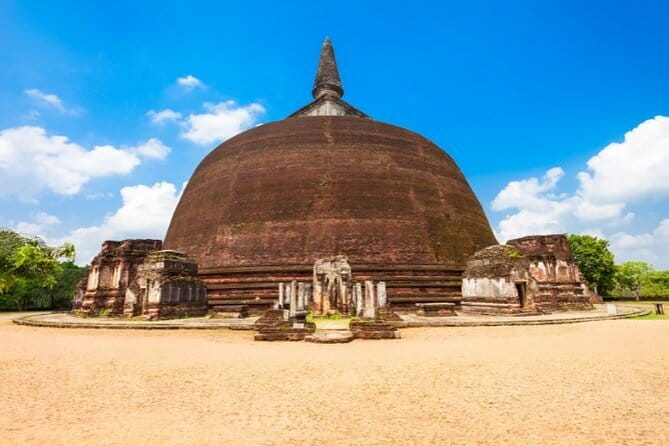
Rankoth Vehera follows, again with about 15 minutes. It is described as the largest stupa in Polonnaruwa and dates to the reign of King Nissanka Malla in the 12th century. The stop is short, so expect an overview rather than a long period of quiet study.
These two stupas work well as a pair. Pabalu Vehera feels like a less familiar stop, while Rankoth Vehera gives you the scale associated with a major royal religious project. If you like photographing rounded brick forms, allow yourself time to look beyond the main approach.
More Private History Tours in the world:
- Private Historical Walking Tour of York
★ 5.0 · 1,324 reviews - Private Guided Historic Electric Cart Tour of St. Augustine
★ 5.0 · 1,194 reviews - Istanbul: Acemoglu Historical Turkish Bath w/Private Options
★ 4.6 · 1,190 reviews - From Cairo: Private Full-Day Tour of Historical Alexandria
★ 4.1 · 1,155 reviews
Alahana Pirivena and the working monastic city
The Alahana Pirivena Complex gets around 30 minutes. Built by King Parakramabahu I in the 12th century, it shows the educational and religious side of Polonnaruwa.
This is more than a collection of old walls. A pirivena was connected with Buddhist learning, so the site helps you think about monks, study, ritual, and the organization of religious life. Your guide can explain how this complex fitted into the wider ancient capital.
The tour does not treat Polonnaruwa as a string of isolated photo stops. It moves from palace to shrine, stupa, and monastic complex. That sequence is one of its strengths. You get a more complete sense of how the city worked, even if the individual visits are sometimes short.
Gal Vihara, the essential highlight

Gal Vihara gets about 30 minutes, and this is the stop where you should expect to linger. The site is famous for its rock-cut Buddha statues, made in the 12th century under King Parakramabahu I.
The carved figures are the emotional high point of many visits to Polonnaruwa. Their size, calm expressions, and smooth stone surfaces make them easy to remember long after smaller ruins have blurred together. Your guide’s explanation can help you notice differences between the figures and understand why the site matters.
Thirty minutes is enough for a focused visit, but it may not feel generous if you want time for photographs and quiet viewing. If this is your main reason for coming, tell your guide early. The private format should make that conversation easier.
Remember that the main site admission is not included in the tour price. Dress and behave respectfully at religious sites, and follow any instructions about photography or positioning.
Thivanka Image House and the long lunch

Thivanka Image House receives about 15 minutes. This Buddhist image house is associated with King Parakramabahu I and is known for its size and artwork. The short timing means you will probably receive a concise explanation rather than a long examination of every detail.
After the ruins, the itinerary allows 90 minutes at Priyamali Gedara Road for traditional Sri Lankan rice and curry. This is a welcome pause in a busy day. Rice and curry usually means a central serving of rice with several curries and side dishes, giving you a taste of Sri Lankan cooking in a more substantial way than a quick snack.
Lunch is not listed as included, even though the stop itself has no admission charge. Plan to pay for your meal separately. The break also matters physically. Polonnaruwa can make for a tiring visit, and a proper rest is better than trying to power through thirteen stops on bottled water alone.
Bottled water is included. Breakfast, snacks, and gratuities are not.
The king, the garden, and the reservoir
The Statue of Parakramabahu I gets about 30 minutes. The 12-foot statue depicts the king in regal clothing and gives you a direct visual link to the ruler connected with so many of the sites on the route.
This stop works best after you have seen the palace, Vatadage, Alahana Pirivena, and Gal Vihara. By then, the statue is not simply an isolated figure. It represents the political and religious world you have been exploring all day.
Deepa Uyana, also called King Nissankamalla’s Pleasure Garden, provides a change of pace. The 30-minute visit focuses on a garden made as a royal retreat. After stone buildings and sacred monuments, a garden site reminds you that ancient capitals also needed places for rest and leisure.
The final stop is Parakrama Samudraya View Point, with about 30 minutes. The reservoir is known as the Sea of Parakrama, and sunset here offers a calm ending after a packed circuit of ruins. This is one of the tour’s most appealing touches because it connects Polonnaruwa’s royal past with the surrounding water system and evening light.
The sunset depends on timing and conditions, so I would not book this tour if the view point is your only priority. But as the last chapter of the day, it gives the schedule a welcome sense of closure.
What the price really buys you
The advertised price is $30 per person. That is attractive for a private guide, but you need to calculate the real total before booking.
The site admission is listed separately at $30 per person. Private transportation and an air-conditioned vehicle are also excluded, as are breakfast, lunch, snacks, and tips. That means two people would pay $120 for tour and site admission together, before transport, food, and gratuity.
The value depends on what you want. If you only need a driver to point out the main monuments, this may feel less economical. If you want a guide who explains the city, answers questions, and adjusts attention to your interests, the private format becomes more worthwhile.
Do not assume the $30 tour price includes a car. The information specifically lists private transportation and an air-conditioned vehicle as extra. This matters in the midday heat, and one booking was particularly happy to have an air-conditioned car. Confirm the transport arrangement before you arrive.
Timing, comfort, and who should book
The itinerary is ambitious. Thirteen stops, a 90-minute meal break, and travel between spread-out sites make six to seven hours a reasonable estimate, but not a strict promise. You may feel tired near the end, especially if you walk a lot or visit in strong heat.
The tour is a good fit for:
- First-time visitors who want the major monuments explained
- History fans who enjoy royal, religious, and architectural detail
- Couples or families who prefer a private pace
- People who want both famous sites and quieter stops
- Anyone who values an English-speaking guide who welcomes questions
It may be less suitable if you want a slow photographic study of every monument. Several stops have only 15 minutes, and the schedule favors range over lingering. It is also not the simplest choice if you need transport from Batticaloa, since the stated start and finish are at the Archaeological Museum in Polonnaruwa.
The tour is listed near public transportation, and most people can participate. Confirmation is provided when you book. Free cancellation is available up to 24 hours before the start time, while later cancellations or changes are not refunded.
Should you book this Polonnaruwa tour?
I would book it if you want Polonnaruwa explained, not simply photographed. The strongest reasons are the private format, the broad route, and guides such as Tharindu and Tarry, whose patience, English, and enthusiasm receive repeated praise.
I would first confirm three things: the exact transport plan, the full site fee, and how much time you can expect at Gal Vihara. If you accept the extra costs and a busy schedule, this is a well-rounded way to see the ancient capital, from palace walls and Hindu temples to rock-cut Buddhas and a sunset over Parakrama Samudraya.
FAQ
Where does the tour begin?
It begins at the Archaeological Museum in Polonnaruwa, Sri Lanka.
Where does the tour finish?
The activity ends back at the Archaeological Museum meeting point.
How long does the tour take?
The tour lasts approximately six to seven hours.
Is this a private tour?
Yes. Only your group participates in the activity.
How much does the tour cost?
The listed price is $30 per person.
Is the Polonnaruwa site admission included?
No. The site admission fee is listed separately at $30 per person.
Is private transportation included?
No. Private transportation and an air-conditioned vehicle are not included in the listed price.
Is lunch included?
No. Lunch is not included. The itinerary provides about 90 minutes for a traditional Sri Lankan rice and curry meal at Priyamali Gedara Road.
Is bottled water provided?
Yes. Bottled water is included.
Can I cancel for a full refund?
Yes, if you cancel at least 24 hours before the experience start time. Cancellations or changes made less than 24 hours before the start are not refunded or accepted.
Just added around the world
- The Queenstown Story @ Cobh Heritage Centre , Great Stories of Emigration.★ 4.5 · 181 reviews
- Visit 16 Sites Key Historical Sites And Experience Cobh Rebel Tours★ 5.0 · 167 reviews
- Historical Bicycle Tour of Dunedin★ 5.0 · 44 reviews
- Cincy Brunch History and Streetcar Tour with Riverside Food Tours★ 5.0 · 108 reviews
- 2.5 Hour Kayaking with Manatee and History Tour in Tarpon Springs★ 5.0 · 24 reviews
- Private Tour in Chichen Itza Official History Guide★ 5.0 · 36 reviews
- Dazu Ancient Rock Carvings Private Tour Extension★ 5.0 · 24 reviews
- Chicago River Architecture Tour Aboard a Historic Yacht★ 5.0 · 45 reviews
Ancient History Tours, compared.
Colosseum: Underground and Ancient Rome Tour
Read our review →
Colosseum & Ancient Rome with Arena Floor Option I Max 6 People
Read our review →
Colosseum, Ancient Rome Tour or AudioGuided Tour
Read our review →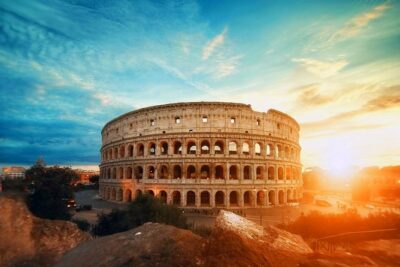
Colosseum Underground & Ancient Rome Guided Tour
Read our review →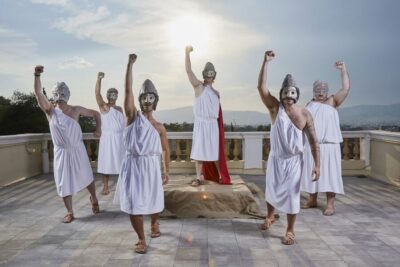
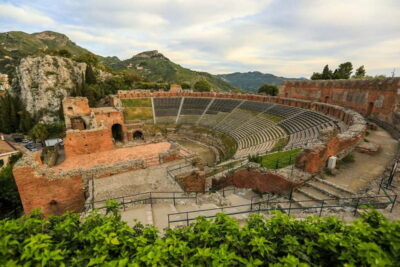
Taormina: Ancient Theater Skip-the-Line Ticket & Audio Guide
Read our review →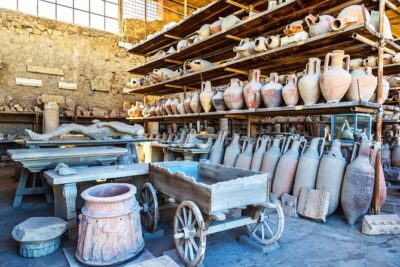
Discover the Ancient Ruins of Pompeii: Day Trip from Rome
Read our review →
Discover Matera, the ancient city – English tour
Read our review →Browse the lists this tour appears in