
Review · ALBANY
Albany’s Historic Whaling Station Admission Ticket
Whaling history is never a light afternoon. Albany’s Historic Whaling Station turns a former processing site into a thoughtful, hands-on museum, with the Cheynes IV whale chaser and a full-size blue whale skeleton as its headline sights. I like the freedom to explore without a guide, and I like the mix of films, artifacts, marine art, and shipboard access. The main drawback is that some displays are confronting, and wet, windy weather can shorten your visit.
You’ll need to make your own way to the station, about a 20-minute scenic drive from Albany’s city center. Plan on two to three hours, though the site can take longer if you watch every film, inspect the displays closely, use the garden barbecue, or stop at the café overlooking the bay.
Key things to know before you go
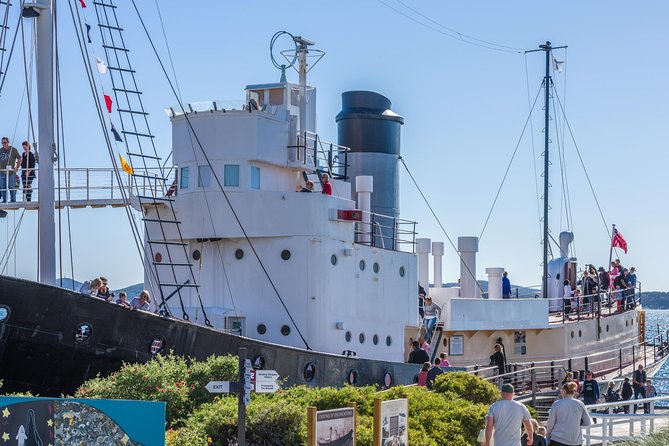
- The Cheynes IV is the star attraction: You can board the only preserved whale chaser ship in the world.
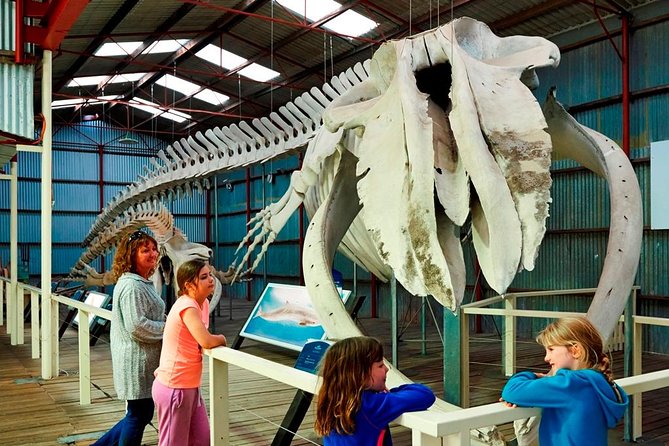
- A blue whale skeleton gives the site scale: It helps you grasp just how large these animals are.
- The museum is self-guided: You set the pace and can spend extra time with the exhibits that interest you most.
- The old whale-oil tanks now show short films: The setting connects modern interpretation with the original industrial site.
- The subject can be confronting: This is an honest look at whaling, not a polished family attraction that skips the difficult parts.
- A two to three-hour visit is realistic: Add time for the café, flower garden, barbecue facilities, and small Australian wildlife enclosure.
Why Albany’s whaling station matters
Albany’s Historic Whaling Station occupies a former whale-processing center, so the setting does much of the teaching before you read a single panel. You are not simply looking at objects in a new gallery. You are walking through a place built for the whaling industry and then seeing how that industry operated.
That makes the visit useful for understanding a major part of Albany’s past. The displays cover whaling equipment, memorabilia, films, marine animals, and art. You get both the working side of the industry and the cultural record left behind by it.
The subject is not easy. A whaling station is tied to killing and processing enormous animals, and the museum does not pretend otherwise. If you prefer light sightseeing, this may feel somber. If you want to understand the forces that shaped the region, the difficult subject is precisely why the visit has weight.
The experience also gives you room to make up your own mind. There is no fixed tour group pushing you from one display to the next. You can spend more time with the sections that explain the industry, then move on when you are ready.
More Entry Tickets in Australia:
- Albany: Historic Whaling Station Entry Ticket
★ 4.8 · 24 reviews - Edinburgh: Edinburgh Castle Guided History Tour with Tickets
★ 4.8 · 9,933 reviews - Taormina: Ancient Theater Skip-the-Line Ticket & Audio Guide
★ 4.5 · 2,412 reviews
The 20-minute drive from Albany
From Albany’s city center, allow about 20 minutes for the scenic drive to the station. The admission is for the site itself, so you should plan your transport separately. That is simple enough for visitors with a car, but it matters if you are building a day around Albany’s other sights.
The setting near one of Albany’s picturesque bays adds a welcome outdoor element. Once you arrive, you can combine the museum visit with time in the flower garden, a café stop, or a barbecue. Food and drinks are not included, but the barbecue facilities are free to use.
I would avoid treating the station as a quick one-hour stop. You can rush through the main sights, but that would miss the point. The films, artifacts, art collection, and ship all work better when you give them time.
Inside the former whale-oil tanks
One of the most unusual parts of the visit is watching short films inside converted whale-oil tanks. The tanks are a physical reminder of the site’s industrial past, and they give the films a setting that a standard cinema room could never match.
These presentations help put the exhibits into context. Instead of seeing a tool or object in isolation, you can connect it with the wider work carried out at the station. The films are also useful if you have little prior knowledge of Albany’s whaling industry.
You control the pace, which is a real advantage. You can stop to study an artifact, watch a film, and return to a section if something catches your attention. Families and mixed-interest groups can split up for a while, then meet again without holding up an entire guided party.
The downside is that the site depends on your willingness to read, watch, and look closely. This is not a ride-based attraction with constant action. Children who need rapid entertainment may lose interest, while older children with an interest in animals, ships, or local history may find plenty to keep them occupied.
Boarding the Cheynes IV
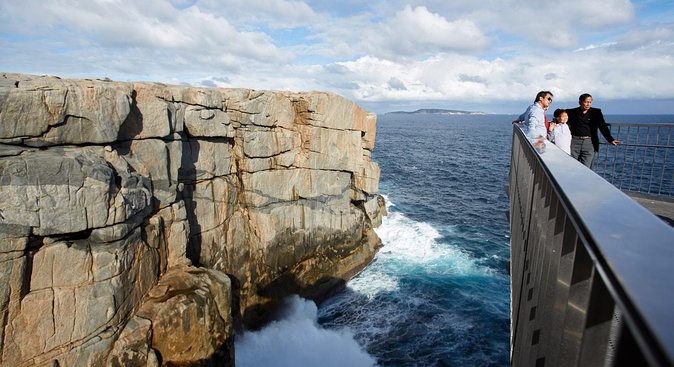
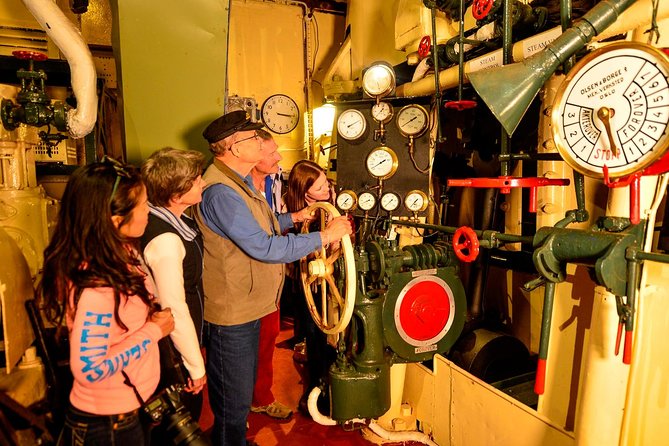
The Cheynes IV is the clearest reason to visit. It is described as the only preserved whale chaser ship in the world, and boarding it gives the history a physical focus that the wall displays cannot match.
A ship also changes your sense of scale. You are not just reading about the vessels used in whaling. You can walk aboard one and picture the cramped, practical working environment. The ship helps explain the machinery and routines behind the industry in a direct way.
Take your time here. Look at the vessel as both a historic object and a workplace. The experience is especially valuable for anyone interested in maritime history, industrial sites, or the way a local economy once operated.
You should also expect some physical demands. The attraction asks for a moderate level of fitness, and a ship visit may involve walking through spaces that are less open than a modern museum. The supplied information does not list specific accessibility arrangements, so anyone with mobility concerns should check directly with the station before booking.
A few more history tours around Australia worth a look
- Ultimate Melbourne Walking Tour: History, Laneways & Culture
★ 5.0 · 1,451 reviews - Puffing Billy Railway: Heritage Steam Train Journey
★ 4.6 · 1,195 reviews - Morning World Heritage Cruise on the Gordon River from Strahan
★ 5.0 · 1,193 reviews - Strahan: World Heritage Cruise on Gordon River with Lunch
★ 4.8 · 1,143 reviews
The blue whale skeleton and marine collections
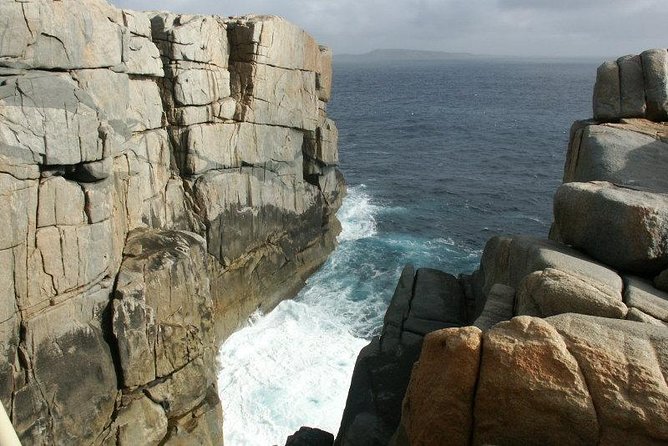
The giant blue whale skeleton is another strong point. Even without a detailed explanation, its size gives you a better sense of the animal than a photograph can. It is a memorable visual anchor for the visit and a useful counterpoint to the machinery and industrial displays.
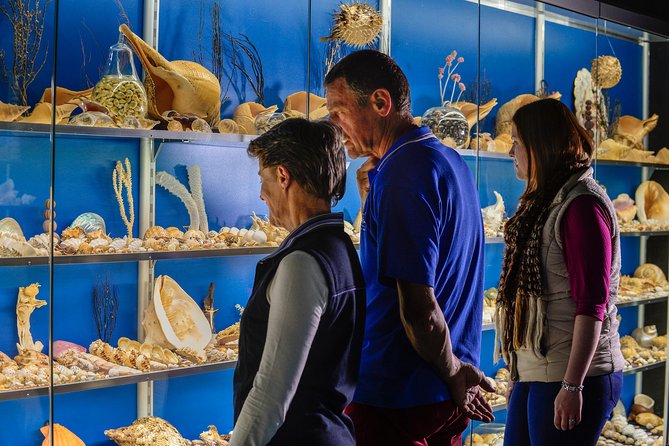
The museum also includes a world-renowned collection of marine animal art. This shifts the focus from the business of whaling to the beauty and variety of marine life. Precious scrimshaw art adds another layer, showing how people working around the sea produced detailed decorative objects.
These collections may appeal to different members of your group. One person can focus on ships and tools, another on marine animals, and another on the artwork. That range helps keep the visit from becoming a single-topic display.
The scrimshaw collection may need a little patience. It is not likely to have the immediate visual impact of a ship or skeleton, but it rewards close looking. If you are interested in craftsmanship, seafaring culture, or small historical objects, give it more than a passing glance.
Authentic artifacts and the difficult side of the story
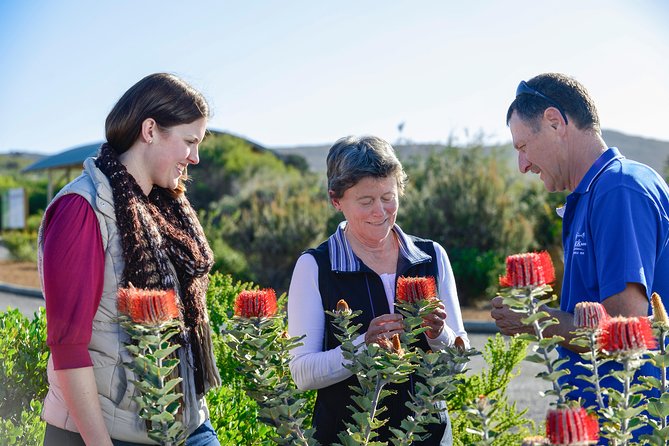
The station contains authentic whaling artifacts and memorabilia, which give the site much of its credibility. These are not generic objects chosen to imitate a past era. They are tied to the work carried out here and help you understand the tools, habits, and material culture of the industry.
At the same time, the subject can be confronting. One five-star assessment described the attraction as unsuitable for the faint of heart, while still calling it a major part of the area’s past. That is fair advice. You should visit prepared for an honest presentation rather than a sanitized one.
This balance is important. The museum is not asking you to admire every part of the industry. It is showing you what happened and giving you a chance to consider the human, economic, and environmental sides of that history.
I especially like that the site does not reduce the visit to a single message. The ship, tanks, films, artifacts, skeleton, and artwork let you approach the story from several angles. That makes the two to three hours feel purposeful rather than padded.
More than a museum visit

The attraction has a few extras that can shape your day. The café looks over one of Albany’s picturesque bays, so it gives you a place to pause after the heavier exhibits. Food and drinks cost extra, but the view can make the stop worthwhile if you are not in a hurry.
Free barbecue facilities are available in the flower garden. This is a useful option for families or anyone planning a longer outing, though you will need to bring or buy your own food. The inclusion is practical rather than flashy, and it gives the visit a more relaxed rhythm.
A small Australian wildlife enclosure is also mentioned as part of the wider site. It may appeal to children and adds some variety after the museum sections. Still, I would treat it as an extra, not the main reason to pay admission.
Weather can affect how much you enjoy these additional areas. The station operates in all weather, but you should dress appropriately. Strong wind and rain have already proved enough to make visitors leave sooner than planned, so a wet forecast is a good reason to bring proper outerwear and allow flexibility.
Is the $26.49 admission good value?
At $26.49 per person, the ticket offers fair value if you plan to spend two or three hours exploring the full site. You are paying for access to several different elements: the former processing center, films in the converted tanks, the Cheynes IV, the blue whale skeleton, marine art, scrimshaw, artifacts, and outdoor areas.
The value improves if you have a genuine interest in history, wildlife, ships, or local culture. You can move at your own pace, which means you are not paying for a short, fixed presentation and then being sent away. The café, garden, and barbecue facilities also make it possible to stretch the visit into a larger half-day outing.
The price is less convincing if you only want a quick photo of the ship. The station rewards attention, so the best way to justify the ticket is to reserve enough time for the films and indoor displays as well as the headline attractions.
GST is included, and all listed activities are covered by admission. Food, drinks, and lunch are separate costs, so budget for those only if you plan to use the café or make a meal of the outing.
How long should you allow?
Two hours is enough for a focused visit. You can see the main exhibits, board the Cheynes IV, view the skeleton, and sample the films without lingering too long.
Three hours is better if you want to read carefully, study the art and scrimshaw, spend time with the artifacts, and pause outdoors. Add more time if you plan to eat at the café or use the barbecue facilities.
I would not schedule the station tightly against another appointment. The self-guided format makes the timing flexible, but it also makes it easy to keep finding one more display worth seeing. A wet or windy day may push you indoors and shorten time outside, while pleasant weather may tempt you to stay by the bay.
The station is open daily from 9 a.m. to 5 p.m. The stated operating period covers July 1, 2025, through June 30, 2027. Check the local opening details when planning a later visit, since hours can change.
Who will enjoy this most?
I would recommend the experience to:
- People who want a serious look at Albany’s past
- Visitors interested in ships, maritime work, or industrial history
- Families with older children who can handle a confronting subject
- Anyone who enjoys self-guided museums rather than fixed group tours
- Art and marine-life enthusiasts
- Visitors looking for a two to three-hour activity outside Albany’s center
I would be more cautious if you are seeking a cheerful attraction with little reading or if you dislike exhibits connected to animal slaughter. The site is educational, but it is not weightless entertainment.
Children must be accompanied by an adult. A moderate level of physical fitness is recommended, and the attraction operates in all weather, so comfortable clothing and weather protection are sensible.
Booking flexibility and practical planning
The admission can be canceled for a full refund if you cancel at least 24 hours before the experience start time. Changes or cancellations within 24 hours are not accepted and are not refunded, with cut-off times based on local time.
One useful sign of flexibility is that a visitor who missed the original booking date was allowed to use the ticket later. That does not replace checking the formal policy, but it suggests it is worth contacting the operator if your plans change.
Because the experience is self-guided, you do not need to fit into a tour group’s pace. You can also adapt the day around the weather, spending more time indoors during poor conditions and using the garden or bay-side café when the sky clears.
Should you book Albany’s Historic Whaling Station?
Book it if you want an honest, place-based look at Albany’s whaling past and can give it at least two hours. The preserved Cheynes IV, blue whale skeleton, converted oil tanks, and authentic artifacts create a visit with real substance, while the self-guided format lets you choose your level of detail.
Skip it if you want a quick, light attraction or if the subject matter is likely to upset you. For most history-minded visitors, though, the $26.49 admission is reasonable, especially when you include the ship, films, art, outdoor areas, and freedom to explore at your own speed.
FAQ
How long does a visit to Albany’s Historic Whaling Station take?
The expected duration is approximately two to three hours. You may need extra time if you watch all the films, study the collections closely, visit the café, or use the flower garden and barbecue facilities.
What are the main things to see at the station?
You can board the Cheynes IV whale chaser, view a giant blue whale skeleton, watch short films inside converted whale-oil tanks, see whaling artifacts and memorabilia, and explore marine animal art and scrimshaw.
Is the experience guided?
No. Admission provides a self-guided visit, so you can explore the museum and displays at your own pace.
Is food included in the ticket?
No. Food, drinks, and lunch are not included. A café is available, and free barbecue facilities can be used in the flower garden.
Is the station open every day?
Yes. The stated opening hours are 9 a.m. to 5 p.m., Monday through Sunday, for the period from July 1, 2025, to June 30, 2027.
Can I cancel my booking for a refund?
Yes, if you cancel at least 24 hours before the experience start time, you can receive a full refund. Cancellations and changes made within 24 hours are not accepted and are not refunded.
Just added around Australia
- 7 Day Adelaide to Uluru Adventure and Cultural Tour★ 5.0 · 52 reviews
- Sydney Historical Walking Tour including The Rocks★ 4.6 · 20 reviews
- Sydney Convicts, History & The Rocks 2.5-Hour Walking Tour★ 4.9 · 181 reviews
- Port Arthur Historic Site Ghost Tour★ 4.2 · 173 reviews
- Yallingup: Ngilgi Cave Ancient Lands Experience★ 4.9 · 41 reviews
- Melbourne: City`s History and Unique Bar Scene Tour★ 4.7 · 19 reviews
- Longreach History and Town Tour★ 4.8 · 23 reviews
- Hobart Historic Walking Tour★ 4.6 · 19 reviews
Australia History Tours, compared.

Ultimate Melbourne Walking Tour: History, Laneways & Culture
Read our review →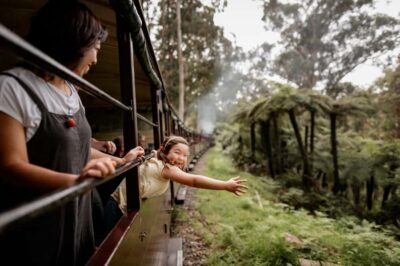
Puffing Billy Railway: Heritage Steam Train Journey
Read our review →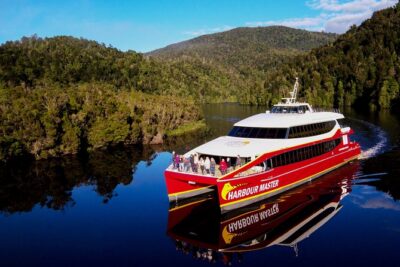
Morning World Heritage Cruise on the Gordon River from Strahan
Read our review →
Strahan: World Heritage Cruise on Gordon River with Lunch
Read our review →

Experience History onboard The Mary Valley Rattler
Read our review →
Snorkel & Dive the Reef: Sustainable, Scientific & Cultural Tour
Read our review →
Derwent River Historic Harbour Cruise From Hobart
Read our review →Browse the lists this tour appears in