
Review · WESTERN AUSTRALIA
Albany: Historic Whaling Station Entry Ticket
Whales once powered Albany’s economy. Today, the Historic Whaling Station turns that difficult past into a clear, hands-on museum experience, with a restored factory, a preserved whale chaser, marine skeletons, and short films inside old oil tanks. I like the way the site lets you see the machinery and working spaces, rather than presenting whaling as a distant story. I also like that your ticket covers the gardens and wildlife park, giving families plenty to do beyond the main exhibits.
The main consideration is emotional: this is not a lighthearted attraction from start to finish. You will see how whales were processed, and the subject can feel grim, even though the displays explain why the industry ended. Allow several hours if you want to cover everything, and wear comfortable shoes because the site includes trails and several separate areas.
Key things to know before you go
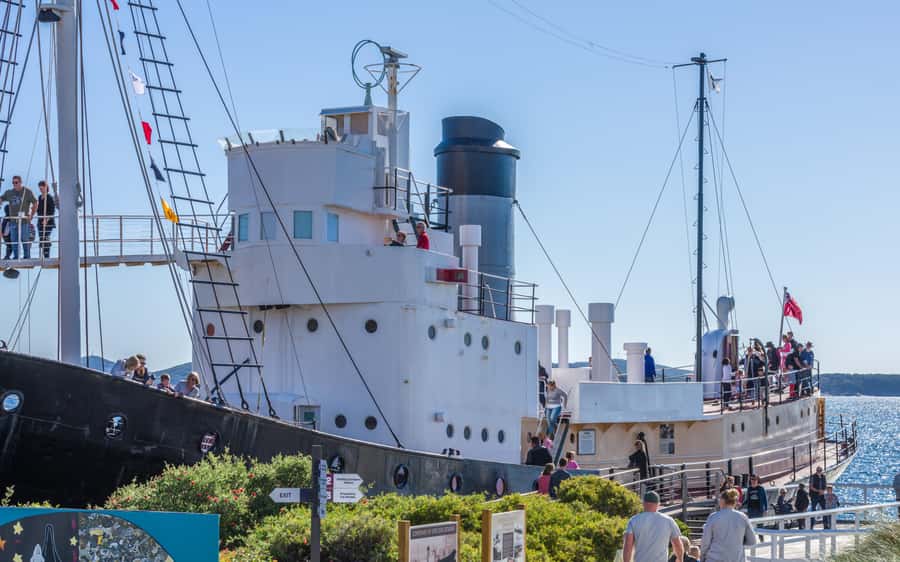
- Board Cheynes IV: Walk through the world’s only preserved whale chaser ship and see the vessel that supported Albany’s final whaling operation.
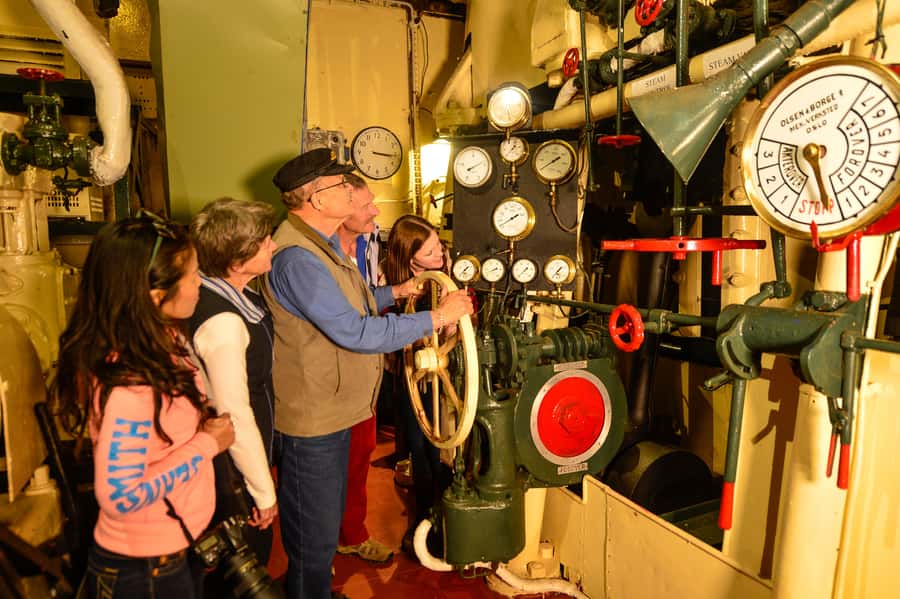
- Enter the old processing factory: The restored building shows the scale, machinery, and working conditions behind the industry.
- See a giant blue whale skeleton: The marine display makes the size of these animals real in a way photographs cannot.
- Watch films inside converted oil tanks: The unusual setting adds atmosphere, while the 3D film gives the whales an almost startling presence.
- Use the full-day ticket well: Regional Wildflower Gardens, an Australian Wildlife Park, picnic areas, and free BBQs are included.
- Plan around opening hours: The station opens from 9:00 AM to 5:00 PM, while the gardens and wildlife park open from 10:00 AM to 5:00 PM.
Why Albany’s whaling station matters
Albany’s Historic Whaling Station was Australia’s last operating whaling station. It is now a heritage attraction that preserves the complete site, not just a few objects removed from their original setting.
That distinction matters. You are not simply looking at a ship model or reading a panel about whaling. You can move through the factory, see the oil tanks, board the chase boat, and connect each piece to the next. The result is a more physical lesson in how the industry worked.
I find the site most useful when you approach it with two thoughts in mind. First, whaling was once an important local industry tied to jobs and trade. Second, the process was harsh, and the displays do not let you forget that. The attraction explains Albany’s past without asking you to approve of it.
The setting also gives the visit a wider sense of place. This is part of Albany’s south coast story, where maritime work, wildlife, native plants, and changing attitudes toward conservation all meet in one day out.
More Entry Tickets in Australia:
- Edinburgh: Edinburgh Castle Guided History Tour with Tickets
★ 4.8 · 9,933 reviews - Taormina: Ancient Theater Skip-the-Line Ticket & Audio Guide
★ 4.5 · 2,412 reviews - Historic Milan Tour with Skip-the-Line Last Supper Ticket
★ 4.5 · 1,976 reviews
Starting inside the restored processing factory
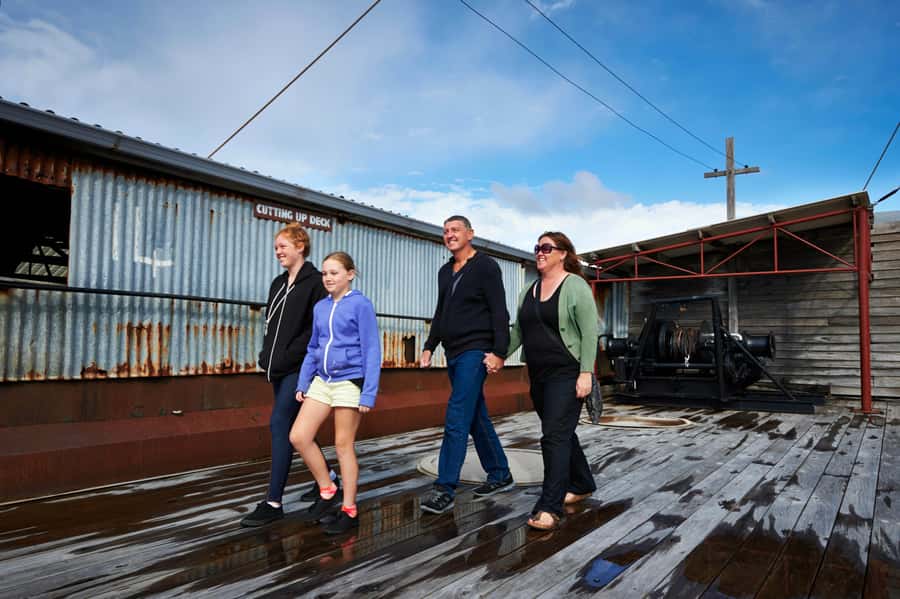
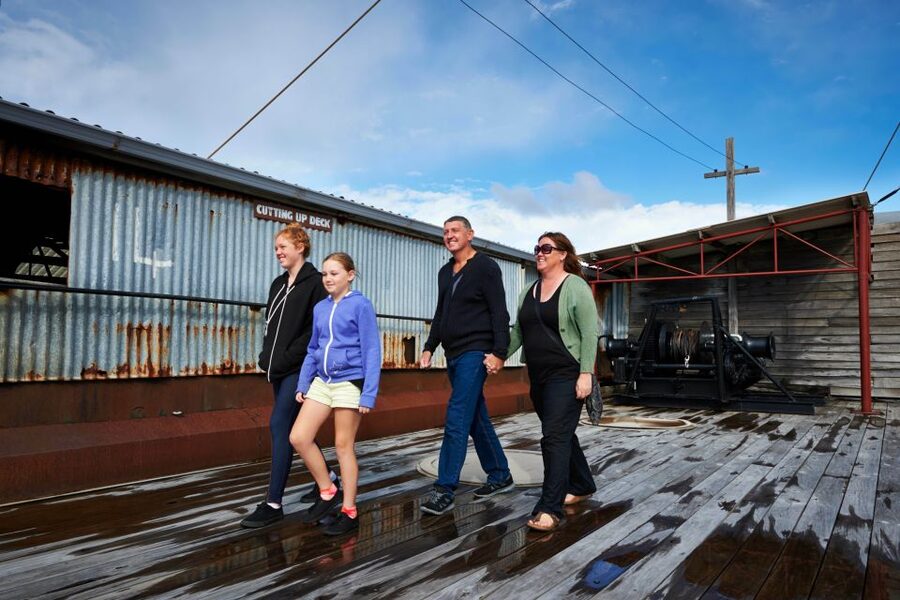
Begin with the restored whale processing factory. This is the clearest place to understand the practical side of the operation. The building, equipment, and working areas show how a whale moved through the station after being brought ashore.
The sights and sounds are intended to recreate the working atmosphere. That can feel confronting, but it gives the history weight. A small museum display can make an industry seem tidy and abstract. A factory floor makes you think about scale, labor, noise, and the amount of material handled.
I recommend taking your time here instead of rushing straight to the ship. Read the interpretive material and look closely at the machinery. The factory helps explain why this place is more than a general maritime museum. It was a functioning industrial site, and the restored spaces retain that practical character.
This part will appeal to adults and older children who like real places with a strong connection to local history. Younger children may prefer the skeletons, films, and wildlife park, so families can use the factory as one stop in a larger visit rather than expecting every room to hold their attention.
Boarding Cheynes IV, the preserved whale chaser
Cheynes IV is one of the strongest parts of the visit. You can climb aboard the world’s only preserved whale chaser ship and walk through a vessel designed for a very specific job.
The ship makes the industry personal. On the factory floor, you see the operation at full scale. On Cheynes IV, you think about the people who went out to sea, the cramped working environment, and the skill involved in finding and pursuing whales.
I like this change in scale. The ship is not simply another exhibit behind glass. You enter it, move through it, and see how a working vessel differs from a pleasure boat or a modern museum ship. It helps turn a broad historical subject into something you can picture.
Take care with your footing and wear sensible shoes. Comfortable footwear is specifically recommended, and it is good advice for a site that includes a ship, trails, factory spaces, and outdoor areas. Bare feet are not allowed, and smoking and vaping are prohibited.
Seeing the marine skeleton collection
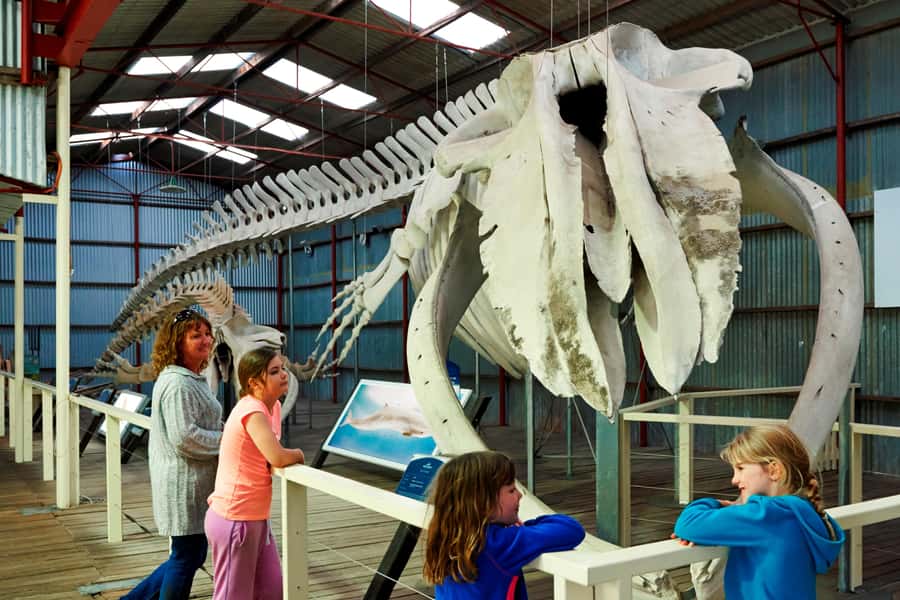
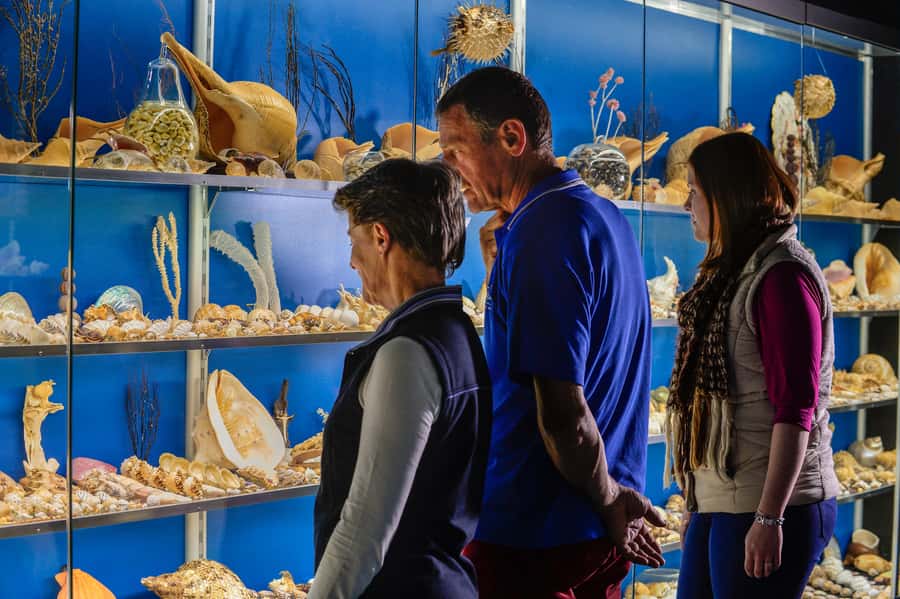
The marine skeleton display provides some of the visit’s most memorable sights. A giant blue whale skeleton gives you a physical sense of the animal’s size, while the collection also includes other marine specimens.
You may have seen whale photographs before, but a skeleton communicates scale differently. The bones make the body plan visible, from the long frame to the enormous skull. The display works well for children because it is visual, but it also gives adults a useful reason to pause and think about the animals that once passed through the station.
One detail worth watching for is the pygmy whale skeleton. Its size is described as enormous despite the name, a good reminder that pygmy is a relative term in the whale world. The collection is not only about the largest animals. It presents marine life as a group with surprising variety.
The station also has a world-renowned marine animal art collection and precious scrimshaw art. These pieces add a different layer to the visit, showing how marine creatures have appeared in art and seafaring culture. The displays connect working life, natural history, and craft without turning the site into a single-topic exhibit.
A few more history tours around Australia worth a look
- Ultimate Melbourne Walking Tour: History, Laneways & Culture
★ 5.0 · 1,451 reviews - Puffing Billy Railway: Heritage Steam Train Journey
★ 4.6 · 1,195 reviews - Morning World Heritage Cruise on the Gordon River from Strahan
★ 5.0 · 1,193 reviews - Strahan: World Heritage Cruise on Gordon River with Lunch
★ 4.8 · 1,143 reviews
Watching films inside the old oil tanks
The converted whale oil tanks now contain short films. This is an inventive use of the old industrial spaces, and the setting gives the films more force than a standard screening room would.
A 3D movie is part of the presentation. The effect can feel very close-up, with whales appearing to move toward you. If you enjoy visual exhibits, this may be one of the most enjoyable stops on the site. It offers a break from reading and gives you a more direct sense of the animals in the water.
The film content also creates a useful contrast with the factory. You see whales as living animals, then return to a place built around processing them. That contrast can be uncomfortable, but it is an honest part of the attraction’s purpose.
Short films are easy to fit into your day, though you should allow enough time to watch them properly rather than treating them as background material. The old tanks are one of the places where the station’s original industrial use and present educational role come together most effectively.
The gardens and Australian Wildlife Park
Your entry includes the Regional Wildflower Gardens and the Australian Wildlife Park. These areas broaden the day beyond whaling and make the ticket more useful for families or anyone who wants time outdoors.
The gardens display native plants from a region said to contain more than 100,000 species. You can follow the outdoor areas at your own pace and use them as a quieter counterpoint to the factory and ship. They also help place the station within Western Australia’s distinctive natural setting.
The wildlife park contains a friendly collection of native animals. The available information does not specify every species or presentation, so I would treat this as an additional part of the day rather than the main reason to book. It is a good option if you are visiting with children or want a slower stretch between museum exhibits.
The gardens and wildlife park open from 10:00 AM to 5:00 PM, one hour later than the Historic Whaling Station. That timing matters if you arrive early. Start with the station’s indoor and industrial displays, then move outside once the gardens and wildlife area open.
Free BBQs and a picnic area are available on site. You can bring the visit into a relaxed family day rather than paying for a meal between exhibits. There is also a café overlooking one of Albany’s picturesque bays, a useful stop if you prefer coffee and a view.
How much time should you allow?
The ticket is valid for one day from first activation, and the site is open from 9:00 AM to 5:00 PM daily. You do not need to squeeze the visit into a short museum stop.
I would allow at least half a day for the factory, ship, skeleton display, films, art, and museum exhibits. If you want to use the gardens, wildlife park, café, or picnic facilities, plan for most of the day. The attraction is designed for a full visit rather than a quick look at one headline exhibit.
A practical schedule could look like this:
- Arrive near opening time and explore the factory and museum exhibits.
- Board Cheynes IV while your attention is fresh.
- See the marine skeleton collection and watch the films in the oil tanks.
- Take a break at the café or use the picnic area and BBQs.
- Visit the Regional Wildflower Gardens and Australian Wildlife Park from 10:00 AM onward.
- Return to any exhibit you rushed earlier before closing.
This flexible structure works better than a fixed guided tour because you can spend extra time where your interest is strongest. The attraction has an English-speaking host or greeter, but the visit is primarily an independent exploration of the site.
Is the $25 ticket good value?
At $25 per person, the ticket offers good value if you plan to use the full site. You are paying for access to the restored factory, Cheynes IV, marine skeletons, films, art, museum exhibits, gardens, and wildlife park. The inclusion of free BBQs and a picnic area adds practical value for families.
The price is less compelling if you only have time for a fast walk through the main building. The attraction earns its cost through variety and time, so I would not book it as a 30-minute stop. Give yourself room to see the industrial spaces, ship, natural history displays, and outdoor areas.
The ticket also works well for mixed groups. One person can focus on local history, another on marine life, and children can spend time with the film, skeletons, gardens, or animals. That range is a real advantage over a small museum with one narrow theme.
The difficult side of the story
You should expect some sadness here. The factory and displays show the reality of an industry that killed whales, and the subject may be hard for some people, especially children.
I appreciate that the attraction does not hide this part of Albany’s past. One of the central lessons is that the station operated until attitudes and laws changed. You can leave with a clearer understanding of why whaling once existed and why it no longer does in Australia.
The visit is educational rather than celebratory. If you want a purely cheerful family outing, the factory may not suit your mood. If you are comfortable with a frank historical site, the difficult material gives the rest of the visit meaning.
Who will enjoy this most?
I would recommend the station to anyone interested in maritime history, wildlife, industrial heritage, or Albany’s local story. It suits families because the ticket includes outdoor areas, animals, films, and picnic facilities. It also works for adults who prefer real working sites to polished, modern museums.
The attraction is especially useful for visitors with a full day in the Albany area. You can combine learning with outdoor time without needing to move the car between several stops. The bay view from the café gives you a pleasant pause after the more serious exhibits.
It may be less suitable if you dislike confronting historical subjects or have only a brief window in Albany. The site is wheelchair accessible, but I would still allow extra time and move at your own pace across the different areas.
Practical details for your visit
The meeting point is 81 Whaling Station Road, Torndirrup, Western Australia 6330. The Historic Whaling Station is open seven days a week from 9:00 AM to 5:00 PM, closing only on December 25.
The Regional Wildflower Garden and Australian Wildlife Park operate daily from 10:00 AM to 5:00 PM. Comfortable shoes are the main item to bring. Smoking, vaping, and bare feet are not allowed.
The experience is provided in English, and the site is wheelchair accessible. You can cancel up to 24 hours before the visit for a full refund, and a reserve-now, pay-later option is available if you want to keep your plans flexible.
Should you book Albany’s Historic Whaling Station?
Yes, if you want an honest look at Albany’s working past and can spare at least half a day. The preserved factory, Cheynes IV, blue whale skeleton, oil-tank films, and outdoor areas give the $25 ticket real substance.
I would book it for families, history fans, marine-life enthusiasts, and anyone who enjoys attractions with a clear connection to place. I would skip it only if you want a quick, cheerful stop or prefer not to confront the history of whaling. For everyone else, arrive early, wear comfortable shoes, and give the site enough time to tell its full story.
FAQ
Where is Albany’s Historic Whaling Station?
It is located at 81 Whaling Station Road, Torndirrup, Western Australia 6330.
How much does entry cost?
The listed price is $25 per person.
How long is the ticket valid?
The ticket is valid for one day from first activation.
What does the entry ticket include?
It includes access to all exhibitions at the Historic Whaling Station, the Regional Wildflower Gardens, and the Australian Wildlife Park. Free on-site BBQs and a picnic area are also available.
What are the opening hours?
The Historic Whaling Station is open daily from 9:00 AM to 5:00 PM. The Regional Wildflower Gardens and Australian Wildlife Park open daily from 10:00 AM to 5:00 PM.
Is the attraction open every day?
Yes. It is open seven days a week, with December 25 listed as the only closure day.
Is the experience wheelchair accessible?
Yes, the activity is wheelchair accessible.
What should I bring?
Bring comfortable shoes, as the visit includes the factory, ship, museum areas, and outdoor trails.
Can I cancel or pay later?
You can cancel up to 24 hours in advance for a full refund. A reserve-now, pay-later option is also available.
Just added around Australia
- Darwin: Small Group 2-Hour Heritage Walk★ 4.9 · 28 reviews
- A Barossa Valley pickup: Wine and Heritage Tour, Local Guide★ 4.9 · 20 reviews
- Hobart: Historic Lunch Cruise★ 4.6 · 271 reviews
- Tasman Peninsula Tour, Cruise & Port Arthur Historic Site★ 4.9 · 339 reviews
- Ultimate Melbourne Walking Tour: History, Laneways & Culture★ 4.8 · 338 reviews
- Tasman Island Cruises and Port Arthur Historic Site Day Tour from Hobart★ 5.0 · 477 reviews
- Discover Perth Walking Tour: History, Art, Local Insights + More!★ 5.0 · 458 reviews
- From Perth: Wave Rock, York and Aboriginal Cultural Tour★ 4.6 · 498 reviews
Australia History Tours, compared.

Ultimate Melbourne Walking Tour: History, Laneways & Culture
Read our review →
Puffing Billy Railway: Heritage Steam Train Journey
Read our review →
Morning World Heritage Cruise on the Gordon River from Strahan
Read our review →
Strahan: World Heritage Cruise on Gordon River with Lunch
Read our review →

Experience History onboard The Mary Valley Rattler
Read our review →
Snorkel & Dive the Reef: Sustainable, Scientific & Cultural Tour
Read our review →
Derwent River Historic Harbour Cruise From Hobart
Read our review →Browse the lists this tour appears in