
Review · ADELAIDE
7 Day Adelaide to Uluru Adventure and Cultural Tour
Seven days, one enormous slice of Australia. This Adelaide to Uluru trip packs ancient gorges, underground Coober Pedy, Kings Canyon, Kata Tjuṯa, and Uluru into a small-group outback journey with a maximum of 20 people. I especially like the mix of serious walking and cultural storytelling, plus the chance to sleep in a swag beneath the stars. I also like that national park fees, activities, six breakfasts, and three dinners are included.
The trade-off is the pace. You leave Adelaide at 5:30 am, spend long hours on the road, and tackle several demanding hikes. This is camping and overland travel, not a gentle sightseeing holiday. You should have moderate fitness, tolerate early mornings, and be ready for basic conditions in return for a memorable route through central Australia.
What makes this Adelaide to Uluru trip special
- A 3.2-kilometre walk to Arkaroo Rock combines Adnyamathanha Country with ancient ochre and charcoal art.
- Wangara Lookout and the Kings Canyon Rim Walk provide the trip’s best physical challenges and broad outback views.
- Coober Pedy is experienced from below ground, including a visit to the Old Timers Mine and an underground stay.
- Aboriginal culture is part of the route, with a Yura guide at Wilpena Pound and time at the Uluru-Kata Tjuṯa Cultural Centre.
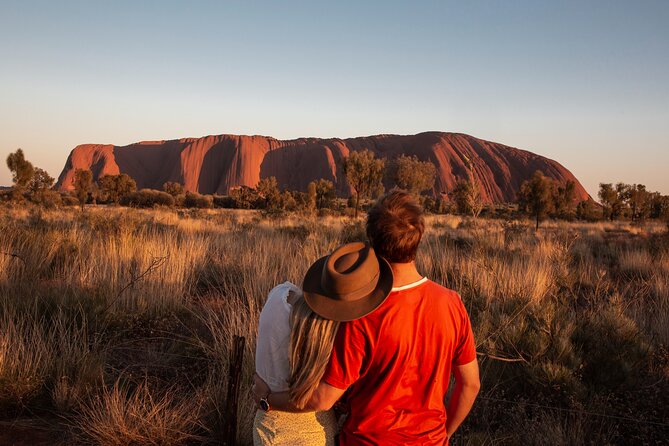
- You sleep in a swag near Uluru, after watching the rock change colour at sunset.
- The tour finishes at Yulara, so you need to arrange your own onward transfer to Alice Springs if that is your next stop.
Adelaide to Wirrabara and the Flinders Ranges
The trip begins before sunrise at YHA Adelaide Central on Waymouth Street. That 5:30 am departure is useful because it gives you a full first day in the Flinders Ranges, but it is not a small detail. Plan a quiet evening before departure and keep your morning gear ready.
After a quick coffee stop, the group reaches Wirrabara. This is a short 15-minute pause, useful for stretching your legs and getting a first look at the slower pace of rural South Australia. The real prize comes at Arkaroo Rock, within Adnyamathanha Country.
The 3.2-kilometre trail passes through native bush to a rock shelter marked with ochre and charcoal art. I like this stop because it gives the tour an immediate sense of age and place. You are not simply looking at scenery from a bus window. You are walking to a site connected with Aboriginal culture, and the setting helps you understand why the Flinders Ranges matter.
Allow for uneven ground and sun exposure. The walk lasts about an hour, so it is not an all-day trek, but you should still carry water and wear proper walking shoes.
By late afternoon, the group reaches Wilpena Pound, a natural basin ringed by the Flinders Ranges. A local Yura guide welcomes the group to Country and shares stories first spoken in Yura Ngawarla before explaining them in English. This is one of the tour’s strongest features. The cultural introduction is tied to the actual place you are standing in, rather than added as a separate museum stop.
You spend the night at Wilpena Pound, with about 14 hours allocated there. That creates a welcome pause after the early start and the drive north.
More Local Culture and Traditions Tours in Australia
- Ultimate Melbourne Walking Tour: History, Laneways & Culture
★ 5.0 · 1,451 reviews - Snorkel & Dive the Reef: Sustainable, Scientific & Cultural Tour
★ 4.5 · 841 reviews - From Perth: Wave Rock, York and Aboriginal Cultural Tour
★ 4.6 · 498 reviews
Wangara Lookout, Old Wilpena Station, and Warren Gorge
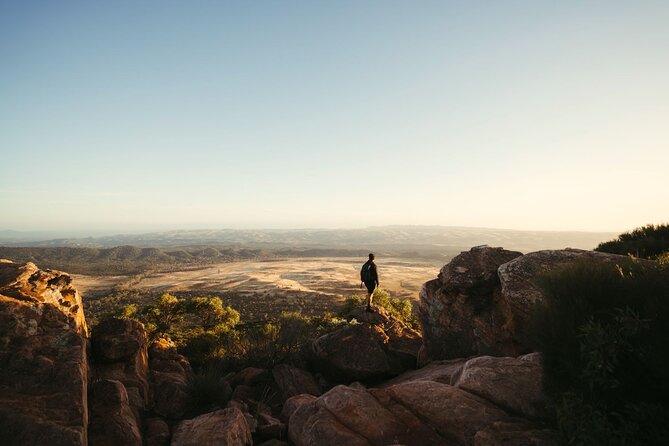
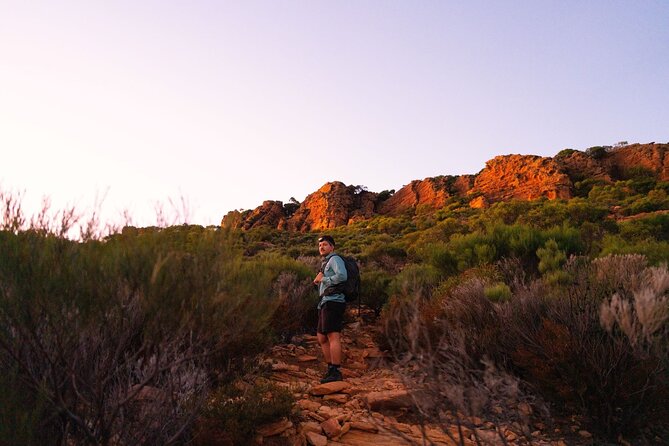
Day two begins with the Wangara Lookout Hike. The 7-kilometre return route starts at the Wilpena Pound Visitor Centre and passes through Pound Gap, where river red gums shade parts of the track. The walk takes about three hours.
This is a proper morning hike, not a quick photo stop. The route gives you time to see the Flinders Ranges on foot, with the changing views doing much of the work. I like the balance here: the previous afternoon introduces the area through culture and rock art, while this morning lets you understand its scale through walking.
The physical demand is moderate but real. You will need enough stamina for a three-hour walk and the ability to manage uneven trail conditions. If you prefer to avoid strenuous activity, ask the operator what alternatives are available before booking, as the published program is built around walking.
The day continues to Old Wilpena Station, where the story of early pastoral life meets Adnyamathanha Country. That combination matters. The stop does not present the outback as empty land waiting for European settlement. It places pastoral history beside the much older culture already connected to the region.
There is also a lunch stop in Hawker and a visit to Warren Gorge. The schedule gives you roughly 13 hours around this part of the route, including travel and activities. Expect a full day, with plenty of time on the road between short stops.
Crossing the saltbush plains to Coober Pedy
Day three changes the mood completely. You leave the Flinders Ranges behind and travel north through broad saltbush plains toward Lake Hart. This is a five-hour stop and travel section, so the bus journey is a major part of the day.
Long road stretches are unavoidable on an Adelaide to Uluru route. They can feel repetitive, but they also show you the sheer scale of South Australia. The open country, sparse vegetation, and big skies make a strong contrast with the mountain country around Wilpena Pound.
Lake Hart provides a useful break before Coober Pedy. By late afternoon, you reach the opal-mining town, often called the underground opal capital of the world.
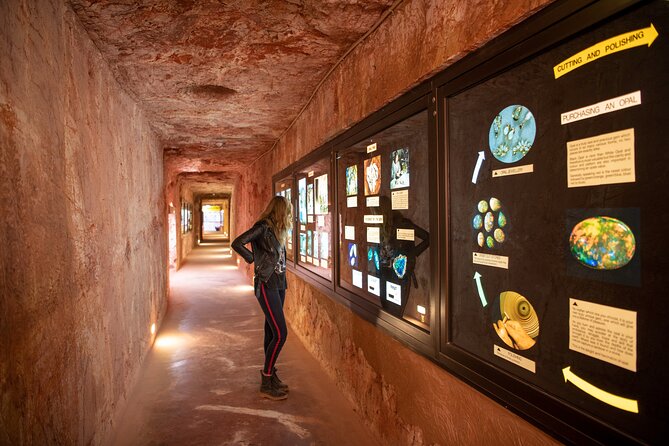
At the Old Timers Mine, you learn how opals form and walk through original underground workings. This is a hands-on way to understand Coober Pedy. Rather than seeing the town only as a roadside stop, you get a look at the mining that shaped it.
Your overnight accommodation is at Radeka Downunder, where rooms are carved into the rock. The underground setting helps protect against the desert heat and is one of the most distinctive nights on the tour. You have about 19 hours in Coober Pedy, giving you time to explore after the mine visit.
The town also gives you a chance to choose your own evening plans. The schedule specifically points to options such as pizza in a cave and underground attractions, but these are not listed as included activities. Check what you want to do before spending extra money.
The long red-road day to Kings Canyon
Day four is the toughest road day. You travel north through red dirt and wide sky, pass the Dingo Fence, and continue to Kanku-Breakaways Conservation Park. The route then crosses into the Northern Territory and heads toward Watarrka National Park and Kings Canyon.
The Dingo Fence is an unusual roadside landmark. It is practical rather than polished, and that is exactly why it fits this trip. Kanku-Breakaways adds more striking desert scenery, with weathered formations and open country that feel far removed from Adelaide.
The schedule does not give a detailed duration for the first part of this day, but the overall plan is clear: expect many hours aboard the vehicle. This is where a small group can help. With no more than 20 people, the ride should feel more personal than a large coach tour, and the guide can help tie the passing country to the larger story of the outback.
By late afternoon, you reach Kings Creek Station, your base for the night near Kings Canyon. The journey is demanding, but the location sets up the next morning’s main walk.
Same place, a different slice of the past:
- Puffing Billy Railway: Heritage Steam Train Journey
★ 4.6 · 1,195 reviews - Morning World Heritage Cruise on the Gordon River from Strahan
★ 5.0 · 1,193 reviews - Strahan: World Heritage Cruise on Gordon River with Lunch
★ 4.8 · 1,143 reviews - Sydney: The Rocks 90-Minute History Walking Tour
★ 4.7 · 1,092 reviews
The Kings Canyon Rim Walk is the physical high point
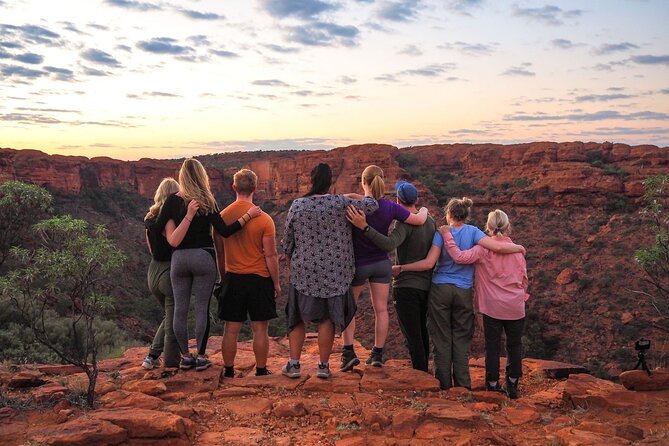
Day five begins early with the 6-kilometre Kings Canyon Rim Walk. The loop takes about three and a half hours and passes sandstone cliffs, ancient domes, and wide views across Watarrka National Park.
This is the tour’s biggest hiking challenge. The route includes an initial climb, so you need sturdy shoes, water, sun protection, and enough fitness for several hours on your feet. The early start is a practical choice. It helps avoid the harshest part of the day, though you still need to prepare for heat.
I consider this walk one of the best reasons to choose the tour. Kings Canyon gives you a different kind of scenery from Uluru: broken sandstone, high cliffs, rounded domes, and a stronger feeling of moving through a natural formation rather than simply viewing one from a lookout.
After lunch, the group continues to Uluru-Kata Tjuṯa National Park. The 45-minute park visit listed for this stage is brief, but it marks the shift into the Red Centre’s cultural heart.
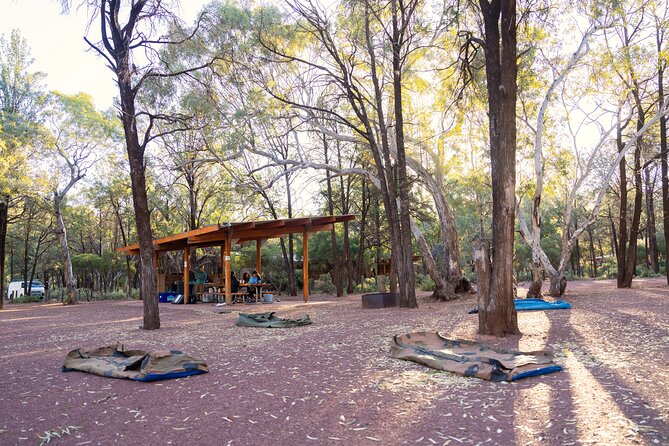
You arrive at Ayers Rock Campground in time for sunset over Uluru. The rock’s colour changes as the light fades, and the quiet of the desert gives this moment more weight than a standard sightseeing stop. Dinner follows at camp, then you roll out your swag under the night sky.
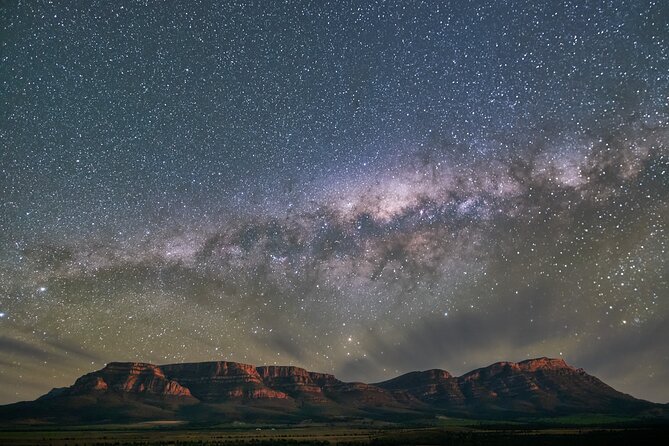
Swag camping is a major part of the tour’s character. It is simpler than a hotel room, and you should be comfortable with outdoor sleeping and shared camp routines. In return, you get a night that feels closely tied to the country around you.
Kata Tjuṯa and the Uluru-Kata Tjuṯa Cultural Centre
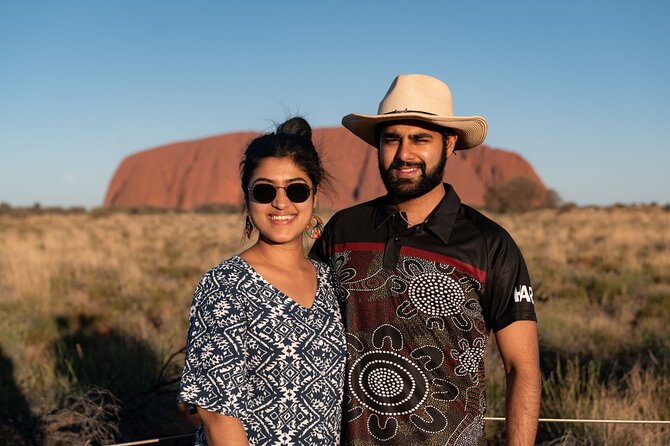
Day six begins with the Walpa Gorge Walk at Kata Tjuṯa. The 2.6-kilometre trail enters a gorge between towering red rock domes. Walpa means wind in the local language, and the walk offers a cooler, quieter setting than the open desert around Uluru.
The route is shorter than the Kings Canyon walk, but the rocky ground still calls for sensible footwear. The domes make Kata Tjuṯa feel distinct from Uluru, so I am glad the program includes both. You see more than one famous formation and gain a better sense of the park’s variety.
Before lunch, you visit the Cultural Centre. This is an important stop, particularly for anyone who wants the Red Centre to mean more than dramatic photographs. The centre explains Aṉangu life and the meaning of the country around Uluru and Kata Tjuṯa.
The cultural content is strengthened by the earlier Yura welcome at Wilpena Pound. Across the week, you receive context in more than one Aboriginal cultural setting rather than treating culture as a single short presentation.
The evening includes an optional Outback BBQ at your own cost. It is a social finish to the Red Centre portion of the trip, but budget for it separately because it is not included. Three dinners are included overall, along with six breakfasts, so check the daily arrangements before assuming every meal is covered.
Sunrise at Uluru and the end at Yulara
The final morning starts early again, this time with sunrise over Uluru. The changing light, long shadows, and gradual colour shifts are the main event. You then get closer to the rock for a more direct look before the tour ends at Yulara.
The final visit lasts about two and a half hours. That is enough time for a meaningful last morning, but it is not a full extra day at the park. If you want a slower visit, additional walks, or more time at the Cultural Centre, consider staying on after the tour.
The end point is Yulara, not Alice Springs. A transfer bus from Yulara to Alice Springs is not included, and you need to arrange that directly. This is one of the most important planning details because the tour’s final destination may not match your next transport connection.
The optional Field of Light experience costs A$50 per person. It is not part of the standard package, so decide in advance if this matters to you.
What the A$1,108 price includes
At $1,108.14 per person, the price is fair for a seven-day guided route covering a very large stretch of Australia. You are paying for transport, a storyteller guide, activities, national park and entrance fees, six breakfasts, and three dinners.
The value improves if you would otherwise need to arrange several separate bookings for the Flinders Ranges, Coober Pedy, Kings Canyon, and Uluru. The included park fees also remove some of the small costs that can build up on an overland trip.
Still, budget beyond the headline price. You need to cover the optional BBQ, the A$50 Field of Light add-on if wanted, some meals, personal spending, and the Yulara to Alice Springs transfer. The camping style also means the price is not buying hotel comfort.
The maximum group size of 20 is a sensible middle ground. It is small enough for guide interaction and shared campfire stories, while large enough to create a lively social atmosphere. Guides named Eli and Brandon have been praised for bringing energy, stories, and care to the trip. Guide quality matters greatly on long road journeys, so this is a useful sign, though your guide will depend on the departure.
Who should book this adventure?
I would choose this trip if you want a concentrated introduction to central Australia and enjoy active days. It suits people who value Aboriginal cultural context, long overland drives, hiking, simple camping, and evenings spent talking around camp rather than returning to a city hotel.
It is less suitable if you need a relaxed timetable, private rooms every night, or short transfer days. The 5:30 am start, the Kings Canyon hike, and the long drive north of the Flinders Ranges require real energy.
The tour also suits solo visitors who want built-in company. The group size, shared meals, and campfire setting make it easier to meet people, while the guide handles the route and park logistics.
Guides such as Eli and Brandon have received especially warm praise for combining practical leadership with stories and humour. That kind of guide can make a long road day feel purposeful instead of merely tiring.
Practical things to know before booking
Wear walking shoes with good grip and bring clothing suitable for sun, heat, cool mornings, and outdoor sleeping. The tour involves several walks, including 3.2 kilometres at Arkaroo Rock, 7 kilometres at Wangara Lookout, 6 kilometres at Kings Canyon, and 2.6 kilometres at Walpa Gorge.
Keep your first morning simple. The meeting point is YHA Adelaide Central, 135 Waymouth Street, and departure is at 5:30 am. A mobile ticket is provided, and pickup is offered, but confirm the exact pickup arrangement before departure.
The tour requires moderate physical fitness. It also depends on suitable weather and a minimum number of participants. If weather or numbers force cancellation, you are offered another date or a full refund. For your own cancellation, a full refund requires cancellation at least six full days before the start time. Cancelling two to six days ahead brings a 50 percent refund, while cancelling less than two full days ahead brings no refund.
Should you book the Adelaide to Uluru adventure?
Book it if you want the full outback route, not just an Uluru photo stop. The Flinders Ranges, underground Coober Pedy, Kings Canyon, Kata Tjuṯa, and Aboriginal cultural experiences give the week real variety.
Skip it if long bus rides and swag camping sound like chores. For an active visitor with limited time, though, this is a strong-value way to connect Adelaide and Uluru while seeing the country between them. The best parts are the guided cultural moments, the Kings Canyon and Flinders Ranges walks, and the night spent beneath the stars near Uluru.
FAQ
Where does the tour start?
The tour starts at YHA Adelaide Central, 135 Waymouth Street, Adelaide, South Australia 5000. The scheduled start time is 5:30 am.
Where does the tour end?
The tour ends in Yulara, Northern Territory. A transfer bus from Yulara to Alice Springs is not included and must be arranged directly.
How long is the tour?
The tour lasts approximately seven days.
What meals are included?
Six breakfasts and three dinners are included. The Outback BBQ on day six is at your own cost.
Is the Field of Light experience included?
No. Field of Light is an optional extra costing A$50 per person.
How fit do I need to be?
You should have a moderate level of physical fitness. The program includes walks of 3.2 kilometres at Arkaroo Rock, 7 kilometres at Wangara Lookout, 6 kilometres at Kings Canyon, and 2.6 kilometres at Walpa Gorge.
Just added around Australia
- Albany’s Historic Whaling Station Admission Ticket★ 4.5 · 86 reviews
- Sydney Historical Walking Tour including The Rocks★ 4.6 · 20 reviews
- Sydney Convicts, History & The Rocks 2.5-Hour Walking Tour★ 4.9 · 181 reviews
- Port Arthur Historic Site Ghost Tour★ 4.2 · 173 reviews
- Yallingup: Ngilgi Cave Ancient Lands Experience★ 4.9 · 41 reviews
- Melbourne: City`s History and Unique Bar Scene Tour★ 4.7 · 19 reviews
- Longreach History and Town Tour★ 4.8 · 23 reviews
- Hobart Historic Walking Tour★ 4.6 · 19 reviews
Local Culture & Traditions Tours, compared.

Amsterdam Food and Cultural Tour with Tastings
Read our review →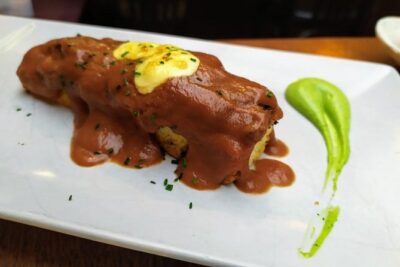
Sevilla Food Tour: Tapas, Wine, History & Traditions
Read our review →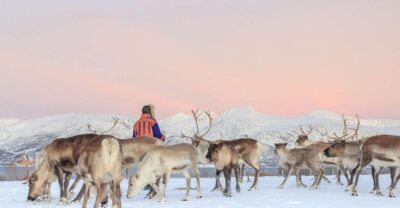
Tromsø: Reindeer Camp and Sami Cultural Tour with Lunch
Read our review →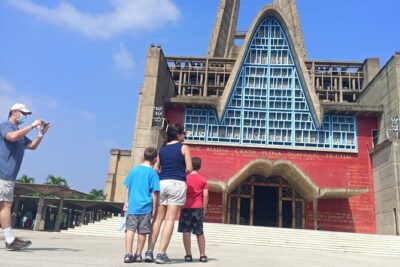
Half Day Dominican Republic Cultural Tour : Small Group
Read our review →
Ultimate Melbourne Walking Tour: History, Laneways & Culture
Read our review →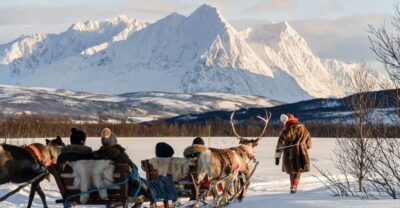
Tromsø: Sámi Reindeer Sledding and Sami Cultural Tour
Read our review →
Kyoto Gion: 2-Hour Geisha Culture & History Walking Tour
Read our review →
Marrakech Historical and Cultural Tour – Half Day City Tour
Read our review →Browse the lists this tour appears in