Review · ACCRA
Ghana Heritage Tours – Beyond The Return
History becomes personal here. This eight-day private tour links Accra, Kumasi, and Cape Coast through museums, royal sites, markets, craft villages, and places tied to the transatlantic slave trade. I like the care built into the route, especially the time spent with kente weavers, beadmakers, and local communities rather than only looking at monuments from a bus.
I also like that airport transfers, hotels, meals, admission fees, water, and private transport are included. The traditional naming ceremony gives the trip a personal center, not just a long list of sights. The main consideration is the price, $3,595 per person, and the busy schedule. Several days combine long drives, formal visits, shopping, and evening outings, so you should arrive ready for full days.
Five details that shape the experience
- A private eight-day route: Only your group takes part, with an air-conditioned vehicle, driver, and local guide available throughout the trip.
- A naming ceremony in Cape Coast: Chiefs, queen mothers, and elders welcome you with libation, drumming, dancing, and a traditional African name.
- A serious look at the slave trade: Assin Manso, Cape Coast Castle, and Elmina Castle provide three different settings for understanding the forced journey toward the coast.
- Hands-on textile traditions: You can see kente woven on traditional looms, print your own strip of adinkra cloth, and arrange tailored clothing.
- A strong cultural range: The route covers Ashanti royal history, Pan-African thought, markets, gardens, crafts, nightlife, and rainforest scenery.
Arriving in Accra and getting settled
Your airport pickup begins the trip on a helpful note. Look for the Ashanti African Tours sign after leaving the arrival hall, where the team welcomes you with Akwaaba, meaning welcome, and transfers you to your hotel.
The first day is intentionally light. After check-in and time to freshen up, you meet for dinner and talk through the days ahead. You can stay at the hotel or go into Accra for an introduction to the city’s nightlife.
That flexibility matters after an international flight. Still, the stated start time is 12:00 am, so confirm the exact pickup arrangements before you fly. Airport transfers are included, and the tour provides 24/7 office support if you need help with the arrival details.
The company team named in the welcome material includes Alex and Eric. One personal account praised the care taken with details and the confidence the staff gave during the trip. That is useful context for a heritage tour, since the emotional and practical sides of the journey both need attention.
A few more history tours around the world worth a look
- History and Hauntings of Salem Guided Walking Tour
★ 5.0 · 14,564 reviews - Colosseum: Underground and Ancient Rome Tour
★ 4.7 · 12,691 reviews - Lisbon: History, Stories and Lifestyle Walking Tour
★ 4.8 · 10,902 reviews
Accra’s museums, memorials, and old coastal quarter
Day two gives you a fast but useful introduction to Accra. At the National Museum of Ghana, you spend about an hour with displays focused on Ghanaian and wider West African culture. The adjoining garden contains sculptures connected to local traditions and customs.
This is also one of the first chances to arrange clothing. Fabrics are sold around the museum and nearby markets, and a tailor or seamstress can take your measurements and help select designs. If you want made-to-measure clothing, do not leave the decision until the final evening. The tour schedule includes several later opportunities to wear the finished outfits, especially during the naming celebration.
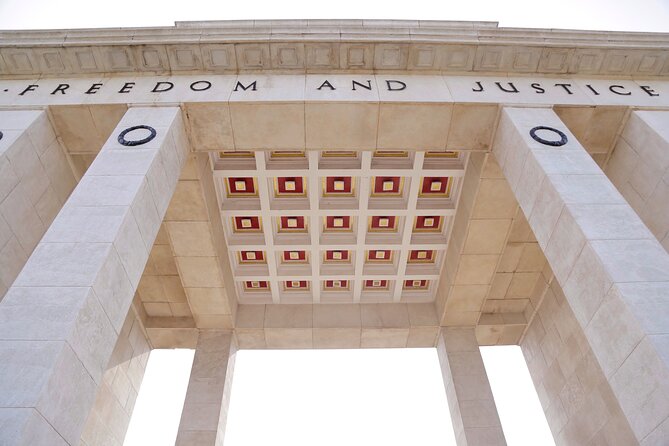
Next comes Black Star Gate and Independence Square, Ghana’s main ceremonial grounds. The enclosed flame of African liberation was lit by Kwame Nkrumah in 1961. At the nearby Kwame Nkrumah Memorial Park, you see the burial place of the leader who guided the Gold Coast to independence from Britain in 1957.
The park’s museum contains photographs and objects from Nkrumah’s life. The National Cultural Center, beside the memorial park, is a large outdoor arts and crafts market with items from Ghana and other parts of West Africa. It is a good place to compare fabrics and crafts, but keep your shopping pace sensible. You still have several craft stops ahead.
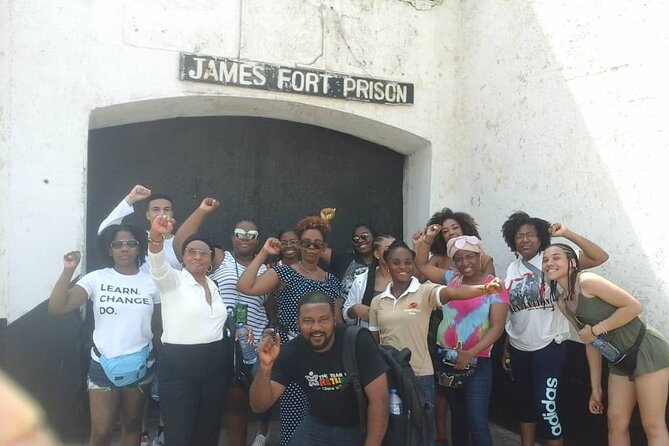
The walking tour through James Town changes the mood. This is one of Accra’s oldest suburbs, with historic structures, colorful fishing boats, the British lighthouse built in 1871, and Fort James, a trading post dating from 1673. The area helps connect colonial-era buildings with present-day community life.
The two-hour James Town visit is one of the more active parts of the Accra program. Wear comfortable shoes, and expect the setting to feel lived-in rather than polished for sightseeing. That is part of its value. You are not looking at Ghana from behind a museum case.
The evening returns you to the hotel for dinner, tailoring measurements, and the option of Accra nightlife. Night outings are optional, which is welcome. You can enjoy the city, or protect your energy for the long days ahead.
Beads, botanic gardens, and the road to Kumasi
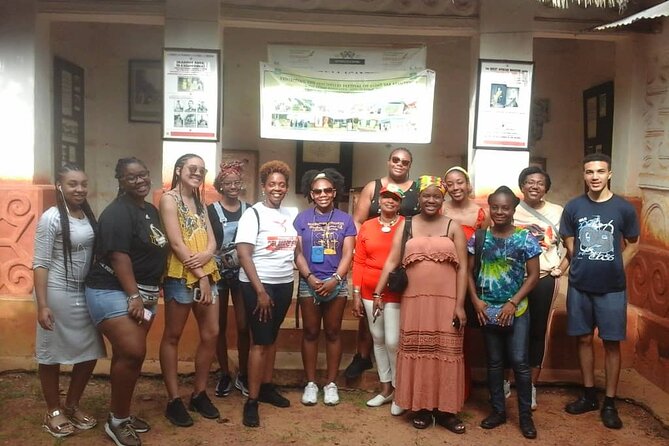
Day three moves toward the Akuapem hills. At T.K. Beads, you learn how traditional African beads are made and can shop at the on-site store. Beads have social meaning in West Africa, including connections with beauty, wealth, status, and important occasions.
This is a practical shopping stop because you see how the pieces are made before deciding what to buy. The two-hour visit also gives the craft more meaning than a quick market purchase.
The Aburi Botanical Gardens sit high in the Akuapem hills and offer views toward Accra. You walk among indigenous and introduced plants while your guide explains local uses, including medicinal plants. The scheduled visit is only 45 minutes, so think of it as a short, peaceful break rather than a long garden outing.
Nearby Aburi Crafts Village focuses on drums, sculpture, and other handmade objects. Craftspeople work in traditional styles, and the tour information notes that prices here are among the lowest in Ghana. You have another 45 minutes, so decide in advance if you want to shop or simply watch the work.
The combination of beads, plants, and crafts makes this day feel less formal than the museum visits. It also shows why a private vehicle is useful. You can move between several smaller sites without arranging separate transport.
Kumasi and the power of Ashanti tradition
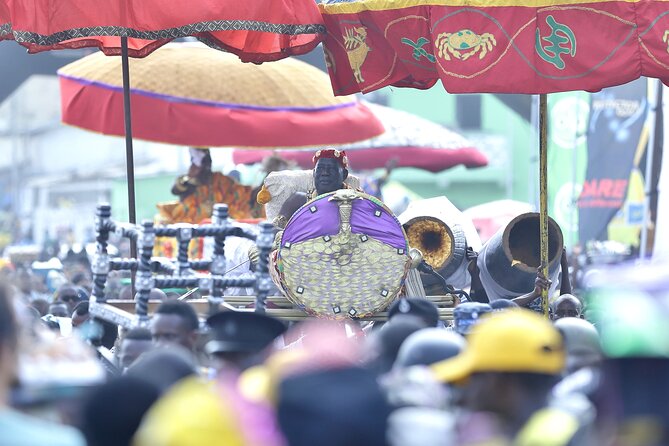
Day four is one of the cultural high points. At Manhyia Palace Museum, you learn about the Asantehene, the Ashanti king, and the Asanteman Kingdom. The museum offers an introduction to Ashanti royal life and the influence of the Ashanti empire.
The Prempeh II Jubilee Museum, located at the National Cultural Centre in Kumasi, adds more objects and historical context. The two museums complement each other, but the schedule allows about an hour at each. If you prefer slow museum visits, you may find the pace brisk.
Kejetia Market brings you into everyday commerce. It is described as one of West Africa’s largest outdoor markets, with a maze of closely packed stalls and trade continuing for much of the day. Your guide is especially useful here, since the market is large and easy to find overwhelming on your own.
The Okomfo Anokye Sword Site offers a different kind of history. The sword is linked to Okomfo Anokye, a priest associated with the Ashanti king Osei Tutu I. According to the local account, he planted the sword in the ground as a symbol of unity between the Ashanti and Nzema people, and it has never been pulled free.
The site takes about 45 minutes. It is less about a long visit than about hearing the story and understanding how legend, leadership, and national identity meet in one small place.
You can go out in Kumasi that evening or rest at the hotel. After a full day of museums and markets, I would treat the nightlife as an option, not an obligation.
Same place, a different slice of the past:
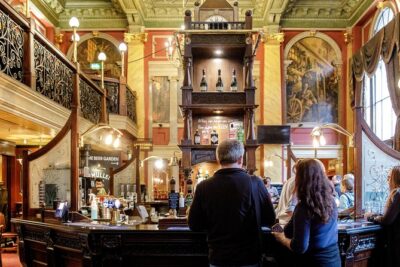
- London Small Group Tour of Historical Pubs
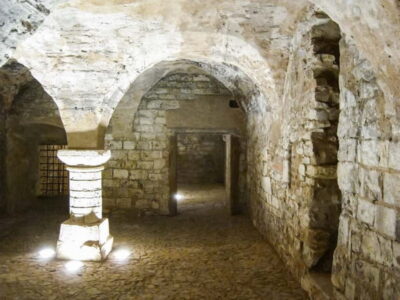
★ 5.0 · 10,422 reviews - Prague: Oldtown, Medieval Underground & Dungeon History Tour
★ 4.3 · 10,277 reviews - Charleston’s Old South Carriage Historic Horse & Carriage Tour
★ 5.0 · 10,023 reviews - Edinburgh: Edinburgh Castle Guided History Tour with Tickets
★ 4.8 · 9,933 reviews
UNESCO buildings, kente, and adinkra symbols
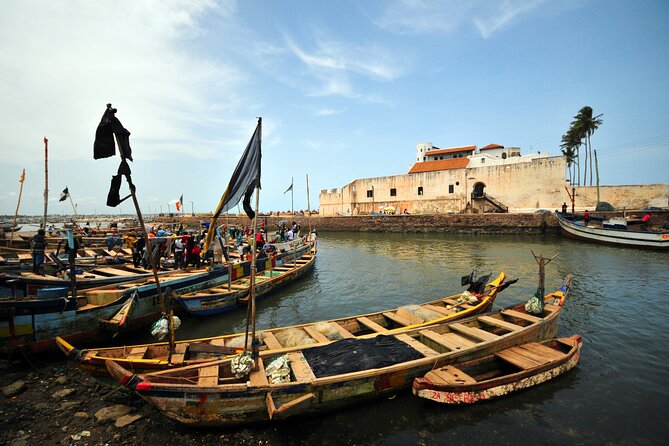
Day five focuses on Ashanti buildings and textile traditions. The traditional Asante buildings are UNESCO World Heritage Sites, and the visit connects architecture with Nana Yaa Asantewaa, a major female warrior who led the Ashanti resistance against the British in 1901. Her association with Ejisu Besease gives the stop an important connection to women’s political and military roles.
At Adanwomase, you see kente cloth made on traditional looms. Families have woven the cloth for generations, and the visit explains the meanings behind different designs. You can speak with weavers and shop for kente directly in the community.
This is one of the tour’s best chances to buy a meaningful textile. Ask about size, design, and intended use before purchasing, since the price and value of kente depend on the work involved.
Ntonso introduces adinkra cloth and symbols. Artisans carve symbols from calabash shells, then stamp them onto cloth with natural dyes made from local tree bark. Adinkra predates kente and remains linked with funerals, festivals, and other important occasions.
You can make your own strip of adinkra cloth using symbols that matter to you. That hands-on activity gives the stop more weight than simply buying a finished piece. It also creates a small object connected to your own trip.
The afternoon and evening are free at the hotel. This pause is well placed. By this point, you have had several early starts and long cultural visits, so a quiet period helps before the coastal section.
Assin Manso and the difficult road to the coast
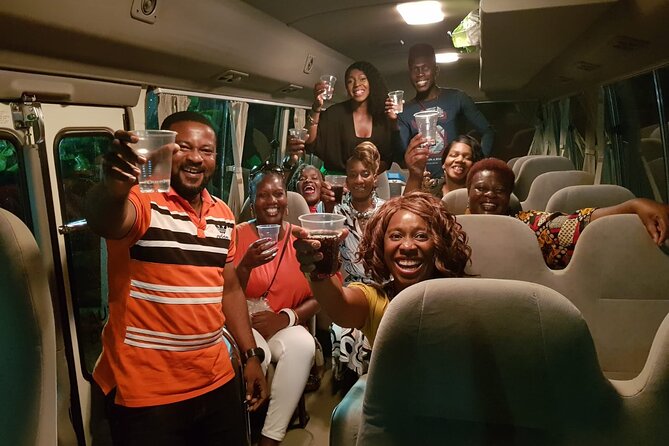
Day six is emotionally heavy. At Assin Manso Ancestral Slave River Park, you learn about the route taken by enslaved Africans from northern Ghana, Burkina Faso, and Niger. People were marched for great distances in shackles toward the coast, and the Ndonkor Nsuo, known as the Slave River, was used for bathing and fitness checks before the final journey to Cape Coast.
The visit lasts about an hour. You should allow yourself quiet time here. This is not a light sightseeing stop, and the subject deserves attention rather than rushed photographs.
Cape Coast Castle follows in the afternoon. The castle held more enslaved Africans captive than any other in West Africa, and its dungeons reveal the brutal conditions before people were forced onto ships. The tour includes time in the castle’s major areas, including the dungeons beneath the governor’s chapel and castle church.
The two-hour visit is educational and personal. A local guide can explain how the building functioned, but no explanation can make the site comfortable. You may find this the most difficult part of the journey, especially when combined with Assin Manso earlier in the day.
That evening, you check into a beachfront hotel in Elmina. Dinner is served by the water, giving you room to reflect on the day. The setting does not erase the history, but it gives the group a quieter place to process it.
Kakum, Elmina Castle, and your African name
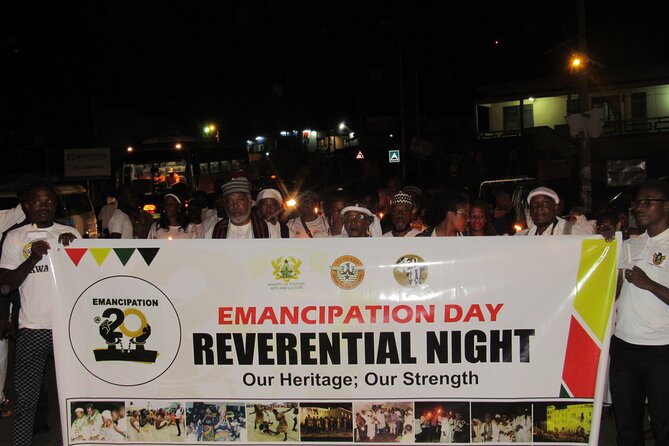
Day seven begins at Kakum National Park. The canopy walkway crosses seven bridges attached to trees about 40 meters above the rainforest floor. Viewing platforms provide broad views across the forest, and the two-hour visit is likely to be one of the most physically memorable parts of the trip.
You need to be comfortable with suspended bridges and heights. The schedule does not describe an alternative activity, so ask the operator in advance if this part concerns you.
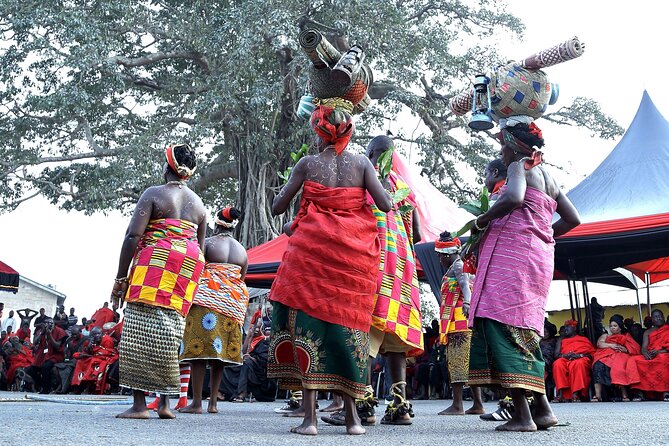
The afternoon brings the tour’s defining personal event: a traditional naming ceremony in a local village. You pay a courtesy visit to chiefs, queen mothers, and elders. Libation formally welcomes you home, followed by drumming, dancing, and the presentation of your African name.
This ceremony is not a quick photo opportunity. It is the point where the trip’s themes of ancestry, forced migration, and cultural connection become personal. You should approach it with respect and listen carefully to the elders guiding the process.
After dinner, you can celebrate in Cape Coast nightlife. If you ordered tailored clothing earlier, it should be delivered for this evening. Wearing it for the first time adds a clear sense of occasion, though the late night comes after a full day at Kakum and the ceremony.
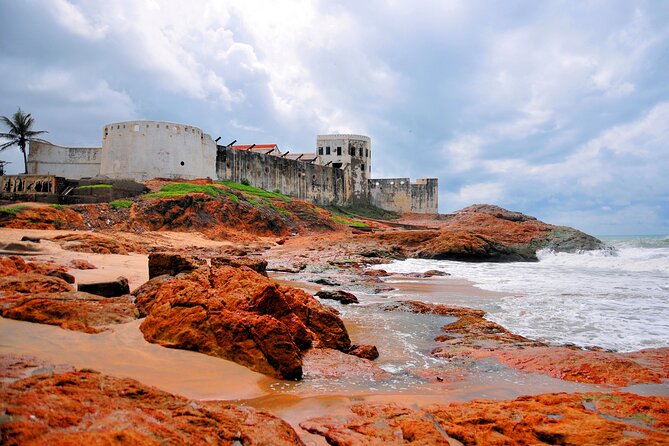
On day eight, Elmina Castle provides another view of the slave-trade era. Built in 1482, it is the oldest surviving colonial building in sub-Saharan Africa and a UNESCO World Heritage Site. The museum focuses on local history, while the castle itself shows how trade, military power, and forced confinement operated along the coast.
You also visit the fishing market and boat builders in Elmina. That short walk helps connect the castle to the town around it, rather than treating the building as an isolated monument.
The group then returns to Accra for an early evening meal, farewells, and transfer to the airport or a prearranged location in Accra.
What $3,595 includes, and what it does not
At $3,595 per person, this is not a budget Ghana tour. Its value comes from the number of moving parts handled for you across eight days.
The price includes accommodation, breakfast for seven days, lunch for seven days, eight dinners, airport transfers, fuel, an air-conditioned vehicle, an experienced driver, an expert local guide, mineral water, excursion fees, insurance, office support, and the naming ceremony. That is a substantial package, especially for a private group with its own transport.
You still pay for your visa, international flights, and soft or alcoholic drinks. Group discounts are offered, so the price may work better for families or friends booking together.
The strongest value is not simply the number of attractions. It is the access to smaller craft communities, tailoring, private transport, and a ceremony that would be difficult to arrange independently. The tradeoff is that you are paying for a fixed cultural program, not a flexible, low-cost independent trip.
Who will enjoy this Ghana journey?
I would recommend it most strongly if you want African heritage, Ashanti culture, and ancestral connection to guide the trip. It is also a good fit if you prefer having hotels, meals, transport, admissions, and local support arranged in one package.
You should be comfortable with emotional historical sites, busy markets, long sightseeing days, and an itinerary that covers several regions. The tour is private, so your group can share the experience without being placed with strangers.
It may not suit you if you want a slow beach holiday, extensive free time, or a trip focused mainly on wildlife. Kakum is the main forest stop, while the central purpose is culture, history, community visits, and personal ceremony.
Cancellation is available for a full refund up to three full days before the start time. Poor weather or failure to meet the minimum number of participants can lead to a new date, another experience, or a full refund.
Should you book Ghana Heritage Tours: Beyond The Return?
I would book this tour if the naming ceremony and ancestral sites are the reason you want to visit Ghana. The route gives you more than major monuments: you meet craftspeople, see how kente and adinkra are made, walk through James Town, shop in Kejetia, and spend time at places tied directly to the forced journey from the interior to the coast.
I would pause if $3,595 stretches your budget or if you dislike full schedules. Before booking, confirm the hotel names, exact airport pickup time, the expected driving times between Accra, Kumasi, and Cape Coast, and how much time your group can spend at each museum.
For the right visitor, this is a serious, well-supported introduction to Ghana, with a personal ending that gives the entire journey a clear purpose.
FAQ
How long is the Ghana Heritage Tours experience?
The tour lasts approximately eight days, beginning with arrival in Accra and ending with a return to Accra for airport transfer or drop-off at a prearranged location.
What is the price per person?
The listed price is $3,595 per person. Group discounts are offered.
Is this a private tour?
Yes. Only your group participates in the activity.
Are airport transfers included?
Yes. Airport pickup on arrival and transfer for departure are included.
Are hotels and meals included?
Yes. Accommodation is included, along with seven breakfasts, seven lunches, and eight dinners.
Are admission fees included?
Yes. Excursion fees and listed admission costs are included.
Is the traditional naming ceremony included?
Yes. The traditional naming ceremony in Cape Coast is included.
What is not included in the price?
International flights, visas, soft drinks, and alcoholic drinks are not included.
Can I buy kente, adinkra cloth, beads, or tailored clothing?
Yes. The route includes beadmakers, kente weavers, adinkra cloth production, craft markets, and opportunities to arrange clothing with a tailor or seamstress.
Can I cancel for a full refund?
You can cancel at least three full days before the experience start time for a full refund. Cancellations or changes made less than three full days in advance are not refunded or accepted.
Just added around the world
- The Curacao’s Colorful History Walking Tour★ 5.0 · 55 reviews
- Olous – Guided Snorkelling Excursion to Discover Olous Sunken Ancient City★ 4.5 · 31 reviews
- Visita Guiada Por El Casco Histórico De Cuenca Y Su Catedral★ 5.0 · 45 reviews
- From Kolymbari: Ancient Diktyna & Hidden Beach Quad Safari★ 5.0 · 22 reviews
- Experience Cozumel Historical Center Mayan and Beach Experience★ 5.0 · 20 reviews
- Private Half Day Cultural Tour to Mayan Ruins and Cenote★ 4.5 · 31 reviews
- Historic Cork Delicious Donut Adventure by Underground Donut Tour★ 5.0 · 232 reviews
- Otoch Mayan Experience Tour: Cultural & Historical Adventure★ 3.5 · 18 reviews
Tours, compared.
History and Hauntings of Salem Guided Walking Tour
Read our review →
Colosseum: Underground and Ancient Rome Tour
Read our review →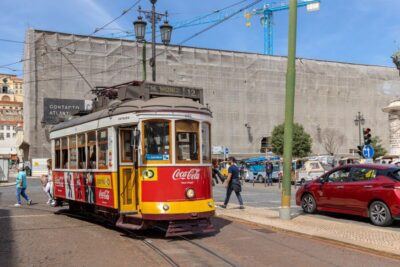
Oldtown, Medieval Underground & Dungeon History Tour
Read our review →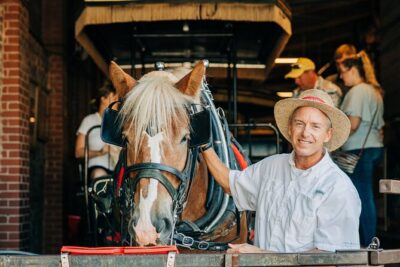
Charleston’s Old South Carriage Historic Horse & Carriage Tour
Read our review →
Edinburgh Castle Guided History Tour with Tickets
Read our review →