
Review · HIMACHAL PRADESH
Shimla: Guided Walk Tour-Heritage, Culture & Colonial Trail
Shimla reveals itself best on foot. This private two-hour walk links Christ Church with the former Viceregal Lodge, now the Indian Institute of Advanced Study, while a local guide explains the town’s British-era buildings and modern life. I especially like the one-way route, which keeps you moving instead of repeating the same streets, and the chance to walk with a Himachali guide who can add local stories, food suggestions, and useful advice. The main drawback is the terrain: this is a roughly 3-kilometre walk with uphill and downhill sections, and some areas can be slippery after snow.
I also like the modest $16 price, especially for a private group rather than a large shared outing. Guides such as Preeti, Pawan, Raghav, Sunny, and Priti have been praised for clear explanations and friendly conversation, with several helping visitors understand everything from British architecture to present-day Shimla. Just remember that transport, meals, monument fees, and entry tickets are not included, so the final cost can be higher if you enter paid sites.
Key details before you book
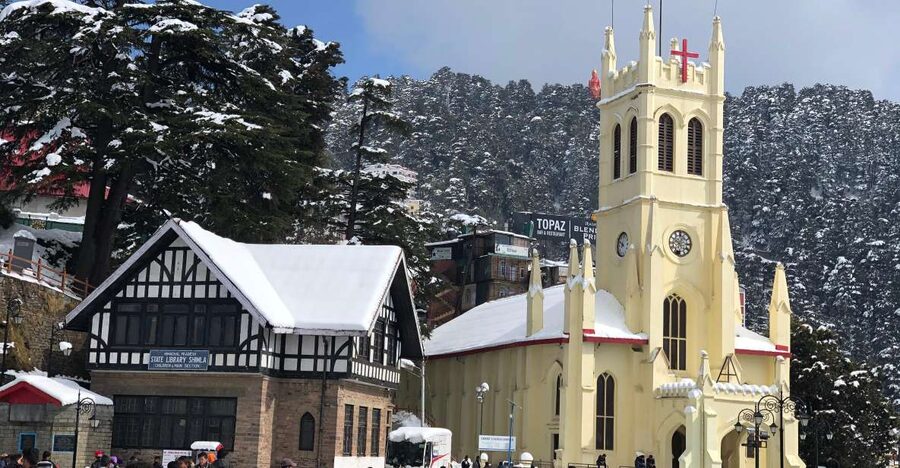
- Christ Church to Viceregal Lodge: The route crosses Shimla’s central Ridge area before continuing through major colonial buildings toward the Indian Institute of Advanced Study.
- Private two-hour walk: You get a guide for your own group, with English or Hindi available.
- Local Himachal perspective: The guide adds Pahari culture, local gossip, restaurant suggestions, and practical advice alongside formal history.
- A steady uphill route: The walk is manageable for many people, but it is not flat, and the final approach to the lodge may involve another long uphill stretch.
- $16 offers strong value: You are paying mainly for interpretation and local context, not transportation or admissions.
- Avoid Monday for a full visit: The Viceregal Lodge and most attractions allowing public entry are closed on Mondays.
Why walking gives Shimla more meaning
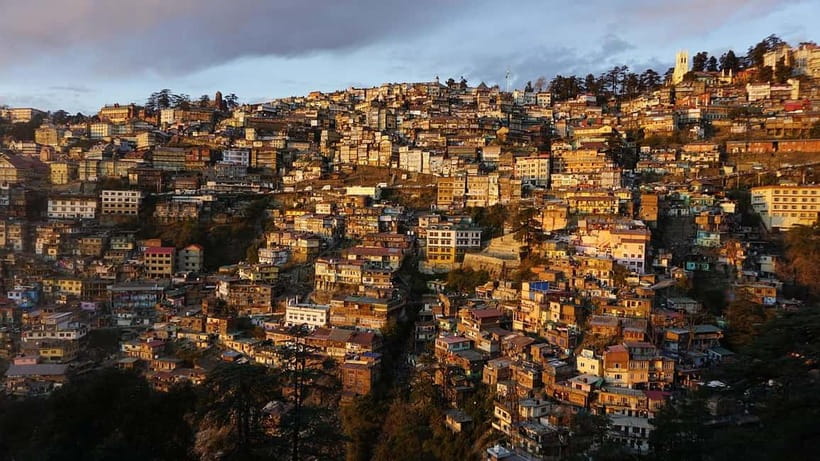
Shimla can be confusing at first. Roads, stairways, pedestrian lanes, old government buildings, hotels, temples, and viewing points fit together on a steep ridge, but their connections are not always clear from a map. This walk gives you a useful westward route through the town, beginning in the central area and finishing at one of its most important historic buildings.
The guide turns a collection of grand facades into a story. You learn why Christ Church matters, how the Ridge functioned as a public gathering place, and how buildings such as Gorton Castle and the Railway Board Building fit into the British administration of India. You also hear about Shimla beyond its colonial past, including present-day politics, culture, food, and daily life.
That local element is the strongest reason to choose this rather than simply following a self-guided route. Priti was praised for explaining British history in a lively way, while Pawan helped connect the town’s monuments with wider Indian history and politics. Raghav was noted for being patient with a slower walking pace and for offering advice about museums and shopping.
The tour is private, so you can ask questions without holding up a large group. That matters in Shimla, where one person may want architecture and another may want local life. You can usually steer the conversation toward the subjects you care about most.
More History Walking Tours in India
- Fontainhas Heritage Walk by Make It Happen
★ 5.0 · 2,834 reviews - The Great Indian Food Tour: Old Delhi Food and Heritage Walk
★ 5.0 · 1,698 reviews - Old Goa Heritage Walk by Make It Happen
★ 5.0 · 797 reviews
Christ Church and the Ridge: Shimla’s grand opening scene
The walk starts at Christ Church, one of Shimla’s best-known landmarks. Its neo-Gothic design, stained-glass windows, and organs still in use give you an immediate sense of the hill station’s British-era character.
This is a good place to begin because the church is not just a photographic stop. It introduces the architectural style and colonial setting that appear throughout the walk. Your guide can explain what you are seeing before you reach the larger government buildings later in the route.
From here, you move to the Ridge. The walk to this area takes about ten minutes, but the importance of the stop is bigger than the distance suggests. The Ridge is Shimla’s main public open area and has long been used for gatherings and events. It is also one of the places where you begin to understand how the town’s central spaces work.
Take a moment to look around rather than rushing through. The Ridge is a practical orientation point, and your guide can help you understand which parts of Shimla are nearby. The route is easy to follow with a local, but the open area can feel busy during events or popular visiting hours.
Scandal Point and Bantony Castle
The next section takes you toward Scandal Point. The name alone tends to catch your attention, but the value of the stop comes from its place in Shimla’s public life and the stories attached to the town’s old social world.
From there, the walk continues to Bantony Castle, with about fifteen minutes allowed for the walking section. The building adds variety to the route, moving you away from the church and open Ridge into another example of Shimla’s colonial-era architecture.
This part of the walk is a good test of your pace. You are not simply moving between isolated sights by vehicle. You are crossing the town’s slopes and seeing how the buildings sit within the pedestrian route. The guide can point out details you might pass without noticing, including architectural features and connections to Shimla’s past.
The supplied description also refers to Betink’s Castle, while the stop list names Bantony Castle. To avoid confusion, ask your guide to confirm the exact building and current access when you meet. The main value here is the architectural context, not an assumption that every building can be entered.
Kali Bari Temple: a different side of Shimla
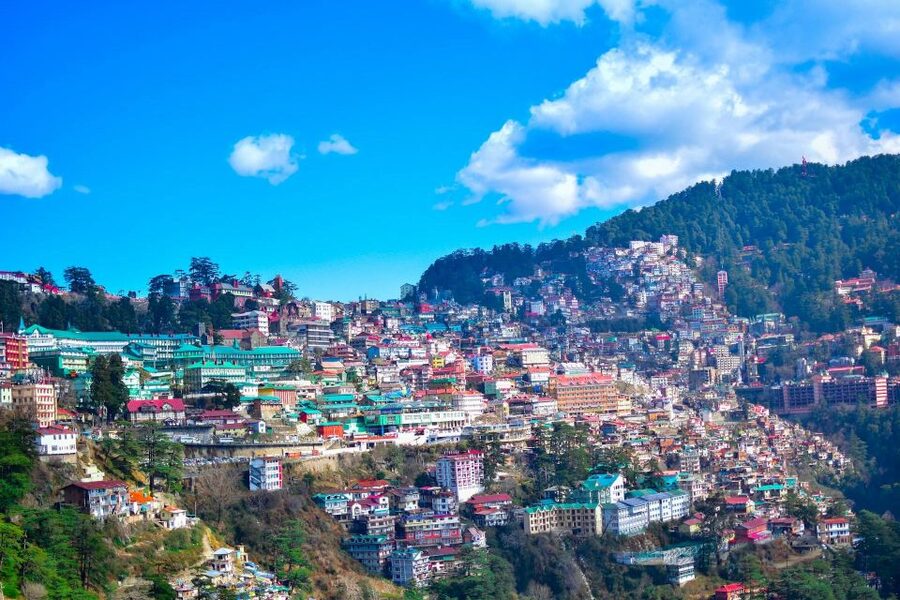
Kali Bari Temple brings a religious and cultural change after the colonial buildings. The guided walk takes about fifteen minutes to reach this stop, and it gives the route a useful balance.
Without this temple, the walk could feel too focused on British administration and grand government architecture. Kali Bari helps show that Shimla is also a living Indian hill town, not simply a preserved colonial resort. Your guide can add local context in English or Hindi and explain how this place fits into the city’s cultural life.
Entry rules and opening arrangements can change, and the tour price does not include entry tickets. Treat the temple as a point for cultural explanation as well as a possible visit, and follow local rules if you go inside.
More Local Culture and Traditions Tours in India
- Old Delhi Food, Heritage&Cultural Walk with Rickshaw ride to Masterji Kee Haveli
★ 5.0 · 742 reviews - The Cultural And Historical Walking Tour in Margao
★ 5.0 · 280 reviews - Experience Bangalore – City Tour, Authentic Food & market (Food/Culture/History)
★ 5.0 · 156 reviews - Old Delhi Walking Tour: Food, Culture & Spice Bazaars
★ 5.0 · 94 reviews
Railway Board Building and Gorton Castle
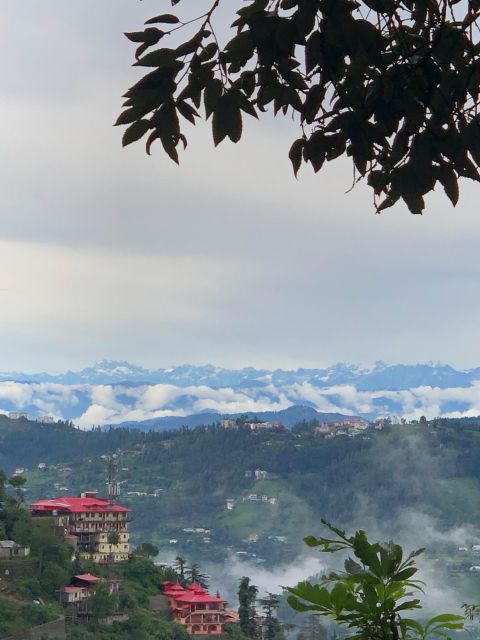
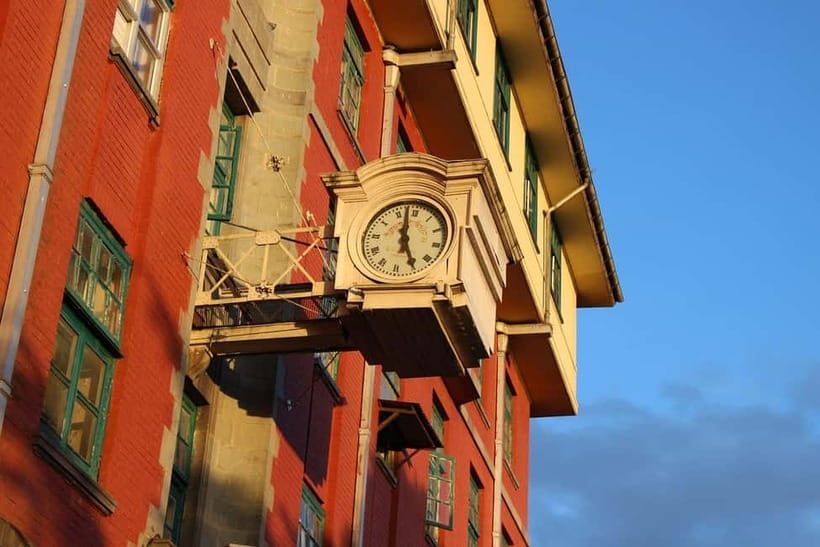
The Railway Board Building is one of the route’s most rewarding architectural stops. Its position in the old administrative quarter helps explain how transport and government supported Shimla’s role as a major hill station.
The walk to the building takes about fifteen minutes. Here, the guide’s commentary matters more than a quick photograph. The building is part of the story of how the colonial administration organized its work in the hills, and a local guide can place it alongside the other structures you have already seen.
Gorton Castle follows after another walking section of about fifteen minutes. It is one of the most striking buildings on the route, with a strong historic and architectural presence. The stop works especially well for people who enjoy old government buildings, because you are seeing not just a single facade but a sequence of structures built for different parts of the colonial system.
Several guides have been praised for explaining both British rule and later Indian history. That wider view is important. A walk that only celebrates old architecture can become shallow. The better experience connects the buildings to the political changes that followed and to Shimla’s continuing role today.
Vidhan Sabha, The Cecil, and All India Radio
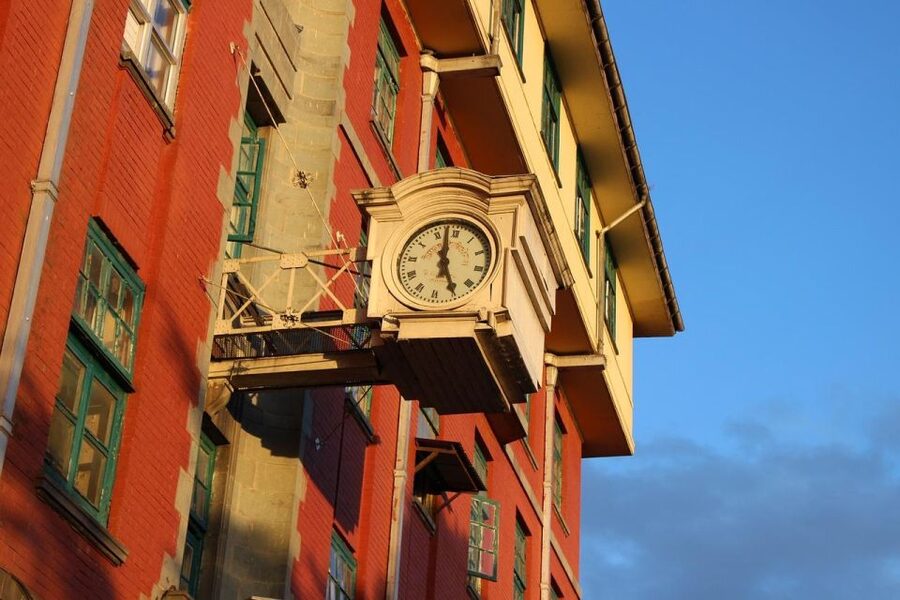
The route then reaches Himachal Pradesh Vidhan Sabha, the state legislative assembly. This is a useful reminder that Shimla’s government quarter did not end with the British period. The building represents the modern political life of Himachal Pradesh.
You next pass The Oberoi Cecil, one of Shimla’s best-known historic hotels. The walking section is shorter here, about five minutes, giving you a brief change of pace after the larger government buildings.
All India Radio follows after approximately ten minutes of walking. This stop adds a broadcasting and public-communications angle to the tour. It also helps keep the experience from becoming a simple parade of old stone buildings. The route shows how Shimla’s civic identity has developed across several periods.
The descriptions of this walk emphasize local gossip and conversation as well as formal facts. That can be a real advantage. Ask about current food options, places to visit after the tour, or how to arrange other local activities. Pawan, for example, helped one visitor with toy-train plans, while other guides offered suggestions for eating and free-time activities.
The final climb to the Viceregal Lodge
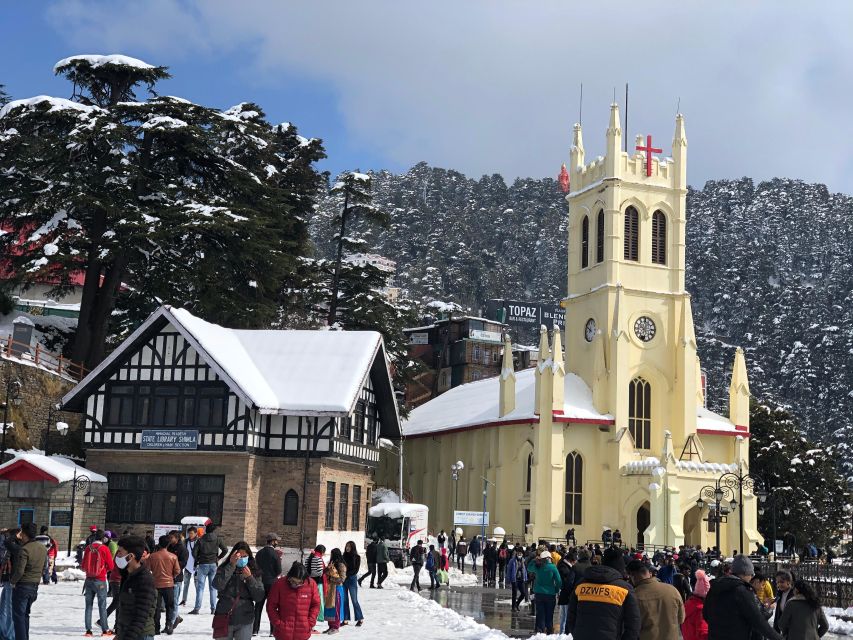
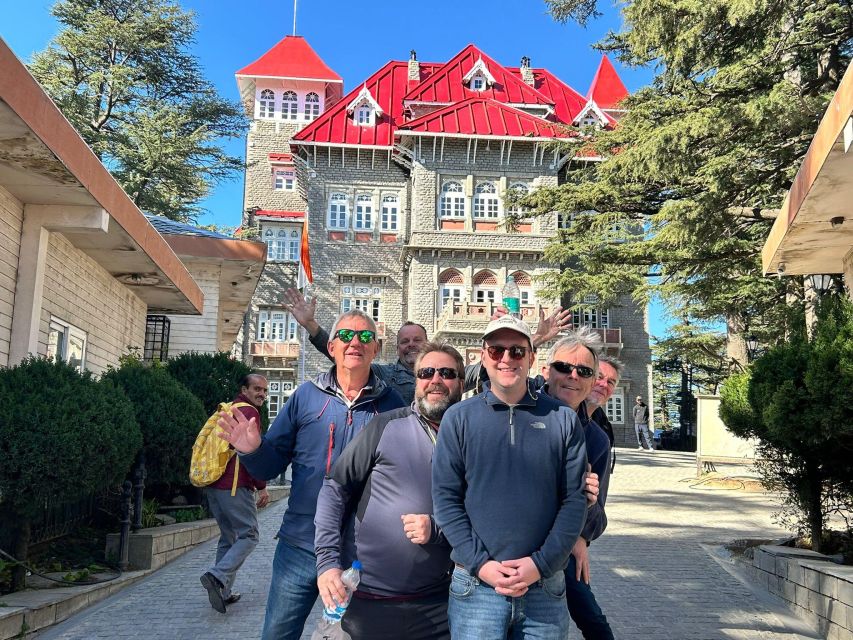
The walk finishes at the Indian Institute of Advanced Study, housed in the former Viceregal Lodge. This is the route’s most substantial final stop and a fitting place to end because it brings together architecture, politics, and Shimla’s colonial past.
The building is now connected with academic work, but its earlier role as the Viceroy’s residence gives it major importance in India’s modern history. The grounds also provide a quieter finish after the central streets. One visitor paid a small separate fee to enjoy the gardens and sit there, but you should confirm current entry charges because admission is not included in the tour.
The final point needs careful planning. The guide does not provide transport, and the tour ends at the institute rather than returning you to Christ Church. One visitor found it helpful to know that reaching the lodge involved another uphill walk after the guide left. Ask about the exact endpoint and onward route before setting off, especially if you have limited mobility or plans immediately afterward.
The attraction is closed on Mondays. Most tourist attractions where entry is allowed also remain closed that day, so Monday is a poor choice if you want to go inside the sites rather than view them from outside.
Pace, fitness, and practical comfort
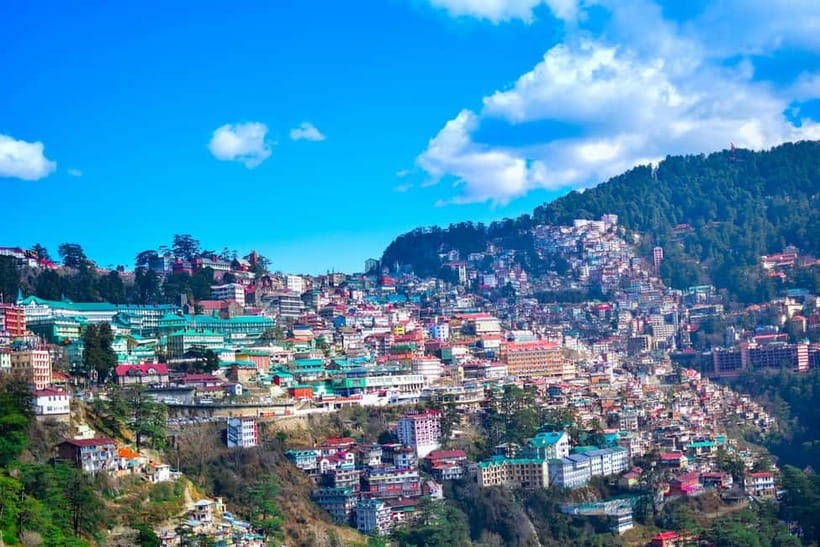
The official duration is two hours, but the route includes several walking sections and short guided stops. The total distance has been described as more than 3 kilometres, with regular gradients. That makes the tour more demanding than the simple two-hour label might suggest.
You do not need to be a serious hiker, but you should be comfortable walking uphill and downhill. One guide patiently allowed breaks for a participant who found the slopes difficult. That is encouraging, but it is still wise to tell your guide about your pace at the start.
Wear shoes with a good grip. Snow or wet ground can make parts of the route slippery, as one visitor found after snowfall. Carry water and allow a little extra time if you want photographs or longer stops at the church, temple, or lodge grounds.
The activity is not suitable for children under 10, babies under 1, or people over 95 according to the stated restrictions. The most suitable participants are adults, older children who walk well, history fans, architecture lovers, and first-time visitors who want a clear introduction to Shimla.
What the $16 price really buys you
At $16 per person, the walk is good value if you want interpretation rather than transport. You are paying for a private English or Hindi-speaking guide, a planned route, and access to local context that is difficult to get from building plaques alone.
You are not paying for hotel pickup, drop-off, any form of transportation, meals, monument fees, or entry tickets. The walk begins at Christ Church, so you need to reach that meeting point yourself. It ends at the Indian Institute of Advanced Study, so you also need to plan what comes next.
The private format improves the value for couples, families with older children, and small groups with shared interests. If you only want to see Shimla’s buildings from the outside and can manage your own route, you could walk independently for less. But you would miss the explanations that make the buildings connect.
Free cancellation up to 24 hours before the start and the option to reserve now and pay later make the booking flexible. Starting times depend on availability, so check the schedule before building your day around it.
Which guide style suits you best
The guides have different strengths, but the most praised qualities are consistent: clear explanations, friendly conversation, patience, and useful advice beyond the route.
Preeti contacted visitors ahead of time to confirm the meeting place and explain how to reach it. She was also praised for recommendations about eating and drinking. Pawan was described as professional and generous with practical help, including suggestions for food, museums, shopping, and a toy-train trip.
Raghav is a good match if you want a calm, history-focused walk. He has been praised for explaining every building, discussing both British and modern history, and allowing regular breaks. Priti was singled out for her strong presentation of British history, while Sunny was described as easygoing and well informed.
Guide assignments can change. One visitor had a substitute guide because the original guide was ill, but still received a strong explanation of Shimla’s past. It is sensible to confirm the assigned guide and meeting instructions before the tour begins.
Should you book this Shimla walk?
Book it if you want to understand Shimla rather than simply photograph it. The route covers Christ Church, the Ridge, Scandal Point, Bantony Castle, Kali Bari Temple, the Railway Board Building, Gorton Castle, Vidhan Sabha, The Cecil, All India Radio, and the former Viceregal Lodge in one compact outing.
I would especially recommend it for first-time visitors, architecture fans, and anyone curious about how British Shimla became modern Himachal Pradesh. The local guide, private format, and low price make it an easy way to get your bearings.
Skip it if steep walking is difficult, you need a fully accessible route, or you want transport between sights. Also avoid Monday if entering the Viceregal Lodge or other attractions is important. For most visitors who can handle the hills, this is a useful, good-value introduction to Shimla, with enough local conversation to keep it from feeling like a history lecture.
FAQ
Where does the Shimla walking tour begin?
The tour begins at Christ Church in Shimla.
Where does the tour finish?
It finishes at the Indian Institute of Advanced Study, housed in the former Viceregal Lodge.
How long does the walking tour last?
The stated duration is two hours.
Is the tour private?
Yes. The activity is offered for a private group.
Which languages does the guide speak?
The guide speaks English or Hindi. The included guide is also described as able to speak Pahari.
Is transportation included?
No. This is a walking tour, and no transportation, hotel pickup, or hotel drop-off is included.
Are entry tickets and monument fees included?
No. Monument fees, meals, and all entry tickets are excluded from the price.
Is the tour available on Mondays?
The Viceregal Lodge is closed on Mondays, and most attractions where tourist entry is allowed are also closed that day. You should choose another day if visiting inside the attractions matters to you.
More Colonial History Tours in India
- Vung Tau Essential: Beach, Christ Statue & Colonial Heritage
★ 5.0 · 284 reviews - Full-Day Ho Chi Minh City Tour with Colonial Heritage & Chinatown
★ 5.0 · 246 reviews - Colonial Zone: Historical Tour with a visit to the Columbus Lighthouse and Tres Ojos Park
★ 4.9 · 157 reviews - Colonial History Tour in Williamsburg Virginia
★ 5.0 · 97 reviews
Just added around India
- Stories of Jew Town: Guided Heritage Walk in Kochi★ 4.7 · 30 reviews
- South Mumbai: Cultural Heritage Walking Tour★ 4.8 · 45 reviews
- Panaji: Heritage Walking Tour in Fontainhas Latin Quarter★ 4.9 · 31 reviews
- Old Delhi: Spices, Heritage and Bazaars Walking Tour★ 5.0 · 173 reviews
- 3-Hour Old Delhi Heritage Walking tour with Rickshaw ride★ 4.6 · 158 reviews
- Madurai: Heritage & Cultural Trails Guided Walking Tour★ 4.3 · 21 reviews
- Kolkata: Guided Heritage Walking Tour★ 4.6 · 23 reviews
- Jodhpur: Blue City Heritage Walking Tour★ 4.8 · 43 reviews
Colonial History Tours, compared.

Vung Tau Essential: Beach, Christ Statue & Colonial Heritage
Read our review →
Full-Day Ho Chi Minh City Tour with Colonial Heritage & Chinatown
Read our review →

Colonial Williamsburg: Colonial History Guided Walking Tour
Read our review →
Discover Santo Domingo: Colonial History, Monuments & Lunch
Read our review →
Ho Chi Minh City Tour with Colonial Heritage and Chinatown
Read our review →
Browse the lists this tour appears in