
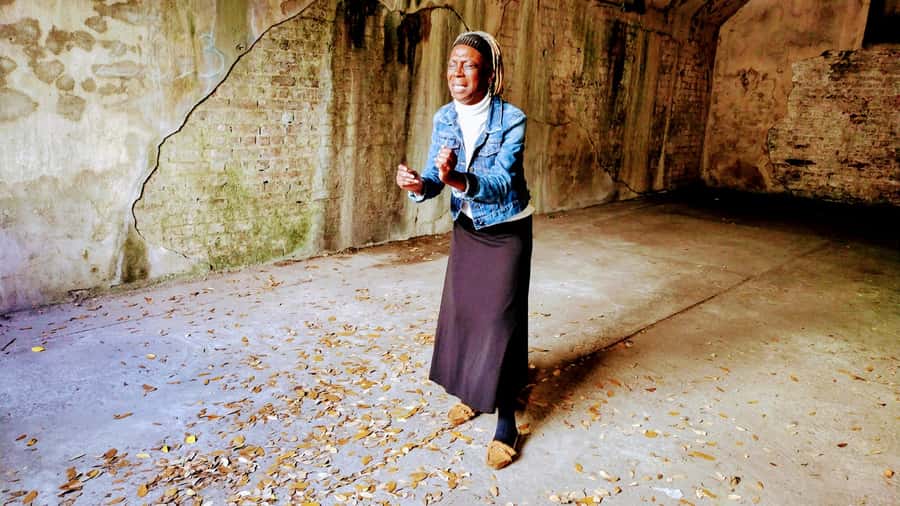
Review · GEORGIA
Savannah: African American History Tour
History can change the way you see a street. Savannah’s African American History Tour does exactly that, tracing the journey from West Africa and enslavement to freedom and lasting contributions in the city. The tour combines a bus ride with short stops at key sites, including River Street, Johnson Square, Taylor Square, Franklin Square, the Green-Meldrim House, and Second African Baptist Church.
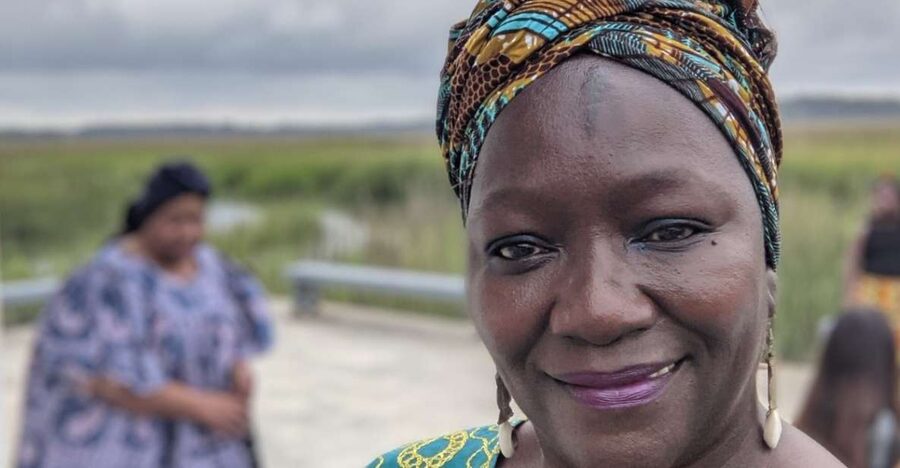
I especially like the honest focus on slavery and Black history, subjects that can get softened or skipped on standard city tours. I also like the live storytelling, particularly when Sister Pat leads the tour. Her delivery has earned strong praise for its clarity, emotion, music, photographs, and personal connection to Savannah’s past.
The main thing to consider is the pace. The walking portion covers only about half a mile, but you may stand for a long time at each stop. The material is also painful by design, so this is not a light sightseeing ride. Go with an open mind, comfortable shoes, and enough time to listen.
Key points to know before booking
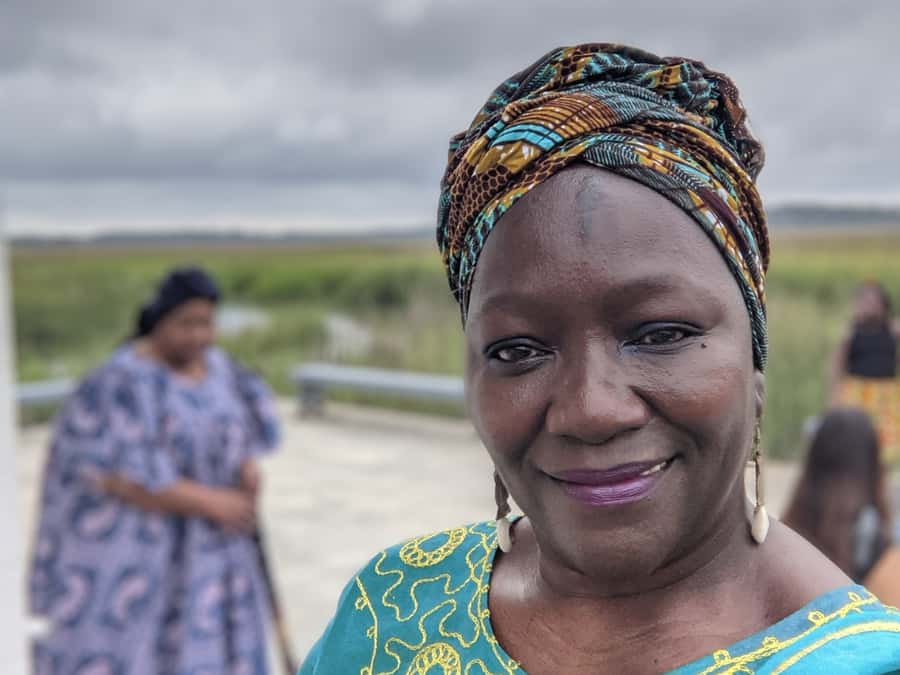
- Sister Pat is the tour’s strongest asset: Her storytelling brings facts, family separation, forced labor, and the fight for freedom into clear focus.
- River Street takes on a different meaning: The warehouses and cotton trade are presented through the labor of enslaved Africans who built and supported Savannah’s port economy.
- Johnson Square carries a difficult history: The tour explains how enslaved people were auctioned in this central public space.
- The route is mostly by bus: Expect short walks and extended periods standing rather than a long walking tour.
- Three hours gives the subject room to breathe: At $68 per person, the value depends on how much you want historical context rather than quick sightseeing.
- The subject is serious and emotional: This suits people seeking truth and context, not anyone looking for a cheerful overview of Savannah.
Why this Savannah tour matters
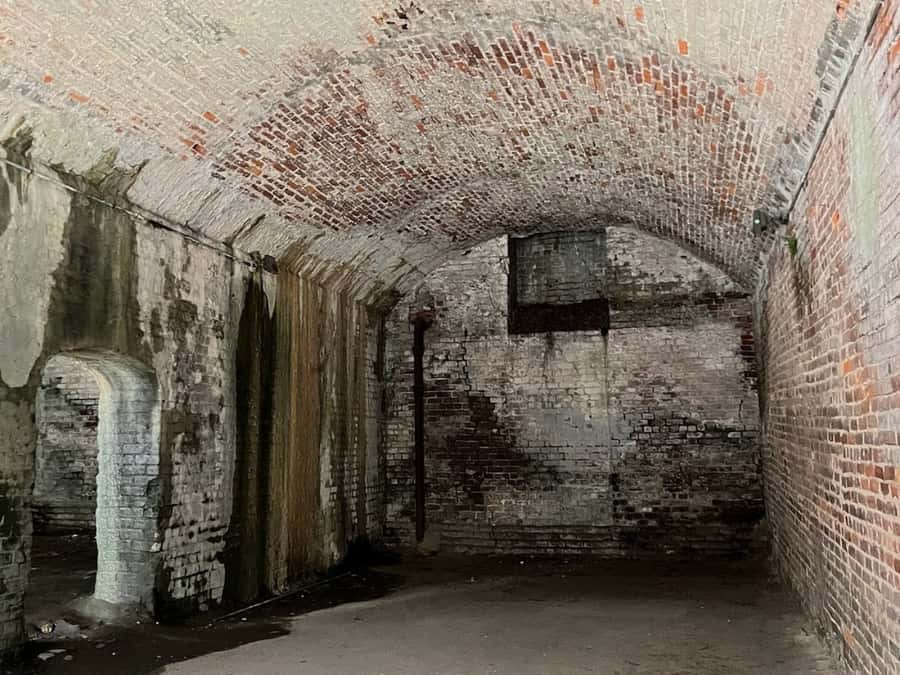
Savannah is famous for moss-covered squares, grand homes, and handsome streets. That picture is real, but it is incomplete without the people who built the city and powered its economy. This tour puts African American life at the center of the story.
You will hear about West African tribes forcibly brought to the Savannah area and made to work in slavery. The route connects that human story to the city’s warehouses, port, squares, churches, and wealth. That connection is important. Slavery was not an isolated chapter happening somewhere else. It shaped the very places you see in downtown Savannah.
I appreciate that the tour does not stop at the Civil War or emancipation. It also addresses descendants, cultural influence, lost wealth, and the continuing need to recognize Black contributions. One especially useful part explains how generational wealth grew from enslaved labor through banks, insurance, port operations, and other institutions.
This approach gives you a better way to read Savannah after the bus pulls away. A square becomes more than a pretty patch of grass. A warehouse becomes more than an old building. A church becomes a place of faith, resistance, and community.
A few more history tours around Savannah worth a look
- Savannah History and Haunts Candlelit Ghost Walking Tour
★ 5.0 · 3,235 reviews - Historic Savannah Guided Walking Tour
★ 5.0 · 2,918 reviews - Narrated Historic Savannah Sightseeing Trolley Tour
★ 4.5 · 2,375 reviews
River Street and the work behind Savannah’s port
River Street is one of the clearest places to connect Savannah’s beauty with its hard past. The tour explains how enslaved Africans were used to build the warehouses along the river. These buildings supported the cotton trade, and cotton shipped from Savannah reached the United Kingdom and other markets.
You will also hear about storage areas that resemble old slaveholding bins. The point is not simply to look at old masonry. It is to understand how goods, money, and human labor were tied together.
This section can be uncomfortable, and it should be. Many city tours present River Street as a pleasant place for a walk, meal, or view of the water. This tour asks you to see the workers whose forced labor made that commercial system possible.
The bus format helps here. You can cover more ground without spending three hours walking in heat or rain, and the guide can keep the story moving between sites. Still, the ride means you will not examine every building at close range. If you want a slow architectural study, add independent walking time before or after the tour.
Johnson Square and the reality of public auctions
Johnson Square is one of the tour’s most difficult stops. It is a central Savannah landmark, but the tour explains that enslaved people were auctioned there. That detail changes the emotional weight of the square.
The guide recounts how families were separated and how people were treated as property. The stories are not presented as a footnote to the city’s development. They form part of the main story.
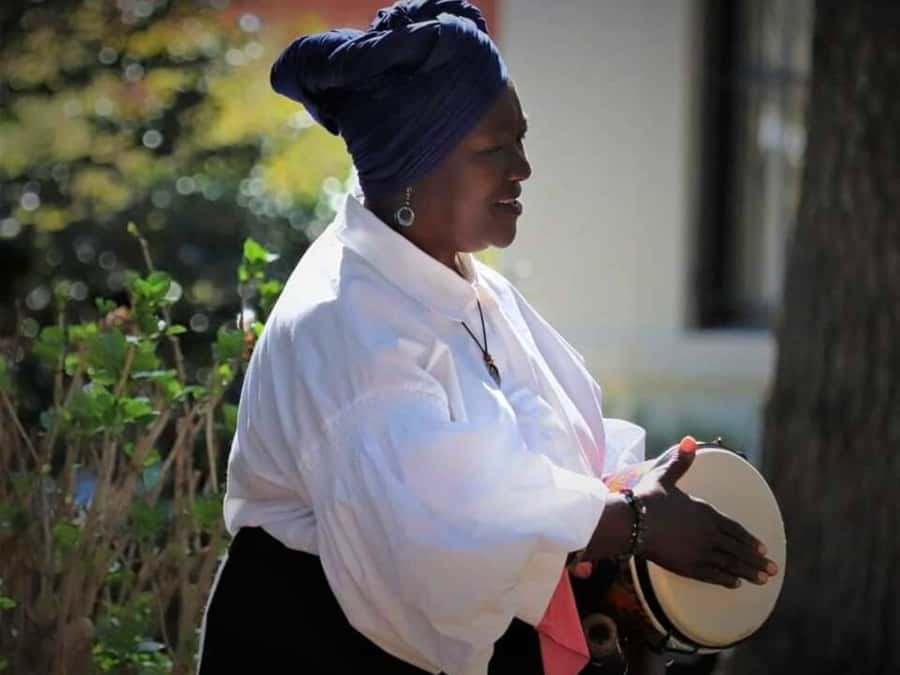
This is where Sister Pat’s style matters most. Her presentation is described as direct, vivid, and personal, with an emphasis on truth and reconciliation. She also uses music and images during the experience, which can make the human cost easier to understand without turning the subject into a dry list of dates.
You should expect to stand at stops like this for a while. One account describes roughly 40 minutes at some points. That allows for a fuller explanation, but it may be tiring, especially in hot weather or for anyone who has trouble standing. Bring water, wear supportive shoes, and use weather-appropriate clothing.
Taylor Square, Franklin Square, and the city’s overlooked stories
Taylor Square and Franklin Square help broaden the tour beyond the waterfront. These sites are part of the historic city center, yet the African American stories connected to them are easy to miss when you are sightseeing on your own.
The route gives you a new way to look at Savannah’s squares and public spaces. You learn how the city’s layout, trade, labor, and social life were shaped by slavery and by the people who survived it.
One valuable theme is that not every enslaved person appeared in a public auction record. Some were taken directly to plantations, which meant they were not counted through the same public process and were not taxed in the same way. Details like this show why the historical record can be incomplete.
The tour also discusses Gullah cultural influence, including symbols found in brickwork and ironwork. This is a useful reminder that African American culture did not disappear under slavery. It adapted, endured, and helped shape the city’s visual and spiritual life.
Same place, a different slice of the past:
- Southern Flavors Food, Pub Crawl, and History Walking Tour
★ 4.5 · 1,623 reviews - Genteel and Bard’s Savannah Dark History and Ghost Encounter Walking Tour
★ 5.0 · 1,546 reviews - 60-Minute Guided Segway History Tour of Savannah
★ 5.0 · 1,163 reviews - Savannah: Old Savannah Tours Historic Overview
★ 4.6 · 874 reviews
The Green-Meldrim House and the path toward freedom
The Green-Meldrim House is included among the historic landmarks on the route. It helps place the story of slavery, the Civil War, and emancipation within Savannah’s grand residential setting.
You will not be looking only at a fine house. You will be encouraged to ask who created the wealth that allowed such homes to exist, who worked inside them, and how freedom changed the people connected to those properties.
The tour’s larger theme is the African American journey from enslavement to freedom. That means the experience is not simply about suffering. It also addresses survival, faith, labor, culture, and the long struggle to claim rights and recognition.
This balance is one reason I find the tour more useful than a standard plantation or mansion visit on its own. The story does not end when slavery ends. It asks you to consider what freedom meant in practice and how the effects of slavery continued through later institutions.
Second African Baptist Church and the role of faith
Second African Baptist Church is another major stop. African American churches played a central role in community life, worship, education, organizing, and the preservation of memory. Including the church gives the tour a setting shaped by Black leadership rather than by the institutions that profited from slavery.
The church stop may be especially meaningful if you want to understand how faith helped people endure and organize. Details about spirituals, gatherings, and community traditions connect the past to living culture.
Access inside churches can vary by tour conditions, so you should not assume that every visit will function like a full interior tour. Some past feedback specifically wished for more church access and a longer visit. Even so, the church’s place in the route adds needed depth.
Another personal detail connected to the tour is the effort to honor spaces along the river where a church once sang each month. That work reflects the broader goal of preserving places that might otherwise disappear from public memory.
Sister Pat’s storytelling style
The guide can make or break a history tour, and Sister Pat receives the strongest praise here. She is described as personable, clear, passionate, and vivid. She has also been recognized as Savannah’s Woman of the Year, a detail that helps explain why the presentation feels so personal and rooted in local commitment.
Her approach appears to combine spoken history with music, photographs, costumes, and a small performance. That variety helps keep three hours from becoming a lecture. It also gives the subject different emotional entry points.
I would choose this tour partly for the guide, but I would not assume every departure will feature the same person. The information identifies Sister Pat and also mentions Sister Roz, along with drivers such as Albert. Guide assignments can change, so treat the strong personal connection as a likely feature of the company’s approach, not a promise about your exact departure.
The driver matters too. The bus ride is part of the experience, and a professional, friendly driver makes the transitions easier. You get a practical way to connect several parts of Savannah without tiring yourself out on foot.
The three-hour format and $68 price
At $68 per person, this is not the cheapest way to see Savannah. The price makes more sense if you want a focused history lesson with transportation, a live guide, and several stops in one three-hour outing.
You are paying for interpretation, not just movement between landmarks. A basic sightseeing bus can show you the same general district, but it may not explain how cotton, warehouses, slavery, public auctions, churches, and Black cultural survival fit together.
The format also saves your legs. Most of the route is by bus, and the walking distance is reported at about half a mile. That is helpful in Savannah’s heat, though the long periods standing can offset some of that comfort.
The value is weaker if you want a fast overview or a long walking route. One person found the tour too short and wished for more historical stories and more time at the churches. Another felt too much attention went to present-day descendants rather than the earlier history. Those are fair concerns, especially if you expect a detailed academic chronology.
For me, the price is reasonable for a serious, guide-led introduction to Savannah’s African American past. You should book it for the storytelling and context, not because it covers a large number of miles.
Who should take this tour
I recommend it most strongly to people who want to understand Savannah beyond architecture and postcard views. It is a good choice for first-time visitors who plan to spend several days in the city and want historical context early in the visit.
It also suits returning visitors. You may have already walked River Street and Savannah’s squares, but the tour can change what those places mean to you.
Families with older children and teenagers may find it useful, provided they are ready for difficult subject matter. The tour discusses slavery, forced labor, family separation, auctions, and the long struggle for freedom. It is not designed as light entertainment.
History teachers, students, church groups, and anyone interested in African American culture should get particular value from the experience. The use of Gullah cultural references, spiritual music, church history, and stories of Black contributions gives you material to explore afterward.
I would be cautious about booking it for anyone with mobility limitations. The activity is specifically not suitable for people with mobility impairments, and long standing periods may be hard even for people who usually walk without trouble.
Practical advice for a better experience
Wear comfortable shoes even though the walking distance is short. You may spend a long time on your feet at each stop, so cushioning matters more than mileage.
Bring water, sunscreen, sunglasses, and clothing suited to the weather. Savannah can feel demanding in warm conditions, and the tour includes outdoor stops.
Give yourself emotional space. You may leave thinking about the stories long after the tour ends. That is part of the value, but it also means you may want a quieter activity afterward rather than another packed sightseeing program.
If you want more time inside the churches or more detail on the Civil Rights Movement, plan additional visits on your own. This tour focuses mainly on slavery, the Antebellum era, the route to emancipation, and the contributions of descendants.
The cancellation policy is flexible: you can cancel up to 24 hours before the tour for a full refund, and you can reserve now while paying later. English is the tour language, with live narration throughout.
Should you book the African American History Tour?
Book it if you want Savannah’s story told plainly, with slavery and Black contributions placed at the center rather than pushed into a side note. The best reason to go is Sister Pat’s powerful presentation, supported by music, images, historic sites, and a route that connects the port to the squares and churches.
Skip it if you want a light city tour, dislike extended standing, or expect a detailed Civil Rights Movement itinerary. You should also keep expectations realistic about church access and the amount of walking.
For the right audience, $68 buys more than a bus ride. It gives you a new way to read Savannah, and that is the kind of sightseeing that stays with you.
FAQ
How long is the African American History Tour?
The tour lasts three hours.
How much does the tour cost?
The price is $68 per person.
What language is the tour offered in?
The tour is conducted in English with a live English-speaking guide.
Is transportation included?
Yes. The experience includes a bus tour, a tour guide, and live narration.
Which Savannah landmarks are included?
The route includes River Street, Taylor Square, Franklin Square, Johnson Square, the Green-Meldrim House, and Second African Baptist Church.
Is the tour suitable for people with mobility impairments?
No. The activity is listed as not suitable for people with mobility impairments. Although the walking distance is short, you may stand for extended periods at some stops.
What should I bring?
Bring comfortable shoes, sunglasses, sunscreen, water, comfortable clothing, and clothing suited to the weather. Alcohol and drugs are not allowed.
Can I cancel the tour?
Yes. You can cancel up to 24 hours in advance for a full refund. You can also reserve now and pay later.
Just added around Savannah
- Savannah: Historical Pub Crawl Tour with Drinks Included★ 3.9 · 34 reviews
- Savannah: History and Culture Walking Tour★ 4.6 · 149 reviews
- Savannah: Historical Panoramic City Tour★ 4.8 · 72 reviews
- Savannah: Historic District Guided Bike Tour★ 4.8 · 47 reviews
- Savannah: History, Culture, & Scenic Views E-Bike Tour★ 5.0 · 69 reviews
- Savannah: Battles & Brews Civil War History Pub Crawl★ 4.4 · 36 reviews
- Savannah: Historical Bike Tour with Tour Guide★ 4.8 · 140 reviews
- History of Savannah Walking Tour★ 5.0 · 19 reviews
Savannah History Tours, compared.
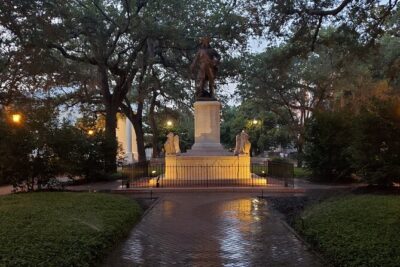
Savannah History and Haunts Candlelit Ghost Walking Tour
Read our review →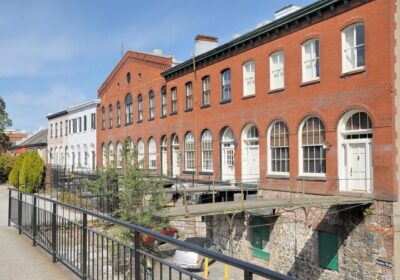
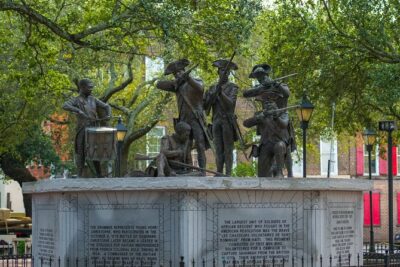
Narrated Historic Savannah Sightseeing Trolley Tour
Read our review →
Southern Flavors Food, Pub Crawl, and History Walking Tour
Read our review →
Genteel and Bard’s Savannah Dark History and Ghost Encounter Walking Tour
Read our review →
60-Minute Guided Segway History Tour of Savannah
Read our review →
Browse the lists this tour appears in